There is the movie a filmmaker makes, and then there is the movie you actually experience. That second part changes dramatically depending on whether you catch it in a theater or hit play at home. Some differences are obvious, like the sheer size of the screen. Others are sneakier, like how compression smooths out shadows or how a crowd turns a decent joke into a roar.
Below is what viewers tend to actually notice when a film debuts in theaters versus on streaming , with practical tips so you can choose the best way to watch based on the movie in front of you, not the discourse around it.
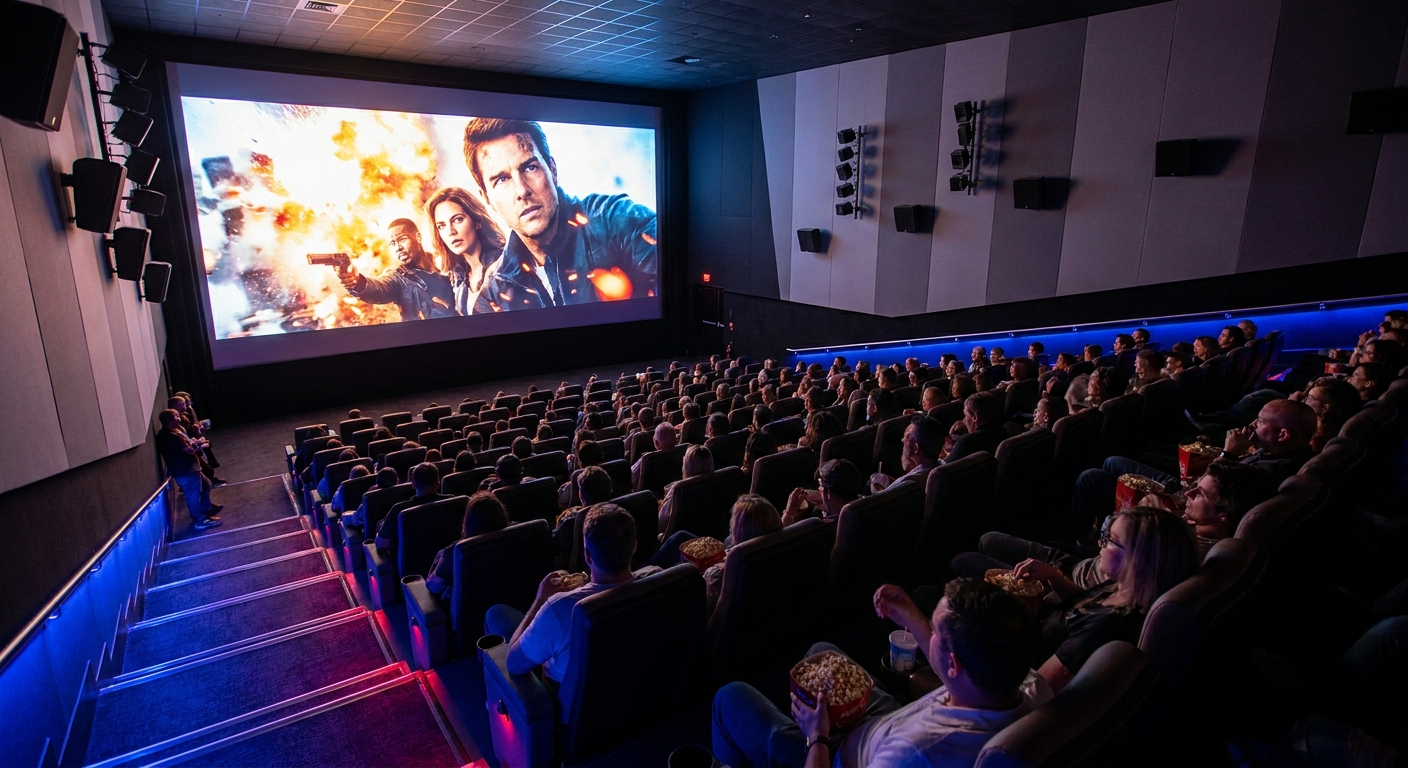
Picture quality: clarity is not the whole story
If you have ever thought, “This looks fine at home,” you are not wrong. But theaters and streaming optimize for different kinds of viewing, and the differences show up in specific places.
In theaters, you notice scale and shadow detail
- Screen size changes composition. Close-ups feel intimate. Wide shots feel architectural. You read blocking and production design more clearly because your eye cannot easily wander to your phone, your snack, or your laundry.
- Dark scenes can hold together better. In a well-calibrated auditorium with controlled lighting, subtle detail in nighttime photography often survives more cleanly than it does on a bright living room TV. In a poorly maintained theater, though, dim projection or stray reflections can crush blacks and make the same scene look worse than it should.
- Grain and texture often look more intentional. On a big screen, texture can feel like part of the image rather than “noise.” That said, projection quality varies, and a great OLED at home can render grain beautifully too.
Viewer tip: If you are watching at home and the image looks weirdly dark, check whether your TV is in a dim preset, whether motion smoothing is on, and whether you are accidentally streaming the HD version instead of 4K.
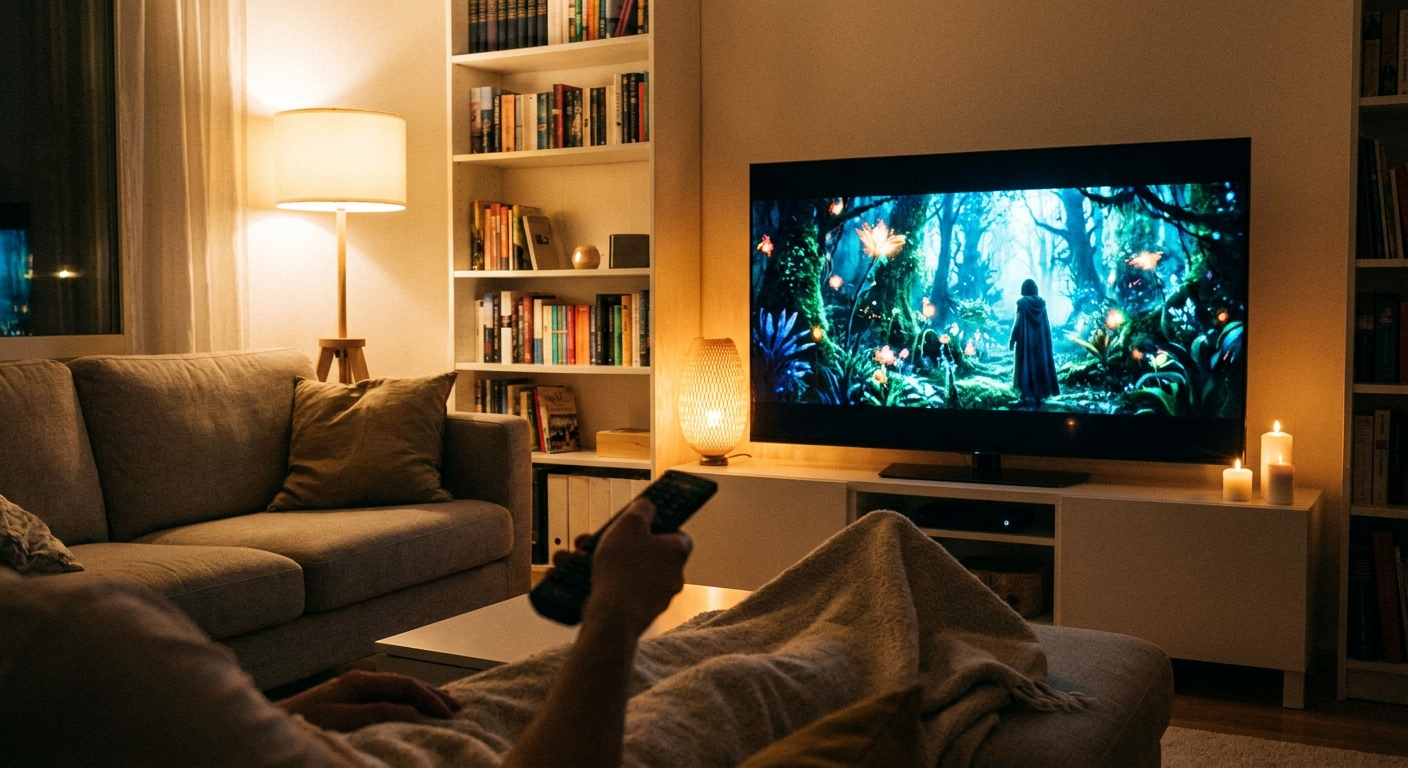
Sound: the biggest difference most people underestimate
Picture gets the glory, but sound is the real “theater advantage” for most movies, even quieter dramas.
Theatrical sound is built for immersion
- Dynamic range is often wider. Whispers are delicate, and crescendos hit like weather. That contrast is part of the emotional design. Some home releases preserve a lot of that range too, but it is easier to feel it in a properly tuned auditorium.
- Surround placement is precise. Footsteps behind you, a helicopter overhead, the murmur of a crowd around a character, all of it is mixed to move through a room with multiple speakers.
- Bass is physical. You do not just hear a spaceship, you feel it in your chest. Of course, playback levels and calibration vary by theater, and not every room nails it.
Home sound often turns into “dialogue problems”
At home, one of the most common complaints is “I cannot hear the dialogue,” and it is rarely your imagination. A lot of modern mixes assume a robust speaker setup. If you are using TV speakers, dialogue can fight with music and effects.
- TV speakers point the wrong way. Many fire downward or backward.
- Night modes compress the mix. Useful for neighbors, but they can dull impact.
- Room noise matters. HVAC hum, dishwashers, street noise, and roommates all steal clarity.
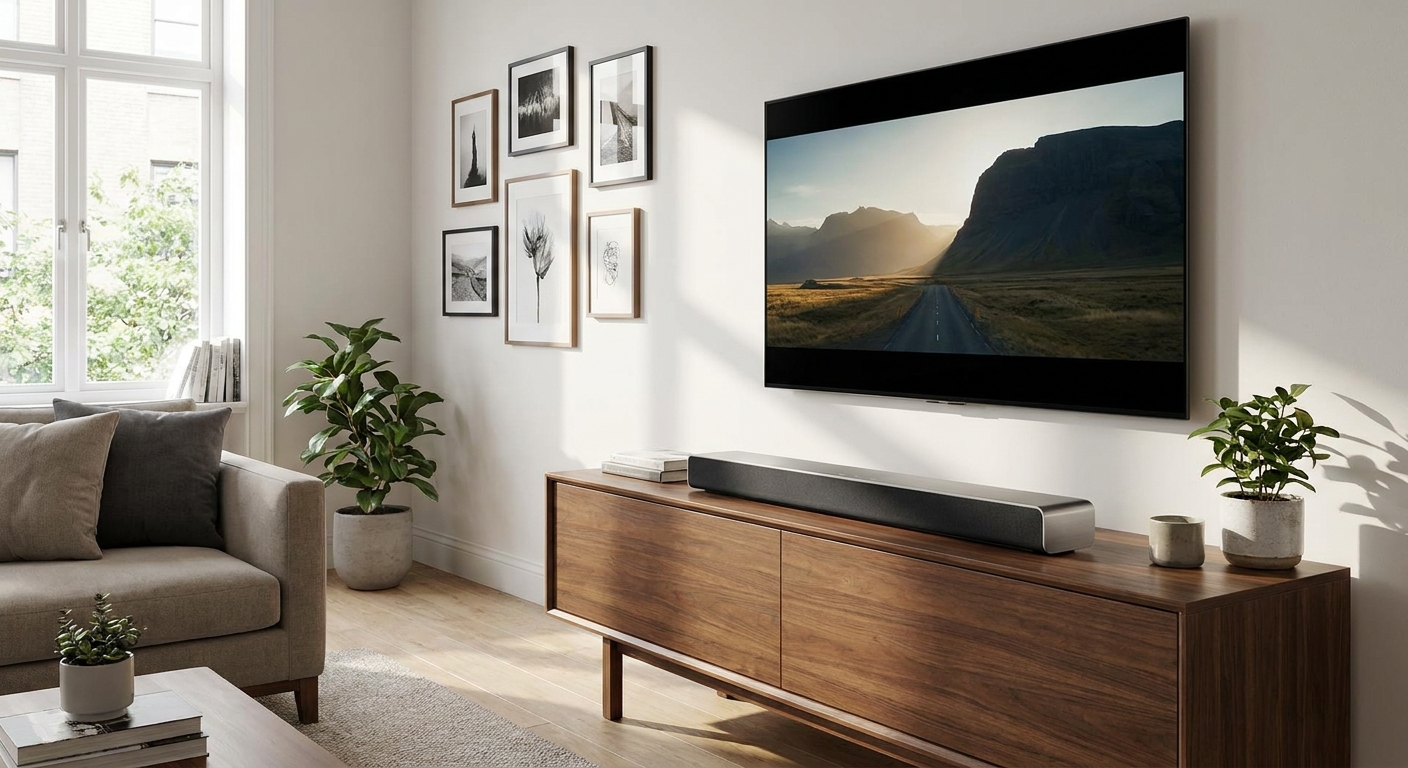
Viewer tip: If you can only upgrade one thing, add a soundbar with a dedicated center channel or dialogue enhancement. It changes the experience more than most picture tweaks.
Bonus scenes and cuts: what you miss or gain
Many viewers assume streaming equals “more stuff,” and theaters equal “the pure version.” Reality is messier.
What streaming sometimes adds
- Deleted scenes or extended cuts. Occasionally a platform will debut an “extended” version, or quietly swap in a slightly longer cut later.
- Audio commentaries and making-of extras. Not always, but some services increasingly treat their biggest titles like mini home-video releases.
- Alternate dubs and subtitles. Streaming usually offers more language options, which can be a real accessibility win.
What theaters still do best
- The unbroken, uninterrupted experience. No interface, no autoplay timer, no temptation to pause “just for a second.”
- Event screenings. Q&As, filmmaker intros, repertory showings, and premium formats can feel like you are attending a cultural moment, not just consuming content. (And yes, IMAX and Dolby Cinema can matter: you are often paying for a bigger image, higher contrast, and more robust audio.)
Viewer tip: If you are the type to rewatch, streaming can be perfect: first watch for story, second watch for craft. If you are a one-and-done viewer, theaters maximize the impact of that single viewing.
Release timing: the calendar matters
When a film lands affects how it feels. Theatrical releases tend to arrive with a concentrated burst of attention. Streaming releases can feel like a surprise drop, or like an option waiting patiently in your queue.
Theatrical timing creates urgency
- Limited windows push decisions. You go this weekend or you might miss it.
- Shared cultural beats. Opening nights, second-weekend chatter, and awards-season revivals make it easier to feel “in sync” with other viewers.
Streaming timing creates flexibility
- You can watch when you are ready. That sounds small until you realize how much mood matters for slower films, long runtimes, or emotionally heavy stories.
- Group viewing is easier to coordinate remotely. Friends in different cities can watch the same night, then text or call right after.
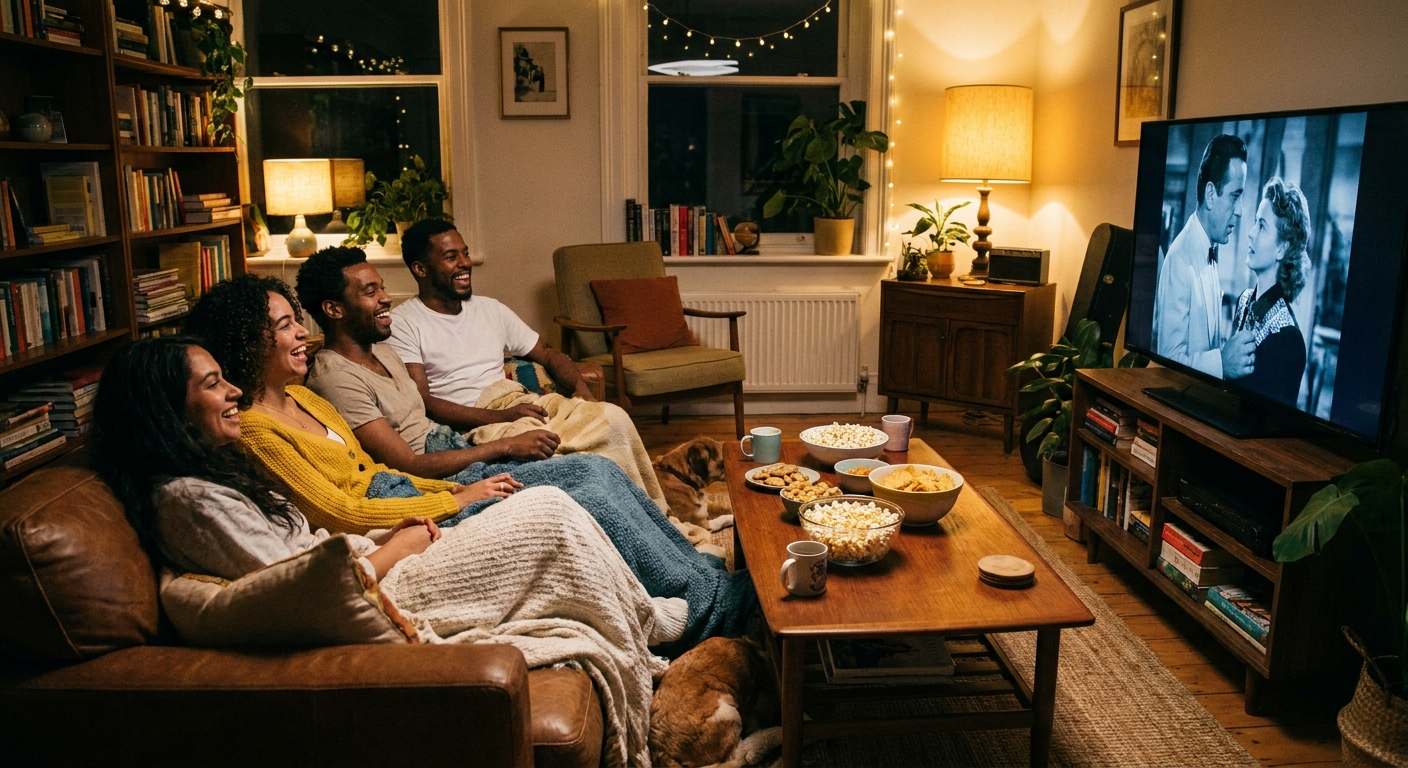
Audience reactions: the magic of strangers
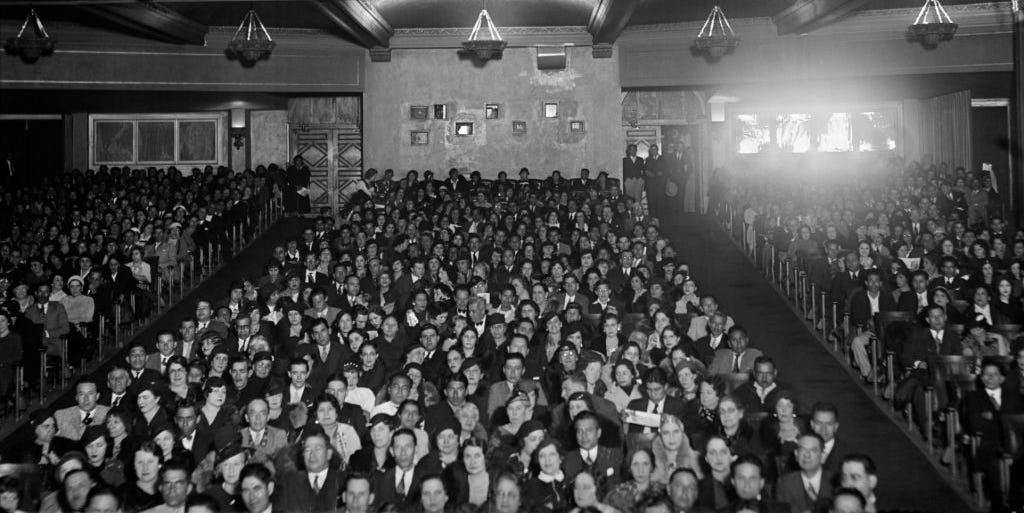
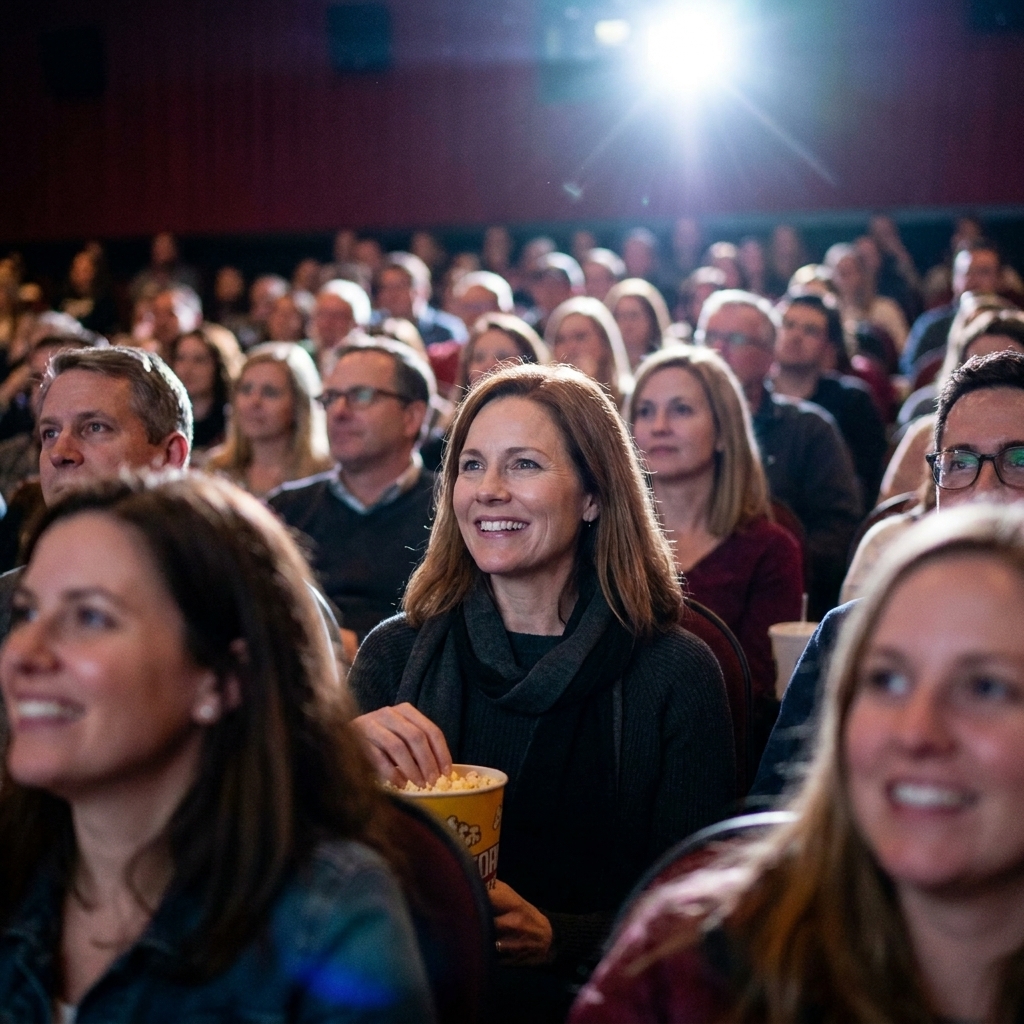
This is the difference I can describe in a thousand technical terms and still not capture: a good crowd changes the movie.
In theaters, you feel the room think
- Comedy lands harder. Laughter is contagious, and timing feels sharper when punchlines bounce around a room.
- Horror becomes a group sport. The collective inhale before a scare. The nervous giggle after. The way tension rises as one organism. It is part of the fun.
- Quiet films can become sacred. When a whole audience holds still during a long take, it gives the moment weight.
At home, you control the vibe
- You can pause and process. Great for dense plots, subtitles, or emotionally intense scenes.
- You can curate your company. A small group of the right people can beat a distracted theater crowd any day.
- You set the rules. Snacks, lighting, volume, blankets, and yes, the ability to rewind that one line you missed.
Viewer tip: If you love the “audience electricity” but hate crowds, try an early weekday show. The room is often quieter, and the movie can breathe.
Spoiler risk: where it gets dangerous
Spoilers are not just about plot twists. They can be about cameos, needle drops, post-credits scenes, and even a film’s final image.
Theaters can offer a short bubble
- Fewer people have seen it on day one. For big titles, opening weekend is often your best bet if you want a relatively clean runway. It is not perfect, though: premieres, press screenings, and social reactions can leak details early.
- You are less likely to multitask into spoilers. You are not scrolling while the movie loads.
Streaming makes spoilers travel faster
- More viewers, instantly. A movie can go from “unseen” to “everywhere” in one night.
- Algorithmic surfaces can betray you. Thumbnails, auto-previews, and trending rows can reveal a character or moment you did not want to know existed.
Viewer tip: If you care about surprises, watch as soon as you reasonably can, then stay off short-form video apps until you do. If the film is known for a post-credits moment, do not let the “Next” prompt bully you out of the seat or off the couch.
Accessibility: captions and control
- Streaming is usually simpler. You can turn captions on instantly, adjust size, and pick languages without asking anyone.
- Theaters are improving, but it varies. Many offer closed-caption devices and assistive listening options, and some screenings are specifically captioned. Availability, comfort, and setup can differ a lot by location.
Cost and convenience: the real tiebreakers
- Theaters cost more upfront. Tickets, travel, parking, and concessions add up, especially for groups. The flip side is you are paying for a dedicated room and (ideally) a calibrated presentation.
- Streaming is cheaper per watch. Subscriptions spread the cost across many titles, and you control start time, pauses, and snacks. The tradeoff is you also inherit all the variables of your setup and your attention span.
Practical pick: which movies need theaters?
Not every film needs a premium screen. Here is the simple viewer-first rubric I use.
Go theatrical if the movie has:
- Big-scale imagery like epics, sci-fi, sweeping landscapes, or meticulous production design
- Sound-forward filmmaking like musicals, action, concert films, or anything with an aggressive soundscape
- Comedy or horror energy where a crowd improves the fun
- A visual grammar that rewards attention like long takes, subtle acting choices, or dense blocking
Streaming is perfect if the movie has:
- Dialogue density where subtitles or quick rewinds help
- A long runtime that is easier in chapters
- Emotionally heavy material that you want to experience privately
- A rewatchable structure like mysteries, intricate editing, or layered performances
Quick home upgrades that mimic a theater
(Without turning your living room into a lab.)
- Turn off motion smoothing. It can make films look unnaturally slick.
- Use “Cinema” or “Filmmaker” mode. These tend to be closer to the intended look.
- Dim the room lights. Reflections crush contrast.
- Add a basic soundbar. Dialogue clarity is the fastest quality-of-life improvement.
- Check your stream quality. If your service lets you choose, select the highest available quality and confirm you are on the right tier.
FAQ
Is a theatrical version ever different from the streaming version?
Usually the core cut is the same, but differences happen. A later streaming debut may include an extended cut, minor tweaks, or added extras. More commonly, what changes is not the edit but the presentation, like brightness, contrast, and how the sound mix translates to home setups.
Do theaters always look better than 4K at home?
Not always. A top-tier home TV with great HDR can look stunning. But theaters still win on scale, controlled lighting, and immersive sound. Poorly maintained theaters exist, and a great home setup can beat a mediocre screening.
Why does dialogue sound clearer in theaters?
The room is designed for it: multiple speakers, calibrated levels, and less competing noise from your environment. At home, TV speakers and room acoustics can bury midrange frequencies where voices sit.
If I want to avoid spoilers, is streaming or theaters safer?
Theaters, especially early in the run, are often safer. Streaming releases put the movie into far more homes at once, which accelerates online discussion and accidental reveals. That said, premieres and early reactions can still spoil things before wide release, so timing matters either way.