Film festivals are a little like theater district nights on fast-forward: you’re juggling showtimes, weather, crowds, and that one friend who insists “we can totally make it” across town in seven minutes. You can, but only if you understand the venues as a living map, not a list of addresses. Below is your on-the-ground guide to three festivals that define the global circuit: Sundance, Cannes, and TIFF. We’re talking ticketing realities, transit hacks, and how to hop venues without losing the plot.
The festival mindset
Before we get city-specific, a quick truth: the screening is only half the experience. The other half is logistics. If you plan like a stage manager, you’ll watch more movies, miss fewer intros, and still have enough energy left to talk about what you just saw.
- Think in clusters, not kilometers. Build your day around a tight group of venues, not whatever looks exciting on the schedule.
- Pad every transition. Lines, security checks, badge scans, seating, and intros all take time. Leave buffers like you’re catching connecting flights.
- Choose one “big swing” per day. One red carpet, one cross-town trek, one hard-to-get screening. Everything else should be smooth and local.
- Pack for the venue, not the outfit. Portable charger, water, a snack that won’t crumble into your tote bag, and layers you can peel off once you hit a warm auditorium.
Ticketing basics
Festival ticketing is its own genre, and every festival’s rules shift a bit year to year. The practical implication is universal: what you buy (or what you’re accredited for) dictates where you can go, how long you’ll wait, and whether your day can handle a last-minute pivot. Before you lock anything in, check the current year’s ticketing page for your festival.
Know what you’re holding
- Single tickets: Best for targeted must-sees. Worst for spontaneous changes when something sells out.
- Packages or bundles (when offered): A flexible middle ground that can let you build a schedule around venue clusters, then fill gaps. Some festivals offer these reliably, others change the structure often.
- Passes and badges: Not always a golden key. They often still require reservations, and popular venues can hit capacity even for credentialed attendees.
Understand rush without romanticizing it
Rush lines are thrilling when you win and brutal when you don’t. Plan them as a bonus, not a backbone.
- Pick rush targets near other screenings so a miss doesn’t wreck your day.
- Bring something to do quietly. You’ll be waiting.
- Know the cut-off moment when you bail and move on. Protect the rest of your schedule.
About seat-filling
Sometimes there are last-minute seat releases when ticketholders no-show, but it’s not consistent, not always official, and not always available to the general public. Treat it as a pleasant surprise, not a strategy. If you’re hoping for a miracle, arrive early and keep a backup plan in the same neighborhood.
Sundance
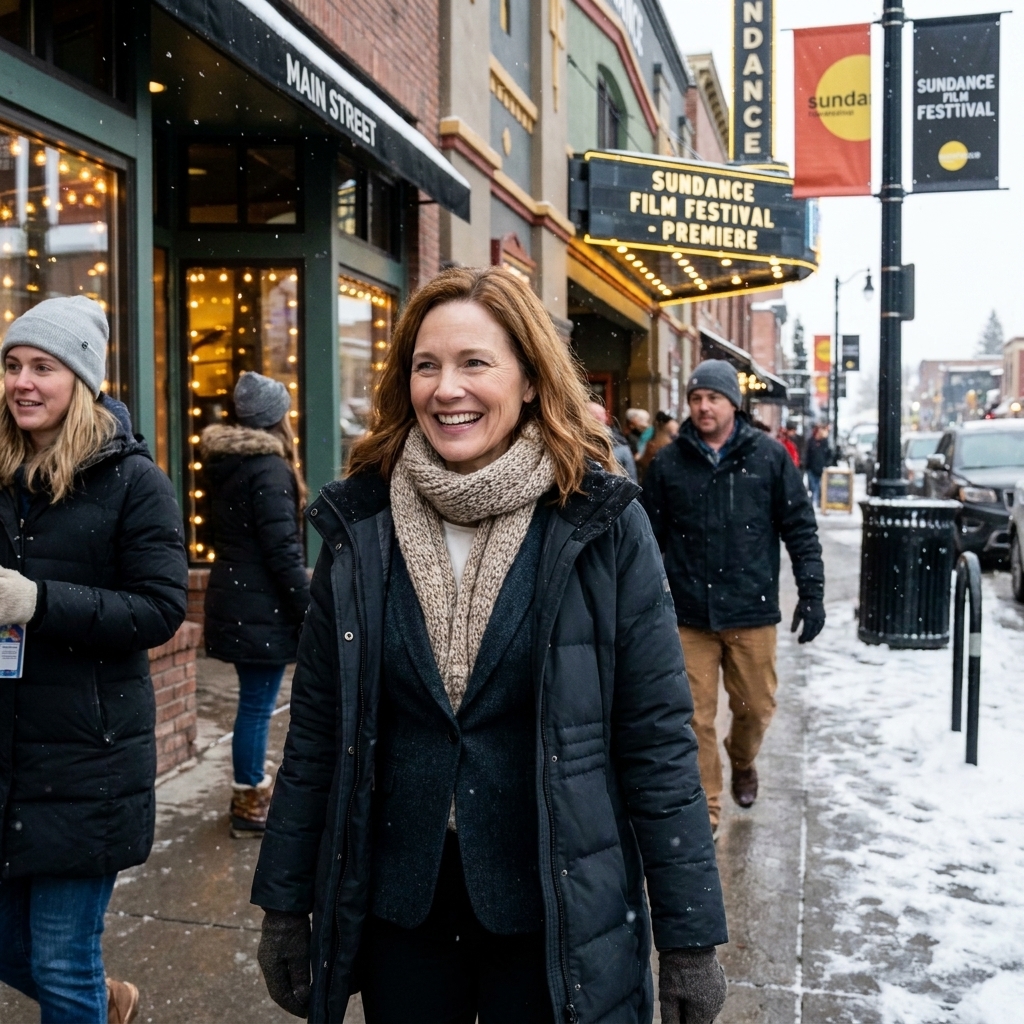
Sundance feels intimate because you keep running into the same faces, but the geography can be deceptively sprawling. Your enemy isn’t distance alone. It’s snow, hills, and the time it takes to get from “cute Main Street photo op” to “please don’t let the doors close.”
How the venues work
Venues tend to cluster in Park City, with additional screenings sometimes in nearby areas depending on the year. Treat Park City like a set with distinct stages. A few venues that often define the map include Eccles Theatre, the Library Center Theatre, and the Egyptian Theatre, but the exact lineup can change.
- Main Street core: The walkable heart where lines and street energy are part of the show.
- Outlying Park City venues: Close enough to feel connected, far enough to require real transit planning.
- Salt Lake City area screenings (when scheduled): Great if you’re staying there, risky if you’re trying to day-trip back and forth on a packed schedule.
Home base and arrival buffer
- Best base: If you can swing it, stay in or near Park City’s core so you’re not paying a commute tax in snow.
- Typical transit: Walking plus buses or shuttles, depending on the year’s setup.
- Arrival rule: Aim for 45 to 60 minutes early for anything popular. In bad weather, give yourself more.
Getting around
- Dress like you’ll be standing still. Lines are the coldest part of the day because you’re not moving.
- Use public transit where possible. Festival traffic can turn short drives into long detours.
- Build a weather tax into your schedule. Snowy sidewalks and crowded buses add minutes you can’t wish away.
Venue-hopping strategy
- Anchor your day to one area. Morning and afternoon in the same cluster. Night can be your one big move.
- Don’t stack back-to-back screenings in different zones. If you must, choose a larger venue second, since they sometimes have more seating flexibility.
- Eat early. Restaurant waits spike between screenings. A rushed lunch can cost you an entire film.
Sundance pro tip
Sundance lines are social, but they’re also structured. Arrive early enough to find your place calmly, check your ticket details, and still have time for the restroom. The last five minutes before doors open isn’t a charming scramble. It’s a stress test.
Cannes
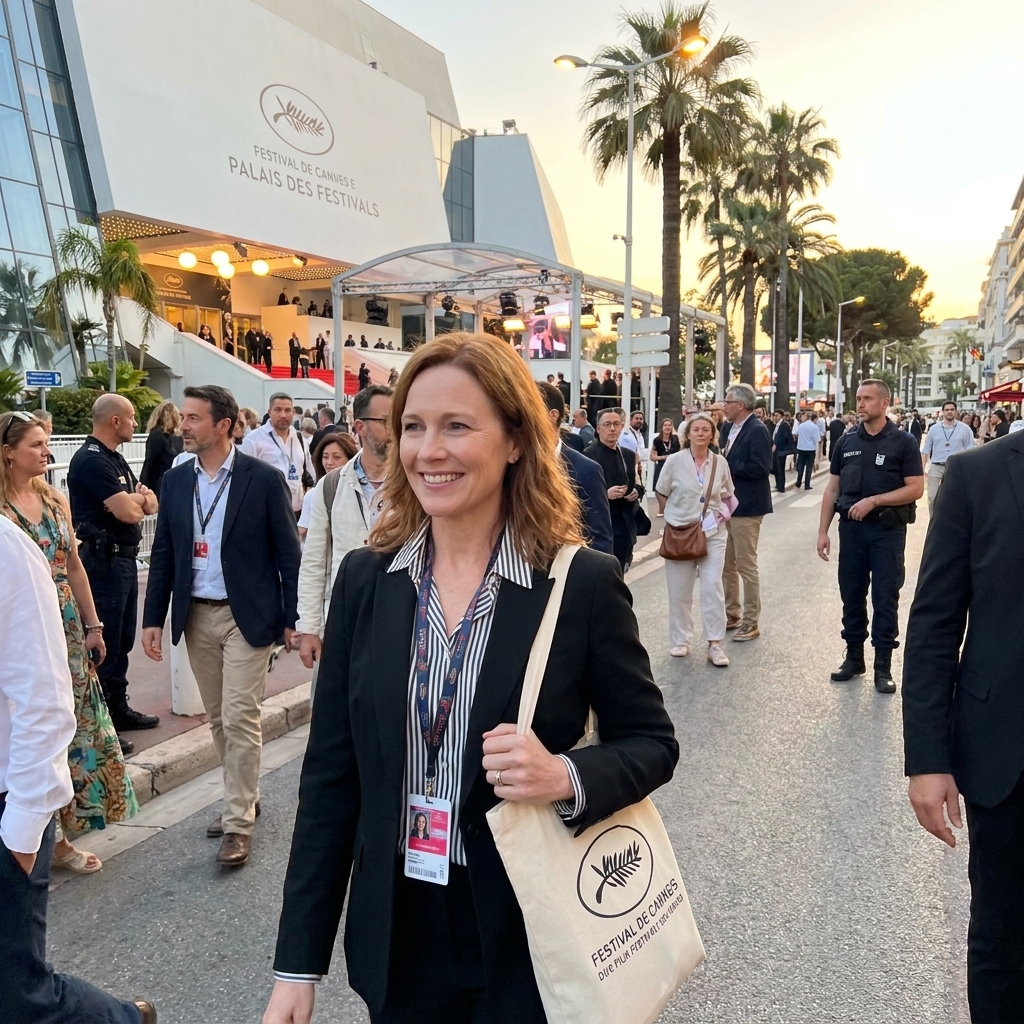
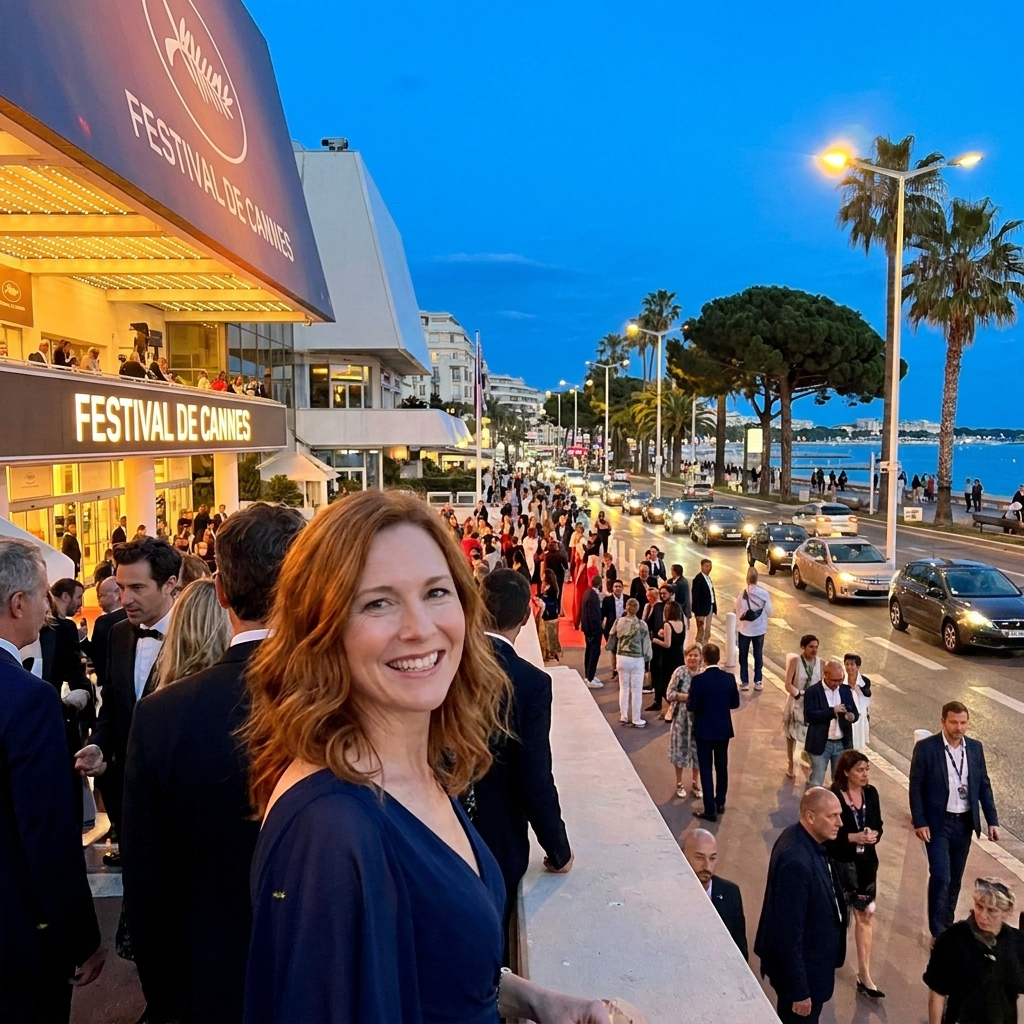
Cannes is the rare festival where the venue is a character. The Palais des Festivals et des Congrès dominates the experience, and the Croisette energy can make you forget that you still have to get into the building, clear security, and find your seat before the lights drop.
What access looks like
Cannes is credential-heavy. Most official screenings at the Palais and many key venues are tied to accreditation and online booking, and public access can be limited. If you’re visiting without accreditation, focus on what’s designed to be more public-facing, like Cinéma de la Plage, certain sidebars or partner events, and the general Croisette atmosphere. You can still have a great Cannes day, but your “map” will be different.
The venue ecosystem
- The Palais: The gravitational center, including major premieres and high-demand screenings.
- Nearby cinemas: Often within a manageable walk, but crowd flow can slow you down. Depending on the year, you might see screenings at venues like Théâtre Croisette or other nearby auditoriums.
- Beach and special-event screenings: Magical when conditions cooperate, but more vulnerable to timing and access constraints.
Home base and arrival buffer
- Best base: As close to the Palais as you can afford. In Cannes, proximity is time.
- Typical transit: Walking, with short local rides when needed.
- Arrival rule: For anything high demand, arrive earlier than you think you need to. Security and entry lines can be substantial.
Tickets, booking, and the unglamorous part
Even when you’ve got the right credential, you still need to think like a traveler navigating airport security at peak hours.
- Arrive early. Entry procedures can take longer than your brain wants them to.
- Know the dress requirements for specific screenings. Cannes isn’t uniformly strict across every venue and time, but certain events have expectations. Check before you pack.
- Have a Plan B within walking distance. When a screening is full, your best recovery is a nearby alternative, not a cross-town sprint.
Cannes pro tip
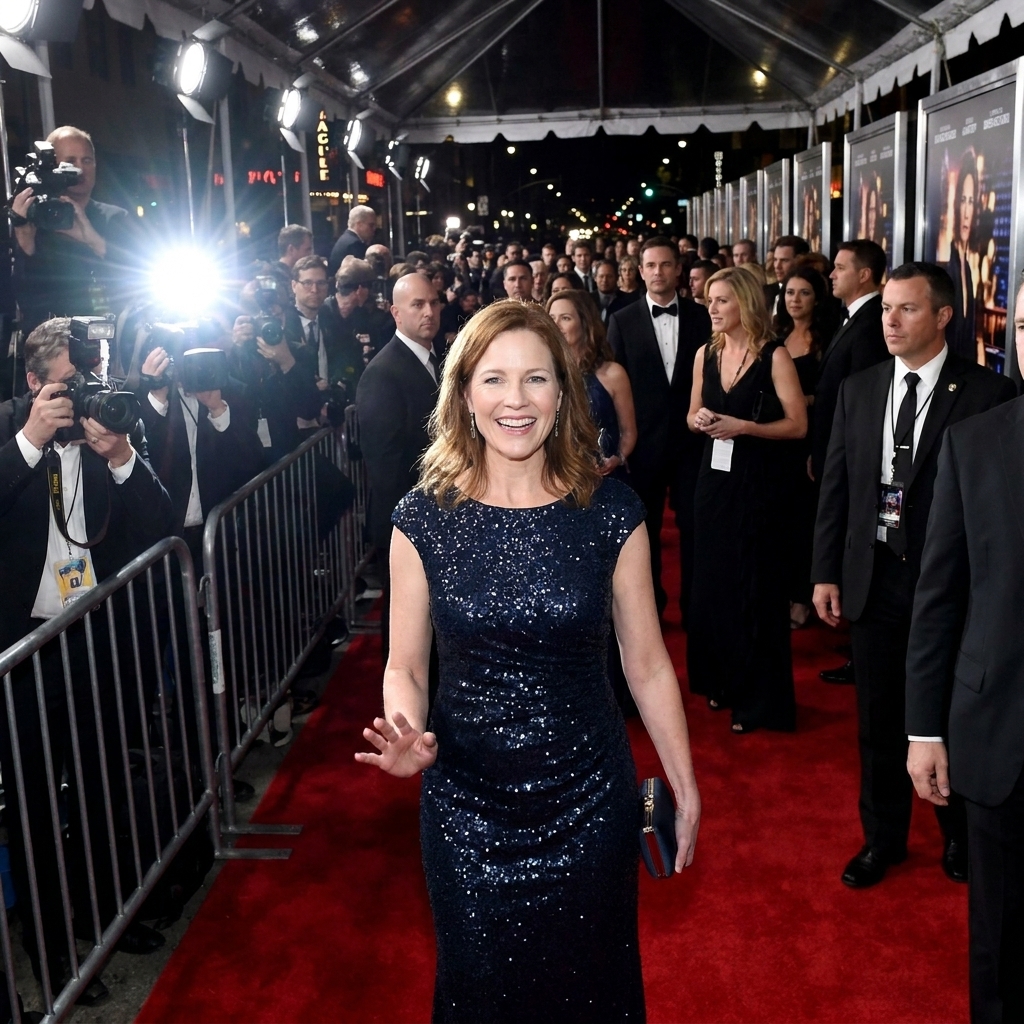
That premiere you want to watch from the sidelines is also a wave that reshapes pedestrian flow. If you’re trying to get to a different screening, build extra time when big arrivals are happening. The photos are fabulous. The bottlenecks are real.
TIFF
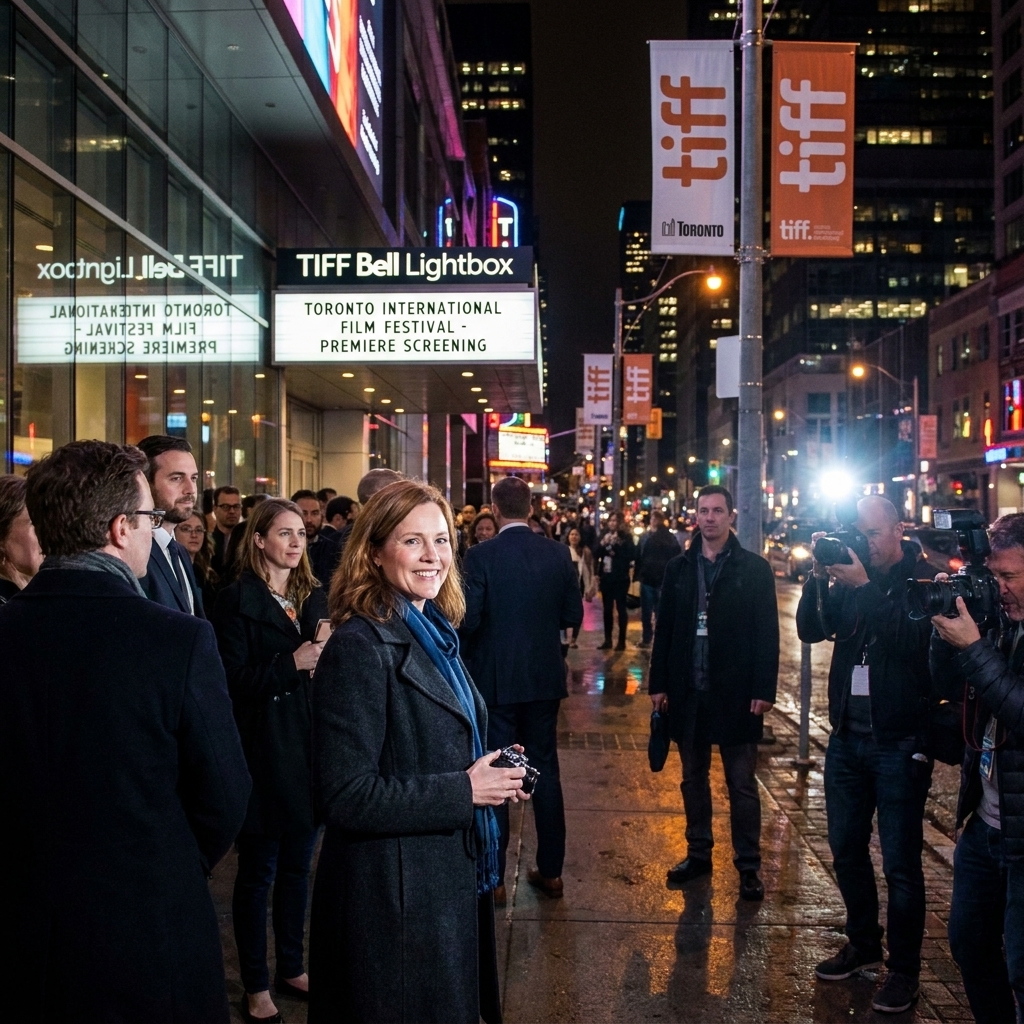
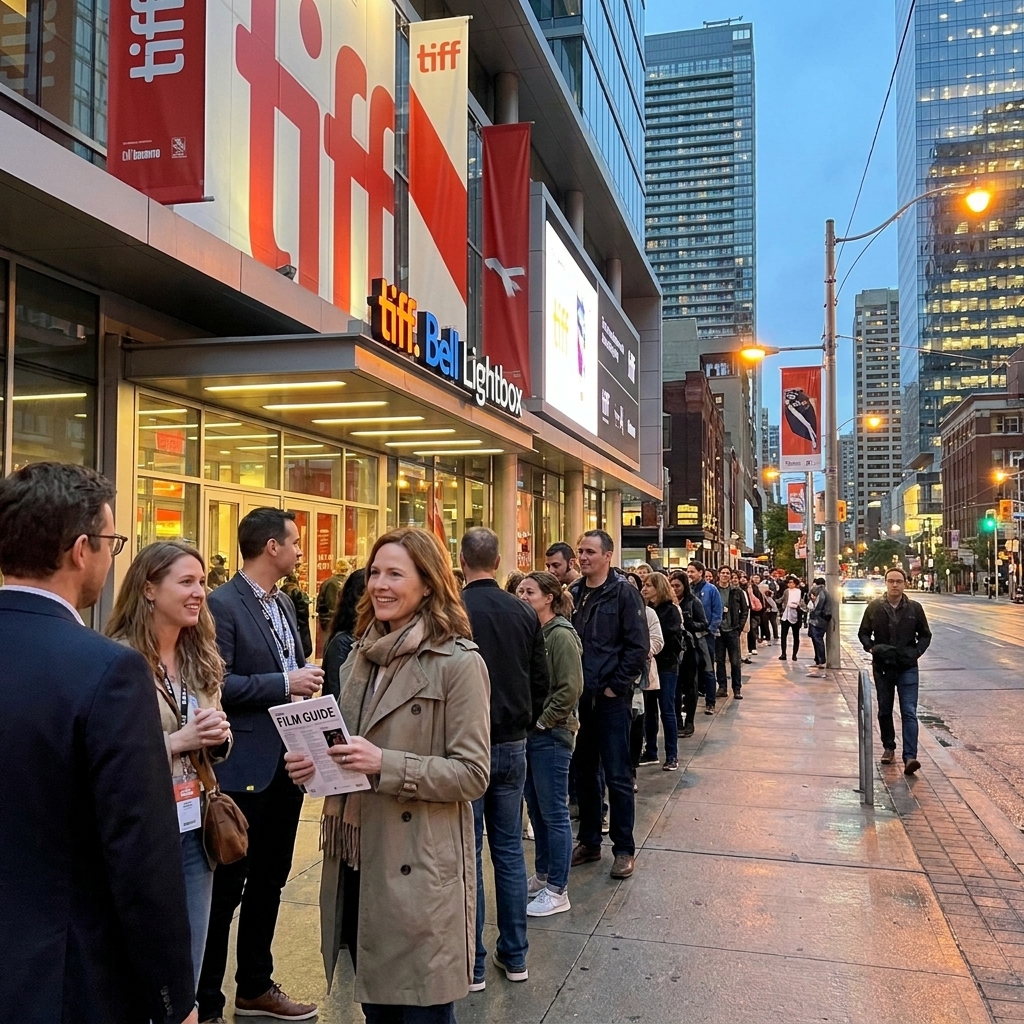
Toronto during TIFF is my favorite kind of chaos: a city that already knows how to host crowds, suddenly tuned to cinema frequency. The advantage here is density. The challenge is that everyone else knows it too.
Venue clusters to know
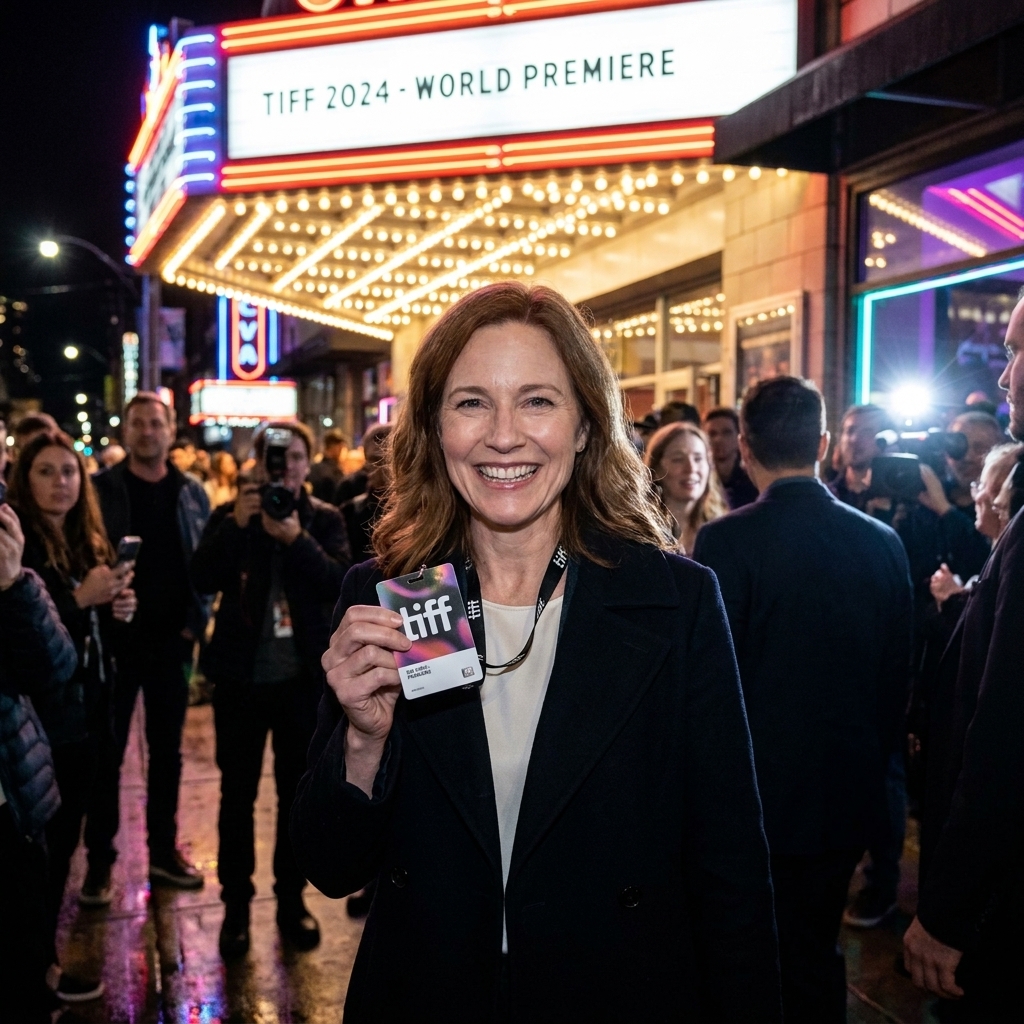
TIFF’s venues are largely downtown, and many are reachable on foot if you plan your day intelligently. Venue rosters shift, but the orbit is familiar: TIFF Bell Lightbox anchors the experience, and big premieres often land at large houses like Roy Thomson Hall and the Princess of Wales Theatre.
- Entertainment District hub: The central zone where you can stack screenings with minimal transit time.
- Big premiere venues: Great for buzzy nights, but entry and exit can take longer because the crowd is larger.
- Outlier venues (when used): Often a short ride away, but the time cost grows fast during peak hours.
Home base and arrival buffer
- Best base: Downtown, ideally near the Entertainment District, so you can walk most of your day.
- Typical transit: Walking first, transit second, rideshare last.
- Arrival rule: 30 to 45 minutes early is a comfortable baseline for popular screenings. For premieres, go earlier.
Getting around
- Walk when you can. Downtown traffic and rideshare pickups can eat your buffer time.
- Use public transit for longer jumps. It’s often more predictable than a car during festival crunch.
- Plan for weather swings. Toronto can change moods quickly. Pack a light layer and a small umbrella.
Venue-hopping strategy
- Stack by neighborhood, then by start time. A tight geographic plan beats an aspirational schedule.
- Beware the “back-to-back with Q&A” trap. Q&As are wonderful. They also make end times unpredictable. Don’t book a hard sprint right after a likely talkback.
- Use matinees strategically. Earlier screenings can mean shorter lines and a calmer reset before the evening rush.
TIFF pro tip
Even if you’re not attending the red carpet event, it can shift sidewalk traffic, security presence, and entry routes. If your screening is nearby, arrive earlier and follow venue staff guidance like it’s choreography.
The venue kit
I’m the person who reads the entire playbill and stays through every credit roll, which means I prepare for the slow parts and the sudden ones. Here’s the bag that keeps you comfortable and nimble.
- Portable charger and a cable that actually fits your phone.
- Water plus a small snack that won’t melt, crumble, or perfume the theater.
- Layers for outdoor lines and overly enthusiastic air conditioning.
- Comfortable shoes you can stand in for an hour without bargaining with the universe.
- Small notebook or notes app template for quick reactions, cast names, and that one shot you’ll want to describe later.
- Earplugs for crowded lobbies and late-night street noise if you’re staying near the action.
Build a day that survives
If you want a schedule that survives real life, build it in layers. Your goal isn’t perfection. Your goal is resilience.
Step 1: Pick anchors
Choose one or two must-see screenings and lock in the venues first. Don’t build around wishful thinking.
Step 2: Fill nearby
Add screenings in the same area. If they’re in different buildings, try to leave 45 to 90 minutes between the listed start times, and more if one is a premiere.
Step 3: Add flex time
Reserve time for a rush attempt, an exhibit, a nap, or a meal that isn’t eaten while speed-walking. Flex time is what keeps the day fun.
Step 4: Choose bailout points
Decide in advance what you’ll drop if things run late. It’s easier to make calm choices when you’re not currently sprinting.
Schedule math
Festival schedules look clean on paper because they’re built on start times, not real-world exits. A simple rule: add 15 to 30 minutes to whatever you think the end time is. That covers intros, late starts, Q&As, and the slow shuffle out of a packed room. If you’ve got mobility needs or you’re navigating elevators, add more. Your future self will thank you.
Accessibility notes
If you’re managing mobility, fatigue, hearing, or sensory needs, plan like you deserve a smoother festival, because you do. Many venues offer accessible seating, step-free routes, assistive listening devices, and line accommodations, but you’ll usually need to request them through the festival or venue ahead of time.
- Build bigger gaps. More time between venues means less stress and fewer missed starts.
- Ask about accessible entrances. They can be different from the main line, and that changes your timing.
- Pick one home base zone. Fewer long transfers makes the whole week more doable.
Festival etiquette
A festival is a temporary city of storytellers and strangers. A little courtesy keeps the whole machine humming.
- Show up early. It helps staff seat everyone efficiently and reduces disruptions once the film begins.
- Silence your phone fully. Not just vibrate. Vibrate is still a tiny drum solo in a quiet scene.
- Stay if you can. Q&As are part of the art form here, and it matters to filmmakers to see an audience stick around.
- Be kind in lines. Everyone’s tired, excited, and trying to make it work. That includes volunteers.
Quick FAQ
How early should I arrive?
For major festivals, arriving 30 to 60 minutes early is a safe baseline for popular screenings, especially at headline venues. If you’re relying on rush, earlier is often better. If your schedule’s tight, prioritize early arrival for the screening you can’t miss.
Can I do three to five films in a day?
Yes, but only with smart clustering and realistic buffers. The moment you add long travel time, premieres, or unpredictable Q&As, the schedule needs breathing room. Four well-planned screenings can feel better than six chaotic ones.
What’s the biggest first-timer mistake?
Overbooking across the map. The fantasy is “I can catch everything.” The reality is you want to arrive calm enough to actually watch the movie. Pick fewer screenings, plan tighter, and you’ll remember more of what you saw.
Final take
Sundance teaches you to respect terrain. Cannes teaches you to respect access. TIFF teaches you to respect timing in a busy downtown. Master those three lessons and you’ll spend less time staring at a navigation app and more time doing what you came for: sitting in the dark with a room full of strangers, letting a story rearrange your day.