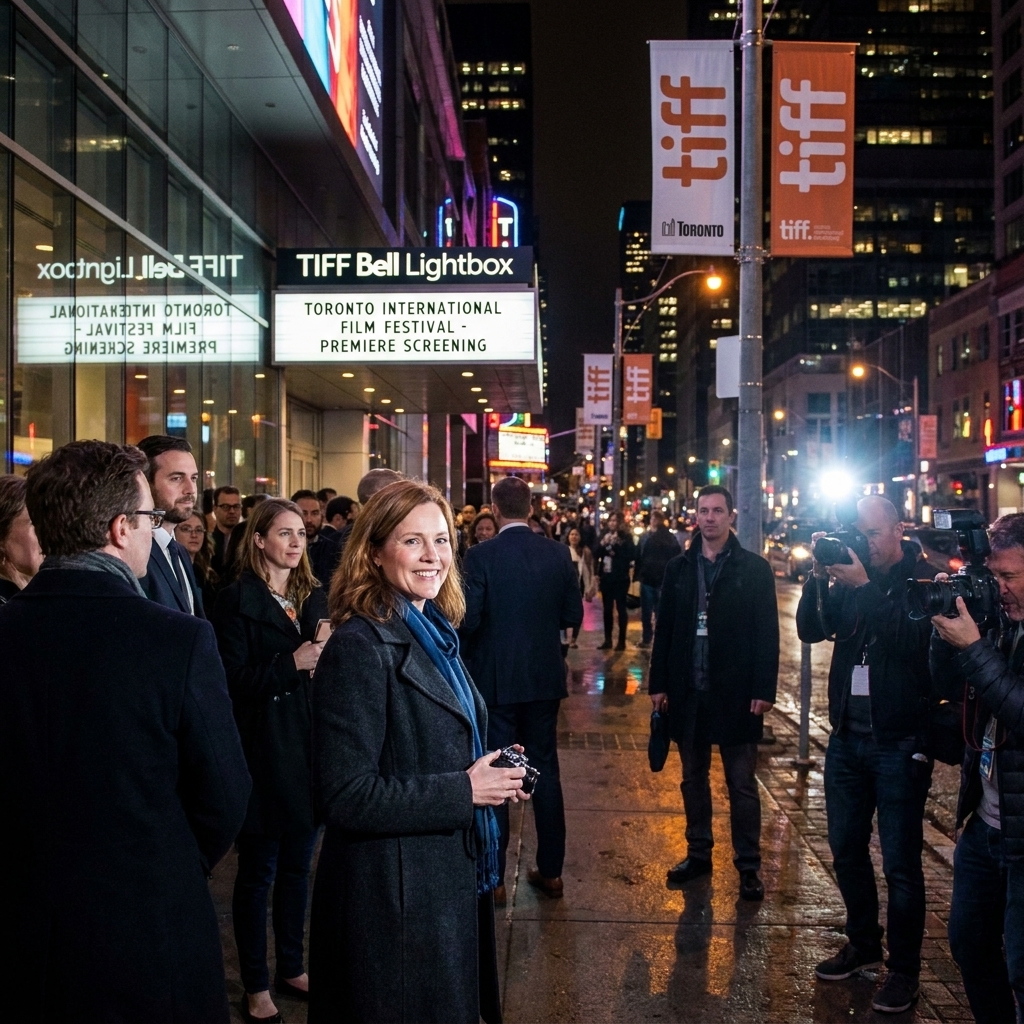
A film festival is basically a pop-up city of movies: multiple venues, overlapping showtimes, surprise guests, and lines that feel like their own supporting characters. The good news is that most festivals sell access in a handful of familiar formats. Once you know what a single screening ticket does versus a day pass, a multi-film bundle, or an industry badge, planning gets a lot less intimidating and a lot more fun.
Here is how passes and badges typically work, how seating and entry often play out at the door, and how to pick the right option if this is your first time doing the beautiful logistical ballet of a festival weekend.
The four ticket types you will see most
1) Single screening tickets
What it is: Admission to one specific film at one specific time and venue. This is the simplest option and the one most similar to regular moviegoing.
Usually includes:
- One seat for that screening, sometimes assigned and sometimes general admission.
- Access to any Q&A attached to that screening (director Q&A, cast intro), if scheduled.
What it usually does not include: entry to other screenings that day, parties, lounges, panels, or priority lines unless explicitly stated.
Best for: locals dropping in for one must-see title, or first-timers who want maximum flexibility without committing to a full-day schedule.
2) Day passes
What it is: A pass intended to cover multiple screenings within a single calendar day. The exact definition varies by festival, so always read the fine print.
How it commonly works:
- Capacity-based access: you can attend multiple screenings that day as long as there is room, sometimes after ticketed or higher-priority categories are seated.
- Preselected admissions: some festivals structure a “day pass” more like a mini bundle, where you choose or are assigned a set number of screenings for that day.
Common limits:
- Some festivals require you to select and reserve tickets for each screening even with a day pass.
- Some day passes apply only to a subset of venues (for example, “downtown venues only”).
- Premium events (opening night, closing night, big gala premieres) may be excluded or require an upgrade.
Best for: a focused festival day where you want to see 2 to 4 movies and you are comfortable building your day around showtimes and lines.
3) Multi-film bundles and ticket packs
What it is: A prepaid bank of admissions, often sold as 5-pack, 10-pack, or “flex” bundles. Think of it like buying your festival tickets in bulk.
Usually includes:
- A set number of redemptions you can exchange for individual screening tickets.
- Sometimes a slight discount compared to buying single tickets one by one.
How it typically works: You buy the pack, then later “redeem” or “exchange” for specific screenings once the schedule drops. Some festivals let you redeem online; others use box office windows or timed exchange appointments.
Watch for:
- Blackout screenings (popular premieres, galas, special presentations) that require a different ticket category.
- Redemption windows that open earlier for members, donors, or higher-tier passholders.
- Expiration rules if the festival runs across multiple weekends.
Best for: people planning to see several films but who do not need the full privileges of a badge.
4) Badges (industry and premium access)
What it is: A credential-style product, typically worn on a lanyard, that grants higher-level access. Badges are common at larger festivals and often come in tiers.
Types you might see:
- Industry badge: for working professionals, press, or accredited attendees. Often includes access to industry screenings, conference programming, and networking spaces.
- All-access or premium badge: for patrons and high-tier attendees. Typically offers the best line priority and the broadest access.
- Student, local, or weekend badge: a scaled version with fewer days or fewer venues.
What a badge usually includes:
- Entry to many screenings, often with priority line access.
- Potential access to industry talks, panels, and lounges.
- Sometimes a limited number of guest passes or party invites, depending on tier.
What it often still requires: Even with a badge, many festivals use a ticketing and reservation system for crowd control. In other words, a badge can be powerful, but it is not always a magical all-doors key.
Best for: people attending for multiple days who want to prioritize volume, convenience, and premium access, or those who need industry programming for work.
How seating and entry work
Festival entry is less like a single line and more like a small ecosystem. The exact terminology changes, but the structure is often similar across events.
Assigned seating vs general admission
- Assigned seating: Your ticket has a row and seat. Arrive early anyway because festivals may have bag checks and pre-show intros. Some festivals hold reserved seats only until a cutoff time, and policies vary.
- General admission: Your ticket gets you into the room, but not a specific seat. Arriving earlier gives you better seat choice.
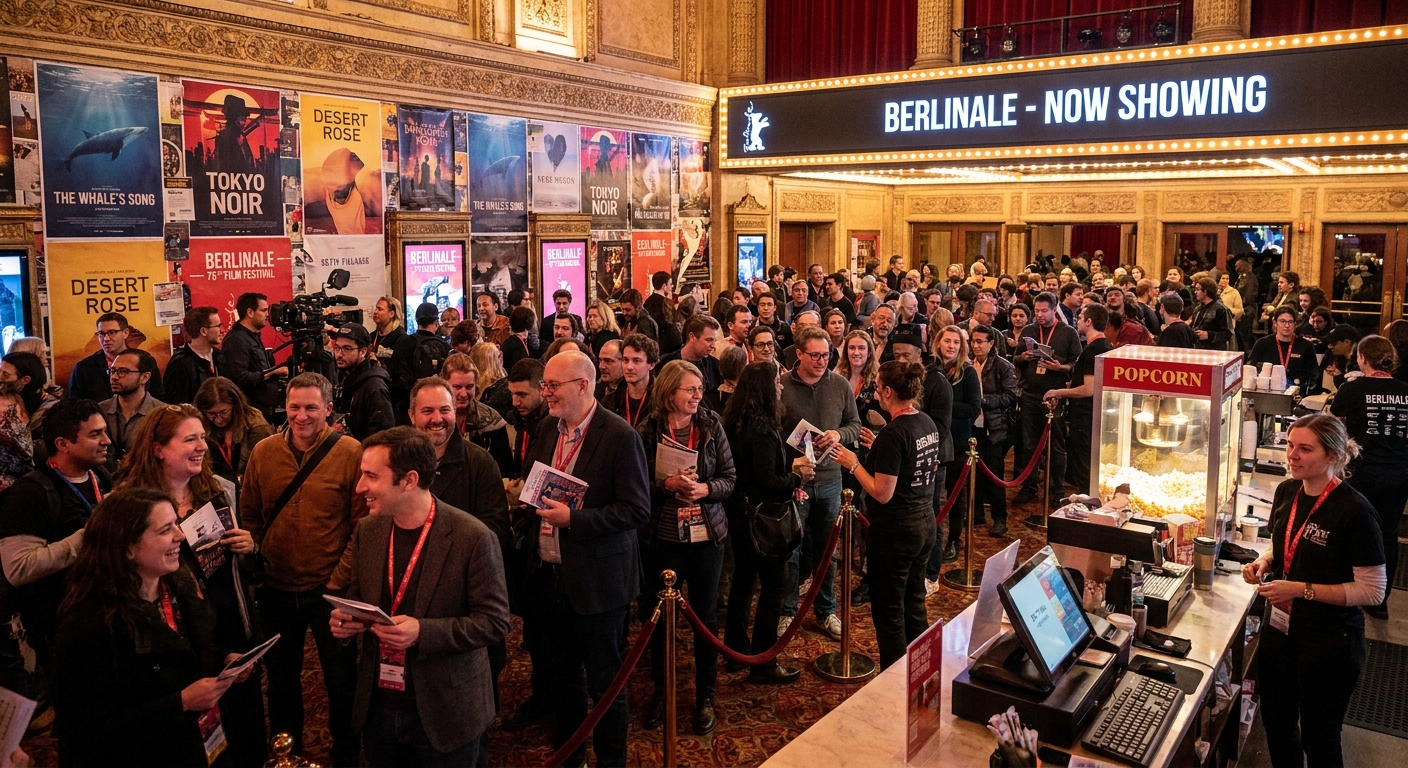
The line hierarchy
Many festivals separate audiences into categories to keep entry orderly. You might see:
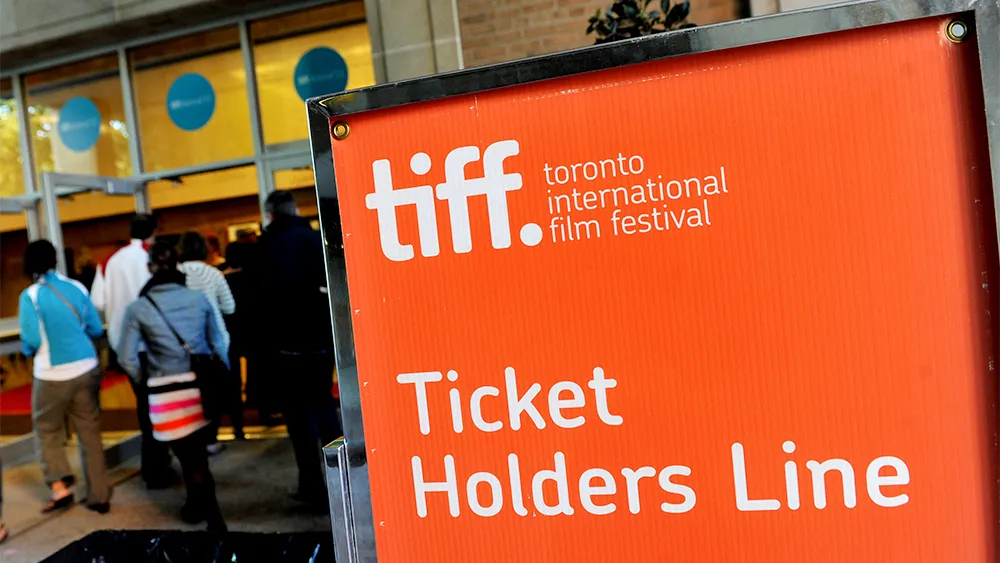
- Ticket holders line: for people with a ticket or reservation for that screening.
- Pass or badge priority line: for certain pass tiers and credentialed attendees.
- Rush or standby line: for people hoping to buy or claim last-minute seats if no-shows leave capacity.
If you remember one thing: capacity is real. Fire codes do not care that you flew in for the premiere. A ticket or reservation improves your odds. A priority category improves your odds. Neither is a guarantee if you arrive at the last second.
Reservations, exchanges, and scanning
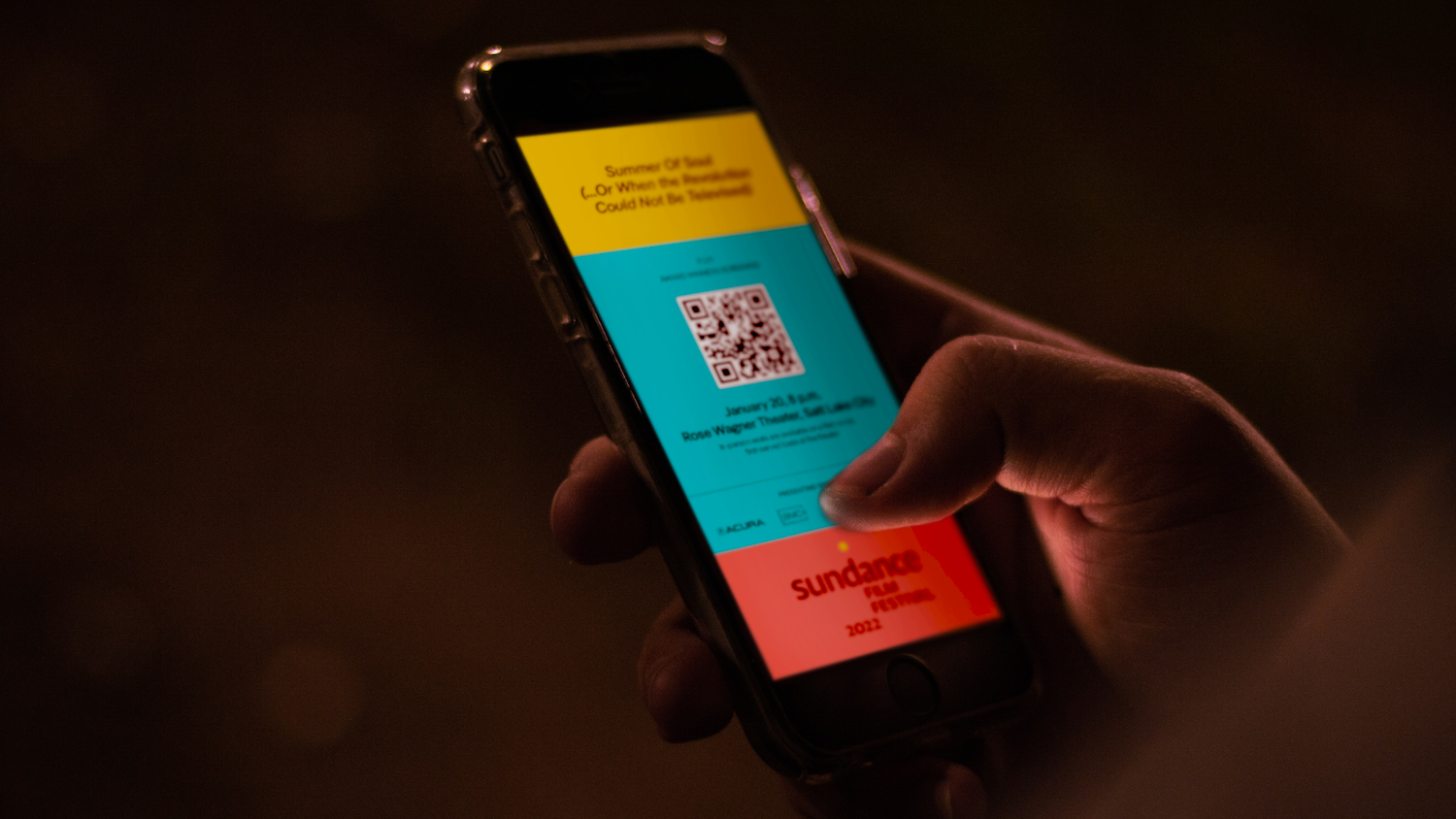
Increasingly, festivals run on apps and QR codes. Common patterns:
- Reserve, then scan: You reserve a spot for a screening and receive a QR code to scan at the door.
- Exchange packs for tickets: Multi-film bundles may require converting credits into actual tickets for each film.
- Badge check plus scan: Staff may verify your badge, then scan your reservation.
Pro tip from someone who has watched a hundred people do the frantic pocket-pat: screenshot your QR codes, and make sure your phone is charged before you get in line.
Rush and standby lines
Rush is where you go if a screening is sold out or you do not have the right ticket. The format varies by festival, but it often looks like this:
- You line up before showtime.
- Staff seats ticketed and priority audiences first, then counts remaining seats close to start time.
- If there is room, rush or standby attendees are admitted in order. Some festivals charge a set rush price; others treat it as free standby.
Rush lines can be thrilling, but they can also be a time sink. If you have only one festival day, prioritize certainty over adrenaline.
What each option is best for
Choosing the right pass is less about being “a real festival person” and more about being honest about your stamina, schedule, and tolerance for lines.
If you are going for one film
- Buy a single screening ticket.
- Arrive early, especially for general admission.
If you want a full day of movies
- Consider a day pass, but confirm whether it is capacity-based, requires reservations, or functions as a set bundle of admissions.
- Pick 2 to 4 screenings with realistic travel time between venues.
If you want several films across multiple days
- A multi-film bundle is often the sweet spot for first-timers.
- You get flexibility without the price of a premium badge.
If you want maximum access and less line anxiety
- A badge can be worth it if you are attending multiple days and you will use the perks.
- Make sure the badge tier matches your goals. An industry badge is great if you will attend talks or markets, less essential if you only want nighttime screenings.
Common fine print
Every festival has its own vocabulary, but these gotchas are common enough to deserve a read before you click “buy.”
- Premium screenings cost more: Opening night, closing night, galas, and special events often sit in a separate pricing tier.
- Passes may not equal reserved seats: Some passes are capacity-based entry, not a guarantee.
- Members and donors may go first: Many festivals gate early ticket selection, bundle exchanges, and presales behind membership tiers or donor levels.
- Venues differ wildly: A historic theater with a big balcony behaves differently than a modern multiplex. Sightlines, entry speed, and accessibility can vary.
- Late seating rules vary: Some screenings stop admitting once the film starts, others allow a short grace period, and some may reseat you to reduce disruption.
- No re-entry is common: If you leave the auditorium, you may not be allowed back in.
- Refunds are limited: Exchanges may be possible, refunds often are not. Weather, guest cancellations, and schedule shifts are part of the deal.
A first-timer strategy
If this is your first festival, your goal is not to “win” by seeing the most movies. Your goal is to have a great time and still like movies on the other side.
Start small and add breathing room
- Aim for two films in a day if you are new, maybe three if venues are close.
- Leave at least 60 to 90 minutes between screenings for lines, travel, and the inevitable “wait, which theater is this?” moment.
- For a buzzy premiere or high-demand title, consider arriving 90+ minutes early if seating is general admission or if you expect heavy rush traffic.
Pick one must-see and one wild card
Festivals are perfect for balancing hype with discovery. Anchor your plan with a title you are truly excited about, then add one film you know nothing about and let the programmers surprise you.
Plan for accessibility
If you or someone in your group needs accessible seating, step-free routes, or companion seating, check the festival accessibility page early. Many events can accommodate, but they often require advance requests, and moving between venues can take longer than your map app suggests.
Choose your ticket type with this filter
- One film: single ticket.
- One big day: day pass, if the reservation rules and venue coverage fit your plan.
- Multiple days, flexible schedule: multi-film bundle.
- Multiple days, you want priority lines and extras: badge, if the cost fits your plan.
FAQ
Does a festival pass guarantee entry?
Not always. Some passes function like “access with capacity limits,” meaning you may still need a reservation or you may be seated after ticket holders. If a festival offers both passes and per-screening tickets, assume there is a capacity or priority system unless it explicitly says “guaranteed admission.”
What is the difference between a pass and a badge?
In general, a pass is a consumer ticket product (day pass, weekend pass, all-festival pass). A badge is a credential-style product with tiers and perks, often including industry access, priority lines, and sometimes lounges or talks. Festivals use the terms differently, so confirm what privileges are included.
Are Q&As included with the ticket?
Often yes for that screening, if the Q&A is scheduled immediately before or after. But a Q&A is not guaranteed, and guests can change last-minute due to travel, press, or production schedules.
Should I buy a bundle or individual tickets?
If you are seeing three or more films, a bundle often makes sense for cost and convenience, as long as the films you want are eligible for redemption. If your schedule is uncertain, individual tickets reduce the stress of managing exchanges and expiration rules.
When should I get in line?
A safe baseline for general admission is 30 to 60 minutes early, longer for high-demand premieres. Assigned seating can be more forgiving, but arrive early enough for security and check-in, and keep an eye out for any seat-hold cutoff times. If you see multiple lines, ask a staff member which one matches your ticket type.
The bottom line
Film festivals sell access in different shapes, but the core idea is consistent: you are trading money and planning for time in a seat. For first-timers, the best experience usually comes from a modest schedule, a ticket option that matches your commitment level, and arriving early enough to let the day feel like a celebration instead of a scramble. The movies will do the rest.