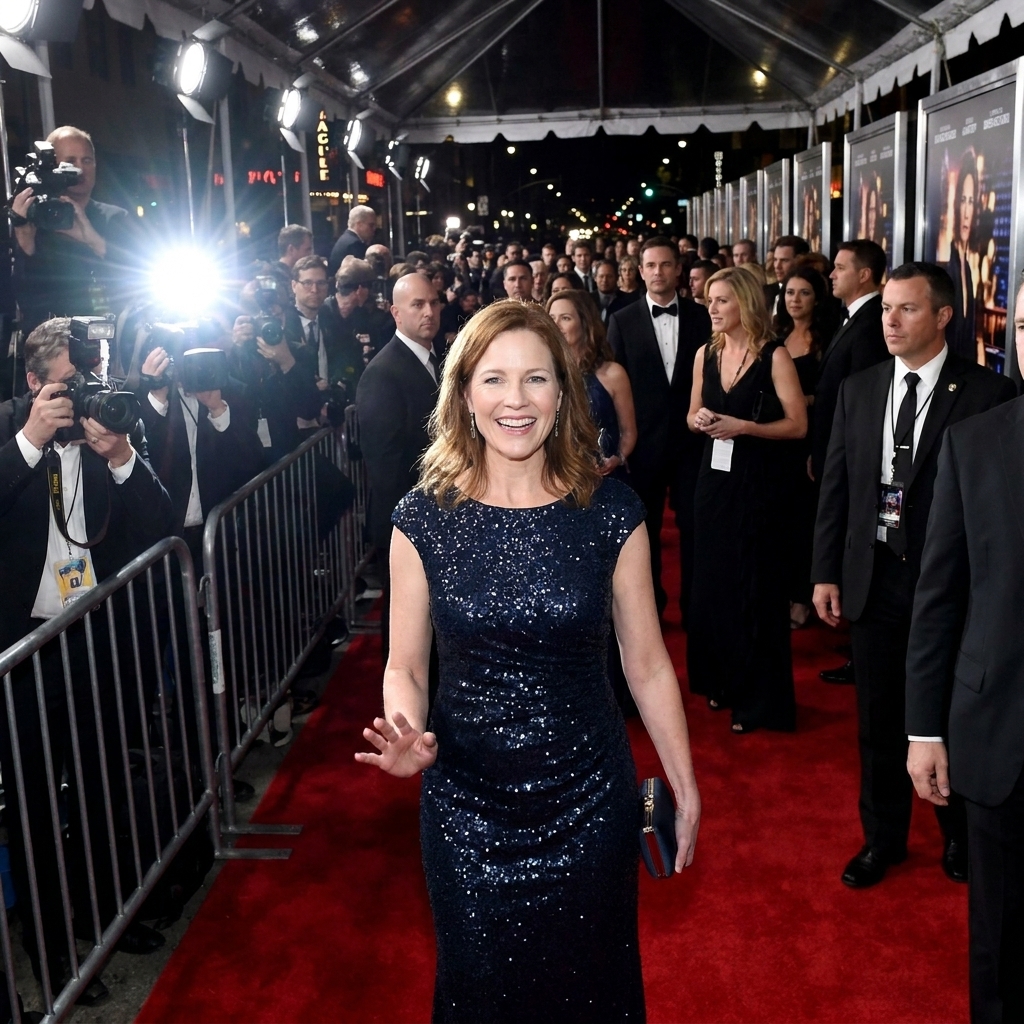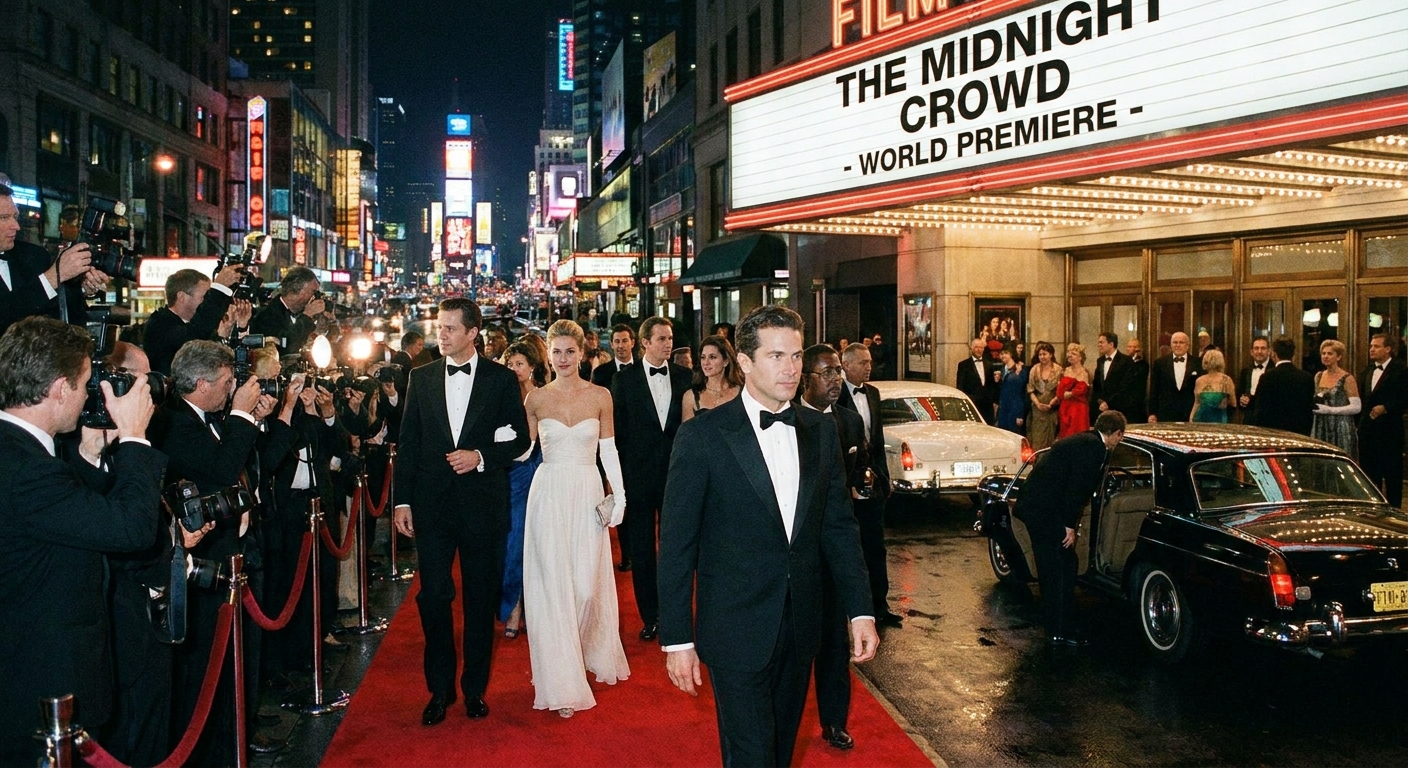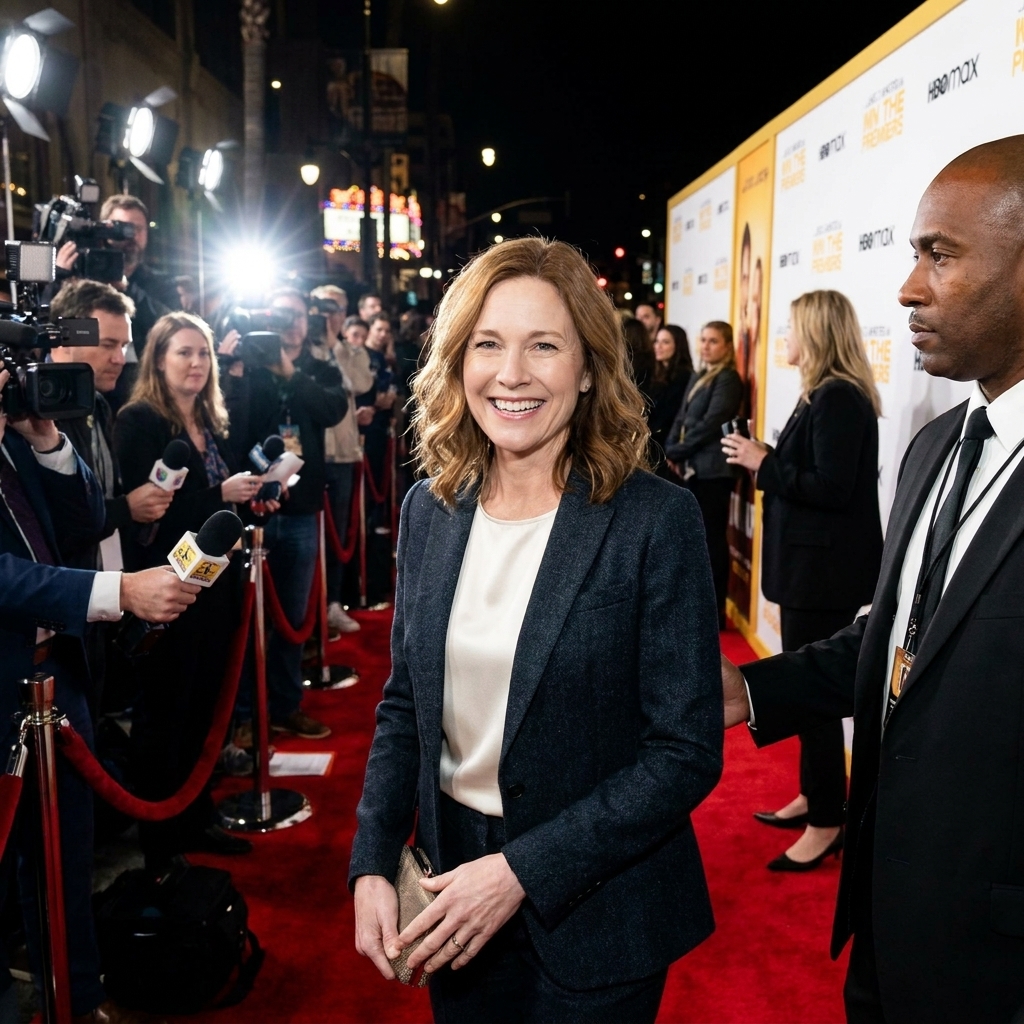
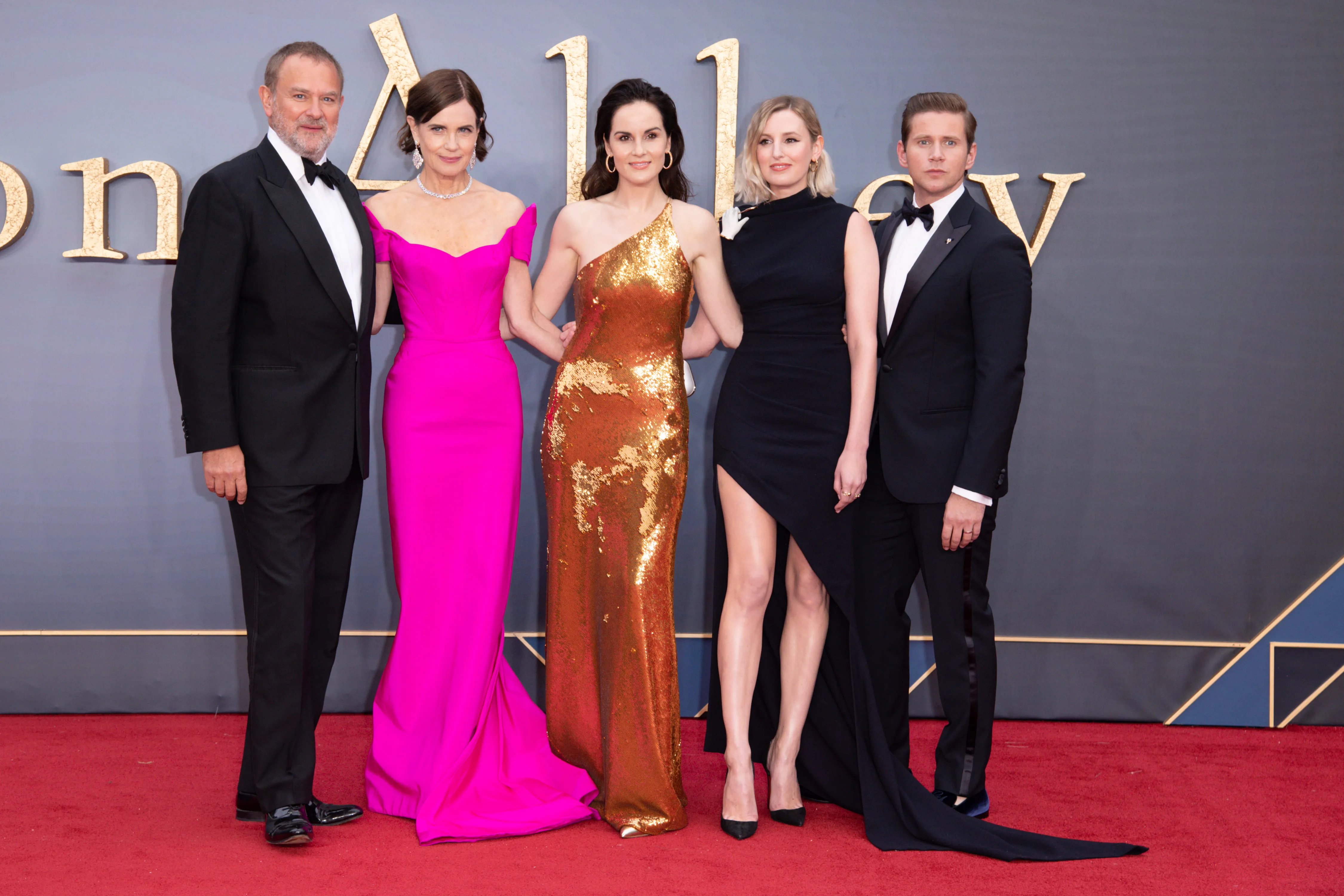
On paper, “seeing a movie early” sounds like one thing. In real life, it can mean anything from a tux-and-spotlights premiere where you watch the cast walk the carpet , to a low-key advance showing where the only celebrity is the guy in Row H who brought a suspiciously noisy bag of candy.
The good news is that once you know what kind of screening you have, you can predict almost everything that matters: who’s in the room, how strict entry will be, whether you need to dress up, and how early you should arrive.
The quick difference
Think of these events as four lanes on the same road:
- Premiere: a public-facing celebration and press moment. The movie is part of the night, but it is not the whole night.
- Press screening: a critics-and-media-first viewing designed for coverage and reviews, often with tighter rules than a normal showtime.
- Fan screening: a promotional event built for audience energy, giveaways, and sometimes special guests.
- Ordinary advance showing: a normal ticketed showtime scheduled before wide release, usually with no extras.
Movie premieres
What it is
A premiere is the film’s “big night out.” Studios use it to generate buzz, photos, interviews, and a sense of occasion. Some premieres are enormous and highly controlled. Others are modest, especially for indie releases and festivals, but they still have that ceremonial feeling.
Who can attend
- Invited guests: cast, crew, industry, partners, influencers, and VIPs.
- Press: often on the carpet and sometimes in the theater.
- Public: sometimes, but usually through limited tickets, contests, charity packages, or festival passes.
Atmosphere
High energy. There may be photographers, signage, brand activations, and staff directing traffic like it is a tiny airport. If the cast attends the screening, the room often feels more like an event than a regular showtime.
Entry, timing, and seating
- Arrive earlier than you think. Red carpet arrivals, security checks, and line organization can eat time fast.
- Expect enhanced security. Bag checks are common, and some premieres may include metal detectors or additional screening.
- Seating can be assigned. Especially for industry premieres. If it is general admission, lining up early matters.
- Start times can shift. A premiere “starts at 7” might mean doors at 7, program at 7:30, movie at 8:15. The carpet runs the schedule, not the other way around.
Dress code
It depends on the invite. Some premieres specify cocktail or formal attire. Many do not, but the crowd trends dressier than a standard theater night. If you are unsure, a polished dark outfit is usually a safe middle ground.
Intros and Q&As
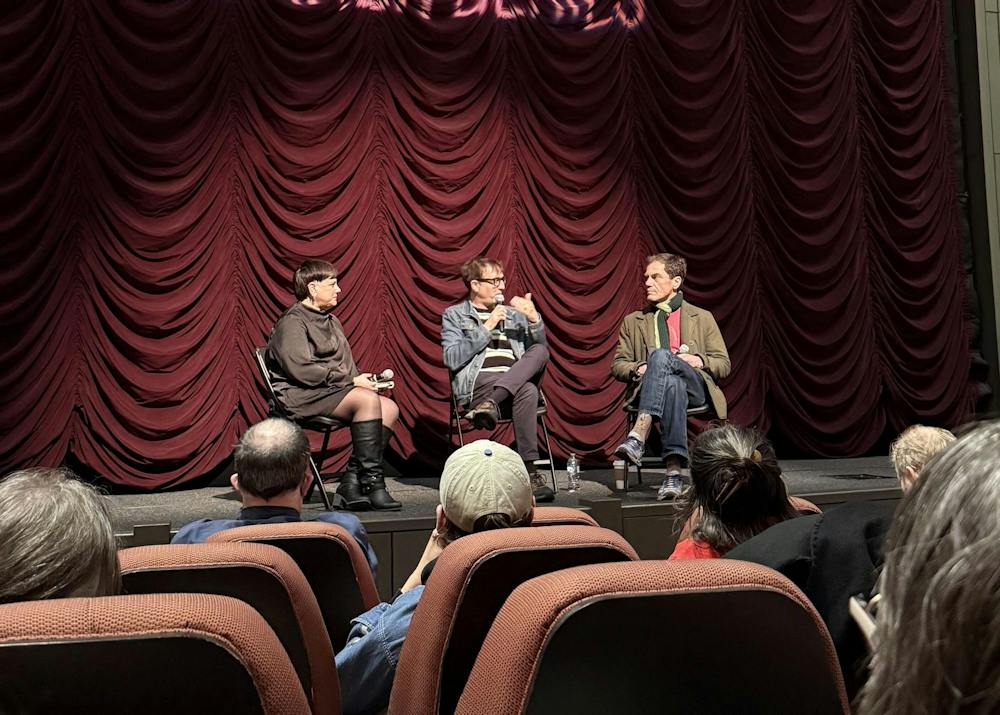
Premieres often include introductions from producers, directors, or cast, and sometimes a short post-screening Q&A. If there is a Q&A, stay seated until staff indicates it’s wrapped up. The microphones and cameras need a minute to appear.
Press screenings
What it is
A press screening is a viewing arranged for critics and media to see the film before release. The goal is straightforward: give journalists time to write thoughtful coverage, and in some cases time it with an embargo.
Who can attend
- Credentialed press: critics, entertainment reporters, editors, and sometimes awards voters depending on the event.
- Occasionally guests: a plus-one is sometimes allowed, but many screenings are strictly one seat per credential.
Atmosphere
Quiet, focused, and professional. People often take notes. Phones generally stay dark. The vibe is less “party” and more “let’s pay attention.”
Entry, timing, and rules
- RSVPs are enforced. Overbooking happens, and arriving late can mean losing your seat or being directed to late seating, depending on the venue.
- Photo and recording rules are strict. You may be asked to power down devices. Some screenings use phone pouches, but many simply rely on a clear “no filming” policy.
- Embargoes may apply. You can watch, but coverage might be timed. If you are not press, you will not be dealing with this, but it explains the hush.
Dress code
Business casual is common. Many press screenings happen midday, and the tone is “comfortable but presentable.”
Q&As
Some press screenings include a Q&A with the director or cast, especially in awards season. These tend to be craft-forward, like how a performance was shaped, why a scene was cut, or how a complicated sequence was staged.
Fan screenings
What it is
Fan screenings are built to spark excitement. Studios and exhibitors use them to create a room full of energy, encourage social sharing, and reward the audience that shows up early and loud.
Who can attend
- General public: typically through ticket sales, loyalty programs, partnerships, or giveaways.
- Sometimes invited guests: influencers, local partners, or community groups.
Atmosphere
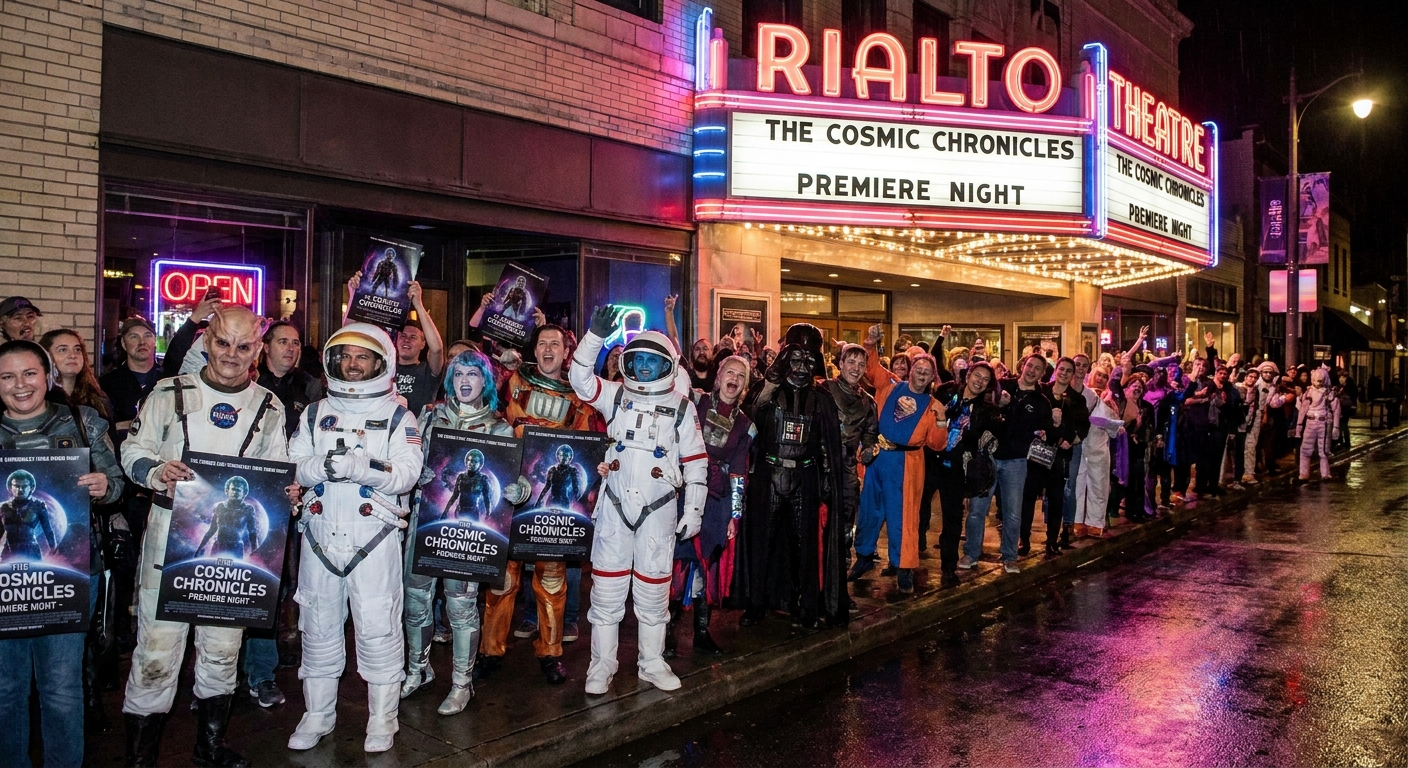
Enthusiastic. Expect cheering at recognizable moments, audience reactions that ripple fast, and a crowd that may already know the director’s filmography by heart. If you want a “first night” feeling without the velvet rope, this is often the sweet spot.
Entry, timing, and perks
- Arrive early. Fan screenings frequently have swag, photo ops, or check-in lines.
- Giveaways are common. Posters, pins, limited merch, or promo items.
- Expect a host. You might get a hype intro, trivia, or a short recorded message from the cast.
Dress code
Come as you are, with one exception: fandom outfits. Cosplay and themed looks are often welcome, especially for franchise films, anime releases, and event cinema.
Q&As
Sometimes. If cast or creatives appear, it is usually a tighter, more celebratory Q&A than a press event. Think: favorite scenes, behind-the-scenes stories, and thank-yous to the audience.
Ordinary advance showings
What it is
An advance showing is simply a regular public screening scheduled before the official wide release date. This includes early access nights, Thursday previews, and paid early shows that look exactly like a normal movie night because, essentially, they are.
Who can attend
Anyone who buys a ticket, subject to age ratings and theater policies.
Atmosphere
Closest to a standard showtime. The crowd may skew toward enthusiasts or opening-weekend planners, but you should not expect special programming unless it is clearly advertised.
Entry, timing, and seating
- Follow normal theater rules. Mobile ticket, concessions, assigned seating where applicable.
- Trailers run as usual. Plan for previews unless the listing says otherwise.
- No special access. You are not likely to see cast, carpet, or press activity.
Dress code
Whatever you would wear to the movies. Comfort wins.
Q&As
Rare, unless you are attending an advertised “special event” screening or a filmmaker appearance at an independent theater.
How to get in
Most people never stumble into a premiere by accident, but there are realistic ways to catch early screenings if you know where to look:
- Premieres: film festival passes, charity galas, contests, radio promotions, brand partnerships, and occasional limited public ticket blocks.
- Press screenings: media credentials through a publication, a critics association, or trade membership. (If you are not credentialed, assume this lane is not for general admission.)
- Fan screenings: theater loyalty programs, studio mailing lists, local influencer partnerships, and ticketing platforms running “one-night-only” promos.
- Advance showings: regular theater listings, subscription apps, and early-access ticket drops.
One more practical note: even with an RSVP, some events are first-come, first-seated. If your confirmation includes phrases like “admittance not guaranteed,” plan to arrive early or be prepared for a standby line.
What to expect
1) How strict is entry?
- Premiere: high. IDs, check-in lists, security, and arrival windows.
- Press screening: medium to high. RSVPs and credentials matter.
- Fan screening: medium. Often organized check-in, but less formal.
- Advance showing: low. Standard ticket scan.
2) How early should you show up?
If you only remember one rule: premieres and fan screenings punish lateness. Press screenings can be strict about start times. Ordinary advance showings behave like normal movie times.
- Premiere: 45 to 90 minutes early if you have a ticketed invite, earlier if you are trying to catch arrivals outside.
- Press screening: 20 to 40 minutes early, depending on venue size and RSVP policies.
- Fan screening: 30 to 60 minutes early if there are perks.
- Advance showing: 10 to 20 minutes early if you want snacks and a calm entrance.
3) Will there be trailers?
- Premiere: sometimes fewer trailers, sometimes none, sometimes a pre-show program.
- Press screening: often minimal trailers.
- Fan screening: could be normal trailers plus an intro.
- Advance showing: normal trailer package.
4) Will I have to lock up my phone?
It is most likely at press screenings and some high-profile premieres. If it is required, it is usually communicated in the invitation, confirmation email, or at check-in.
5) Can I take photos inside?
Assume no unless the event explicitly says yes. Venues may allow lobby photos or step-and-repeat photos at fan events. Inside-theater photography is often prohibited for rights and anti-piracy reasons.
6) Basic etiquette
- Match the room. Big cheers can be part of a fan event. At press screenings, keep reactions lower-volume and let people focus.
- Do not spoil. If it is early, someone is seeing it later on purpose.
- Respect rules you agreed to. Embargoes, NDAs, and “no phone” policies are not suggestions.
Know your screening
Before you plan your outfit or commute, look at the language on the ticket, invite, or listing:
- “World premiere,” “red carpet,” “special guests,” “cast in attendance” suggests a premiere.
- “Press and industry,” “for accredited media,” “embargo” points to a press screening.
- “Fan event,” “giveaways,” “exclusive content,” “one night only” often means fan screening.
- “Early access,” “advance screening,” “preview” with a normal theater listing usually means an ordinary advance showing.
FAQ
Are premieres open to the public?
Sometimes, but not usually in the straightforward “buy a ticket” sense. Public access tends to happen through film festivals, charity ticketing, contests, or limited fan allocations.
Do you meet actors at a premiere?
You might see actors, but “meeting” is a high bar. Cast time is scheduled tightly, and interactions are often limited to the carpet, photo line, or brief introductions. If an event advertises a post-film Q&A or appearance, that is a more realistic way to hear from them.
What should I wear?
Premiere: default to cocktail or polished smart casual unless told formal. Press screening: business casual. Fan screening: casual, themed outfits welcome. Advance showing: normal movie attire.
Do advance screenings mean the movie is unfinished?
Typically, no. Most public advance showings are the final cut. That said, some festival or industry screenings can include work-in-progress elements like temporary VFX, temp sound, or a slightly earlier cut, especially for smaller releases.
Why do some early screenings have stricter rules than others?
It comes down to timing and risk. The earlier the screening happens relative to release, the more a studio wants to prevent leaks and preserve the intended first impression.
The takeaway
Premieres are about spectacle and celebration. Press screenings are about focus and craft. Fan screenings are about community and hype. Ordinary advance showings are simply early showtimes with the regular rules of the cinema.
Once you know which room you are walking into, you can plan like a pro and enjoy what all of these nights have in common: that electric moment when the lights go down and a story starts doing its work.