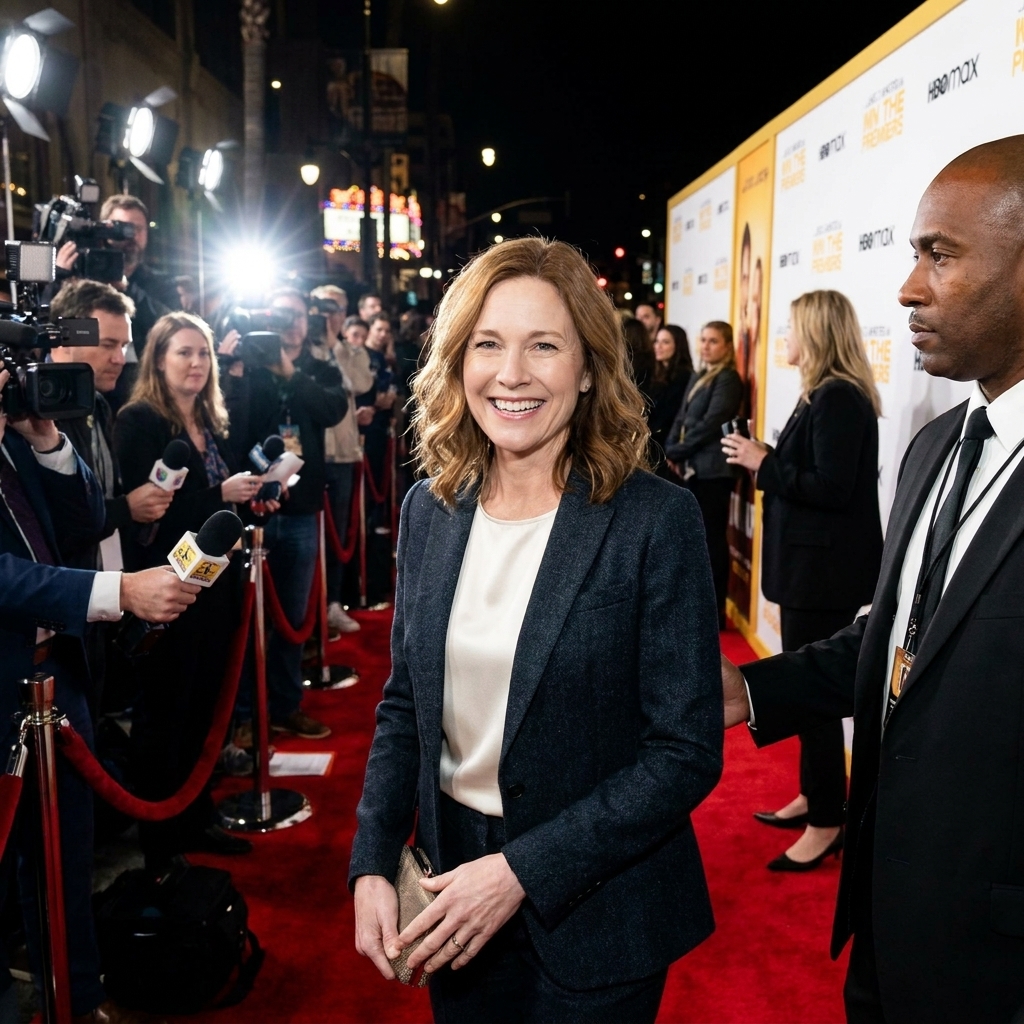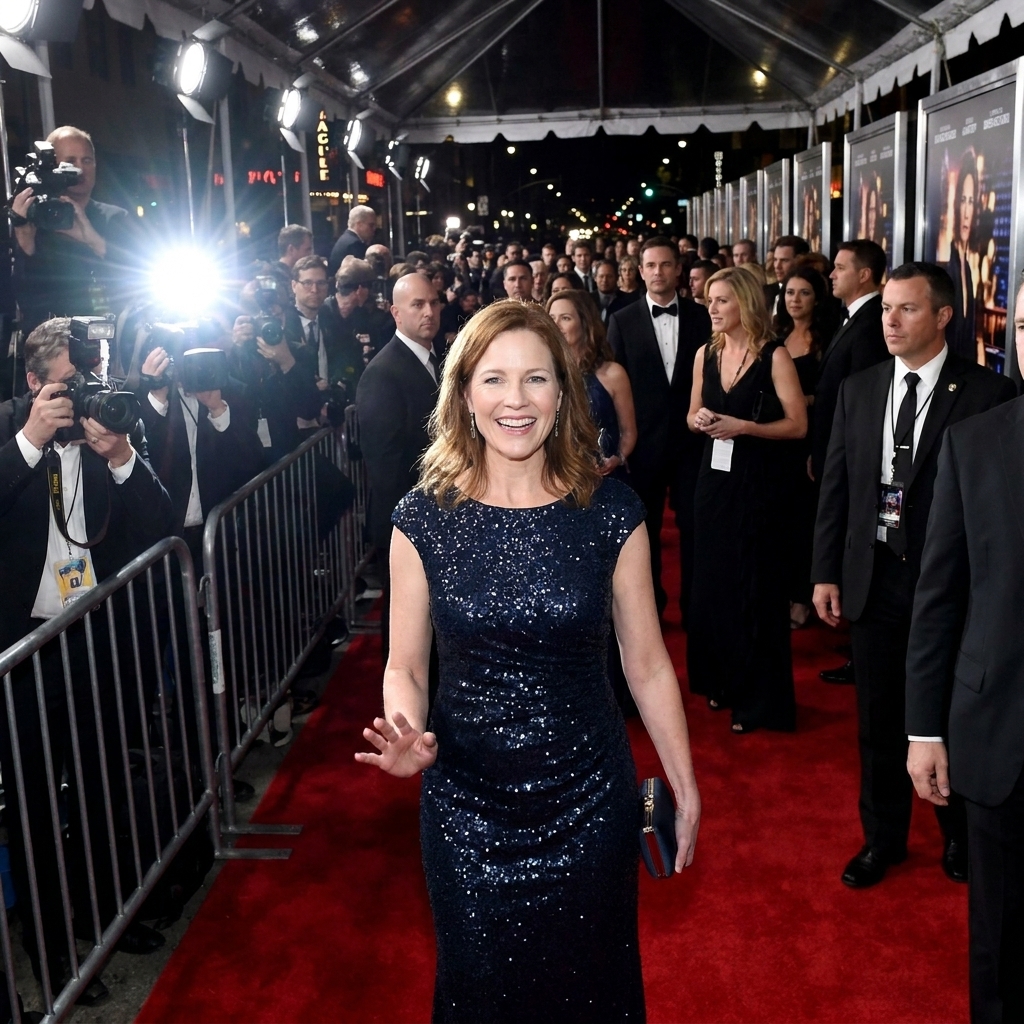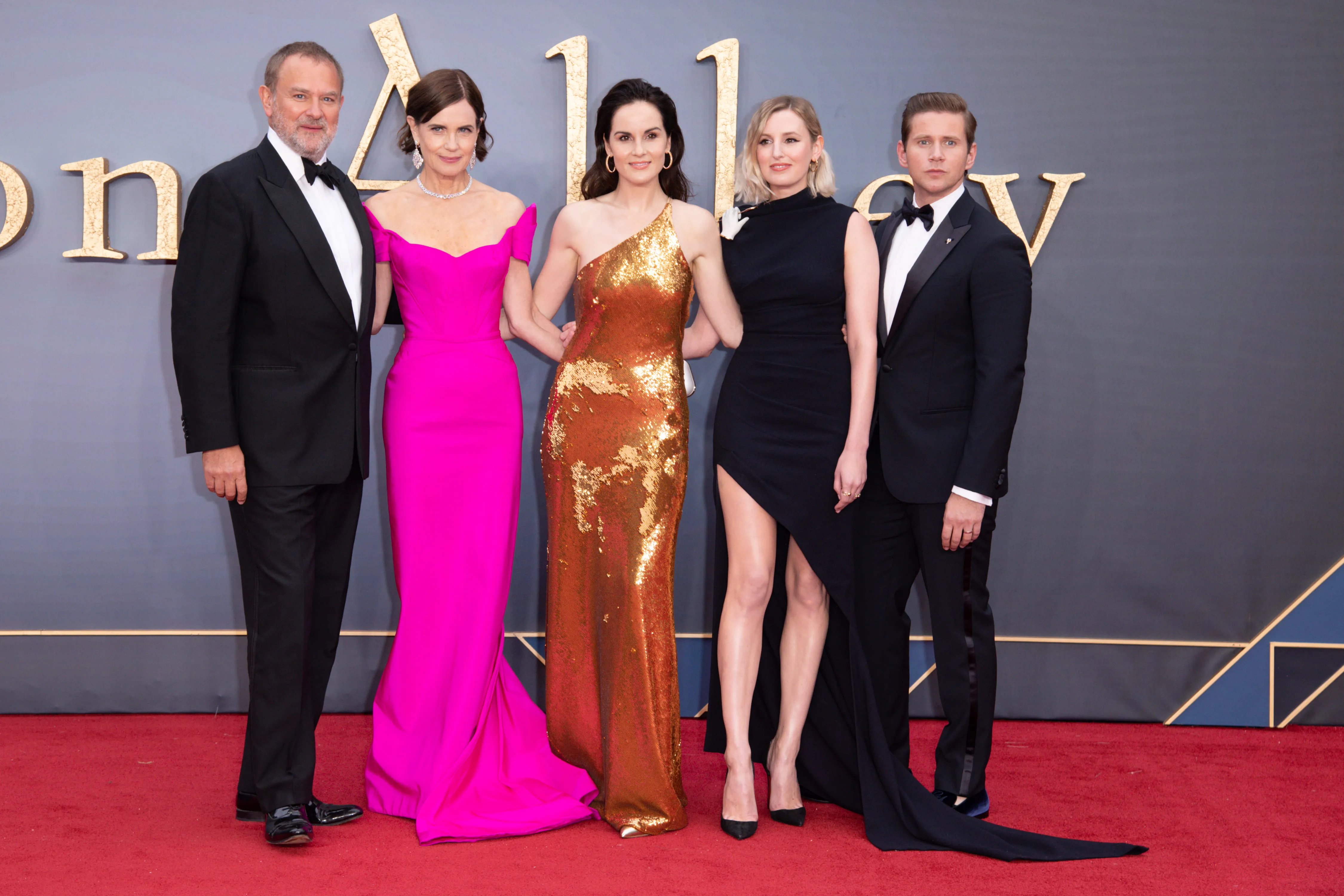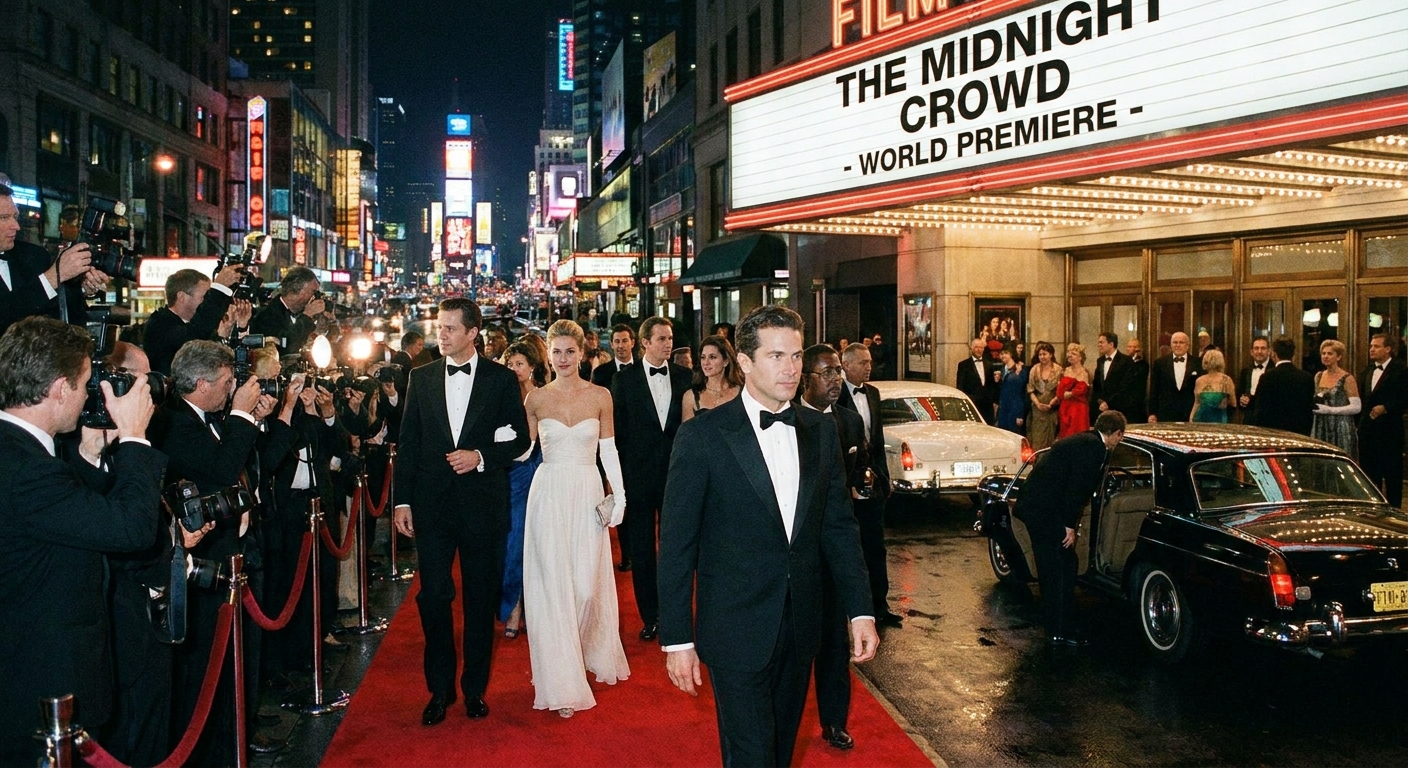
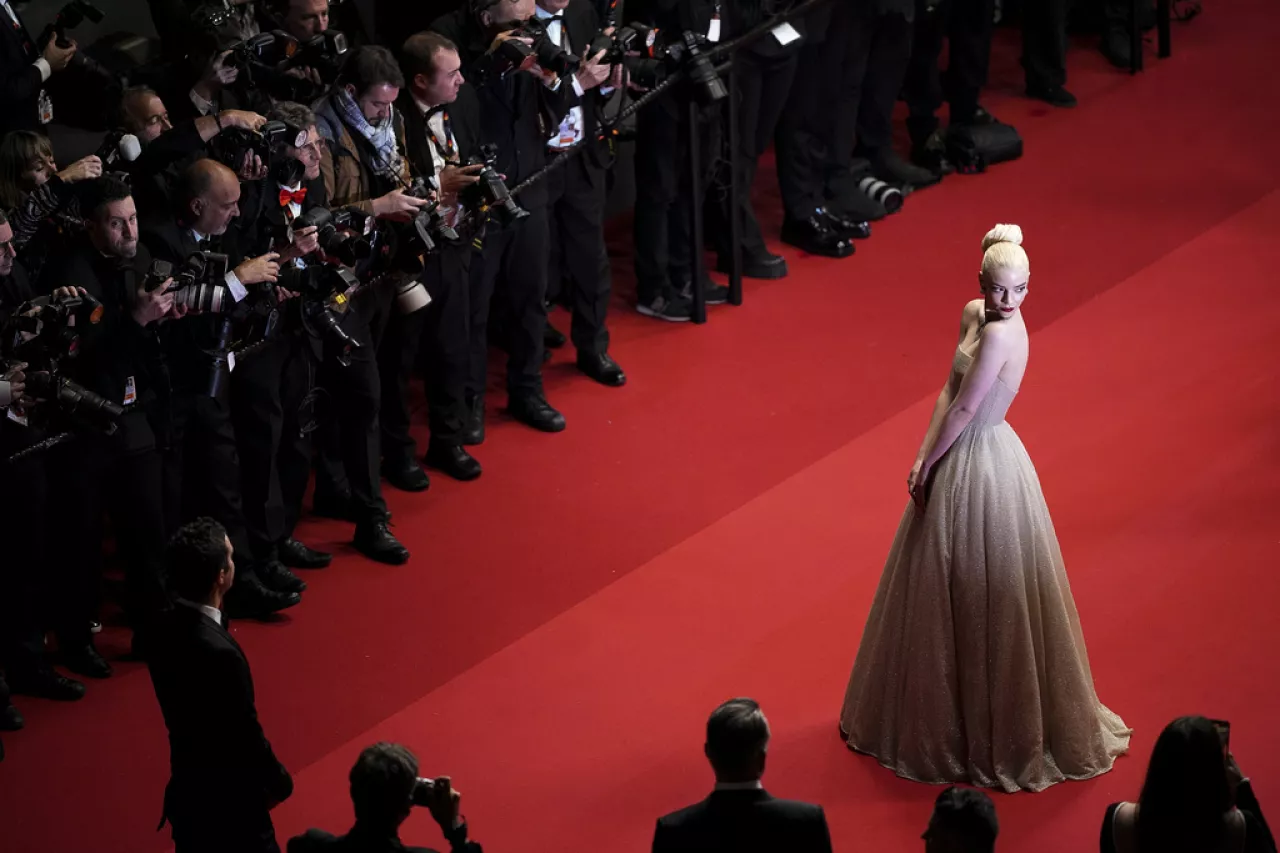
The “red carpet” can look like pure glamour from your couch, but in real life it is closer to a tightly choreographed mini-production. Think: security, check-in, a few minutes of posing that feel like a marathon, and then a quick pivot inside where the actual screening or ceremony happens.
Whether you are attending a film premiere, TV upfronts, gala, or awards show, the rhythm is surprisingly consistent. Below is what a red carpet event is for, who’s there, how media access works, what to expect step by step, and how to be the person everyone is quietly grateful to share a carpet with.
What it’s for
A red carpet event is a public-facing arrival moment designed to do three jobs at once.
- Publicity: It creates photos and soundbites that announce a film, series, or awards ceremony to the world.
- Brand storytelling: Fashion, sponsors, and partnerships get a spotlight, often through designer loans, jewelry placement, and the overall look the team is trying to land in coverage.
- Access and documentation: Outlets capture quotes, quick interviews, and images that will be used in reviews, recaps, and cultural commentary.
At a premiere, the carpet is essentially the opening act before the screening. At an awards show, it is the pre-game warmup where nominees, presenters, and attendees arrive and the night’s narratives begin to take shape.
Who’s there
Not everyone on a red carpet is “famous,” and not every famous person is there for the same reason. Most carpets are a mix of the following groups:
Talent and creatives
- Cast: Leads, supporting actors, and often featured newcomers.
- Filmmakers: Directors, producers, writers, sometimes the cinematographer or composer for prestige premieres.
- Showrunner and key creatives (TV): Especially at season launches and festival premieres.
Industry and partners
- Studio and network executives: The people who shepherded the project to the carpet.
- Financiers, distributors, and sales agents (festivals): Particularly at markets like Cannes and Toronto.
- Sponsors and brand partners: Depending on the event, you may see a lot of luxury houses, watchmakers, and beauty brands.
Press and photographers
- Photo agencies: Shooting the arrivals for wide distribution.
- Entertainment outlets: Doing quick interviews, fashion coverage, and social clips.
- Critics and trades: Often focused on the work, not the outfit. At some festivals, many skip the carpet entirely, but it still feeds the reporting ecosystem.
Guests
- Invited attendees: Friends of the talent, patrons, donors, academy members, or VIPs tied to the venue or sponsor.
- Influencers and content creators: More common at brand-driven events and some premieres.
How access works
There are a few common pathways to a red carpet. The big ones are invitation and credential, but many events also move people through on staff or vendor access depending on the venue and setup.
Guest access (invited)
If you are a guest, you will typically receive:
- An invitation or digital pass with your name, plus the event details.
- Call time (when you should arrive) and sometimes a door time (when the venue opens).
- Dress code and any restrictions, like clutch-only bags or no large gifts.
Many events run on staggered arrivals. If you arrive too early, you may wait. If you arrive too late, you may miss the carpet entirely.
Press access (credentialed)
Credentialing is its own gatekeeping universe. Most events require advance approval through:
- A studio or publicist (premieres and junkets)
- A festival press office (Sundance, TIFF, Cannes, etc.)
- An awards organization (Oscars, Emmys, Tonys, etc.)
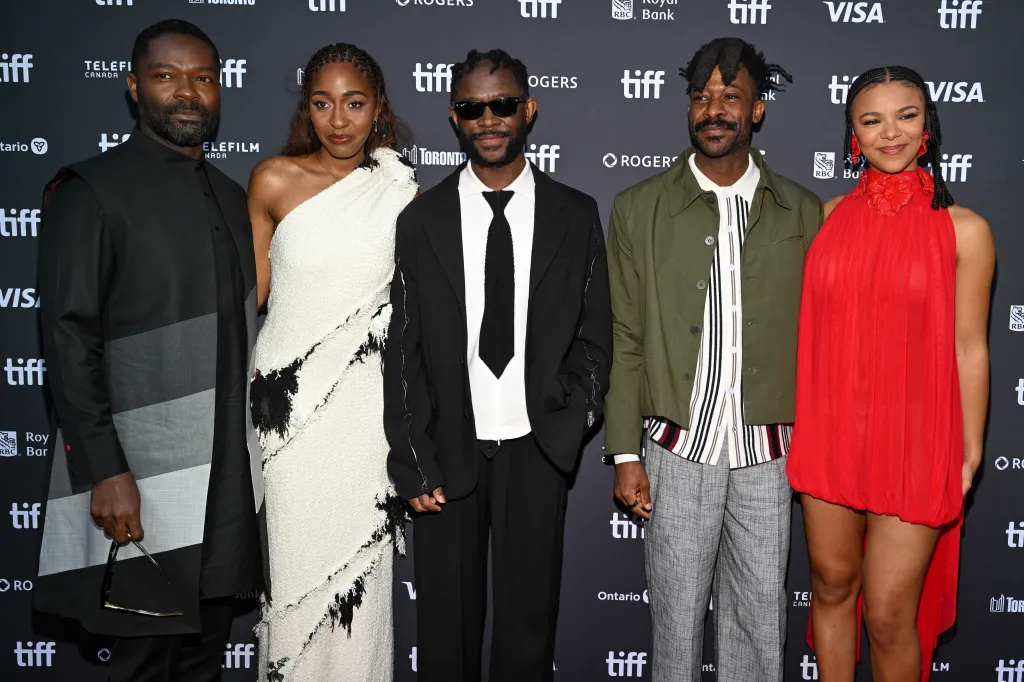
Once approved, press are sorted into zones. You might hear terms like “photo pen,” “TV line,” “print line,” or “digital risers.” Where you stand dictates what you can capture.
Staff and vendor access
Crew, security, venue staff, glam teams, brand reps, and vendors may be on their own badges and routes. They keep the machine running, even if they never touch the carpet itself.
Why the press line looks chaotic
On-camera interviews are usually facilitated by publicists and segment producers. A publicist may guide talent to certain outlets, limit time, or skip the line entirely if the schedule is tight. That is not a personal snub. It is a traffic problem.
Photographers, meanwhile, are often arranged in assigned spots behind barricades. The shouting you hear is half direction, half survival tactic: there are only so many seconds before the subject moves on.
What to expect
Carpets vary by scale, but the flow is remarkably familiar once you know what to look for.
1) Arrival and security
You will likely go through magnetometers, bag checks, and ID verification. Large premieres can feel like airport-lite. Plan for extra time, and keep essentials accessible.
2) Check-in and wristbands
Staff will confirm your name, sometimes scan a QR code, and often issue a wristband or credential. This controls access to different zones.
3) The hold
Many events stage arrivals in a waiting area. You may be asked not to step onto the carpet until an usher signals. This keeps the press line from getting overwhelmed and helps the event capture clean, consistent photos.
4) The carpet walk
This is the part people imagine: you enter the carpeted area, pause at designated photo marks, and proceed toward the entrance. If there is a step-and-repeat, you will typically stop there for longer posed shots.
5) Photo calls and interviews
Some events have a separate photo call earlier in the day, especially at festivals. That is a dedicated photography session, often with cleaner lighting and fewer time constraints than the main carpet.
Interviews on the carpet are usually brief. Think: a few questions, a soundbite, a quick reset. You may see talent rotate from outlet to outlet like they are running a very glamorous relay race.
6) Inside: screening, ceremony, or reception
Once inside, the vibe usually shifts from spectacle to program. Seating is often assigned, and timings become stricter. Phone rules vary by event and venue. Some screenings lock phones down, while some premieres actively encourage social coverage. If it is a premiere, the talent often introduces the film. If it is an awards show, the show begins whether the room is settled or not.
7) After: press rooms, after-parties, and exits
Some nights end with a press room where winners give longer remarks. Others funnel into an after-party that is less about speeches and more about decompression and networking. The exit can be as photographed as the arrival, depending on the event.
Dress code
Dress codes on invites can feel like a riddle, especially when you know the carpet will include everything from couture to sleek minimalism. Here is the translation you can actually use.
Black tie
- For men: Tuxedo, formal shoes, bow tie. A dark suit can sometimes pass, but tux is safest.
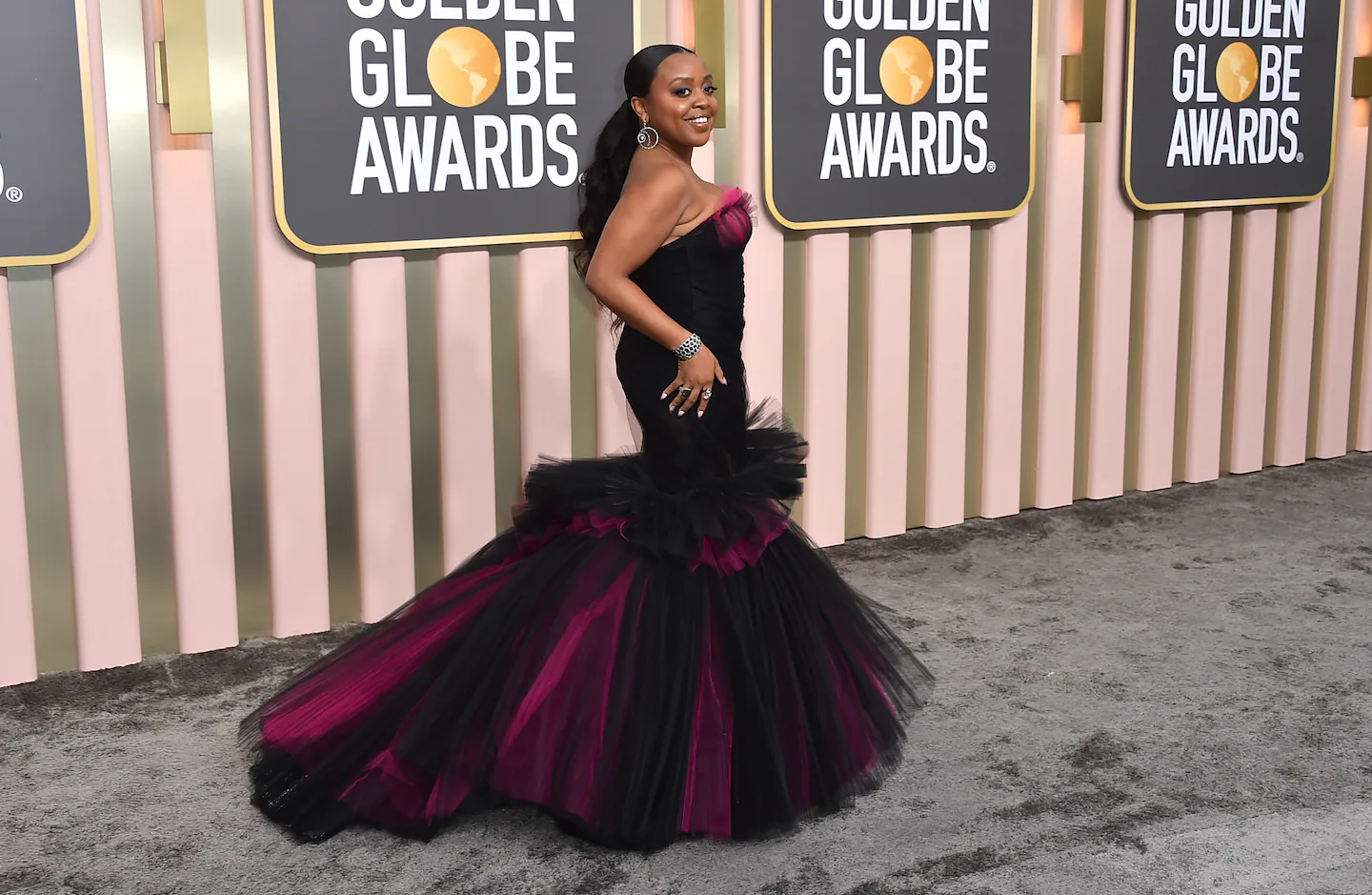
- For women: Typically a floor-length evening gown. A very formal midi or cocktail dress can work in some modern contexts, but it depends on the event, venue, and crowd.
- Notes: This is the classic awards-show look. Jewelry tends to be more statement-friendly.
Black tie optional
- What it means: The room will include tuxedos and gowns, but a very polished suit or shorter formal dress is acceptable.
- Best move: Aim one notch dressier than you think you need. Carpets photograph everything, including regret.
Formal / cocktail
- For men: Suit and tie, or suit with an elevated shirt and dress shoes depending on the venue.
- For women: Cocktail dress, jumpsuit, or a refined set with heels or dressy flats.
Creative black tie
- What it means: Formal base, permission to play. Color, texture, interesting tailoring, bold accessories.
- What it does not mean: Costume. Keep it intentional and well-fitted.
Smart casual
- For men: Blazer and trousers or dark jeans with dress shoes. No athletic sneakers unless the event is explicitly fashion-forward.
- For women: A dress, tailored separates, or a polished jumpsuit.
Comfort and logistics
You will stand more than you think. Choose shoes you can walk in on carpet, pavement, and possibly stairs. Bring only what you need. Many venues have limited coat check, and some carpets prohibit large bags.
Carpet etiquette
Good carpet etiquette is mostly about respecting that everyone is working. The talent. The press. The crew. Even the person managing the stanchions has a job that affects the entire night.
Do
- Arrive on time, not “fashionably late.” Your arrival slot affects the line behind you.
- Follow staff directions quickly. When an usher asks you to move, it is usually to keep the carpet flowing.
- Hit the photo marks, then move on. Pause where directed, give a clean beat for cameras, and keep it moving.
- Keep your phone use minimal on the carpet. A quick photo is fine when appropriate. Prolonged filming can block others and irritate security.
- Be polite to photographers and crew. A calm smile and a brief hold beats frantic pivoting every time.
- Ask before you step into someone’s shot. Especially near the step-and-repeat.
Don’t
- Stop in high-traffic choke points. The entrance to the venue and the beginning of the step-and-repeat are prime logjams.
- Touch or grab talent. Even a gentle arm tap can be a security issue.
- Shout for attention. Let your presence, posture, and look do the work.
- Assume your seat is flexible. Assigned seating is a delicate ecosystem, especially at awards shows.
If you are taking your own photos
Keep it quick and keep it close to your body. Extend your phone into the walkway and you become a tripping hazard in sequins. Nobody wants that headline.
How photos and interviews work
The red carpet is loud because it is competitive and time-limited. Photographers have a narrow window to get a clean shot, and outlets are trying to capture usable audio over a wall of sound.
A few inside-baseball basics that help it all make sense:
- Photo marks: Specific spots where subjects are asked to pause so the entire line can get a shot.
- “Over the shoulder” turns: A standard pose requested because it reads well on camera.
- Publicists running point: They keep their clients moving, on schedule, and away from uncomfortable questions.
- Risers and pens: Physical structures that organize cameras by height and outlet type.
If you are a guest, the best thing you can do is be decisive. Step up, pose briefly, move on. The carpet rewards clarity.
Accessibility and accommodations
If you need accommodations, ask early. Many venues can provide step-free routes, seating during long holds, or an alternate entry that still gets you where you need to be. Carpets can involve stairs, uneven pavement, and long periods of standing, so it is worth flagging mobility or sensory needs ahead of time with your contact or the venue.
If something goes wrong
- Lost invite or QR code: Go straight to check-in with your ID and any confirmation email. Do not try to negotiate with security at the barricade.
- Separated from your party: Pick a meeting point inside, because signal outside can be unreliable and the line rarely pauses for regrouping.
- Wardrobe malfunction: Safety pins and fashion tape are the unsung heroes. If you are truly stuck, ask an usher where you can step aside. Fix it off the flow, not in it.
Common terms
Consider this your translation guide for what you will hear on livestreams and see in coverage.
- Arrivals: The pre-show entrance period when guests walk the carpet.
- Backdrop / Step-and-repeat: The logo wall where people pose. “Step and repeat” refers to stepping in and repeating the pose cycle for multiple cameras.
- Call time: The time you are expected to arrive.
- Credential: Official access, usually a badge with assigned zones.
- FYC (For Your Consideration): Campaigning language used during awards season to promote a project for nominations.
- Green room: A backstage holding area for presenters, talent, or nominees.
- House photographers: Photographers hired by the event to capture official images.
- Junket: A scheduled press day of interviews, separate from the carpet, often in a hotel.
- Look: Shorthand for the full styling package: outfit, hair, makeup, jewelry.
- Photo call: A dedicated photography session, often earlier than the premiere or ceremony.
- Press line: The row of outlets conducting interviews as talent passes by.
- Risers: Tiered platforms for cameras to improve sightlines.
- Run of show: The timed schedule for the event or broadcast.
- Seating chart: The assigned seating plan, often strategic for camera shots and VIP placement.
- Stylist pull: When a stylist borrows garments or jewelry from a brand for an appearance.
- Talent: Industry shorthand that can mean actors, filmmakers, hosts, presenters, or any featured creative.
- Turn: The moment someone stops, faces the cameras, and gives a set of poses before moving on.
- VIP: Guests with elevated access, often routed differently than general invitees.
FAQ
Do you have to be famous to walk a red carpet?
No. Many carpets include industry guests, sponsors, contest winners, patrons, and plus-ones. The key is whether you are on the approved guest list and routed through the carpeted entrance.
Why do some people skip the carpet?
Timing, security, schedule conflicts, or personal preference. Also, some talent do interviews at a junket and keep the carpet short.
Can you bring gifts or items to sign?
Usually not. Security policies vary, but it is rarely appropriate. If autographs happen, they are typically controlled and limited.
What should I do if I am nervous about posing?
Keep it simple: shoulders back, chin slightly down, small smile, count to two, then move. A calm pause reads better than constant repositioning.
The real secret
The red carpet is not just spectacle. It is a live, moving intersection of art, labor, and promotion. When it works, it celebrates the people who made something and invites the audience into that excitement. When you treat it like a shared workspace and not a personal spotlight, you will look like you belong there. And you will actually enjoy it.