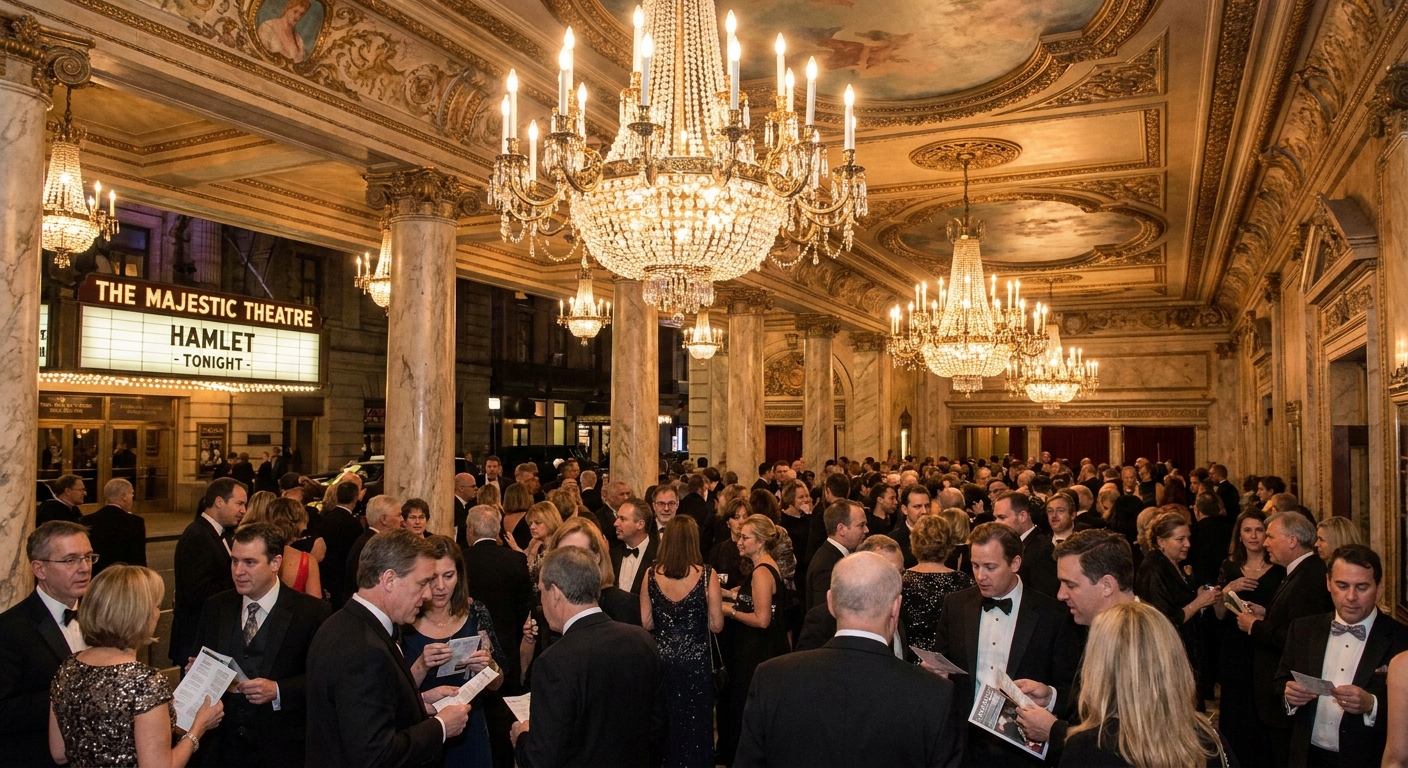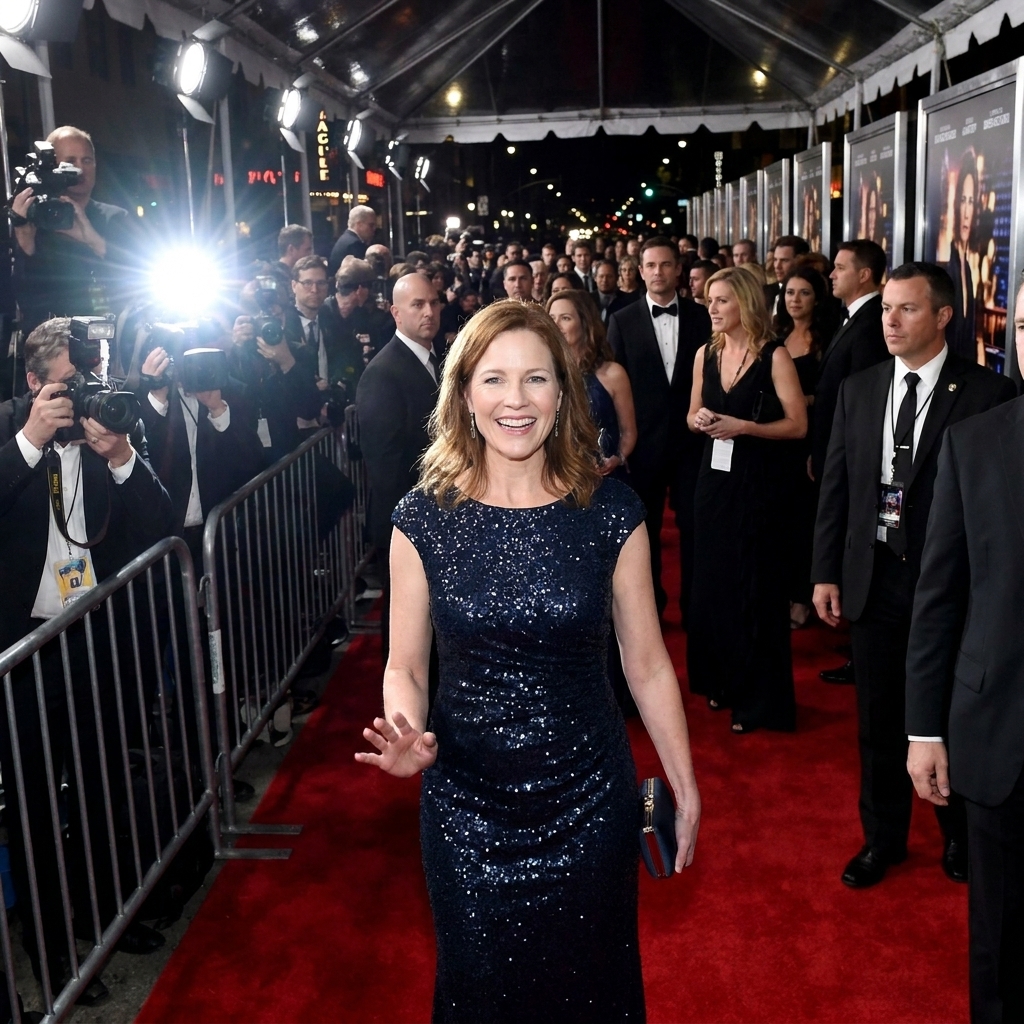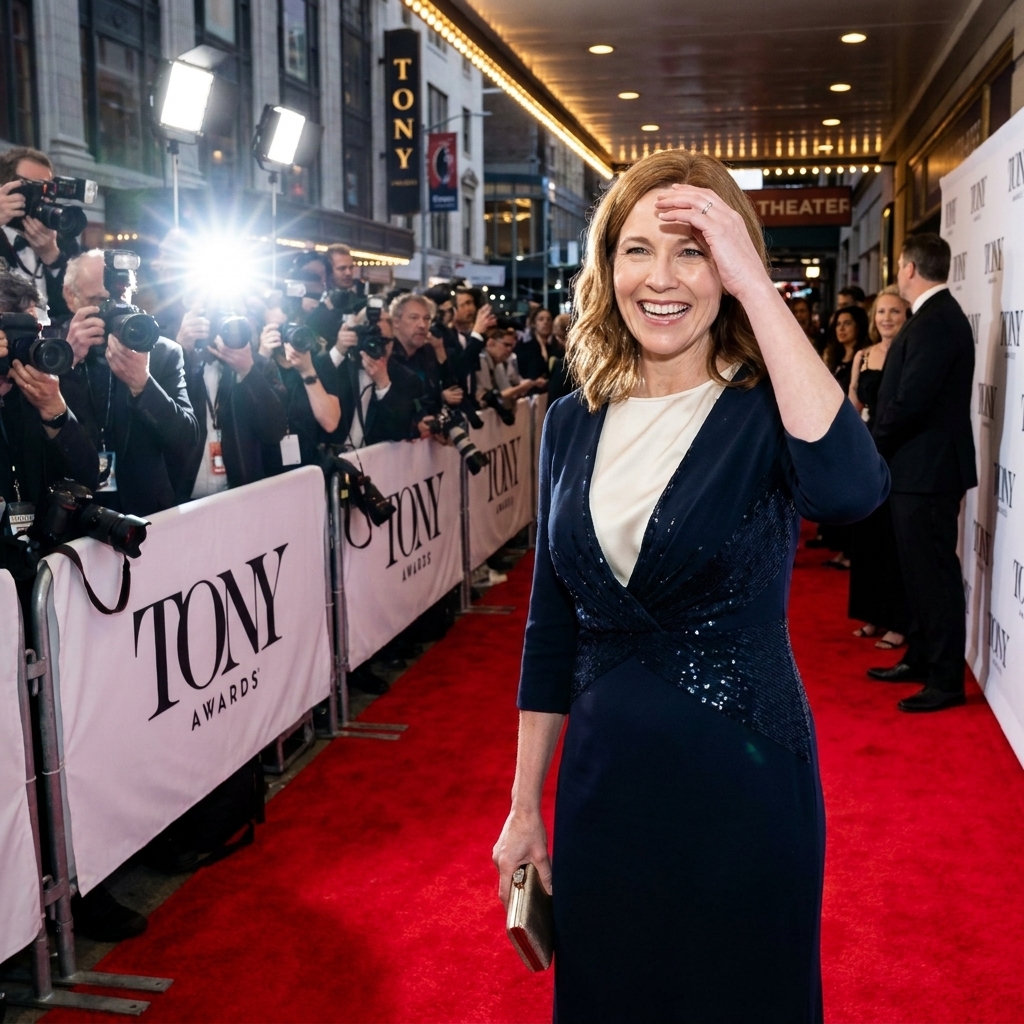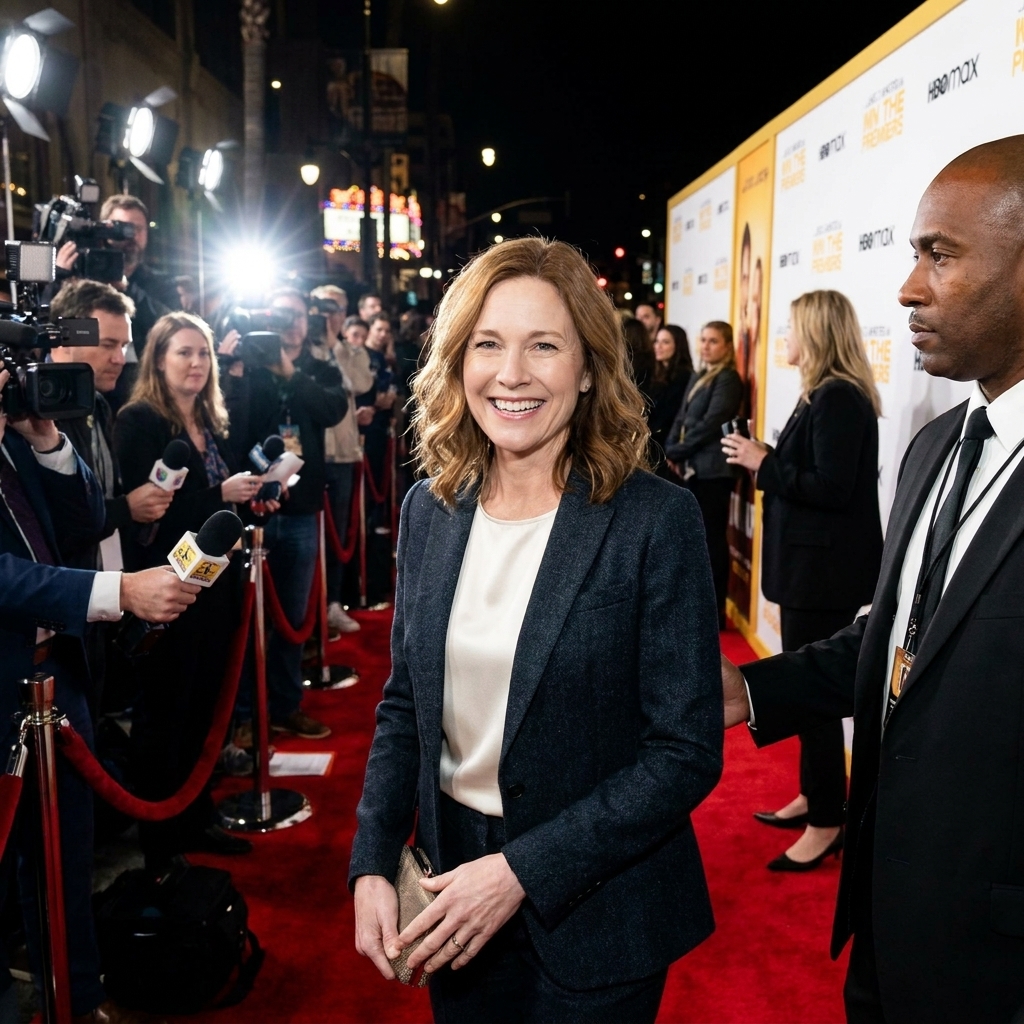
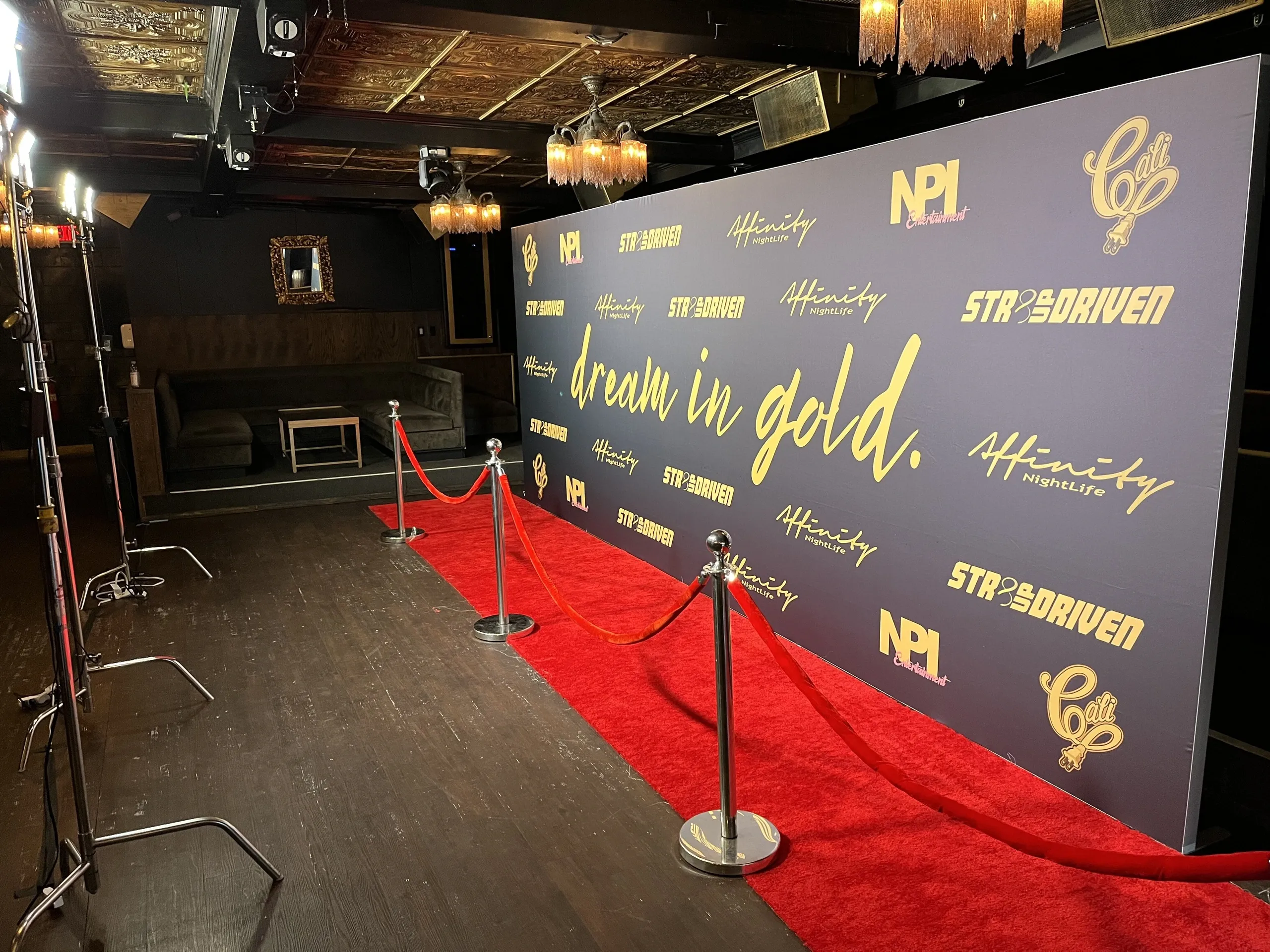
There is a special kind of adrenaline that comes with a big night out in the arts. The curtain is minutes from rising, the lobby is buzzing, the photographers are posted at the step-and-repeat , and suddenly you are asking the most human question imaginable: Is this too much, or not enough?
Good news: most theater openings, film premieres, and red carpet events have the same core goal. Look polished, feel comfortable, and respect the room. Below, I break it down by event level, season, and venue, with outfit formulas you can actually build from your closet.
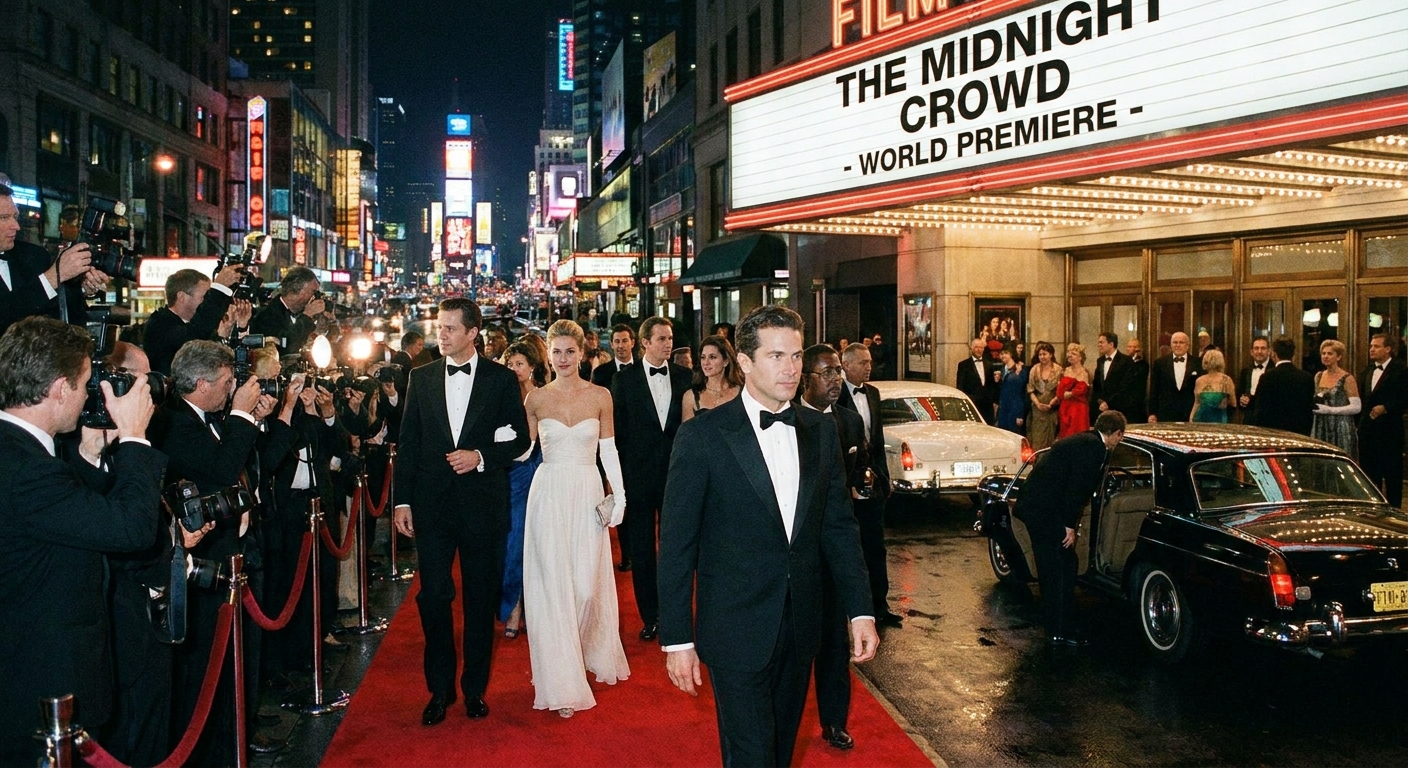
Start here: What kind of night is it?
If you only remember one thing, let it be this: dress for the invitation first, then the venue, then the weather. When in doubt, aim one notch more formal than you would for a regular show.
- Broadway opening night or major gala : typically cocktail to formal. Expect suits, dresses, and elevated accessories.
- Indie film premiere or festival screening: smart casual to cocktail, depending on the theater and afterparty.
- True red carpet (media wall, photographers, credential check): often cocktail to black tie, but it can vary by festival, brand, and city. Cameras and lighting reward clean lines and intentional styling.
- Regular performance night (not opening, no party): smart casual is safe, but you can always do a “soft cocktail” look if it’s a special outing.
Dress codes decoded
Smart casual
Vibe: pulled-together, not business, not weekend sloppy. Think “nice dinner before the show.”
- Women: tailored trousers with a silky top, a midi skirt with a fitted knit, or a clean-lined jumpsuit. Closed-toe flats or low heels work beautifully.
- Men: chinos or dark jeans with a blazer, crisp button-down, or fine-gauge sweater. Leather sneakers can pass if they’re minimal and spotless.
Cocktail
Vibe: opening night energy. You look like you might know someone in the cast, even if you’re just a devoted fan.
- Women: a cocktail dress (knee to midi), a polished jumpsuit, or a sleek suit set. Add one statement element: earrings, a bold lip, or a clutch with texture.
- Men: a suit or a strong blazer and trouser pairing. Dress shoes or sharp loafers. A tie is optional unless the invite suggests otherwise.
Formal or black tie optional
Vibe: gala, awards-adjacent, or a premiere with serious camera presence. It’s okay to be glamorous. It’s also okay to keep it classic.
- Women: floor-length gown or an elevated midi in luxe fabric, plus heels you can walk in. Consider a wrap for the inevitable drafty lobby.
- Men: dark suit with a tie, or a tux if you have one and want the full moment. Keep the shirt crisp, the shoes shined, and the silhouette clean.
Creative black tie
Vibe: formal with permission to play. This is where you can bring color, interesting tailoring, or a fashion-forward accessory.
- Women: jewel tones, sculptural sleeves, or a sharply tailored suit with heels. One “hero” piece, not five competing ones.
- Men: velvet jacket, patterned tux jacket, interesting lapels, or a bold pocket square, while keeping the rest streamlined.
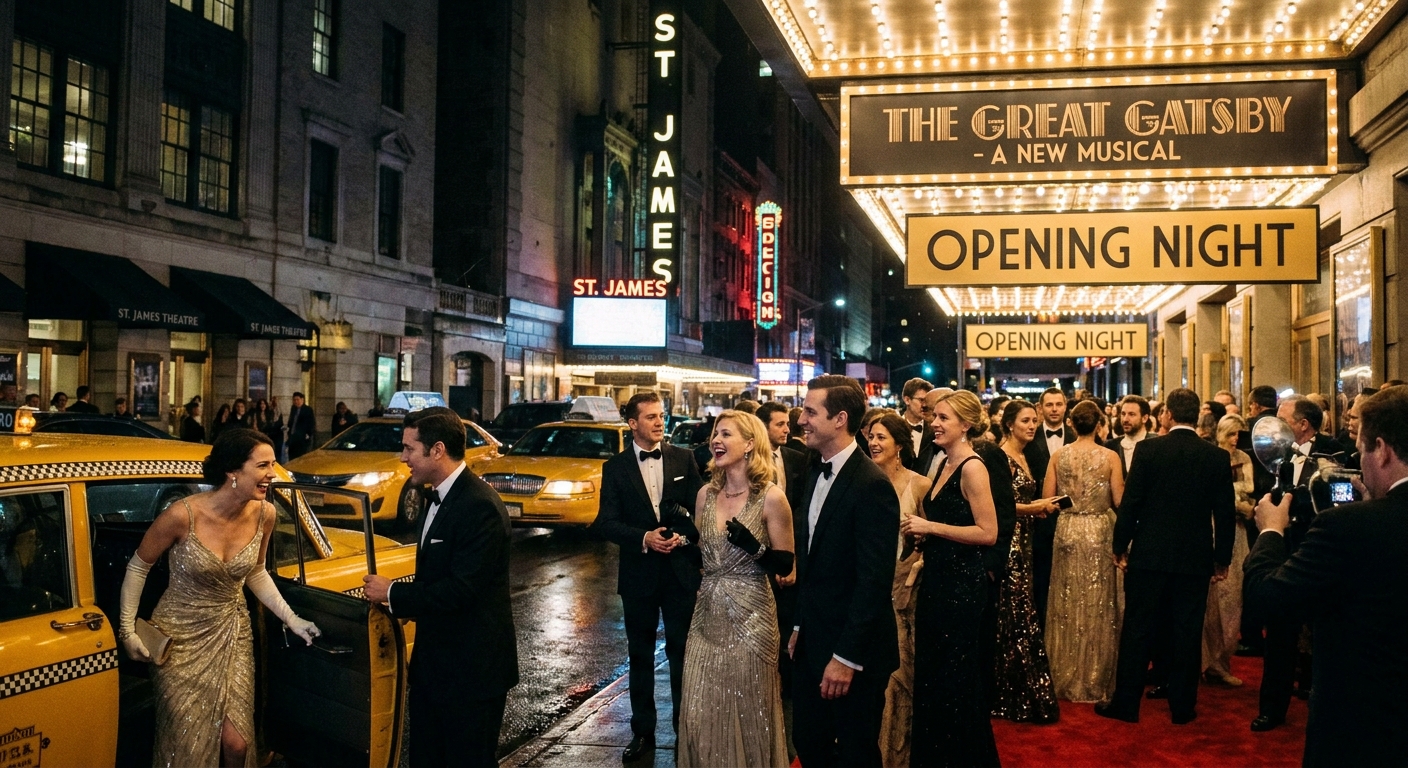
Outfit formulas
These are plug-and-play blueprints. Swap colors and silhouettes to suit your style, and you’re set.
Theater opening night
Opening night is part performance, part celebration, part community reunion. You’ll likely be sitting close to other patrons, weaving through a busy lobby, and possibly heading to a toast afterward.
- Formula A: midi dress + structured blazer + block-heel sandal or pointed-toe pump + small clutch.
- Formula B: tailored suit + refined top (camisole, knit polo, or crisp shirt) + polished shoes.
Film premiere
Premieres can swing wildly. A studio screening might feel nearly formal, while an indie premiere often leans stylish and personal. Your best ally is an outfit that reads intentional even without a tie or gown.
- Formula A: sleek dress or jumpsuit + sharp jacket (blazer, leather, or suede) + heeled boot or loafer.
- Formula B: suit with open collar + statement accessory (watch, earrings, or a bold lip) + clean, polished footwear.
Red carpet or step-and-repeat
For cameras, choose strong lines and confident color. Lighting, distance, and lenses can change how details read, so keep the look clear from a few steps away. Skip tight, high-contrast micro-patterns (tiny checks, narrow stripes, fine houndstooth) that can create a moiré effect on video. Super-shiny fabrics can also flash oddly, so test in bright light if you can.
- Formula A: solid-color gown or sculpted midi + statement earrings + small clutch + comfortable heels.
- Formula B: tux or dark suit + crisp shirt + polished shoes + one standout detail (satin lapel, textured tie, or pocket square).
Seasonal styling
Fall and winter
- Coats matter: a wool topcoat, tailored wrap coat, or a structured trench. If you must do a puffer, choose a sleek, matte, tailored one in a dark color.
- Footwear reality: if it’s icy or rainy, arrive in sleek boots and change into heels or dress shoes if you have coat check and a bag big enough.
- Fabric wins: velvet, crepe, wool suiting, and heavier satins read luxurious and photograph well.
Spring
- Layer smart: lightweight blazer, cropped jacket, or shawl that doesn’t fight your silhouette.
- Color sweet spot: pastels can work, but I love saturated mid-tones for theaters: emerald, cobalt, oxblood, and deep plum.
Summer
- Heat outside, AC inside: bring a light wrap or jacket. The best outfit is the one you can enjoy for three hours.
- Fabric wins: linen blends (less wrinkly), cotton poplin, silk, and breathable suiting.
- Foot comfort: premieres often mean standing. Choose a block heel, a supportive dress shoe, or a loafer with cushioning.
Venue matters
Historic theaters and opera houses
These spaces have built-in grandeur. Lean classic and refined: cocktail dresses, suits, elegant fabrics, understated sparkle.
Modern performing arts centers
Often slightly more contemporary. Minimal silhouettes and architectural tailoring feel right at home.
Indie cinemas and arthouse venues
Style is welcome, but comfort and individuality matter. Think elevated everyday: great boots, a sharp jacket, intentional accessories.
Outdoor screenings and rooftop premieres
Function leads. Bring a layer, consider wind, and choose shoes you can stand in on gravel, grass, or temporary decking.
Easy outfit examples
If you want to copy and paste an entire look, start here.
Women
- Theater opening, cocktail: black midi dress + pearl or gold hoops + strappy block heels + tailored coat.
- Film premiere, city chic: satin slip dress + cropped blazer + pointed-toe ankle boots + clutch.
- Red carpet, formal: jewel-tone gown + statement earrings + sleek updo + simple heels.
- Creative black tie: white tuxedo suit + black camisole + metallic heel + bold cuff bracelet.
Men
- Theater opening, cocktail: navy suit + white shirt + loafers + pocket square.
- Film premiere, elevated casual: dark trousers + black turtleneck + tailored blazer + Chelsea boots.
- Red carpet, formal: tux + black bow tie + patent or highly polished dress shoes.
- Creative black tie: velvet dinner jacket + black trousers + crisp shirt + minimal jewelry.
Details that read “opening night”
- Bag: go small. A clutch or slim crossbody keeps your silhouette clean and your seat area civilized.
- Jewelry: choose one focal point. Earrings or a necklace, not both competing with a dramatic neckline.
- Fragrance: theater is close quarters. One spritz is plenty.
- Makeup and grooming: slightly more defined than daytime reads well in lobby lighting. Bring blotting papers or a small powder compact.
- Comfort tools: heel cushions, a tiny lint roller, fashion tape, and a spare bobby pin can save your night.
Practical notes
Wear what works for you
These formulas are for anyone. A great suit is a great suit, a sharp jumpsuit is a sharp jumpsuit, and tailoring is the quiet upgrade that makes everything look intentional.
Upgrade points
If you’re shopping your closet or keeping it budget-friendly, focus on the pieces that do the most work: shoes, outerwear, and one strong accessory. Rentals and secondhand are especially good for black tie moments.
Etiquette
- Respect sightlines: avoid oversized hats, towering headpieces, or anything that blocks the view once you’re seated.
- Mind the noise: bracelets that clink, bags with loud chains, and shoes that squeak can be distracting in quiet moments.
- Keep outerwear tidy: use coat check if available, especially if your coat will spill into someone else’s seat space.
- Dress to move: you’ll stand, shuffle, pose, and possibly hurry. Choose pieces that let you breathe and walk.
- Go easy on the sparkle: sequins are fun, but in intimate theaters, intense shine can pull focus.
Most importantly: wear something that lets you stay present for the art. The best compliment is not “you outshined the night,” but “you looked incredible and you seemed like you were having the time of your life.”
Quick FAQ
Is it okay to wear jeans to the theater?
For a regular performance or an indie venue, dark, well-fitted jeans can work with a blazer and polished shoes. For opening night, upgrade to trousers or a suit if you can.
Do I need a tux for a red carpet?
Only if it’s explicitly black tie. A dark, well-tailored suit with a crisp shirt can look just as sharp for many premieres. Fit and grooming do most of the heavy lifting.
What colors photograph best?
Solid jewel tones, black, white, and rich neutrals. If you love pattern, choose larger-scale prints rather than tiny, high-contrast ones that can look busy on camera.
What is the safest shoe choice?
A block heel, a pointed-toe flat, a sleek loafer, or a well-made dress shoe. If you’ll be standing for photos, comfort reads as confidence.