A film premiere looks like pure glamour from the outside. Inside, it is more like a carefully choreographed night at the theater: timed arrivals, a few unwritten rules, and a room full of people who care deeply about what you are about to watch.
If you have a ticket, an invite, or a plus-one and you are wondering what actually happens, here is the typical flow, explained like a friend who reads the whole press kit but still gets butterflies when the lights go down.
The basic timeline
Most premieres follow the same spine, even if the details shift by festival, studio, and venue size.
- Arrival and check-in (usually 30 to 60 minutes before start time)
- Carpet interviews and photos (for cast, filmmakers, and credentialed press, plus occasional guest photos)
- Seating and pre-show (trailers, intros, sponsor slides)
- The screening (yes, you are expected to actually watch)
- Talkback or Q&A (common at festivals and prestige premieres)
- Post-screening exit (some guests head home, some head to a reception)
- After-party or reception (invite-only more often than not)
Your invitation or ticket will usually list a call time and a start time. Trust the call time. Call time is when they want you there; start time is when they want the room seated. The red carpet is timed like a stage manager’s prompt book.
Before you go
What to bring
- Your invitation or ticket (digital is often fine, but have it ready before you reach the front of the line)
- Photo ID (names on lists matter at premieres)
- A small bag (bigger bags can slow down security or be prohibited at some venues)
- Your phone on silent (and ideally with enough battery for rides home, not for recording)
- Optional: a light layer (queues happen outside, even when the vibe is tuxedos)
What to wear
Dress codes range from “cocktail” to “black tie” to “clean sneakers and a blazer,” depending on the city and the film. When in doubt:
- Match the venue: a historic theater leans dressier than a multiplex.
- Choose something you can sit in: premieres are long, and discomfort makes you fidgety, not fabulous.
- Skip noisy accessories: clanking bangles and massive keychains become accidental sound design.
If your invite explicitly says black tie, take it seriously. A premiere is not a costume party, but it is a room where effort reads as respect.
Arrival and check-in
When you arrive, you will likely see multiple lines, sometimes with signs and sometimes with stressed-out people asking, “Is this for general?” Common categories include:
- Will call (you pick up tickets or confirm your name)
- Invited guests (often by studio or host list)
- Press (credentialed media)
- VIP (talent, executives, sponsors)
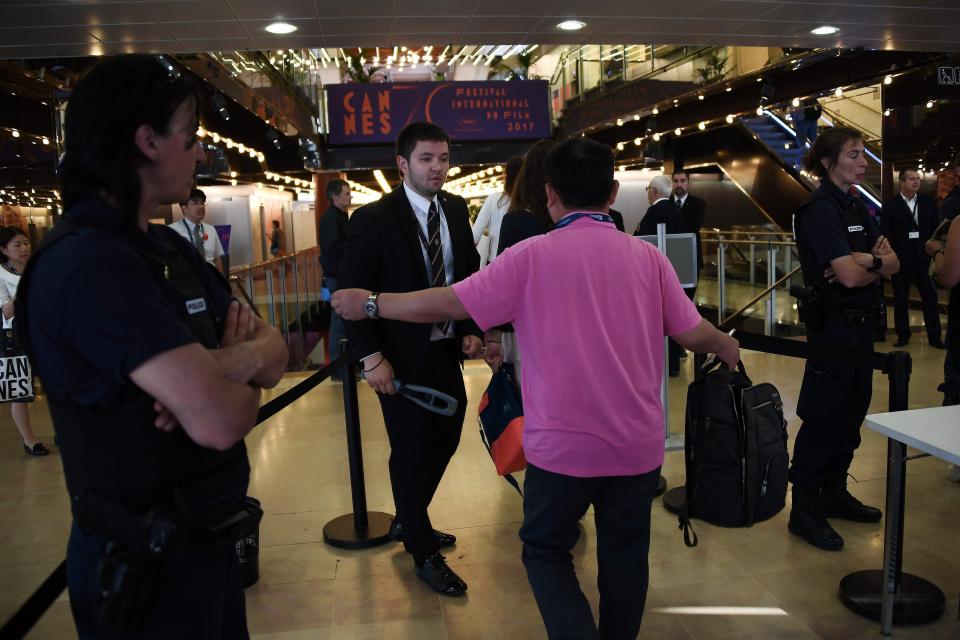
Security may check bags, run a metal detector wand, or both. Some venues restrict items like large cameras, recording devices, and oversized bags, even if they look very chic. Staff will scan tickets or look up names. If you are a guest of someone, know the exact name the invite is under. This is the single easiest way to look like you have done this before.
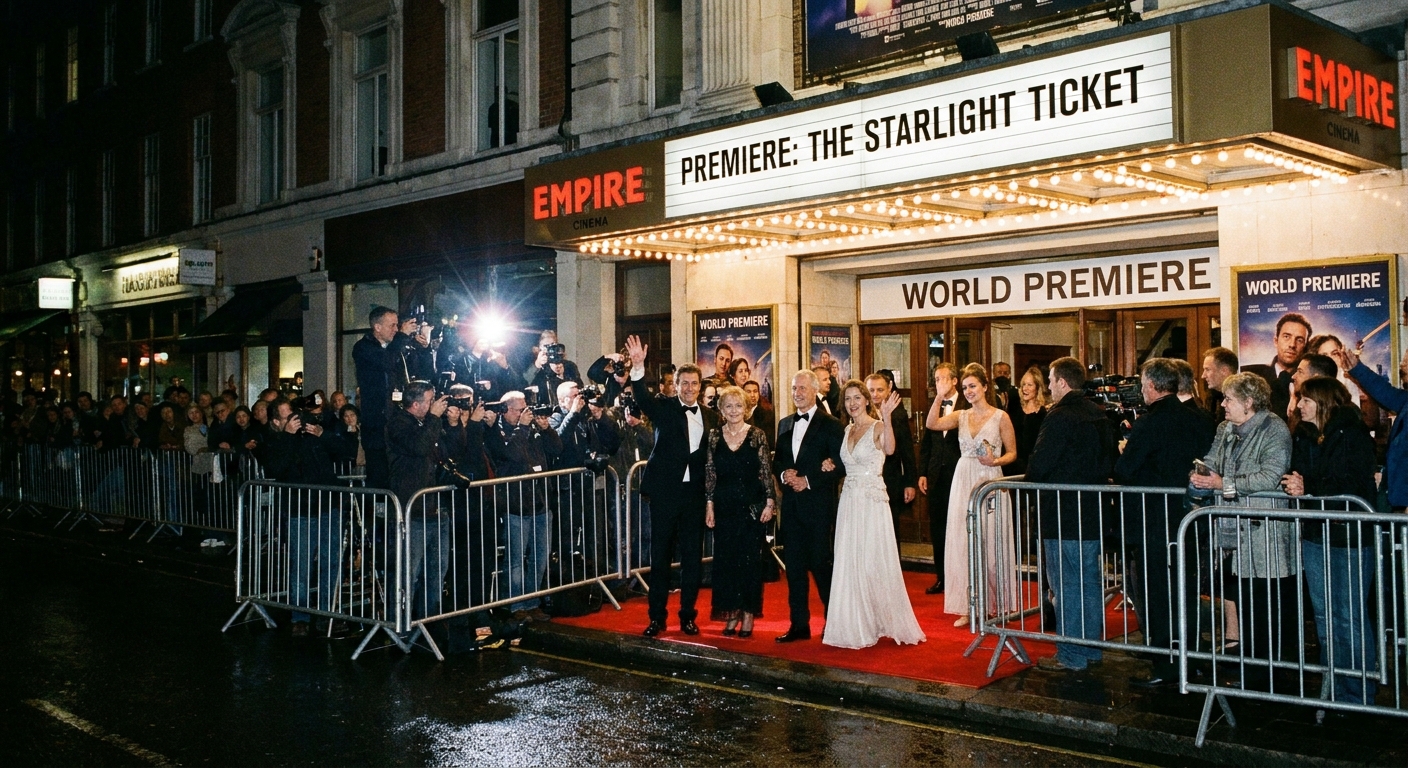
The red carpet
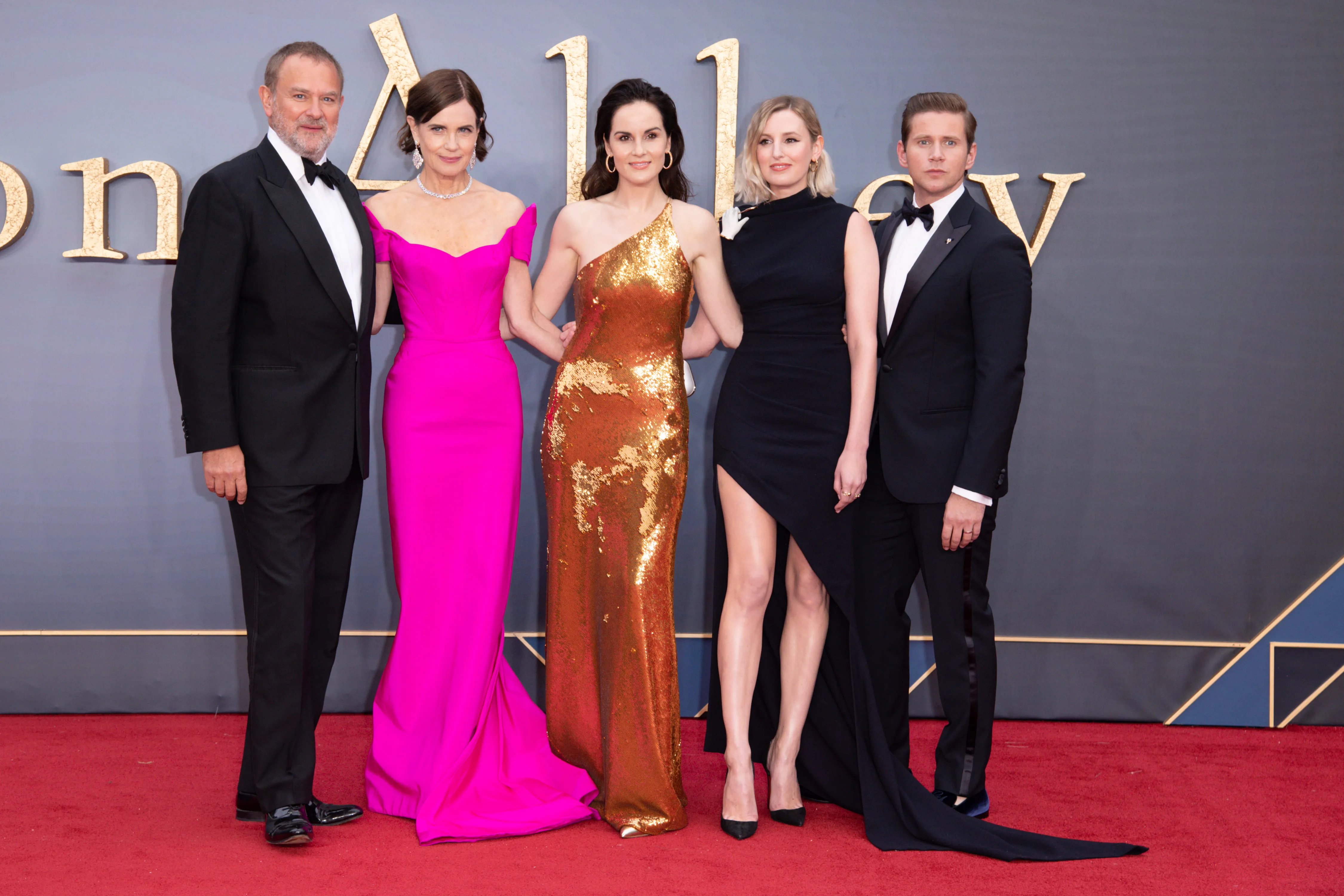
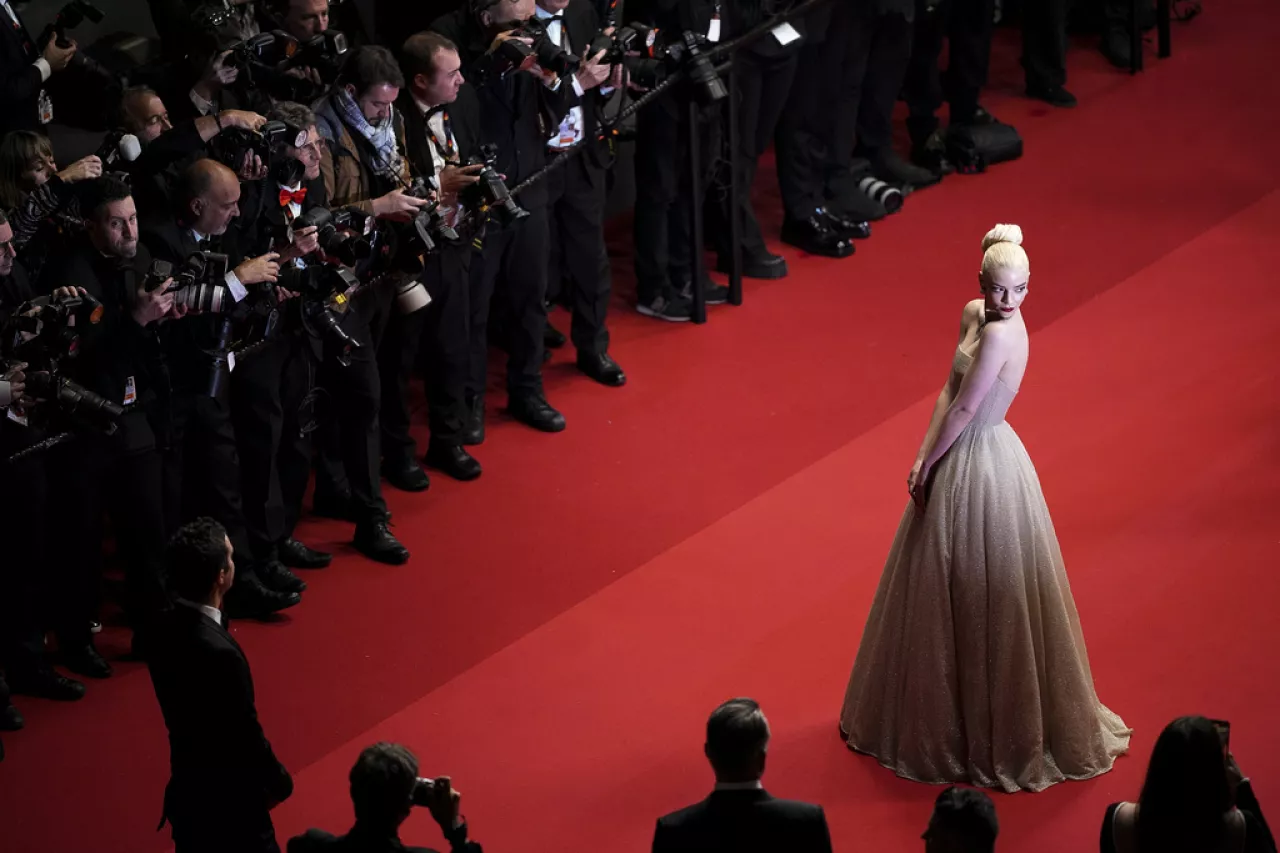
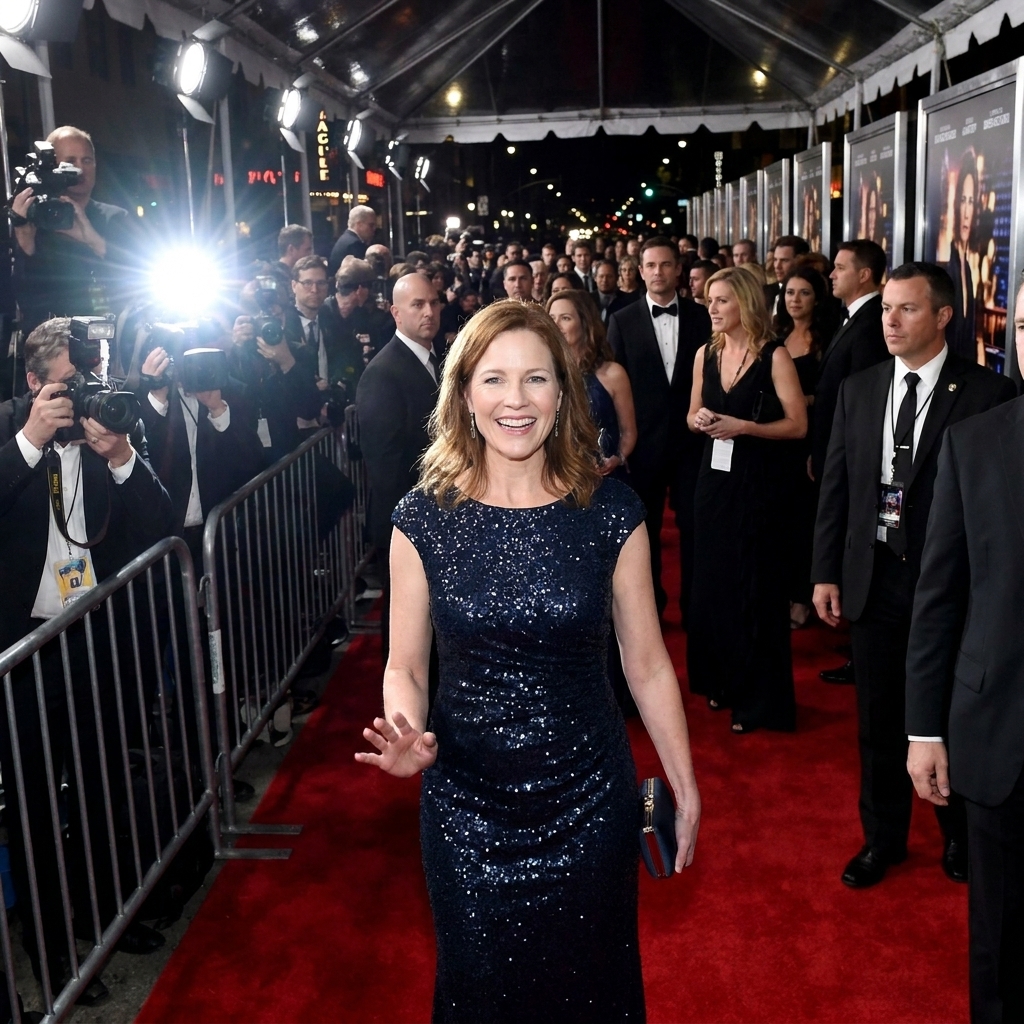
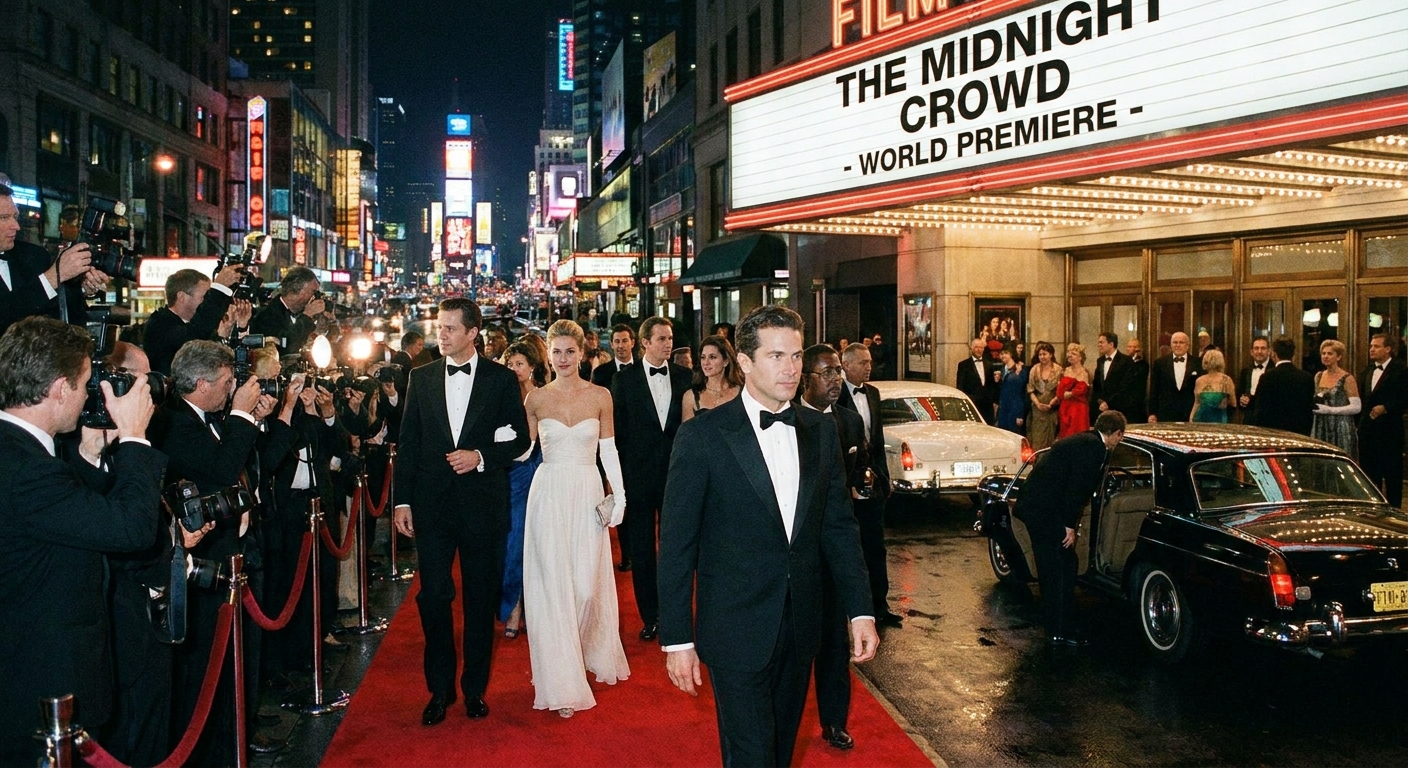
The carpet is a work zone. It is where talent fulfills press obligations, photographers capture images for coverage, and publicists keep the train moving.
If you are a regular guest
You might not go on the main carpet at all. Many events route general guests through a side entrance or separate walkway. If you do pass by the carpet:
- Keep moving unless staff directs you to stop.
- Do not step into photo pens meant for press unless you are invited.
- A quick photo is fine if you are not blocking traffic, but avoid turning it into a mini shoot.
If you are hoping to spot celebrities
You may see cast members up close, but it is rarely the free-for-all it looks like on TV. Autographs and selfies depend on time, security, and the performer’s mood. If someone stops, great. If not, do not take it personally. Their schedule is usually measured in minutes.
Carpet etiquette
Act like you are passing through someone else’s backstage.
Getting seated
Seating is often organized more tightly than a normal movie night. There may be:
- Reserved sections (talent, producers, press)
- Assigned seats (common at festivals and gala-style premieres)
- Ushers guiding rows (to fill quickly and avoid gaps)
If you have an assigned seat, take it. If you do not, be ready for staff to direct you. And if you are arriving with a group, show up together. Holding a big block of seats for late friends can slow down the whole room, and premieres run on tight timing.
If you land near talent or press, the simplest rule is: let them watch. A quiet hello is fine; an in-depth chat is for the lobby, not the row.
Right before the film
Once the room is mostly seated, there is usually a short pre-show that can include:
- A welcome from the venue or festival
- A studio introduction (sometimes with thanks to sponsors)
- The filmmakers or cast taking the stage for a quick hello
These intros tend to be brief and heartfelt. It is often the first moment the creative team feels the night land. Applause is not just polite, it is part of the ritual.
Screening etiquette
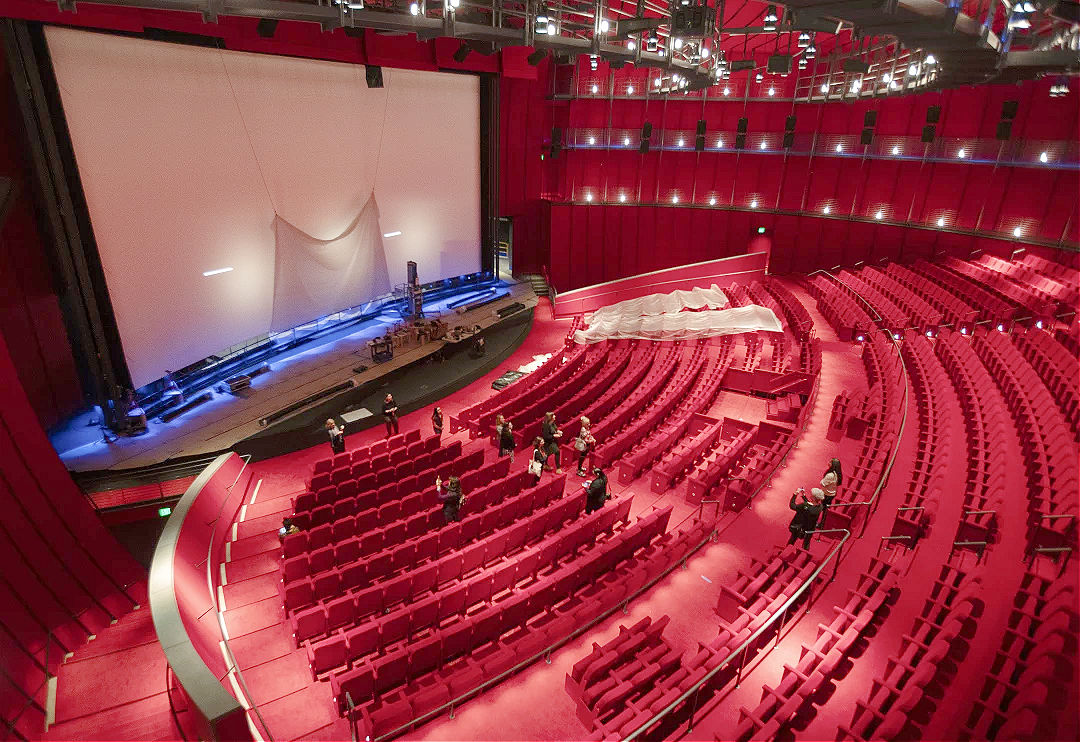
A premiere audience is different from a casual weekend crowd. There are critics, collaborators, friends, investors, and total strangers all sharing the same first impression. The room is listening.
- Silence your phone, and keep it off your lap. A bright screen is visible from rows away.
- No filming. Many premieres have strict policies, and some films are not fully public yet.
- React naturally. Laughing, gasping, and applauding at the end is normal. Heckling is not.
- Stay through the main credits when you can, or at least until any on-stage moment or Q&A begins. Some events move fast or clear the room quickly, so follow staff cues.
If you need to step out, do it quietly and return with the same discretion. Think theater rules, not living room rules.
Q&As
After the film, there may be a talkback with the director, cast, or key crew. Sometimes it is moderated by a journalist. Sometimes it is a quick on-stage wave and a thank-you.
How long do they last?
Anywhere from 10 minutes to 30, depending on the event. Festivals tend to run longer. Big studio premieres sometimes keep it short to move guests to the next obligation.
If the audience can ask questions
- Keep it short. Make it a question, not a speech.
- Avoid spoilers unless the moderator signals it is fair game.
- Ask about craft: a specific performance choice, a location, the score, the edit. Artists love specific curiosity.
The best premiere questions sound like: “How did you find the tone for that final scene?” not “So what is next for you?”
After the screening
When the lights come up, the room changes temperature fast. There is applause, hugs, people checking their phones for the first time in two hours, and staff guiding traffic.
Common post-screening moments:
- Filmmakers greeting friends in the aisle or lobby
- Press doing quick interviews near step-and-repeat backdrops
- Guests lingering to discuss the movie while emotions are still fresh
If you loved the film and the director is nearby, a brief compliment is welcome. Keep it human and simple. “Congratulations, the performances floored me” goes a long way.
After-parties and receptions
Not every premiere has an after-party, and not everyone is invited to the one that exists. When there is a reception, it typically looks like:
- A separate check-in (often with a wristband or name list)
- Light food and drinks rather than a full dinner
- A lot of introductions that begin with “So how do you know the film?”
If you are invited, the details might be on a separate invite, printed on a card, texted by a publicist, or shared quietly at the screening. If you are not sure, ask the person who brought you, not the frazzled person with the clipboard.
It is networking, yes, but it is also decompression. The best move is to be curious, kind, and specific about what you enjoyed. If you did not love the movie, the after-party is not the place for a hot take. Save that for your group chat or your journalistic review, depending on your job.

Types of premieres
World premiere
The first official public screening. Expect extra nerves in the room and often more press.
Festival premiere
Usually includes a Q&A and a very film-loving crowd. The vibe is passionate and attentive.
Studio carpet premiere
More polished, more photographers, more tightly timed arrivals. Guest lists can be large and layered.
Press screening
Not exactly a premiere, but similar logistics. Less formal, more notebooks, more people hustling to make deadlines.
Fan event
Higher volume excitement, more costumes and signs depending on the fandom, and often special clips or surprises.
First-timer nerves
- Arrive early. Being rushed is the fastest way to feel out of place.
- Follow staff cues. Ushers and publicists are the real directors of the evening.
- Keep your phone put away. You will feel more present, and you will look more confident.
- If you need accessibility support, flag it early. Contact the venue ahead of time if you can, or ask an usher at check-in. Accommodations are easiest when no one is sprinting.
- Remember why you are there. It is a celebration of work. Let yourself enjoy it.
FAQ
Do you get to meet the cast at a premiere?
Sometimes, but it is not guaranteed. Cast members are usually scheduled for carpet photos and interviews first, then the screening. If they appear in the lobby, it is often brief and guided by security or publicists.
Can you take photos inside the theater?
Usually not during the film, and often not at all once you are seated. Many premieres have strict no-photo rules. When in doubt, follow posted signage and staff directions.
Is there assigned seating?
It depends. Festivals and gala premieres often have assigned seats, while smaller premieres may be open seating with ushers guiding rows.
What happens if you arrive late?
You might be held until a suitable moment to enter, or you could be turned away if the event is tightly controlled. Aim to arrive at the call time, not the start time.
Are after-parties open to everyone?
Usually no. Many are invite-only with a separate check-in. If you are invited, the details are typically shared on a separate invite, via text, or through your host.
The one thing people forget
A premiere is not only about famous faces. It is also about the hundreds of artists and technicians who built what you just watched, from the sound team who shaped every breath to the costume crew who solved a dozen disasters you will never hear about. When you treat the night like a shared curtain call, you cannot go wrong.