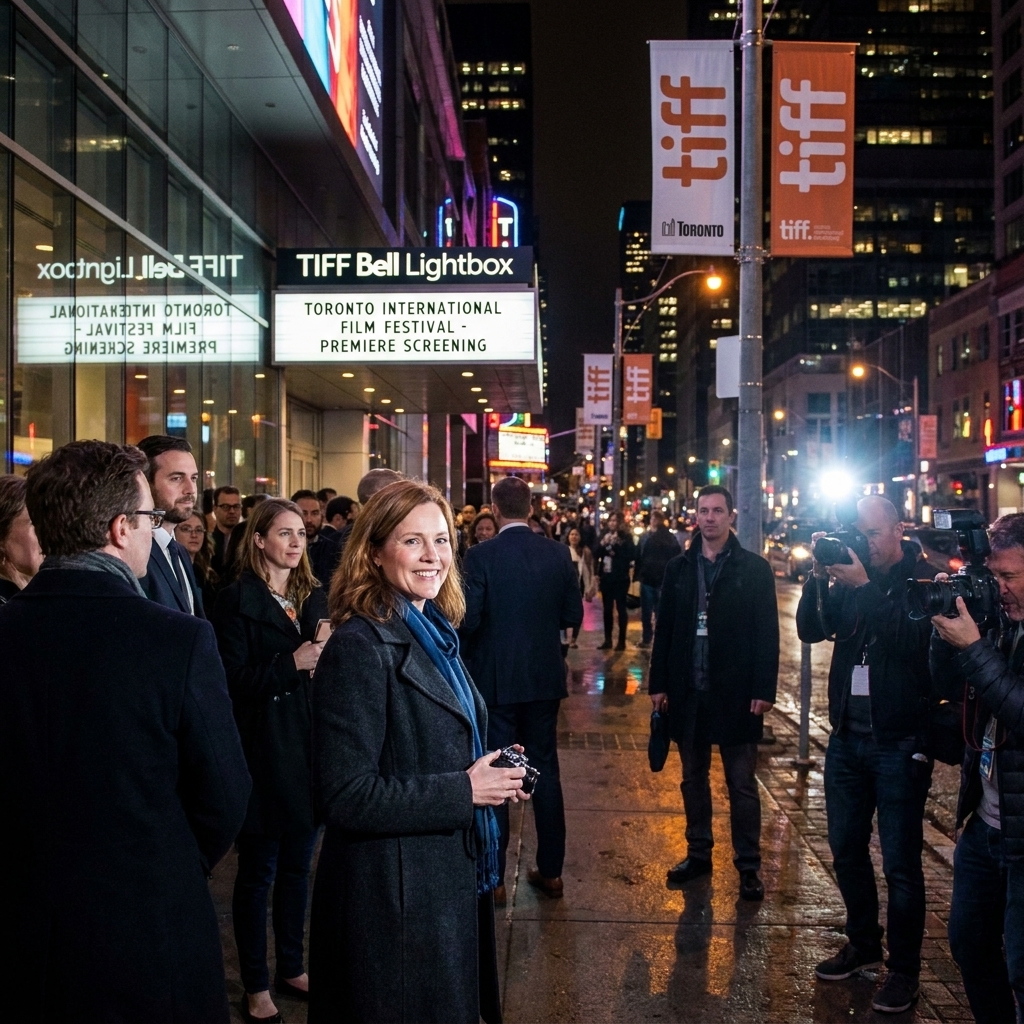
There are two kinds of people at a film premiere: the ones who look like they were born holding a lanyard, and the ones who swear they “just got lucky.” The truth is less mystical and more methodical. Major premieres and red carpet events do have gatekeepers, but they also have systems. Once you understand those systems, you can start showing up in the right places with the right expectations.
Below is a field guide for fans and aspiring media pros who want to experience the buzz in person, without trespassing, name-dropping, or treating a working set of publicists like your personal concierge.

Pick the right kind of premiere
Before you chase tickets, get clear on what you mean by “premiere.” The access points and rules vary wildly.
- World premieres (studio tentpoles): Typically invite-only. Access is mostly industry, press, partners, and contests.
- Festival premieres: Often ticketed for the public, with a lot of screenings across multiple venues. Note: some festivals are far more public-friendly than others.
- Special screenings and advance premieres: Public-facing, frequently routed through local radio, theaters, and promo partners.
- Charity premieres and galas: Expensive, but straightforward. If you can buy a seat, you can get in.
- Fan barricade viewing: Not the same as a ticket, but it is a real way to experience arrivals and the atmosphere.
If you are aiming for “I sat in the theater at the same screening as the cast,” that is one set of strategies. If you are aiming for “I watched the arrivals and snapped a photo of the couture,” that is another.
Best ways in (ranked)
1) Film festivals
If you want a premiere experience with the least gatekeeping, festivals are the cleanest route. Major festivals like Sundance, TIFF, and Tribeca have complex credential ecosystems, but they also have tickets and public options.
Some festivals are less straightforward for the general public. Cannes, for example, is famously accreditation-heavy, with limited public-facing programs that vary by year. You can still have an incredible Cannes-adjacent experience, but plan for more friction.
- Buy early: Memberships often unlock presales. Look for day passes, ticket bundles, or member windows.
- Know the “premiere” screening: The same film might play three times, but only one time slot is the arrivals moment.
- Use rush and waitlists: Many festivals release last-minute seats when industry plans change.
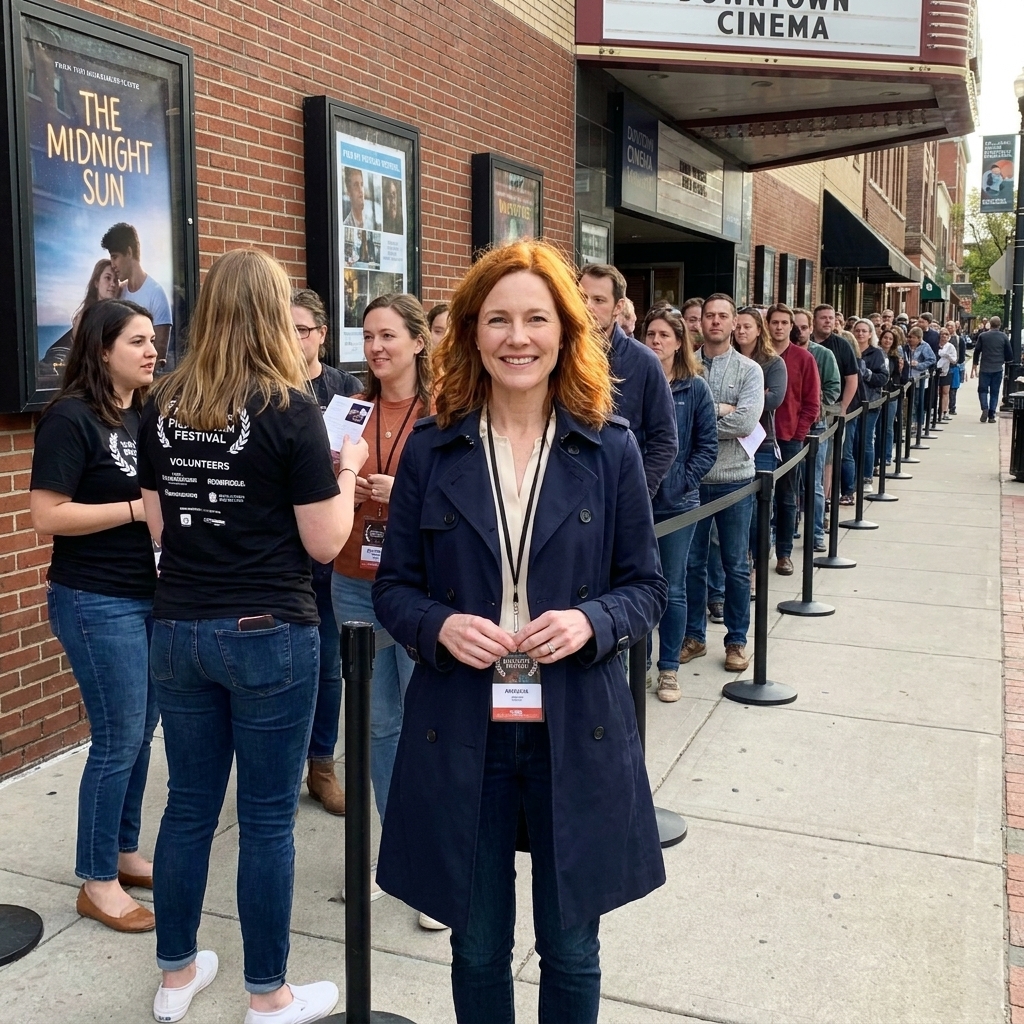
- Volunteer or work the fest: Not glamorous, often very early mornings, but it can get you closer than any giveaway.
2) Studio and distributor contests
Studios are constantly building audience excitement, and red carpets are marketing gold. That means they routinely run promotions through official channels and partners.
- Follow verified accounts: Watch giveaways posted by the film’s official social pages, the distributor, and the studio.
- Watch partner brands: Promotions often run through airlines, credit cards, beverage brands, fashion retailers, and streaming platforms.
- Read the fine print: Many “premiere tickets” are for a special screening, not necessarily the carpet. Still a win.
- Enter like it is your job: Set calendar reminders and submit promptly. Many are random draw or first-come windows.
Reality check: “plus-one” is common, but travel is not always included. A free ticket is less useful if the event is tomorrow in a different state.
3) Radio stations and morning shows
Old-school media still has a pipeline to premieres, especially for big releases doing press tours. Radio and TV stations sometimes get small allotments for listeners, depending on the market and the film.
- Follow stations in the city where the premiere is happening, not just your hometown.
- Look for phrases like “text-to-win,” “caller number nine,” or “VIP screening.”
- Check contest pages daily during the two to four weeks before release.
4) Theater chains and loyalty programs
AMC, Regal, Cinemark, Alamo Drafthouse, and indie theater groups frequently host early screenings. Sometimes cast members show up for Q&As, especially for awards-season films or filmmaker-driven releases.
- Join the theater’s email list and app notifications.
- Track fan events and opening night experiences. These can include limited merch and premium seating.
- Follow local arthouse cinemas. They punch above their weight for director Q&As.

5) Charity galas and benefit screenings
If you have the budget and want a legitimate, above-board path, charity events are often the simplest. Many include a screening, reception, and occasionally a carpet-style photo line.
- Look for film foundation benefits and museum fundraisers that pair with screenings.
- Know what you are buying: Host committee and patron levels can come with priority seating or reception access.
- Respect the mission: These nights are fundraising first, glamour second.
6) Press, photo, or crew (the long game)
For aspiring media professionals, the red carpet is less “ticket” and more “assignment.” Access typically comes via credentials, and credentials come via an outlet with an editor who wants coverage.
- Build a portfolio: Start with local festivals, repertory screenings, and press days. Publish consistently.
- Know what they ask for: Many credential applications want recent bylines, outlet details or metrics, and an assignment letter.
- Learn the difference between screening and carpet: Some outlets get screening access but not the carpet. Some get a press line but no interview slot.
- Pitch smart: Offer deliverables. Example: a 600-word review within embargo, a fashion roundup, and a short video recap.
- Be credential-ready: Have a professional email, a clean bylines page, and a simple media kit. Publicists are not allergic to newcomers, they are allergic to chaos.
If you want this route, treat publicists like collaborators. Meet deadlines. Honor embargoes. Never overpromise access you do not have.
Quick reality check
Most disappointment comes from thinking one type of access magically includes another. It does not.
- Name-check is real: Many events match tickets to ID at check-in. If your name is not on the list, a forwarded PDF will not save you.
- Bag rules are strict: Some premieres allow only small clutches. Others restrict batteries, selfie sticks, and large camera gear.
- Know what your access is: A screening ticket is not the afterparty. A reception invite is not the carpet. A press badge might mean the press line only.
Local premieres count
If your dream is “early access and a real crowd,” do not ignore your own city. Many releases do advance screenings across multiple markets, often with giveaways, Q&As, or a hosted intro. It is not a Hollywood carpet, but it scratches the same itch, and it is dramatically easier to do on a weeknight.
About the barricade
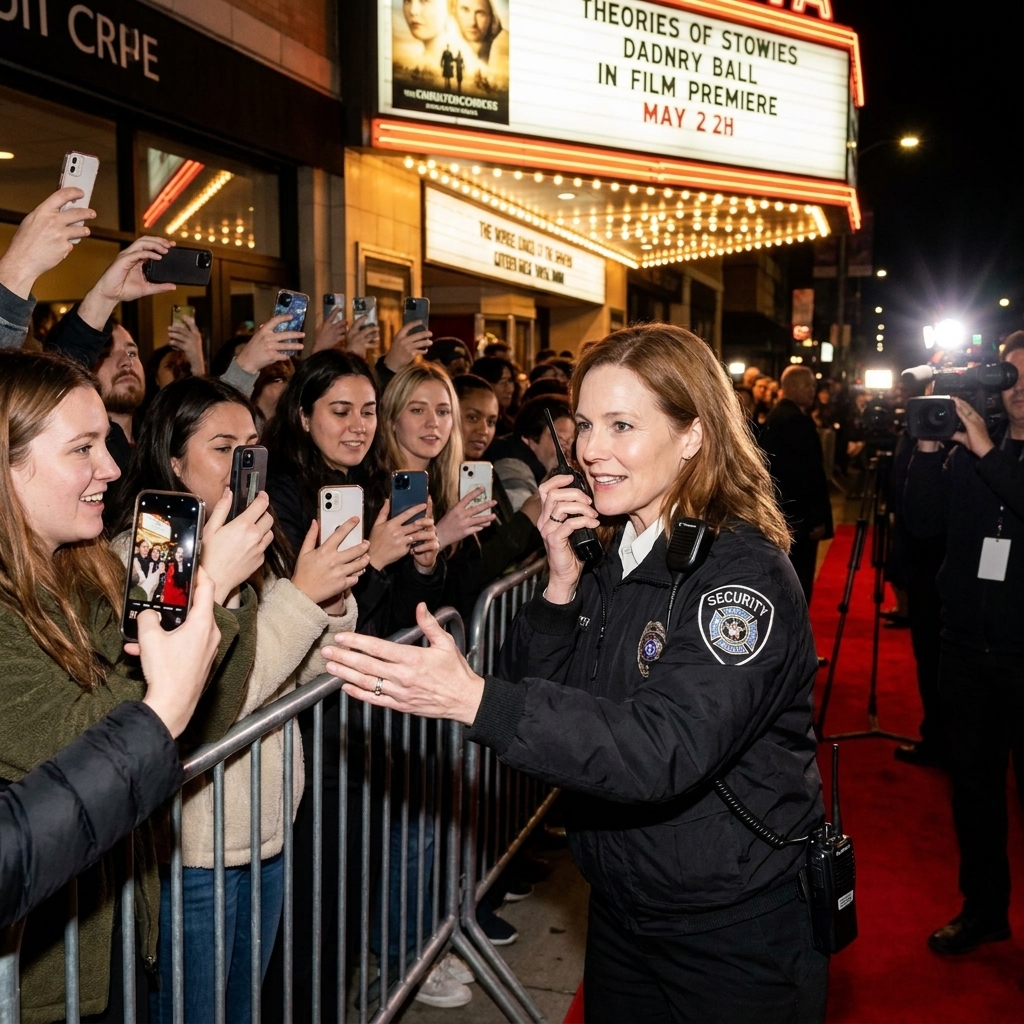
For many major premieres, the fan experience is outside. That can be genuinely fun if you approach it like live theater: you are there for the energy, not a guaranteed interaction.
- Confirm the location: Venues and arrival points can shift. Look for venue postings, city permitting notices, and reliable entertainment reporters, not random “heard it’s here” posts.
- Arrive early: If it is a big title, people line up hours ahead.
- Pack light: Many areas restrict large bags, signs, and professional camera gear.
- Be kind to security: Their job is safety and flow. The fastest way to ruin your night is to argue about the rules.
Etiquette that gets you invited back
Premieres run on timing, optics, and a lot of exhausted staffers with clipboards. The quickest way to become “that person” is to forget everyone around you is working.
Do
- Follow the dress code: If the invite says cocktail, do cocktail. If it is black tie, do not interpret that as “clean sneakers.”
- Show up on time: Carpets are scheduled down to the minute. Late arrivals can be denied entry.
- Be gracious in tight spaces: Photo lines and lobbies are polite chaos. Help it stay polite.
- Silence your phone in the screening: Nothing says “I do not respect the craft” like a glowing screen during a premiere.
Do not
- Ask talent for selfies mid-interview: There is a difference between a brief hello and hijacking a work moment.
- Fake a credential: You will be caught. You may be banned from the venue.
- Post restricted content: If phones are sealed or photos are prohibited, assume it is serious.
Day-of checklist
Premiere nights are long, and comfort is a strategy.
- Bring: government ID, a printed or offline copy of your ticket confirmation, portable charger, breath mints, a small umbrella if weather looks dicey, and comfortable shoes if you are doing barricade time.
- If you are credentialed: business cards, a small notepad, and a backup audio option that follows event rules.
- Skip: bulky bags, large props, and anything that will slow down security checks.
Pro tip from someone who reads the whole playbill: if you are going for the screening, plan your outfit around sitting comfortably for two hours. A red carpet photo is a moment. A cramped waistband is a full third act.
Spot scams
If someone is selling “guaranteed red carpet access” with vague details and a countdown clock, take a breath. Premieres are heavily controlled events, and tickets are often non-transferable or tied to a name check, especially for carpeted studio events.
- Look for specifics: real venue name, check-in instructions, and the organizer’s legitimate footprint.
- Verify the host: charities, festivals, and known event producers are safer than anonymous resellers.
- Be wary of unverifiable badges: A VIP laminate is not a magical passport if the event does not recognize it.
If you cannot confirm who is running the event and what the ticket includes, do not hand over your money.
FAQ
Can you buy tickets to Hollywood premieres?
Sometimes, but not usually in the way people imagine. The most purchase-friendly paths are festivals, charity events, and special screenings. Big studio world premieres are commonly invite-only, with limited public access through promotions.
Do you need an invitation for the red carpet?
For the actual carpet area, yes. You can often still watch arrivals from designated public areas, depending on the venue and city rules.
How early should you arrive?
For a ticketed screening, aim for 45 to 90 minutes early if there is a carpet or heavy security. For barricade viewing at a major title, “hours” is the honest answer.
What should aspiring reporters do first?
Cover smaller events consistently, build a portfolio with clean bylines, then pitch an editor with a clear plan for what you will publish and when. Publicists love reliability more than hype.
The bottom line
Getting into a major premiere is less about secret handshakes and more about choosing a realistic entry point, doing the legwork early, and behaving like someone the industry would not mind seeing again. Chase the craft, respect the people working the room, and remember: the real magic is still on the screen once the flashbulbs cool.