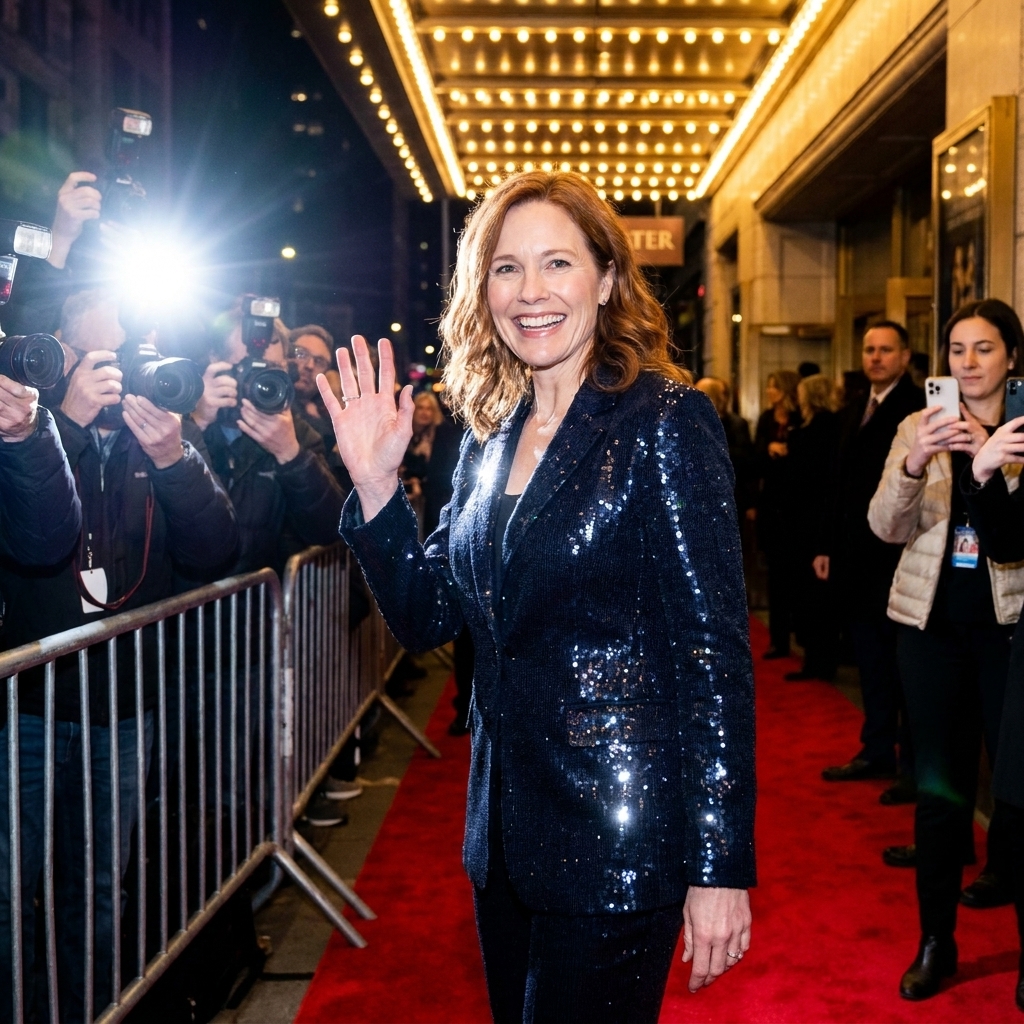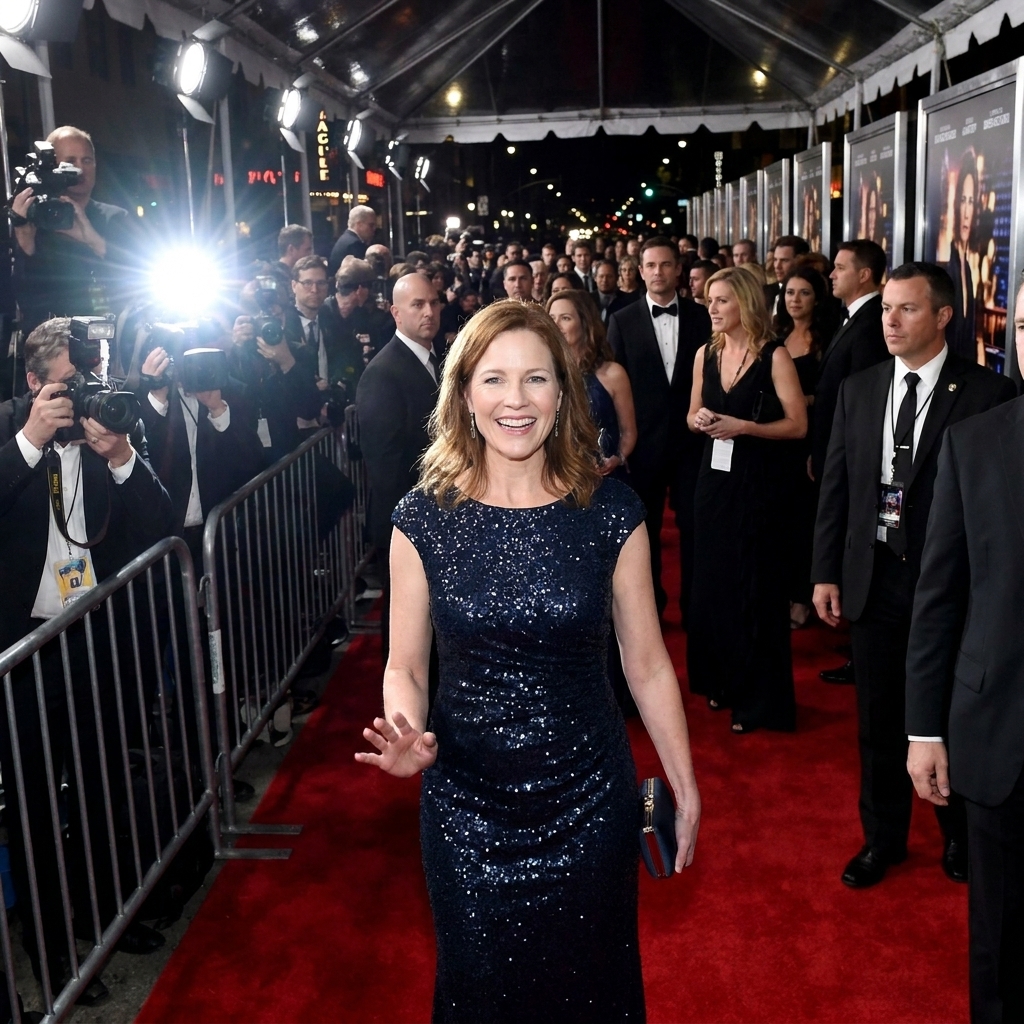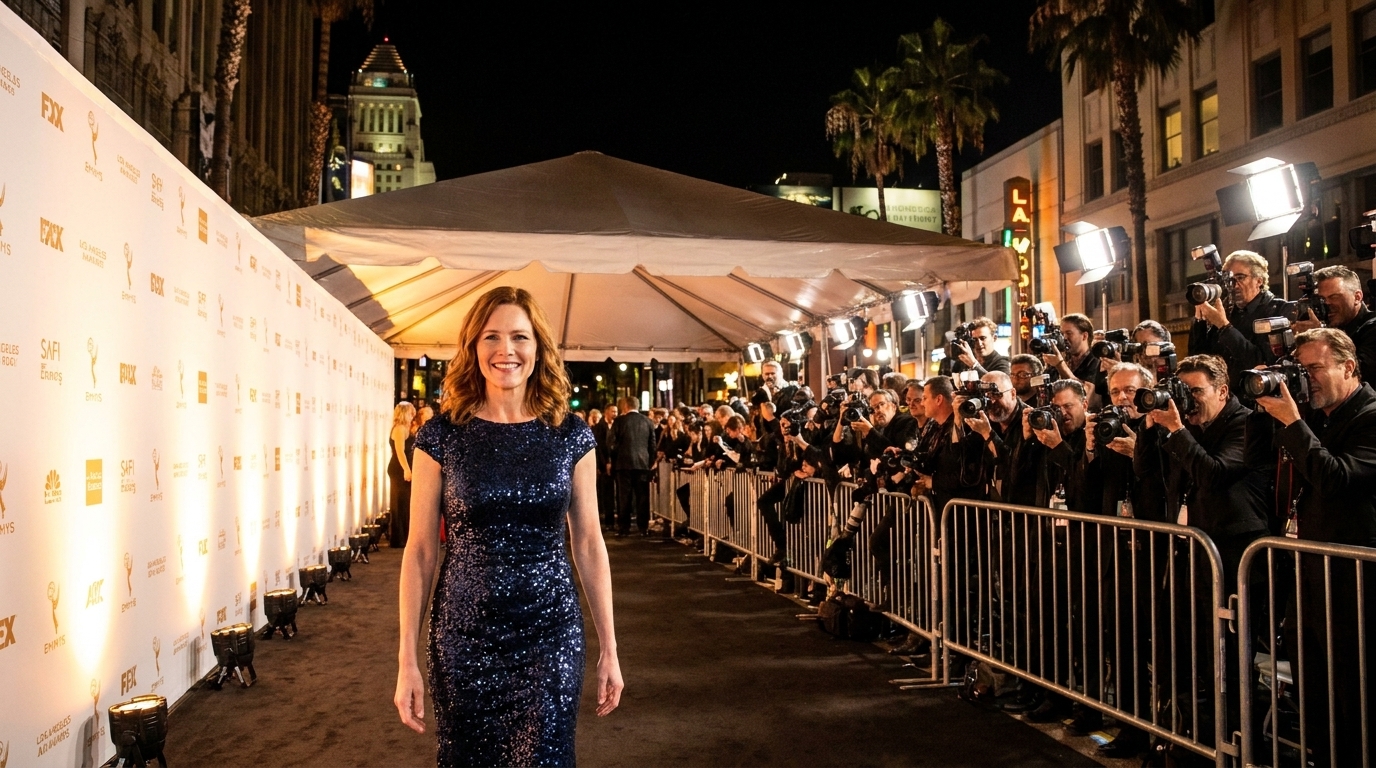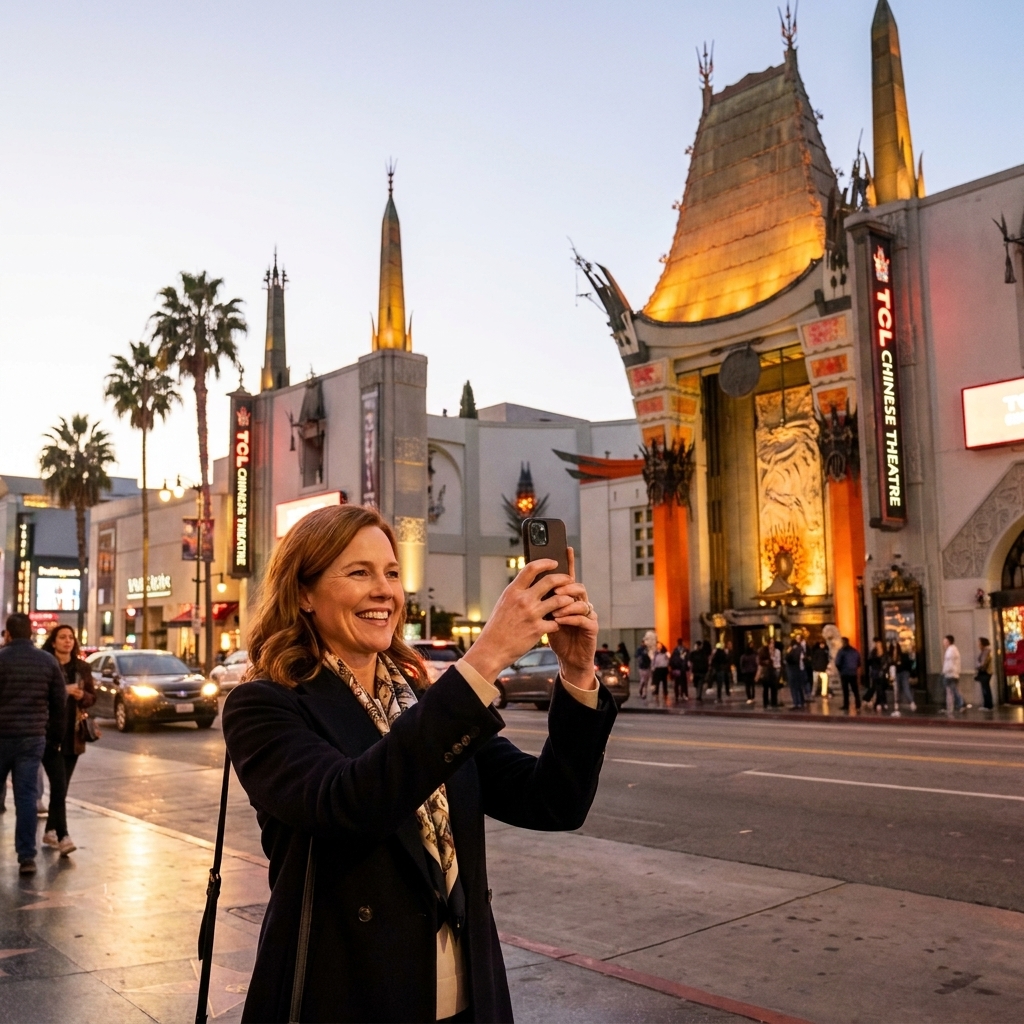
Red carpets look like pure sparkle from the outside. From the inside, they are controlled chaos with excellent lighting. Your job is to turn that chaos into something viewers can actually hear, read, and enjoy, while respecting the people who made the work and the crew members trying to keep the night moving.
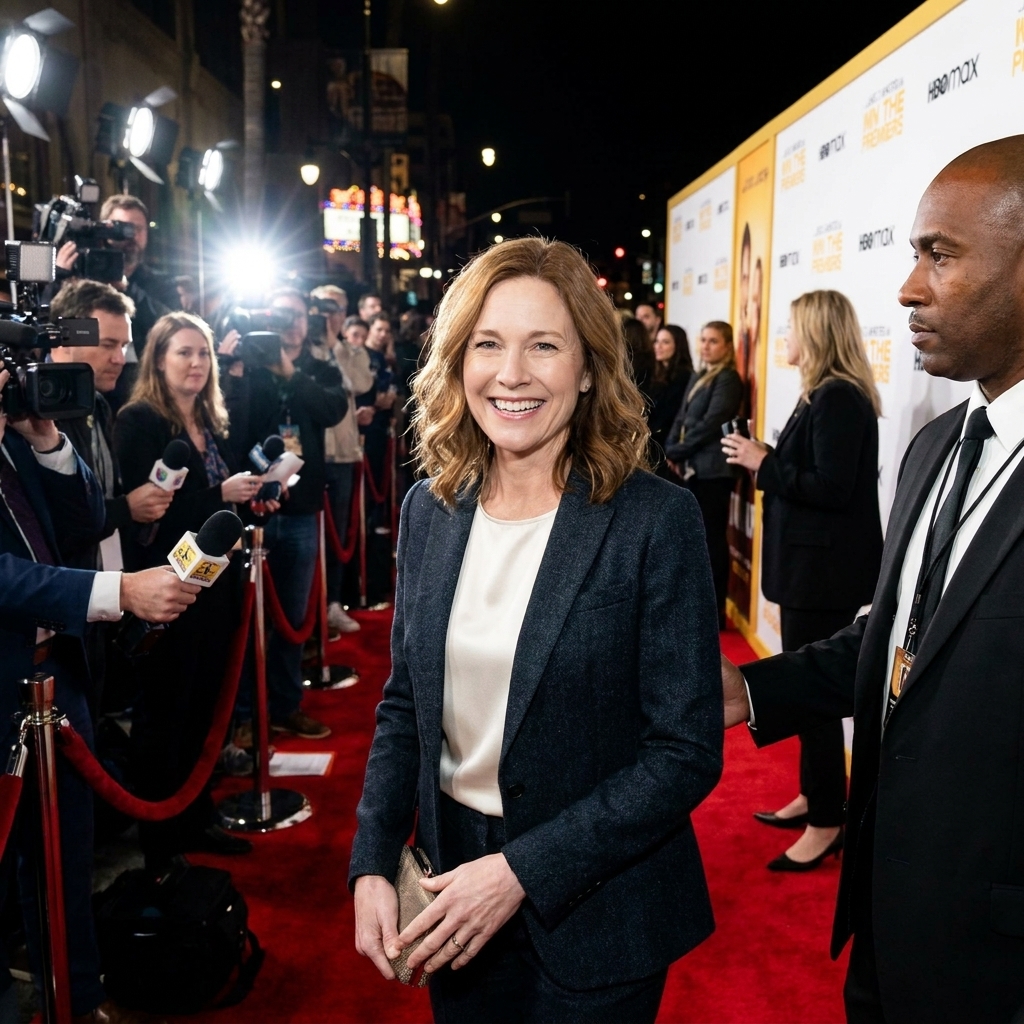
I have covered enough premieres to know this: the velvet rope is not a metaphor. It is a boundary, a schedule, and sometimes a safety line. If you treat it like all three, you will get better interviews, cleaner footage, and a reputation that gets you invited back.
Before you arrive
Know the carpet
Not all premieres run the same. A studio tentpole will often have multiple press pens and a strict run of show. An indie festival premiere might feel looser but can be even harder to work because there is less infrastructure, fewer dedicated audio lanes, and more last-minute changes.
- Studio premiere: high security, strict time slots, talent handlers everywhere, a tight route from arrivals to photos to interviews to theater.
- Festival carpet: less formal, more potential for longer conversations, but also more noise bleed and fewer control points.
- TV premiere: often shorter interview windows, more cast members cycling quickly, and heavier emphasis on show messaging and release dates.
Credentials matter
Credential rules vary by publicist and venue, but the basics hold: apply early, confirm your outlet’s name and on-site contacts, and bring printed and digital confirmations. If you are a crew lead, make sure every person on your team is listed correctly. The fastest way to lose a shooting position is a mismatched name at check-in.
- Bring government ID that matches your credential request.
- Save the credential approval email offline, including arrival time and location instructions.
- Clarify whether you are press, photo, TV/ENG, digital video, or social. Those lanes are not interchangeable.
Do your homework
Read the room before you read the room. Do the homework that helps you ask better questions in less time. Watch the trailer, read production notes if available, and know the correct pronunciation of names. Nothing slows an interview like fumbling a name, except maybe asking a question that proves you have not seen the work you are covering.
The run of show
Most carpets are a choreography: arrivals, photos, press line, then the talent goes inside. Your goal is to anticipate the flow so you are not scrambling while the person you want is already two stations past you.
Get the schedule
If you can get a call-sheet-style overview, great. If you cannot, find the press wrangler early and introduce yourself with one sentence: outlet name, format, and what you need.
- “Hi, I’m Elena with Arts Reel, digital video and print. We are set for two minutes per cast member. Where should we stand for clean audio?”
- “We are a one-camera setup with a handheld mic. Do you want us to flag any talent topics to avoid?”
Lane math
Carpets are built on scarcity: space, time, and attention. Your station placement matters. If you are too close to the entrance, subjects are still warming up and handlers are moving quickly. Too far down the line and you get the last seconds, if you get anything at all.
My sweet spot: close enough that energy is high, far enough that the subject has settled into interview mode and the handler is willing to give you an extra 10 seconds if you are efficient.
Gear that matters
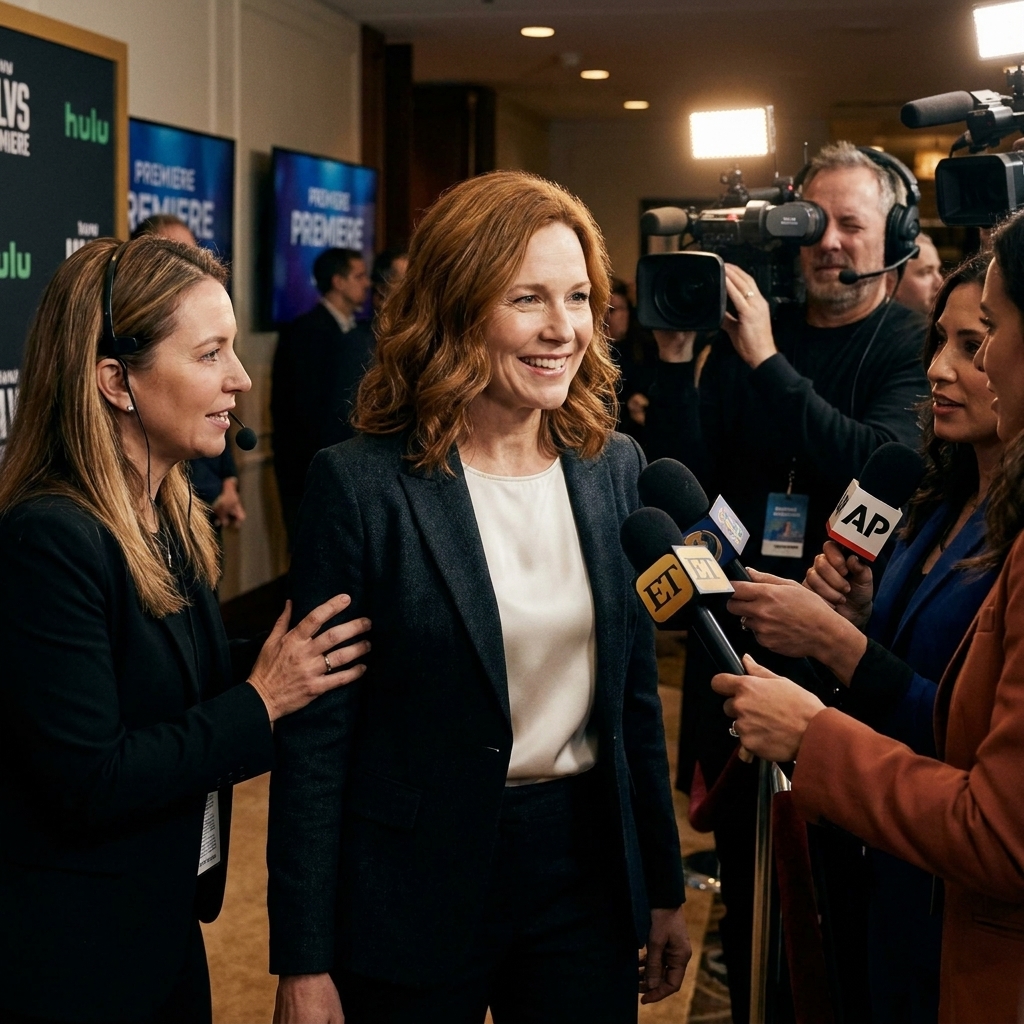
Red carpet audio is the dragon you must slay. The background is designed for cameras. But sound is where good coverage becomes great coverage, or unusable coverage. Lighting is often workable, but mixed and harsh sources are common, especially outdoors, near LED walls, or in sponsor activations.
Audio essentials
- Primary mic: a handheld interview mic with a tight pickup pattern is still one of the most reliable tools in a loud environment. The real advantage is close-mic technique and rejection, not magic in the word “dynamic.”
- Backup audio: a small recorder with a lav mic as a safety track can save an otherwise perfect interview, especially if your camera input gets bumped.
- Headphones: monitor your audio. If you are not listening, you are guessing.
- Windscreen: even indoors, HVAC blasts can wreck syllables. Outdoors, it is non-negotiable.
Distance rule: keep the mic close enough that you are not recording the room. If you have ever watched a quote dissolve into step-and-repeat ambience, you already know why.
Camera and support
- Lens choice: a fast zoom gives you flexibility when you cannot move your feet. Carpets are not the place for constant lens swapping.
- Stabilization: a monopod is often more practical than a tripod in tight pens. If tripods are allowed, keep the footprint tight and taped.
- On-camera light: useful in darker arrivals, but soften it. Nobody wants to feel interrogated while wearing couture.
- Extra batteries and media: the night always goes long, even when it ends fast.
Small lifesavers
- Gaffer tape for securing cables and marking your space.
- Microfiber cloth for lenses that mysteriously collect glitter, mist, and fingerprints.
- Business cards or a QR code contact card for quick follow-up with publicists.
- A small power bank for your phone, because your entire night lives inside group texts.
Etiquette
A red carpet is a working set with formalwear. The best media pros are not the loudest. They are the most prepared, the most respectful, and the least disruptive to everyone else’s job.
Respect the chain
Talent handlers and press wranglers are your gatekeepers, but also your allies. If you treat them like obstacles, they will become obstacles. If you treat them like professionals keeping a complicated machine running, they will often help you get what you need.
Do not block
Keep gear tight to your body and your station. Never swing a boom into someone else’s frame. Never step forward into another camera’s shot to chase a quote. That is the fastest way to start a turf war you cannot win.
Ask, do not grab
Want the subject to hold a mic flag a certain way? Ask. Want them to repeat a line because a siren ate the first take? Ask, politely, and only if you can do it quickly.
Avoid bait
You can create engaging coverage without fishing for personal drama. Keep questions focused on craft, collaboration, and the experience of making the project. Viewers get a better interview, and your subject feels respected. Everybody wins.
Interview technique
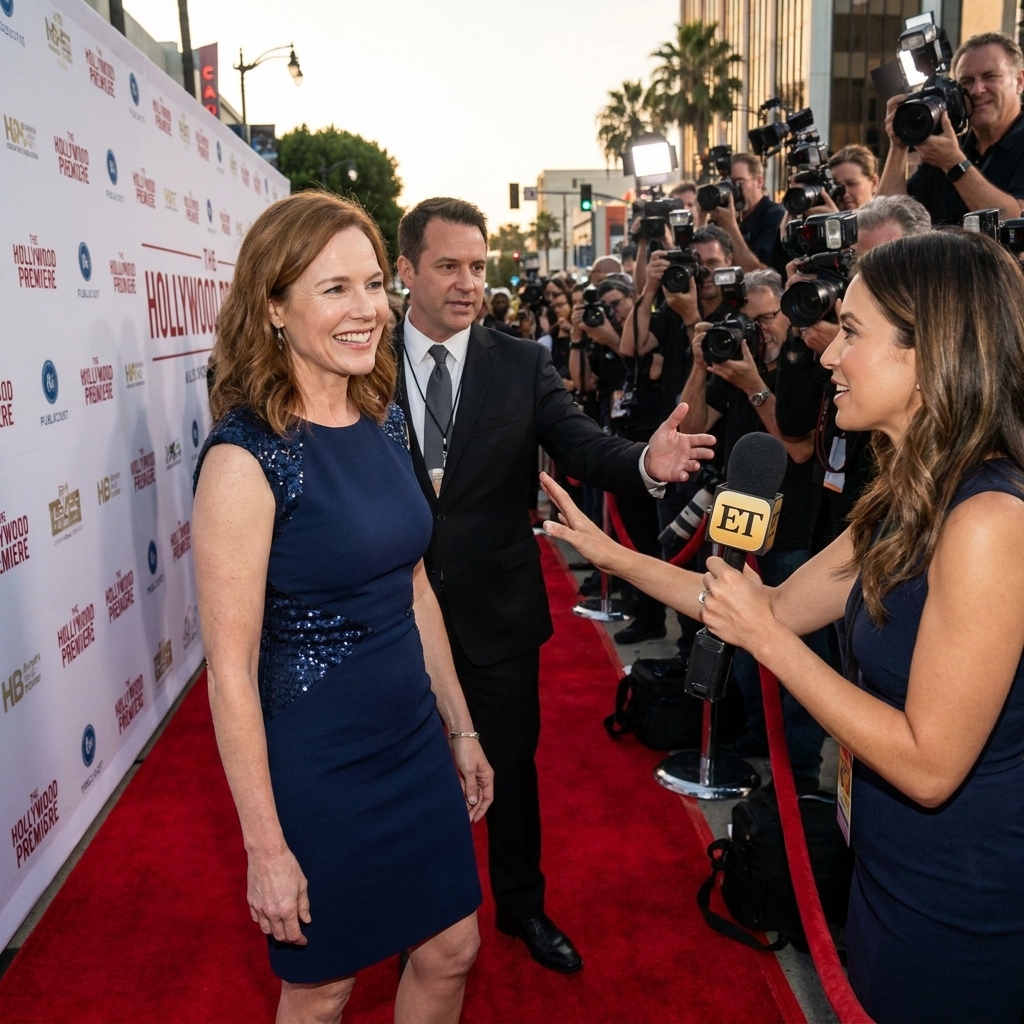
Carpet interviews are speed chess. You need to be warm, clear, and efficient without sounding like you are reading from cue cards. Aim for questions that invite a vivid answer in one breath, then give space for the subject to land the thought.
Start clean
Get the basics early. If you are cutting a segment, you need a line that functions as an introduction.
- “What do you hope audiences feel walking out tonight?”
- “Describe this film in three words, and then tell me why those three.”
- “What was the hardest scene to get right, technically or emotionally?”
Ask craft-forward
You can honor the art and still have fun. The best carpet questions feel specific without requiring a dissertation.
- “Was there a moment on set where you thought, OK, this is the heart of the story?”
- “What did you and the director disagree on, and what did you learn from it?”
- “How did your costume or production design change the way you moved as the character?”
Handle the wrap
When a handler gives you the wrap signal, land the plane. Do not negotiate. Choose one of these:
- The button: “One last thing: why should people see this in a theater?”
- The gratitude close: “Thank you for your time. Congratulations on the premiere.”
- The quick plug: “Where can audiences watch, and when?”
Crew choreography
Even small teams need roles. The smoother you look, the more confidence you project, and the more likely a subject will stop because you seem like you will not waste their time.
Lean roles
- Interviewer: maintains eye contact, controls pacing, listens for follow-ups.
- Camera op: frames tight enough for emotion, wide enough to survive sudden movement.
- Audio lead: monitors levels, watches for mic drift, catches cable snags before they become chaos.
- Producer or PA: tracks who has passed, coordinates with handlers, takes notes for captions and spellings.
B-roll to grab
- Step-and-repeat with clean background for titles and cutaways.
- Wide shot of the carpet showing atmosphere and scale.
- Detail shots: hands on a clutch, shoes on the carpet, press line microphones, marquee signage.
- Venue exterior for establishing shots if permitted.
Rules
Avoid sensitive surprises
If the event is purely promotional, keep it promotional unless you have clearance and a strong editorial reason. There are ways to ask meaningful questions without cornering someone on a night meant to celebrate a project.
Rights and restrictions
Some carpets have strict rules about where you can film, whether you can livestream, and how logos can be shown. Ask before you roll, especially if you are shooting for a brand partner or a platform with different deliverables.
Common gotchas: no live hits, embargoed talent, approved backdrop angles only, limits on light stands, and hard rules about music in the venue if you are posting to platforms that flag copyrighted audio.
Releases and usage
Credentials often function as your permission slip, but not always for every use case. If you are shooting branded content, paid social, or anything outside standard editorial coverage, confirm what is permitted. When in doubt, ask the publicist what the credential covers and what it does not.
Do not cross the rope
This sounds obvious until you see someone do it to “just grab a quick shot.” Do not. The rope is there for safety protocols and venue liability, not vibes.
Troubleshooting
If audio is messy
- Switch to a handheld mic and move closer.
- Angle your mic away from the loudest competing outlet.
- Ask for a quick repeat of one key line, then let them go.
If talent is rushing
- Lead with a one-sentence question that is easy to answer while moving: “What is your favorite moment in the film?”
- Offer a quick compliment on the work, not their personal life: “Your performance in the third act is stunning. What anchored you there?”
- Accept the no. A graceful exit preserves your shot at the next opportunity.
If you get interrupted
Do not scold the interruption. Smile, reset, and ask for the line again if it is crucial: “Sorry, we lost the end of that. Could you repeat the last sentence?”
Safety
Protect people and gear
- Watch your cables and your feet. Tape what you can, and keep loops off walking paths.
- Plan for weather: rain cover, sunscreen, water, and a small towel. Outdoor carpets can turn fast.
- If the crowd compresses, stop fighting for inches. Step back, reset, and let security do their job.
- Keep your kit close. The best way to lose a battery is to set it down “for one second.”
Accessibility
Capture details for captions
Get correct spellings, titles, and pronunciations while you are still on site. If someone shares pronouns, note them accurately. Record 10 to 20 seconds of room tone when you can, it helps with cleaner edits and more readable captions.
After the carpet
Back up fast
Back up immediately. If you can, do it twice. Ingest with verification or checksums when the shoot matters and the turnaround is tight. Label clips with the correct spelling, role, and project title. Include the premiere location and date in your internal naming so future-you can find it without pain.
Follow up
If someone gave you time, send a concise thank you and confirm any details you plan to publish: title formatting, release date, and correct credits. A little accuracy is a lot of respect.
Credit the work
The point of covering a premiere is not to treat artists like props in a fashion parade. It is to help audiences connect with a story. If you keep that north star in mind, your questions get better, your coverage gets kinder, and your viewers can feel the joy underneath the logistics.
Quick FAQ
What should I wear as press?
Dress like you respect the room but can move fast. Dark, comfortable, camera-friendly clothing with good pockets is ideal. Avoid loud patterns that moiré on video and anything that makes you a tripping hazard.
Is it rude to ask for a repeat?
Not if you keep it quick and specific. Ask once, explain the issue in five words or fewer, and thank them immediately.
How do I get better answers fast?
Ask questions that invite a story, not a headline. Specific craft questions often unlock more personality than generic hype prompts.