There’s a particular kind of electricity that only exists in festival lines and industry lobbies. Someone’s clutching a badge like it’s a passport. Someone else is rehearsing a logline under their breath. A programmer slips into the back row. A sales agent scans the crowd. And suddenly, your scrappy short or microbudget feature feels like it might actually have a life beyond your hard drive.
This list is for emerging creators who want more than glamour shots and free tote bags. These are festivals and industry events where the networking is real, the market activity is tangible, and the programming can genuinely move a career. Some are premiere-focused. Some are deal-focused. The best ones do both.
How to use this list
- Match the event to your goal: premiere, distribution, co-production, development labs, or broadcast commissioning.
- Budget for the invisible costs: travel, lodging, badge types, submission fees, DCP deliverables, and marketing materials.
- Do your homework early: most deadlines and accreditation windows open months ahead.
- Have three versions of your pitch: 10 seconds, 60 seconds, and 3 minutes, plus a one-page leave-behind.
Access and reality check
Not all “big” events are equally accessible. Some have public screenings and affordable passes. Others are mostly industry badges, and the best meetings happen because you’ve booked them in advance.
- Public-friendly festivals: you can attend without a film and still build real connections through talks, mixers, and screenings.
- Market-heavy events: you’ll get the most value with accreditation, a project that’s packaged (or close), and a plan for outreach.
- Badge levels matter: industry, market, conference, and public passes can come with very different access. Always check what your badge actually unlocks before you book flights.
- Premiere rules vary: some festivals are strict about world, international, or regional premieres, while others are flexible. Always check each festival’s current regulations before you commit to a strategy.
15 high-value events
Think of these as “must-attend if it matches your goal.” You don’t need all 15. You need the right 2 to 4.
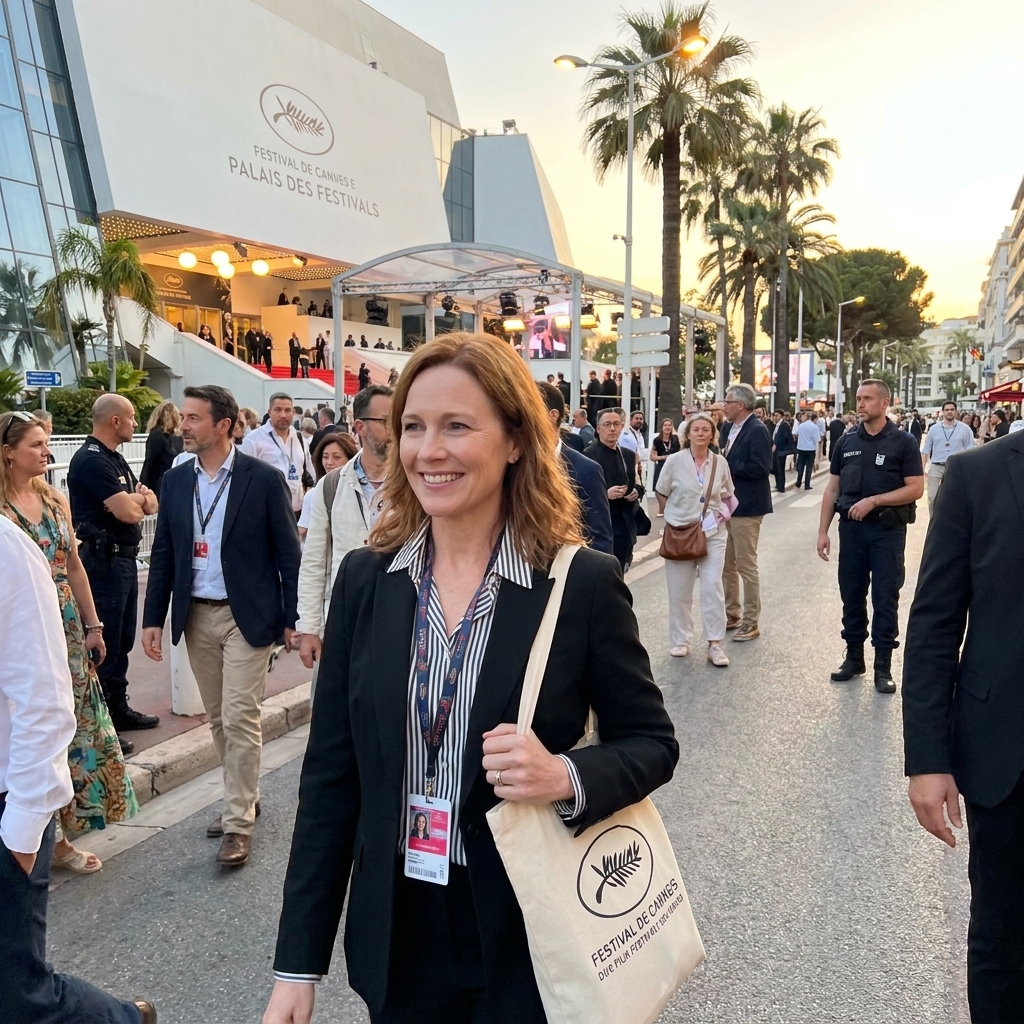
1) Cannes Film Festival and Marché du Film (Cannes, France)
If you want to understand how the film world moves money, Cannes is the master class. The festival is the spotlight. The Marché du Film is the engine room, where sales, acquisitions, and international partnerships happen at a relentless pace.
- Best for: features seeking sales agents, international distribution, co-productions, high-level networking
- How to use it: Work the Marché like a calendar, not a vibe. Build a target list from the Marché delegate listings, then block two-hour meeting windows and add transit buffers so you can actually make the rooms.
- Creator tip: Even if you’re not in Official Selection, the market can still be powerful if you schedule meetings early and show up with a clear ask.
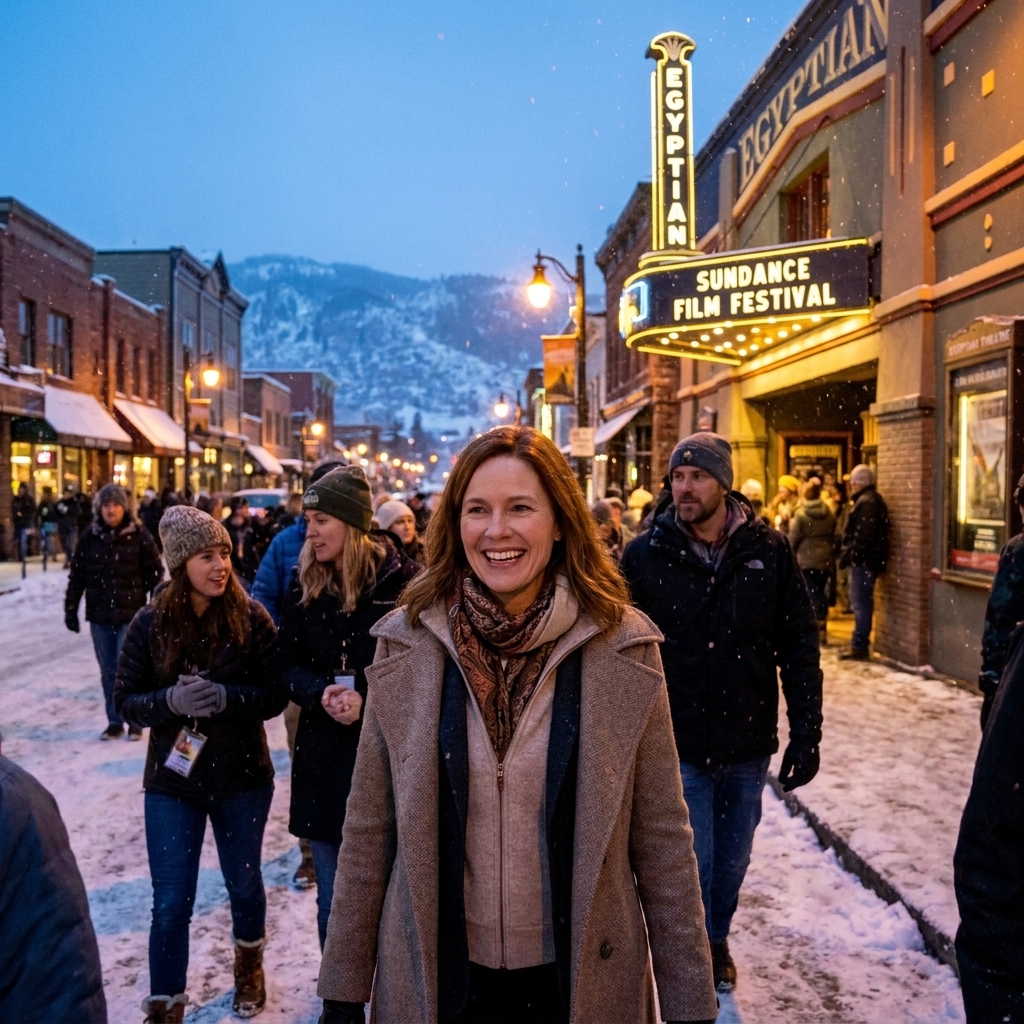
2) Sundance Film Festival (Park City, USA)
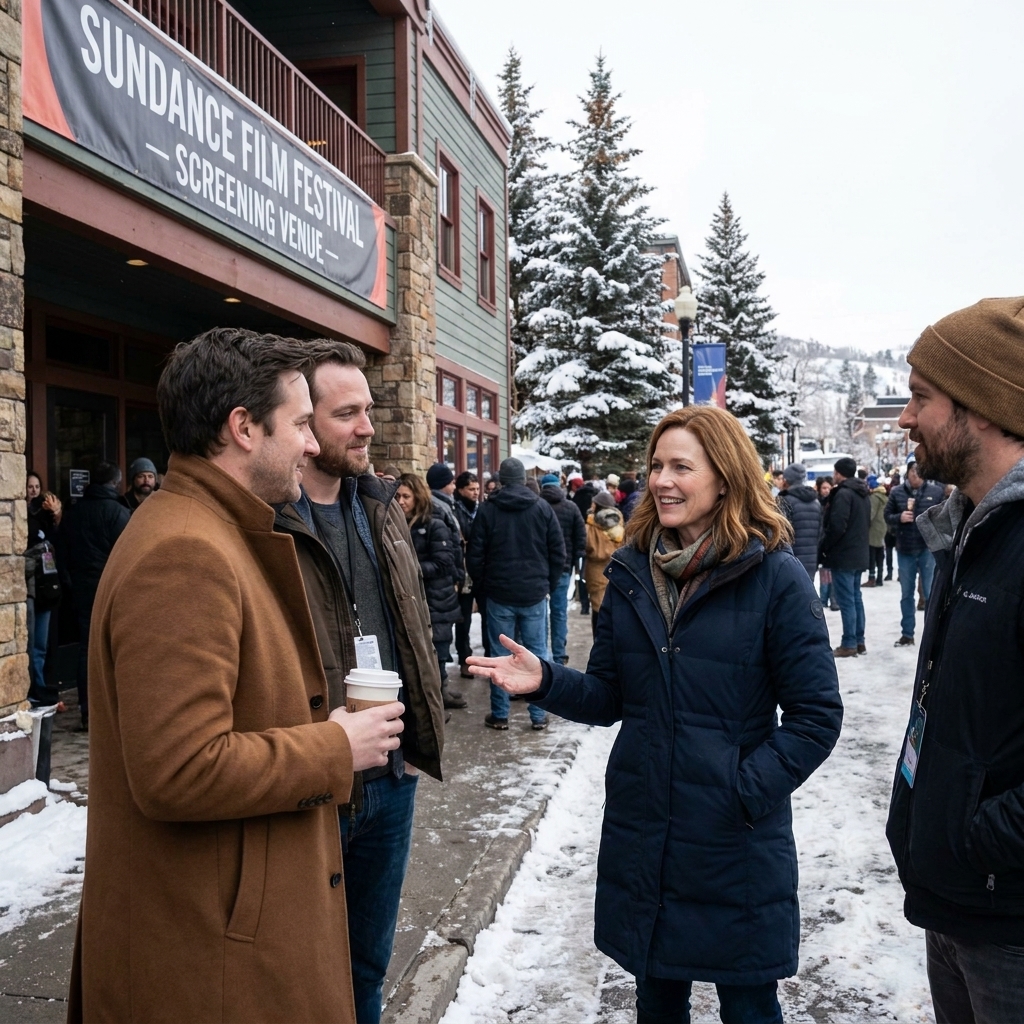
Sundance is still a defining launchpad for independent film, especially for character-driven storytelling with a strong voice. The ecosystem around the festival is built for discovery, press attention, and conversations that can lead to future funding.
- Best for: indies ready for visibility, U.S. distribution conversations, filmmaker-forward community
- How to use it: Mix the big moments with the smaller rooms. Filmmaker talks, case studies, and curated meetups tend to generate real conversations, not just drive-by networking.
- Creator tip: If you can’t attend with a film, look at Sundance Institute programs and labs. They’re often a more direct path to mentors and peers than any single week in Park City.
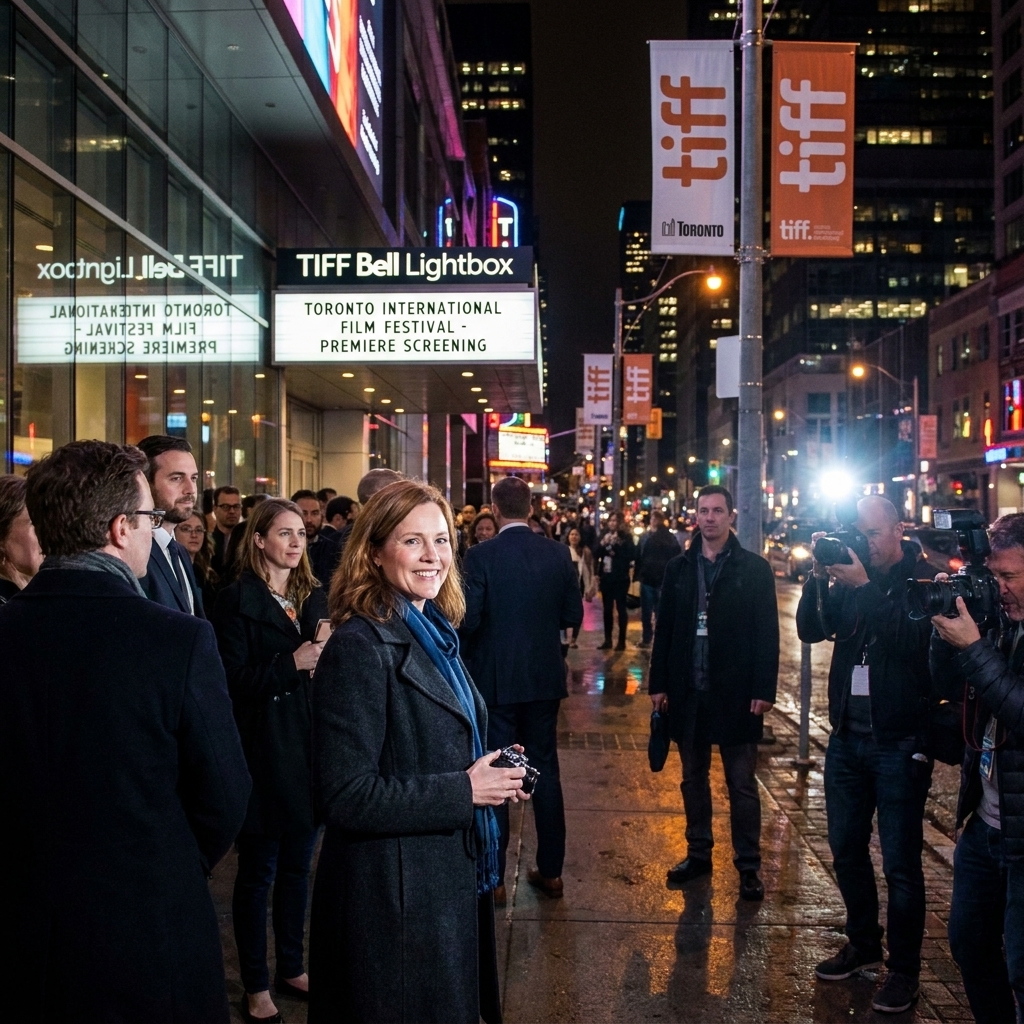
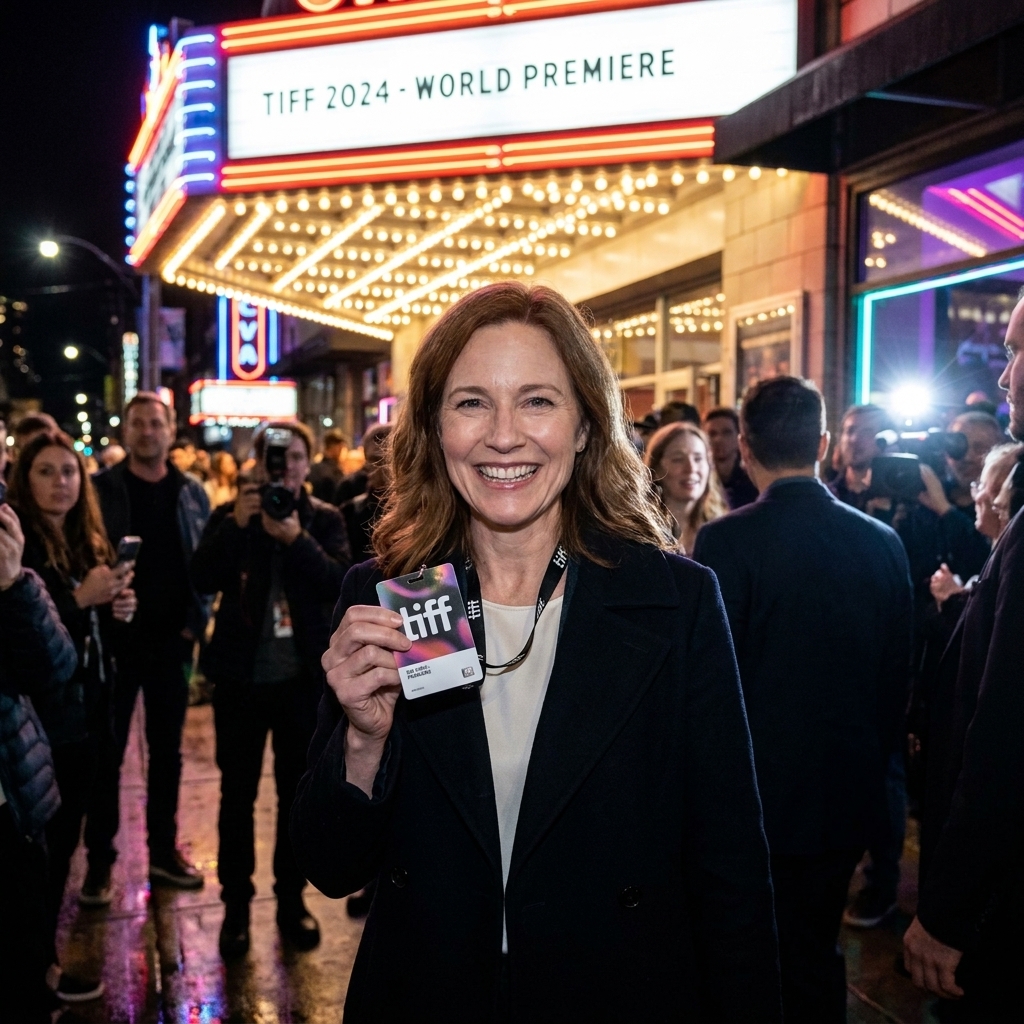
3) Toronto International Film Festival, TIFF Industry (Toronto, Canada)
TIFF is a rare blend of serious industry and genuine audience energy. It’s high-profile for premieres and awards momentum, and it can be a strong meeting ground for producers, press, and buyers, depending on the year and your access. It’s not a stand-alone market on the scale of Cannes or EFM, but deal conversations do happen when you set them up.
- Best for: North American premieres, press visibility, sales and distribution meetings, relationship-building
- How to use it: Anchor your week around TIFF Industry programming (think conferences, talks, and curated networking) and then stack meetings in predictable blocks. TIFF is sprawling, and your value comes from being reliably findable, not constantly running late.
- Creator tip: Plan your week like a production calendar. Your job isn’t seeing 25 movies. Your job is being available when the right person texts back.
4) Berlinale and European Film Market, EFM (Berlin, Germany)
Berlin is where art meets infrastructure. The Berlinale’s programming is adventurous, and EFM is a top European sales market. It’s also co-production-friendly, with a distinctly European funding sensibility.
- Best for: international sales, European co-productions, politically engaged cinema
- How to use it: Pair EFM meetings with the project ecosystem around it, including the Berlinale Co-Production Market. If you’re developing a project, this is one of the best places to see how public funds, broadcasters, and partners actually fit together.
- Creator tip: If your project has cross-border appeal, Berlin’s a strong place to pursue partners and explore public funding pathways.
5) Venice Film Festival (Venice, Italy)
Venice is prestige with a capital P, but emerging creators shouldn’t overlook its practical value. Premieres can translate into serious critical attention, and the festival’s industry arm includes Venice Production Bridge, which is focused on projects, financing, and professional networking.
- Best for: auteur-driven features, awards-leaning projects, craft-forward work
- How to use it: If you’ve got a project in motion, look at Venice Production Bridge activities and use the festival’s concentration of press and industry to build momentum fast.
- Creator tip: Consider Venice if your film’s identity is craft-first: direction, cinematography, performance, mood.
6) SXSW Film and TV Festival (Austin, USA)
SXSW is where film, TV, tech, and internet culture shake hands. If your work lives at the intersection of screen storytelling and modern audiences, this is your playground. It’s also a great place to meet collaborators who move fast.
- Best for: bold voices, genre blends, new formats, series pilots, online-first storytelling
- How to use it: Treat it like a talent and collaboration hub. Repeat proximity wins here, so pick a few tracks and keep showing up to the same rooms.
- Creator tip: Build in time for the broader SXSW ecosystem. Some of your best conversations will happen outside the theater.
7) Tribeca Festival (New York City, USA)
Tribeca’s programming spans film, episodic, audio storytelling, and immersive experiences. It takes “storytelling” literally, and the industry attendance is strong for creators who want to work across formats.
- Best for: cross-platform creators, documentaries, narrative features, cultural partnerships
- How to use it: Use Tribeca to build relationships with teams who think in slates and multi-format worlds, not just one-off films.
- Creator tip: Expand laterally here. The editor you meet at a doc screening might be the secret weapon on your next narrative project.
8) International Documentary Film Festival Amsterdam, IDFA (Amsterdam, Netherlands)
IDFA is a documentary powerhouse with an industry apparatus that takes nonfiction seriously as both art and business. Between the industry program, pitching forums, and top-tier programming, it’s one of the best places to be if you make docs.
- Best for: documentaries at any stage, international co-financing, broadcasters and streamers shopping nonfiction
- How to use it: Build your plan around IDFA’s industry weeks and pitching structure, including the IDFA Forum. Decision-makers want clarity on access, editorial approach, and ethical choices, not just a great trailer.
- Creator tip: Nonfiction thrives on intent. Be ready to articulate access, ethics, and why your story has to be told now.
9) Hot Docs (Toronto, Canada)
Hot Docs is both warmly communal and fiercely professional. It’s a terrific place for emerging documentarians to meet peers, attend industry sessions, and connect with decision-makers who understand the long timeline of nonfiction.
- Best for: doc premieres, industry education, pitch opportunities, community building
- How to use it: Make the most of Hot Docs Industry, including its pitch pathway and conference sessions. The goal is to leave with a sharper package and two to five relationships you can sustain.
- Creator tip: Treat panels like office hours. Ask specific questions, then follow up politely with speakers you genuinely connected with.
10) Busan International Film Festival, ACFM and APM (Busan, South Korea)
Busan is a major hub for Asian cinema and a vital gateway for international creators seeking partnerships in the region. The Asian Contents & Film Market (ACFM) brings the business. The Asian Project Market (APM) is where projects get seen, shaped, and matched with partners.
- Best for: Asian co-productions, meeting regional sales and financing partners, ambitious genre and prestige projects
- How to use it: Be specific about what kind of partnership you want: co-producer, local line producer, sales agent, or regional distributor. “Global” is not a plan.
- Creator tip: If you’re pitching cross-cultural stories, come in with a clear plan for authenticity and collaboration, not just “international appeal.”
11) International Film Festival Rotterdam, IFFR and CineMart (Rotterdam, Netherlands)
IFFR is a haven for daring work, and CineMart is one of the most respected co-production markets for projects in development. If your film is formally inventive or politically sharp, Rotterdam can be a true artistic home with real industry support.
- Best for: bold auteur projects, development-stage financing, co-producers and funds
- How to use it: CineMart is built for projects, not just finished films. A smart package here can turn interest into a real financing path if you follow up fast and keep the materials tight.
- Creator tip: Bring visual references. For boundary-pushing projects, tone is half the pitch.
12) Locarno Film Festival (Locarno, Switzerland)
Locarno loves discovery. It can elevate emerging directors with adventurous programming and a cinephile audience that actually shows up. Industry opportunities exist, but the real currency here is artistic credibility and festival-circuit momentum.
- Best for: emerging auteurs, festival circuit momentum, international critics and programmers
- How to use it: Stay present. Q&As, filmmaker meetups, and casual conversations are where your next invitation often starts.
- Creator tip: Meet fellow filmmakers. The relationships you form here can turn into your next crew.
13) Annecy International Animation Film Festival and Mifa (Annecy, France)
If you work in animation, Annecy is hard to beat. The festival celebrates craft, and Mifa is where projects get assembled, financed, and sold. It’s one of the clearest examples of a festival and market operating as one ecosystem.
- Best for: animated shorts and features, series development, co-production and distribution, studio and streamer connections
- How to use it: Make your materials legible fast: look book, pitch bible, teaser, and a simple production plan. Animation buyers want world-building and feasibility.
- Creator tip: Have your pitch bible ready. Animation decision-makers often want to see the world on the page.
14) NAB Show (Las Vegas, USA)
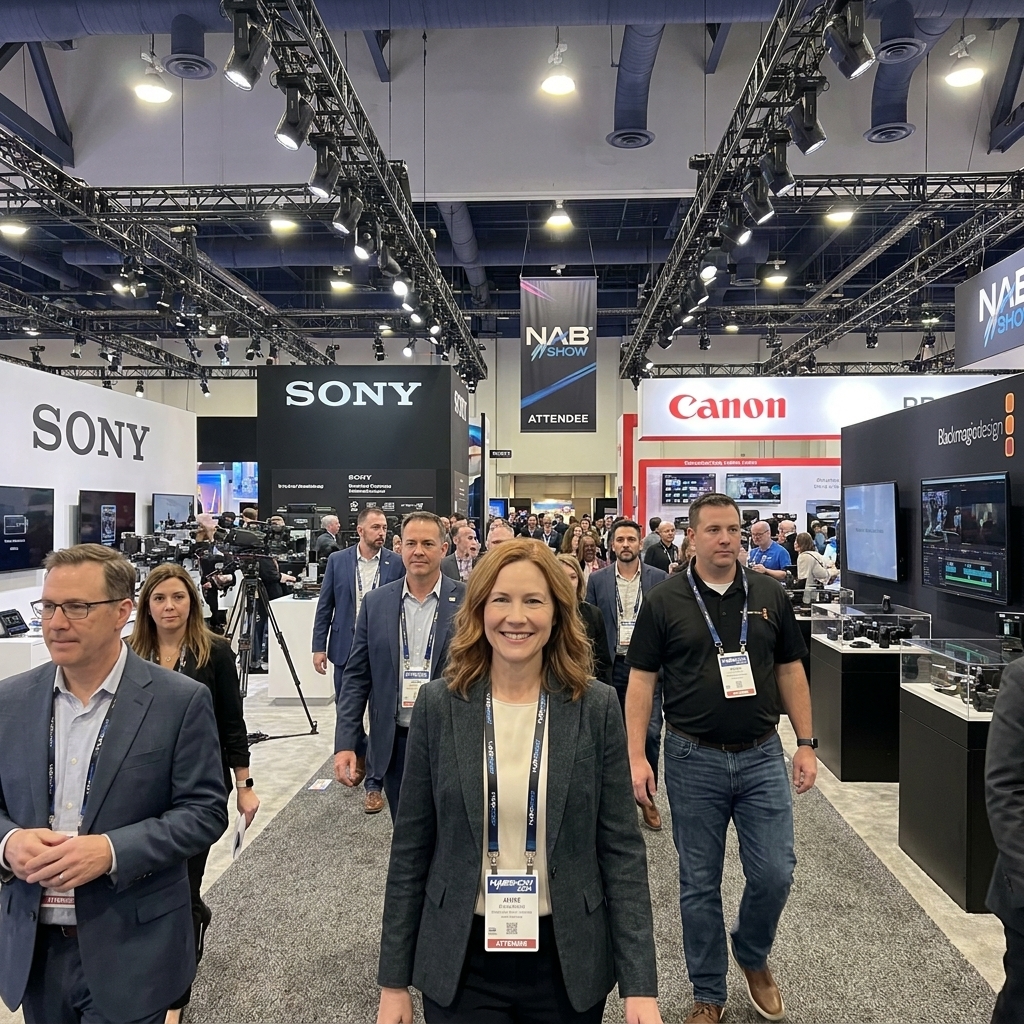
Not a film festival, and not a commissioning market. NAB is a B2B technology expo for broadcasting, live production, post workflows, and the tools that shape how content gets made and delivered. If you’re scaling your production, building a technical career, or trying to future-proof your pipeline, it can be a high-value trip.
- Best for: broadcast professionals, indie creators scaling production, technical networking, production and post workflows
- How to use it: Come with a shortlist of problems you’re trying to solve: remote workflows, color pipeline, audio, live streaming, virtual production, archiving. Then book demos and ask hard questions.
- Creator tip: Walk the floor with purpose. “I’m browsing” turns into four hours and sore feet.
15) MIPCOM (Cannes, France)
MIPCOM is where television and global content deals take center stage. If your goal is to sell a format, pitch a series, or understand what broadcasters and platforms are commissioning internationally, it’s a high-value room.
It’s also worth being honest: it can be harder to break in without representation, a company credential, or a strong producing partner who already speaks “market.” You’ll get more from MIPCOM if you go in with targeted meetings and a clear buyer list.
- Best for: TV and series creators, format sales, international distribution, co-production for episodic content
- How to use it: Lead with the engine. Buyers want to know how the show sustains story for multiple episodes and multiple seasons, and why it fits their audience right now.
- Creator tip: A series pitch isn’t just story. It’s sustainability. Show how the engine runs season after season.
How to set meetings
- Start with the directory: Most markets have an online listing of attending companies and delegates. Build a target list of 20 to 40, then narrow to 10 to 15 you truly want.
- Cold outreach that works: Keep it short: who you are, what you have, why you’re reaching out to them specifically, and what you want (15 minutes, coffee, quick hello after a panel).
- Be realistic: Three to five meetings per day is plenty once you factor in travel time, screenings, and the fact that everyone’s running on fumes.
- Offer an easy next step: “Can I send the one-page?” “Can I share the trailer link?” “Would you be open to a quick call after the festival?”
If you can’t afford the big ones
You’re not behind. You’re just being strategic.
- Pick one anchor event: a flagship festival or market that fits your project (docs, animation, co-production, series).
- Add one local or regional industry event: less travel, more repeat face time, and you’ll actually see the same people twice.
- Target one genre or craft-focused gathering: the rooms are smaller, but the connections can be more direct.
If you want concrete starter options by goal, here are a few worth researching based on your format and geography:
- Docs: Sheffield DocFest (UK), CPH:DOX (Denmark)
- Animation: Ottawa International Animation Festival (Canada), Animation Is Film (Los Angeles, USA)
- Co-production: Tallinn Black Nights Film Festival and Industry@Tallinn (Estonia), Sarajevo Film Festival and CineLink (Bosnia and Herzegovina)
- Series and TV: Series Mania (Lille, France), MIPTV (Cannes, France)
A smart starter path can look like: 1 flagship, 1 market, 2 targeted regional festivals where you can do real press and meet people who’ll remember you.
What to bring
- A tight logline and a one-sentence personal connection to the material.
- A one-page with synopsis, tone comps, team, status, and contact info.
- A trailer or scene on your phone that plays with headphones, no buffering.
- A clean, updated online presence that makes it easy to watch past work.
- A realistic ask: “I’m looking for a sales agent,” “I need finishing funds,” “I’m seeking a co-producer in X territory.”
Premieres and momentum
Every festival has its own personality, and premiere status rules can be fussy. The smart move is mapping your ideal path early: a top-tier premiere if you can land it, followed by regional festivals that’ll treat your film like an event, not just a screening slot.
If you’re emerging, don’t underestimate the career value of a festival where you actually meet people, do press, and build a room around your work. A smaller festival with the right attention can be more useful than a bigger one where you feel invisible.
Quick FAQ
Do I need a film to attend these events?
No. Markets and conferences often sell badges for industry attendees. If you’re going without a film, go with a plan: who you want to meet, what you want to learn, and what you can offer.
Are markets only for producers?
Markets skew producer-heavy, but directors, writers, editors, cinematographers, and creators with strong packages can absolutely benefit. Just be clear about your role and what you’re building.
How do I network without feeling gross?
Talk craft. Ask thoughtful questions. Compliment specific work, not status. Follow up once, politely, with a clear reason to stay in touch. The best networking feels like cinephilia with a calendar.