There is a particular electricity to a great documentary festival lobby. It is part reunion, part group therapy session, part sprint. You will overhear a director explaining how they gained trust in a closed community, a programmer hunting for a missing link, and an audience member wiping their cheeks while still insisting they are “fine.”
For filmmakers, these festivals can be career accelerators. For fans, they are one of the best ways to see the form in its most alive state, with Q&As that often feel like bonus scenes. Below are seven of the most influential documentary film festivals in North America and Europe, plus the practical details that matter: premiere expectations, networking opportunities, and the submission windows you will want on your calendar. Dates and rules change year to year, so treat timing notes as planning guidance and confirm the current deadlines and eligibility on each festival’s official submission page before you hit submit.
How to use this list
Each festival has its own personality, and that affects strategy. Some are launchpads for distribution deals, others are critic and awards magnets, and others are where the doc community goes to take big artistic swings. As you read, keep three questions in mind:
- Premiere status: Does the festival require a world, international, or national premiere for certain sections?
- Industry access: Are there markets, pitch forums, or dedicated networking programs where you can meet funders, sales agents, and broadcasters?
- Timing: When do submissions typically open and close, and how does that line up with your finishing schedule?
Tip from the trenches: If you are chasing multiple top-tier premieres, avoid publicly posting your full film online, even a “temporary” version, until you understand each festival’s eligibility rules.
Quick planner
If you just want the big picture, here is a fast way to compare fit. Months are typical, not guaranteed. Always verify current dates, premiere rules, and program names on the festival site.
| Festival | Typical fest timing | Typical submission timing | Industry market or pitch | Premiere strictness (flagship) |
|---|---|---|---|---|
| Sundance (US) | Jan | Mid-year to early fall (varies) | Yes, strong industry presence | Often strict |
| True/False (US) | Feb to Mar | Late summer to fall (varies) | Limited, relationship-driven | Sometimes, fit matters more |
| CPH:DOX (Denmark) | Mar | Fall to winter (varies) | Yes, strong co-production networks | Varies by section |
| Hot Docs (Canada) | Late Apr to early May | Deadlines often start in fall and can close earlier than expected | Yes, major conference and market | Varies by program |
| Sheffield DocFest (UK) | Jun | Late-year into early spring (varies) | Yes, strong UK broadcaster access | Varies by section |
| IDFA (Netherlands) | Nov | Section-dependent, with some deadlines as early as spring | Yes, major forum and market | Varies by section |
| DOC NYC (US) | Nov | Spring to late summer (varies) | Yes, strong conference and access | Varies by section and status |
If you are attending: Plan one must-see screening a day, then protect a little unscheduled time for whatever pulls you in: a post-film conversation, a surprise panel, or the friend-of-a-friend introduction that turns into a real collaboration.
1) Sundance Film Festival (United States)
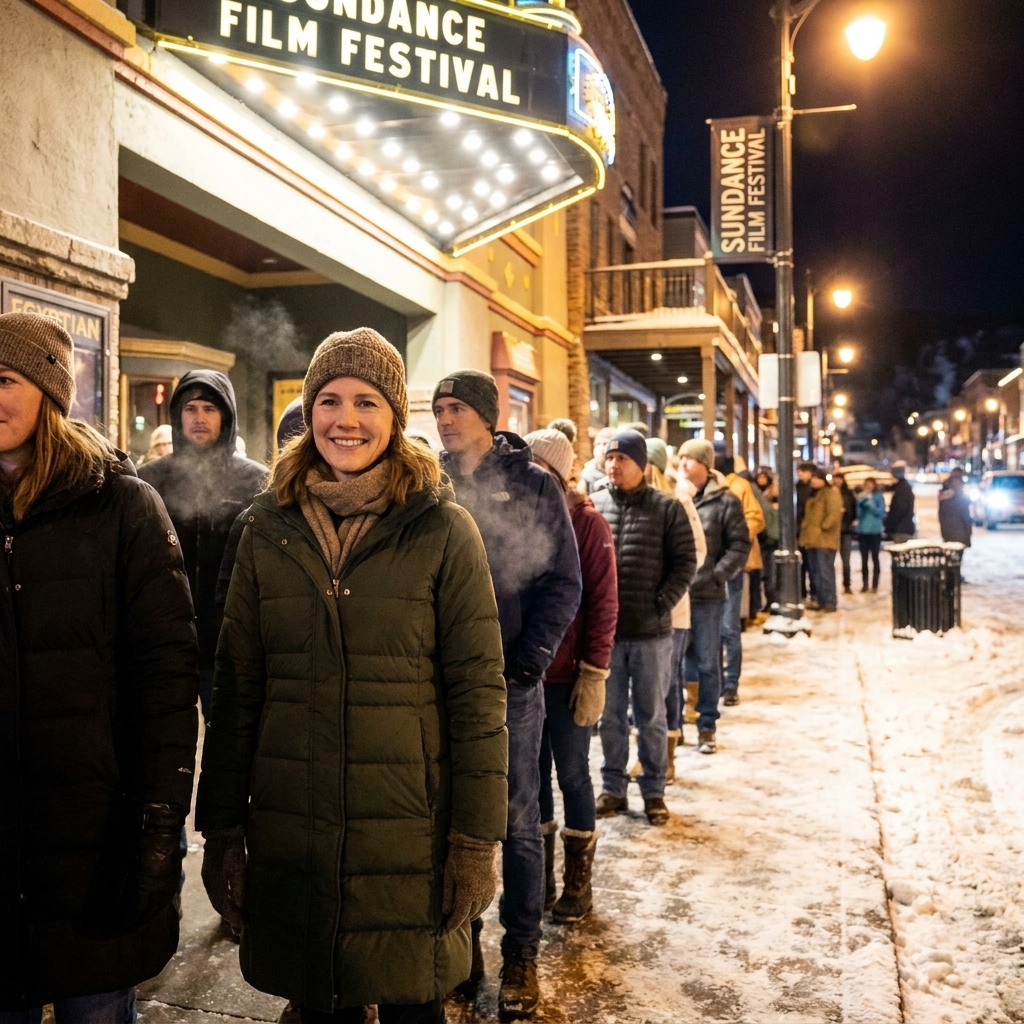
If there is a single festival with a track record of turning documentary premieres into big headlines, it is Sundance. The doc lineup is a cultural weather vane, and being in Park City can be one of the fastest ways to put your film in front of buyers, press, and awards strategists in one concentrated week.
Why it matters
- Industry density: Major streamers, specialty distributors, agents, and publicists are all present and actively watching docs.
- Press impact: Reviews and buzz can land immediately, and often shape the year’s documentary conversation.
- Community: Panels and filmmaker meetups are genuinely useful if you show up prepared and rested.
Premiere notes
Sundance typically prioritizes premieres in its competition sections. Premiere requirements can be strict, especially for top slots, and public online availability can affect eligibility. Always confirm current rules for your category before submitting.
Networking highlights
- Filmmaker Lodge events and panels
- Industry meetings and introductions through representatives or scheduled outreach
- Informal but high-value conversations after screenings and Q&As
Submission windows to watch
Deadlines often land mid-year through early fall, with multiple tiers that can shift annually. If Sundance is a serious goal, aim for an early window so your submission is reviewed when programmers have the most bandwidth.
2) IDFA (International Documentary Film Festival Amsterdam, Netherlands)
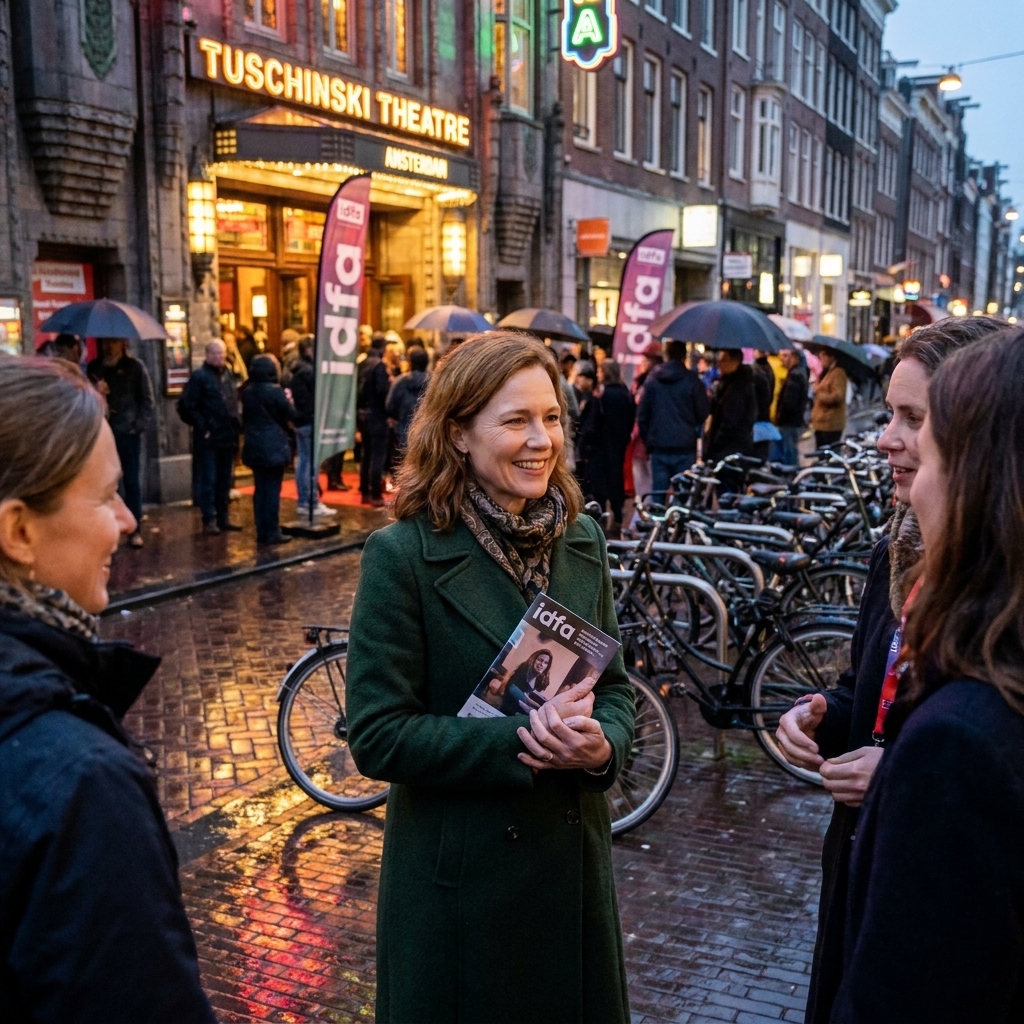
IDFA is one of the world’s great documentary ecosystems. It celebrates ambitious craft, global perspectives, and formal experimentation, while also offering some of the most robust industry infrastructure in the field.
Why it matters
- Global prestige: Selection signals serious artistic and journalistic credibility.
- Industry engine: IDFA’s market and forums are built for financing, co-production, and sales.
- Audience culture: Amsterdam audiences show up ready to engage, and Q&As can be refreshingly rigorous.
Premiere notes
IDFA’s premiere requirements vary by section, and they pay close attention to prior festival screenings and public availability. If you are building a European launch, IDFA can be a strategic anchor, but you must plan your earlier stops carefully.
Networking highlights
- IDFA Forum: A major pitching and co-financing platform
- Docs for Sale: A marketplace for completed or near-completed projects
- Industry consults and talent development programs
Note: Industry program names and structures can change. Check IDFA’s current industry lineup and eligibility before you apply.
Submission windows to watch
Deadlines can be section-dependent, with some landing as early as spring and others running later. Confirm the current calendar if you are applying to both the festival and an industry program.
3) Hot Docs (Canada)
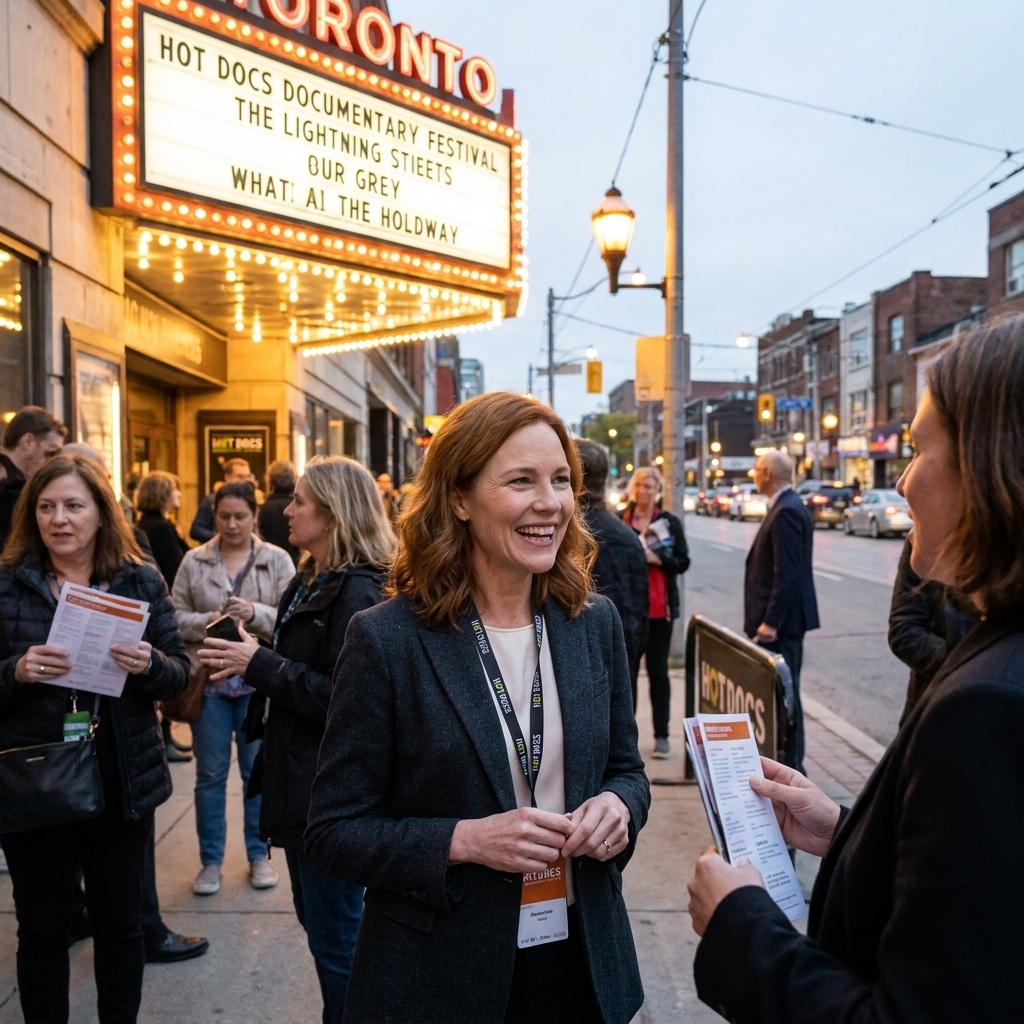
Hot Docs feels like a citywide love letter to nonfiction. Toronto becomes a doc town for a stretch, with packed screenings and an industry program that makes it easier to meet collaborators without requiring a secret handshake.
Why it matters
- North American visibility: A strong premiere here can set up a theatrical path, broadcast interest, or later U.S. festival play.
- Festival scale: Big enough to matter, navigable enough to feel human.
- Doc community: You will meet editors, producers, and programmers who actually want to talk process.
Premiere notes
Premiere requirements exist and differ by program. In practice, Hot Docs often serves as a key Canadian launch, so plan accordingly if you are balancing U.S. and international premiere goals.
Networking highlights
- Industry conference and curated meetings
- Pitch sessions and market-style programming
- Filmmaker Q&A circuit with strong audience turnout
Submission windows to watch
Hot Docs typically runs in late April into early May. Deadlines tend to start in the fall and can close earlier than expected depending on category. If Hot Docs is a priority, check the first posted deadline and work backward from that date, not the final window.
4) Sheffield DocFest (United Kingdom)
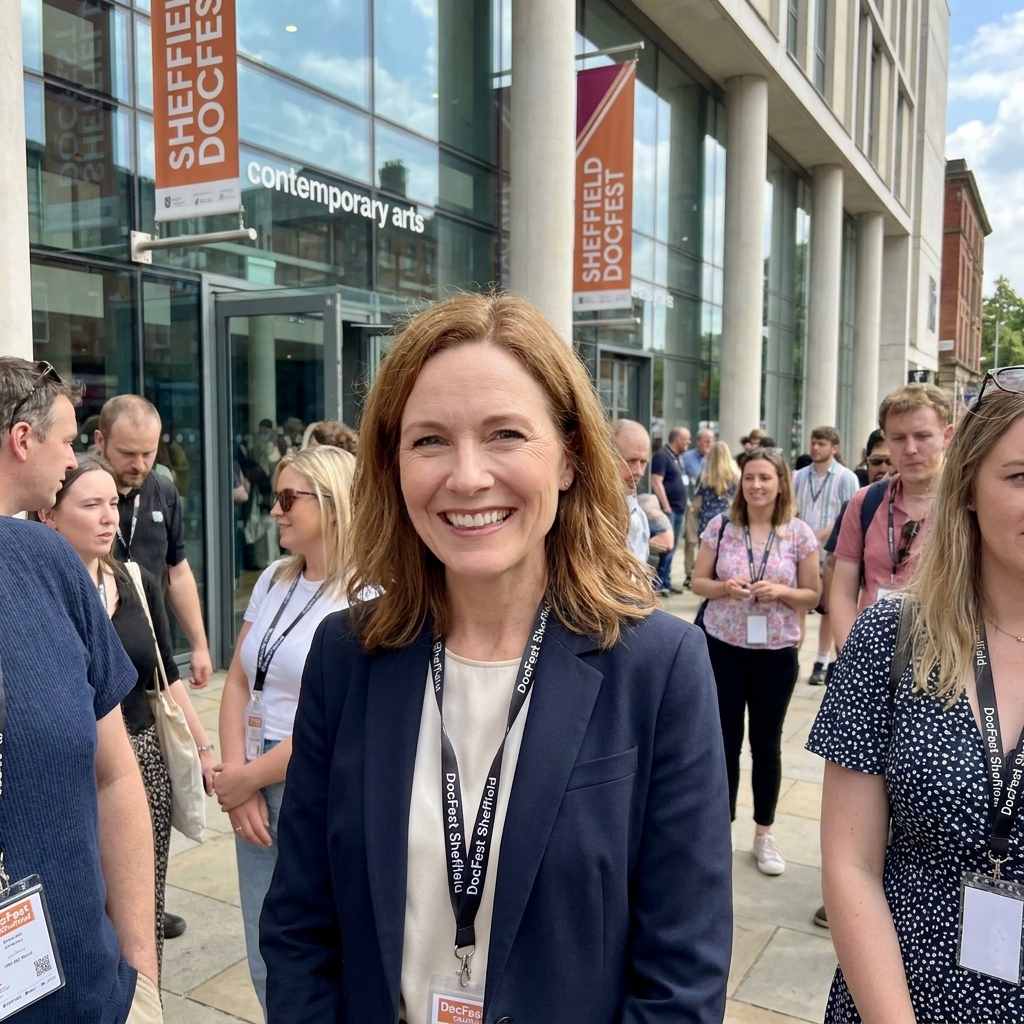
Sheffield DocFest blends industry ambition with a deeply cinephile atmosphere. It is a festival that takes craft seriously, including the more adventurous edges of documentary, and it has a reputation for real deals and real conversations.
Why it matters
- UK and European access: Great for connecting with broadcasters, commissioners, and European funders.
- Innovation-friendly: Strong attention to new forms, including immersive and cross-media storytelling.
- Industry credibility: A selection reads well to partners and financiers.
Premiere notes
Premiere status can be important depending on section, especially for higher-profile slots. If your film is built for international broadcast partnerships, Sheffield can be a smart fit.
Networking highlights
- Curated industry meetings and pitch opportunities (program names and structures can change year to year)
- Talks with editors, cinematographers, and commissioning talent
- Social events where it is common to swap works-in-progress and honest feedback
Submission windows to watch
As a summer festival, Sheffield commonly has deadlines that start late-year and can extend into early spring depending on category. Track early deadlines if you need visa time and travel planning.
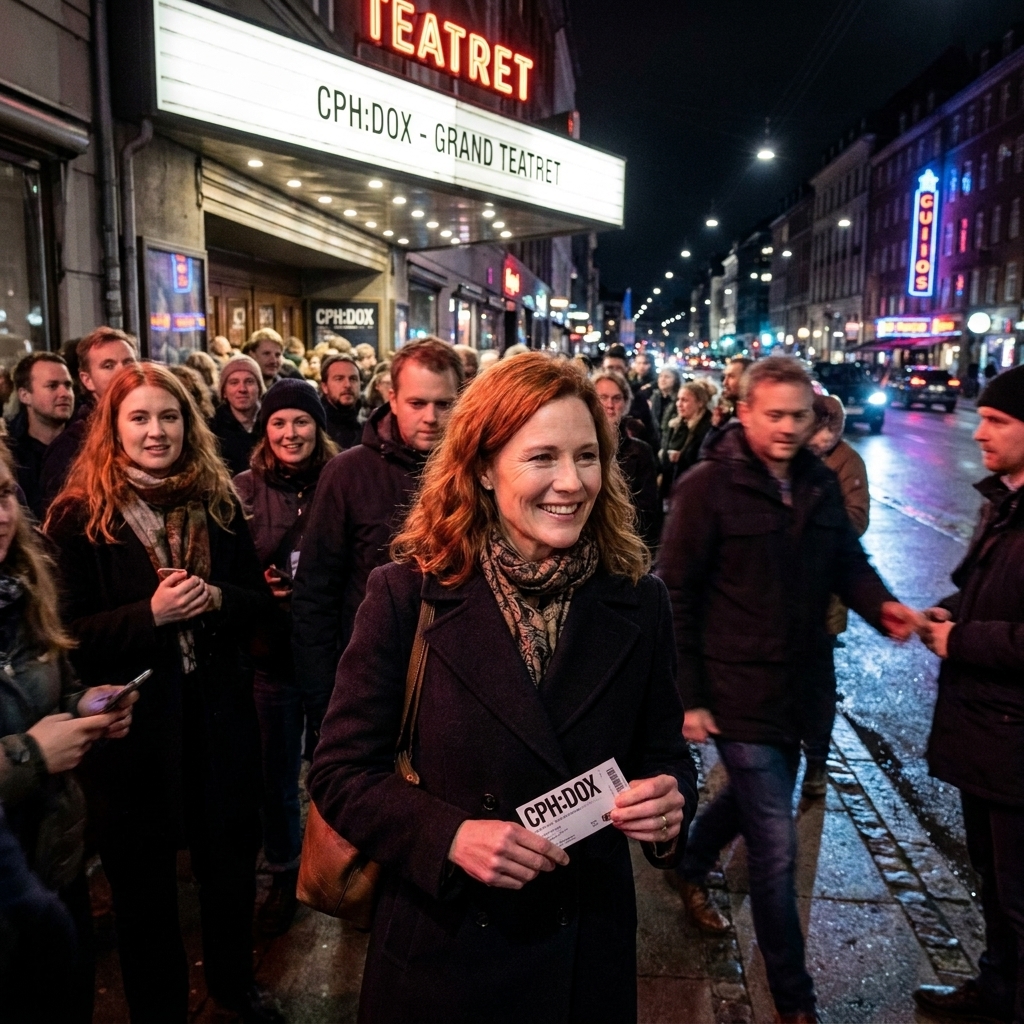
5) CPH:DOX (Denmark)
CPH:DOX is where documentary often feels closest to contemporary art, without losing its appetite for big political ideas. Copenhagen’s programming leans bold, formally inventive, and conversation-starting.
Why it matters
- Art-forward curation: A great home for docs that play with structure, sound, or hybrid forms.
- European industry presence: Excellent for co-production networks.
- Smart audiences: Expect questions that go deeper than plot and into ethics, access, and authorship.
Premiere notes
Premiere requirements vary across sections, and CPH:DOX is attentive to prior screenings. If your film has an experimental edge, it may be worth prioritizing this as a key European premiere.
Networking highlights
- Industry days and professional talks
- Pitch and financing platforms that attract European partners
- Cross-pollination with art spaces and cultural institutions
Submission windows to watch
With a typical spring festival date, deadlines often land in fall and winter. If you are still finishing, confirm whether works-in-progress are eligible in specific programs.
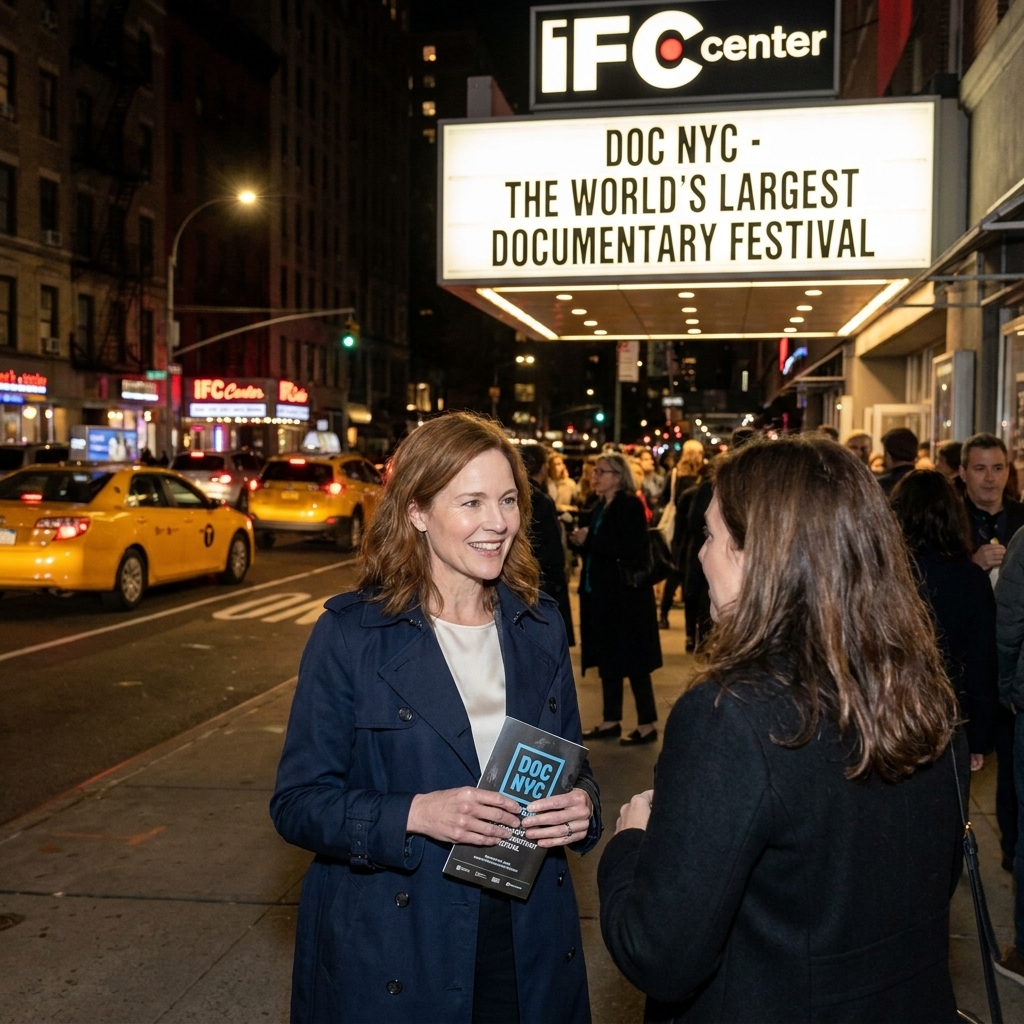
6) DOC NYC (United States)
DOC NYC has become a late-year powerhouse, and it is especially valuable for filmmakers thinking about awards momentum, press visibility, and concentrated audience turnout in a city that loves a good story and an even better Q&A.
Why it matters
- Prime calendar slot: Late-fall positioning can be ideal for awards conversations and year-end critics lists.
- Press and industry: New York makes access easy for journalists, programmers, and theatrical teams.
- Audience energy: Screenings can feel like events, not obligations.
Premiere notes
DOC NYC programs a wide range of premieres and high-profile titles. Premiere requirements can depend on section and on the film’s distribution status. Read the fine print if you have already played multiple festivals.
Networking highlights
- Industry conference sessions and masterclasses
- Meetups that skew practical and relationship-driven
- Visibility for U.S. theatrical and broadcast partners
Submission windows to watch
Deadlines often run from spring through late summer, with tiered pricing. If you want the strongest premiere positioning, do not wait until the final window.
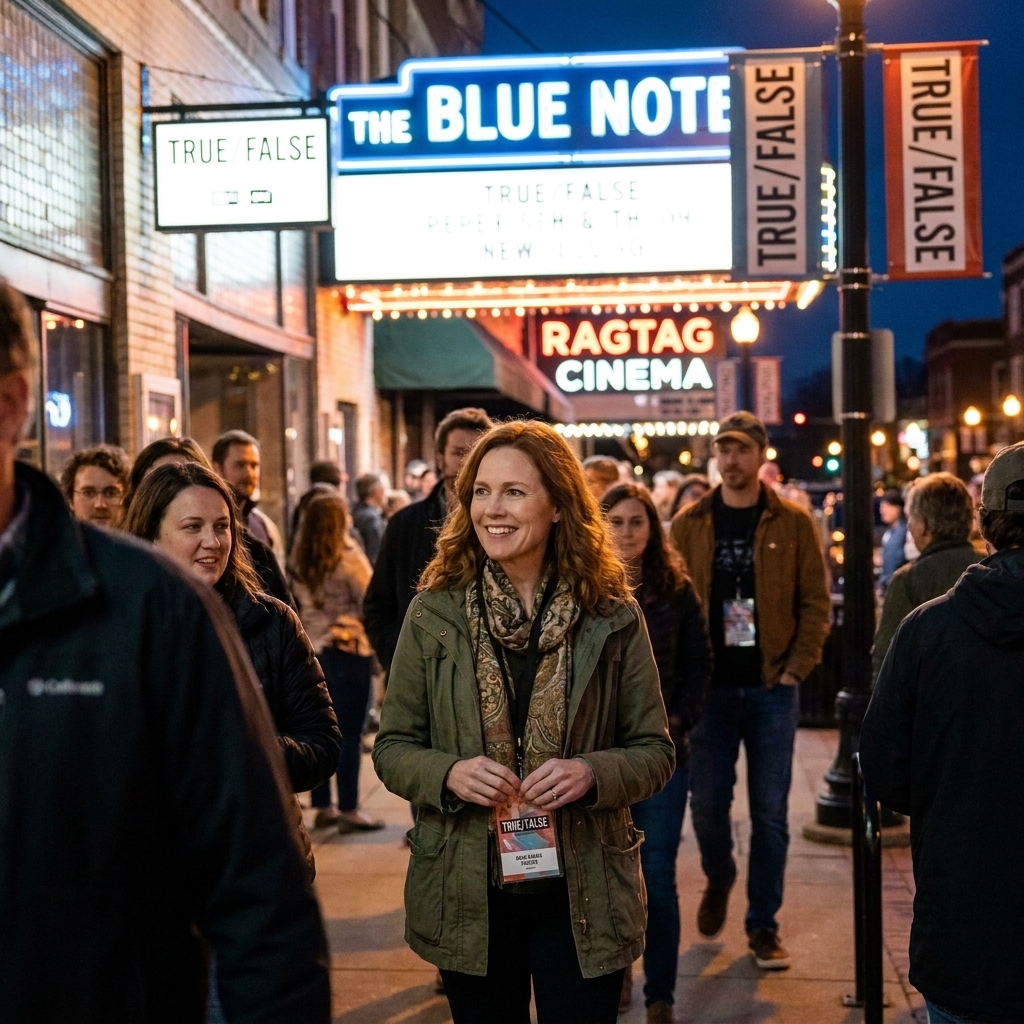
7) True/False Film Fest (United States)
True/False is the festival many filmmakers point to when they ask, “Where will my film be loved for what it is, not what it can sell?” Columbia, Missouri becomes a joyful, slightly surreal hub for nonfiction, with a curatorial taste for originality and a community vibe that makes even shy directors feel adopted.
Why it matters
- Curatorial stamp: Selection tells the doc world you have a singular voice.
- Audience trust: Crowds are adventurous and show up for discovery.
- Filmmaker experience: One of the most welcoming environments for meaningful conversations about craft.
Premiere notes
True/False often favors films that feel fresh to its audience, and premiere status can play a role. The bigger factor is fit: originality, point of view, and a strong sense of authorship.
Networking highlights
- Filmmaker hangouts that prioritize conversation over commerce
- Impromptu meetups with producers and other directors
- Press attention that can help launch a festival run
Submission windows to watch
As an early-year festival, True/False deadlines commonly land in late summer through fall, though exact timing shifts. If your film finishes late, check for any final deadlines and confirm eligibility for late cuts.
Premiere terms
Festival premiere language can sound like a riddle until you have lived it. Here is the quick translation most filmmakers use when planning a run:
- World premiere: First public screening anywhere.
- International premiere: First screening outside the film’s home country.
- North American premiere: First screening in the U.S., Canada, and sometimes Mexico, depending on the festival’s definition.
- National premiere: First screening in that specific country.
- Regional premiere: First screening within a defined region, such as a U.S. state or a European territory.
Always verify each festival’s exact definitions. Some consider public online availability a disqualifier for premiere status, while password-protected, limited-access screeners are often treated differently. Many festivals also distinguish between free public streaming, TV broadcast, widely available VOD, and a limited festival or industry screening. Festivals vary in how they count private markets and press screenings.
Submission planning
- Build a realistic timeline: Delivery materials take time. A festival-ready cut is not the same as a locked, deliverable master.
- Budget for submissions: Fees add up quickly, and so do subtitles, DCP creation, and travel.
- Prep your package: A clean trailer, strong logline, director’s statement, and a few high-quality stills make programmers’ jobs easier.
- Be strategic about your first yes: Your premiere is not just a screening, it is a story you tell the industry about what kind of film you made.
FAQ
Do I need a sales agent before I premiere?
Not always. But at the biggest industry-heavy festivals, having representation can help you navigate meetings and offers. If you do not have one, prepare a clear one-sheet, know your rights situation, and line up someone trusted to help you evaluate deals quickly.
Can I submit a work in progress?
Some festivals and industry programs accept works in progress, but many official selections prefer completed films. If you are close, it can be worth targeting early deadlines for works-in-progress programs and later deadlines for final cuts. Confirm rules before you hit submit.
What if my film is more hybrid than a traditional doc?
Lean into it in your cover letter and director’s statement. Festivals like CPH:DOX, IDFA, Sheffield, and True/False are often receptive to boundary-pushing nonfiction, as long as your intent and ethics are clear.
Any tips for attendees?
Prioritize Q&As when you can, especially at smaller venues where the room feels conversational. If you are trying to meet people, go to the second screening, not the premiere. The lobby is calmer, and the filmmakers are usually less sleep-deprived.