Film ratings can feel like a quick shorthand for what you are about to watch. But they are also a bit like a stage manager’s call sheet: the real story is in the details. In the United States, the familiar G, PG, PG-13, R, and NC-17 labels come from the film rating system administered by the Motion Picture Association (often still called “MPAA ratings” in everyday conversation). These ratings are voluntary, but they matter because many theaters, advertisers, and retailers rely on them.
Below is what each rating means in plain English, what commonly bumps a movie into a stricter category, and how parents and viewers can use the rating plus the content descriptors to make a confident call.
Who sets a movie’s rating?
In the US, ratings are issued under the Motion Picture Association umbrella by its Classification and Rating Administration (CARA). Distributors submit a version of the film for review, sometimes at multiple stages, and if they are aiming for a different rating, they may edit and resubmit. They can also appeal a decision, though an appeal does not guarantee the outcome they want.
The board assigns a rating based on content categories like language, violence, sexual content, nudity, and drug use. The rating usually comes with short descriptors such as “strong language,” “some violence,” or “sexual content.”
Two key things to know:
- Ratings are not a measure of quality. A film can be profound, gentle, and still land at PG-13 because of one intense sequence.
- Context matters. The rating board weighs not only what is shown, but how it is shown, including realism, duration, and tone.
One more practical note: theaters, retailers, and streaming platforms may apply their own rules on top of the rating, such as ID checks, profile restrictions, or parental controls.
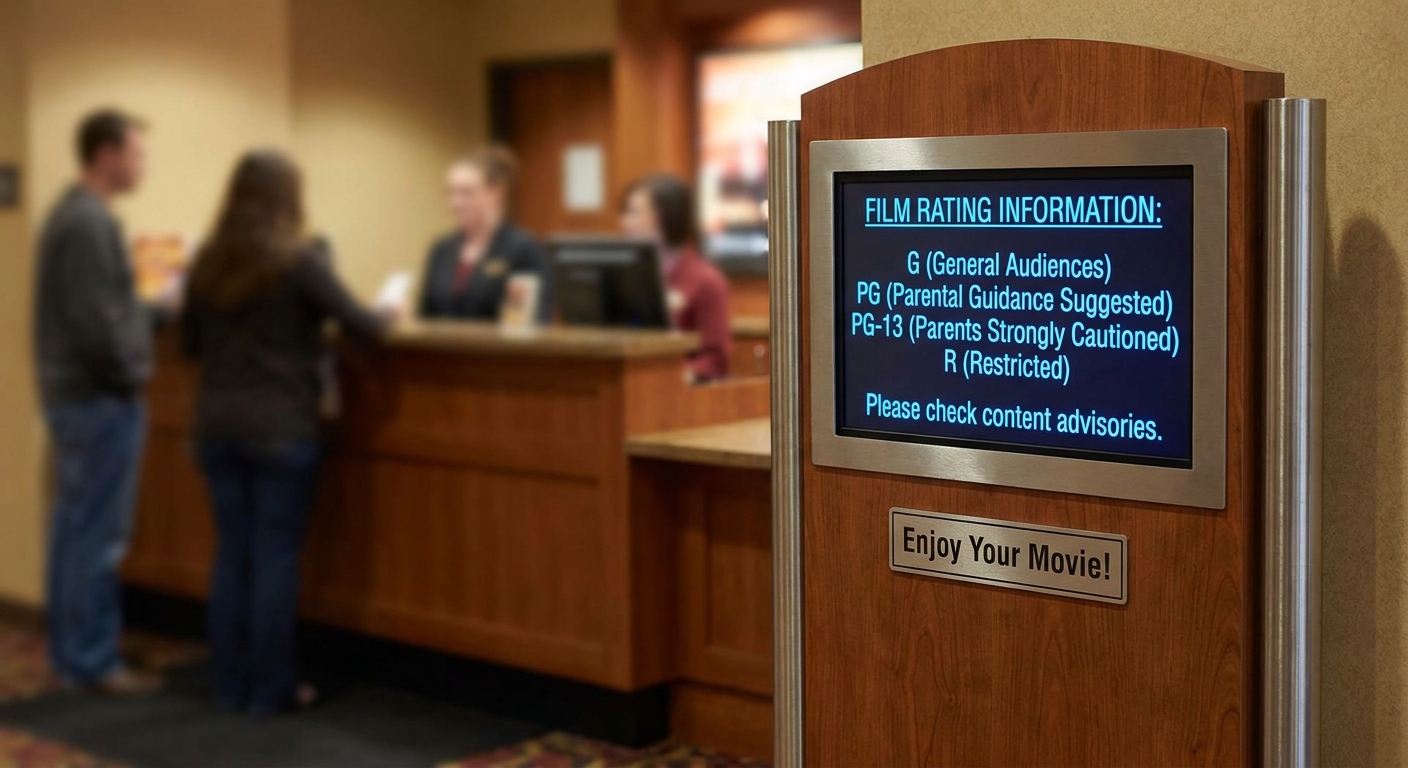
The ratings, explained
G: General Audiences
What it means: Suitable for all ages. Content is minimal and unlikely to disturb even very young viewers.
Common content profile: Mild peril, very limited or no profanity, no sexual content, and non-realistic or very gentle action.
What might trigger a change to PG: More intense peril, meaner humor, more sustained action, or language beyond the mildest expressions.
Why a film might be rated G: An animated adventure where characters face danger, but injuries are not graphic and the tone stays reassuring.
PG: Parental Guidance Suggested
What it means: Some material may not be suitable for children. Think of PG as “check the details.” It can cover a wide range, from mostly gentle family films to comedies with innuendo.
Common content profile: Mild language, mild to moderate action or peril, brief suggestive humor, or non-graphic thematic elements.
What might trigger a change to PG-13: More intense violence, more frequent or stronger profanity, more explicit sexual material, or a more sustained frightening tone.
Why a film might be rated PG: A fantasy with a few scary sequences and some schoolyard insults, but no strong profanity and no graphic violence.
PG-13: Parents Strongly Cautioned
What it means: Some material may be inappropriate for children under 13. This is often where big franchise action movies, edgy comedies, and many thrillers land.
Common content profile: Moderate violence (sometimes intense but usually not graphic), some sexual situations or sensuality, and language that may include stronger profanity within limits.
What might trigger a change to R: Graphic or brutal violence, more explicit sexual content or nudity, repeated strong language, or certain patterns in depictions of drug use.
Why a film might be rated PG-13: A superhero film with several large-scale fight scenes, a couple of intense moments, and a handful of stronger swear words.
R: Restricted
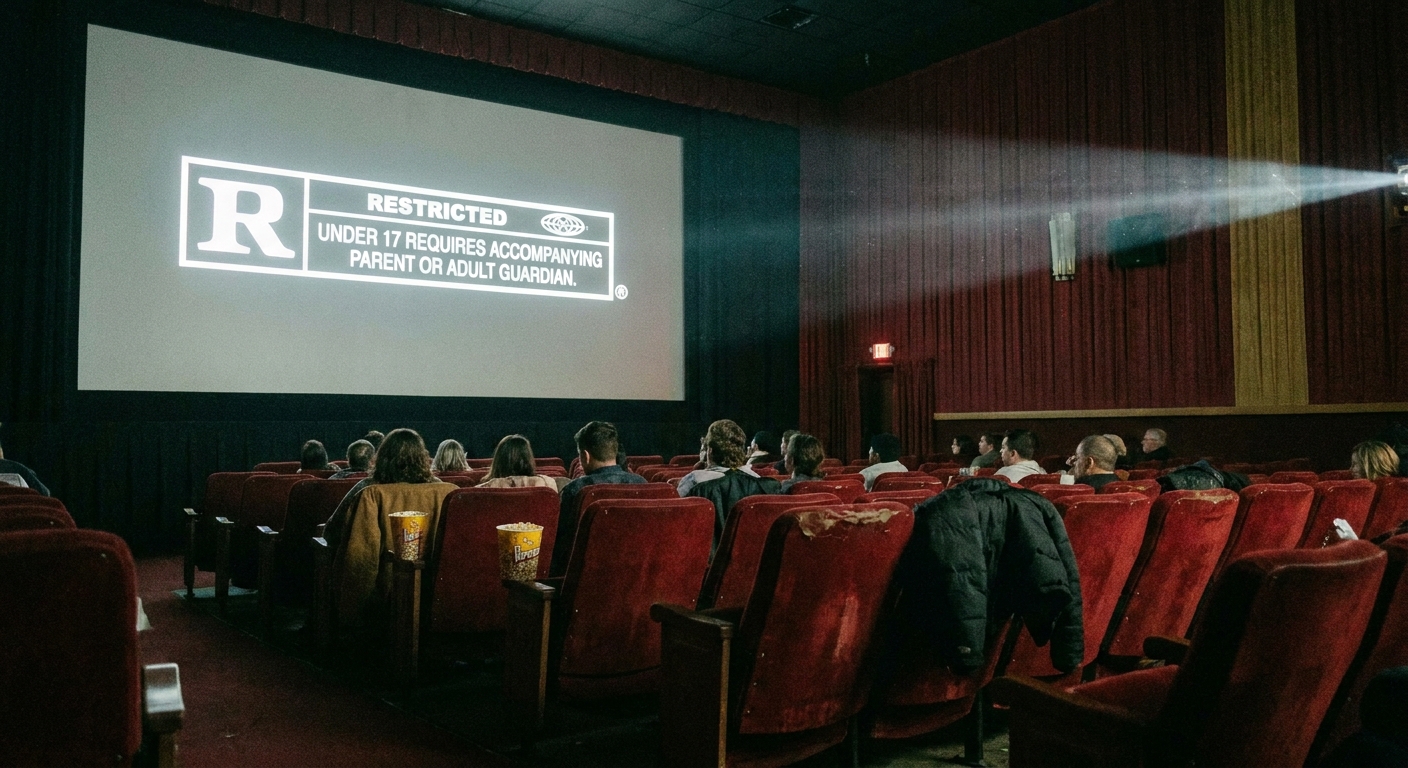
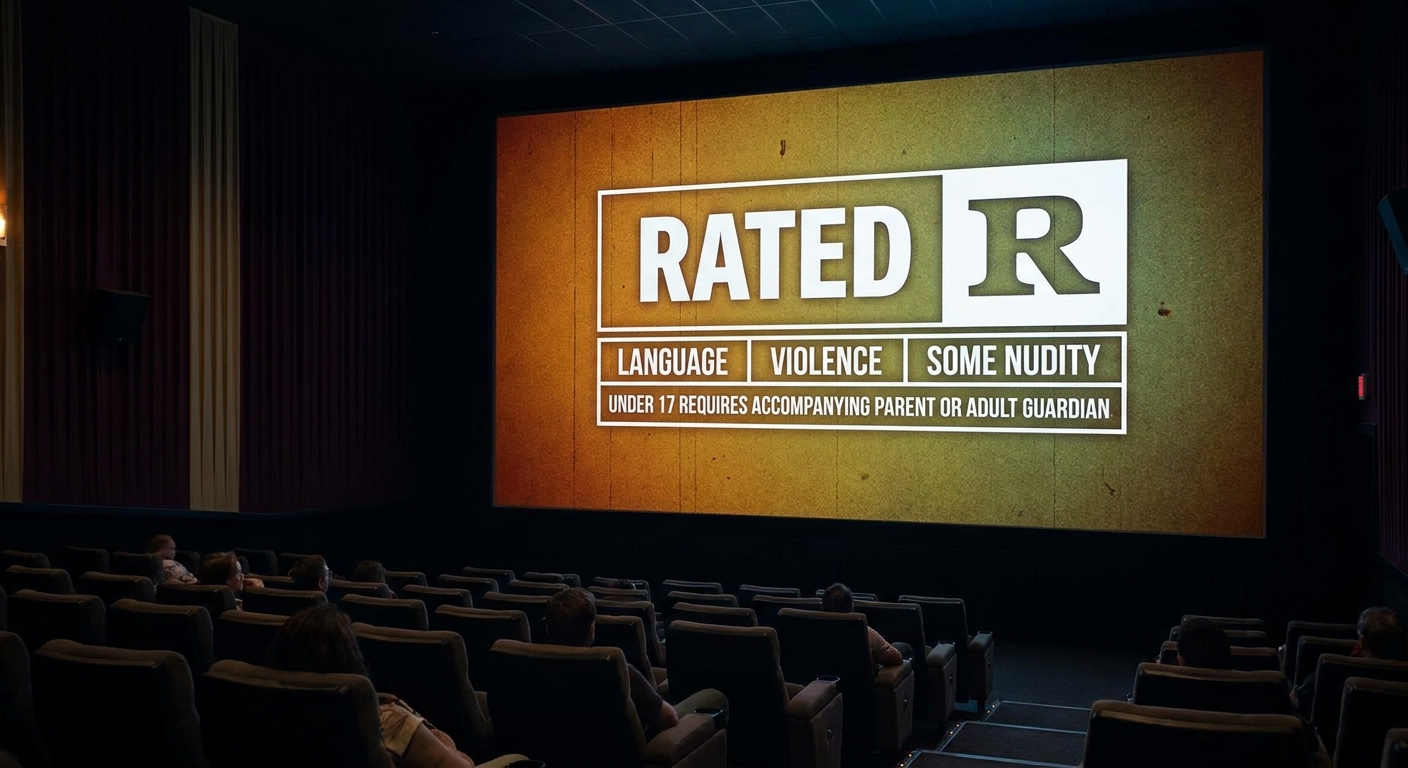
What it means: Under 17 requires accompanying parent or adult guardian. An R rating often signals more explicit or sustained adult content, but it can show up in dramas and historical films just as much as in horror.
Common content profile: Strong language (including frequent use), strong violence or blood, explicit sexual content or nudity, and more explicit depictions of drug use. Any one of these categories can lead to R depending on intensity and context.
What might trigger a change to NC-17: Explicit sex or nudity presented in a more graphic or detailed way, or extreme violence that crosses beyond what the board considers within R.
Why a film might be rated R: A crime drama with frequent profanity, realistic shootings with blood, and a sex scene with nudity.
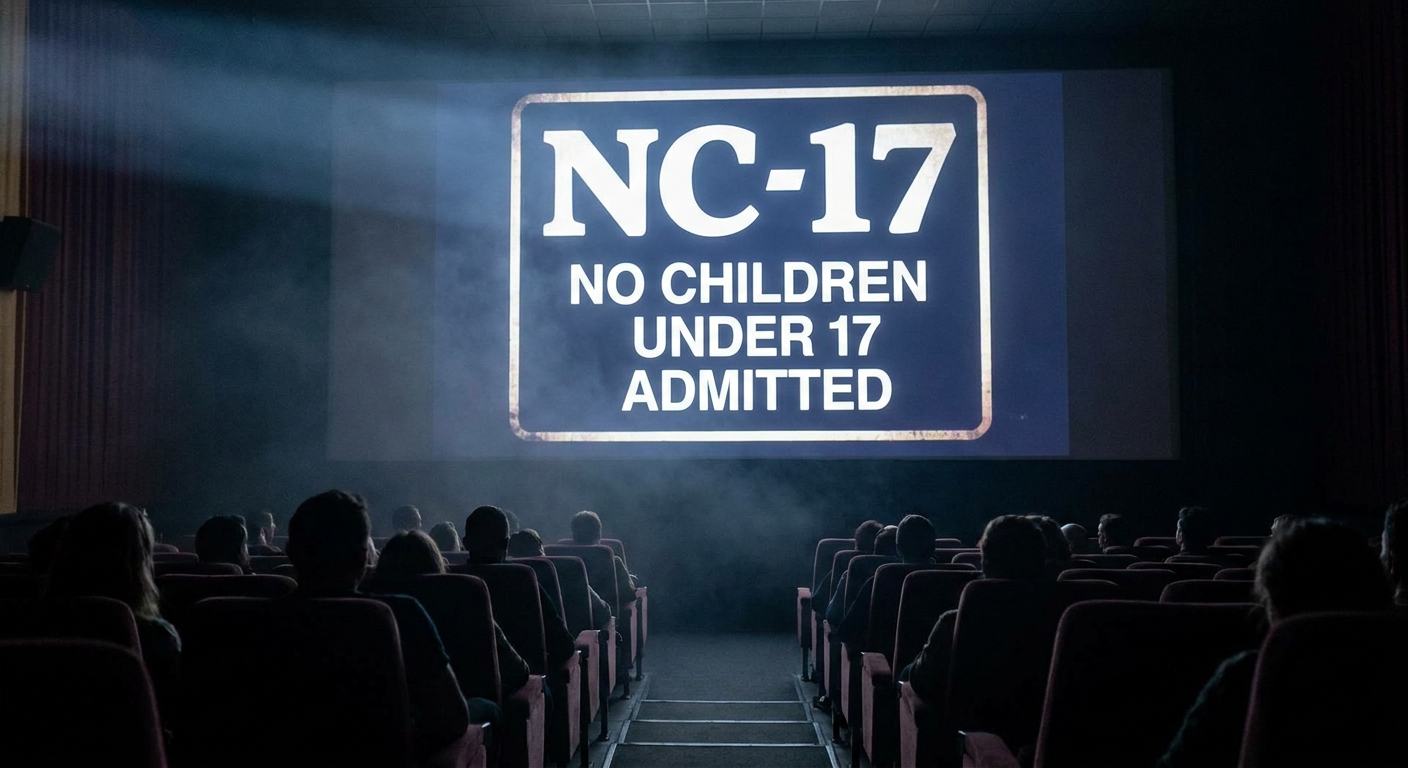
NC-17: Adults Only
What it means: No one 17 and under admitted. NC-17 is not a moral judgment or a synonym for “porn.” It is reserved for content the board deems appropriate only for adults, most often due to explicit sexual content or sustained graphic nudity, though in rarer cases it can also reflect extreme violence.
Common content profile: Explicit sex scenes, more graphic sexual detail, or violence that is exceptionally intense and lingering.
Why a film might be rated NC-17: A drama with unsimulated or highly explicit sexual content presented in prolonged scenes.
What affects ratings most?
Ratings are not a strict math equation, but in practice, certain categories tend to move the needle quickly. Here is a simple breakdown of common triggers and what viewers should look for in the rating descriptors.
- Language: Frequency, intensity, and context matter. A few mild words can stay in PG, while repeated strong profanity typically pushes toward R.
- Violence: Cartoonish action reads differently than realistic injury. Blood, gore, and the camera lingering on suffering can raise a rating fast.
- Sex and nudity: Suggestive dialogue may be PG or PG-13, while explicit sexual content or prolonged nudity often pushes to R or NC-17 depending on detail and tone.
- Drugs and substances: References can be mild, but depictions of drug use, especially detailed or glamorized, can raise the rating.
- Frightening content: Even with little violence, sustained terror, jump scares, or disturbing imagery can bump a film upward, especially for younger audiences.
If you only remember one practical tip, make it this: read the descriptors, not just the letters. A PG-13 for “brief strong language” is a different viewing experience than PG-13 for “intense violence and thematic elements.”
You can usually find the descriptors on trailers, posters, the MPA rating box before the film, and on streaming detail pages.
What changes a rating?
Sometimes a movie’s rating feels like it hinges on a single creative choice. Often, it does, especially during the submission and resubmission process before release. These are common reasons a film moves up or down:
- Editing a scene for intensity: Shortening the duration of a violent moment, reducing visible injury, or cutting reaction shots can lower a rating.
- Adjusting language frequency: Swapping out repeated strong profanity, or reducing how often it appears, can make the difference between PG-13 and R.
- Changing sexual explicitness: A scene can shift ratings depending on how much is shown, how long it lasts, and whether the camera emphasizes detail.
- Tone and realism: The same act can be treated as slapstick, stylized, or harrowingly realistic. Ratings tend to respond to realism and sustained impact.
- Contextual framing: Is the film dwelling on cruelty, or does it cut away? Is drug use depicted as a consequence-laden choice, or as a party accessory? The framing matters.
Studios sometimes aim for a specific rating for reach or audience expectations, then make trims and resubmissions. You will occasionally see the phrase “rated R for…” used as a marketing hook. But for filmmakers, it can also be an artistic decision, choosing honesty over broad accessibility.
How to use ratings
As a viewer, the rating is the start of the conversation, not the end. Here is a simple approach that works whether you are picking a family movie night title or screening something for yourself after a long day.
1) Pair the rating with the descriptors
Those short phrases are the most useful information on the card, trailer, poster, or streaming details page. “Some violence” is not the same as “strong bloody violence.”
2) Know your own sensitivities
Some people can handle profanity but not cruelty toward animals. Some can do jump scares, but not sexual violence. Ratings do not map perfectly onto every boundary, so be honest about yours.
3) Remember age is not the whole story
A mature 12-year-old may handle a PG-13 historical drama better than a goofy PG comedy with crude jokes. Meanwhile, a gentle R-rated film with heavy themes might hit harder than a bombastic action PG-13.
4) Use ratings as a filter
A higher rating can simply mean a film is more direct about life. Some of our best movies are, too. The goal is informed choice, not moral panic.
One more potential curveball: streaming platforms also use TV ratings (like TV-Y, TV-14, and TV-MA). That is a different system, so do not assume it maps perfectly to film ratings.
At a glance
If you just want a quick gut-check, these are the broad patterns people typically associate with each label.
- G: Very mild content overall, gentle peril, little to no profanity.
- PG: Mild language or scares, some rude humor, action that stays non-graphic.
- PG-13: More intense action, stronger language in limited amounts, more mature themes without graphic detail.
- R: Frequent strong language, bloodier violence, explicit sex or nudity, or more explicit depictions of drug use.
- NC-17: Explicit sexual content shown in sustained, graphic detail, or exceptionally extreme violence.
A note on limits
Ratings are useful, but they are not a perfect instrument. They are based on human judgment, and different viewers will disagree about what is most sensitive, especially when a film is intense without being graphic. If something is a hard no for your household, the best practice is to treat the letter rating as a first filter, then use the descriptors and a trusted review to fill in the real-world detail.
FAQ: Unrated and not rated
What does “Unrated” mean?
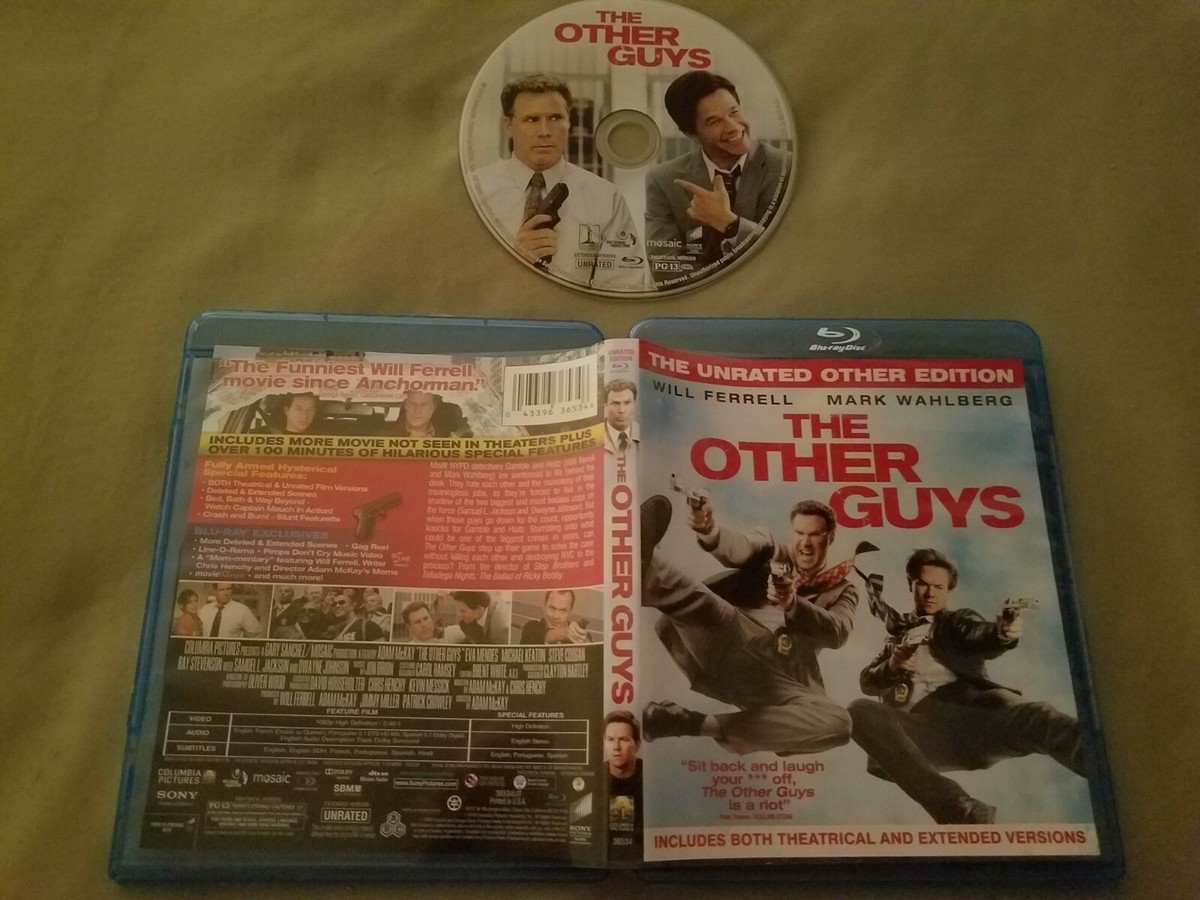
“Unrated” usually means the film was not submitted to the rating board, or it was released in a version that differs from the one that received a rating. It does not automatically mean the content is more explicit than NC-17.
It can also show up for practical reasons, like older titles, international cuts, or marketing choices where a distributor wants to signal “more footage” even if the difference is minor.
Is “Unrated” the same as “NC-17”?
No. NC-17 is an official rating. “Unrated” is a label indicating there is no official rating for that release version.
Why do some home releases say “Unrated”?
Home video and digital releases sometimes include additional scenes, extended cuts, or alternate edits. If that version was not submitted for re-rating, it may be labeled “Unrated.” In other cases, the unrated label is used as a sales nudge, even when the added material is modest.
Can a movie be released without any rating at all?
Yes. The rating system is voluntary. That said, some theaters and platforms have their own policies about what they will carry or how they will gate access, so unrated releases can face practical hurdles.
What should I do if a film is unrated and I am watching with kids?
Treat “Unrated” as a prompt to do a little homework. Look for official synopsis details, parental guidance notes from reliable sources, and reviews that discuss content plainly. If you are unsure, preview it first, or watch together with a plan to pause.