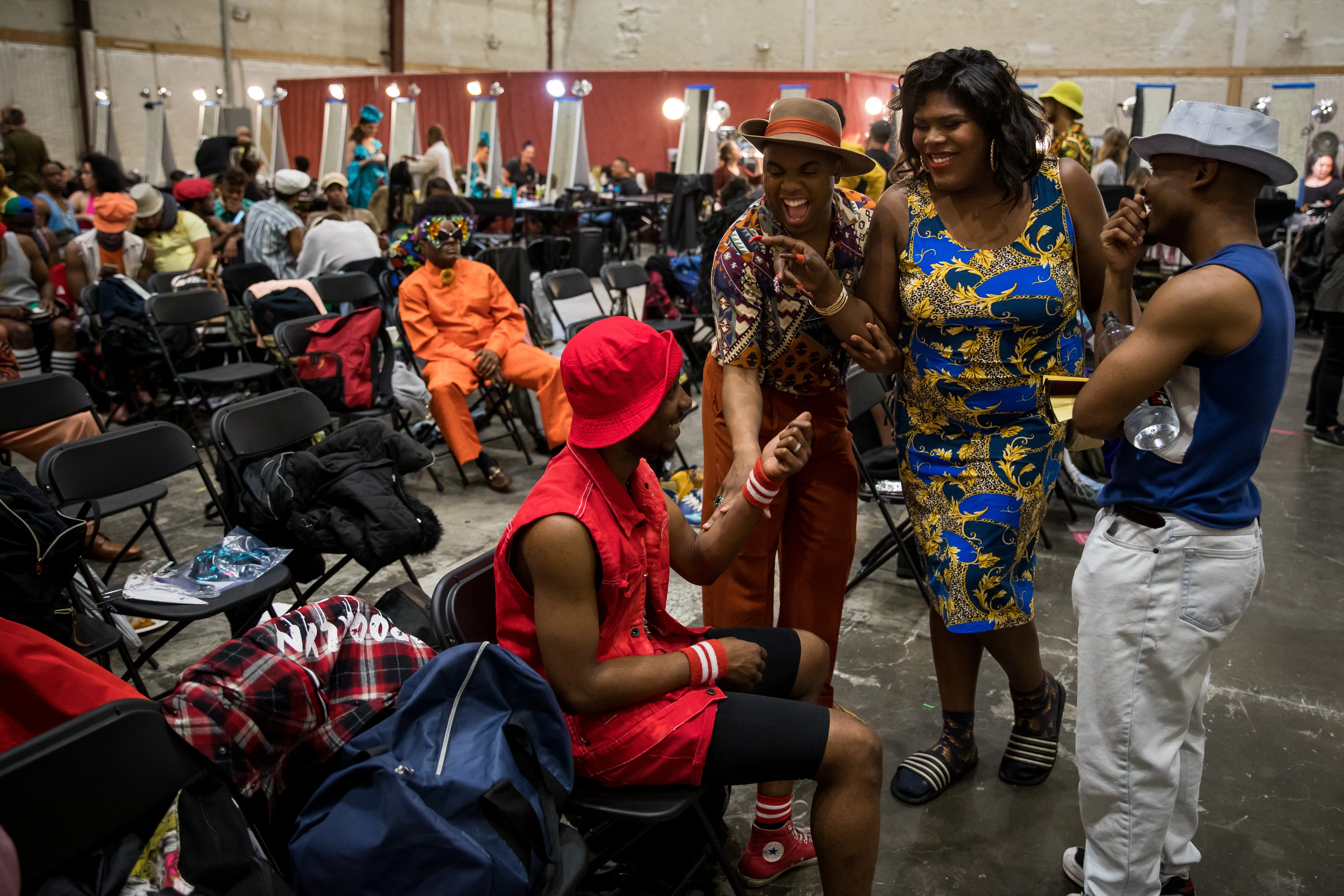
I have sat through enough set holding to know this truth in my bones: “background” is not one job. The vibe, the paperwork, even the way the AD team or director’s world talks to you can shift dramatically depending on whether you are filling out a bustling restaurant in a TV series or playing “real people having the best day of their lives” in a 30-second ad.
If you are moving between film and TV extra work and commercial background bookings, the differences are not just cosmetic. They affect how you get cast, how you should pack your bag, what you can post online, and whether the paperwork creates any conflicts after you wrap.
One quick language note: I use background, extras, and background performers interchangeably here, because on most days, that is how it feels in real life.
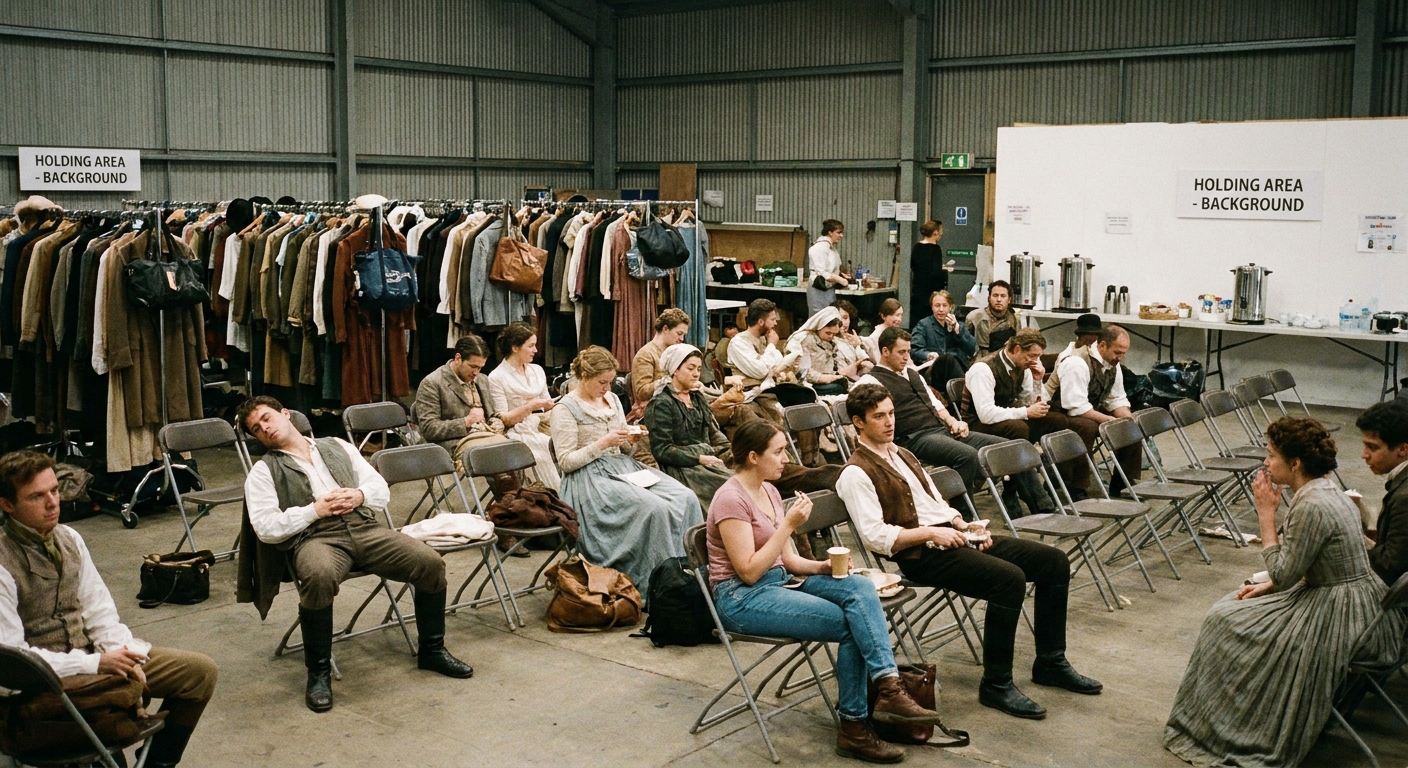
What “commercial background” means
Commercial background work covers the non-speaking performers who create a believable world for an advertisement. That might be:
- Crowd background, like shoppers in a grocery aisle, commuters on a platform, or fans in stadium seats.
- Featured background, which is still non-speaking but more intentionally placed: the barista who hands over a cup, the jogger who crosses close to camera, the parent in the front row of the bleachers reacting big.
In ads, background often has a brighter spotlight than you might be used to on a scripted show, simply because commercials love clean frames, readable reactions, and faces that sell a lifestyle.
Who casts it
Film and TV: background offices and steady pipelines
Film and TV background is typically handled by background casting companies or in-house casting departments that specialize in large, repeatable needs: crowds, period looks, specific types, stand-ins, photo doubles, and lots of continuity. The machine is built for volume. You might work with the same office repeatedly across different shows.
Commercials: depends on market, often tighter aesthetic control
Commercial background can be cast through a commercial casting office, a background casting service, or a hybrid setup depending on the market and the production. Either way, the brand’s “world” matters. Casting can be pickier about:
- Wardrobe color palette (because the product packaging needs to pop).
- Overall feel (approachable, aspirational, quirky, athletic, family).
- Faces that read well in clean lighting, since ads love close, polished coverage.
Translation: in film and TV, you can sometimes disappear safely into the texture of a scene. In commercials, you might be background and still be curated.
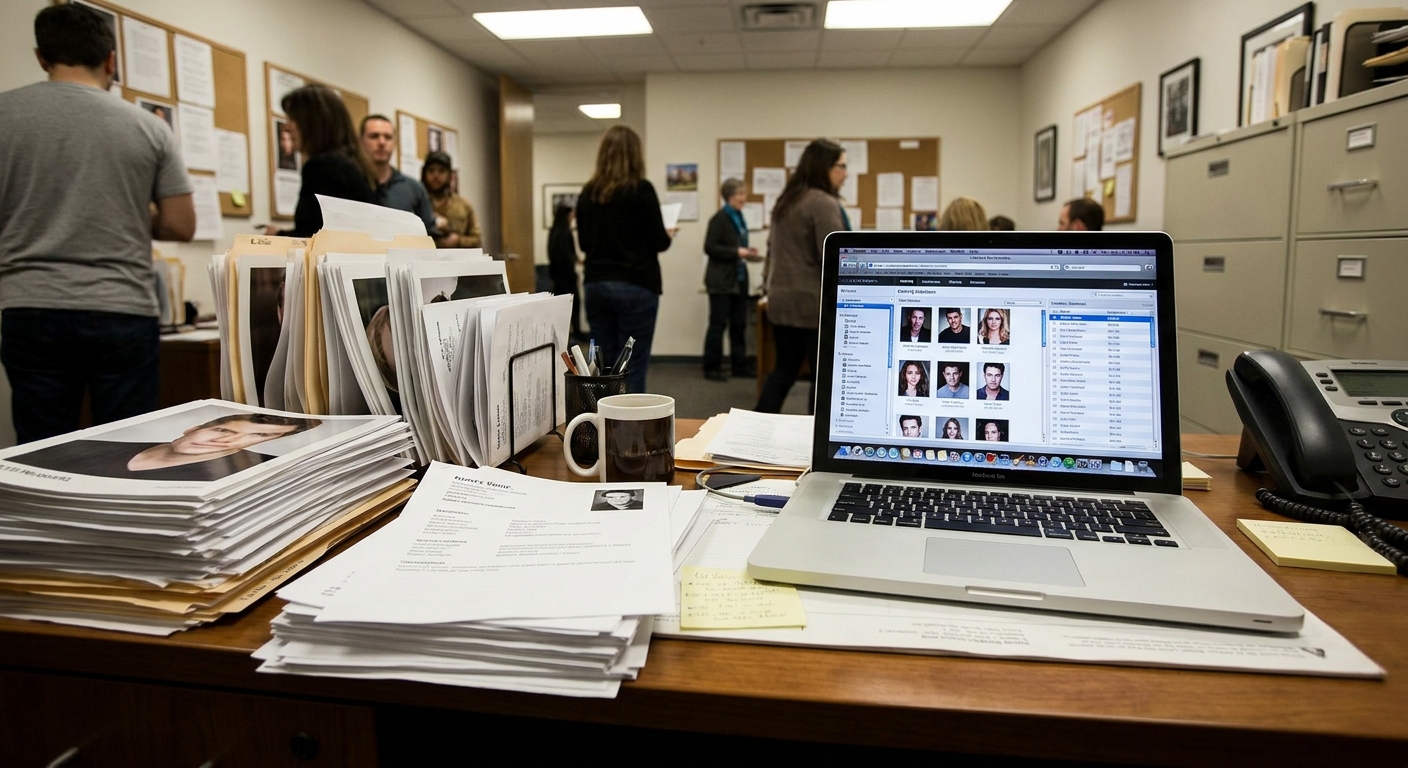
Fittings and wardrobe
Film and TV: continuity and story
On a series or feature, fittings and wardrobe notes are often driven by character and timeline. If you are “business commuter” in Episode 3, wardrobe may want you to match the world of that show, and continuity may care that you look the same across multiple angles or days.
Commercials: the frame and the product
Commercial wardrobe is usually about controlling the image: silhouettes, logos, and color story. You may be asked to bring a broader selection of options, and you may find wardrobe is stricter about:
- No visible logos unless approved.
- Specific colors to avoid clashing with a brand’s packaging or a set’s art direction.
- Texture and reflectivity (shiny fabrics and tight stripes can be camera problems).
Featured background in ads can come with more deliberate styling, including hair tweaks, quick tailoring, or swap-outs to keep the product shot clean.
Usage and conflicts
If you remember one section from this article, make it this one.
Film and TV background: paid for the day, not a personal usage deal
When you work as background in film and television, the job is generally paid as a day of work (sometimes with overtime, bumps, or union provisions depending on the production). The project may live on broadcast, streaming, syndication, or elsewhere, but background performers are not typically negotiating individual usage cycles the way advertising does.
Commercial background: releases and conflicts matter more
Commercials exist to sell, and that brings the concept of usage. Usage describes where and how long an ad can run, like broadcast, internet, or in-store, and for what term.
Here is the nuance: many non-union commercial background jobs are a flat session fee with a broad release and no residual structure for background. Even so, the paperwork can still include conflicts or category restrictions, especially if you are clearly recognizable.
Usage payments, renewals, and “keeps paying you after you wrap” is more commonly a factor for principal on-camera roles, and sometimes for union-covered work or recognizable featured background. Your mileage will vary wildly based on contract, market, and how you appear on camera.
Even as background or featured background, your paperwork may include language about:
- How long the ad can run (a defined term is common).
- Where it can appear (regional vs national, specific media).
- Reuse or renewals (whether the company can extend the spot).
- Exclusivity or conflicts (limits on appearing in competing ads).
A brand does not want a viewer to recognize the same face selling two rival products.
Practical tip: Keep a simple personal log of what you shot, the brand, the product category, and roughly when. Even if you are background, it helps you answer conflict questions honestly later.
Union and non-union reality check
A lot of the confusion around commercial background comes from the fact that union status changes the experience. Union commercial work and non-union ad work can run on completely different math, paperwork, and enforcement.
Also, classification matters. “Background,” “featured background,” and “principal” are not just vibes. They are often different buckets with different rules. If you are doing a specific, story-forward action, clearly recognizable, or being used like a character, ask politely whether you are still classified as background.
Upgrades: the thing to watch for
Sometimes you show up as background and then the day turns into: “Can you take this product, hit this mark, and give us a clean reaction right into camera?” That can be an upgrade situation depending on the production and contract.
No, you cannot demand your way into an upgrade on set. But you can pay attention. If your role changes dramatically, it is reasonable to check in with the AD team or production office about how you are being classified so your paperwork matches what you actually shot.
Set day flow
Film and TV: endurance and resets
Scripted sets can be long-haul days. There is blocking, rehearsals, resets, multiple camera setups, and sometimes scenes shot out of order. Background may cycle through holding for hours, then surge into action, then return to holding again. It is an endurance sport with snacks.
Commercials: faster, tighter, more client eyes
Commercial crews are absolutely capable of long days, but the on-the-ground rhythm is often different. You may notice:
- Fewer setups, more precision, especially if the ad is built around a handful of hero angles.
- More client presence, meaning brand and agency teams may be watching playback and making calls.
- More micro-adjustments to background placement, because composition is everything in ads.
Featured background in commercials can feel almost like choreography. You might rehearse a simple cross, a reaction, or a “natural” laugh many times until it reads perfectly on camera.
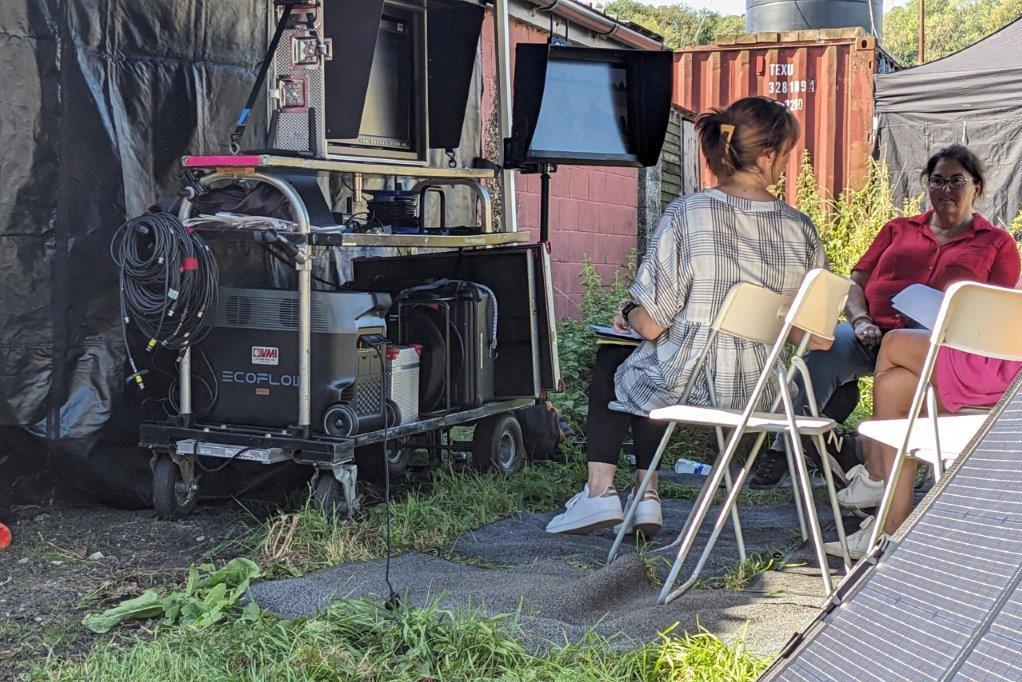
Crowd vs featured in commercials
Crowd background in ads
In film and TV, a crowd can be messy in a good way, because realism helps. In commercials, crowds still need to feel real, but the camera often wants clean readability. Expect more direction like:
- “Cheat your bodies out so we see faces.”
- “Keep it lively, but do not upstage the product moment.”
- “Hold your marks, but look like you do not know you are on a mark.”
Featured background in ads
Featured background is where commercials can diverge sharply from scripted work. In film and TV, featured background is often used to support story continuity or fill a believable world around the principals. In commercials, featured background is frequently used to sell a feeling. That can mean:
- Bigger, clearer reactions.
- More camera proximity.
- Wardrobe chosen to complement the product.
- More takes to perfect a “spontaneous” moment.
Even without dialogue, your on-camera clarity matters more when the entire piece is only 15 to 60 seconds long.
Paperwork and set rules
Both worlds involve releases, timecards, and the standard “do not post spoilers” guidance. Commercials, however, can feel more locked down because the product campaign is a marketing plan. Common differences include:
- Stricter confidentiality around the product, packaging, or taglines.
- More attention to what is visible in your hands, on your phone screen, or on wardrobe.
- Clearer limits on personal photos, because an ad’s look is often treated like a launch.
Social media: a simple rule set
- Do not post set photos, call sheets, sides, crew parking info, or anything with sensitive production details.
- Do not reveal the brand, product, packaging, or tagline unless you have explicit permission.
- Assume “wait until it airs” is the default, and even then, follow whatever the production told you.
- If you are unsure, ask the AD team politely rather than guessing.
Nothing ends a good day faster than an avoidable rules issue.
Pay expectations
Rates vary widely by market, budget level, and whether the job is union or non-union. Instead of quoting numbers that may not apply to your region, here is the difference in how the pay is commonly structured:
- Film and TV background pay tends to be anchored to the day. The variables are usually hours, overtime, meal penalties, and sometimes special ability bumps.
- Commercial background pay is often a session fee for the day, especially non-union. In some cases, contract terms, classification, and recognizability can add another layer, including potential reuse language or stricter conflicts.
If you are doing featured background in commercials, treat the paperwork as seriously as you would treat the blocking. It can matter later.
How to prep
- Bring more wardrobe options for commercials, especially solid colors and clean basics, unless you are told you are being fully costumed.
- Practice “natural” behavior that reads: subtle is good, but commercials often need readable energy.
- Be ready for quick pivots: agency notes can change background staging fast.
- Track conflicts: write down the brand and general category after you wrap an ad day.
- Expect closer camera proximity even when you are not principal, particularly in lifestyle ads.
And in both arenas: be kind, be quiet when needed, hit your marks, and remember you are helping someone else’s story land.
Quick FAQ
Is commercial background “easier” than film and TV extra work?
It is different. Commercial days can be faster and more controlled, and you may get more direct placement near camera. Film and TV days can be longer and more repetitive, with more waiting and more continuity concerns.
Will I be more recognizable in a commercial?
Often, yes, especially if you are featured background. Commercials love clean lighting and closer frames, and the finished runtime is short enough that background moments can feel bigger.
Can a commercial I did affect what else I can book?
It can, because brands care about conflicts. Even if you were background, your release may include terms that limit competing advertising work for a period of time, especially if you are recognizable.
Do commercials have holding like film and TV?
Yes. The holding room energy is universal. The difference is that commercials may cycle you in and out more quickly, with more precise adjustment to keep the frame and product shots clean.
Bottom line
Film and TV background work asks you to help build a world for a story. Commercial background work asks you to help sell a feeling in a single bite, with wardrobe, composition, and brand identity doing a lot of heavy lifting.
If you approach both with the same core professionalism, but adjust your expectations around conflicts, paperwork, and the tighter visual control of ads, you will walk onto your next commercial set feeling less like you accidentally wandered into a different industry and more like you speak the language.