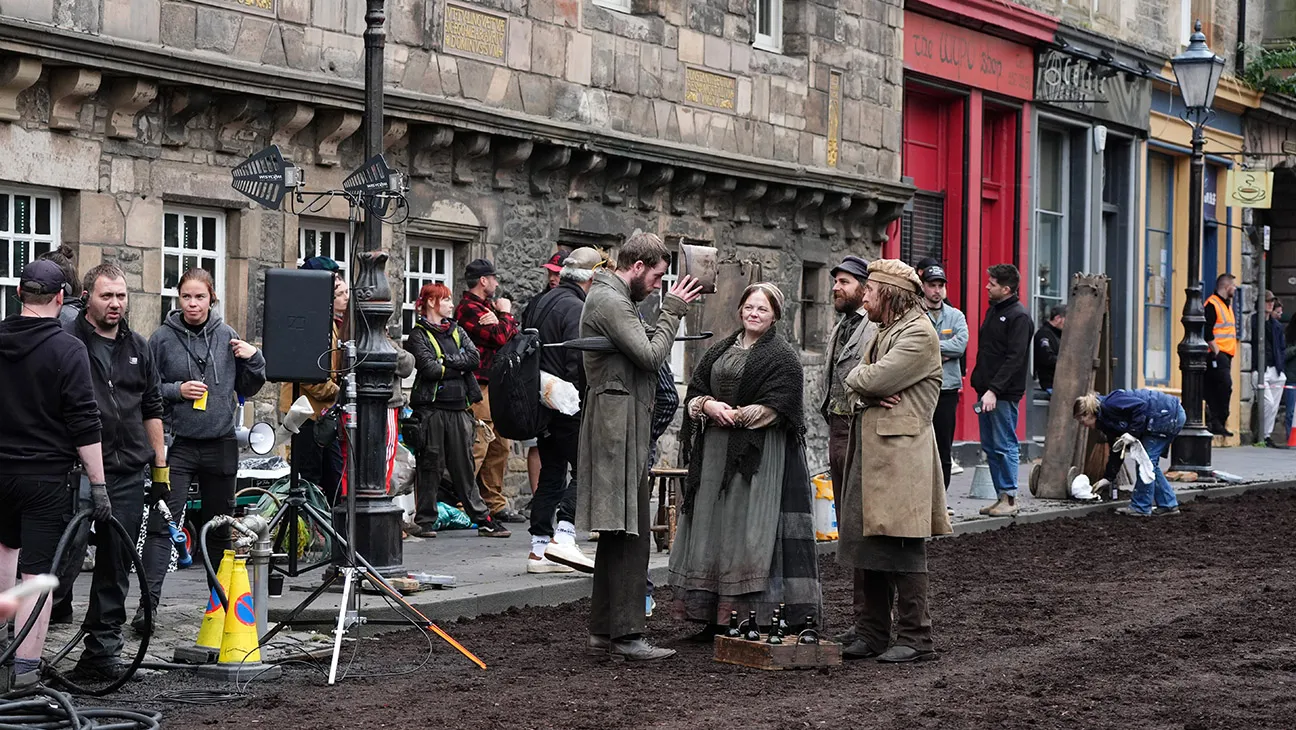
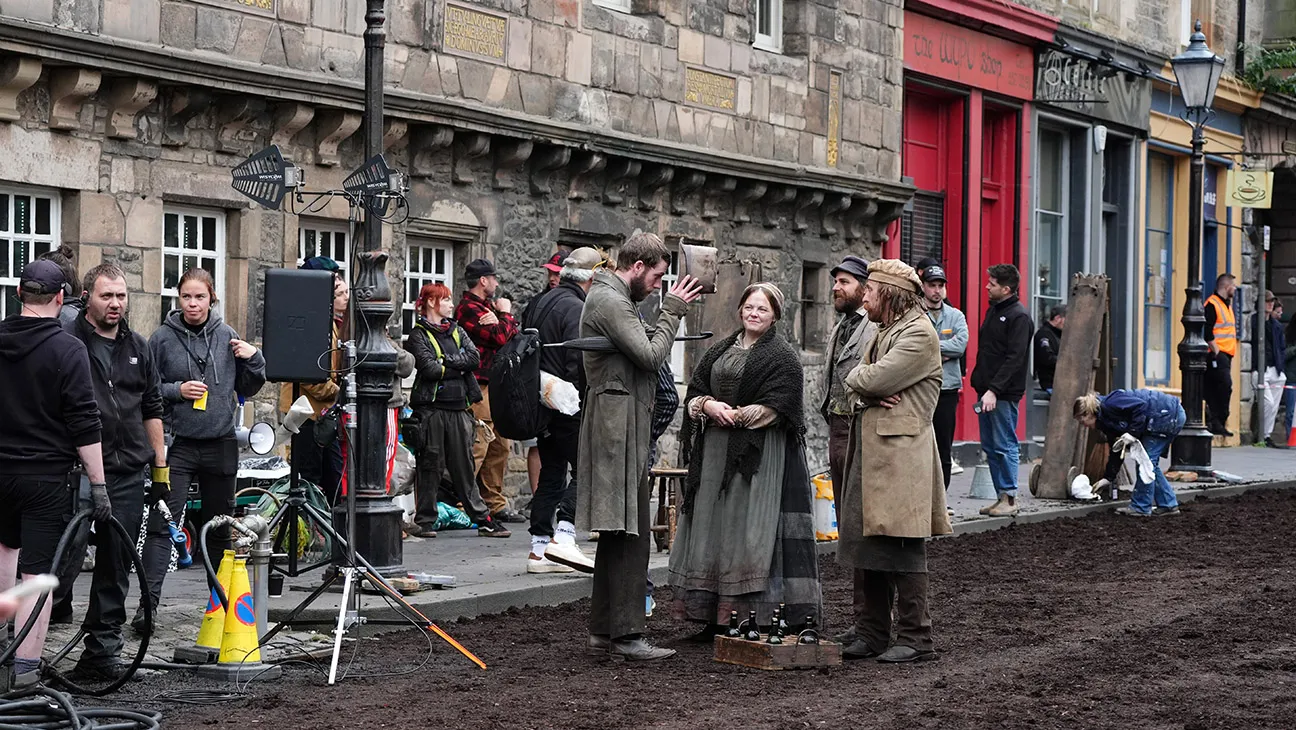
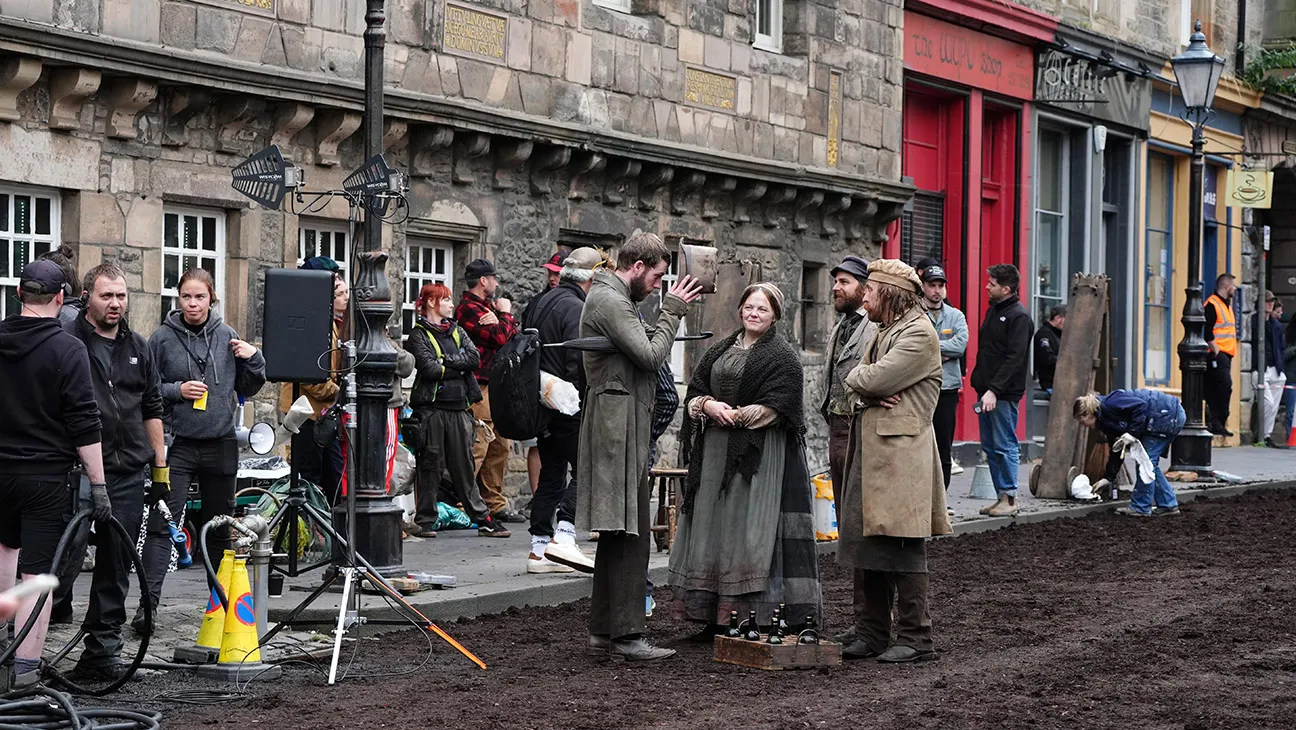
The first time I heard someone say, “We need a stand-in, not background,” it was delivered with the calm urgency of a stage manager calling places. Different job, different stakes. A stand-in is hired to help the camera, lighting, and grip teams rehearse and set up shots efficiently by putting a human body in the principal actor’s mark. Your body becomes a technical reference: height, build, skin tone, hair color, and even how fabric falls on you.
If you are trying to get hired as a film or TV stand-in, the good news is that the path is fairly concrete. Productions book stand-ins through casting and crew channels, using measurable criteria and a track record of reliability. Here is how they actually do it, and how you can make yourself easy to hire.
What a stand-in is
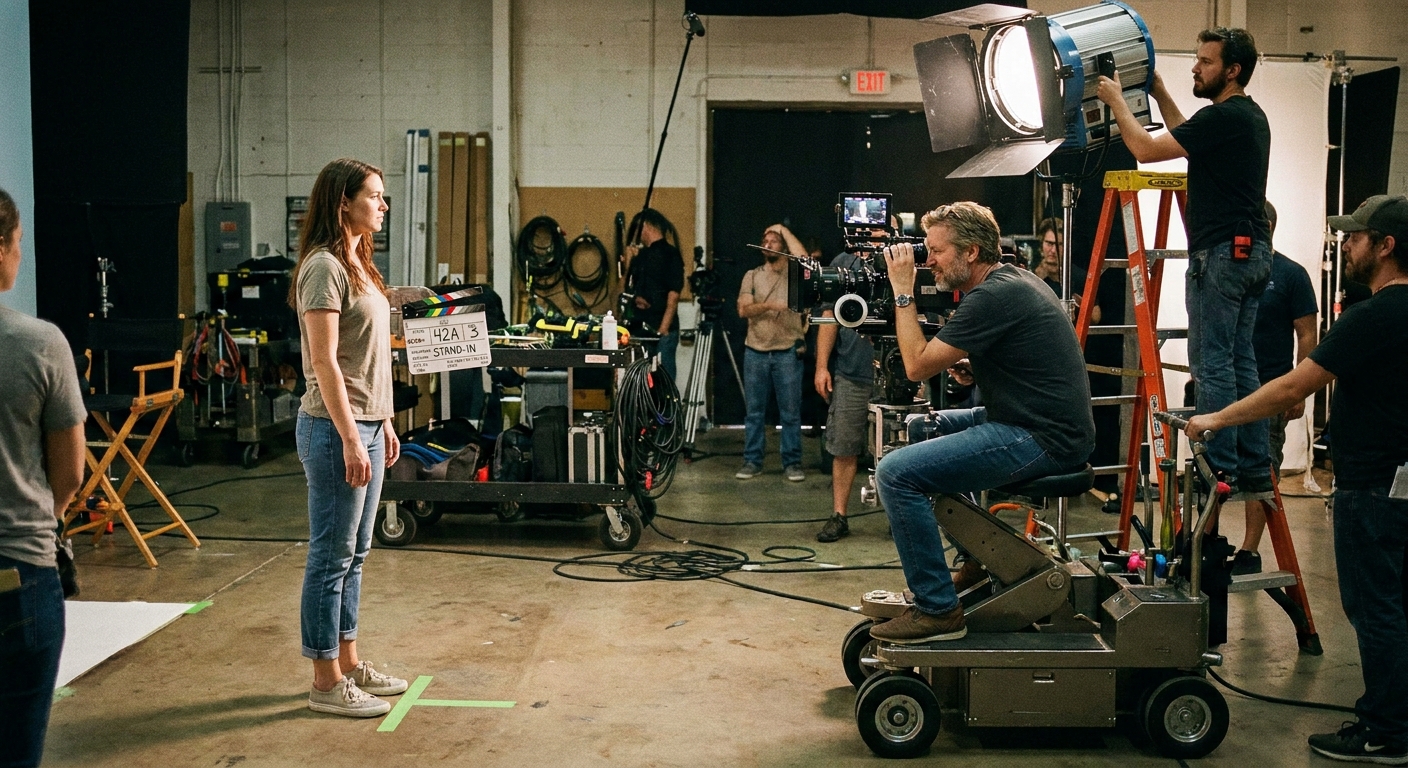
A stand-in substitutes for a principal actor during the technical parts of shooting: lighting, lensing, blocking for camera, focus marks, rehearsing complicated moves, and dialing in exposure. If the lead actor is in hair and makeup, in costume, or simply being protected for performance and stamina, a stand-in lets the crew keep moving.
This is why stand-in work sits closer to the crew side of set life than typical background acting. You are there to help the day stay on schedule and the image stay consistent, not to blend into a crowd and react on cue.
Stand-in vs body double vs background
- Stand-in: Used for lighting and camera setup. Often present for long stretches even when the lead is not on set.
- Body double: Used on camera in place of the actor, typically for hands, stunts, nudity, or specific coverage where the face is not seen.
- Background (extra): Used on camera to populate the world of the story. Casting is based on type and availability more than exact matching.
How productions match a stand-in
Stand-in casting is a matching game. The closer you match the actor, the less time the crew spends compensating for differences in light, wardrobe drape, and camera height. When a production says “match,” they usually mean a mix of measurable specs and visual qualities.
Height and proportions first
Height is the headline requirement because it impacts camera height, eyelines, and lighting angles. After height, productions look at overall proportions: shoulder width, torso length, and general build. Two people can be the same height, but if one has a broader frame, the light will read differently on wardrobe and skin.
Coloring is technical
When casting asks about “coloring,” they are usually trying to match what the camera sees under set lighting: skin tone, hair color, facial hair, and sometimes eyebrow density. This is not about beauty standards. It is about how light bounces, what shadows form, and how wardrobe colors behave against you.
Hair can matter
If the actor has long hair, a bun, tight curls, or a distinctive silhouette, your hair can affect shadow patterns and highlights. Productions may be flexible if you can approximate the shape, especially if you are willing to wear a wig or maintain a consistent style for the run.
Wardrobe size and shoe size count
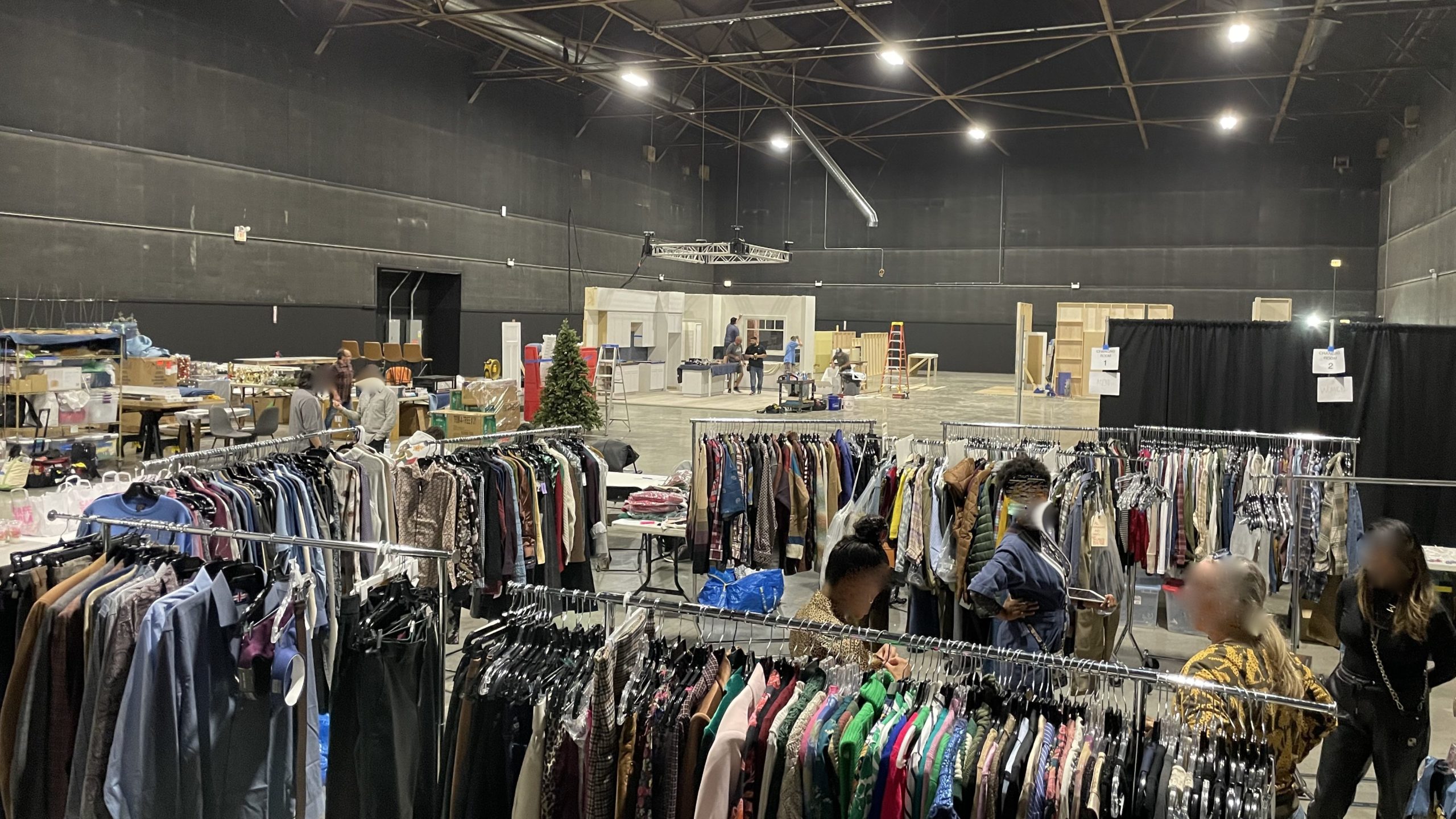
Stand-ins may be asked for jacket, dress, waist, inseam, and shoe sizes. Sometimes you will wear the principal’s wardrobe for lighting. Other times wardrobe will put you in stand-in pieces that match the fit and color story while protecting the hero costume. Either way, if you are too far off, the clothing will not sit correctly and the crew loses the benefit of a true reference.
What casting will ask for
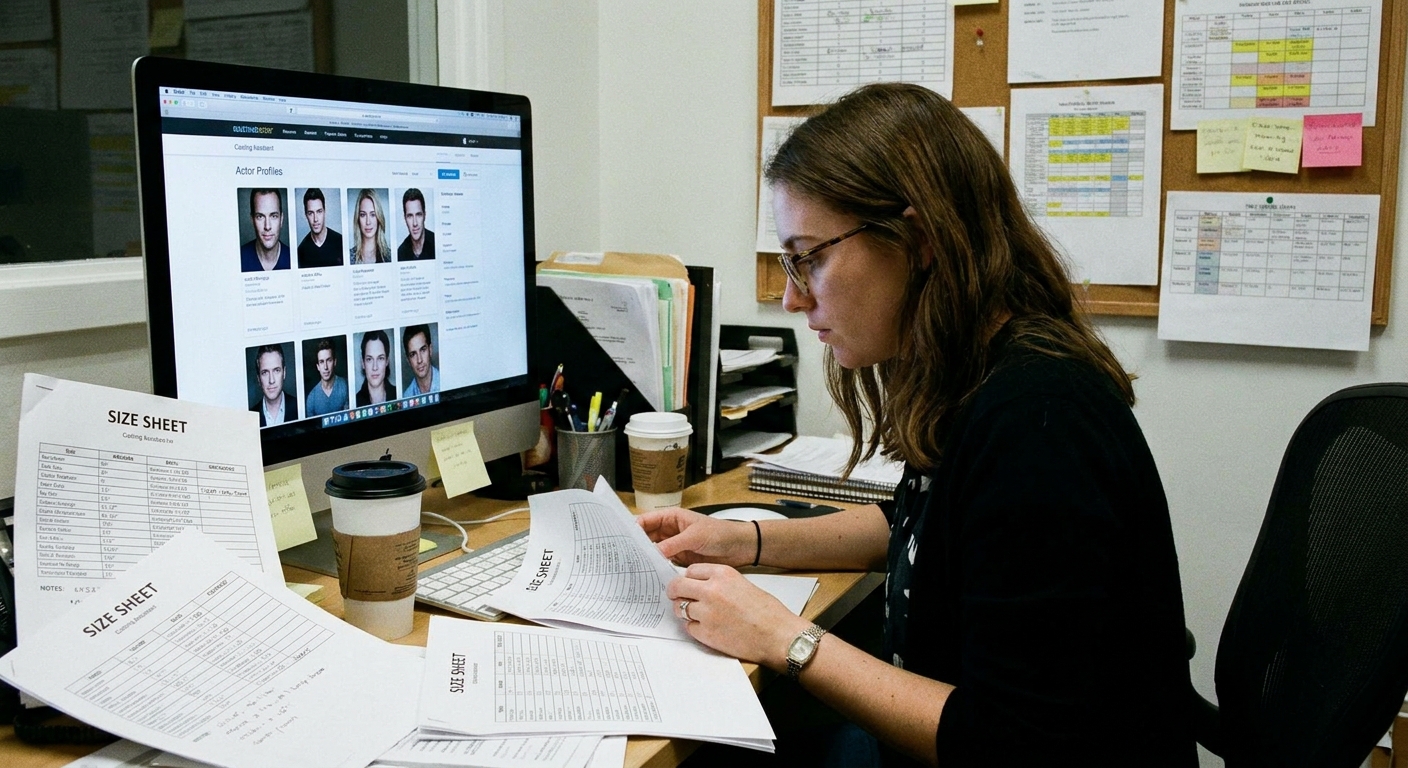
Stand-in requests are detail-heavy, and that is intentional. The production wants to confirm you match and that you will not create continuity problems across days.
Typical stand-in submission details
- Height and weight: Provide accurate numbers. Do not round up or down to “sound better.”
- Clothing sizes: Tops, bottoms, dress sizes where relevant, and shoe size.
- Measurements: Bust or chest, waist, hips, inseam, neck, hat size. If you do not know, measure yourself and write them down.
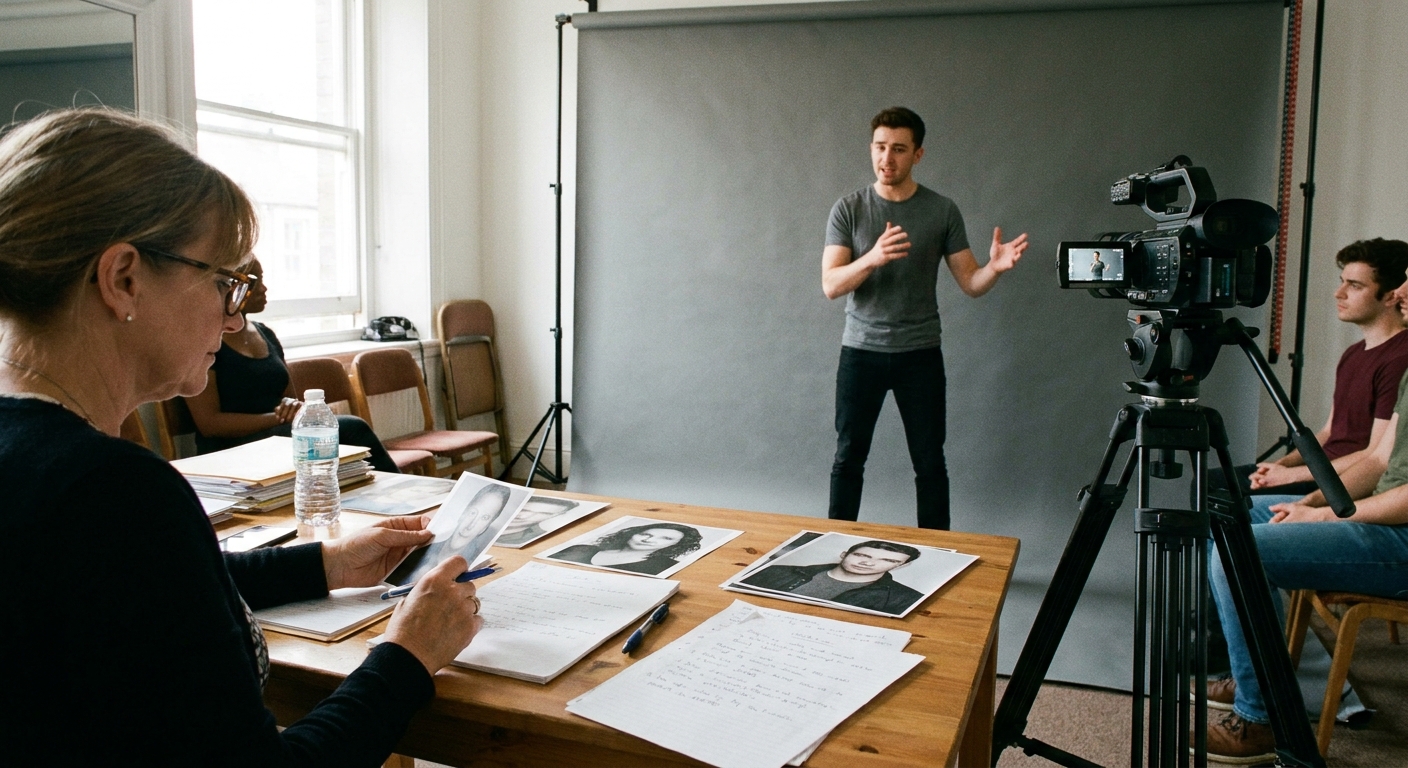
- Current photos: Clean, well-lit, no filters. Productions often want at least one full-body and one close-up.
- Hair: Current color and length, plus whether you are willing to cut or color, or wear a wig.
- Availability: Not just one day. Stand-in needs often span the schedule.
- Set experience: Any prior work as background, stand-in, photo double, or crew-adjacent roles.
Measurement photos
Some productions request “measurement photos,” meaning images that clearly show your body proportions. Keep it simple: form-fitting clothing, neutral background, good light. The goal is clarity, not glamour. If you can include a recent date in the filename on your end, do it. Casting teams are juggling hundreds of submissions and “recent” can become fuzzy fast.
Where stand-in jobs come from
Stand-in hiring routes vary by region and by the scale of the show. Sometimes it runs through casting or a background casting office. On other productions, the AD department, a key PA, or a coordinator is the point person, with approvals flowing through production. What stays consistent is the method: they look for a close match, a clean submission, and someone who is reliable under pressure.
Upgrading from background
A lot of stand-ins start as reliable background performers who consistently show up prepared and on time. If an assistant director, casting assistant, or set PA knows you can hit marks and follow directions quickly, you become someone they might recommend when a stand-in need pops up.
Rosters and referrals
Casting teams and AD teams keep informal rosters of stand-ins sorted by size and type. Once you have done a stand-in day and proved you are steady, you are more likely to be called again, especially if you match a returning series regular.
Targeted match requests
When a show is prepping a big sequence, they may put out a specific request to match a particular actor. In those cases, matching specs can matter more than credits. If you are a near-perfect physical match and available for the schedule, you can be hired quickly.
If you are wondering where to look, think practical: local casting databases, background casting rosters, and referrals from people you have worked with. Stand-in work often travels through trust networks because the job is so schedule-sensitive.
Why call times differ
Background call times are generally tied to when the scene will be shot and when the set needs to look populated. Stand-in call times are tied to prep.
It is common for stand-ins to be called earlier than background because lighting and camera need a human reference while the departments build the shot. You might arrive before most background, and sometimes before principals are brought to set for final.
The pre-light rhythm
Even on a straightforward day, the crew may want to set marks, rehearse a move, and dial exposure before the actor conserves energy for performance. That prep can happen while the star is in makeup, doing a rehearsal, or being kept off set for privacy or focus.
Wrap can be unpredictable
Sometimes you are released once first team arrives and everything is set. Other times you stay all day because setups keep changing, the actor is pulled for interviews, or the schedule is hopping between units. Stand-in work is less predictable in duration, even when it is predictable in purpose.
Fittings and wardrobe
One of the more specific stand-in tasks is wearing wardrobe for lighting and camera. Sometimes it is the principal’s actual pieces. Other times it is stand-in wardrobe that matches the same silhouette and fabric behavior. The goal is the same: give camera and lighting something truthful to build the shot around.
What to expect in a fitting
- Measurements confirmed: Wardrobe may re-measure you to ensure the fit matches what they need.
- Photos for continuity: They may take reference photos of how the clothing sits on you, particularly for layered outfits.
- Shoe considerations: Shoe height changes eyelines. If the principal is in heels or lifts, you may be asked to match that.
- Hair shaping: If the actor’s hair creates a silhouette, wardrobe or hair may try to approximate it on you.
A practical note: fittings are work. Treat them like a set day. Show up early, bring whatever undergarments are requested, and avoid last-minute changes to your hair or facial hair unless you have cleared it.
Continuity is the audition
If background acting teaches you how to be unobtrusive, stand-in work teaches you how to be exact. Continuity is not just a script supervisor concern. It is your day-to-day job.
On-set behaviors productions love
- Hitting the mark consistently: Stand where you are placed, the same way, every time.
- Matching posture: If you are doubling the actor for lighting, slouching when they stand tall changes shadows.
- Taking direction fast: “Two inches left,” “chin down,” “turn three degrees” is normal language on set.
- Knowing when to be still: Sometimes your job is to hold a position while focus and lighting are set.
- Protecting the illusion: Stay out of the way of first team and keep your voice low when the set is working.
Keep your look consistent
Because stand-ins are often used over multiple shoot days, sudden changes can cause problems. A fresh haircut, new tan, shaved beard, or different hair color can make you unusable overnight. If you want to change your look, communicate early and let production decide if it affects your booking.
Phone, privacy, and discretion
Stand-ins hear things and see things early. Treat that access like a responsibility. Follow the show’s rules about phones, do not photograph call sheets, do not post set locations, and do not share plot details. Even when no one says “NDA” out loud, discretion is part of the job.
How to get hired
Stand-in casting is partly about match and partly about trust. You are being hired to help expensive departments do their jobs efficiently. Make it easy for them to say yes.
Build a stand-in ready profile
- Accurate stats: Keep your measurements updated and consistent across profiles.
- Simple, current photos: Natural light, neutral background, no heavy editing.
- Availability clarity: If you have constraints, list them upfront.
- Transportation reliability: Early call times are common, and locations can be remote.
Be crew-friendly
You do not need to pretend you are a gaffer or a camera operator. But it helps to understand the rhythm: when to be quiet, when to be ready, and how to take precise adjustments without ego. The best stand-ins are calm, observant, and unflappable.
Practice mark discipline
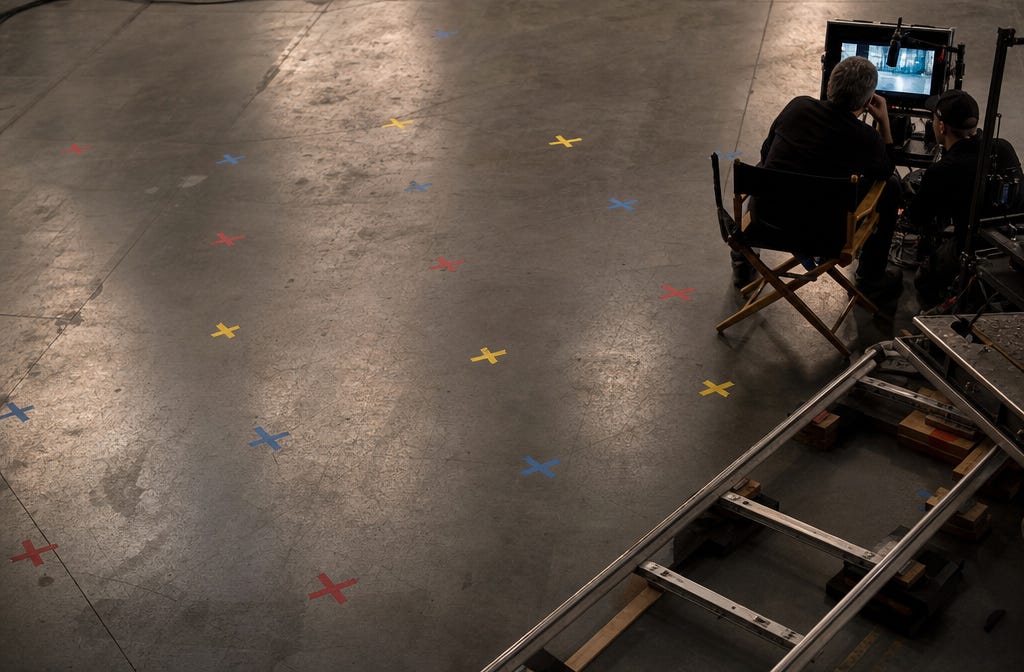
If you have never worked with marks, start learning. Tape marks on the floor exist for a reason, and stand-in work is full of them. The more consistently you can land on a mark and hold, the more valuable you become.
Be ready for the physical side
Some days are a lot of standing, holding awkward positions, working in heat or cold, and staying alert through long resets. Hydration, comfortable shoes (until wardrobe changes that), and quiet stamina are part of the skill set.
What a stand-in day looks like
Every show is different, but a typical stand-in day includes a repeating cycle: get placed on a mark, hold while departments adjust, step out when first team arrives, step back in when they need a reset. You may be asked to walk a path repeatedly so camera can rehearse movement, or to sit in a set chair while lighting fine tunes the scene.
Some days you will do very little and still be essential. Other days you will be moving constantly. In either case, your professionalism is measured in minutes: Are you nearby when called? Are you attentive? Do you keep the set running smoother than it would without you?
Pay and paperwork basics
Rates vary by production type, region, and union status. Some stand-in work is booked through background systems with an upgraded rate. Other times it is a distinct hire category. Either way, expect standard onboarding: ID verification, start paperwork, and timekeeping rules that are stricter than many people realize on their first professional set.
Rules also vary under SAG-AFTRA agreements, other union contracts, and local labor laws. Overtime, meal breaks, and penalties are tracked tightly, and classification matters. If you are unsure how you are being hired, ask respectfully whether you are booked as stand-in, photo double, or background. The label affects expectations and sometimes the pay structure.
FAQ
Do I need acting experience to be a stand-in?
Not necessarily. Stand-in work is more about precision, patience, and consistency than performance. That said, any set experience helps because you will be expected to follow quick, technical direction.
How close do I have to match the actor?
Closer than background, not always identical. Height and general build are often the dealmakers. Coloring and hair become more important when lighting is complex or the wardrobe is distinctive.
Can I be a stand-in if I am not the same ethnicity as the actor?
Productions generally try to match skin tone because it affects how light reads on camera. The closer the match, the more useful you are for lighting continuity. Exact requirements vary by the project and the specific shots being prepped.
Will I meet the principal actor?
Sometimes, briefly, especially if you are wearing wardrobe tied to their look or the actor is friendly and curious. But the job is not built around access. You are there to support the technical process, and discretion is part of the professionalism.
What should I bring to a stand-in call?
Bring comfortable, plain base layers in neutral colors if requested, plus any paperwork the production requires. Pack like a long day is possible: water, snacks, and something quiet to do while you wait, while still staying alert for calls.