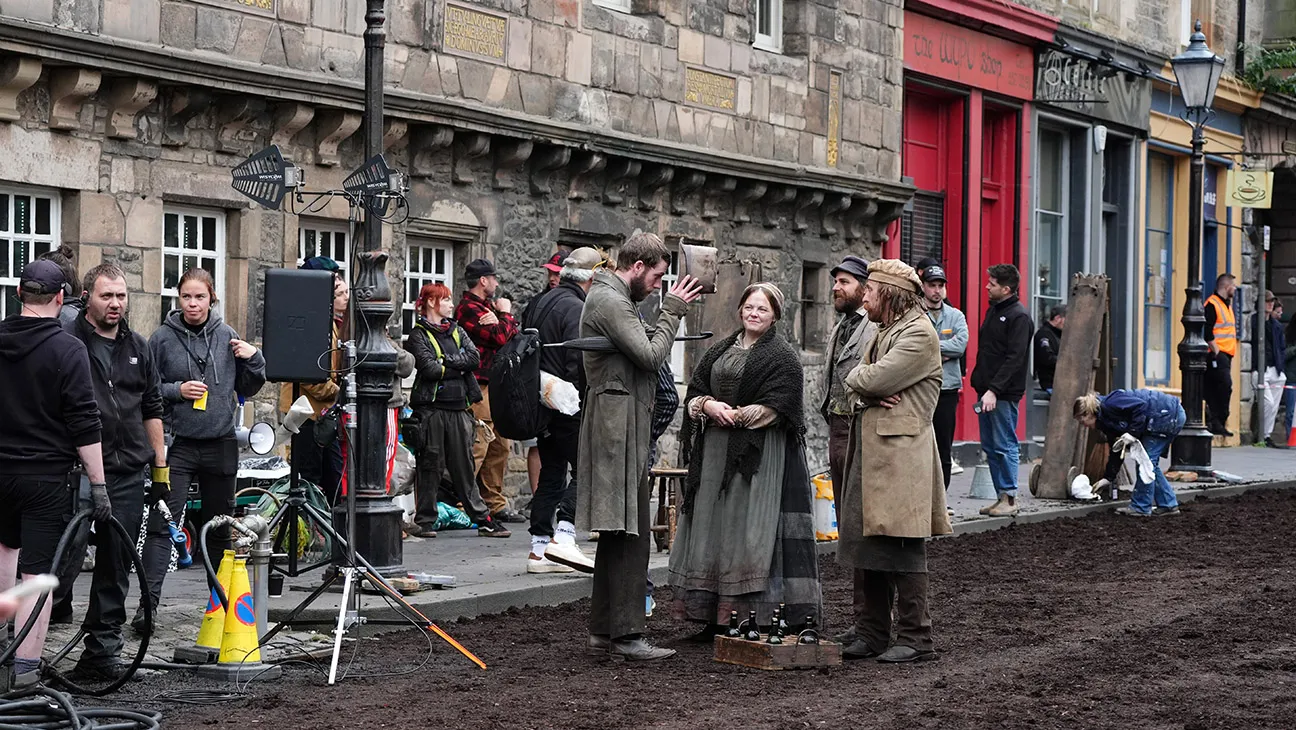
I grew up in Chicago in and around theaters where “background” was its own kind of choreography. Someone had to cross with purpose, land on a spike without looking down, and make the world feel lived in while the leads did their thing. Film and TV sets have the same ecosystem, just with more cables and a smaller margin for error. And few terms get tossed around more casually than extra, featured extra, and stand-in.
They are not interchangeable. They differ in what you do all day, who you are expected to match, and whether you are meant to be seen, remembered, or both.
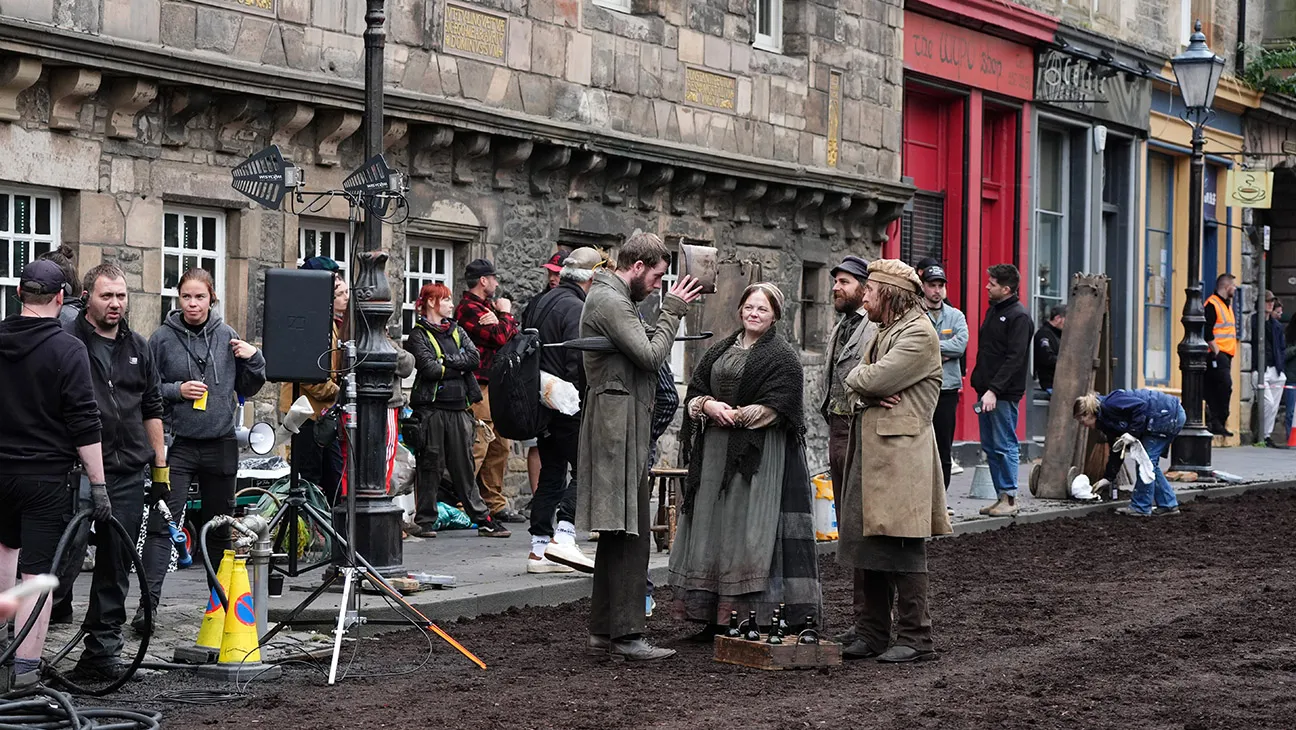
The quick definitions
Here are the three jobs in plain language, defined by what happens on a shoot day.
- Extra (background actor): Fills the environment behind the main action to make the scene feel real. You are typically non-speaking and not individually highlighted.
- Featured extra (featured background): Still non-speaking, but assigned a specific, noticeable on-camera bit or placement that the audience is more likely to register.
- Stand-in: Replaces a principal actor during lighting, camera setup, and rehearsal for focus and framing. You may not appear in the final shot at all.
Extra: building the world
An extra is there to populate the frame. On a busy day, background can be the difference between a scene that feels like a living city and one that feels like a soundstage with two actors pretending.
What an extra does
- Performs “background business”: walking, sitting, eating, browsing, commuting, reacting, dancing, and repeating that action consistently across multiple takes.
- Hits marks without stealing focus: you are part of the composition, not the focal point.
- Matches continuity: repeating the same action, hand placement, pace, and prop use so editors can cut the scene together cleanly.
- Follows direction from the AD team: background is usually managed through assistant directors and background PAs, not the director directly.
Who an extra has to match
Mostly, you match the scene, not a specific person. That means your wardrobe, grooming, and energy need to fit the setting: office workers in an office, concertgoers at a concert, hospital visitors in a hospital. If you are part of a group with a shared identity (a sports team, a wedding party, a corporate staff), you may be matched for general uniformity.
Does an extra have dialogue?
Generally, no. Background work is typically non-speaking. Even when you are close enough to camera that your lips might be visible, you may be asked to mime or speak silently so recorded dialogue remains clean and the scene stays centered on the principals.
Featured extra: a clear beat
A featured extra (often called featured background) is still a non-speaking role, but it comes with a specific, intentional piece of on-camera storytelling. Think of it as the difference between being one face in a crowd and being the person the camera uses to sell the moment.
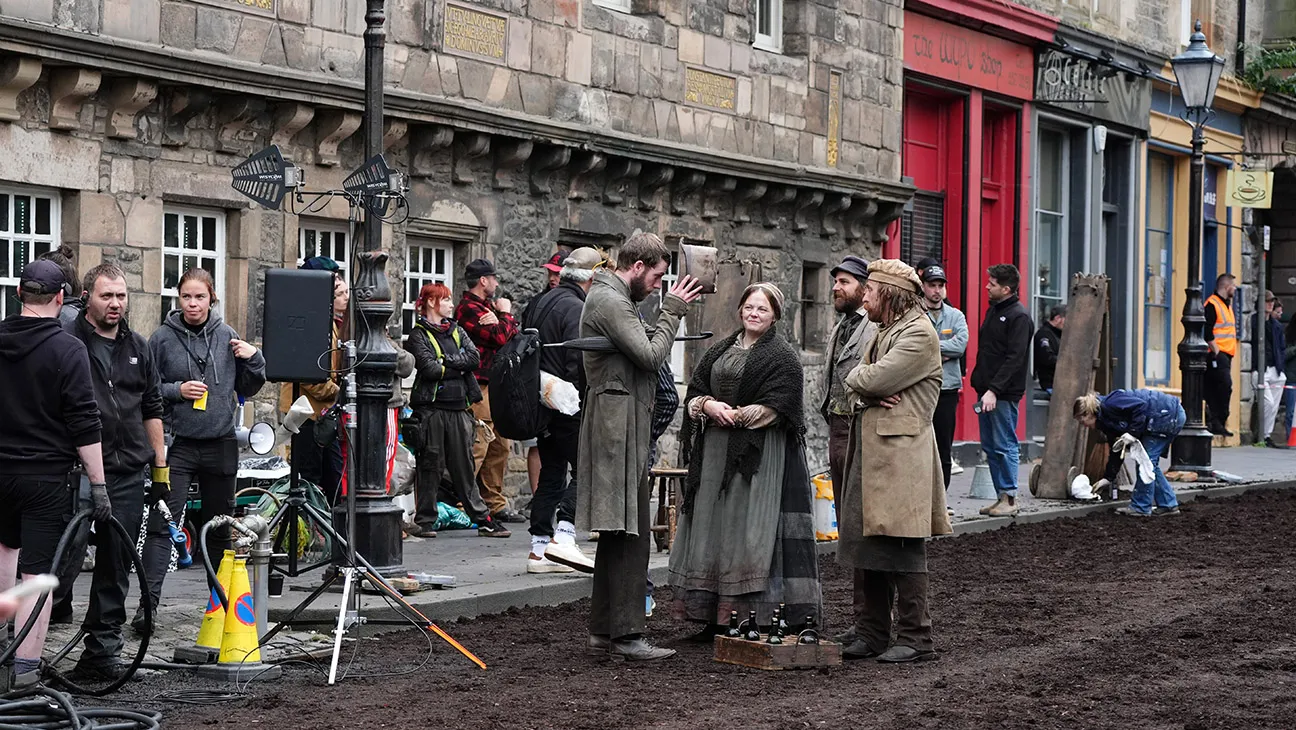
What a featured extra does
- Performs a defined silent bit: serving a drink directly to the lead, reacting in the foreground, dancing with a partner, handing over a coat, making eye contact at the perfect time, or crossing frame on a specific cue.
- Repeats precise choreography: featured background often has stricter timing and blocking than general background.
- May interact with props or set pieces in a camera-facing way: you are staged where the audience will notice.
Who a featured extra has to match
You still need to match the world, but you may also be asked to match a specific intention for the scene. Sometimes that includes matching a principal’s eyeline or movement so the shot reads correctly, even though you are not playing the principal.
Does a featured extra have dialogue?
Typically, no spoken dialogue. The key word is still background. You might be directed to mouth a word, laugh silently, or deliver a reaction that looks verbal, but it is not recorded dialogue meant to drive the story the way a speaking role does.
If a production wants you to deliver audible lines on mic, that generally moves the job out of background and into a different category of performer work, with different contracts and expectations.
Stand-in: a technical double
A stand-in is one of the most misunderstood jobs on set because it is both unglamorous and deeply important. Stand-ins are hired so the crew can light and frame scenes without needing the principal actor present for every adjustment.
The goal is efficiency and precision: dial in the shot using the stand-in, then bring in the principal when it is time to rehearse and shoot in earnest.
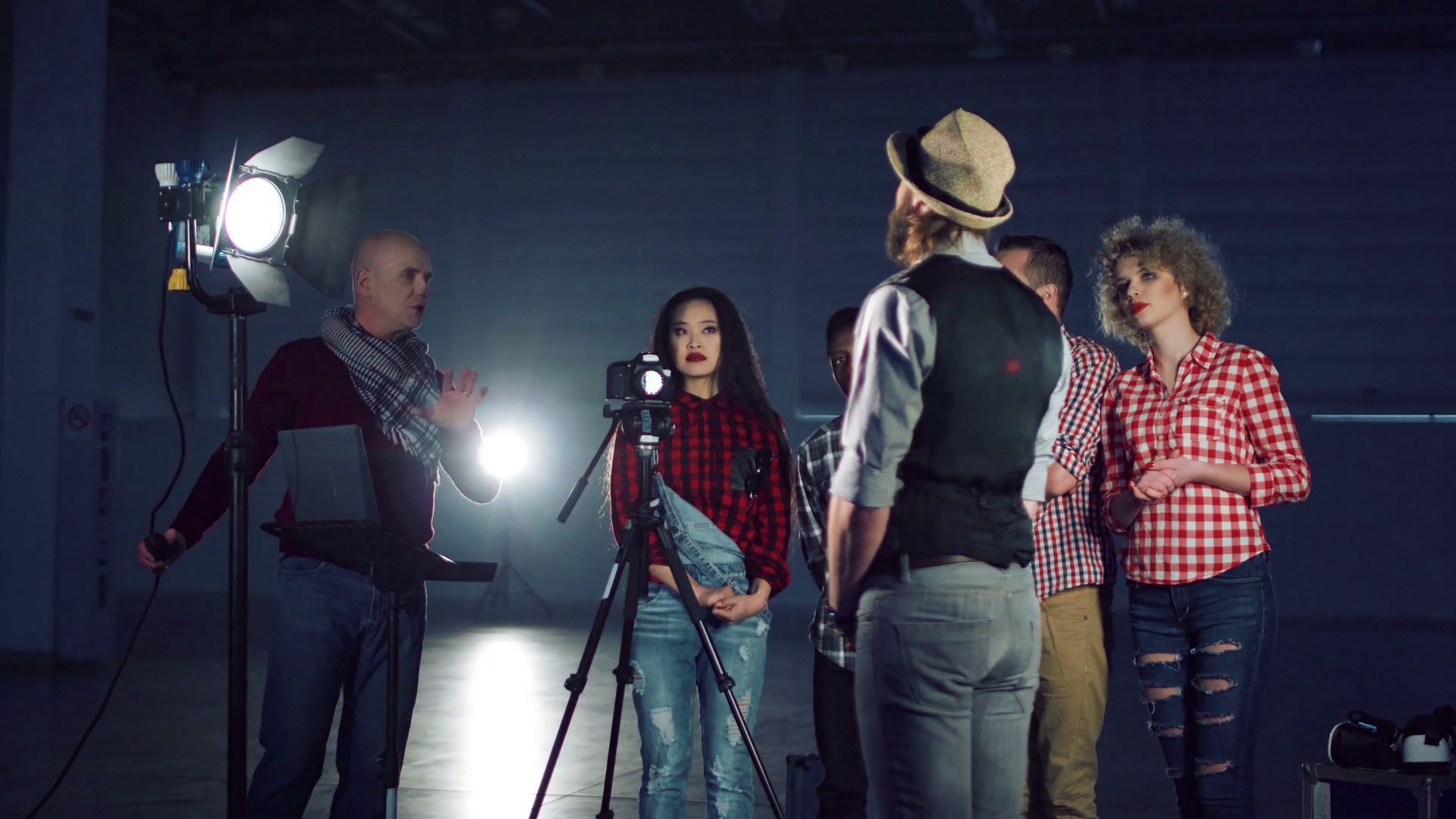
What a stand-in does
- Stands on the actor’s marks: so camera, focus, and lighting can be set for the correct position.
- Matches the actor’s posture and basic movement: sitting vs standing, leaning, turning, or crossing a short distance so the crew can test the move.
- Repeats the setup during resets: especially when lighting changes, lenses change, or the camera moves.
- Works closely with camera and lighting departments: the stand-in is often taking direction from the AD team plus the DP’s team, rather than being staged for performance.
Who a stand-in has to match
Stand-ins are expected to match the principal actor in ways that matter to the lens and the light. That usually means:
- Height (for eyelines and framing)
- Build (for wardrobe fit and silhouette)
- Skin tone and hair color (for lighting and exposure)
- Sometimes wardrobe and footwear basics (so the light behaves similarly and the blocking remains accurate)
They are not impersonating the actor emotionally. They are providing a reliable physical reference so the crew can do technical work without burning the principal’s time.
Does a stand-in have dialogue?
Almost never. Stand-ins might read along quietly for timing or to help camera cues, but the job is not to deliver recorded performance. In many cases, a stand-in will not appear on camera in the finished scene at all.
One key difference: visibility
If you want one question that clears up 90 percent of the confusion, it is this:
- Extras are meant to be seen as part of a crowd, not singled out.
- Featured extras are meant to be seen as an identifiable moment within the scene, still without dialogue.
- Stand-ins are often meant to be seen by the crew, not by the audience.
How they differ on set
Because productions use these categories differently, you will sometimes hear overlapping language. But on a typical shoot day, the distinctions below hold.
- Performance vs technical: Extras and featured extras are performing background behavior for camera. Stand-ins are supporting lighting and camera setups.
- Direction flow: Background performers usually get instructions through ADs and background coordinators. Stand-ins frequently take direct practical guidance from camera and lighting teams.
- Matching priorities: Background matches the environment and continuity. Stand-ins match a specific principal’s physicality for exposure, focus, and framing.
- Camera proximity: Featured background is often placed closer to the lens or staged with more intention. Stand-ins may be in the hot seat for long stretches, then vanish when the actor steps in.
Misconceptions
Featured extra vs supporting actor
Featured background can be more noticeable, but it is still built around silent action. The storytelling weight stays with the principal cast.
Stand-in vs body double
These terms get mixed up constantly. A stand-in is primarily for lighting and camera rehearsal. A body double is typically used to appear on camera in place of a principal for specific shots, often from behind or for inserts. Some people do both jobs on a production, but they are not the same function.
Extras do not just hang around
Even standard background requires discipline: repeating actions for continuity, hitting marks, staying quiet during takes, and maintaining the same energy over long hours. It is labor, not lingering.
FAQ
Can extras talk in a scene?
They can talk silently or pantomime conversation, but background is typically non-speaking for recorded audio. Any audible line that becomes part of the scene usually changes the role category.
Are featured extras guaranteed to be on camera?
No guarantee. Featured background is staged to be noticed, but final screen time depends on editing, camera angles used, and what the scene needs in the cut.
Do stand-ins end up in the final shot?
Sometimes, but it is not the default. A stand-in might appear in a wide shot, in a temporary setup, or in a moment where the principal is not visible, but their core purpose is to help the crew prepare for the principal’s take.
Who manages these roles?
Background performers are typically coordinated through the assistant director team and background staff. Stand-ins work in closer rhythm with the camera department and lighting department, since their job is tied to focus, exposure, and blocking.
The bottom line
Extras make the world feel real. Featured extras give that world a small, specific beat the camera can lean on. Stand-ins make it possible for the crew to craft the look of the scene efficiently, by matching a principal actor during the technical build.
All three jobs are part of the same quiet magic: the collaboration you do not notice when it is done well, and absolutely feel when it is missing.