
I have watched this exact moment play out in real time from the edges of a set: a performer who showed up as background gets quietly tapped, handed a new slip of paper, and suddenly the day feels different. Not louder, not glamorous in a red carpet way, but sharper. There is more attention, more protocol, and more paperwork. Sometimes the line is one word. Sometimes it is a full exchange. Either way, the production has crossed a line that can change how you are categorized, how you are paid, and how the day is managed.
Let’s talk about what changes after you are already booked as an extra and a speaking line lands in your lap.

A quick note before we get into it
Rules around “speaking,” pay codes, and union coverage vary by country, contract, and even payroll company. A U.S. network drama, a Canadian series, a U.K. production, and a non-union indie can all handle the same situation differently. So read this as what is common on professional sets, not universal legal advice.
When you are unsure, the most reliable move is to ask calmly who is tracking your coding and have payroll confirm it in writing.
The first change is your category
On paper, productions do not just see “extra who talks.” They see a possible shift from background to an upgraded classification, sometimes principal, sometimes an under-five type category, sometimes a day player type engagement, depending on the project and contract.
That classification is what triggers new rates, forms, and approvals. Even if the director says it casually, the production usually has to formalize it. Dialogue is not a casual accessory in film and TV. It is a contractual event.
Same-day paperwork you may be asked to sign
The surprise for many performers is that the paperwork can take longer than filming the line. A production needs documentation that matches what is being recorded, credited, and paid.
1) A new deal memo or contract change
If you were hired as non-speaking background, you likely had a background voucher or basic start paperwork. A speaking upgrade can require a new deal memo or an amended agreement that reflects:
- Your updated role classification
- The new rate of pay
- Any usage terms (especially for commercials and non-union projects)
- Credit language, if applicable
2) A revised timecard or voucher
Many sets handle changes through payroll. You may be issued a new voucher or have your existing one re-coded. This is where the “upgrade” becomes real for payroll processing. If you do not see paperwork change, you should politely flag it before wrap, because fixing it later is possible but slower.
3) Union-related forms, depending on the production
If the production is union, additional union paperwork may appear the moment you speak. The specific documents vary by contract and region, but the goal is consistent: to document that a speaking performer worked under the correct coverage.
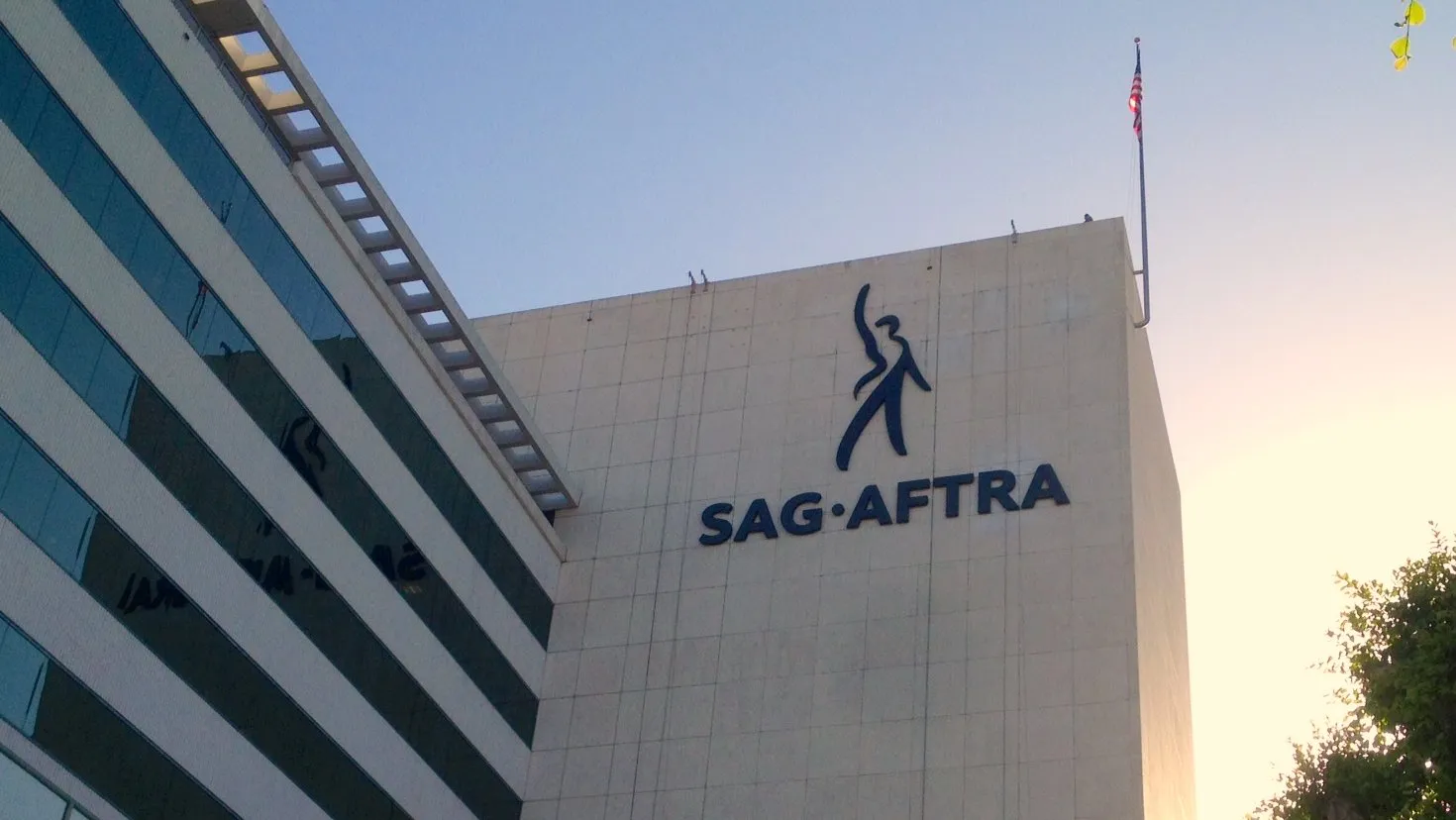
In some jurisdictions, a union signatory production can use a non-union performer in a covered role with the proper process and paperwork (for example, in the U.S., SAG-AFTRA has specific pathways). That can be handled, but it is not something you want to freestyle. Let production and payroll guide it, and do not sign anything you do not understand.
Your rate can change, but do not assume the number
This is the part everyone wants a clean number for, and I get it. But rates depend on the type of production and the contract it is working under. What is consistent is the principle: speaking work is often paid differently than background, and payroll needs to align your pay with what was shot and how it is reported.
Background pay vs. upgraded pay
Background is typically paid at a set daily rate with defined overtime rules. Once you are moved into a speaking category, you may be paid at an upgraded rate for the day. On union shows, that often means a higher base rate and different terms, but the exact category name and amount varies.
“It was only one word” can still count
If your voice is recorded as dialogue for the scene, it may qualify as speaking work, even if the line is tiny. In practice, the threshold is usually some combination of audible, intelligible, directed, and intended as dialogue, and then properly reported.
Productions sometimes avoid an upgrade by having you mouth words silently, shifting the line to an already-principal actor, or placing the dialogue off camera. That is a production decision, not a reflection of you.
Ask the right question
Instead of asking, “Do I get bumped?” try: “Just confirming payroll has me coded correctly for directed audible dialogue today. Is there anything I need to sign?” It is the same point, but it speaks production’s language.
You may be moved out of holding
One of the strangest emotional pivots is logistical: you might not sit with background anymore. That is not a snub. It is workflow.
Why production relocates you
- Wardrobe and continuity control: If you are now featured and speaking, your look becomes more trackable and more protected.
- Sound and rehearsal needs: You may need a quiet space to be mic’d, run lines, or get last-minute direction.
- Assistant director flow: Background is wrangled in groups. Upgraded performers are managed more individually. The AD team will often separate you so they can find you instantly.
- Confidentiality: Script pages and blocking notes may be more restricted for principal scenes.
Sometimes you will be moved to a different holding area. Sometimes you will be set near the stage, closer to hair, makeup, or the AD desk. The practical message is: production expects you to be available on a tighter schedule.

Your on-set status changes
Background performers do vital work, but the job is built around blending in and taking direction as a group. When you speak, the set treats you differently because the camera and sound department must treat you differently.
Expect more direct direction
You may get notes from the director, the 1st AD, or script supervisor about wording, timing, and eyelines. It can feel intense because it is precise work, not because you are being judged.
Sound becomes your new best friend
If you are given dialogue, sound may wire you with a lav mic, position a boom differently, or adjust where you stand for clean audio. This is one of the clearest signs the production is treating the moment as upgraded.
Camera may give you different rules
Background is often told “do not look at camera.” With a line, you might be assigned a specific mark, lens line, or movement that has to match shot to shot. Continuity becomes a real thing you feel in your bones.
Credit and residuals
This is where expectations can get tangled. A speaking line can change your classification and pay for the day, but it does not automatically guarantee a visible credit or future payments beyond what the applicable agreement provides.
On-screen credit
Credits are usually controlled by production, though union agreements, guild practices, and negotiated terms can influence how credit is handled. Some speaking parts are credited by character name, some are grouped, and some are uncredited even with a line. Do not take “uncredited” as a reflection of your work. It is often just bookkeeping and tradition.
Residuals and reuse
Whether you receive residuals depends on the type of project, where it airs, and the agreement under which you were hired. Union principal work often has clearer structures for residuals on certain productions, while non-union projects vary widely. If you are on a commercial, usage terms matter enormously. That is one reason paperwork changes quickly when you speak.
Union implications
If you are not a union member and you speak on a union-covered production, do not panic. This happens. The production and payroll departments know the options they can use to stay compliant, and those options are jurisdiction-specific.
What you should do is simple and very grown-up:
- Make sure your legal name and contact information are correct on all paperwork.
- Ask who to speak to in payroll if you have questions.
- Keep your copy or photo of any voucher, deal memo, or adjustment form you sign.
What you should avoid is trying to negotiate union status in the hallway while hair is waiting. That conversation belongs with the right production personnel, at the right time.
What to do in the moment
If you are given a line same-day, the adrenaline can make time feel slippery. Here is the practical checklist I wish everyone had tucked into their brain like a well-folded call sheet.
- Confirm the line is intended to be audible and intelligible. If it is “silent dialogue,” classification may not change.
- Ask who is tracking the upgrade. Usually the 2nd AD, key PA, or payroll coordinator.
- Make sure paperwork matches the change in work. New voucher, amended deal memo, or payroll re-code.
- Get clear on where you should wait. If you are moved out of holding, it is so they can find you quickly.
- Document the moment for yourself. Note the scene number (if you have it), roughly what time it happened, and who gave the instruction. This can help if payroll needs to fix something later.
- Take a photo of your paperwork. Quietly, after you sign, and only of your own documents.
- Do the job with simplicity. Hit your mark, say the line, and keep your energy steady through resets.
FAQ
If I improvise a line, do I get upgraded?
Not automatically. Improvising dialogue without permission can create problems for the production, especially on union shows. If a director invites it and it is recorded and used, production still has to decide how to classify and pay it. The safest path is to speak only when directed.
Can production cut the audio later to avoid paying a speaking rate?
They can choose not to use the recorded dialogue, and they can replace or soften dialogue in post. But in many cases, if you were directed to deliver audible dialogue on set, there is still an obligation to code and pay you correctly under the applicable terms. If you believe you were misclassified, payroll (and the union, if applicable) is the correct channel to address it.
What about ADR or looping?
Sometimes a line you spoke on set is replaced later with ADR or a different voice entirely. That does not change what you were directed to do on the day. The practical moment to raise coding is still when you are instructed to deliver audible dialogue on mic.
Why did they mic me if I am still being called background?
Sometimes productions mic a performer for a reaction, a shouted group moment, or coverage that may or may not end up as clear dialogue. The moment you are instructed to deliver identifiable scripted or directed dialogue, it is worth confirming how you are being coded.
Will I still be treated like background socially?
Set culture varies, and real stratification exists on some crews. But the professional norm is respectful distance, not social theater. If you are moved to a different holding area, it is usually because your schedule and responsibilities changed, not because you crossed into a different social club.
The bigger truth
A speaking line can feel like a trapdoor opens under your feet and you land in a different part of the industry. And in some ways, you do. But the change is not just about money or status. It is about accountability: for sound, continuity, contracts, and the story itself.
If you get that tap on the shoulder, take the moment seriously, ask the calm paperwork questions, and then do what performers have always done best. Tell the story. Even if it is only one line.