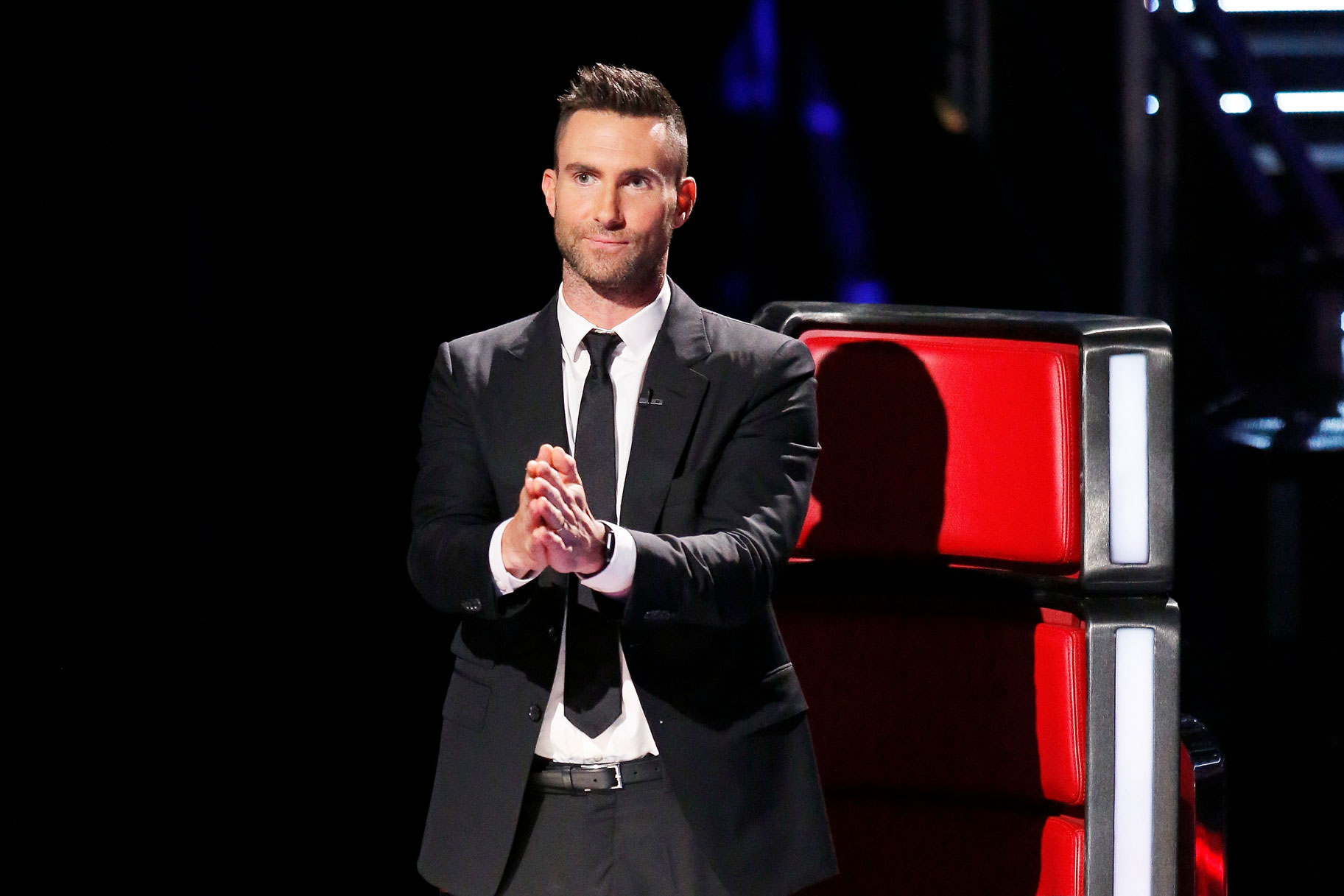
Adam Levine’s name is orbiting The Voice again, but not for the reason the internet usually expects. The current spark is less about Levine himself and more about what he represents on this show: a longtime star coach whose taste and instincts still get treated like a measuring stick when fans relitigate old calls.
This time, the catalyst is a quote from country singer Riley Green, who took a playful swing at Levine over a very specific Voice decision connected to Morgan Wallen. Fold in the franchise’s forever side conversations about which coaches have the best “eye” and you have the kind of low-stakes music TV subplot that keeps rolling between seasons.
What Riley Green said
Green called Levine a “dumb idiot” while joking about Morgan Wallen’s early The Voice days, a line that landed less like a real insult and more like musician-on-musician ribbing.
Context matters here: Green made the comment on the Bussin’ With The Boys podcast, and the moment later traveled in short clips that spread faster than the full conversation. In the segment, he is talking about Wallen’s pre-superstar era and using Levine as the punchline for the kind of hindsight every talent show eventually invites.
The point was simple: in hindsight, Wallen turning into one of country music’s biggest commercial stars makes any coach decision that did not maximize him look ridiculous.
That is why the quote travels. It is specific, it is harmless, and it taps into the audience’s favorite kind of reality TV hindsight: the “how did you let that person go?” debate.

The Wallen timeline
For the joke to land, you need the actual timeline. Morgan Wallen appeared on The Voice Season 6 in 2014. He started on Team Usher, was later stolen by Adam Levine, and was ultimately eliminated in the Playoffs.
That last detail is the whole reason this stays sticky. This was not a split-second chair instinct in the Blinds. This was a later-round roster decision after the show had spent time positioning him, shaping him, and deciding where he fit.
Levine as a benchmark
Here’s the durable piece of this moment: Adam Levine functions as a benchmark.
On The Voice, coaches are not just celebrities. They become characters with reputations built from patterns: who gambles on weird voices, who plays the genre game, who wins battles and loses artists, and who gets tagged with a “how did you miss that?” story when an eliminated contestant later becomes undeniable.
So even in seasons where Levine is not in a chair, his Voice identity keeps doing work. A quip like Green’s does not just roast one musician. It nudges the question fans always come back to: how often do coaches misread the long game, and what does that say about the show’s premise?
Why later cuts sting
The Blind Auditions are built for clean, replayable moments. The Wallen story lives later, where a coach has had time to coach, compare, and map an artist to a lane the show can sell.
That is why jokes about later-round cuts stick. If nobody turns a chair, it is a reflex. If a coach keeps you through a steal, spends time with you, then drops you at a roster-cut stage like the Playoffs, it feels like a more complete evaluation that aged badly in public.
What it says now
One quietly refreshing element here is what is not driving the attention. This is not a messy personal headline. It is a craft-based argument that still feels fun: how coaches evaluate potential, how they prioritize genre fit, and how often the show’s short-term incentives collide with an artist’s long-term trajectory.
Green’s comment works because it frames the whole thing the way musicians and serious fans often see it: not as a courtroom, but as a game with real stakes for artists and real consequences for a coach’s credibility.
Quick FAQ
Is this tied to a new Adam Levine scandal?
No. The current wave is tied to The Voice chatter: Riley Green’s joke about Levine on Bussin’ With The Boys and the evergreen debate about coaching judgment.
Who was the artist Green referenced?
Morgan Wallen.
Was this about a chair not turning?
No. Wallen made it onto the show in Season 6, started with Usher, was later stolen by Levine, and went out in the Playoffs.
The cleanest way to follow this micro-drama is to stick to what actually matters: contestant quality and decision-making under pressure. The best Voice seasons are the ones where the coaching theatrics stay secondary to the thrill of hearing someone step up to a microphone and, for two minutes, change the room.