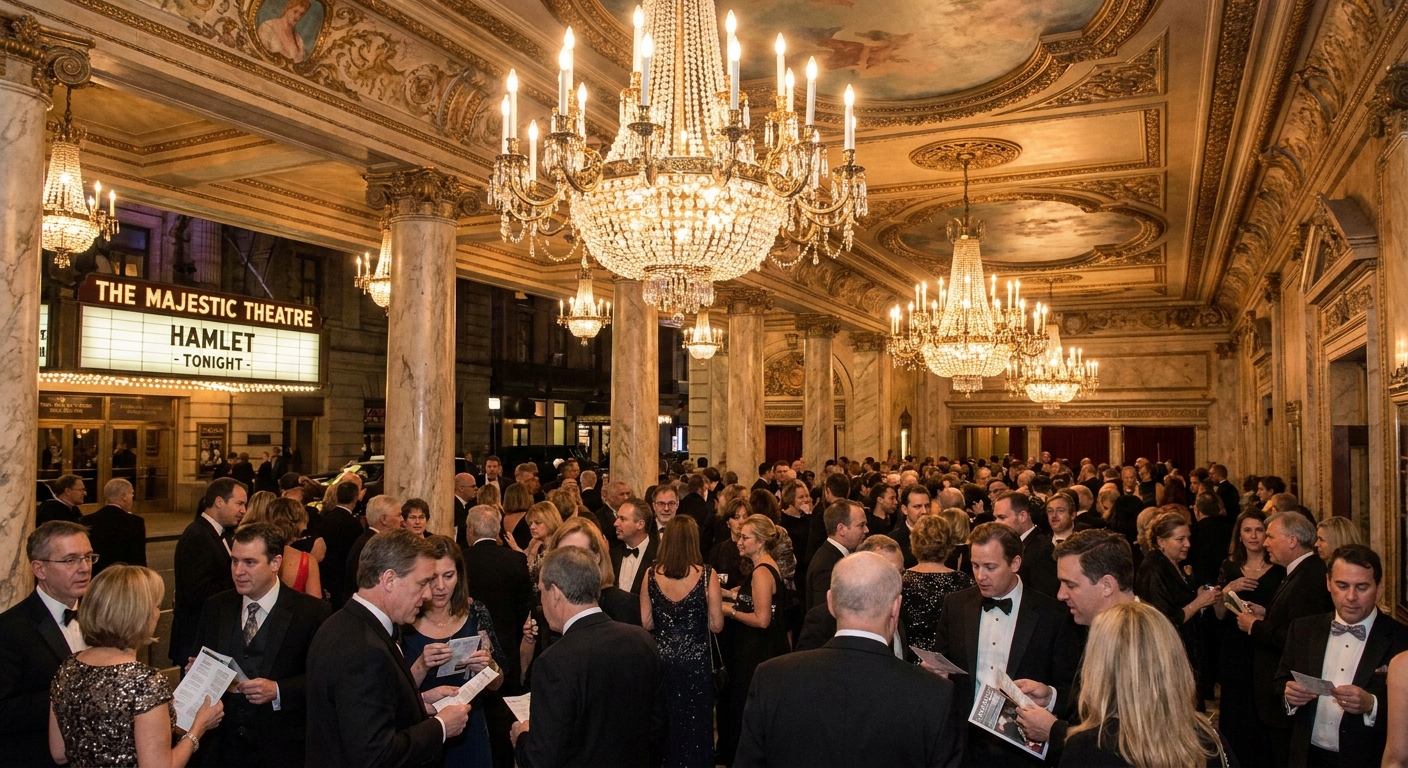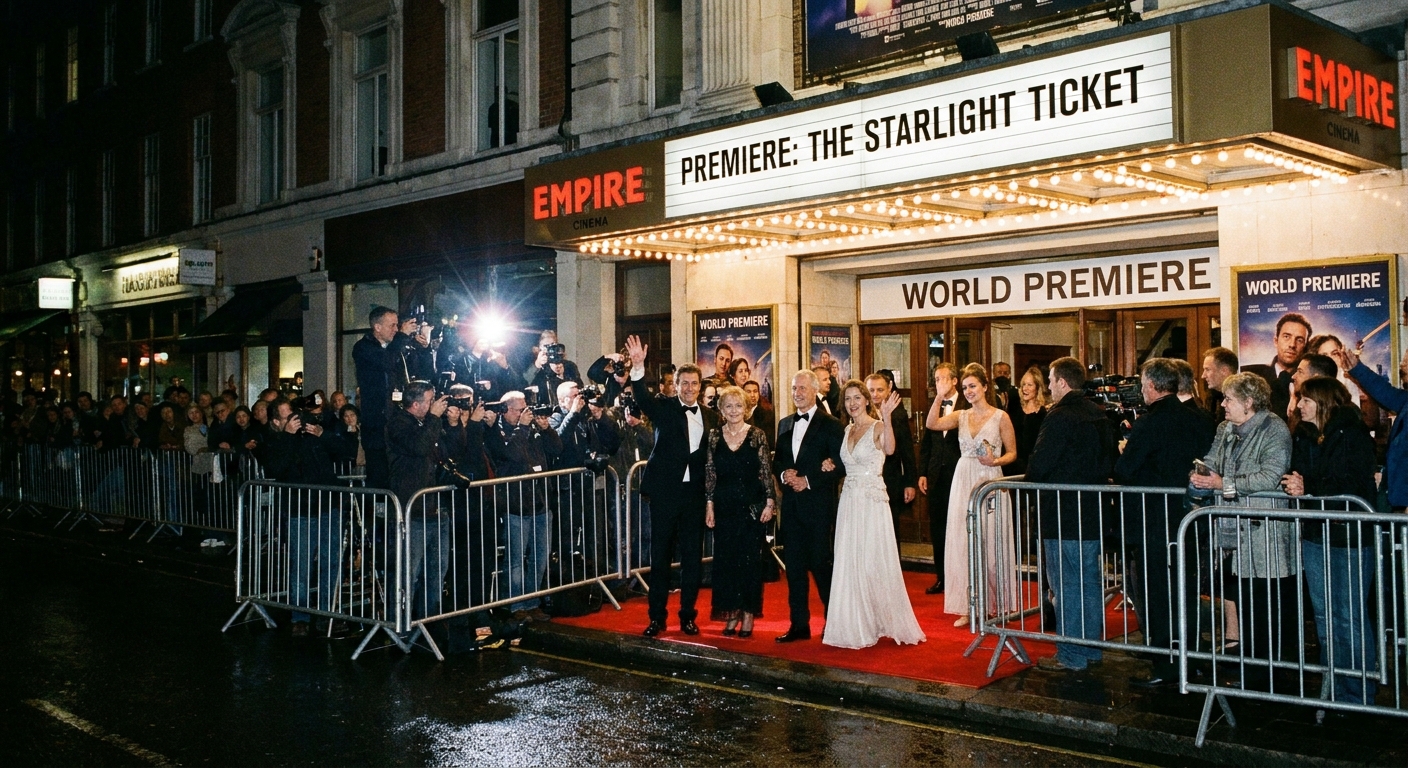
There is a particular thrill to watching television become television. The jokes land twice, once in the room and again in your memory when you see the edited cut. The applause has a job to do. Even the awkward pauses feel choreographed. If you have ever wondered how people end up in those perfectly lit audience shots, the answer is less glamorous than you think and more fun than you expect.
Here is the full, practical run of show for attending a TV taping: how to get tickets, what “guaranteed” really means, how early to arrive, what you can bring, and the unspoken etiquette that keeps you from becoming a cautionary tale told by an audience coordinator.
First, know what you are attending
Not all “live TV” experiences are actually live, and the difference affects everything from call time to how often you stand up and clap.
- Live broadcast: The show airs in real time. Expect tighter timing, stricter late policies, and fewer pauses once the clock starts.
- Live-to-tape: Shot in front of an audience, recorded “as if live,” then edited before airing. This is common for talk shows, comedy, and competition formats.
- Single-camera comedies (and occasional special shoots): Most single-cam series do not use a traditional studio audience, but some invite audiences for select scenes, a finale, or a special episode. If you do attend one, the schedule can be long and stop-and-start by design.
- Reality and game shows: Often recorded in chunks. Audience energy is part of the production, which means you will be coached, and you may repeat reactions.
The biggest mindset shift: you are not only watching a show. You are part of the sound and rhythm the show needs.
How to get tickets (and what to avoid)
Start with the show’s official ticket link
Many programs route audiences through an official partner, a studio audience department, or a network page. Those sources will spell out age limits, accessibility options, bag policies, and whether seating is first-come, first-served or assigned.
Use reputable audience services
In major production hubs like Los Angeles and New York, third-party audience coordinators regularly distribute free tickets. These services are legitimate when they clearly identify the production, the studio location, and the rules. Read the fine print before you request anything.
Be skeptical of anyone selling “free” tickets
Most TV taping tickets are free. If you see resale listings, “VIP upgrades” from unofficial accounts, or requests for payment to “hold” a spot, treat it like a scam until proven otherwise. There are exceptions for special charity events or fundraisers, but those will be explicitly labeled and traceable to the show or venue.
Request more than one date if possible
Shows cancel, reschedule, or change call times for production reasons. If you have flexibility, put in for multiple taping dates and confirm travel plans only once you receive a final confirmation email.
Ticket types: priority, standby, guaranteed
Ticket language varies by production, but these terms come up constantly.
- Priority (or general admission): You have a spot in line, not always a seat. Entry can still depend on capacity and arrival time.
- Standby: You are essentially waiting for no-shows. Some standby lines move quickly. Others do not move at all.
- Guaranteed entry: Typically means you will be admitted if you arrive and check in by the stated window. It does not always mean you have an assigned seat.
- Assigned seat: You have a specific seat (or section) reserved. Even then, if you miss check-in windows or arrive after doors close, an assigned seat will not save you.
Many tapings overbook or hold back seats because they would rather have a full audience than a camera-facing pocket of empty chairs. Your best leverage is simple: arrive early and follow instructions precisely.
Before you go: treat the email like a playbill
If you do nothing else, read your confirmation email like I read a playbill before the curtain. Read it closely, then read it again.
Look for:
- Exact address and studio lot instructions (some lots have multiple gates)
- Check-in window and door close time
- ID requirements (name must match the reservation)
- Age minimum and whether minors need a guardian
- Bag policy and prohibited items
- Phone and camera rules
- Wardrobe guidance (colors, logos, reflective fabrics)
- Accessibility info and how to request accommodations
If anything is unclear, contact the audience office before the day of the taping. Day-of is when everyone is busy, and confusion is rarely rewarded.
Arrival timing: early is a strategy
Most tapings operate on controlled chaos: there is a line, a check-in list, a security flow, and a seating plan that can change if a guest runs late or a segment is rewritten. Your goal is to remove yourself as a variable.
Timing rules that usually help
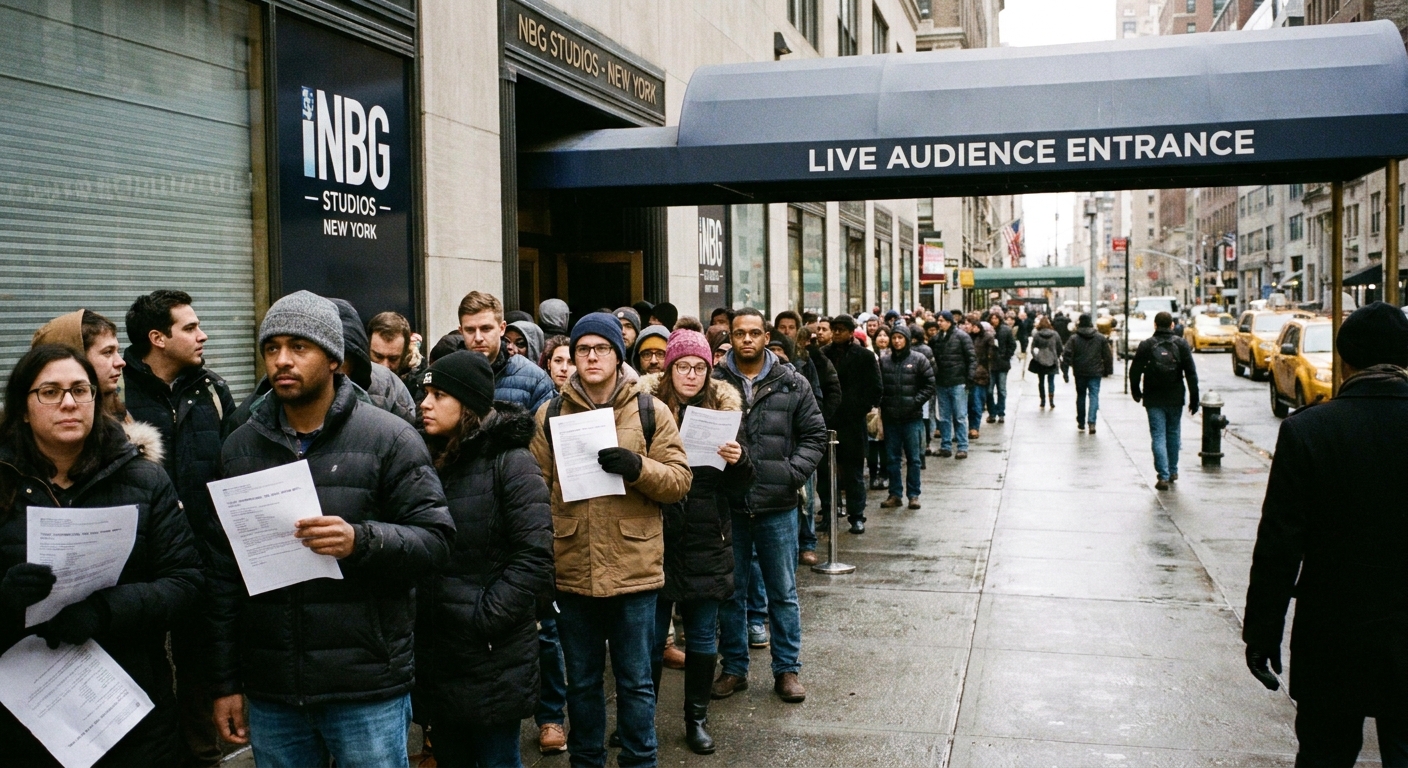
- Priority tickets: arrive 60 to 120 minutes early.
- Standby: arrive 2 to 4 hours early, sometimes more for buzzy shows.
- Assigned seating or guaranteed entry: still arrive at least 45 to 60 minutes early because check-in and security can bottleneck.
Two caveats that matter: shows vary, and your confirmation email overrides everything. Also budget time for parking, walking across a studio lot, and a bathroom stop. Once you are seated, leaving can be difficult or impossible until breaks.
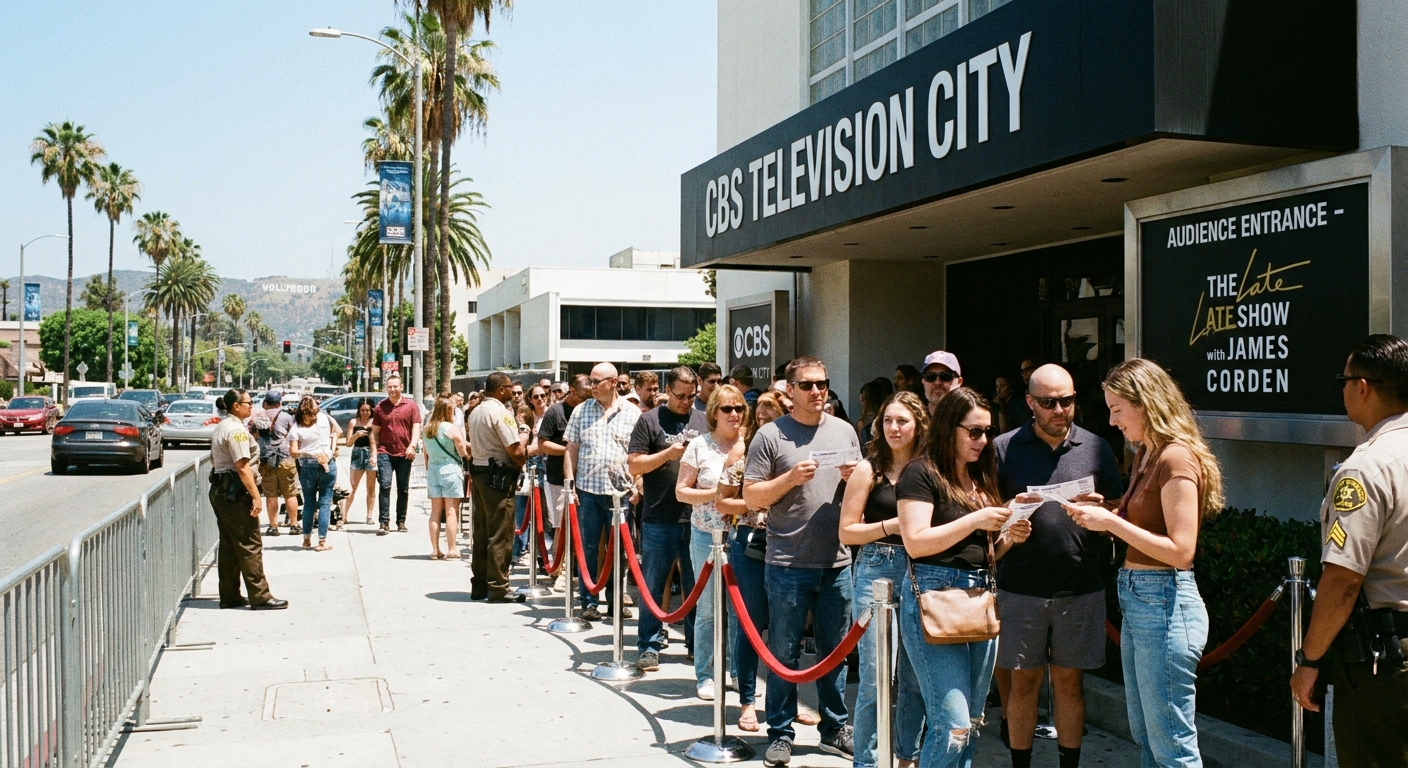
If you are waiting outdoors, plan for sun or rain. You can bring a hat for the line, then tuck it away before you go inside if the show blocks hats for sightlines.
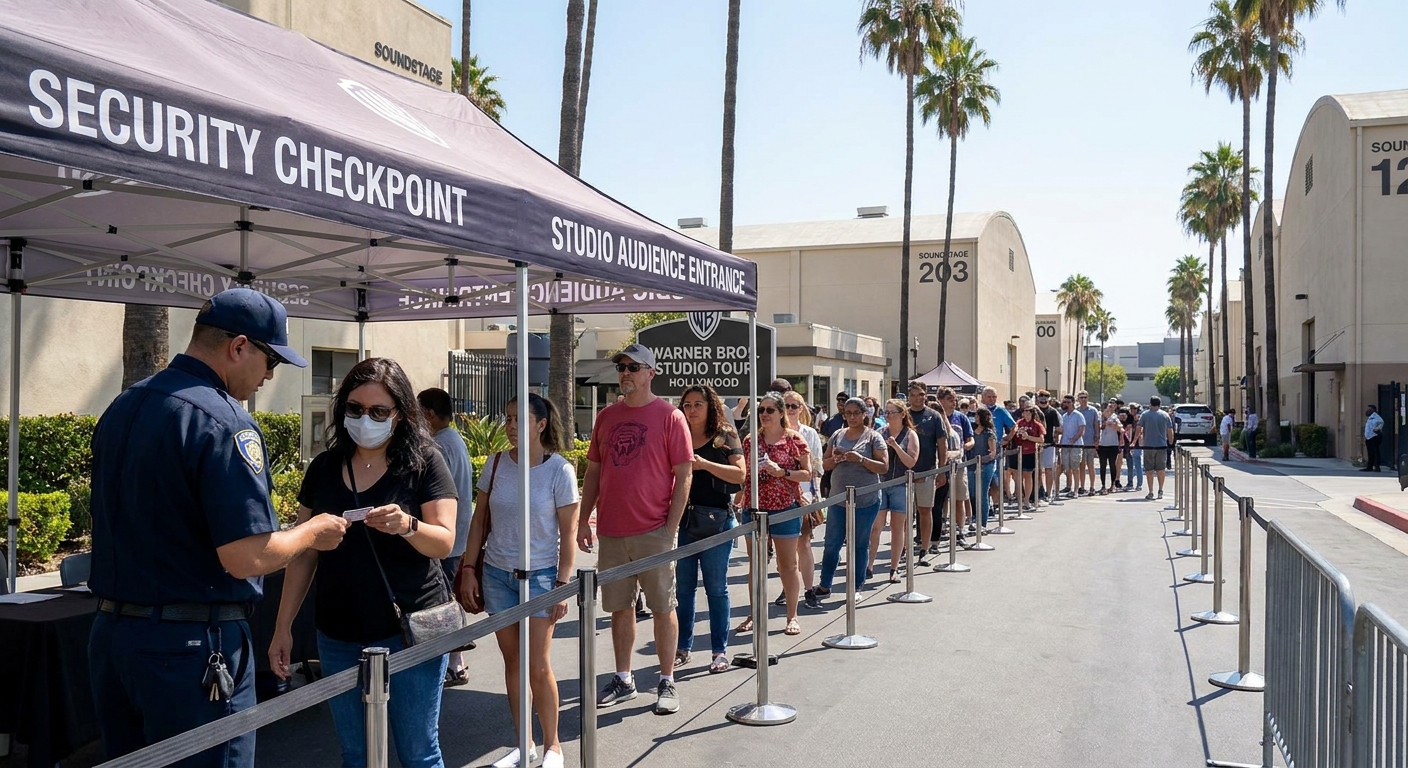
Check-in and security
Check-in usually follows a predictable order.
- ID check: Expect to show a government-issued photo ID. The name must match the reservation.
- Ticket verification: You may present a QR code, email, or printed confirmation.
- Security screening: Bag check and sometimes a walk-through metal detector or wand. Large bags can be refused.
- Waivers and releases: Many productions require you to sign a release acknowledging you may appear on camera and agreeing to audience conduct rules.
- Holding area: You may wait indoors or outdoors until it is time to seat the audience.
Pro tip: bring as little as you can. Tapings are not designed for coats, shopping bags, or day-trip gear, and “we cannot store that for you” is a common refrain.
One more thing staff rarely negotiates: visible intoxication. If you show up drunk or disruptive, you can be denied entry, even with a confirmation.
What to wear (and what not to)
TV audiences are part of the show’s visual texture. Wardrobe requests are not about being picky. They are about how cameras interpret patterns, colors, and shine.
Generally safe choices
- Solid, mid-tone colors (jewel tones photograph beautifully)
- Business casual to smart casual, depending on the show’s vibe
- Comfortable shoes you can sit in for a long time
Common “please do not” items
- Small patterns like tight stripes, checks, or herringbone (can cause a shimmering moiré effect on camera)
- Bright white or neon (can blow out under studio lights)
- Heavy logos or branded slogans (clearance issues)
- Reflective jewelry or sequins that can throw light
- Hats (often blocked for sightline reasons)
If you are unsure, aim for “nice dinner with friends,” then remove anything that screams ad campaign.
Phone rules and the no-photo reality
The strictest rule at many tapings is also the simplest: on the studio floor, expect no photos and no video, and sometimes no phone use at all once you are seated.
Here is why: sets are protected, unreleased material is valuable, and a sea of glowing screens ruins the camera-facing illusion of an engaged audience.
What to expect
- You may be asked to power off your phone, not just silence it.
- Some productions use phone pouches or sealed bags that stay with you but cannot be opened until you exit.
- Smartwatches may need to be silenced, and camera-enabled devices can be restricted.
- If you are caught filming where it is not allowed, you can be removed immediately.
Plan for being unreachable for several hours. If someone needs to know where you are, tell them before you enter. Old-school, I know. Also extremely freeing.
Lines and holding rooms
Waiting is part of the experience. Even a smooth taping involves pauses, resets, and shuffling groups between spaces.
Bring the right small comforts
- A fully charged phone, plus a small battery pack if allowed
- A light snack for pre-check-in waiting, if permitted
- Water, if permitted, especially if you are outside
- A sweater or light layer. Studios can run cold
Do not bring
- Large bags or backpacks if you can avoid them
- Noisy packaging, crinkly snacks, or anything messy
- Props or signs unless explicitly requested by the show
Food and drink rules can be surprisingly strict once you are inside. Some studios prohibit outside food altogether, and others allow only sealed water. When in doubt, follow the email, not your cravings.
In holding rooms, you will often get a quick briefing on audience behavior, plus reminders about phones and exits. Listen. These instructions are how you keep your seat.
Once you are seated
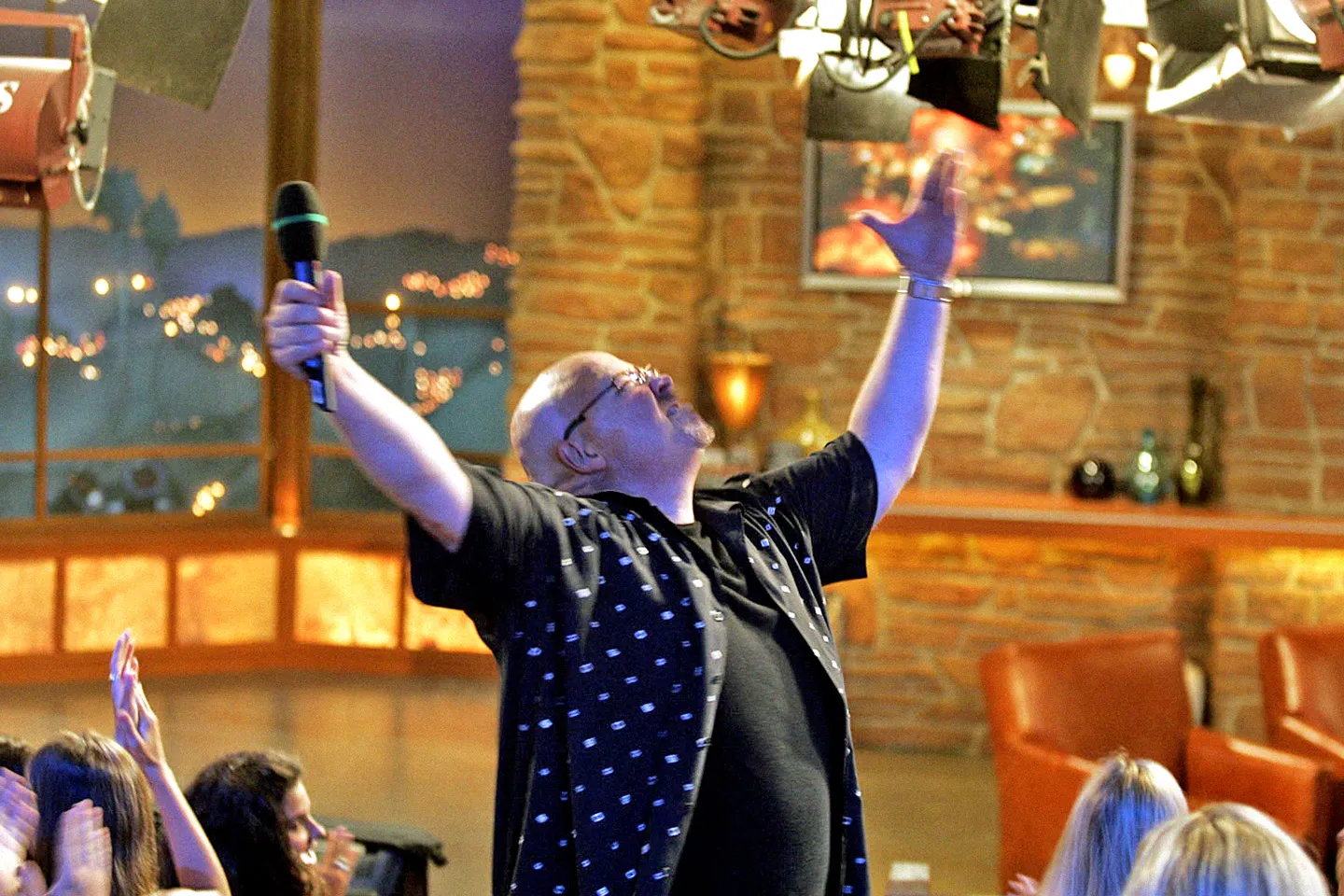
A live audience is a performance partner. Before cameras roll, an audience coordinator or warm-up comic will calibrate the room. You will practice applause. You will practice cheering. Occasionally you will practice being quiet.
Common cues
- Applause signs: Sometimes literal signs, sometimes hand signals from staff.
- Stand and clap: You may be asked to rise for entrances, musical guests, or big segment transitions.
- Pickups: If a line is flubbed or a camera move needs repeating, you might redo a reaction.
It can feel a bit like theater tech rehearsal meets a pep rally. The best audience members lean in, follow cues, and understand that the rhythm you feel in the room may not be the rhythm that ends up on television.
What differs from what you see on TV
Even when a show is “live,” the audience experience includes a lot that never makes it to air.
- Stops and starts: Lighting tweaks, camera resets, and set changes can create long pauses.
- Segment reshuffles: If a guest arrives late or a technical element fails, the order may change.
- Multiple takes: Especially for comedy, game shows, and live-to-tape formats, producers may redo an intro or a beat that did not land.
- Time distortion: A tight 22-minute multi-camera sitcom episode can take hours to record.
- Edited audience sound: Your applause is real, but it may be sweetened, extended, or trimmed in post.
None of this is “fake.” It is craft. Television is built, beat by beat, and you are seeing the scaffolding.
Audience rules that matter
Every production has its own list, but these are the rules that tend to be non-negotiable.
- No spoilers: If you see an ending, a twist, or an unreleased guest, keep it off social media until it airs. Some tapings occasionally require formal nondisclosure agreements.
- Stay seated unless instructed: Wandering is a safety issue around cables, cameras, and moving rigs.
- Bathroom policy is real: You may be asked to wait for breaks. Use the restroom right before you are seated.
- Be respectfully enthusiastic: Loud heckling or attention-seeking can get you removed. Responsive laughter and applause is welcome. Main-character energy is not.
- Follow wardrobe notes: If staff asks you to remove a hat or flip a jacket inside out to hide a logo, they are not being precious. They are saving the shot.
If you do get corrected by staff, take it with grace. Their job is to protect the production. Your job is to have a great time without becoming a production problem.
Accessibility and seating
Many studios can accommodate mobility devices and other accessibility needs, but arrangements work best when made ahead of time.
- Look for an accessibility or accommodations contact in your confirmation email.
- Arrive early enough to handle a slower, quieter entry route.
- If you are pregnant, managing chronic pain, or cannot stand for long, mention it to staff at check-in. Some shows can place you in seating that minimizes repeated stand cues.
Studios vary, and not every space is equally comfortable, but staff would much rather plan for your needs than troubleshoot mid-taping.
Photos on set and meeting talent
Sometimes, but do not count on it. The audience experience is usually tightly scheduled, and talent routines are designed to protect performance focus. A host might greet the crowd, a guest might wave, and occasionally there is a brief post-show moment. More often, you will exit the way you entered, with staff guiding the flow.
If the production offers an official photo moment, it will be clearly announced and controlled. If it is not announced, assume it is not allowed.
Day-of checklist
- Government-issued photo ID
- Ticket confirmation and any required QR codes
- Comfortable, camera-friendly outfit (no busy patterns, minimal logos)
- Light layer for cold studios
- Small essentials only, in an approved bag
- Phone fully charged, with the expectation you may not use it
- Money or a card for parking, transit, and a nearby coffee while you wait
- Time buffer for lines, traffic, and security
FAQ
Are TV taping tickets really free?
Most are. Some special events, fundraisers, or premium experiences may charge, but typical studio audiences are filled through free ticketing and audience services. You will still want to budget for parking, transit, or rideshares.
What happens if I arrive late?
Many tapings will not seat late arrivals once the audience is placed, especially if camera blocking has started. If doors close, you can lose your spot even with a confirmation.
How long does a taping take?
It depends on format. A talk show might run a few hours including check-in and warm-up. Sitcoms, competition shows, and special episodes can stretch longer, especially with resets.
Will I definitely be on camera?
No. Cameras prioritize angles that serve the show. Even if you are visible in the room, your face may not appear in the final cut.
Can I bring kids?
Only if the show allows it. Many tapings are 16+ or 18+ due to content, schedules, and labor rules. Always follow the listed age minimum.
The best way to enjoy it
Go in with two expectations: you will wait, and you will be part of the machinery. Once you accept those, the rest feels like backstage access to a medium most of us only experience through a screen. You get to watch craft in motion: timing, lighting, sound, and an entire crew quietly making sure the magic looks effortless.
And when the host says, “We’re back in three, two,” and the room snaps to attention, you will understand why people line up for this. It is not just watching TV. It is helping make it.