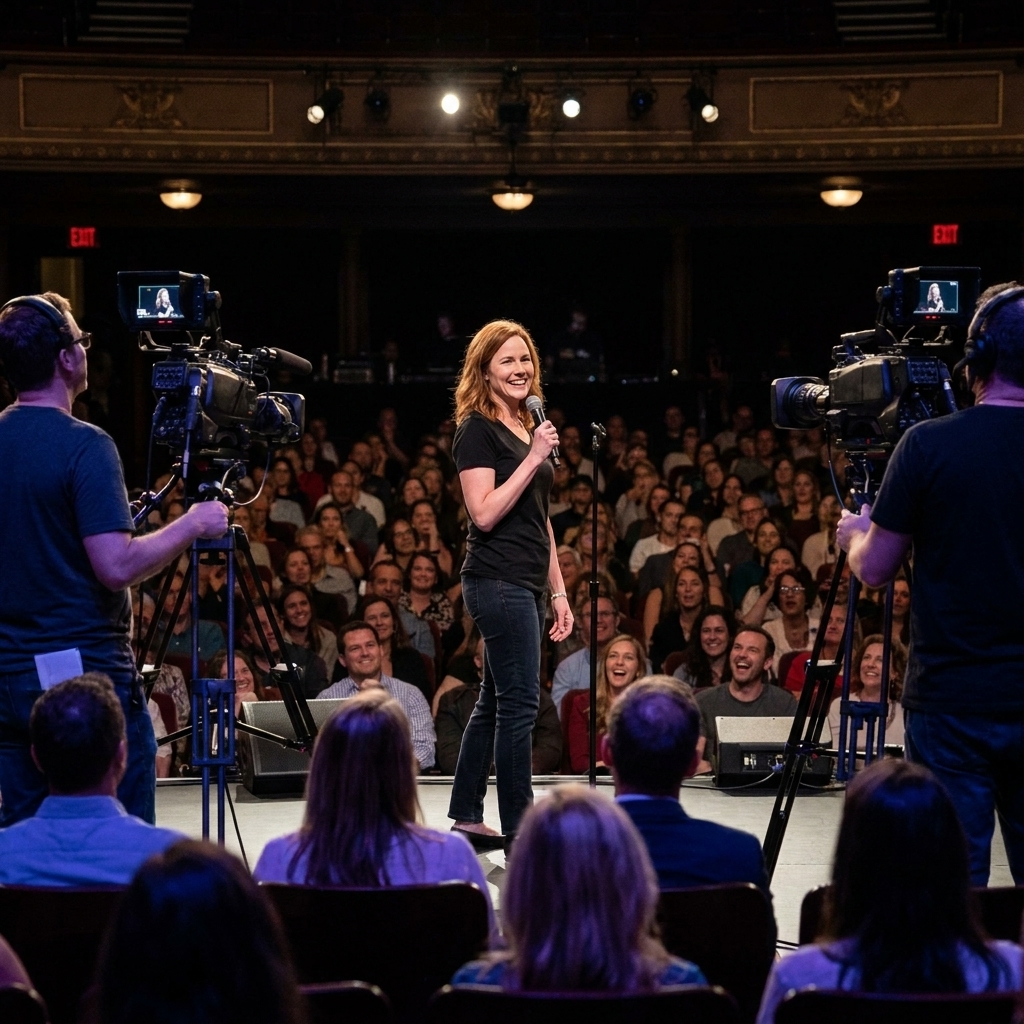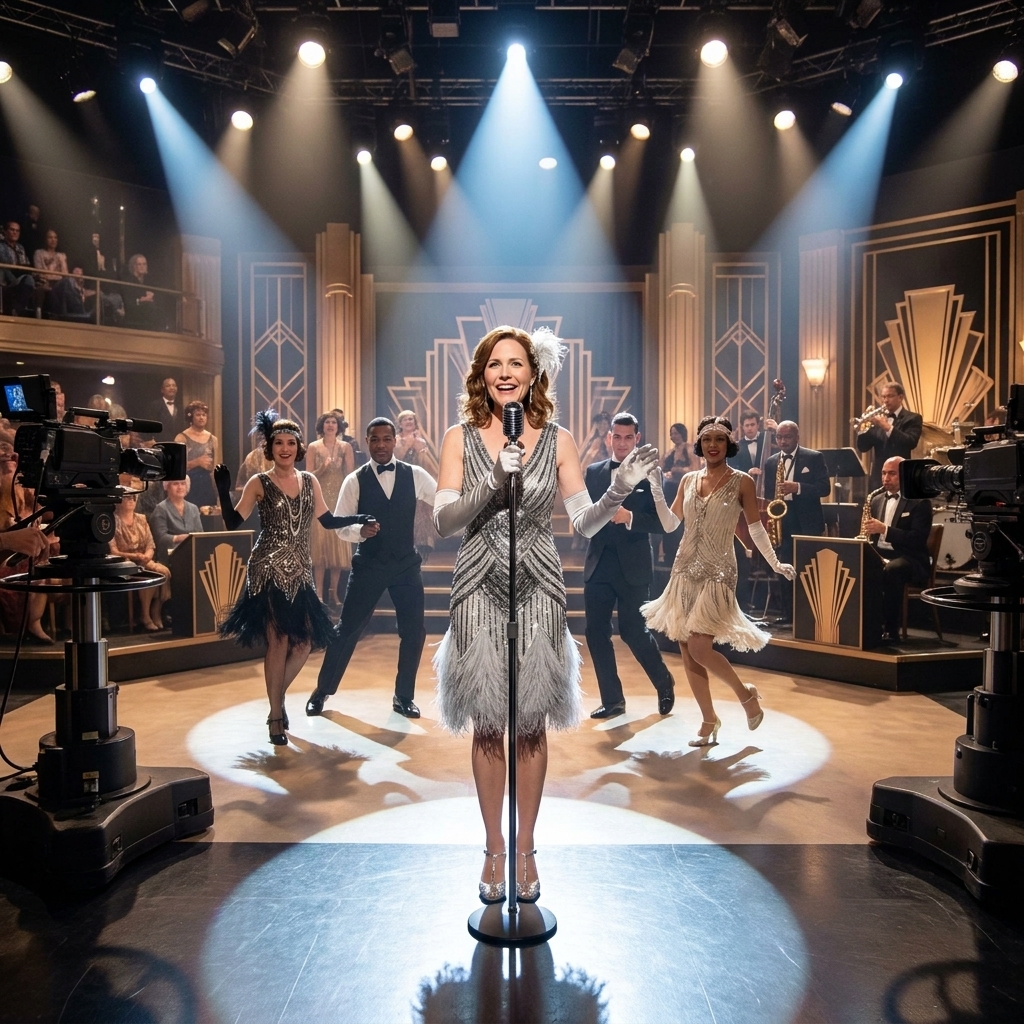
There are two kinds of TV fans: the ones who stop at the opening credits, and the ones who sit up straighter when they hear the words live from… If you are in the second camp, you already know that a broadcasting studio is its own kind of theater. The audience is the crew, the props are cables and cue cards, and the drama lives in the countdown.
Below are seven notable television studio experiences in North America. Some are true, ticketed studio tours. Others are the next best thing: audience tapings or limited public programs that can still get you close to the machinery of TV. Either way, they scratch that very specific itch: How does the magic actually happen?
Note: This list leans heavily toward NYC and LA, with one Canadian stop, because those cities have the most consistent public-facing options. Studio routes and access can change with production schedules, but each entry reflects the current, typical experience you can plan around.
Before you book
- Know what you are buying. A “studio experience” can mean a paid tour, a free audience ticket, or a special event. Read the fine print before you plan a trip around it.
- Know what you will actually see. Many visits are primarily history, exhibits, backlot streets, or soundstage exteriors. Active sets, control rooms, and show-specific spaces are rarely guaranteed.
- Availability shifts fast. Broadcasting schedules, special events, and seasonal programming can affect access, routes, or dates.
- Arrive early. Security and check-in are part of the experience at many studio lots, especially in New York and Los Angeles.
- Bring your quiet awe. Many experiences pass active workspaces. Photos and video rules can be strict.
- Accessibility varies. If you need step-free routes or ASL accommodations, check the tour’s accessibility info before purchasing.
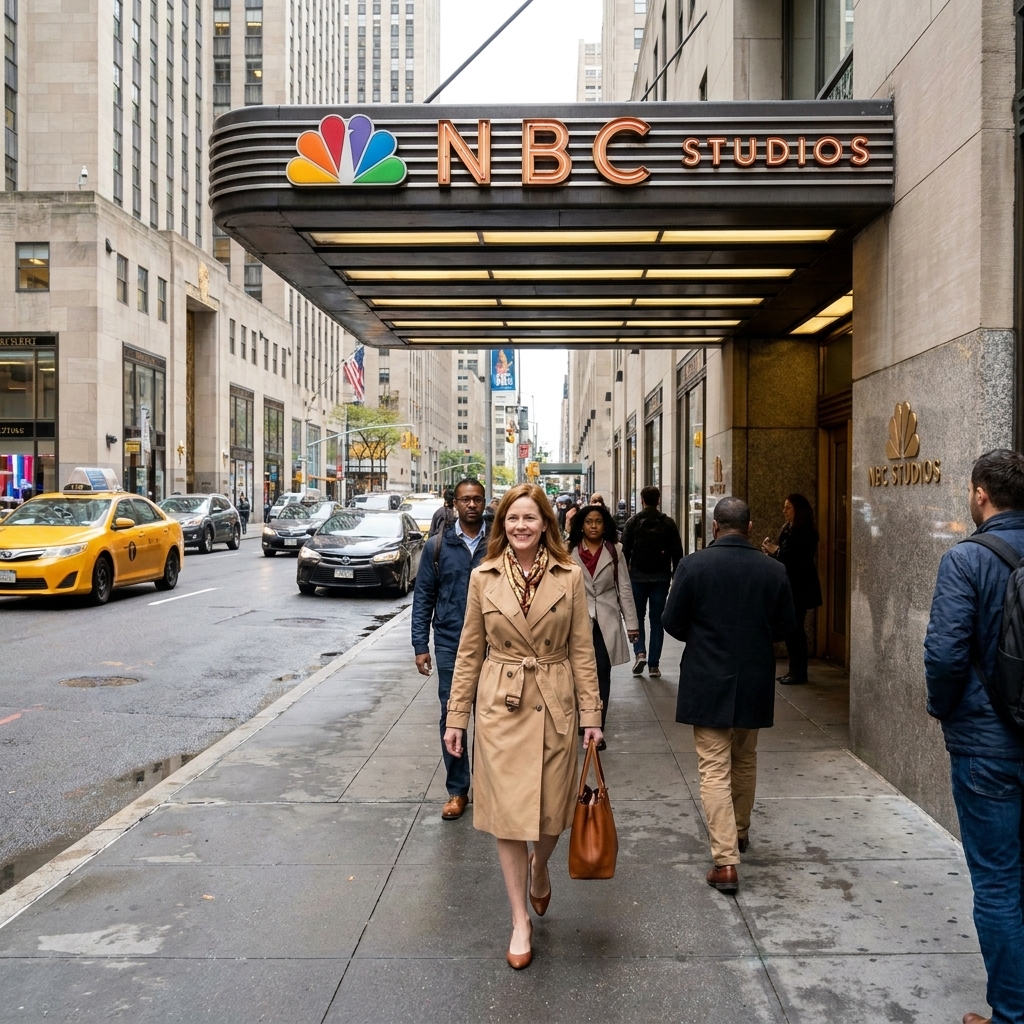
1) The Tour at NBC Studios (New York City)
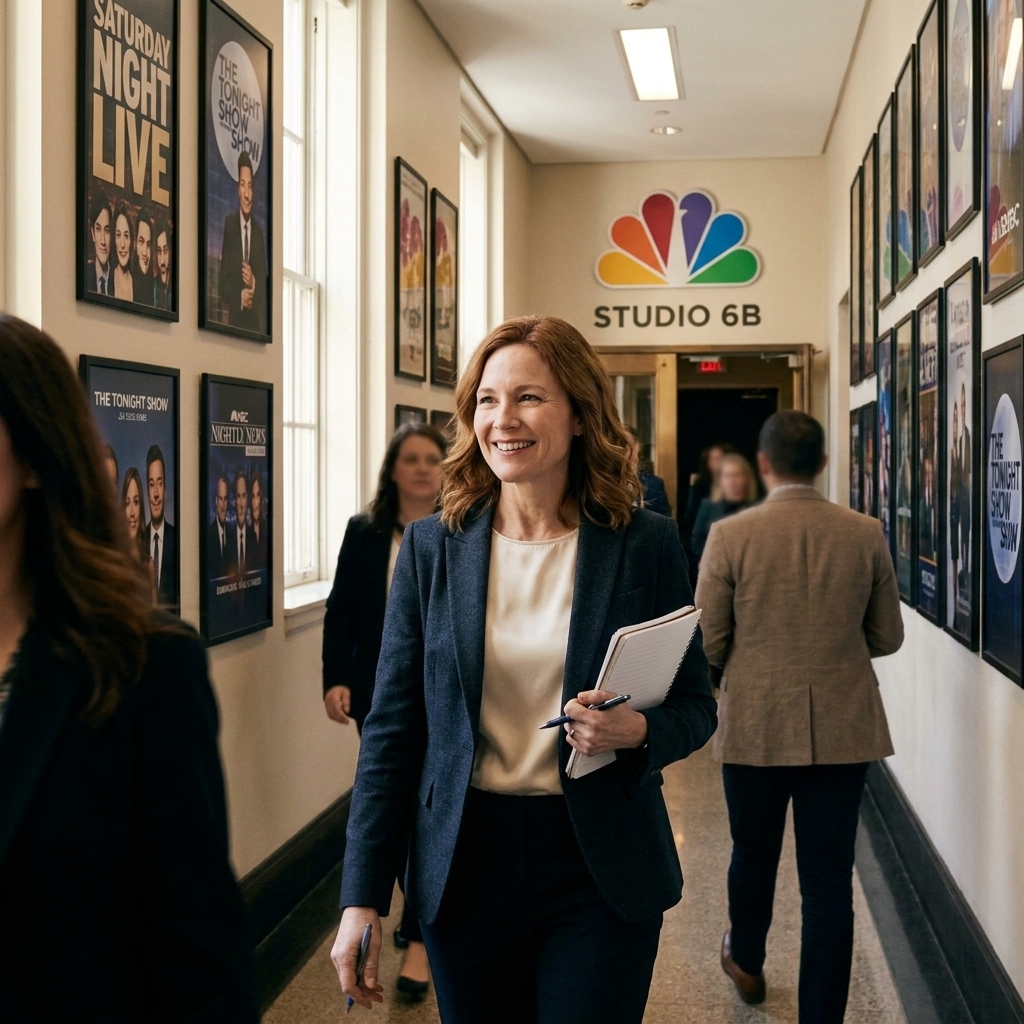
If you have ever watched a musical guest take the stage on Saturday Night Live and thought, “How is this all happening right now?” this is the pilgrimage. 30 Rock is a cornerstone of American broadcasting, and it still has the hum of a place that makes live television feel possible.
Why it is notable
NBC’s home base is tightly linked to the legacy of Today, Saturday Night Live, and decades of live and taped programming. It is one of the few places where “TV history” and “TV today” share an address.
What you will likely see
- Network history and artifacts, plus a breakdown of how live TV is coordinated
- Studio-adjacent areas and behind-the-scenes context, depending on what is in use
- A route that often emphasizes broadcasting craft and legacy more than guaranteed access to a specific active set
Tickets and planning
- How to book: Timed tickets via the official page for The Tour at NBC Studios, typically sold through Rockefeller Center ticketing.
- Good to know: This is a real, working building. Specific show spaces connected to SNL or Today are not promised on every route, and the day’s production calendar controls what is visible.
- Pair it with: Top of the Rock for the skyline, then come back down and think about how many famous sketches were born beneath your feet.
2) Warner Bros. Studio Tour (Burbank)
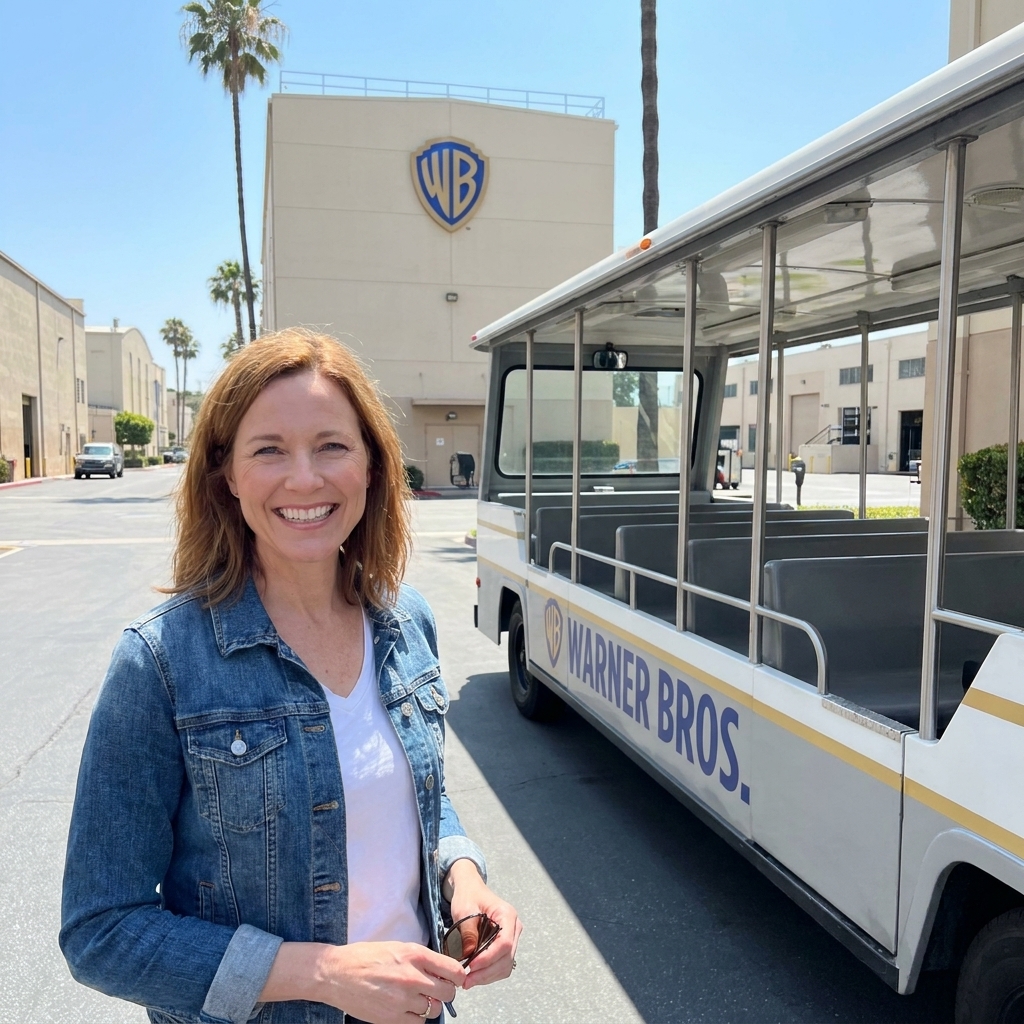
If your TV love language is “showrunner interviews” and “set decodes,” Warner Bros. is pure oxygen. The WB lot is the kind of place where you can feel the overlap of eras: the ghost of a sitcom laugh track in one corner, a sleek streaming-era drama build in another.
Why it is notable
Warner Bros. has housed an enormous range of television production, from legacy network hits to modern prestige series. The tour is also one of the most consistently visitor-friendly in terms of organization and presentation.
What you will likely see
- Backlot streets used across decades of film and TV
- Production craft context, with access varying by the day’s filming
- Exhibits celebrating major WB properties
Tickets and planning
- How to book: Timed tickets via Warner Bros. Studio Tour Hollywood. Tour tiers vary by length and inclusions.
- Good to know: Availability can be seasonal and production-dependent, and the best surprise is often what you do not expect to see.
- Venue highlight: The scale. It is one thing to know TV is made on lots. It is another to walk streets that have pretended to be half of America.
3) Paramount Studio Tour (Hollywood)
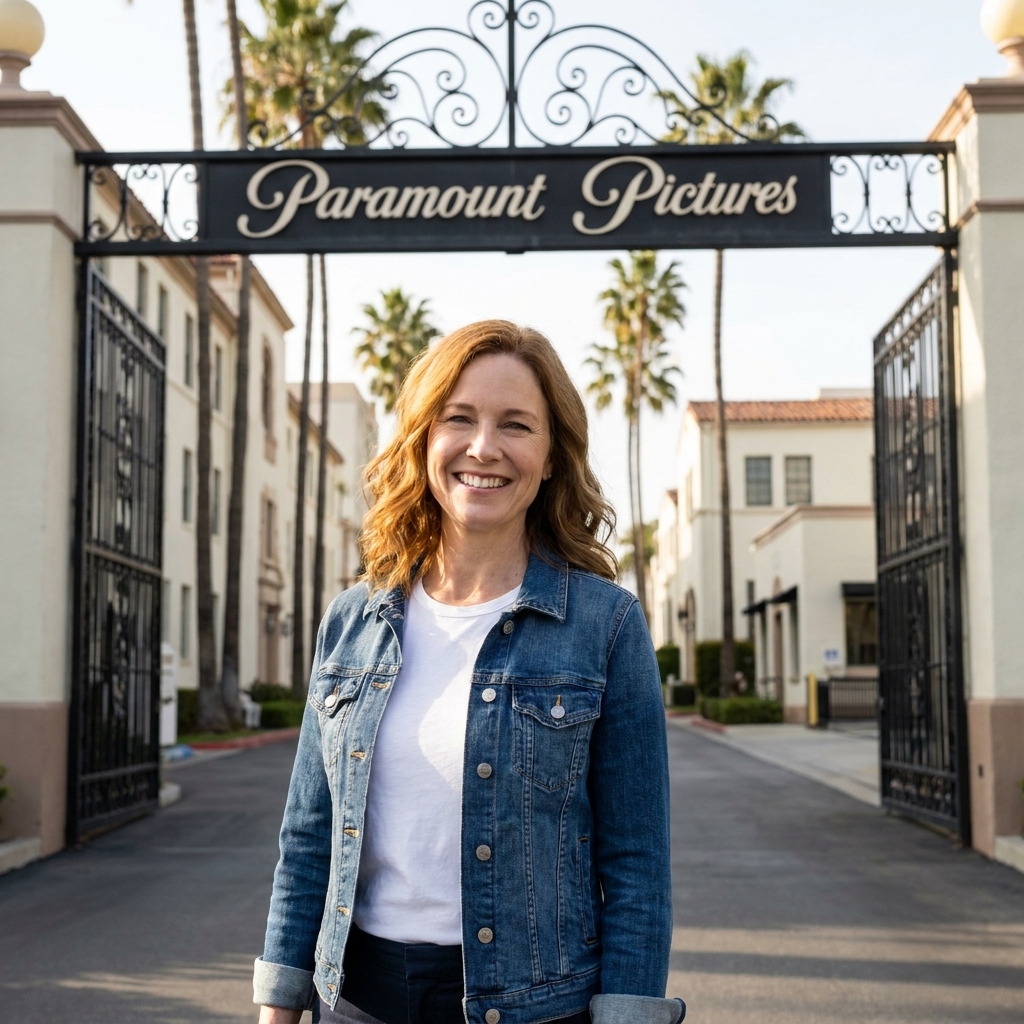
Paramount is old-Hollywood beautiful, the kind of entrance that makes you stand up straighter like you are about to audition for a part in a black-and-white classic. But it is also a living, working production space where film and television share the same real estate.
Why it is notable
As one of Hollywood’s storied studios, Paramount carries the aura of the industry’s earliest infrastructure while still operating as a contemporary production hub.
What you will likely see
- A history-forward walk through the lot with classic landmarks
- Soundstage exteriors and active-lot logistics from a respectful distance
- Context for how modern productions operate alongside legacy architecture
Tickets and planning
- How to book: Timed tickets through Paramount Studio Tours.
- Good to know: Routes can change during busy production periods. What you see depends on what is filming and what areas are restricted that day.
4) Sony Pictures Studio Tour (Culver City)
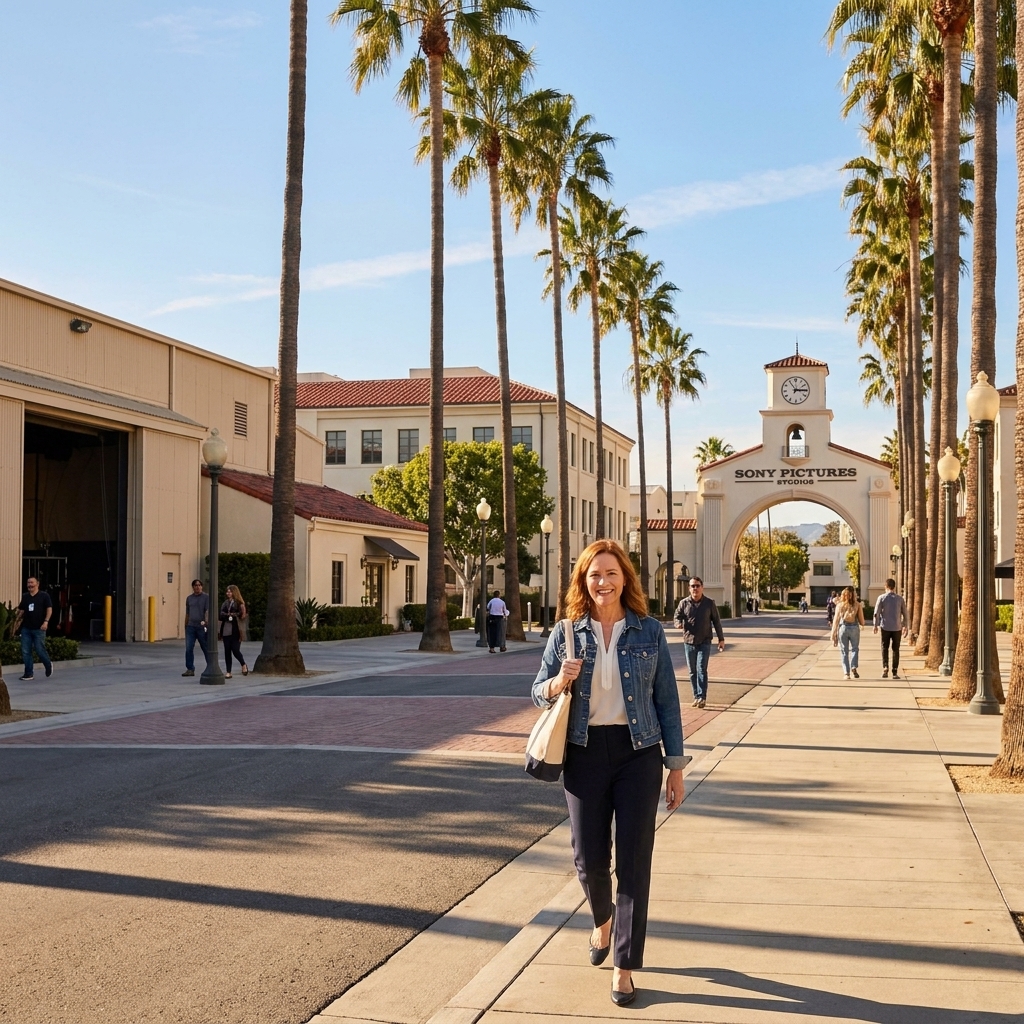
Sony Pictures Studios in Culver City has that satisfying “you have definitely seen this on TV” energy. It is also a reminder that Los Angeles is not one monolithic studio town, but a constellation of lots with distinct histories and architectural personalities.
Why it is notable
The Culver City lot has a deep production legacy and remains connected to television operations, making it a strong pick for visitors who want a classic working-studio setting.
What you will likely see
- Lot history and how studio spaces evolve with changing formats
- Behind-the-scenes context on production operations, with strict photo rules
- TV context, cautiously: Guides often reference TV made on the lot, but access is still shaped by what is working that day. Think “lot tour,” not “guaranteed stage walk.”
Tickets and planning
- How to book: Tickets through Sony Pictures Studio Tour offerings. Tours are often offered on weekdays with limited daily time slots, but schedules can pause or shift for production.
- Good to know: Photo rules can be stricter here than at exhibit-heavy tours.
- If you are chasing Jeopardy!: There is not a standalone public “Jeopardy! Studio Tour.” Your best paths are (1) the Sony tour for general lot context, and (2) free audience tickets to a taping when available through official audience channels. Ticket providers can vary by show and season, so use the show’s official site and verified social pages for the fastest confirmation of the current location and link.
5) Universal Backlot Tour (Universal City)
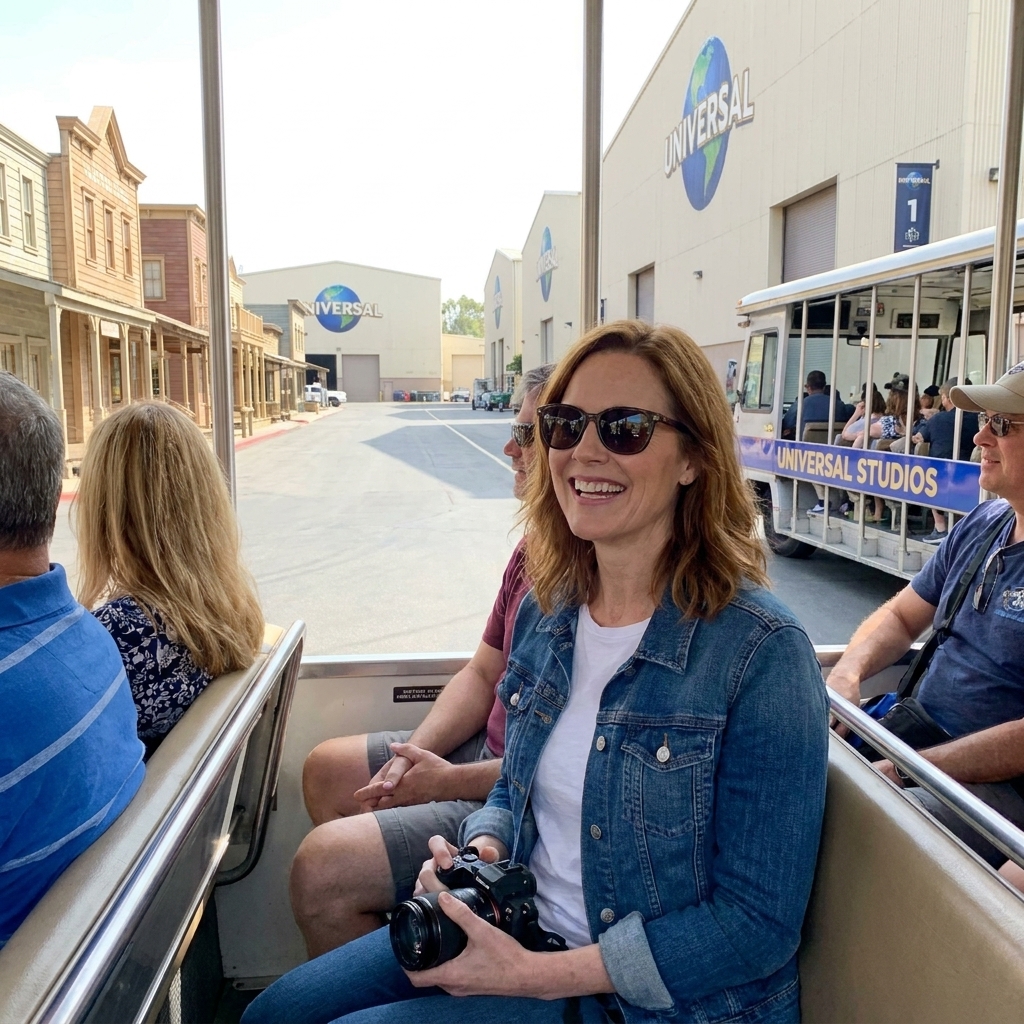
If you want the thrill of being on a working lot with the comfort of a highly polished visitor experience, Universal’s backlot tour is the gateway. Yes, it is theme-park adjacent. It is also a real peek into how large-scale film and TV productions use space, logistics, and illusion.
Why it is notable
Universal helped define the modern backlot tour concept, and the studio remains tied to production in a way that makes the craft feel big, physical, and surprisingly technical.
What you will likely see
- Backlot streets and set facades designed for constant reinvention
- How locations, effects, and repurposed environments create on-screen reality
- Theme-park production storytelling that keeps things fast and visual
Tickets and planning
- How to book: Tickets through Universal Studios Hollywood.
- Good to know: This is more production-environment than broadcasting. Expect backlot logistics and illusion-building, not control rooms or live broadcast workflow.
6) Television City (Los Angeles)
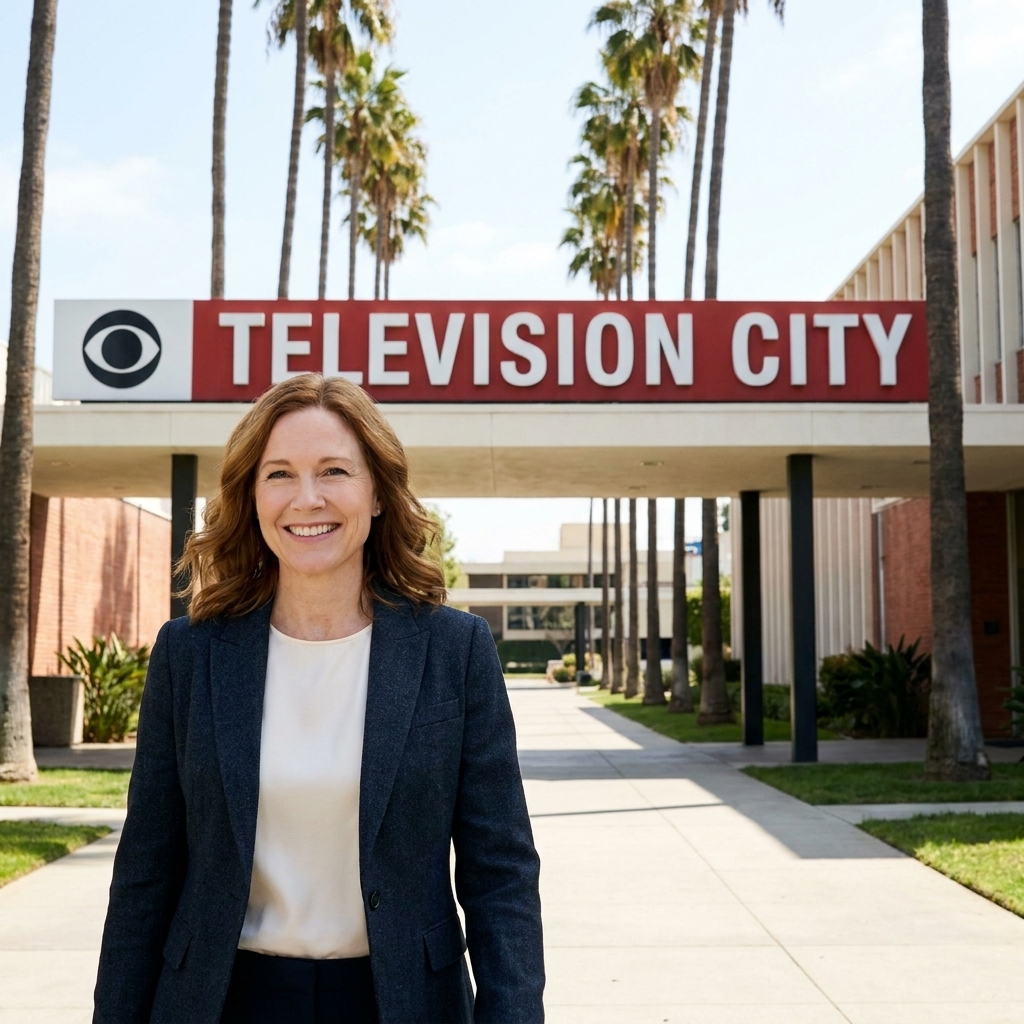
Television City is one of those places that sounds like a myth until you remember how much of TV’s daily rhythm has flowed through Los Angeles. It is the kind of footprint that makes you appreciate how industrial the art form can be.
Why it is notable
Formerly known as CBS Television City, this historic Fairfax district complex has been a longtime home for audience-facing formats and big, multi-stage production. It is also in the middle of a major, long-term renovation, which has reshuffled how public access works in practice.
How to visit
- Current reality: Because of the ongoing redevelopment, Television City is not a reliable “plan your trip around this address” destination for public tapings or tours.
- Best alternative: Treat this as a Los Angeles audience tapings moment rather than a single building goal. Follow specific shows and use their official ticketing pages to confirm the current stage and address before you commit to dates.
Planning notes
- Good to know: In LA, the show is the destination more than the building. Facilities and stages change, sometimes mid-season.
- Tip: If you have one must-see taping, build your trip around that ticket, not around a studio address you remember from TV trivia.
7) CBC Toronto (Toronto)

For Canadian television lovers, CBC is not just a network. It is a national storytelling engine. Toronto’s CBC presence puts you near the machinery that produces news, radio, and television that has helped define the country’s cultural conversation.
Why it is notable
CBC has been central to Canadian broadcasting for decades, building a home for everything from journalism to live events to scripted series.
How to visit
- Current reality: Standard, routine public tours at CBC Toronto have been suspended since 2020. Check CBC’s current visitor guidance before you plan around tour access.
- What still happens: Access is typically limited to special events and occasional public-facing opportunities, such as citywide open-house programming (for example, Doors Open Toronto) or audience calls tied to specific productions when offered.
What you may learn
- Broadcasting context that spans TV and radio production
- How public media balances craft, service, and audience
- A distinctly Canadian lens on what studio culture looks like
Audience taping basics
- ID and security: Expect airport-style rules. Bring a government-issued ID if the ticketing page asks for it.
- Arrival and lines: Many tapings use standby lines or overbook. Early arrival is often the difference between “in” and “next time.”
- Age minimums: Minimum ages vary by show. Some are 16+, some 18+. Confirm before you show up with a teen in tow.
- Phone and camera rules: You may be required to silence, seal, or fully check devices. Photos are frequently restricted.
- Timing: A “one-hour show” can mean a multi-hour commitment once you add check-in, warm-up, and resets.
More options
If you want this to feel truly North American and not just NYC plus LA, here are a few practical add-ons that keep the same spirit: public access through tours, tapings, or museum-style broadcasting experiences.
- Paley Museum (NYC): Not a working studio tour, but one of the best, most TV-literate ways to go deeper on the medium through exhibits and events.
- Paley Museum (Beverly Hills): Same idea, West Coast. A strong option when audience taping calendars are quiet.
- Vancouver on-location tours: Vancouver is a TV powerhouse. Public access is often location-driven, and reputable local tour operators run film and TV location walks that get you into the geography of production.
How to choose
Think of studio visiting like picking a seat at the theater. The “best” option depends on what you want to watch happen.
- Want classic broadcast energy? Start with NBC at 30 Rock.
- Want the big backlot feeling? Warner Bros. is your strongest all-around bet.
- Want old-Hollywood atmosphere? Paramount delivers the romance.
- Want craft and operations over spectacle? Sony Pictures can be a great fit.
- Want a high-energy backlot ride? Universal brings the scale.
- Want the real audience adrenaline? Follow specific show tapings in Los Angeles and confirm the current venue on the ticket.
If you are building a second trip around production hubs, keep your expectations aligned with how those cities work. Atlanta and Vancouver can be enormous for filming, but public access is often location-based rather than stage-based. New York’s late-night ecosystem is more audience-ticket friendly. Different doors, same obsession.
Quick FAQ
Will I see celebrities?
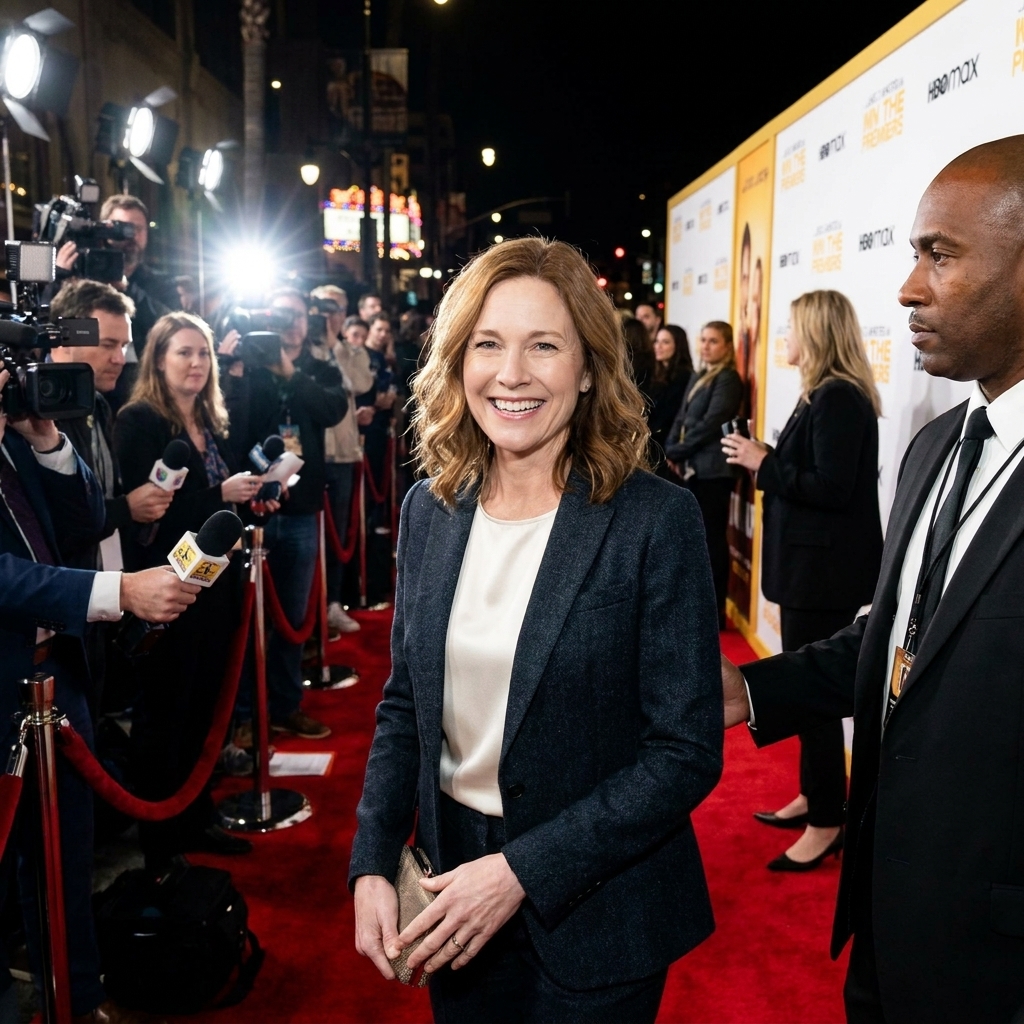
Maybe, but that is the wrong north star. The real thrill is seeing the choreography of crew, sets, and timing. If you do spot someone, treat it like theater etiquette: calm, respectful, and no disrupt-the-show energy.
Tour vs taping?
A tour is usually paid and guided, focused on studio history, spaces, and how production works. A taping is often free and show-specific, and you are there to be the audience while the production happens. If your dream is to watch the red light flip on, a taping is the stronger hit.
Are these good for kids?
Most are best for teens and up, especially if the group enjoys history and behind-the-scenes detail. Younger kids may prefer more exhibit-heavy experiences, while working-studio visits can involve lots of walking and a lot of “look, don’t touch.”
My favorite part of any studio visit is the moment you realize the “magic” is mostly people. Focused, funny, exhausted, brilliant people, making sure the red light turns on at exactly the right time.