I grew up in Chicago, spending a lot of time backstage, which means I learned early that the most dramatic part of a show sometimes happens before the first note. Not onstage. In the line. If you’ve ever heard someone say “It’s GA, so we should get there early,” you already know the heart of the difference between general admission and reserved seating. One is a small gamble you can influence with timing. The other is a promise you can plan around.

The simple definition
General admission (GA)
General admission means your ticket gets you into a designated area, but not a specific seat. Once you are inside, where you stand or where you sit (if seating is available) is typically first-come, first-served.
Reserved seating
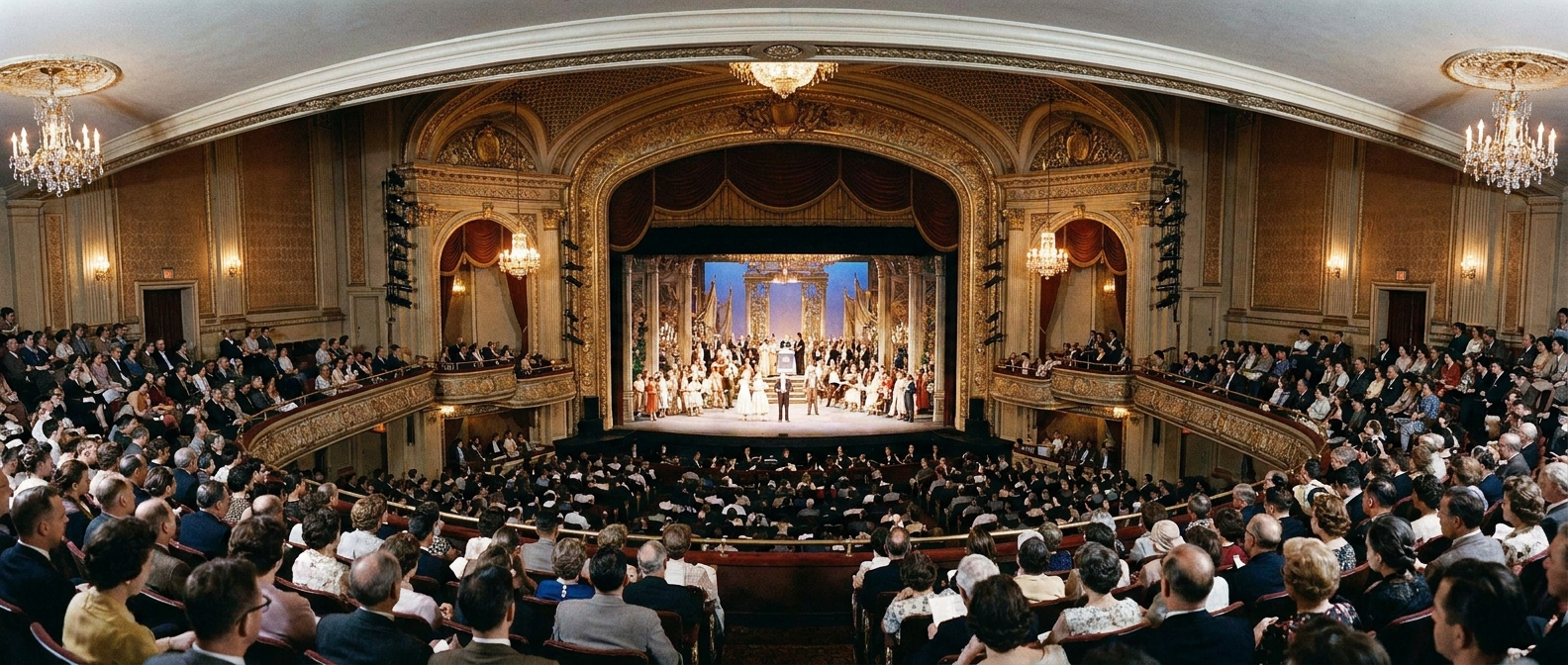
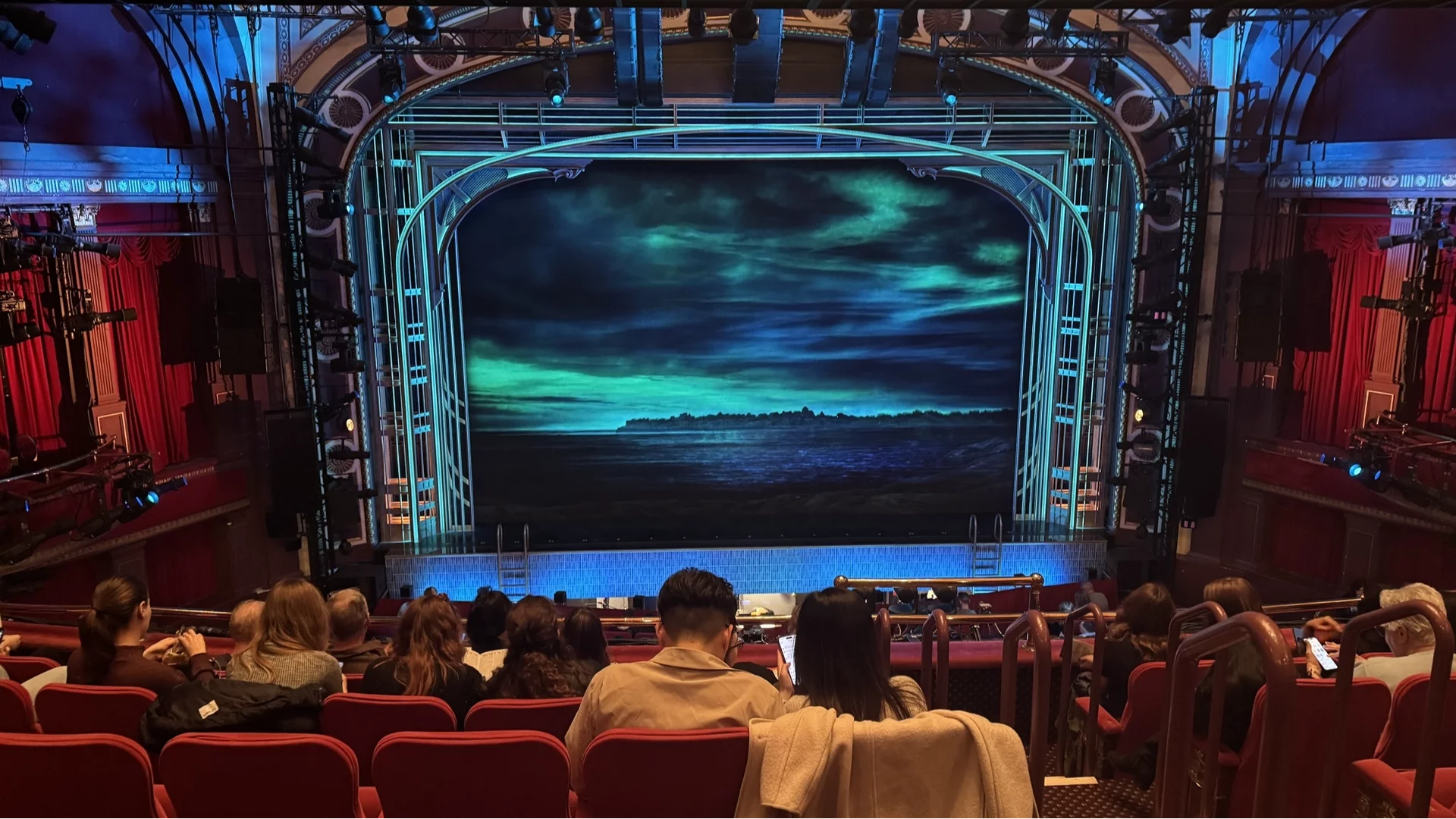
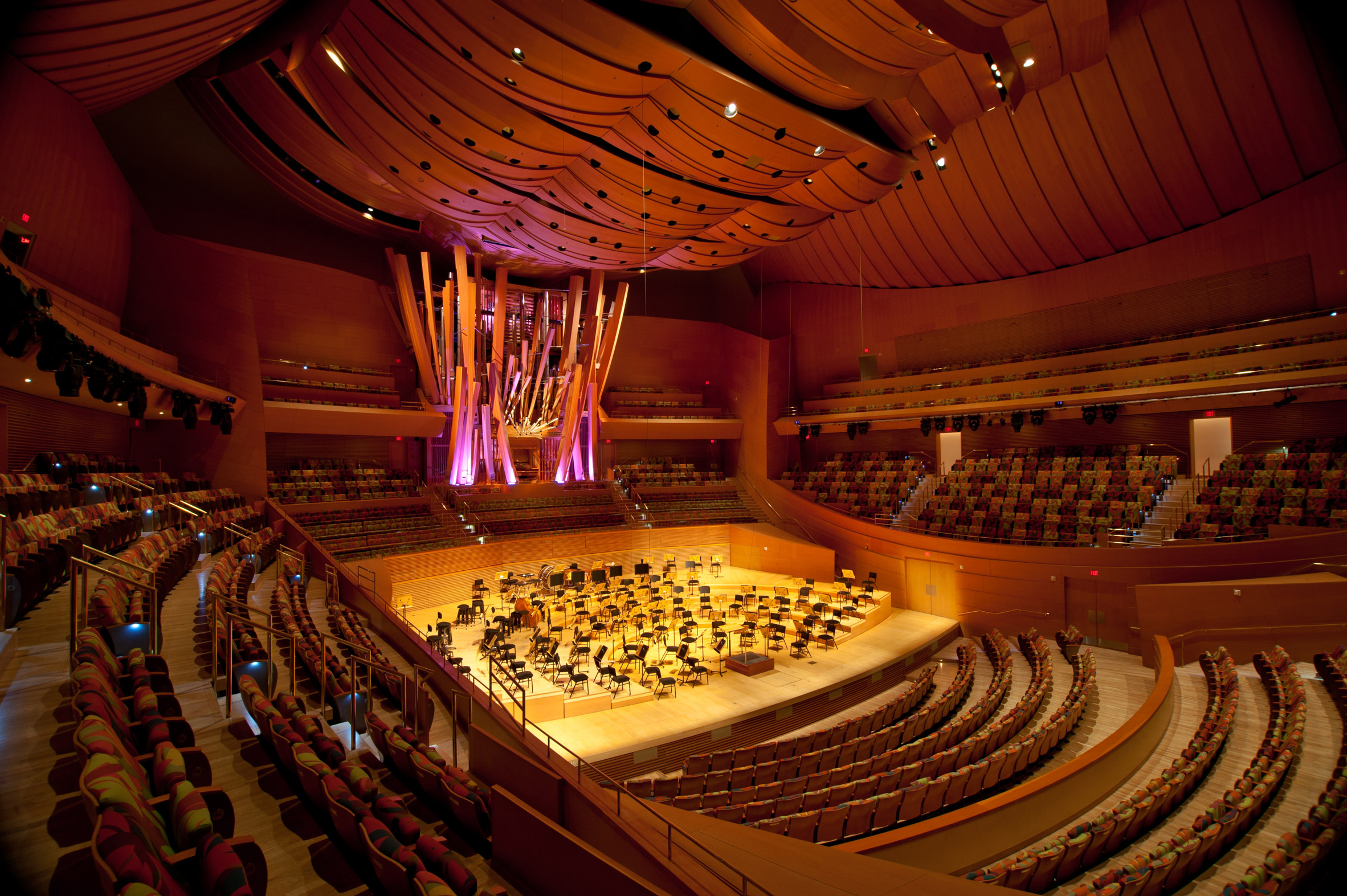
Reserved seating means your ticket is tied to a specific seat, usually identified by a section, row, and seat number. Your “spot” is set aside for you, whether you arrive right when doors open or right before the opener finishes.
How entry order works
Both systems can involve lines, wristbands, scanners, and security checks. The key difference is what your place in line buys you once you’re inside.
With GA, entry order shapes your night
- Earlier entry usually means a better shot at being close to the stage or getting a clean sightline.
- Venues may have multiple lines such as VIP, fast pass, early entry, guest list, and standard GA.
- Some shows use wristband systems or numbered entry for the first group in line, especially for high-demand concerts.
In GA, your ticket is a key. Your timing is leverage.
With reserved seating, entry order matters less
- You still need to arrive before set times to clear security, find your gate, and get settled.
- But you do not need to race other people for a specific spot because your seat already exists on the seating chart and on your ticket.
In reserved seating, your ticket is both the key and the map pin.
Doors, showtime, and openers
This is the part that trips people up, especially at bigger venues. Doors is when they let you in. Showtime is when music starts (sometimes an opener). The headliner often goes on later.
- For GA, doors time can matter a lot, because your position is usually decided in the first few minutes after entry.
- For reserved seating, doors time matters mainly for convenience: security lines, merch, drinks, finding your section, and not squeezing past a full row in the dark.
If you are ever unsure, check the venue site or the event email for set times. It is the least glamorous advice I give, and the most useful.
Where you’ll see GA and reserved

Clubs and small venues
Many clubs operate as GA by default. That often means standing-room-only on the floor, with a few reserved tables or a seated balcony sold separately. In these rooms, GA can be thrilling and intimate, but it also puts more responsibility on you to manage your comfort: when you arrive, where you post up, and how often you leave your spot.
Arenas and amphitheaters
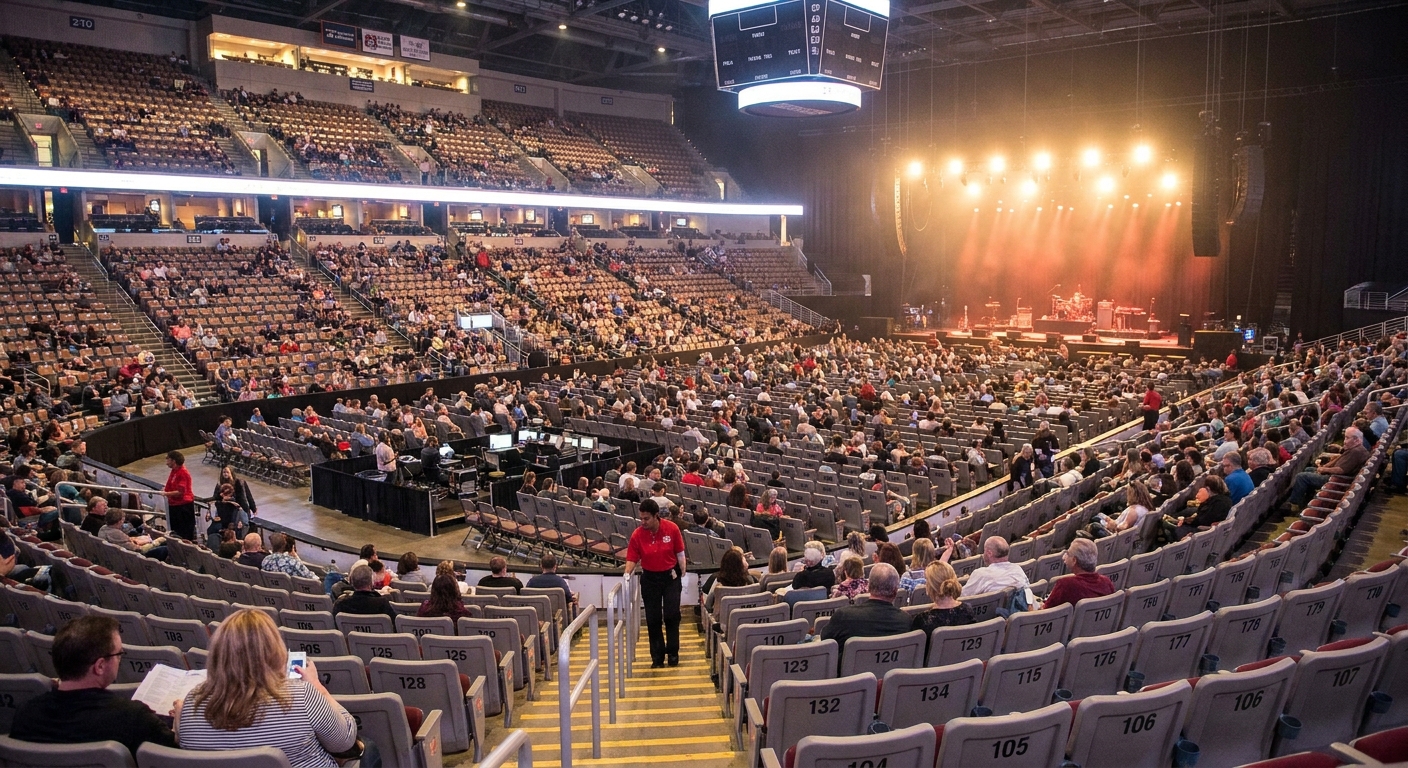
Larger concerts often mix both systems. You might see a GA pit near the stage, plus reserved seats throughout the rest of the venue. GA pit tickets can feel like a sprint at doors, while reserved seating is more like arriving for a movie where your chair is waiting for you.
Music festivals
Festivals are the natural habitat of GA. Your wristband generally grants site access, not a seat. Even when festivals offer VIP areas, viewing platforms, or reserved lounges, the core experience is still “where you stand is what you get.” That can be freeing, because you can roam between stages. It can also be tiring, because there is rarely a guaranteed place to land.
Tradeoffs with GA
GA is not “worse” by default. It is just a different trade. Here is what you are typically giving up when you choose a ticket without an assigned seat number.
- Certainty. You do not know your view until you are inside, and it can change if you leave for the restroom or concessions.
- Predictable pacing. GA often rewards early arrival, which can turn a two-hour show into a five-hour commitment when you count lining up, doors, and openers.
- Personal space. Crowds compress and expand. If you are sensitive to being jostled, GA pit can be more work than fun.
- Consistency for accommodations. Many venues have accessible viewing areas, but GA environments can still be more variable. If you need specific accommodations, check the venue’s accessibility info or call ahead.
Tradeoffs with reserved
Reserved seating buys you confidence. It can also limit spontaneity.
- Flexibility to move. In many reserved environments, you are expected to stay in your assigned seat, especially when staff are checking sections.
- The “front at all costs” adrenaline. Some fans genuinely love the communal mission of earning a rail spot through patience and timing. Reserved seating replaces that with structure.
- Roaming energy. At certain shows, GA crowds feel like one big organism responding to the music. Reserved seats can feel calmer, sometimes at the cost of that collective pulse.
Terms that confuse people
Ticketing language is not always consistent across venues. A few labels to watch for:
“GA floor” or “GA pit”
This is general admission in a specific area, usually the standing zone closest to the stage. The ticket tells you the area, not the spot within it.
“Reserved GA”
This label is real, but it is also one of the most inconsistent phrases in ticketing. Sometimes it means a designated GA zone (like a roped-off section) where positioning is still first-come. Other times it can refer to things like timed entry, a specific access level, or a controlled capacity area.
The cleanest rule of thumb is still the boring one: look for a section, row, and seat number. If there is no specific seat listed, you will usually be choosing your spot within an area, but it’s smart to confirm details in the venue’s event info.
“Table service” or “reserved table” in a club
This is reserved seating, but the “seat” is effectively your table footprint. You may still have GA-style movement around the room, but your home base is guaranteed.
“Festival VIP viewing”
Usually a designated viewing area, not a numbered seat. It tends to function like GA within a smaller, less crowded space.
GA pit basics
If you are doing GA near the stage, treat it like a little athletic event. You do not need to be anxious, just prepared.
- Hydrate and eat before you lock into a spot.
- Wear earplugs. Your future self will thank you.
- Know your exits and step out early if you feel overheated or lightheaded.
- Respect space. Everyone paid to be there. You can be determined without being a bulldozer.
How to decide fast
If you are torn at checkout, ask yourself these questions.
- Do I care where I end up, or do I care that I am simply in the room? If placement matters, reserved reduces uncertainty.
- Can I arrive early and stay put? If not, GA can be stressful because leaving your spot often resets your view.
- Am I going with a group? Reserved makes it easier to guarantee you are together. GA can work if you arrive together and agree on a meeting plan.
- Is this a show where I want to dance and move? GA floors can be great for that, especially in clubs and high-energy concerts.
- Do I need predictability for comfort or accessibility? Reserved seating often provides clearer expectations, and many venues also have dedicated accessible sections that function like reserved.
Quick FAQ
Does GA mean you cannot sit?
Not always. GA describes unassigned access. Some venues have seated GA areas, benches, or open seating where you choose any available spot. Many clubs, pits, and festival viewing areas are standing, but it depends on the event setup.
If I have reserved seating, can someone take my seat?
They should not. If you arrive and your assigned seat is occupied, ushers or venue staff typically help resolve it. Keep your ticket handy on your phone.
Why do people line up so early for GA?
Because in GA, your view is a function of your position, and your position is strongly influenced by arrival time, entry tier, and crowd flow. For certain artists, the difference between front rail and the back of the floor is an entirely different show.
Is GA always cheaper than reserved?
Often, but not always. GA pits for major tours can be priced higher than many reserved seats because demand is intense and capacity is limited.
Can a venue switch a show from reserved to GA?
It can happen, but the more common change is partial conversion, like switching floor seats to GA standing (or the reverse), removing seats for production, or relocating a section. If a layout changes, the promoter or ticketing platform usually communicates options or adjustments. Read event emails, even the boring ones.
The bottom line
General admission is an experience you help shape through timing, stamina, and a little crowd choreography. Reserved seating is an experience you lock in at purchase, then simply show up and enjoy. Neither is inherently more “real fan” than the other. The best choice is the one that lets you focus on the music instead of your feet, your neck angle, or your place in the line.