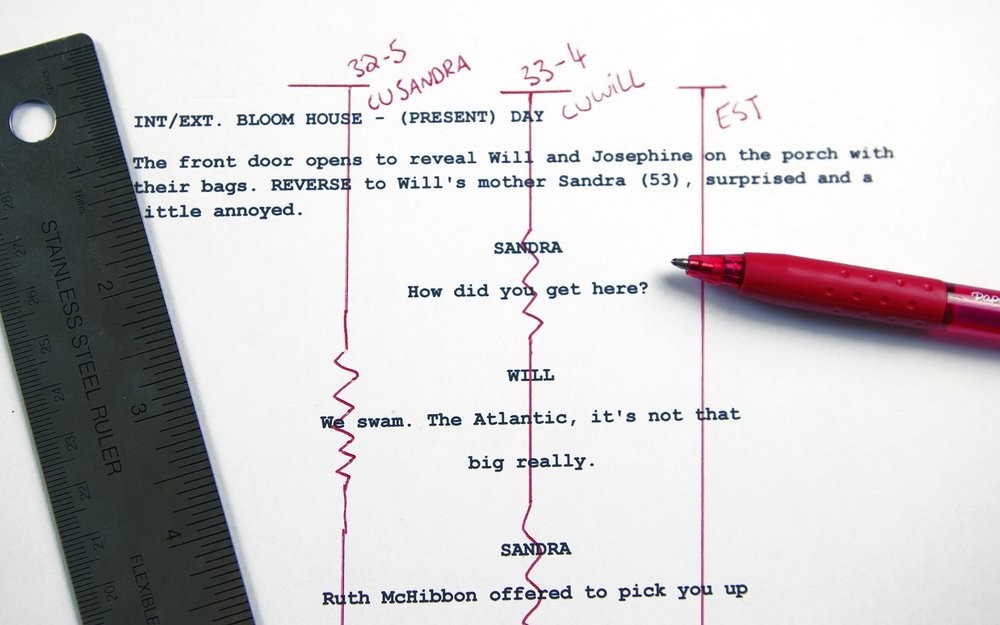
The first time I heard the phrase “spec script,” I was wedged into a sticky theater seat in Chicago listening to two aspiring writers talk shop during intermission. One of them said, like it was a magic spell, “I’m writing it on spec.” Even then, I clocked what that little phrase was really doing: it signaled risk, hope, and craft all at once.
In film and TV, a spec script is still one of the clearest ways a writer says, “Here’s what I can do,” before anyone’s paying them to do it.
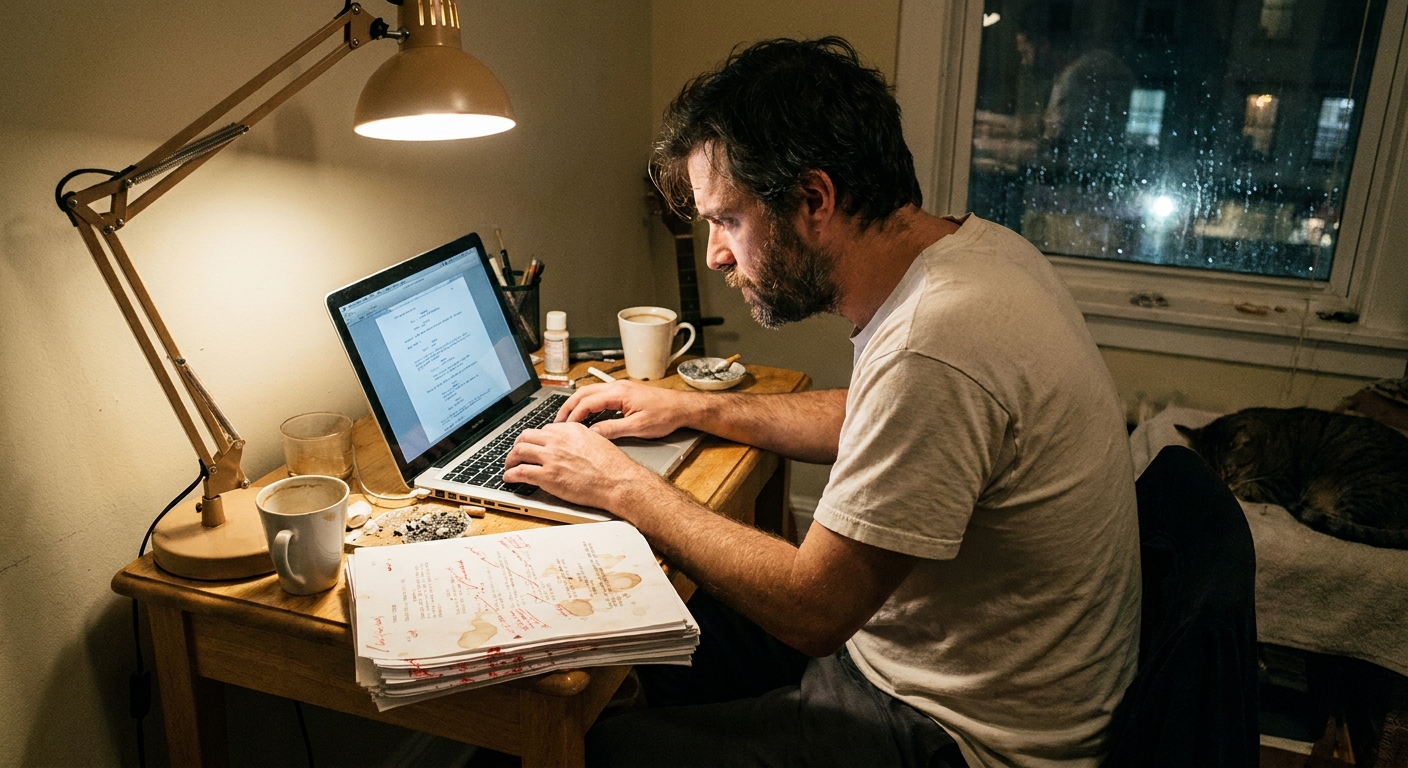
What a spec script is
A spec script (short for “speculative script”) is a screenplay written without a paid assignment. In other words: nobody commissioned it. You are writing it on your own time, betting that the writing itself will open a door.
Often, a spec is also written before any meaningful attachments are in place, but attachments can come later. The heart of the definition is still the same: you were not hired to write it.
In practical terms, a spec script is usually a writing sample in one of two lanes:
- A feature spec: an original movie screenplay written as an uncommissioned sample and potential sale.
- A TV spec: most commonly an original pilot (new world, new characters), and sometimes a spec episode of an existing show written purely as a sample.
What a spec script proves
A spec script is less about showing you can “have ideas” and more about demonstrating you can execute them at a professional level. Industry readers (assistants, reps, producers), contest judges, and fellowship panels tend to look for the same core competencies.
You can tell a complete story
Even if it sets up a series (like a pilot), a spec script has to feel like a satisfying meal, not a handful of ingredients. A feature should land its ending. A pilot should deliver a full episode engine and a clear promise of more.
You understand structure and pacing
This is the unglamorous heartbeat of the whole thing. Scenes turn. Stakes escalate. The story moves. A reader should feel that you know when to enter a scene, when to exit it, and why it exists.
You can write characters an actor would want to play
Not “quirky” for quirky’s sake, but specific, playable, and emotionally legible. A great spec has characters who feel castable, even on the page.
You can write visually
Spec scripts are meant to be read quickly, but they are also meant to conjure a movie in the mind. The writing should create clear images and moments without turning into a novel.
You have a voice
This is the hardest part to define and the easiest to recognize. Voice is the feeling that only you could have written it, whether that comes through humor, tension, tenderness, weirdness, restraint, or a particular point of view on human behavior.
How spec scripts are formatted
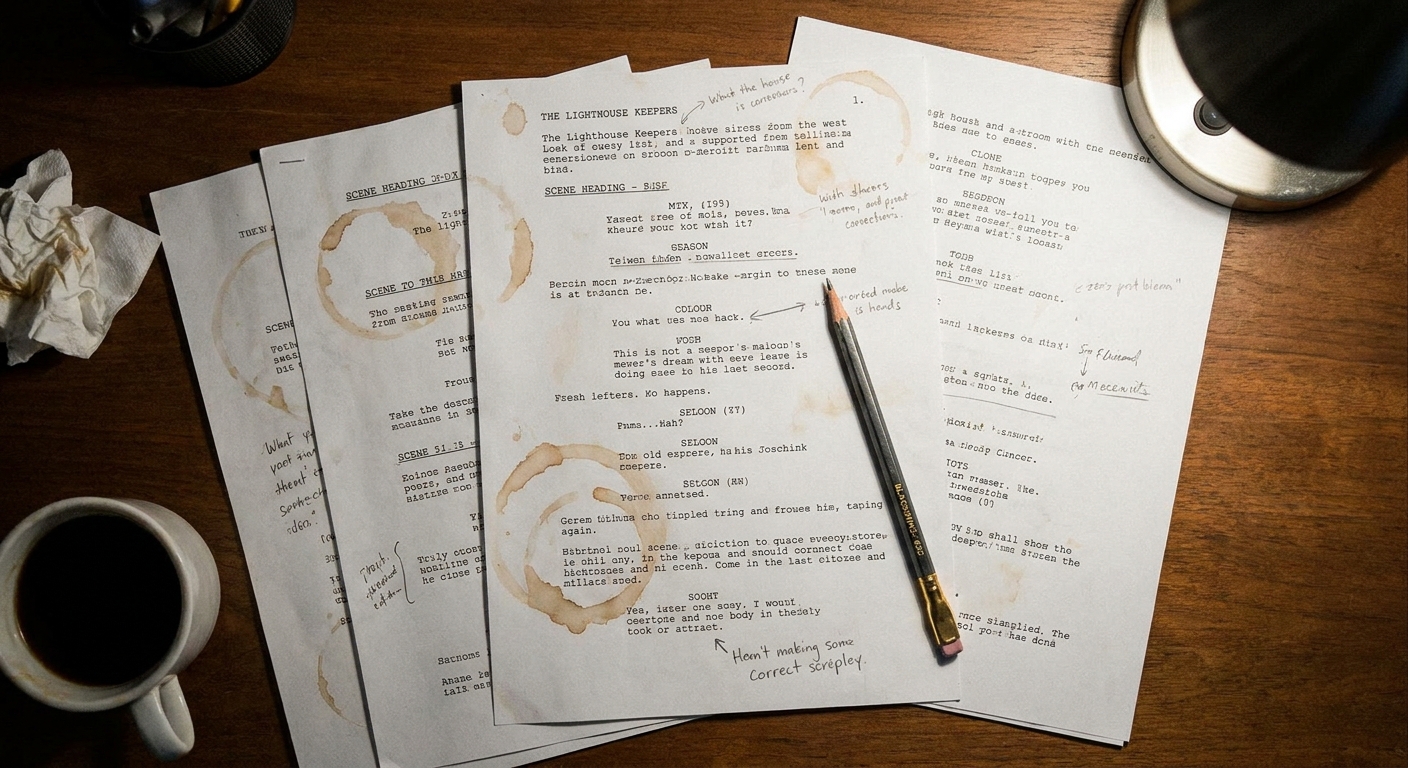
Most spec scripts follow standard screenplay format. Not because the industry is precious about fonts, but because consistency lets a reader focus on story rather than deciphering the page.
In broad strokes, you can expect a spec script to use:
- 12-point Courier (or Courier Prime) font
- Scene headings (also called sluglines), like INT. KITCHEN - NIGHT
- Action lines describing what we see and hear
- Character names centered above dialogue
- Dialogue blocks, with occasional parentheticals used sparingly
And yes, people will still estimate runtime by the rough rule of thumb: one page equals about one minute of screen time. It is not perfect, but it is a common shared reference point.
What to include and what to avoid
A spec is generally written to be read, not executed by a crew tomorrow morning. That tends to shape the level of detail.
- Include: clear visuals, clean action, specific behavior, and the necessary information to understand the scene.
- Avoid overloading: dense camera direction, constant editing instructions, or overly technical production notes unless they are truly essential to how the moment plays.
There is a difference between writing cinematically and trying to direct from the page. The sweet spot is making the movie easy to imagine and easy to turn pages on.
Spec vs. shooting script
If a spec script is designed to sell the story and showcase the writer, a shooting script is designed to shoot the story.
A shooting script is the version used in production planning and on set. It often includes elements a spec script usually does not, such as:
- Locked scene numbers (so the crew can track changes)
- Revision pages (often color coded in professional workflows)
- More production-facing detail tied to logistics, stunts, locations, and scheduling
- Technical identifiers like A and B scenes, omitted scenes, and other continuity tools used to keep departments aligned
- Occasional camera shots or setup notes, depending on the project and team
In other words, a shooting script is a working document for a whole machine of people. A spec script is a calling card and a story experience.
Spec vs. production draft
This is the distinction that trips up a lot of new writers: spec describes the circumstances of how the script is written, not whether it is “early” or “rough.” A spec script can be polished and professional. It is still spec if it was written without a paid assignment.
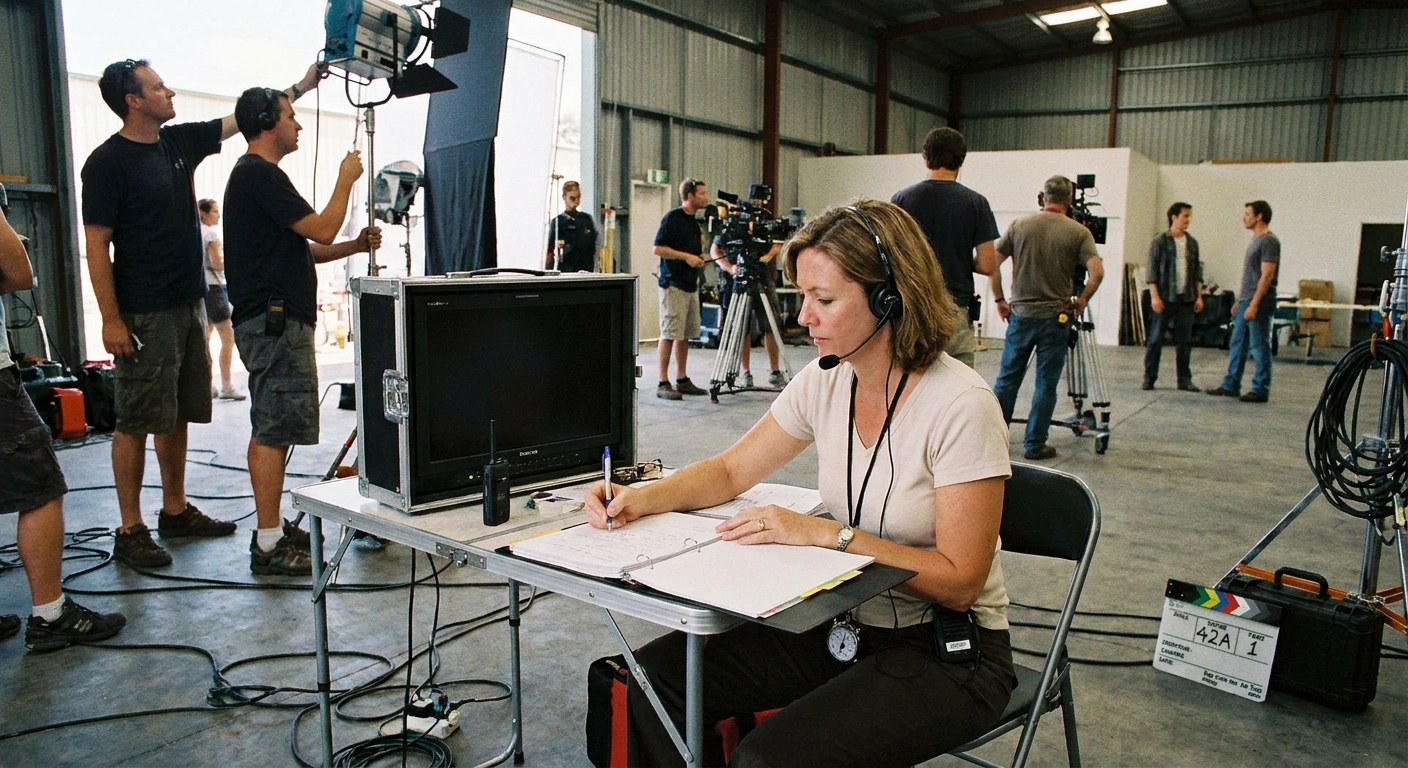
A draft already in production is different in a few key ways:
- It has stakeholders: producers, directors, cast, and financiers with opinions and constraints.
- It has deadlines tied to real money: locations, unions, availability, and budgets.
- It changes for practical reasons: weather, scheduling, stunts, child labor rules, props that cannot be sourced, and on and on.
Once a project is moving toward cameras, writing becomes both art and logistics. A spec, at least in its first life, gets to be mostly art.
Do specs have to be original?
Most often, yes. When people talk about “writing a spec” today, they usually mean writing an original feature or an original pilot.
A spec episode of an existing series (writing an episode of a show that already airs) still exists as a staffing sample in some corners of TV, and some fellowships and programs continue to request them. That said, many reps and open calls now lean toward original pilots because they showcase world-building and voice in one package.
One important reality check: a spec episode of an existing series is generally a sample, not something you can sell as an actual episode of that show. You do not own the underlying characters or world.
What matters in the first 10 pages
I have sat in enough festival reading rooms and development offices to know a universal truth: attention is precious. Script readers are the same. The early pages are where you earn trust.
In a spec script, the opening pages are often judged on:
- Clarity: Do we understand where we are and what is happening?
- Tone: Do we know what kind of ride this is?
- Character: Do we meet someone specific, not generic?
- Forward motion: Does something change, threaten, tempt, or complicate?
You do not need fireworks. You do need intention.
Common misconceptions
A spec is not automatically a first draft
Some specs are early. Some are the result of dozens of passes. The term only tells you the script was written without a paid assignment.
A spec is not the same as a treatment
Those are development documents. A spec script is a full screenplay in standard format.
A spec is not a shooting script with less detail
They are built for different jobs. A spec is meant to read cleanly. A shooting script is meant to be operational.
More direction is not always more professional
Some writers can pull off a very directed style. Many specs suffer from trying to micromanage shots instead of making scenes land emotionally. When in doubt, prioritize clarity, rhythm, and what we can see.
Spec script FAQ
How long is a spec script?
It depends on the format, but readers usually do want a baseline. Features often live somewhere around the 90 to 120 page neighborhood. For TV, half-hour pilots are often in the 25 to 35 page range (with some streaming comedies running longer), and hour-long pilots often fall around 45 to 70 pages depending on style and platform. The more important point is that the page count should match the experience you are promising and the pace on the page.
Can a spec script get you representation?
Yes. Many writers use spec scripts as samples to show managers or agents what they can do. A strong sample can start conversations even if it is never sold.
Can a spec script be sold?
Yes. Some are written as pure samples, some are written with the hope of a sale, and some do both. “Spec” does not mean “unproducible.” It just means you wrote it before you were paid to write it.
Can I send my spec directly to a studio or network?
Usually, no. Most studios, networks, and major production companies do not accept unsolicited scripts for legal and liability reasons. In practice, specs most often travel through contests and fellowships, via representation, or through a producer or executive who has agreed to read it.
Is a spec script the same as a sample?
They overlap. A spec script can be used as a writing sample. But “sample” is a broader label that can include produced work, commissioned work, or other material used to demonstrate your voice.
The takeaway
A spec script is a screenplay you write without a paid assignment, created to prove you can deliver story, character, and tone in professional screenplay format. It is different from a shooting script, which is a production tool, and different from a draft already in production, which is shaped by real-world constraints and stakeholders.
At its best, a spec is both a leap of faith and a very practical document. You are offering a finished reading experience and quietly demonstrating that you understand the craft well enough to be trusted with someone else’s project, too.