
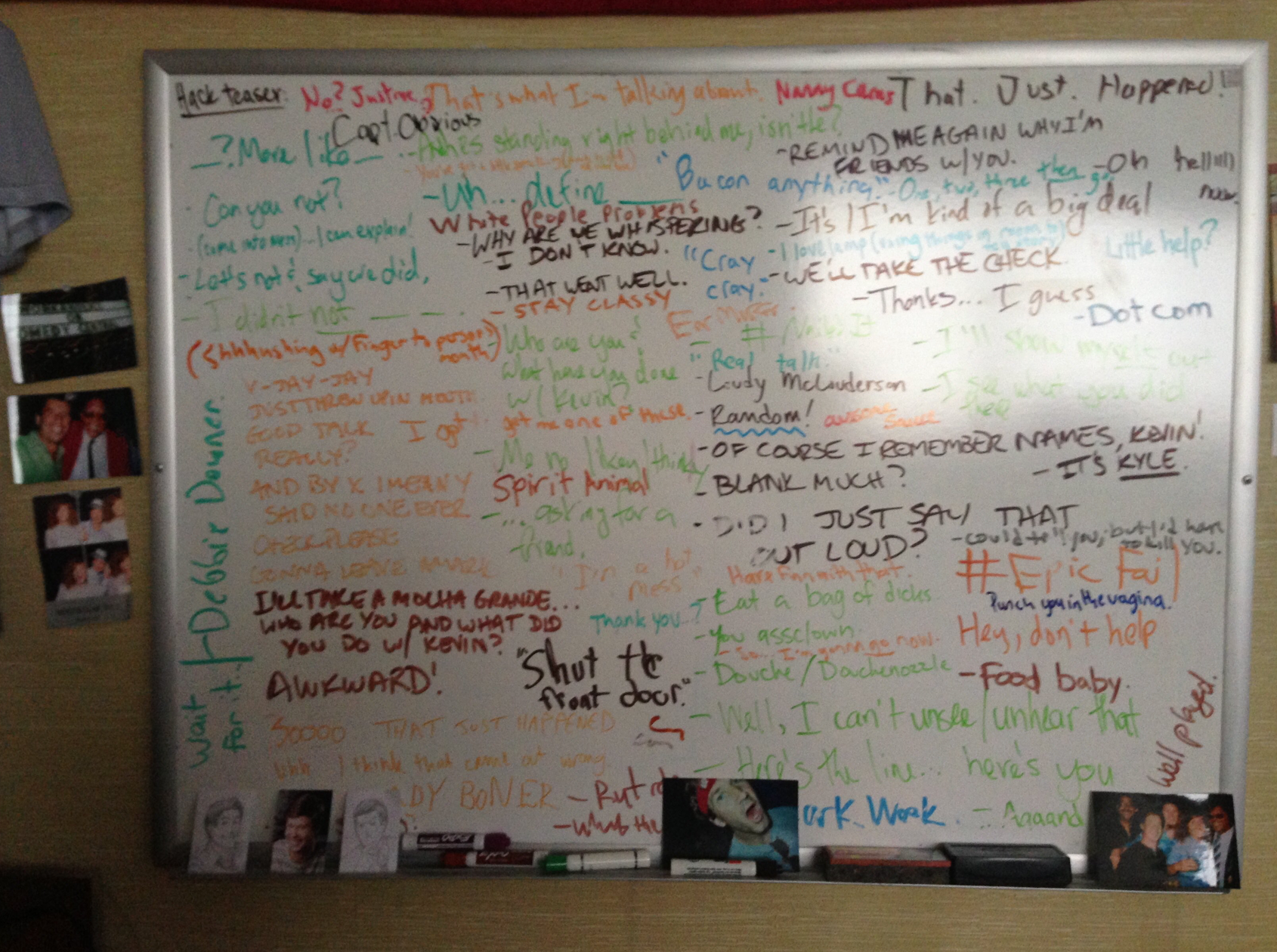
The first time I sat in on a television writers' room, I was struck by how unglamorous it looked and how electric it felt. No spotlight, no red carpet, just a long table, a wall of note cards, a pile of half-finished coffees, and a group of people trying to make an audience laugh, gasp, or ugly cry on schedule. The magic was in the talk, the argument, the sudden chorus of “Wait, what if…”

What a writers' room is
A writers' room is the ongoing, collaborative workspace where a television show's writing staff breaks the season story and produces scripts. It is where the team maps big arcs, pitches jokes and twists, outlines episodes, writes drafts, and rewrites those drafts based on creative feedback and production needs.
If you imagine a TV season as a train, the writers' room is the control center. It decides where the tracks go, how fast the train moves, and what has to be true emotionally in every car so the whole thing arrives at the finale intact.
Who's in a writers' room?
Rooms look different depending on the show, budget, and whether it is network, cable, or streaming. But most include some version of the roles below.
The showrunner
The showrunner is usually the head writer and the top creative authority on the series. They set the tone, approve story choices, shape the final scripts, and act as the bridge between writing and production.
Executive producers and co-executive producers
These are senior writers and producers who help steer the season, mentor the staff, and often handle major episodes, big rewrites, and high-level decisions.
Supervising producer, producer, co-producer
These titles vary by show, but generally represent mid-level writers who may help run parts of the room and shepherd an episode from outline to draft with more independence.
Story editor and executive story editor
Despite the name, these are writer titles, not fact-checking or copyediting roles. They are typically writers building experience and responsibility, often taking on tougher assignments over time.
Staff writer
Often the entry-level writing position, though the lowest rung can vary by room and era. Staff writers pitch constantly, learn the show voice, and may get assigned a script with guidance from more senior writers.
Writers' assistant and script coordinator
Not always in the room full time, but crucial to how it functions.
- Writers' assistant takes notes, tracks decisions, maintains documents, and helps keep the room organized. They also become an early warning system for continuity and story logic, because they are the one capturing what the room actually agreed to.
- Script coordinator manages drafts, version control, distribution, and often the formal side of script paperwork. They make sure everyone is looking at the right pages at the right time.
Depending on the show, you might also have support from producers, executives dropping in with notes, or consultants with expertise that feeds the storytelling.

What happens in a writers' room?
A writers' room is not one meeting. It is a process, and it changes shape as the season moves from idea to shoot-ready pages.
1) Setting the season engine
Early on, the room clarifies what the season is about, beyond plot. What is the emotional question? What is the thematic spine? What promises did the show make to its audience, and what new promise is it making this year?
This is where you hear phrases like “the engine” of the show. On a procedural, it may be the case-of-the-week structure. On a character drama, it may be which relationships will combust and which will heal. On a comedy, it may be what kind of mess the characters reliably create.
2) Breaking the season
To break a season means to map out the major arcs and key turning points across all episodes. Writers pitch:
- Big character moves and reversals
- Season-long mysteries and reveals
- Relationship arcs
- Episode premises that show different sides of the world
- Set pieces the show wants to build toward
Breaking can be chaotic in the best way. Someone pitches a wild twist. Someone else points out it breaks character logic. A third writer finds the emotional version of the twist that actually fits. The room builds the season beat by beat, until it starts to feel inevitable.
3) Breaking episodes
Once the season shape exists, the room zooms in on each episode. Breaking an episode usually involves:
- Clarifying the A, B, and sometimes C stories
- Building act structure or sequence structure
- Choosing cliffhangers, button scenes, and reveals
- Tracking character motivations so scenes do not feel like plot errands
Many rooms use a board with cards or digital equivalents. Each card is a scene, beat, or turning point. You move them around until the emotional rhythm works.
4) Outlines and drafts
After an episode is broken, a writer is assigned the script. Often, they write an outline first, then a draft. Depending on the showrunner's process, the room may:
- Give detailed notes on the outline before the script is drafted
- Do a group punch-up pass on jokes or dialogue
- Help solve story problems that appeared in the first draft
5) Rewrites
Television runs on rewriting. Scripts get notes from the showrunner, the studio, the network or streamer, and later from production realities such as locations, budget, casting, scheduling, and what is physically possible to shoot.
Sometimes rewrites are subtle. Sometimes the room is suddenly rebuilding an entire episode because a story is not landing or a production change forces a new plan. A good room is both creative and practical, because the work has to survive contact with reality.
A typical timeline
Every show has its own calendar, but the rhythm often looks something like this:
- Breaking: days or weeks building the season and then each episode
- Outline: the assigned writer turns the board into a document the showrunner can approve
- Draft: the writer delivers a script draft
- Notes and revisions: showrunner notes, then studio or network or streamer notes, then another pass
- Production rewrite: pages adjust for locations, budget, cast availability, and practical logistics
- Polish: a final cleanup for clarity, pace, tone, and voice
Who “writes” the episode?
In most rooms, one writer is assigned and credited as the writer of a given episode, because they are the one producing the draft. But TV is inherently collaborative. The episode is shaped by the room break, the showrunner's notes and revisions, and later passes driven by production. There are also formal Writers Guild rules around credit, but the simplest practical answer is: one writer drafts, and the room plus showrunner shape it into the version that gets shot.
Formats and room styles
Not all rooms feel the same. Network shows may still think in acts, with structure that accommodates commercial breaks, while many streaming series lean into longer sequences and more flexible runtimes. Multi-camera comedies can have a different cadence than single-camera shows, and some comedies build in dedicated punch-up time.
And increasingly, you will hear about mini-rooms and virtual rooms. A mini-room is a smaller group hired to break and draft a season (often before full production is underway). Virtual rooms do the same work, just on video calls and shared boards. The tools change. The job does not.
Day to day in the room
The romantic version is nonstop brilliant banter. The truer version is craft, stamina, and a lot of listening. A typical day can include:
- Pitching scene ideas, jokes, turns, and emotional beats
- Arguing politely about character logic and tone
- Tracking continuity so episodes do not contradict each other
- Solving production puzzles, like how to tell a story if a location falls through
- Reading pages aloud informally to hear rhythm and clarity
Rooms also have their own etiquette. You learn when to jump in, when to hold a pitch until it is fully formed, and how to support someone else's idea without hijacking it. When it works, you can feel the story click into place in real time, like the whole table just heard the same note.
Room vs table read
A writers' room is where the story is built and rebuilt over time. A table read is usually a specific event where the cast reads a draft out loud, often with producers, writers, and executives listening.
Think of it this way:
- Writers' room: Ongoing collaboration to create and revise story and scripts.
- Table read: A read-through of a draft to hear it performed, spot problems, and gather reactions.
At a table read, you can hear pacing, jokes, emotional turns, and clunky exposition in a way the page alone may hide. It can trigger rewrites, but it is not the day-to-day engine where episodes are conceived.
Room vs pitch meeting
A pitch meeting is about selling an idea or a project, often to a studio, network, or streamer. It can be a creator in a room with executives, or a writer presenting a pilot concept.
A writers' room, by contrast, is what happens after the show is greenlit and staffed. It is focused on execution: making episode after episode, making them coherent, and making them shootable.
- Pitch meeting: “Here is the show and why it should exist.”
- Writers' room: “Okay, now let's make it work for ten episodes, with real characters, real constraints, and a real schedule.”
Common room terms
- Breaking story: Figuring out plot and emotional beats collaboratively.
- Beats: The key moments that move a scene or story forward.
- Boarding: Putting beats on a board or document to see structure.
- Pitch: Suggesting a beat, joke, scene, twist, or solution.
- Runner: A workflow role more common on the production or office side. On some shows, a runner helps move pages, notes, or materials between departments, which can overlap with writers' room needs.
- Polish: A later rewrite pass focused on refining rather than restructuring.
- Show voice: The established style of dialogue, humor, pacing, and tone that makes the series sound like itself.
Do all shows have a writers' room?
Many do, especially scripted comedies and dramas, but not all shows operate the same way. Some series rely heavily on a smaller core team. Some limited series have a leaner staff. Some shows shift between an intensive breaking period and later rewrite periods rather than keeping the entire staff in one continuous stretch.
But whenever you hear creators talk about “the room,” they usually mean that shared process where story decisions are made collectively, drafts are shaped, and the season becomes a season rather than a stack of disconnected episodes.
FAQ
Why is it called a writers' room?
Because historically, it really was a room. A dedicated space with a table, a board, and enough wall space to track a season. Even when rooms are virtual or split across offices, the term remains shorthand for the collaborative process.
Do actors sit in the writers' room?
Usually, no. Actors typically join for table reads, rehearsals, and production. Some shows invite actors in for specific conversations, especially if an actor is also a producer or has input on their character, but the room is primarily for the writing staff.
Is the writers' room where scripts are actually written?
Yes and no. The story is built in the room, and the room gives notes on outlines and drafts. Individual episodes are usually drafted by one writer at a time, then revised through the showrunner and the broader rewrite process.
What is the main goal of the writers' room?
To make the season feel unified and compelling, and to deliver shoot-ready scripts that capture the show's voice. It is both an artistic space and a production pipeline.