There’s a moment in almost every editing room where a movie quietly asks for one more thing. Not a new ending. Not a whole new direction. Just one clean insert of the letter being opened, or a reaction shot that makes a joke land, or a line that clarifies why the hero suddenly trusts the villain.
In film and TV, those “one more things” usually fall into two buckets: pickup shots and reshoots. People use the terms interchangeably in casual conversation, but in production they can mean very different levels of disruption, cost, and creative risk.
Quick definitions
What are pickup shots?
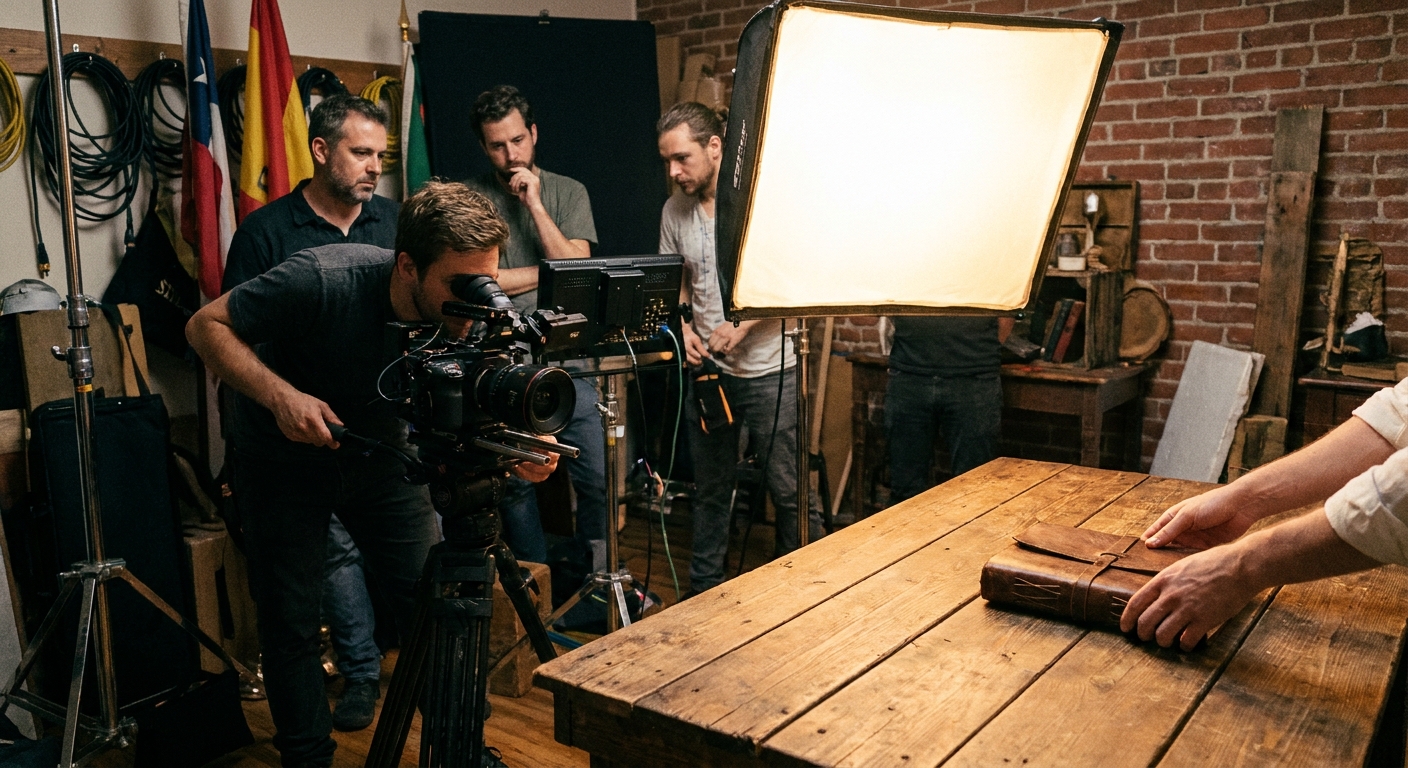
Pickup shots are additional bits of coverage filmed after (or late in) principal photography to fill gaps. They are often small, targeted shots that help an editor connect scenes, clarify action, or smooth pacing.
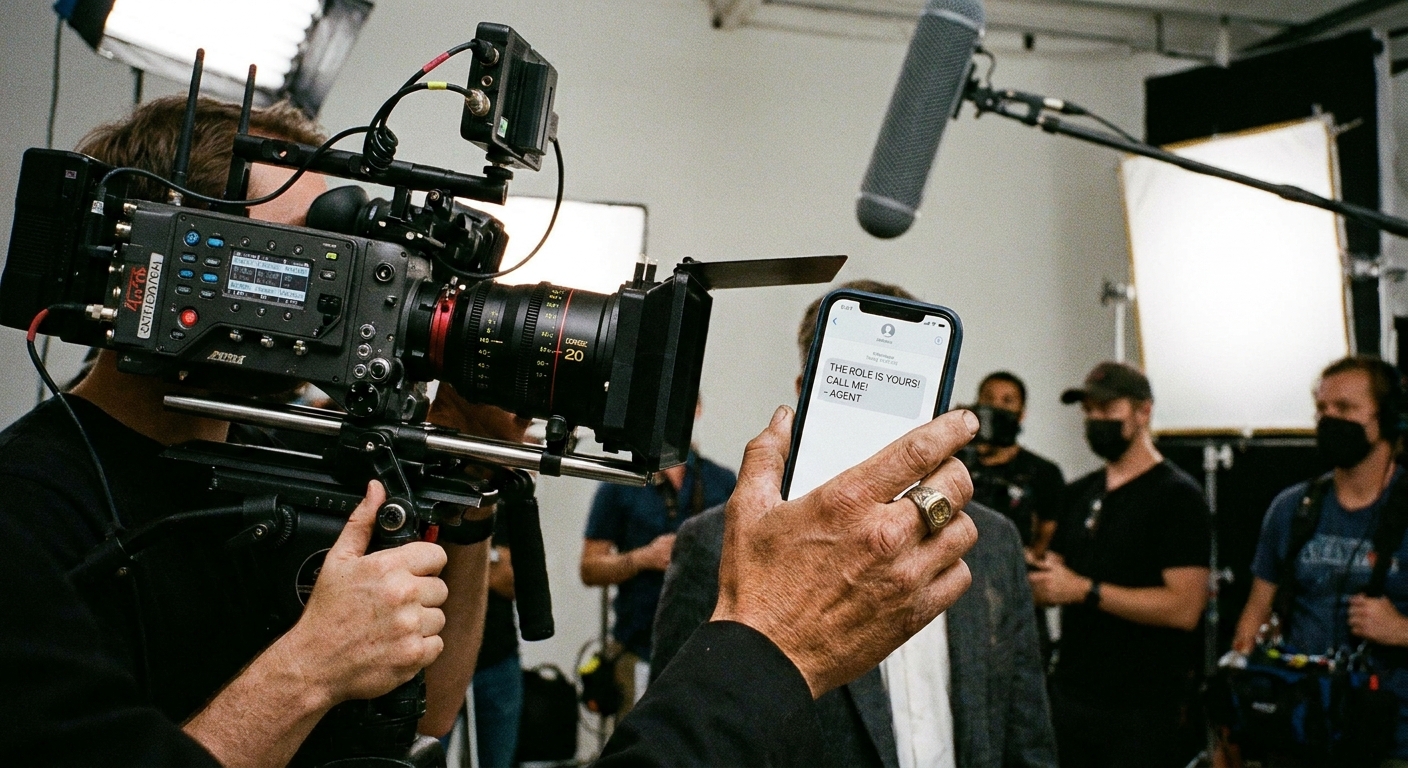
- Common pickup types: inserts (a text message on a phone), cutaways (a ticking clock), extra angles (a close-up you never got), or a brief reaction shot.
- Typical scale: short setup, limited cast, minimal location changes.
One nuance: some crews also use “pickups” to mean replaying a small part of an existing moment (like a few lines or a specific action beat) to get a cleaner option in the edit. It can be new coverage, a small redo, or both.
What are reshoots?
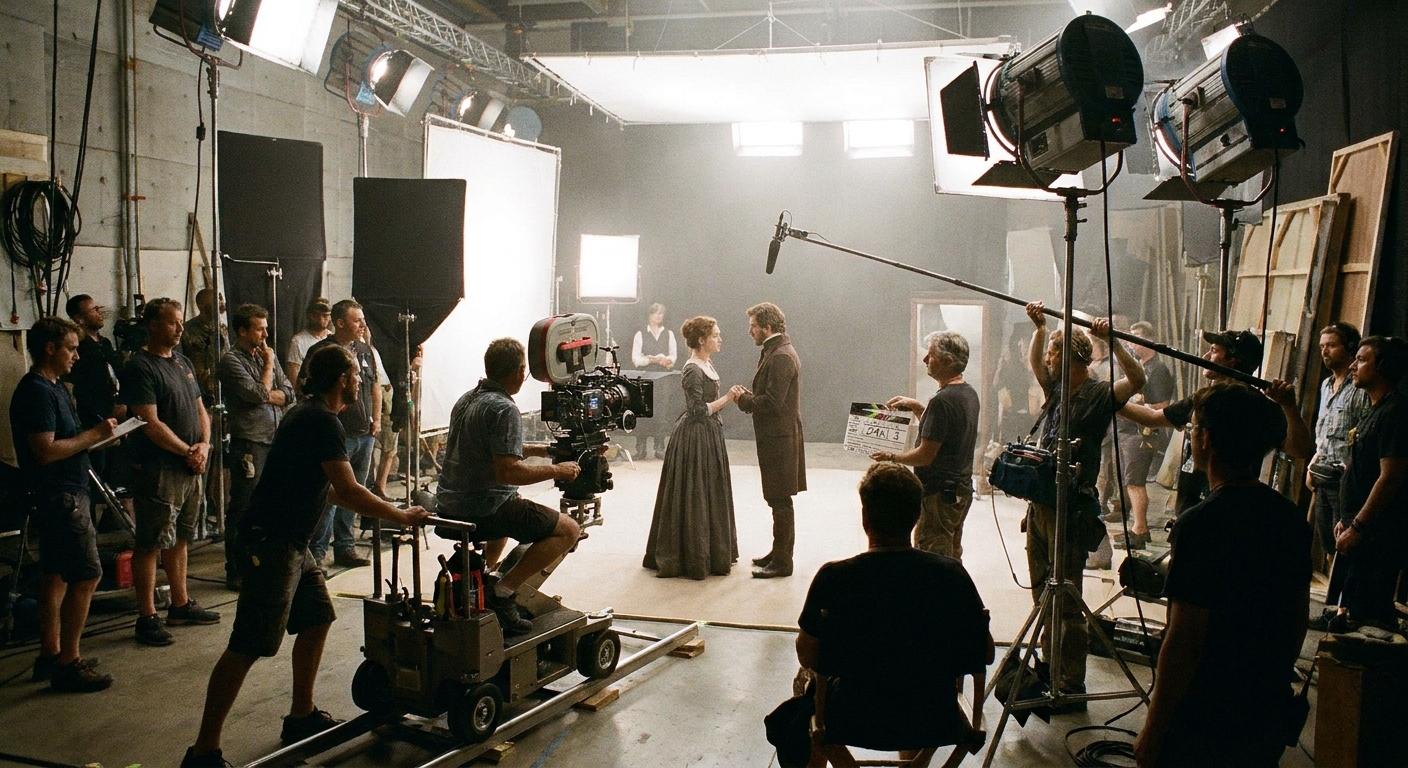
Reshoots are when filmmakers re-film an existing scene or a significant part of it. Sometimes it is a performance adjustment. Sometimes it is a story adjustment. Either way, you’re recreating something that has already been shot, often with matching wardrobe, lighting, hair and makeup, and production design so the new footage cuts seamlessly with the old.
- Common reshoot targets: a scene that is not working emotionally, an action beat that is confusing, dialogue that no longer fits after a rewrite, or a sequence that needs a different tone.
- Typical scale: larger setups, more departments involved, more continuity to replicate.
Pickup shots vs reshoots
If you want the fastest way to tell them apart, ask this:
- Pickups usually add. They add coverage you did not have, or they add a small missing piece that helps footage you already shot play better.
- Reshoots usually replace. They replace footage you already shot because it is not doing the job.
There is a gray area in the middle, and you will sometimes hear everything called “pickups” even when the work starts to look like reshoots. But the add vs replace idea is still a solid first filter.
Other terms you may hear
Depending on the project, you might hear these labels instead of (or on top of) pickups and reshoots:
- Additional photography: a common umbrella term that can include pickups, inserts, second-unit material, and sometimes reshoots, especially in studio contexts.
- Second unit: a separate crew that shoots specific material (often action, establishing shots, or inserts) while the main unit focuses on principal scenes.
When are pickups scheduled?
Pickup shots are commonly planned:
- Near the end of principal photography, when the director and cinematographer realize they are missing specific angles.
- After principal photography wraps, once an editor assembles the first cut and can point to exact holes.
- During a planned pickup day, sometimes with a smaller unit, fewer actors, and tighter hours.
Because pickups can be as simple as an insert of an object, productions sometimes film them without the full cast, and occasionally without the original location, if the shot is tight enough to hide it.
When are reshoots scheduled?
Reshoots are commonly planned:
- After an initial edit pass (often a rough cut or director’s cut) reveals story issues.
- After feedback like test screenings, network notes, studio notes, or internal review, when clarity, pacing, or tone needs adjustment.
- Once availability and continuity can be coordinated, since reshoots may require bringing back key cast, rebuilding sets, or revisiting a location.
Reshoots can be small or extensive. A “minor reshoot” might be redoing a single dialogue exchange with the same blocking. A “major reshoot” might mean restructuring an entire sequence so the movie’s cause and effect reads cleanly.
Why they happen after principal photography
Principal photography is the main production period when the bulk of the scenes are filmed. Wrapping it does not mean the movie is locked. It just means you have captured the planned material.
Once editing begins in earnest, a few realities show up fast:
- The edit reveals what the script could not. A scene that played great on paper might drag on screen.
- Continuity and geography become obvious. Viewers need to understand where everyone is and what they are doing, moment to moment.
- Performance emphasis changes in context. A line reading that felt subtle on set might read as unclear once cut against other scenes.
- Story revisions ripple outward. If you tighten one subplot, you may need a new bridging line or a fresh establishing beat elsewhere.
Pickups and reshoots are both part of that adjustment phase. Think of principal photography as collecting ingredients, and post-production as cooking. Sometimes you realize you need a pinch more salt. Sometimes you realize you used the wrong pot.
Cost and logistics
This is where the difference becomes very real.
- Pickups tend to be cheaper because you can often do them with fewer actors, fewer setups, and less continuity to recreate.
- Reshoots tend to be more expensive because you are reassembling the machine: cast availability, full crew calls, hair and makeup matches, wardrobe duplicates, props, set dressing, and sometimes set rebuilds or location returns.
- Continuity drives the bill. Matching a scene you shot months ago means chasing the same light, lenses, blocking, and even the same bruises or hair length. That coordination is time, and time is money.
And yes, a “simple” pickup can still get pricey if it involves stunts, a hard-to-access location, or a very specific look that takes time to replicate.
How pickup needs get identified
In practice, pickup and reshoot decisions often start as very boring notes in post:
- Editor notes like “need an insert of the letter” or “missing an eyeline to make this cut work.”
- A pickups list that collects every small gap the cut exposes, often organized by scene and priority.
- Continuity and VFX flags like mismatched screen graphics, an effect plate that was never captured, or a prop that needs clearer emphasis.
It is less about panic and more about precision. The cut tells you what it wants.
How to spot the difference
What pickup shots look like
Pickups often show up as:
- Quick inserts of objects or hands.
- Cutaways that help a scene breathe or hide a cut.
- Reaction shots that sharpen comedic timing or emotional logic.
They tend to be short, sometimes only a second or two, but they can completely change how a moment plays.
What reshoots look like
Reshoots can be harder to detect because they are designed to blend. But when they do stand out, it is often because of:
- Continuity tells like slightly different hair length, facial hair, or wardrobe fit.
- Lighting shifts that do not match adjacent angles.
- Different energy in the performances, especially if the scene was re-conceived.
To be clear, you can have invisible reshoots that you would never notice. You can also have pickups that are obvious because they are intentionally stylized, like a close-up insert used for emphasis.
Example: a pickup shot
Imagine a thriller scene where a detective confronts a suspect in a diner. In the edit, the director realizes we never clearly saw the detective notice the crucial clue.
Pickup solution: film a tight insert of the detective’s hand turning over a napkin to reveal a logo that matches the murder weapon’s manufacturer. No need to recreate the whole diner scene. Just the napkin, the hand, the table surface, and matching lighting.
On screen, it plays as a one-second cutaway that makes the detective’s next line feel earned instead of psychic.
Example: a reshoot
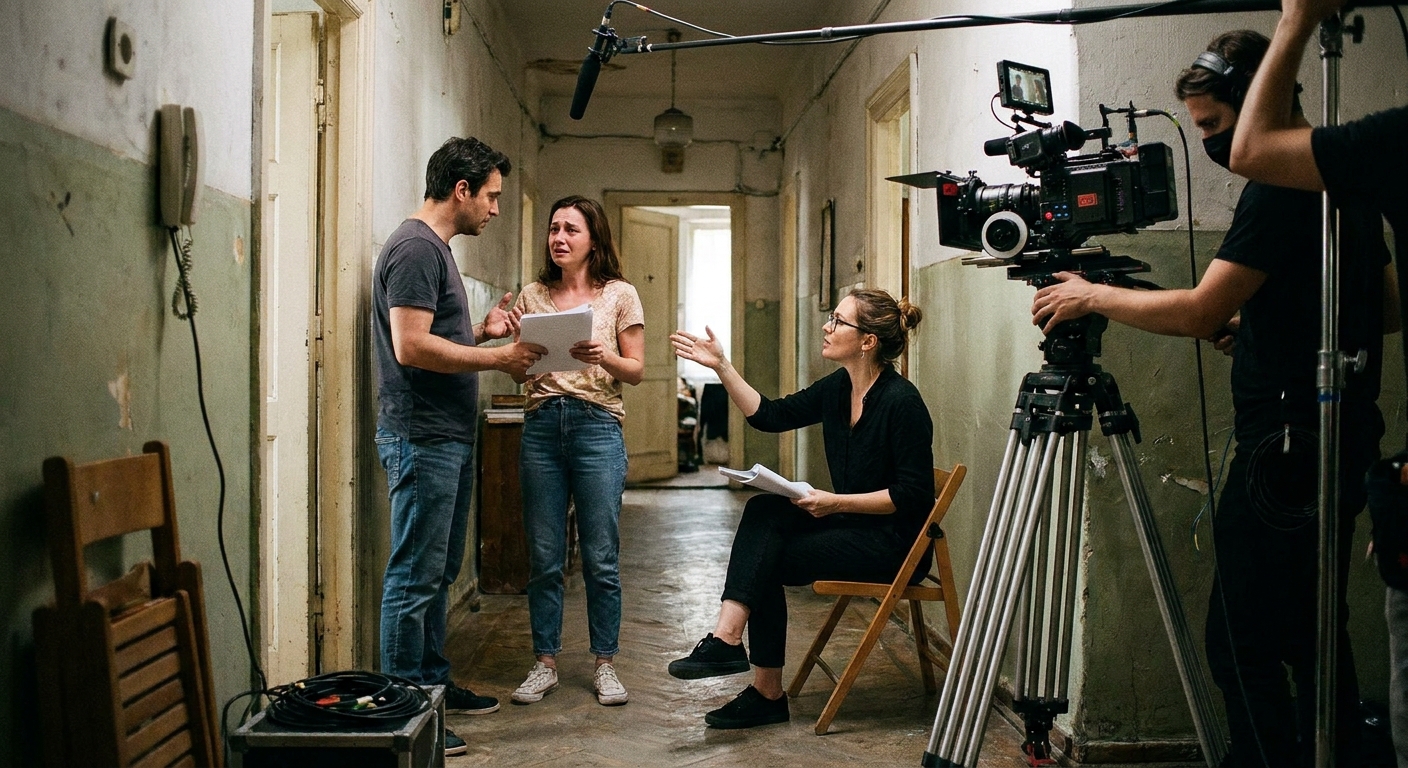
Now imagine a romantic comedy where two leads have a big argument in an apartment hallway. In the rough cut, the scene reads too harsh, and the audience stops rooting for the couple.
Reshoot solution: bring the actors back to re-film the argument with rewritten dialogue and softer escalation, maybe changing the moment where one character storms off so it feels funny and vulnerable instead of cruel. The goal is to replace the existing scene beats, not merely add coverage.
On screen, it is still “the hallway argument scene,” but it has a new emotional temperature that better serves the movie.
Does it mean something went wrong?
Not automatically. Sometimes pickups and reshoots are the sign of:
- Smart problem-solving once the cut reveals what is missing.
- Normal production constraints like weather, time limits, or a location that became unavailable.
- Creative refinement as the director shapes tone and rhythm.
That said, extensive reshoots can signal bigger issues, like unclear story structure or a mismatch between the original plan and what the footage supports. The truth is usually less dramatic than the rumor mill makes it. Filmmaking is revision by design.
At a glance
- Pickup shots: added coverage, often inserts, cutaways, reactions, or small targeted replays to give the edit options.
- Reshoots: re-filming scenes or substantial parts of scenes to replace what is already shot.
- Timing: both can happen late or after principal photography, driven by the edit and feedback.
- Why it matters: pickups smooth and clarify; reshoots recalibrate story and performance.
FAQ
Are pickups always cheaper than reshoots?
Usually, yes, because pickups tend to involve fewer setups, fewer cast members, and less continuity recreation. But a pickup can get expensive if it requires a hard-to-access location, complex stunts, or matching a very specific look.
Can a pickup turn into a reshoot?
Absolutely. A production might schedule “pickups” and then realize the simplest fix is redoing a bigger section of the scene. The terms are sometimes used loosely in conversation, even if the actual work begins to resemble a reshoot.
What is ADR, and is it the same thing?
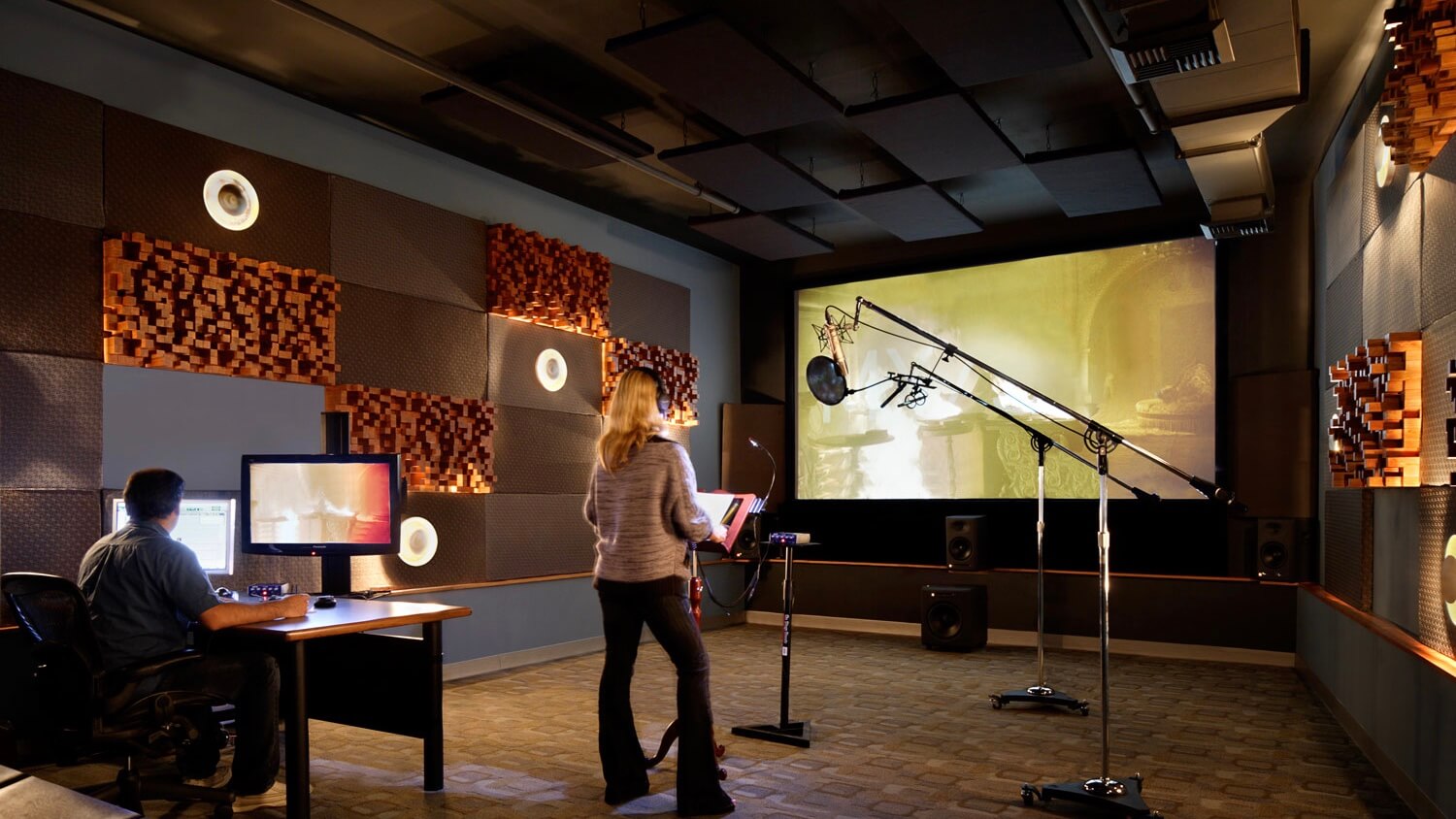
ADR is commonly expanded as automated dialogue replacement (and it is also often referred to as additional dialogue recording). It is recorded in a studio after filming. ADR can solve clarity problems without re-filming, but it is audio only. Pickups and reshoots are new picture photography.