I grew up backstage in Chicago, where the loudest thing in a theater was usually the audience, not the room itself. Film sets are the opposite. They can be a gorgeous symphony of craft and also an absolute war zone of noise: generators humming, wind machines roaring, wardrobe rustling, dolly tracks squeaking, planes doing flyovers with rude timing. Which is why one of the most quietly heroic parts of filmmaking happens long after the last take is shot.
That part is ADR.
ADR, defined
ADR stands for automated dialogue replacement, though plenty of people call it additional dialogue recording because it also covers newly added lines. Either way, the idea is the same: dialogue is recorded again in a studio after photography and then synced to the actor’s on-screen performance.
ADR can replace a line that was said on set, patch a few words, or create a brand-new line that never existed during filming. It is part of post-production sound work, alongside sound effects, Foley, music, and the final mix.
Why ADR exists
ADR is not just an “oops” button. It is often planned and budgeted because it can be the smartest way to protect the story and make sure the audience can actually understand it.
On-set sound is fragile
Even with an excellent production sound mixer and boom operator, the on-set environment can betray you. Common ADR triggers include:
- Background noise: traffic, refrigerators, air conditioners, crowds, rain towers, leaf blowers, generators.
- Wardrobe noise: leather squeaks, jewelry clinks, starched fabric scrapes, corsets, heavy coats.
- Location issues: echo in stairwells, slapback in tile rooms, wind across a mic.
- Camera and rig constraints: a shot that forces the boom too far away, a wide lens that reveals the mic’s usual hiding spots.
Sometimes the performance is perfect but the recording is not. I have seen a whole emotional beat get wrecked by something as dumb as a fridge compressor kicking on at the exact wrong moment, then the fix is literally one clean sentence in a booth weeks later. ADR lets you keep the acting choices while making the dialogue clear enough to hold up on a big theatrical system, a tiny phone speaker, or in a noisy living room with the volume turned down.
Story changes in the edit
Once a film or episode is assembled, it may become obvious that the audience needs one more breadcrumb: a name, a place, a time, a motivation. ADR is often used to:
- Clarify plot without reshooting an entire scene.
- Smooth continuity when lines are rearranged or a reaction shot is repurposed.
- Adjust for standards and practices or legal concerns (for example, changing a brand name or a lyric).
- Fix performance continuity when editorial chooses a different take visually than the best audio take.
Reshoots are expensive, logistically brutal, and sometimes impossible. ADR is comparatively nimble.
It fits the post pipeline
ADR is easiest once picture is close to locked, because the actor must match specific mouth shapes, breaths, and timing. In practice, though, scheduling can force ADR to start earlier on some shows and films (for actor availability, deadlines, or international versions) and then get conformed as the edit changes.
What ADR looks like
ADR is both technical and oddly intimate: an actor alone with their own face on a screen, trying to recreate lightning.
The basics
- Preparation: A dialogue editor or ADR supervisor identifies what needs work and builds cues with timecode and notes.
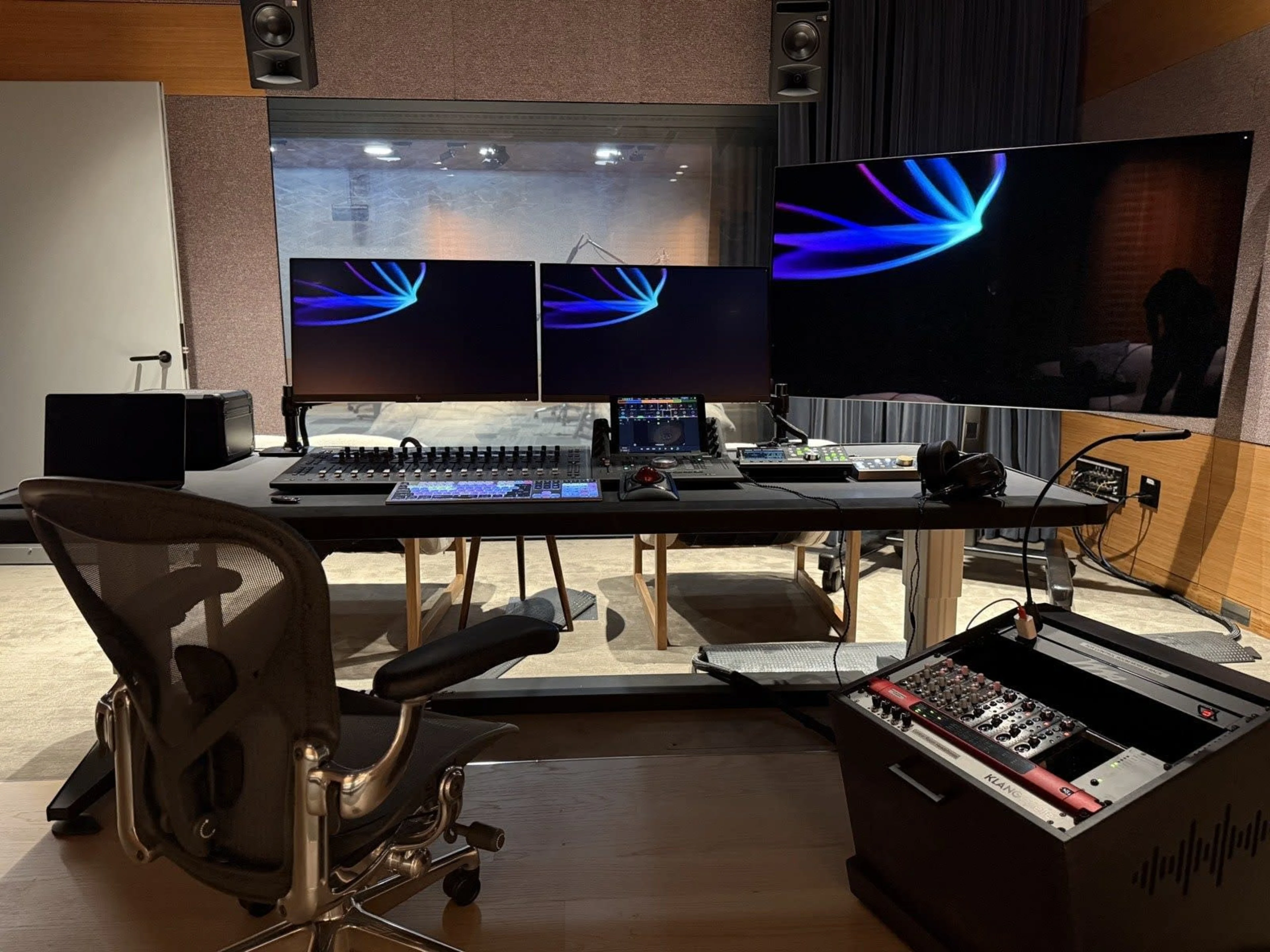
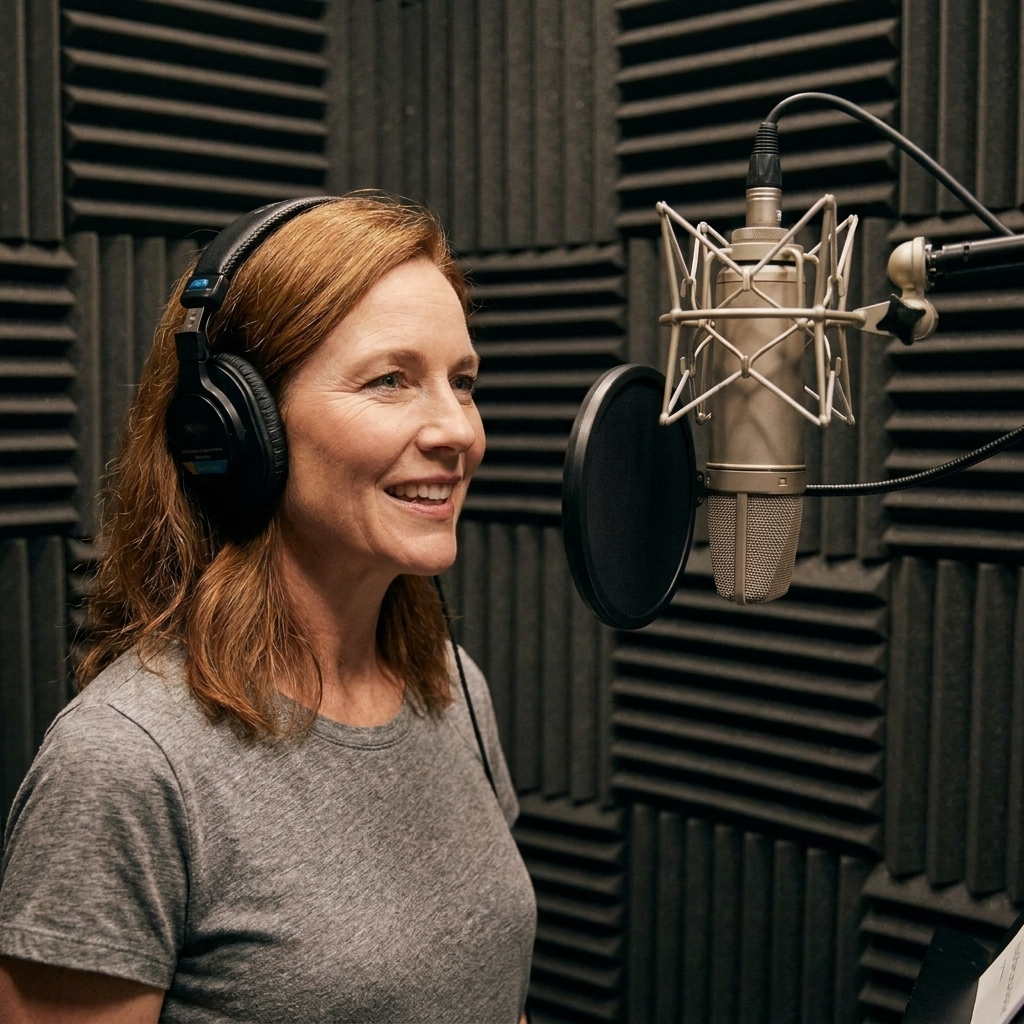
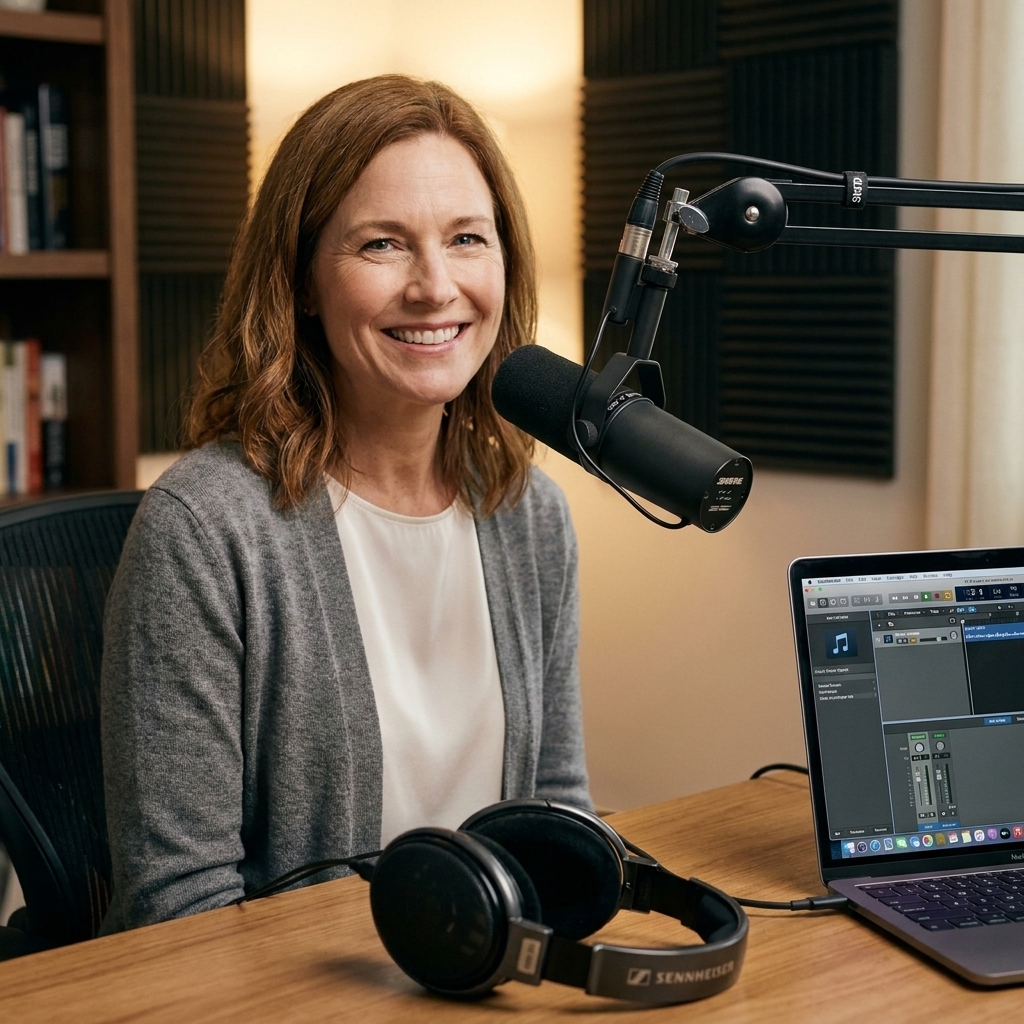
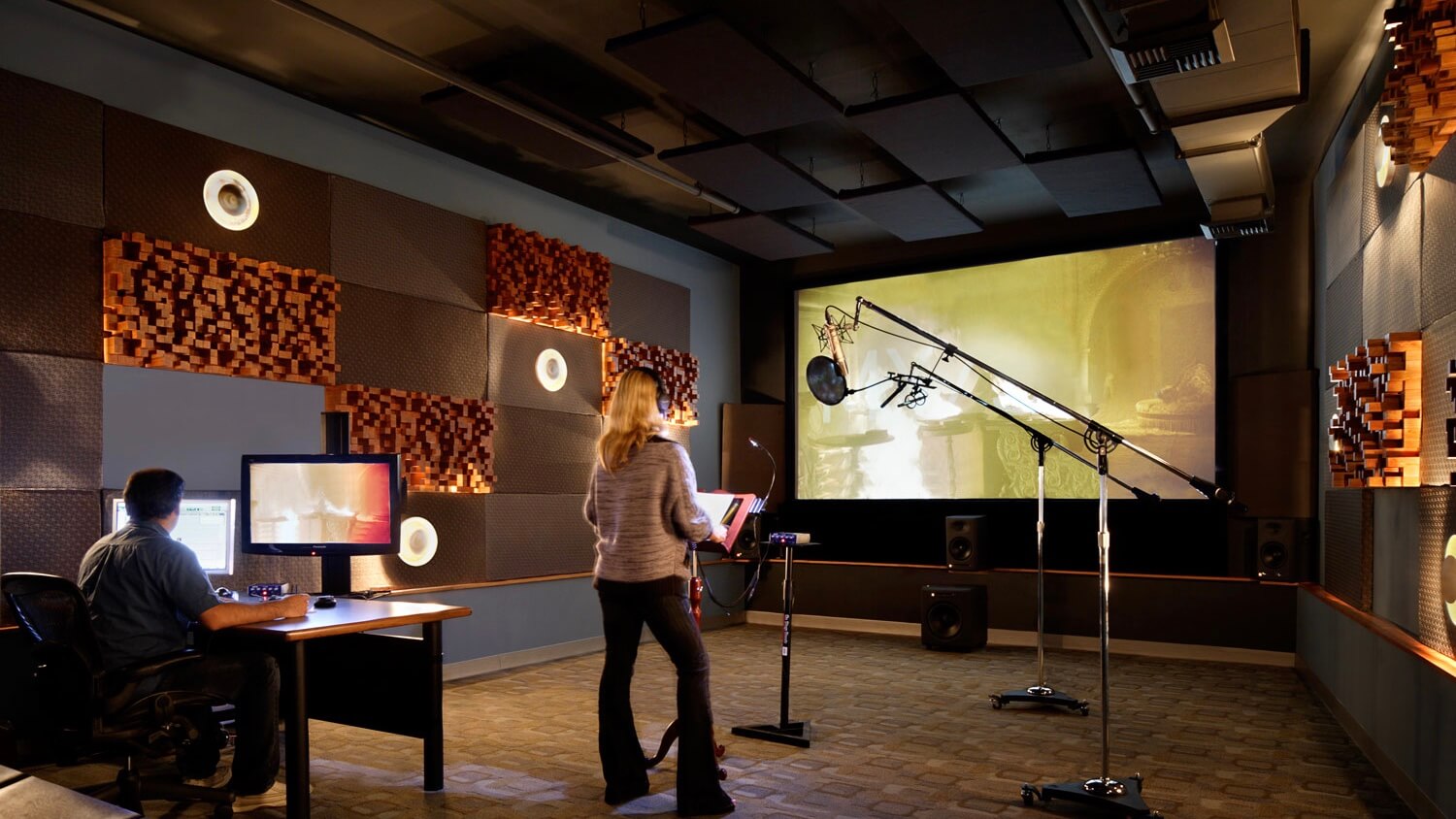
- Studio recording: The actor records in a booth with a microphone, headphones, and the scene playing on a screen. The director may attend, but often the ADR supervisor and sound team guide performance and sync.
- Multiple takes: The actor will do several versions to match timing and emotion. Small details matter: pace, consonants, breaths, even effort sounds.
- Sync and blend: The dialogue editor chooses the best take, lines it up to lip movements, and blends it with the original scene using room tone and ambience so it does not sound pasted on.
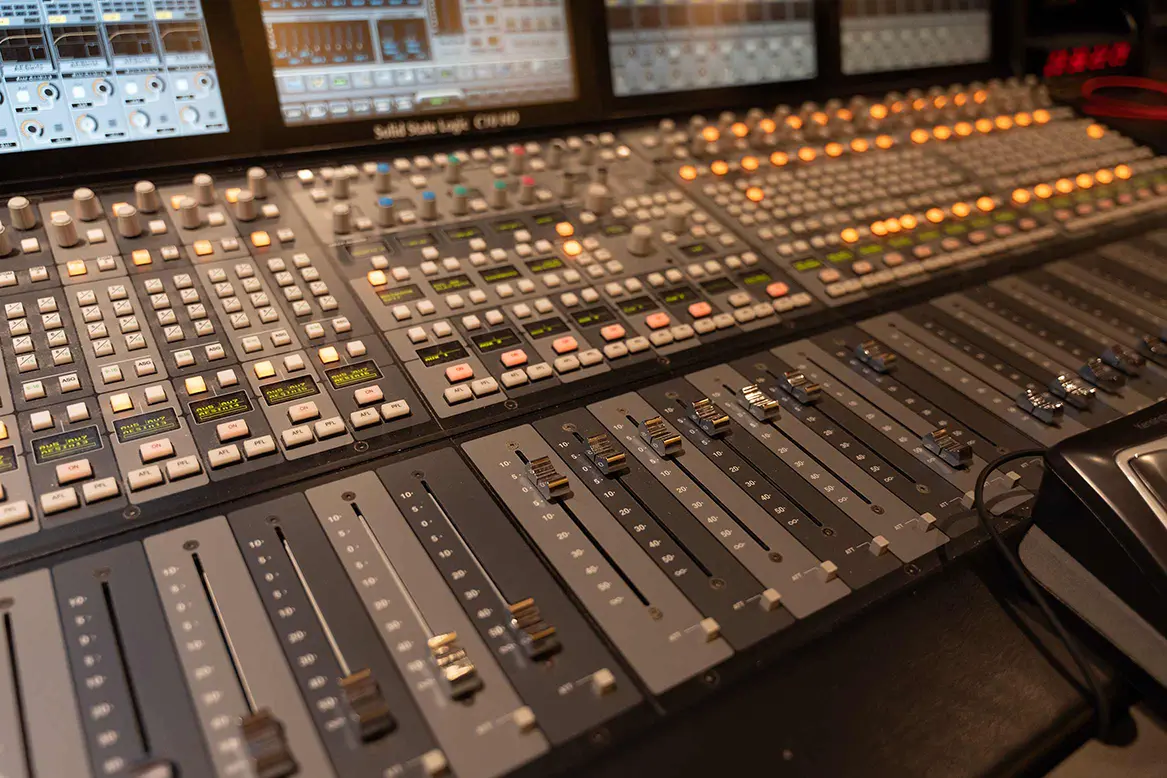
- Final mix: In the re-recording mix, ADR is balanced with production dialogue, music, and effects to feel seamless.
How it matches the scene
Good ADR is not just “clean.” It has to match perspective and space. That can mean choosing a similar mic, adjusting how far the actor stands from it, matching intensity and projection, and then using EQ and reverb (sometimes built from the location’s acoustic fingerprints) so the line sits where it belongs.
ADR vs. on set
The cleanest, most emotionally immediate dialogue often comes from the moment it was first performed on set. Production sound captures not just words, but the physical truth around them: footsteps, cloth movement, the natural space of the location, the way an actor’s voice changes when they are running or whispering behind a door.
But production sound has enemies, and film is full of compromises. ADR is how the medium forgives itself.
Why not ADR everything?
Some productions do rely heavily on ADR, but it is rarely the goal to replace all dialogue. Reasons include:
- Performance matching is hard: recreating the exact emotional temperature weeks later is a real acting challenge.
- It can sound too clean if not blended properly, especially in exterior scenes.
- It takes time and money: studio booking, editor prep, actor availability, and post labor add up.
Think of ADR as a scalpel, not a paint roller.
ADR vs. table read
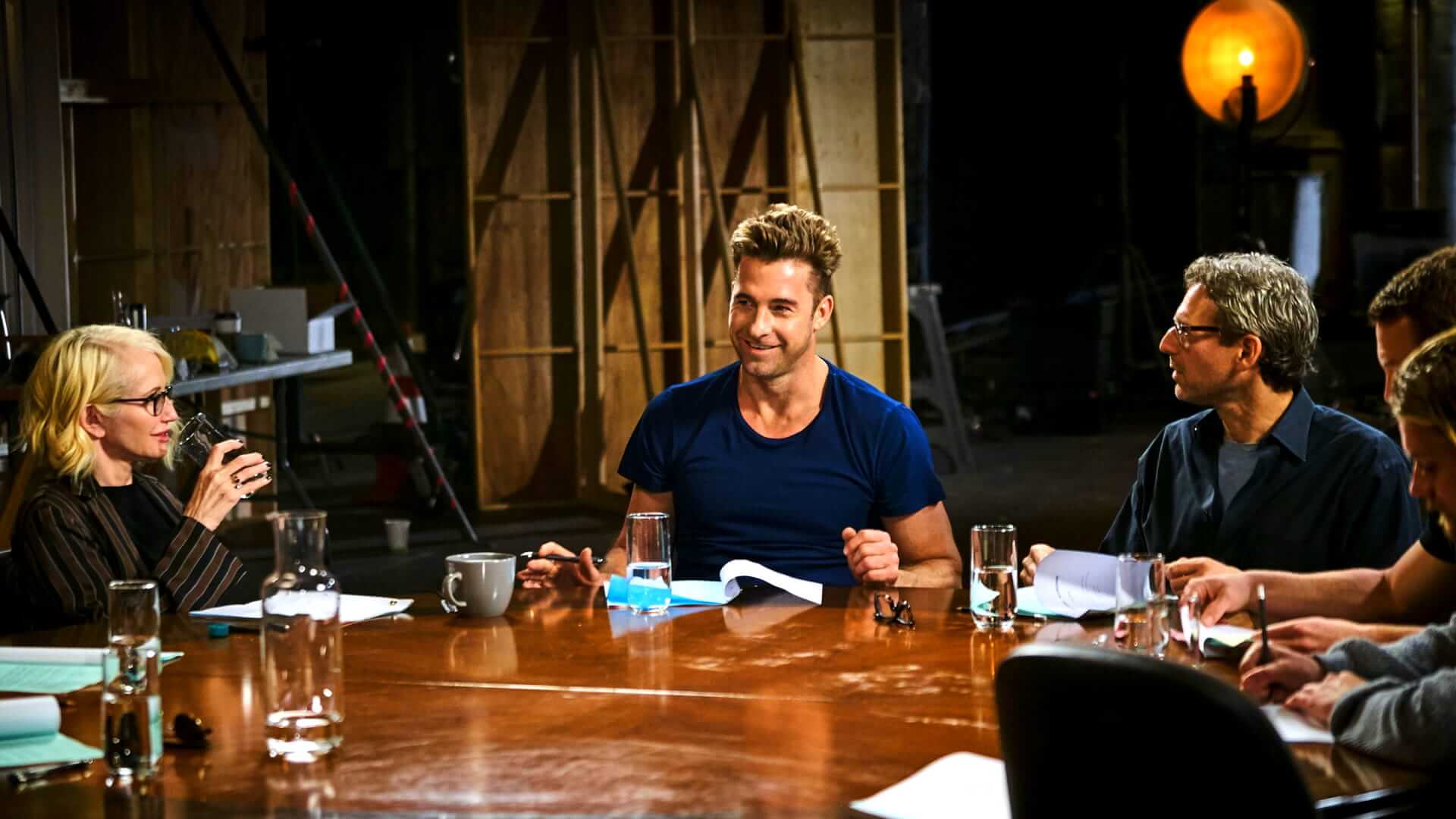
A table read happens before shooting. It is the cast (often with the director, writers, and producers) reading the script aloud, usually seated, to hear pacing, character voice, jokes, and story clarity. It is a rehearsal, a diagnostic, and sometimes a morale boost rolled into one.
ADR happens after shooting. It is not about discovering the script in community. It is about precision: matching a filmed performance, fixing intelligibility, or slipping in a surgical story adjustment.
- Table read: pre-production, group setting, story discovery.
- On-set dialogue: production, captured live in the scene.
- ADR: post-production, studio recording to replace or add dialogue.
Loop group and walla
One quick note, because people sometimes mean different things when they say “ADR.” The term usually refers to principal dialogue replacement, but ADR sessions can also overlap with loop group work (background voices, crowd walla, off-screen shouts) recorded under similar supervision and then woven into the scene. Different tool, same goal: making the world feel alive, and making the story track.
ADR myths
Myth: ADR means the actor did a bad job
Not at all. ADR is frequently about circumstances, not craft. A brilliant take can be unusable because a plane flew over at exactly the wrong time.
Myth: ADR is always obvious
When ADR is well recorded, well edited, and well mixed, you do not notice it. That is the point. The best compliment an ADR team can get is silence.
Myth: ADR is only for action movies
Action films do use ADR a lot due to stunts and noise, but quiet dramas and comedies use it too. Sometimes it is a single syllable repaired so a joke lands. Sometimes it is a whispered line made intelligible without losing intimacy.
Who does ADR?
ADR is a team sport. Depending on the production, you may encounter:
- ADR supervisor: organizes sessions, cues, notes, and coordination with editorial and production.
- Dialogue editor: preps the lines, edits takes, syncs, and blends with production dialogue.
- ADR recordist or engineer: runs the recording session and captures clean audio.
- Director or producer (sometimes): gives performance direction and approves choices.
- Re-recording mixer: integrates ADR into the final sound mix so it feels native to the scene.
How to spot ADR
If you are curious rather than hunting for mistakes, listen for gentle clues:
- Room sound changes mid-sentence: the ambience suddenly shifts or gets quieter.
- Mouth shapes that do not quite match: especially on wide shots or profile angles where consonants are hard to hide.
- A voice that feels too close for the space: a perfectly crisp vocal in a windy outdoor shot can be a tell.
That said, film sound is deliberately sculpted. Even production dialogue is often cleaned, leveled, and sweetened. The goal is emotional truth and storytelling clarity, not documentary purity.
FAQ
What does ADR stand for?
ADR most commonly stands for automated dialogue replacement. You will also hear additional dialogue recording, because the same process can cover new lines added in post.
Is ADR the same as voice-over?
No. ADR is synced to an on-screen performance, usually matching the actor’s mouth movements. Voice-over (including narration) is generally not lip-synced and is often used as a storytelling device rather than a repair.
Do actors hate ADR?
It depends. Some actors find it technical and fussy, others appreciate the control it gives them. What most actors want is for the scene to play truthfully. ADR is one more tool to get there.
Can ADR change what a character says after filming?
Yes, within reason. ADR can replace a word, tweak a line for clarity, or add a short line to help the audience track the story. Big rewrites usually require reshoots, but ADR can be surprisingly powerful in small doses.
The takeaway
ADR is one of those behind-the-scenes crafts that reminds me why I love this industry: it is invisible labor in service of connection. When it works, you are not thinking about microphones, airplanes, or continuity. You are simply inside the scene, hearing what the story needs you to hear.
And if you ever catch yourself staying through the credits, like I do, ADR is one more department worth silently applauding.