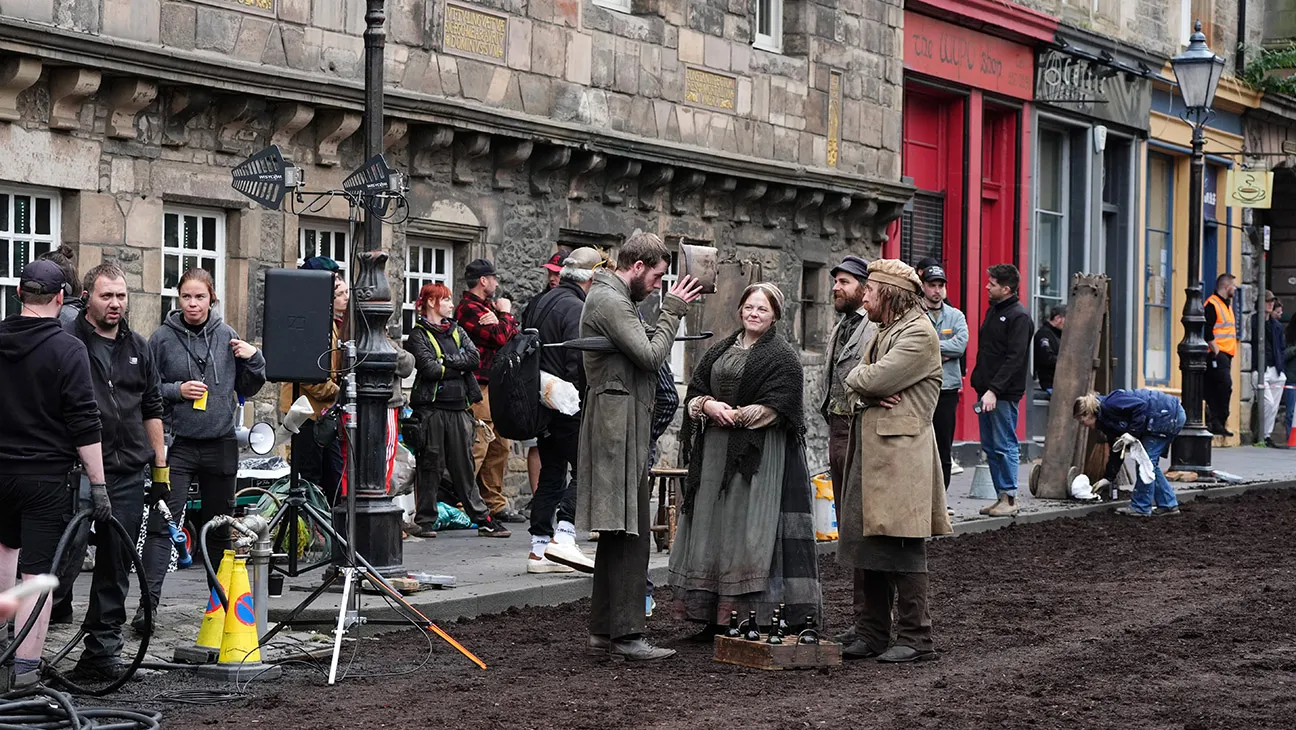
The first time I worked around a set, I had the same impulse I get in a theater: document the magic. Backstage, the instinct is understandable. Sets are gorgeous. Costumes are surreal up close. And if you are an extra, it can feel like your tiny corner of the frame is your own little victory lap.
Here’s the catch: film and TV sets are not like backstage at a school play. They are more like a closed newsroom mixed with a high-security workshop. Most productions do not want set photos floating around, even harmless ones, and they build that expectation into paperwork and on-the-day warnings.
If you are an extra and you are wondering, “Can I post this selfie in wardrobe?” the safest answer is: assume no, unless you have clear permission in writing.
Why sets restrict photos and posts
Studios and producers are not trying to spoil your fun. They are protecting the project from leaks, clearance problems, and safety risks. A single casual post can create real problems, especially once it gets shared beyond your followers.
Story and spoiler protection
Even a blurry background can reveal plot points, surprise cameos, stunts, props, or a character’s fate. Productions spend a lot of money shaping when and how audiences discover those details, and they treat leaks as direct damage to marketing and viewer experience.
Contracts and clearances
Film and TV are stitched together from contracts: brand clearances, location agreements, music rights, unions, and guild rules. A photo can accidentally capture:
- Uncleared logos and artwork
- Private address numbers, license plates, or signage
- Members of the public, especially children, who have not signed releases
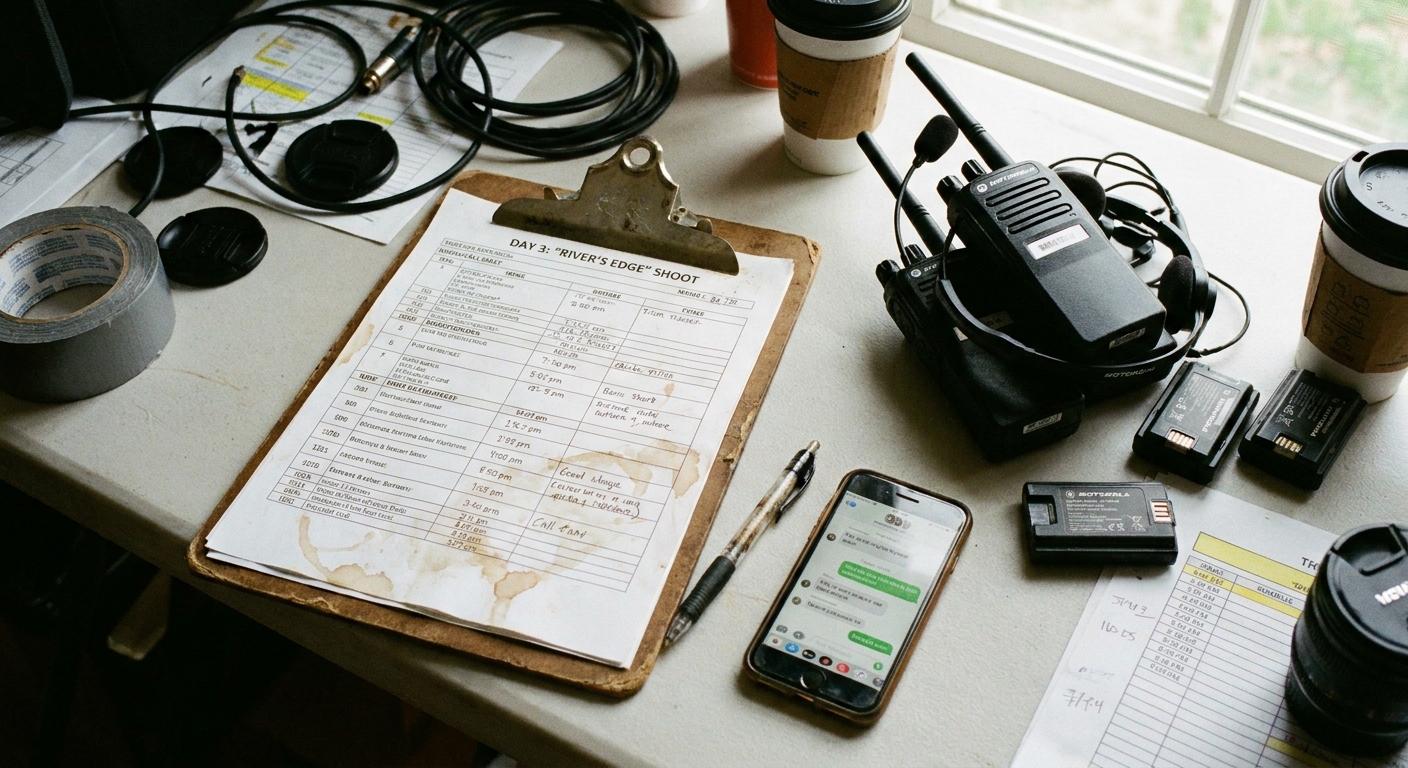
- Confidential paperwork, schedules, call sheets, or shot lists
Even when something is not automatically illegal to photograph, it can still create clearance or privacy headaches, violate production policy, and put the production in a position where they have to react.
Security and crowd control
Posting a recognizable location in real time can attract onlookers, disrupt filming, and create safety concerns for cast and crew. This is especially sensitive for high-profile actors or politically charged storylines.
Publicity timing
Publicity departments choreograph what images get released and when, down to the day. Your set photo, even if flattering, can conflict with an embargo, a premiere rollout, or a reveal planned with media partners.
What confidentiality rules cover
Rules vary by production, but extras commonly encounter confidentiality language in three places: start paperwork, a separate nondisclosure agreement, and the on-set verbal reminder that phones should stay away.
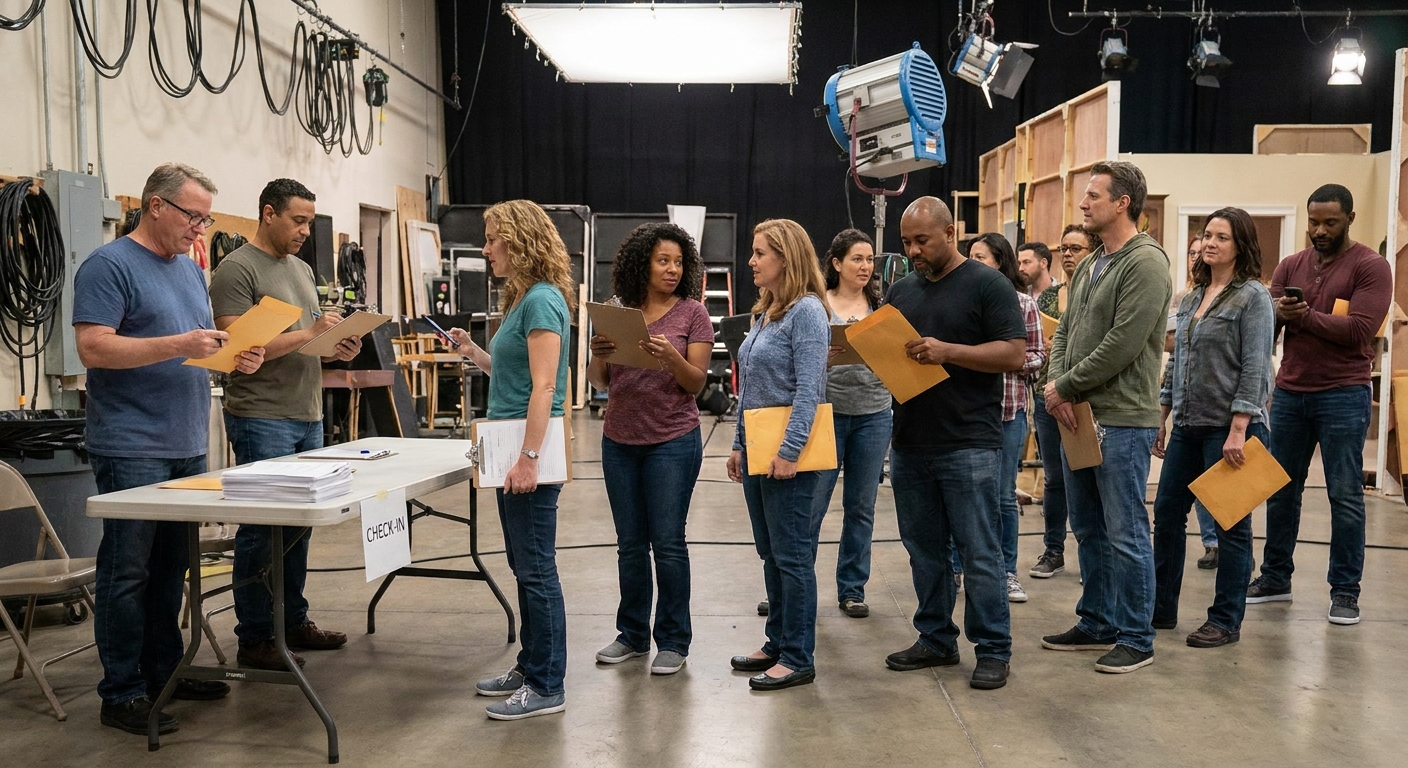
If you are new, “start paperwork” can mean quick onboarding forms at check-in, like your deal memo or voucher paperwork, plus the usual employment forms (for example, tax and work eligibility forms). The confidentiality language is often tucked into the documents you sign fast so you can get to wardrobe.
Even when the wording is short, the intent is usually broad: do not share anything you learn or see at work until the production has released it publicly.
Common restricted content
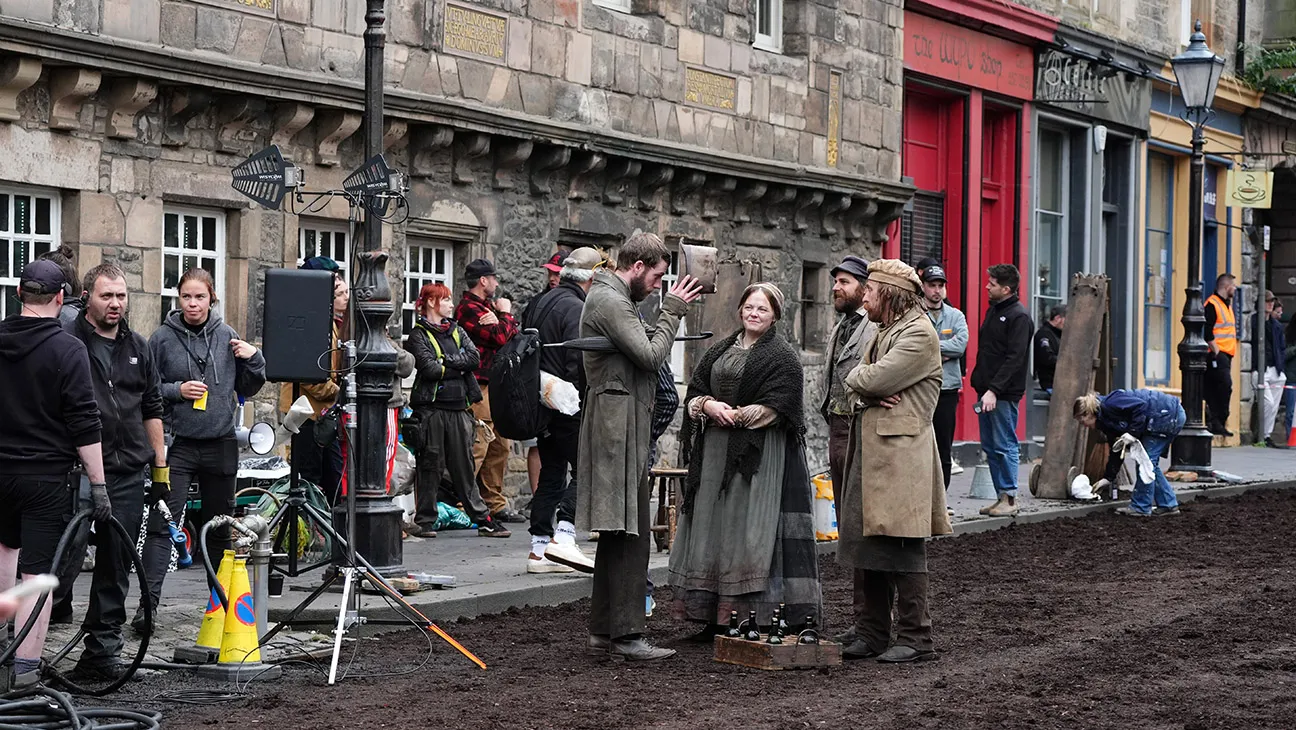
- Photos or video of the set, including sets under construction, lighting setups, camera rigs, and rehearsal blocking
- Faces of cast or crew, including candid images in holding, at craft service, or in between takes
- Wardrobe, hair, and makeup that reveal time period, character identity, or transformation
- Script pages, sides, call sheets, shot lists, schedules, and any posted daily production paperwork
- Locations, especially if the story involves sensitive topics or the shoot is happening on private property
- Plot details, dialogue you overhear, stunt beats, cameos, or alternate endings
- Production name or code name if the project is shooting under an alias
Sometimes the warning also covers what sounds like “soft” info: the identity of the director, the guest star that showed up today, or what episode you are working on. If it is not public, treat it as confidential.
Phone rules are part of the policy
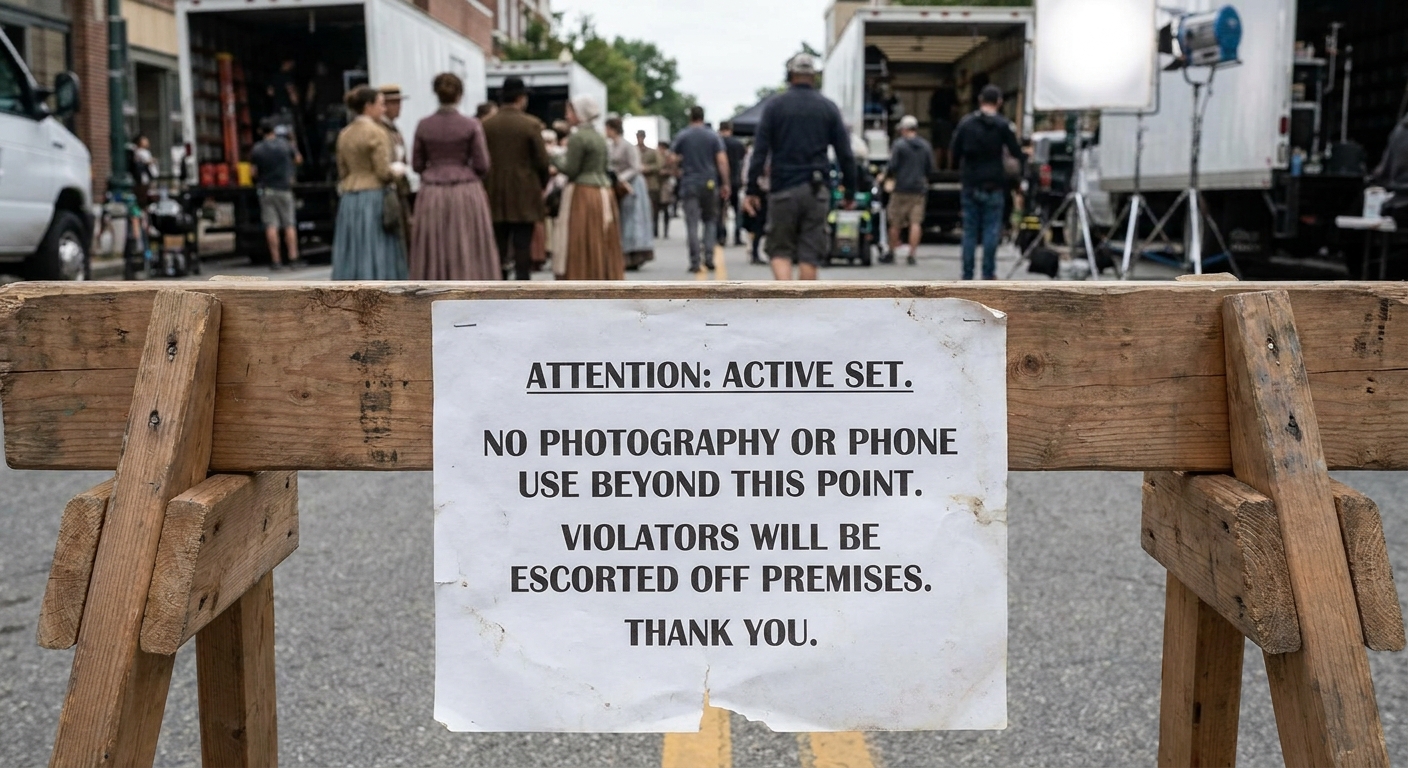
Many sets effectively operate with a “phones away” culture while cameras are rolling. Some productions go further and prohibit phones in certain areas or require devices to be sealed or stored. If a PA tells you phones are not allowed out, that is not a suggestion.
Taking photos vs posting
This is where people get tripped up. Some productions mostly care about sharing and may tolerate a private, personal photo in a designated area during a break. Others ban taking photos entirely, no exceptions. You cannot assume which one you are on.
Also, “not posting” is bigger than your public Instagram. Group chats, private stories, DMs, and fan forums are still sharing. If it leaves your phone, treat it like it could end up everywhere.
What to assume before posting
If you want a simple rule you can actually remember at 5 a.m. in holding, use this: assume you cannot post anything that clearly shows you were there. Not because it is universal law, but because it is the most reliable way to stay within typical set policy when you do not have explicit guidance.
Assume you cannot post faces
Do not post selfies in costume, group photos in holding, or candid shots that include other background performers, crew, or cast. Even if your fellow extras are excited and consenting, the production may not be.
Assume you cannot post scripts or paperwork
Never post sides, call sheets, signage with scene numbers, or anything with dates, unit names, or location addresses. This is one of the fastest ways to get flagged as a leak.
Assume you cannot post the location in real time
That includes obvious landmarks, street signs, business names, and even a geotag. If you are on a backlot or stage, avoid posting anything that shows the studio name or entry pass.
Assume “behind the scenes” includes boring stuff
Sometimes the most revealing images are not the glamorous ones. A picture of monitors, a whiteboard schedule, a posted floor plan, or a prop table can disclose story details and shooting logistics.
If you did not capture it at a public press event, and the show’s official accounts have not posted it first, treat it as private.
I signed nothing. Can I post?
Not necessarily. A few realities of set life:
- Confidentiality may be built into the paperwork you signed quickly at check-in, even if it did not look like a dramatic NDA.
- On-set instructions are enforceable as workplace policy on that job, and ignoring them is a quick way to be removed and not rehired. Whether something is legally enforceable can depend on the contract and jurisdiction, but you do not need a lawsuit to lose the gig.
- Policies can be location-based, like a studio lot rule or a private property agreement.
Also, even if the consequences are not legal, they can be practical. Casting and background coordinators remember who is easy to work with and who creates risk.
Union status does not change it
If you are working a union job, including SAG-AFTRA-covered background, you are still expected to follow the production’s confidentiality and phone policies. If you are non-union, same deal. The rule on the day is the rule on the day.
What is usually safe to share?
“Safe” depends on permission, timing, and content. If you want to share your excitement without stepping on a rake, these options are often lower risk, though you should still follow production rules:
- After the project is released, you may be able to share a general note like “I did background on a streaming series this year,” without naming details that were not public.
- Neutral, non-identifying photos off set, like a picture of your lunch in your car or your comfy shoes at home, as long as it does not show paperwork, wardrobe, or identifiable signage.
- Official promotional material that the production has posted publicly, reshared without adding spoilers or private context.
Even after release, avoid posting behind-the-scenes photos unless you were clearly told you could. Some confidentiality terms may survive release, and some projects have later international rollouts.
Approved photo areas and BTS days
Occasionally, productions create a safe lane for social posts, like an approved photo wall, a credentialed press moment, or a “background BTS” setup where they tell people what is allowed and what is not. If you get one of these, follow the instructions exactly, especially on timing, tagging, and what can appear in the frame.
How to get permission
The most professional move is also the simplest: ask. Not in the middle of a setup, and not by cornering an actor. Ask the background PA, the 2nd AD, or your casting contact what the policy is for extras on that specific project.
When you ask, be specific:
- Is a selfie in holding allowed if it shows no set and no other faces?
- Can I post after a certain date?
- Can I tag the show or production company?
- Are there areas where phones are allowed and areas where they are not?
If you get a yes, keep it. A quick written confirmation by text or email is ideal. Policies shift, and you do not want your memory to be the only receipt.
What happens if you break rules?
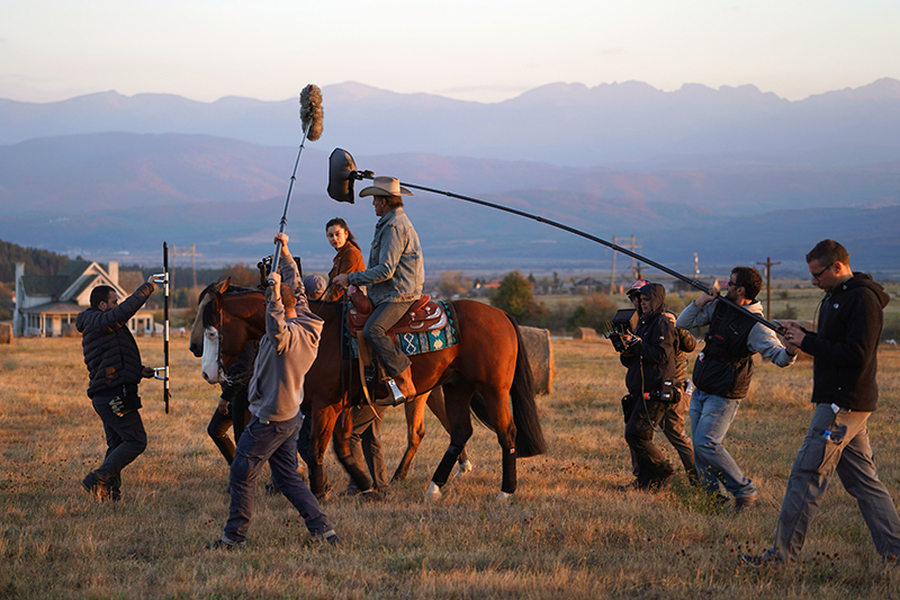
Consequences range from mildly awkward to career-limiting. Common outcomes include:
- Being asked to delete the post, sometimes immediately on set
- Being wrapped early and removed from set
- Not being hired again by that production team or background office
- Escalation to legal or corporate teams in serious cases, especially if you posted spoilers, script pages, or restricted locations
Even if you delete a post, the problem may not be “undone.” Screenshots are forever, and reposts travel faster than apologies. Intent matters to you, but impact is what productions have to manage.
Quick checklist
- Did production explicitly allow posting, and did they give a timing rule?
- Does the image include faces, wardrobe, props, monitors, paperwork, or signage?
- Could someone identify the location from landmarks, street signs, or geotags?
- Are you posting in real time?
- Would you be comfortable showing the post to the AD team?
If any answer makes you hesitate, that is your cue to keep the memory in your camera roll and let the official marketing do the revealing.
FAQ
Can I take a selfie in my trailer or holding area?
Sometimes, but many productions still say no, especially if the selfie shows wardrobe, hair and makeup, set dressing, call sheets, or other people. Some sets allow private photos during breaks in designated areas. Assume it is not allowed unless you are told otherwise.
Can I post after the episode airs or the film comes out?
Sometimes, but not automatically. Some confidentiality terms may survive release, and some projects have later international rollouts. If you never got guidance, keep it general and avoid behind-the-scenes specifics unless you have permission.
Can I say the name of the project?
If the project is publicly announced and you were not told otherwise, naming it later is often fine. If the production used a code name, or you were instructed not to disclose, do not name it.
What about posting a photo of my voucher or call time as proof I worked?
Do not. Paperwork can include production identifiers, dates, and payroll details. If you need proof for your own records, keep private copies.