I grew up backstage in Chicago where everyone had a job title that sounded mysterious until you watched them work. That is how I feel about the word “agent” when you are brand new to on-camera life. It sounds like a golden ticket. For most film and TV extras, it is not.
Background acting is its own lane with its own gatekeepers. The good news is that it is often the most accessible way to get on set. The even better news is that you do not need an agent to start booking it.

The short answer
Usually, no. Film and TV extras do not need an agent. Most background roles are booked through background casting offices (also called extras casting) using public or semi-public casting listings, online databases, and direct submissions.
Representation starts to matter when you are trying to move from background into principal acting (speaking roles), when you are aiming for more selective opportunities in your market, or when your time is valuable enough that you want someone else negotiating, pitching, and tracking opportunities.
Background casting vs. a talent agent
This is the distinction that saves beginners the most confusion. An extras casting office and a talent agent can both help you get work, but they are not the same thing and they do not get paid the same way.
What an extras casting office does
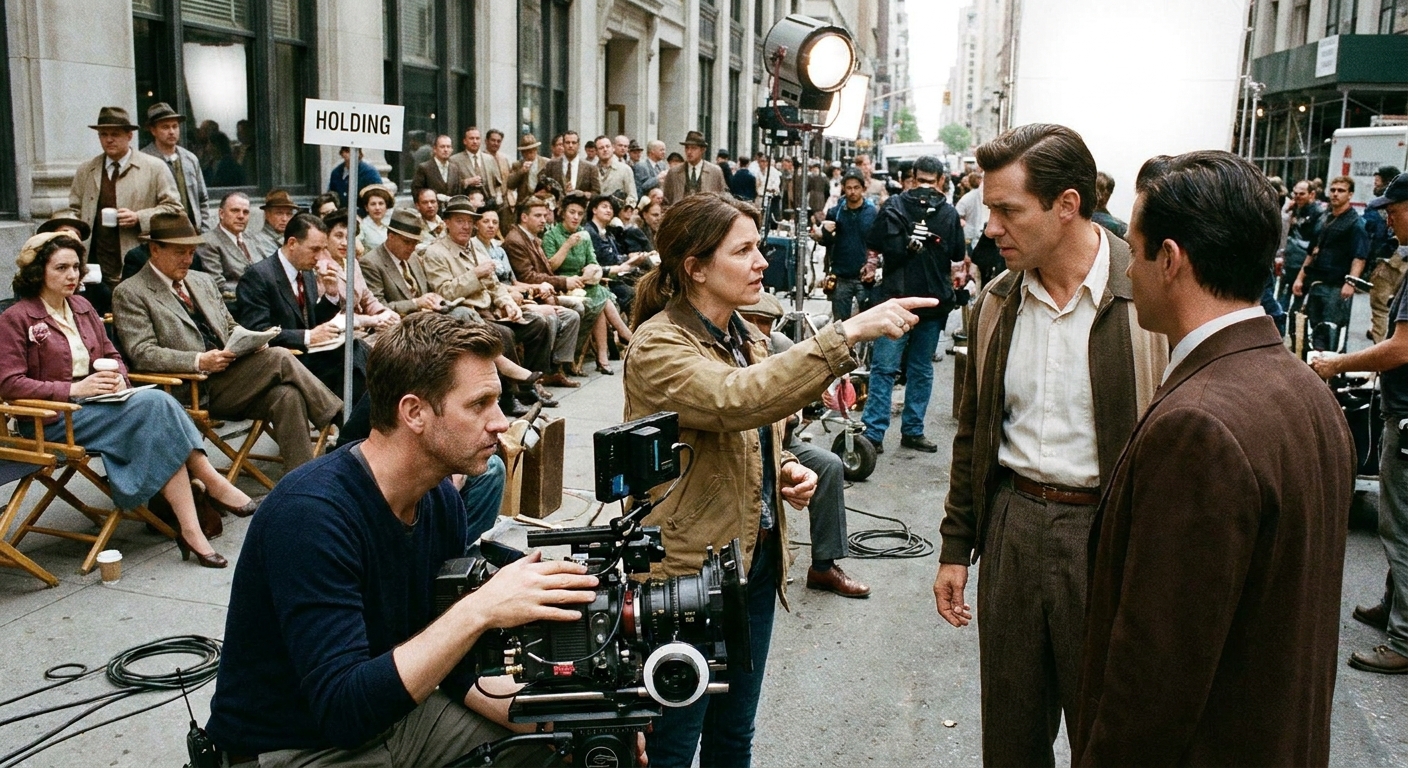
Background casting is hired by a production to staff the world of the story: commuters, wedding guests, basketball fans, hospital visitors, diners in a restaurant. Their job is logistics as much as artistry. They need reliable people who can follow direction, show up on time, and match a specific look.
- They cast for a specific project (one show, one film, one day of shooting).
- They book directly and send you availability checks, call times, and wardrobe notes.
- They pay you as a background performer at the rate set by the production, and you do not pay them.
What a talent agent does
A talent agent represents you, not a single production. Their job is to get you auditions and bookings, negotiate deals, and build your career strategically across projects.
- They submit you for roles based on what casting directors request, usually for speaking parts and sometimes for higher-level on-camera opportunities.
- They negotiate pay, terms, and sometimes credit and billing.
- They are paid by commission on work you book through them.
A practical rule of thumb: legitimate agents typically do not charge upfront fees just to sign you. You may still choose to pay for your own marketing materials (like headshots or classes), and rules can vary by jurisdiction. If anything feels unclear, ask for the agency’s commission terms in writing and check local licensing or union franchising requirements where you live.

Where extras bookings usually come from
Background work is often cast from:
- Extras casting databases where you create a profile with photos, sizes, location, and availability.
- Casting listings posted by background casting teams for specific dates and needs (for example: “need people with business attire,” “need real cyclists,” “need families”).
- Referrals from other background performers who know you are dependable.
- Direct outreach when your look or skill matches something specific (a musician who can mime convincingly, someone who can ice skate, someone with a certain period hairstyle).
- Local casting communities such as regional groups and production portals where background teams post needs and updates.
Notice what is missing from that list: an agent. The background system is built to book quickly, and that is why you can start without industry connections.
When an agent can help
There are real moments when representation becomes more than a nice-to-have. Consider talking to agents when one or more of these are true:
You are pursuing speaking roles
If your goal is to act, not just to be on set, the pivot point is often this: you want auditions for co-star and guest star roles, shorts, commercials, and indie films where you are hired for performance rather than presence.
Background work can teach you set etiquette, patience, and camera geography, but it rarely functions like a direct audition pipeline for principal roles.
You are booking often and need help
If you are working consistently and juggling hold dates, travel, rates, and conflicts, a good agent can help you keep your calendar and contracts from becoming a second unpaid job.
You have a marketable specialty
Some performers blur the line between background and specialty work: dancers, athletes, musicians, precision drivers, people with niche wardrobe or period skills. An agent can be helpful if your skill set fits a more curated market.
You are ready for real negotiations
Negotiation is where agents shine. For straightforward background days, there is often little to negotiate. On union background contracts, minimums and bumps like overtime, meal penalties, and fittings are typically spelled out rather than individually negotiated. For commercials or principal acting work, details can change the value of the job quickly, and that is where good reps earn their commission.
Union note
Union and agent are two separate conversations. Some background work is covered by union contracts, and rules vary by region and project. Union eligibility is about the job and the contract, not whether you have representation. If you are unsure what you are being hired under, it is okay to ask production or payroll what contract applies.
Know who you are dealing with
When you get an email, DM, or phone call about “representation” or “booking you,” use this quick reality check.
Signs it is an extras casting office
- They mention specific shoot dates, a project name (or a code name), and a location.
- They ask for sizes, recent photos, availability, and transportation details.
- They send call times, holding instructions, wardrobe guidelines, and set rules.
- They do not ask you to pay them to submit you.
Signs it is a legitimate talent agent
- They are clear about commission and when it applies.
- They talk about career direction, materials (headshots, reel, training), and what kinds of roles they submit for.
- They have a professional footprint and can explain how they work and what kind of client list they build.
- They do not promise fame. They promise process.
Signs you should walk away
- They require upfront fees just to represent you.
- They pressure you to sign immediately.
- They guarantee auditions or bookings.
- They are vague about what you are paying for, who pays you, and how you will actually be submitted.
Can you get background work through an agent?
Sometimes, yes. In some markets, there are intermediaries that function a bit like “extras agencies” or booking services, and some talent agents will occasionally forward background opportunities.
But it is not the most common pipeline. Many agents focus on principal and commercial submissions because that is where their time makes the most sense and where commissionable contracts are more consistent. If you do have an agent and they send background work, treat it as a bonus, not your only plan.
Does being an extra help you get an agent?
It can help in indirect ways, but it is rarely a direct “I did background, now I have reps” ladder.
What background work can do is build your professional habits. Agents love clients who are reliable, communicative, and camera-ready. If you use background work as set education while you train, build footage, and audition for indie projects, you are creating the materials that make representation more realistic.
Think of background work as film school for etiquette: you learn how a day runs, how crews communicate, and how storytelling is assembled one setup at a time.
Paperwork basics
Real background jobs come with real paperwork. Expect payroll forms and identity verification. You should know who the employer is (production or payroll company), how you will be paid, and when. If a “booking” message gets weird about payment, asks for money to secure the job, or avoids basic details like call time and location, slow down and verify before you share personal information.
Practical next steps
- Focus on reputable background casting channels in your region and keep your profile current with recent photos and accurate sizes.
- Be honest about availability. Background casting remembers the people who confirm quickly and show up.
- Decide your goal: on-set experience, extra income, or a path toward speaking roles. Your next move depends on that answer.
- If acting is the goal, build actor materials alongside background work: training, headshots, self-tape practice, short films, student films, and a simple reel as you gain footage.
FAQ
Do I need an agent to be an extra on Netflix shows?
Usually, no. Background casting for major streamers is typically handled by local extras casting offices working on that specific production. In some places, you might see an intermediary involved, but the basic workflow is still production-specific background casting.
Is “background talent agency” a real thing?
Some companies use language that sounds agent-adjacent while primarily functioning like a background casting database, referral service, or booking intermediary. What matters is how you are paid and how they are paid. If you are paying upfront for access, pause and research carefully.
What is specialty background?
It is background work that requires a skill or specific feature: playing an instrument on camera, advanced dance, sports, driving skills, or sometimes distinctive vehicles or wardrobe. These bookings can be more selective and may pay differently, depending on the production.
Will an agent stop me from doing background work?
Some agents prefer clients not do background once they are pursuing principal roles, mainly to avoid time conflicts and branding issues. Others are fine with it early on. If you have an agent, ask about their policy and make sure it fits your goals.
The takeaway
For most people, the first background booking comes from a listing, not a handshake with an agent. Learn how to spot an extras casting office, keep your materials current, and show up like a pro. Then, when you are ready to pursue speaking roles or bigger negotiations, you can look at representation as a tool, not a prerequisite.