I grew up in Chicago around musicians and set builders, which meant I learned early that the magic only happens when everyone knows their lane. Film and TV sets run on that same quiet choreography. If you are working background, you are absolutely a real part of the storytelling. You are also part of a machine that has to make the day.
So can background actors talk to principal actors on set? Yes. But whether you should, when, and how long the conversation lasts has a lot more to do with set protocol than with star status.

The usual rule: do not approach principals
The most common guidance background performers hear is simple: do not initiate conversation with principal actors while the set is working. That is the typical standard on union and non-union productions, although the strictness can vary by show, region, and how pressured the day is.
This can sound harsh until you see what a principal performer is juggling. They may be staying in a very specific emotional place, conserving their voice, working with a dialect coach, reviewing blocking, hitting costume and makeup continuity marks, or getting notes between takes. Even friendly small talk can knock someone out of focus right when the camera is about to roll.
There is also a practical, less glamorous reason: when a set is moving, unplanned interactions create delays. Delays cost money. The crew is not being precious when they protect the principals’ time. They are keeping the day from spiraling.
Who you take direction from
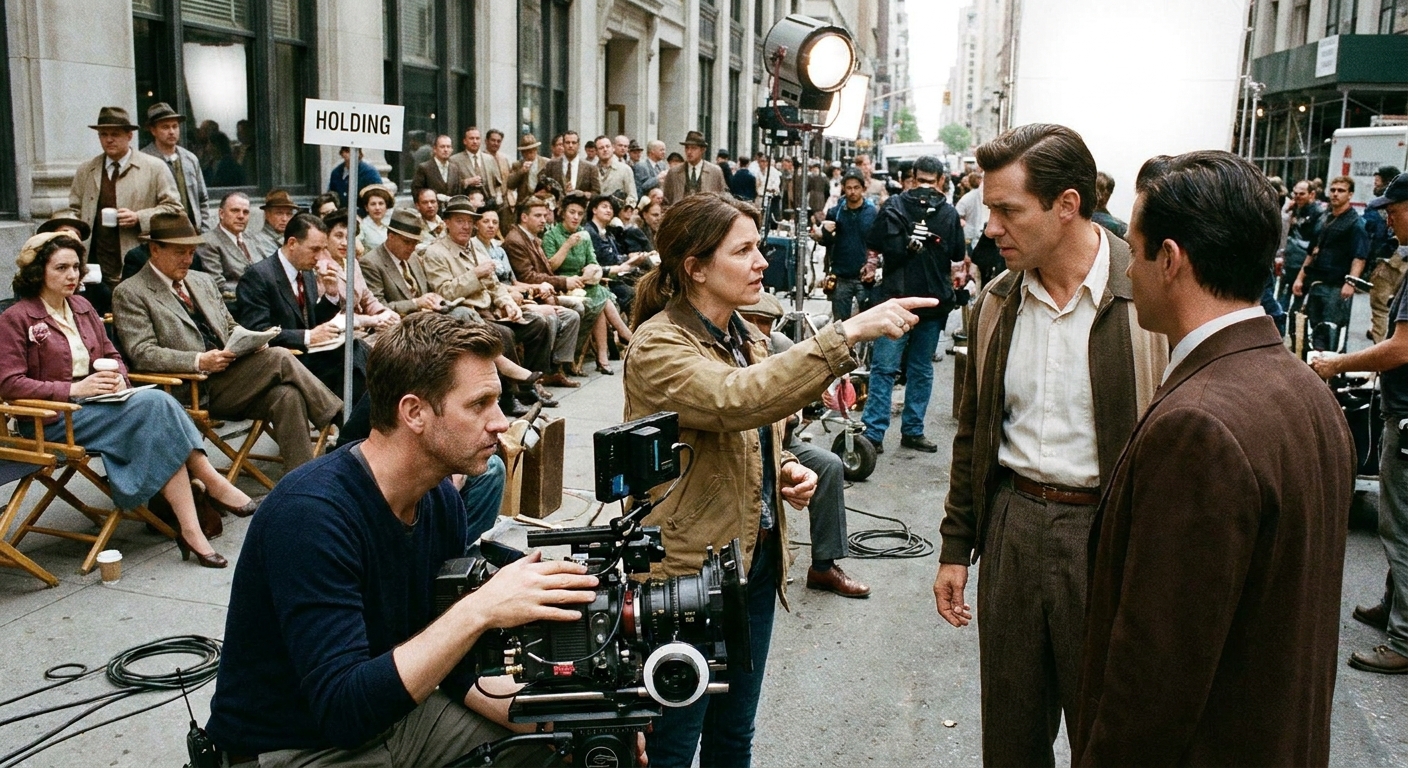
On most professional sets, background actors take direction through the assistant director team and whoever is specifically assigned to background. The exact structure varies. You might be working with a 2nd AD or 2nd 2nd AD, a background PA, a Key Background, a Background Coordinator, or a Key PA (titles shift a lot between film, TV, and commercials).
That means:
- Do not ask the principal actor where you should stand. Ask the background PA, Key BG, BG Coordinator, or AD team.
- Do not go straight to the director for clarification on a busy set. If you missed direction, go to the background point person first. On a tiny indie or micro-budget shoot, the director may be the only available channel, but let the set’s hierarchy tell you what is normal.
- Do not pitch choices to the cast. Keep your questions and adjustments routed through the people running background.
Even if a principal is kind and answers you, it can create confusion. The people managing background need movement to be consistent, repeatable, and easy to reset between takes.
When it is okay to speak
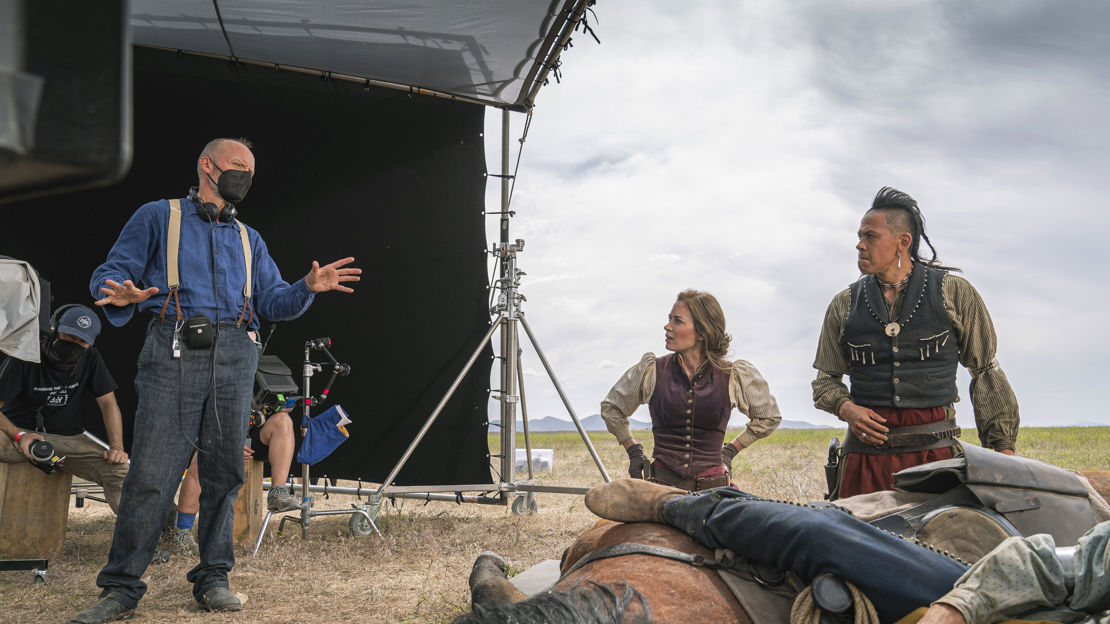
There are plenty of normal moments when a short exchange is perfectly fine, especially if the principal initiates it or if the interaction is situational. The rule of thumb I use is simple: if you are unsure, ask your background point person and keep your focus on being ready to work.
If they speak to you first
This is the clearest green light. Respond like a professional colleague: friendly, quick, and present. You do not need to pretend the person is invisible. Just do not turn it into a meet-and-greet.
A real-world example: if a principal says, “Hey, how’s your day going?” while you are on deck, you can answer, “Good, thanks. Hope your day’s going smoothly.” Then stop. If you hear your background PA calling, you move. If the principal keeps chatting, let them set the pace and be the first to break away.
If you are in the same action and it is necessary
If the scene places you close to the principal and there is a practical need, keep it to essentials. Examples include:
- Confirming a physical handoff that affects safety or continuity (passing a coat, opening a door, crossing paths in a tight space).
- A quick “after you” or “coming through” to avoid a collision.
- Clarifying a reset position if you were directly paired by the AD team and cannot locate your mark.
At craft services or in an off moment
Some sets are more social than others. In a low-pressure moment, a polite hello is not a crime. The key is reading the room and keeping it short. If the principal is alone with headphones, on a call, or running lines, that is not the moment.
If wardrobe, hair, makeup, or props is working
Sometimes departments coordinate around principals and background at the same time. If a principal is present during a quick adjustment, be courteous. Let the department lead the interaction, then step back.
Directors and producers
Background performers generally should not approach the director or producers. Not because they are unapproachable people, but because it is rarely your communication channel. This is especially true on larger, faster-moving union days.
On a typical shoot:
- The director is focused on performance, camera, and story. Background adjustments are usually funneled through the AD team or Key BG.
- Producers are managing logistics, budgets, and problem-solving. They are not your point of contact for notes, questions, or networking.
If a director or producer speaks to you, respond respectfully and concisely. If you need something, go through whoever is running background or holding.
What not to do
Most “don’t talk to the principals” advice is really “don’t create problems.” Here are the most common missteps that can brand you as difficult fast.
- Do not ask for photos, autographs, or selfies. Even on a friendly set, this changes the energy immediately.
- Do not ask for career advice while you are being paid to work. It puts the other person on the spot and reads as opportunistic.
- Do not compliment their looks or gossip about other cast. Keep it about the work, if anything.
- Do not tell them you “loved them in” something as a conversation starter. It is not offensive, but it shifts you from coworker to fan in a work setting.
- Do not interrupt rehearsals, blocking, resets, or private notes. If someone is in it, let them be in it.
- Do not linger. A quick exchange becomes a problem when it becomes a hang.
Confidentiality is part of the job
One more boundary that trips people up: many productions are strict about confidentiality. Do not post plot details, call sheets, set photos, or anything that identifies location or story, even from holding. Phone rules are not just about distraction. They are also about leaks and basic respect for everyone’s work.
Why the boundary exists
As someone who writes about performance, I will always be the first person to defend curiosity and connection. But on set, the boundary is less about hierarchy and more about:
- Time: each delay multiplies across lighting, camera, sound, and performance.
- Concentration: principals are often doing emotional and technical work simultaneously.
- Continuity: background choices must match across takes, which requires consistent direction.
- Safety: crowded sets involve cables, rigs, moving equipment, and tight choreography.
- Professionalism: everyone deserves a workspace free from pressure and unwanted access.
When you follow these norms, you are not shrinking yourself. You are showing you understand how the art gets made.
How to be memorable
If you are hoping to be invited back, upgraded, or simply trusted with better placements, the fastest route is not conversation. It is reliability.
- Hit your mark and repeat the move the same way.
- Stay quiet when asked, especially near set.
- Watch the team running background and anticipate resets.
- Be camera-aware without “playing” to camera.
- Keep your phone away when you are on deck or anywhere near set rules.
- Be kind to other background. Sets remember people who raise the room’s professionalism.
And if you do end up speaking to a principal because the moment is appropriate, let your superpower be this: you can be warm and efficient.
Quick FAQ
Can an extra say hi to an actor?
Yes, especially if the actor initiates or you are in a natural off moment, but keep it short and workplace-appropriate. Do not interrupt rehearsals, resets, or private notes.
Will I get fired for talking to a principal?
You are unlikely to be removed from set for a single polite exchange. What gets people in trouble is repeated boundary-crossing, distracting someone at the wrong time, asking for photos, or ignoring instructions. Depending on the production, you can be sent back to holding, replaced, or simply not booked again.
What if the principal is friendly and wants to chat?
Be friendly back, then take the graceful exit. A good rule is to answer clearly, then let the conversation end on their side. If you are needed, you need to be ready to work.
Who do I ask if I have a question about the scene?
Your background PA, Key BG, BG Coordinator, or the AD team, depending on how the set is staffed. If you do not know who that is, ask in holding. Do not guess.
Is it different on smaller sets or indie films?
Often, yes. Smaller productions can be more casual, and people wear multiple hats. Still, the safest default is the same: take cues from whoever is running background, do not interrupt principals at work, and let any social moment happen organically.
Is etiquette different with co-stars or day players?
The labels change (principal, series regular, recurring, co-star, day player), but the etiquette is basically the same. If they are working, let them work. If they initiate, be polite and keep your focus on the job.