Susan Saint James, an actor whose bright ease and grounded intelligence helped define American television across multiple decades, died on October 26, 2026. She was born August 14, 1946. The cause was pancreatic cancer.
If you grew up on the kind of TV that made weekly appointments feel like family tradition, you probably remember her in at least one indelible mode: the quick-witted research assistant who could keep pace with a rotating lineup of leads, the glamorous yet human partner in a detective marriage that actually looked like a marriage, or the co-parent whose comic timing made a very specific kind of 1980s domestic reinvention feel both light and radical.
Key roles
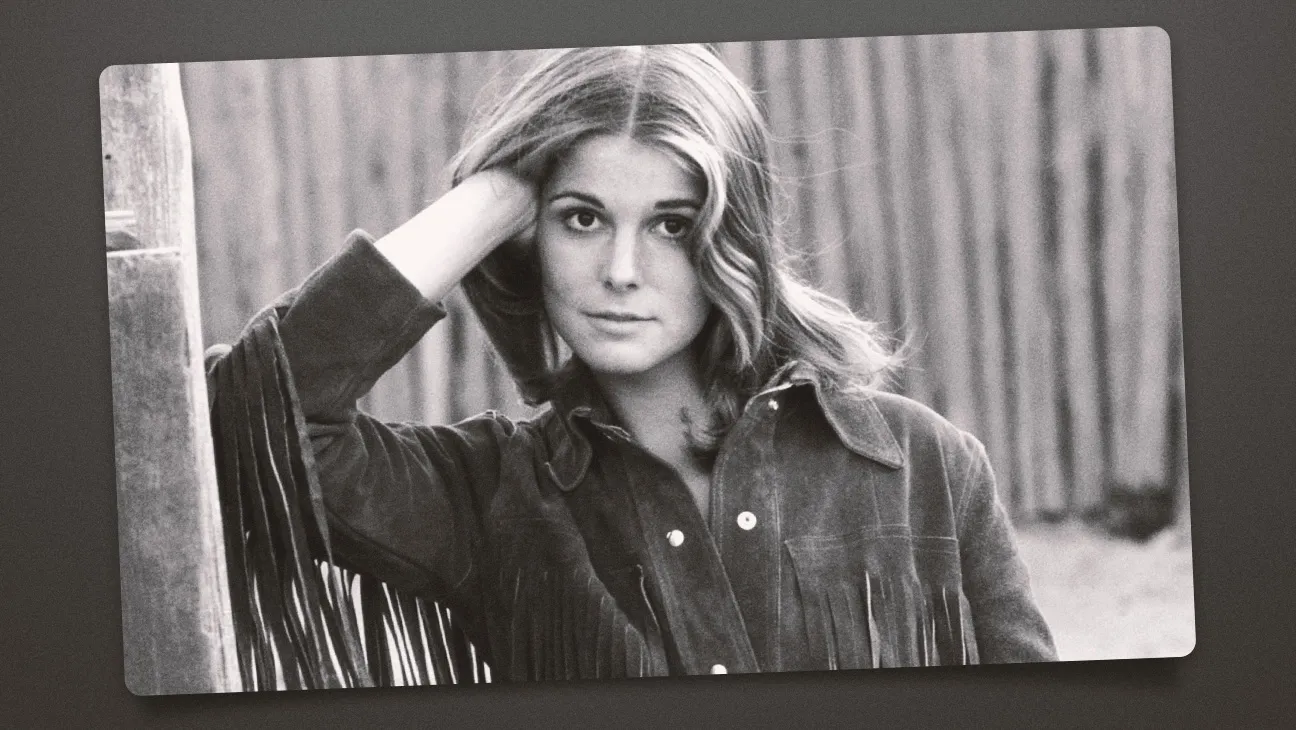
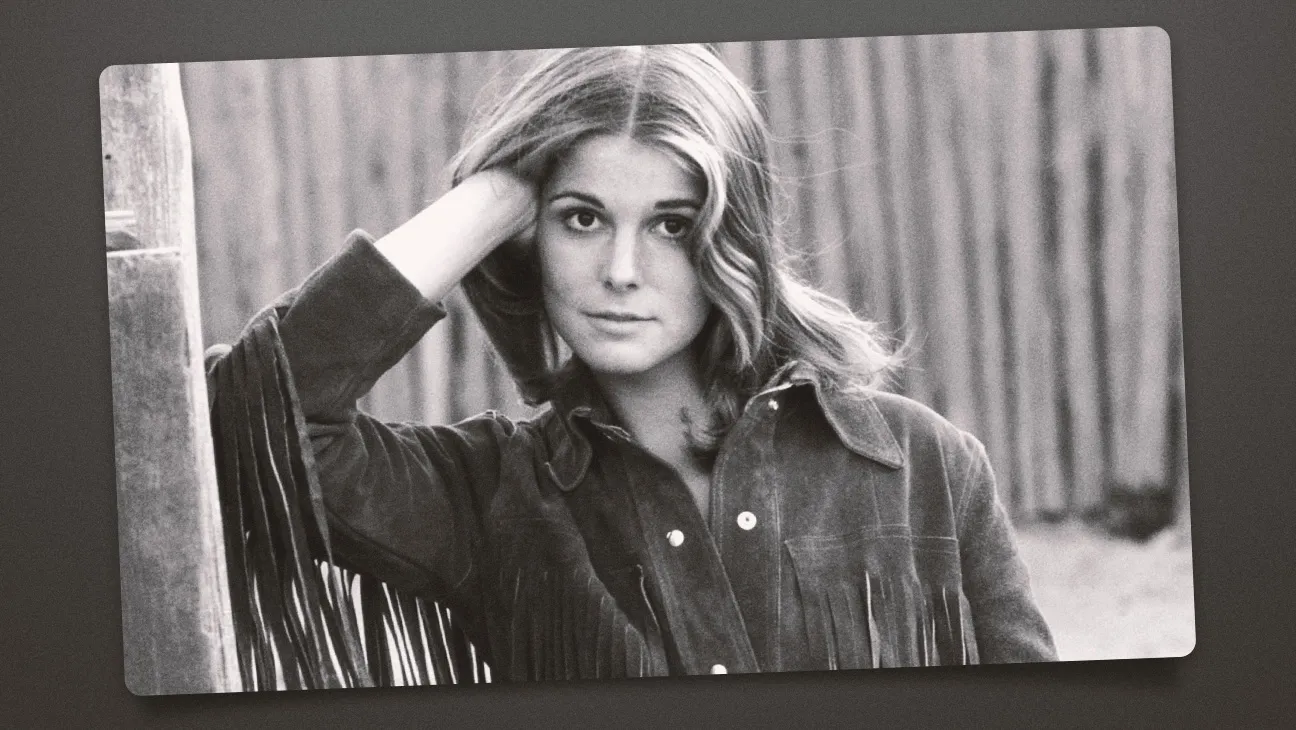
Saint James first broke through in the late 1960s with a part that quietly demanded a lot: Peggy Maxwell on The Name of the Game. The series used a rotating-lead format, and she became a connective thread, turning up across storylines while keeping the show’s world coherent. That kind of work can be invisible when it’s done well. Saint James made it feel effortless.
For The Name of the Game, she received three Emmy Award nominations, winning once in 1969.
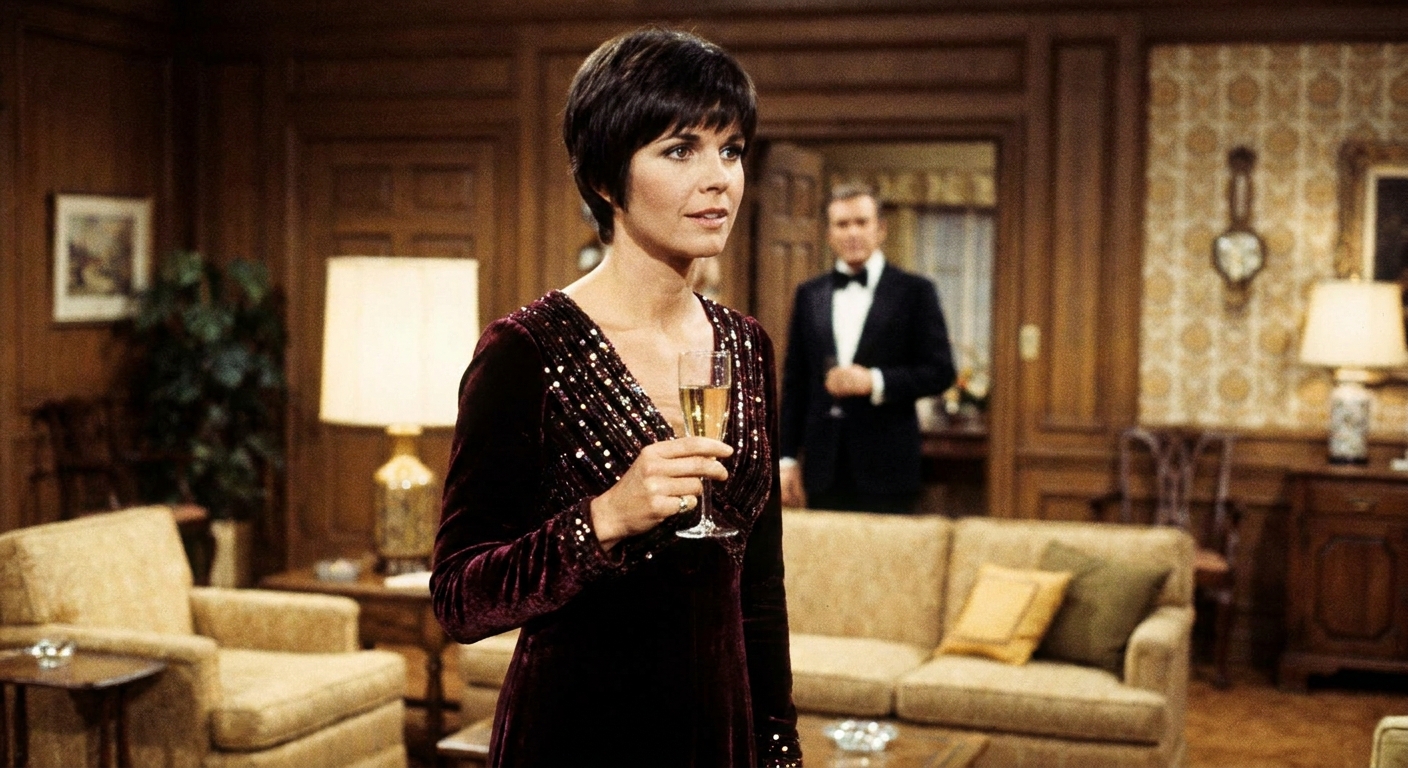
Then came what many fans still cite as peak comfort viewing: McMillan & Wife (1971 to 1976). As Sally McMillan opposite Rock Hudson, she played a character who was allowed to be stylish and funny without being ornamental. The show’s appeal depended on the couple’s chemistry, and Saint James provided more than sparkle. She gave Sally presence, a pulse, and the kind of lived-in affection that makes banter land.
Her work on McMillan & Wife earned Emmy nominations and a Golden Globe Award nomination for Best Actress in a Television Series Drama.
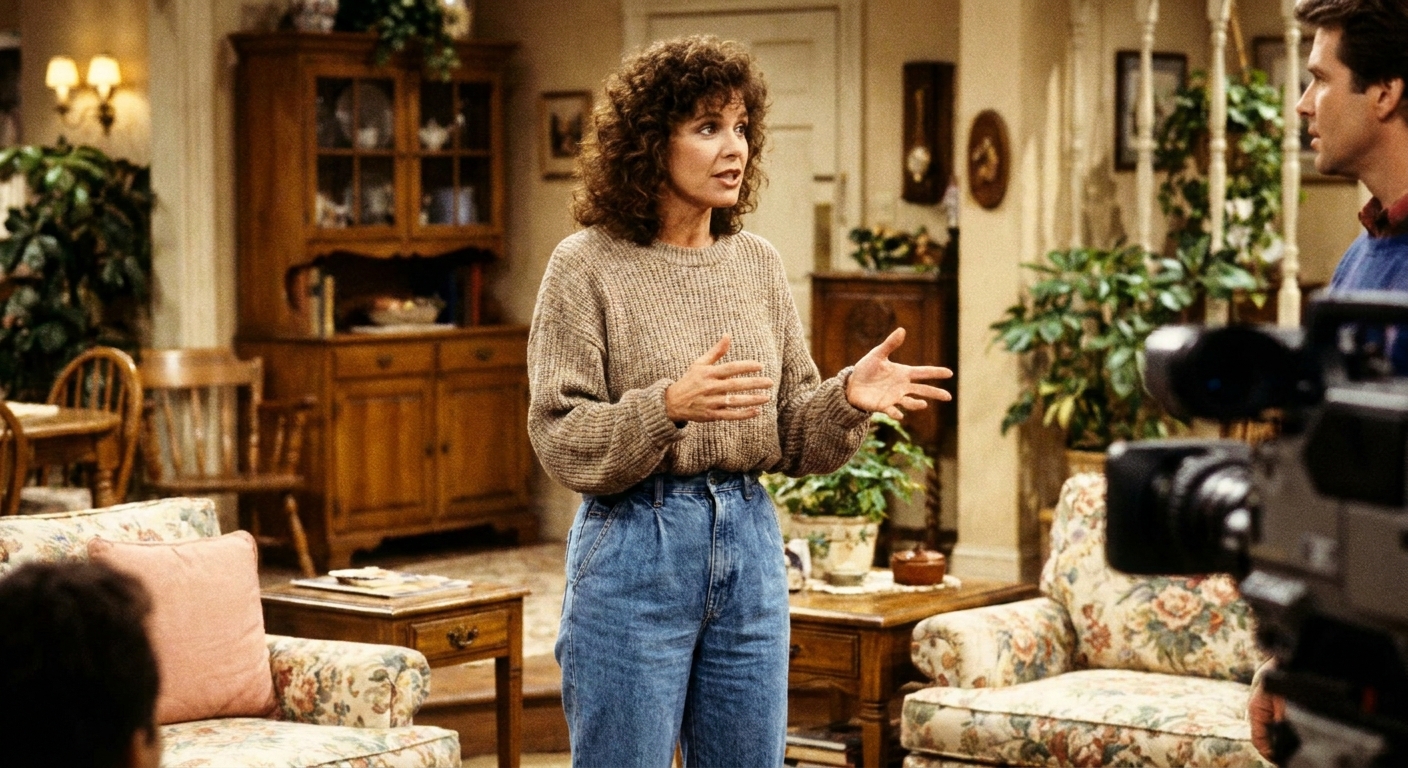
After a stretch of film roles and TV appearances, Saint James returned to the kind of long-form character work she did best with Kate & Allie (1984 to 1989). Playing Kate McArdle opposite Jane Curtin, she anchored a sitcom built around a practical, emotionally believable premise: two women building a home together for their children. She received a Primetime Emmy Award nomination for Outstanding Lead Actress in a Comedy Series in 1984, and she remained at the show’s center for 122 episodes.
Early life
Born Susan Jane Miller on August 14, 1946, in Los Angeles, she was the daughter of Constance Geiger, a teacher, and Charles Daniel Miller, who worked for Mitchell Camera and later became president of the Testor Corporation.
She was raised in Rockford, Illinois, and began modeling as a teenager. She attended Woodlands Academy of the Sacred Heart in Lake Forest, Illinois, and later studied at Connecticut College.

Early career
Saint James’s first screen role arrived in the TV movie Fame Is the Name of the Game (1966) with Tony Franciosa, a launching pad that became even more significant when the concept expanded into a series two years later.
She built her early résumé through sharply defined guest appearances. She appeared in two first-season episodes of Ironside: “Girl in the Night” in December 1967 and, two months later, “Something for Nothing,” playing a different character. She also had a small part in the pilot episode of It Takes a Thief, which led to a recurring role as Charlene “Chuck” Brown, a fellow thief and casual love interest. She was featured in five episodes from 1968 to 1970. She later appeared in the pilot episode of the 1971 western series Alias Smith and Jones.
From 1968 to 1971, she appeared in approximately half the episodes of The Name of the Game, often in a supporting role. She provided continuity by appearing as a research assistant to all three rotating leads, played by Tony Franciosa, Gene Barry, and Robert Stack. Her character was the primary character in the second-season episode “The King of Denmark,” alongside Franciosa’s character Jeff Dillon, and she was also prominently featured in the first-season story “Pineapple Rose,” when her character was kidnapped in a case of mistaken identity.
Film work
Although television was her most enduring home base, Saint James also built a filmography that captures the era’s tonal variety. She appeared in several films in 1968, including P.J., Where Angels Go, Trouble Follows, What’s So Bad About Feeling Good?, and Jigsaw, then later took on roles across drama and comedy in the years that followed.
One of her most lasting film titles remains the vampire comedy Love at First Bite (1979), where she played Cindy Sondheim. The role brought her a Saturn Award nomination for Best Actress. She followed with a role in How to Beat the High Cost of Living (1980), co-starring Jessica Lange and Jane Curtin. Between films, she made a guest appearance on M*A*S*H in the March 3, 1980, episode “War Co-Respondent.”
Life beyond TV
In her mid-40s, Saint James retired after Kate & Allie ended. Her life did not shrink, it redirected. In addition to motherhood, she deepened a long commitment to the Special Olympics, an organization she began actively supporting in 1972. Over time she served on its board and also represented Civitan International for the Special Olympics as a celebrity chairperson. She also served as a board member of the Telluride Foundation.
In 1986, she was a celebrity guest commentator for the World Wrestling Federation’s WrestleMania 2 event along with Vince McMahon.
In 1998, she joined her sister Mercedes Dewey and friend Barrie Johnson to found Seedling and Pip, a baby gift basket business. She later made selective on-camera returns, including a guest role on The Drew Carey Show and an appearance as a defense attorney on the February 28, 2006, episode of Law & Order: Special Victims Unit.
She also returned to the stage for a 1999 production of The Miracle Worker at the Warner Theatre in Torrington, Connecticut.
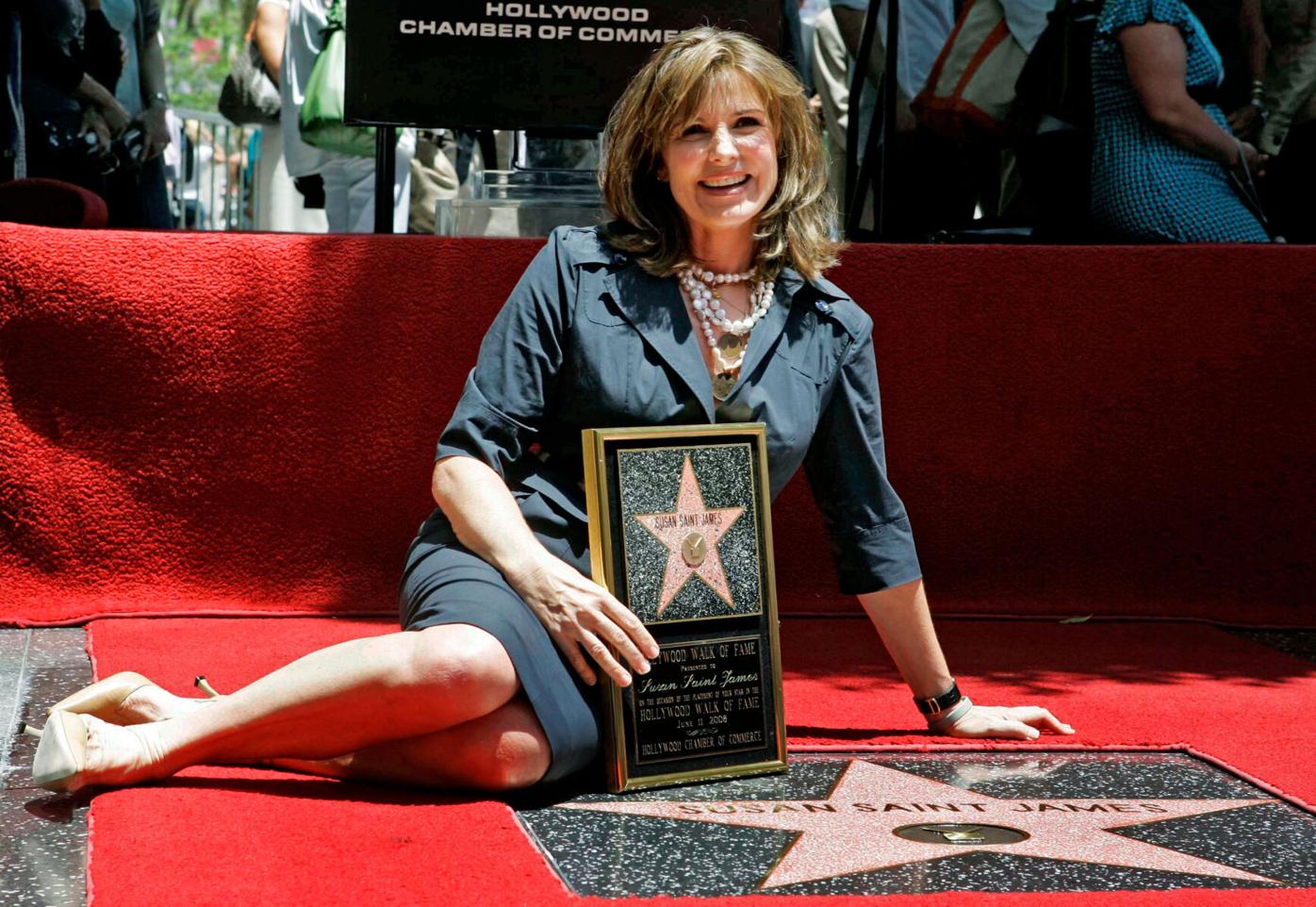
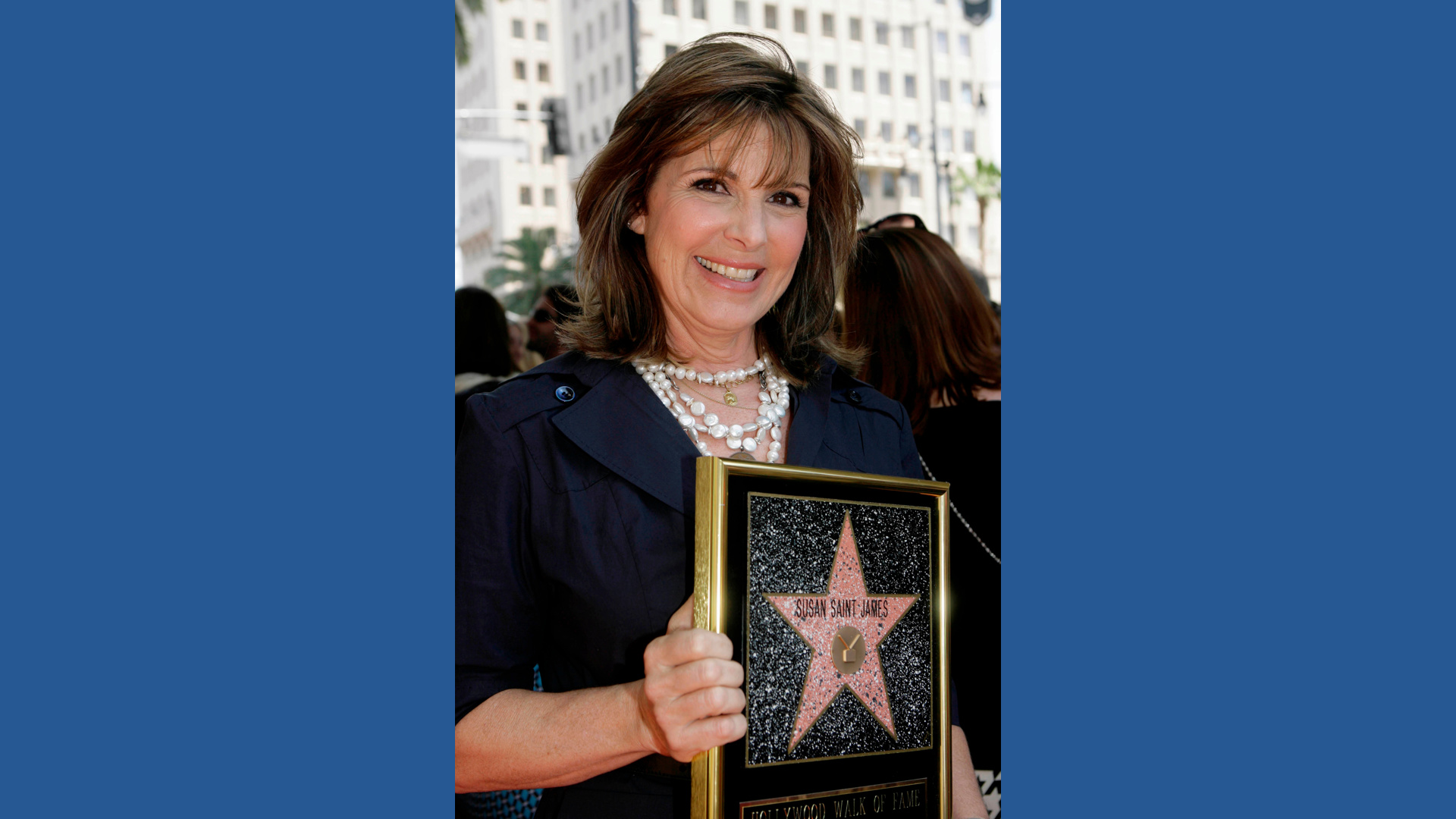
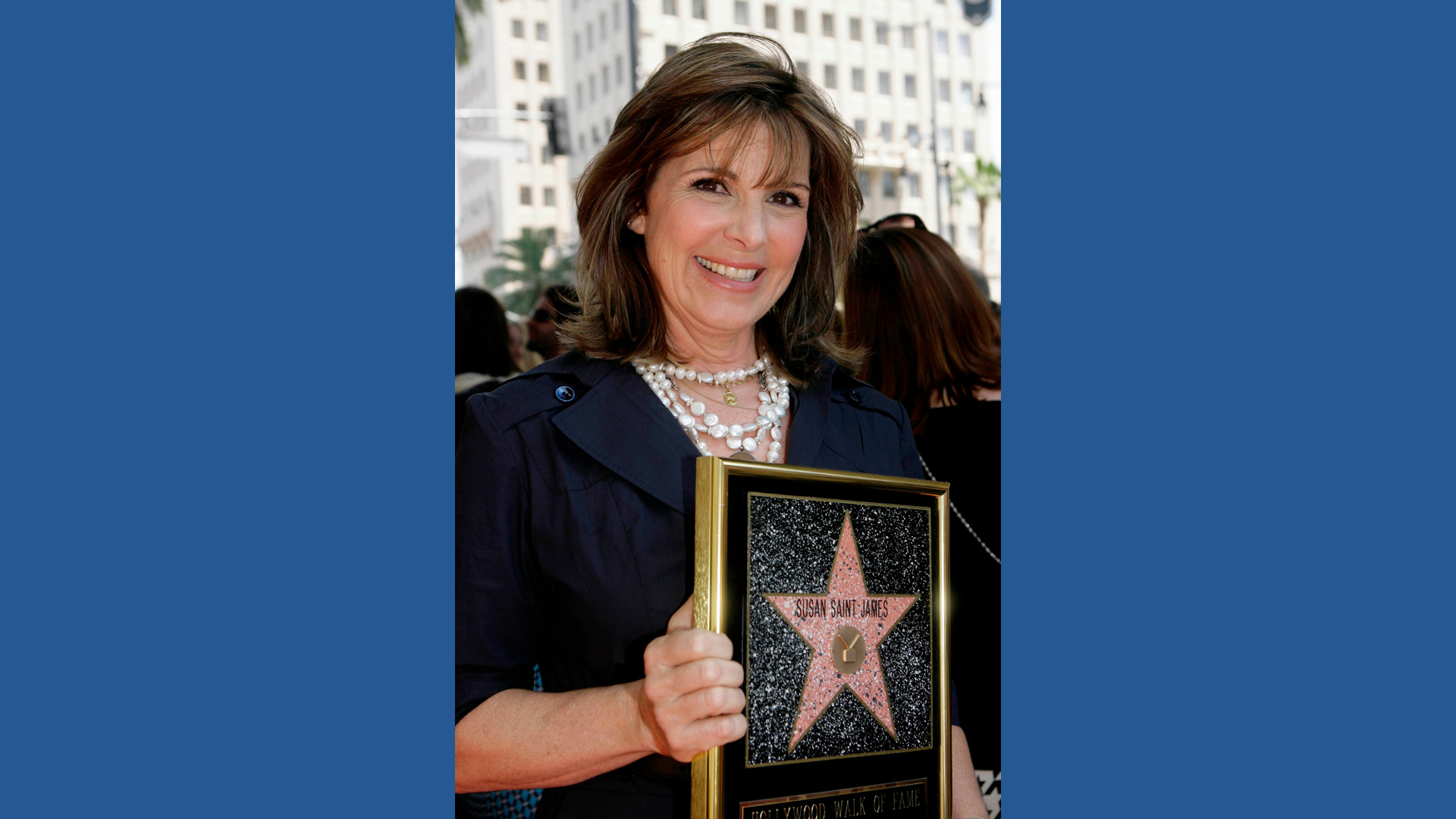
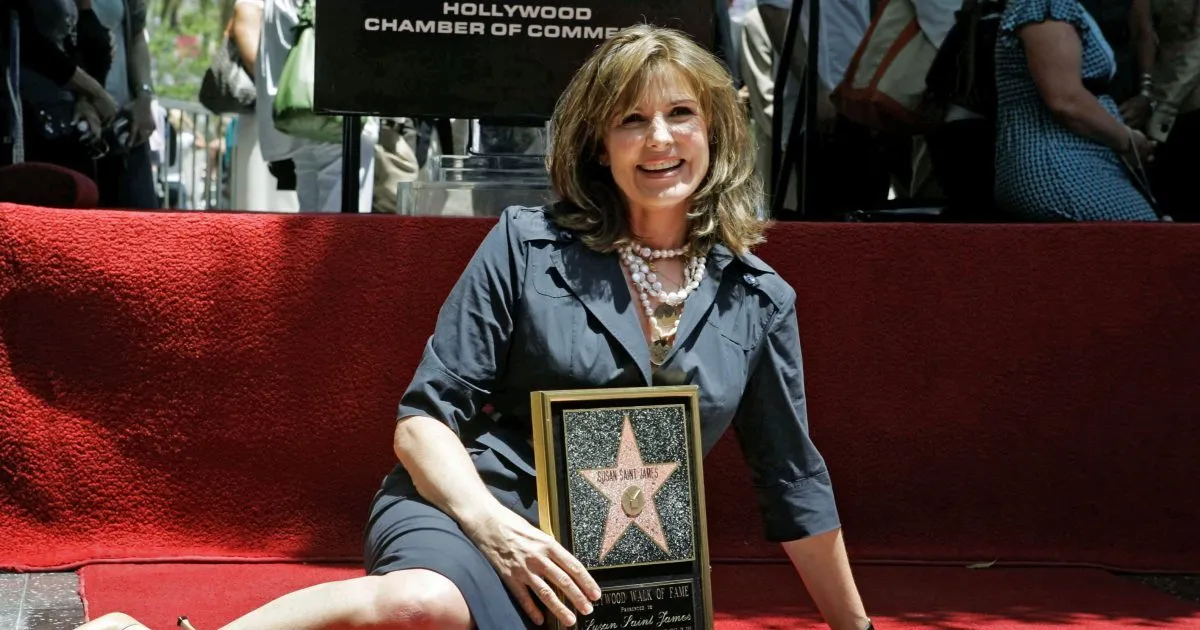
On June 11, 2008, she was honored with a star on the Hollywood Walk of Fame.
Personal life
Saint James married aspiring writer-director Richard Neubert in 1967; the marriage lasted only a year. In 1971 she married makeup artist Thomas Lucas. They had two children, daughter Sunshine Lucas (born 1972) and son Harmony Lucas (born 1974), and divorced in 1977.
While guest-hosting Saturday Night Live in 1981, she met the show’s executive producer Dick Ebersol. They married within the year and had three sons: Charles, Willie, and Edward “Teddy” Ebersol. In March 2002, she filed for divorce from Ebersol, and the couple reconciled later that summer.
On November 28, 2004, a private plane carrying Dick, Charles, and Teddy crashed during an attempted takeoff from Montrose Regional Airport in Colorado. Dick and Charles survived. Teddy, 14, died in the crash, as did the pilot, Luis Alberto Polanco Espaillet, and flight attendant Warren T. Richardson III.
Saint James was a vegetarian. She also received honorary degrees from six Connecticut institutions: the University of Connecticut, the University of Bridgeport, Southern Connecticut State University, Albertus Magnus College, the University of New Haven, and Goodwin University. In 2007, she was a featured speaker at The Women’s Conference in a session titled “Beyond Courage: Overcoming the Unimaginable.”

Selected filmography
Saint James moved fluidly between television series, made-for-TV movies, and feature films. Below is a consolidated look at her credited work.
Feature films
- 1968: P.J. (Linette Orbison)
- 1968: Where Angels Go, Trouble Follows (Rosabelle)
- 1968: What’s So Bad About Feeling Good? (Aida)
- 1968: Jigsaw (Ida)
- 1970: Mrs. Martha (Kid)
- 1977: Outlaw Blues (Tina Waters)
- 1979: Love at First Bite (Cindy Sondheim)
- 1980: How to Beat the High Cost of Living (Jane)
- 1981: Carbon Copy (Vivian Whitney)
- 1982: Don’t Cry, It’s Only Thunder (Katherine Cross)
Television films
- 1966: Fame Is the Name of the Game (Peggy Chan)
- 1972: Magic Carpet (Timothea Lamb)
- 1974: Ready and Willing (Julia Preston)
- 1976: Scott Free (Holly)
- 1978: Night Cries (Jeannie Haskins)
- 1978: Desperate Women (Esther Winters)
- 1979: Rita Massaro
- 1979: Sex and the Single Parent (Sally)
- 1979: S.O.S. Titanic (Leigh Goodwin)
- 1982: Samantha (Samantha “Sam” Kandal)
- 1983: I Take These Men (Carol Sherwood)
- 1983: After George (Susan Roberts)
Television series
- 1967 to 1968: Ironside (Elaine Moreau / Verna Cusack), 2 episodes
- 1968 to 1970: It Takes a Thief (Anne Edwards / Charlene “Charlie” Brown), 5 episodes
- 1968 to 1971: The Name of the Game (Peggy Maxwell), 36 episodes
- 1970: McCloud (Officer Keach), episode “Walk in the Dark”
- 1971: Alias Smith and Jones (Miss Porter), episode “Alias Smith and Jones”
- 1971 to 1976: McMillan & Wife (Sally McMillan), 34 episodes
- 1980: M*A*S*H (Aggie O’Shea), episode “War Co-Respondent”
- 1984 to 1989: Kate & Allie (Katherine “Kate” McArdle), 122 episodes
Legacy
Saint James had leading-lady magnetism, yes, but what stays with you is how much she respected the scene. She listened. She reacted. She made room for other people’s jokes, then delivered her own with precision. Her characters were rarely written as punchlines, even when the show was structured around laughs.
On McMillan & Wife, she helped sell a version of romance where affection lived inside routine and bickering did not cancel devotion. On Kate & Allie, she helped normalize a family model that looked like a real solution instead of a gimmick. On The Name of the Game, she proved how thrilling competence could be.
For viewers, that adds up to something deceptively rare: performances you trust. Susan Saint James built a career on that trust, and she kept it.