The phrase principal photography gets tossed around so casually in entertainment news that it can sound like a glamorous mystery. In practice, it’s straightforward: the main, scheduled period when a film or TV project shoots the bulk of its planned scenes with the primary cast and crew.
It is also the part of the process where all the pre-production planning either pays off or gets stress-tested at 6 a.m. in the rain.
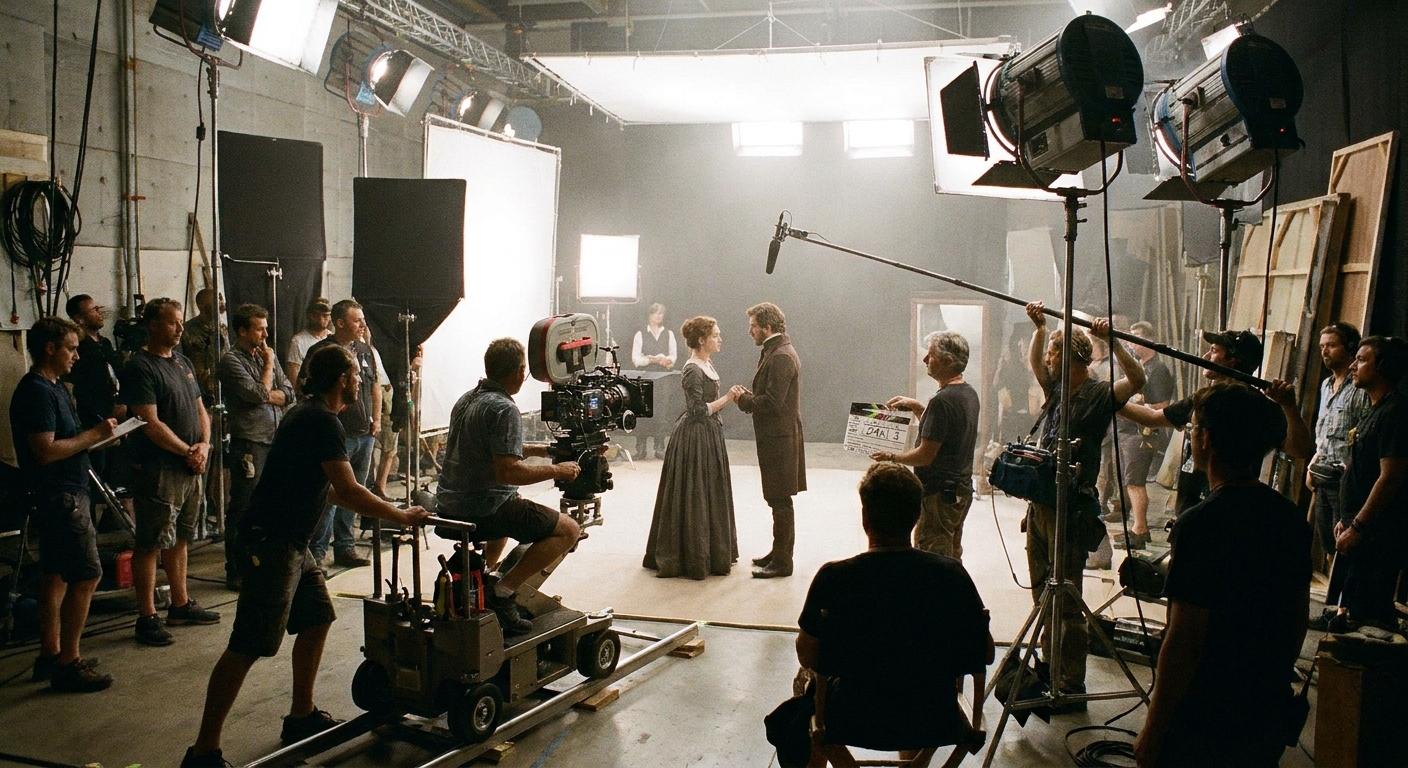
Principal photography, defined
Principal photography is the primary block of filming when a production captures the scenes planned for the script and schedule. It typically involves:
- The main unit (the primary director, director of photography, and core crew)
- Principal cast (the lead and supporting actors needed for the story)
- Most locations and sets that were secured and prepped ahead of time
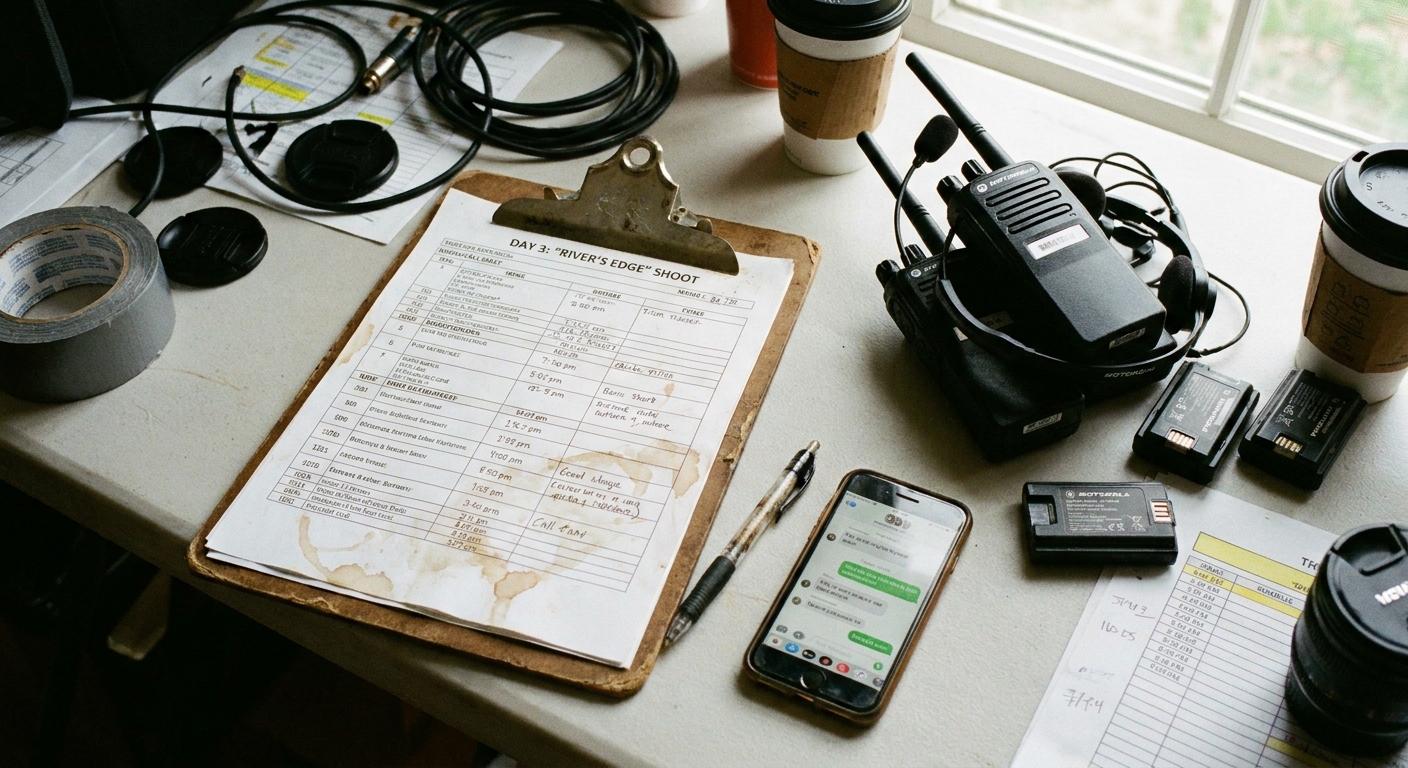
- Daily production workflow, including call sheets, rehearsals, takes, and dailies
On many projects, this is when the “real” filming happens, but there is a small asterisk: depending on the format, some crucial material may be captured outside the main schedule, too. Visual effects plates, motion-capture sessions, virtual production work, and specialty unit shoots can blur the edges of what counts as “the bulk.”
If you hear an actor say they are “in production” or “currently shooting,” they often mean the project is in principal photography, especially in press contexts. In day-to-day crew talk, “in production” can also mean the broader period when the show or film is actively underway, including prep.
Before principal photography
Principal photography is not the start of the creative process. It is the moment the planning turns into footage. Before it begins, productions typically move through a pre-production phase that can include:
Script work and breakdowns
Scenes are analyzed for everything they require, including cast, props, wardrobe, stunts, visual effects, animals, special equipment, and location needs. This is where the script becomes a practical to-do list.
Budgeting and scheduling
Producers and assistant directors shape the shooting schedule, often grouping scenes by location and availability rather than story order. This is why films are rarely shot sequentially.
Casting, hires, and department prep
Key roles are staffed, and departments like production design, costumes, hair and makeup, and props build and gather what the camera will eventually see up close.
Location scouting and permits
Whether it is a city street, a suburban home, or a remote landscape, locations have to be secured, cleared, and often dressed for camera.
Tech scouts, tests, and rehearsals
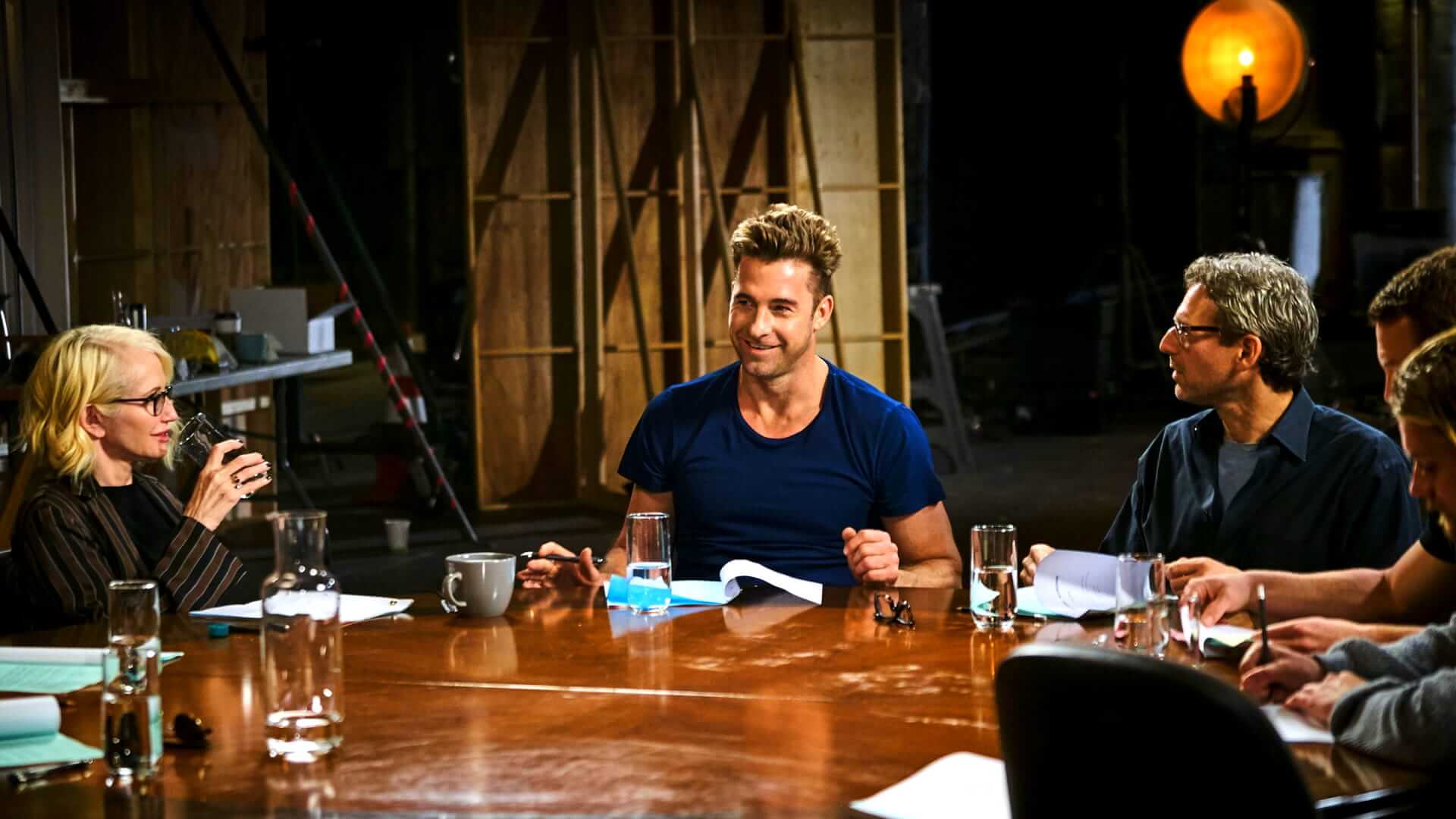
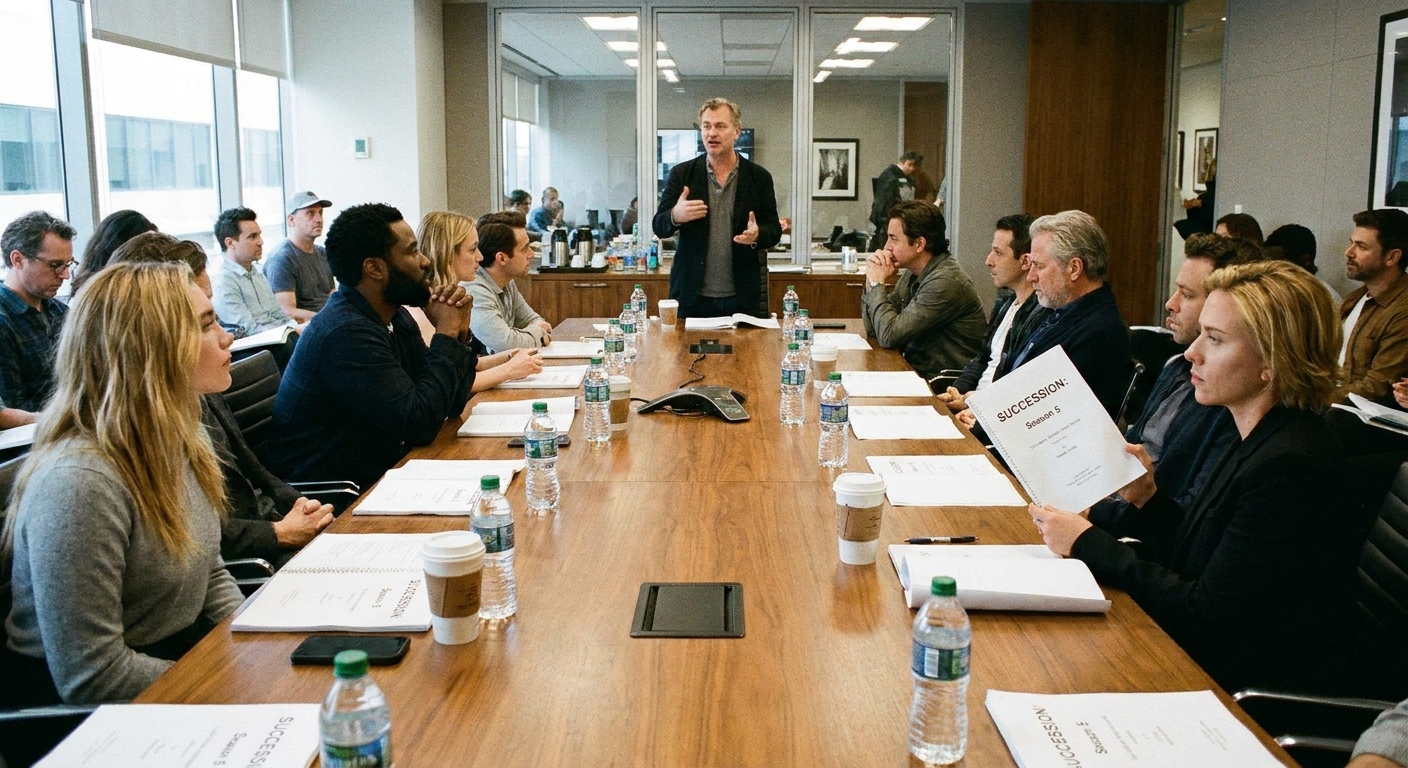
This is the zone people new to sets sometimes confuse with filming. Tech scouts (walking locations with department heads), camera and lighting tests, and rehearsal time help the team plan coverage and solve problems early. A table read is a pre-production touchstone where cast and creatives read the script aloud to hear rhythm, character, and pacing. It is useful, but it is not filming. Principal photography begins when the cameras start capturing scenes for the edit.
During principal photography
This is the high-wire act of production: long days, constant problem-solving, and a lot of coordination aimed at one goal, getting usable shots that cut together.
A typical day
- Call time and setup, often with lighting and camera blocking
- Rehearsals on the day, including adjustments for camera and performance
- Shooting takes, sometimes dozens, across multiple angles
- Company moves if the day includes more than one location
- Wrap for the day, with equipment secured and notes passed along for tomorrow
Principal photography can include second unit work (for action beats, scenery, or inserts), but the defining feature is that the production is executing the core schedule to capture the story scenes.
One more nuance that comes up a lot in TV and streaming: principal photography is not always one continuous sprint. Some projects shoot in multiple blocks with short hiatuses between them, but those blocks are still part of principal photography.
What “wrap” really means
When a project “wraps principal photography,” it means the production has completed its main scheduled shoot. You will often hear:
- Picture wrap used informally to celebrate finishing the planned filming
- That is a wrap at the end of a day or at the end of an actor’s work on the project
Here is the key distinction: wrapping principal photography does not necessarily mean filming is over forever. It means the production has finished the planned block of shooting and shifts its focus primarily to post-production, even though editing and other post work often start while the cameras are still rolling.
Also worth noting: “picture wrap” can be used more precisely on some productions to mean all photography is complete, including pickups, second unit, and other remaining shoot days. Usage varies, which is why you will sometimes hear people specify “principal wrap” versus “final wrap.”
Pickup days vs. principal photography
Pickup days are additional shoot days, often scheduled after principal photography has wrapped, usually to capture small, specific pieces the edit reveals are missing. Depending on the project, pickups can also be folded into later shooting blocks or tacked onto the tail end of a schedule.
Common pickup examples include:
- Inserts like a hand placing a letter on a table or a phone screen being tapped
- Establishing shots of a building exterior or street for clarity
- Bridging moments that smooth transitions between scenes
- Alternate lines to clarify story points or improve pacing
Pickups can be as small as a single setup with a skeleton crew. They may not require the full cast, the same locations, or the same scale as principal photography.

Where reshoots fit
Reshoots also happen after principal photography, but they tend to be driven by bigger story, performance, or clarity needs discovered in the edit. Pickups are often “we need one more piece.” Reshoots are more like “we need to rethink or rebuild this moment.”
Both are normal parts of filmmaking, and neither automatically signals trouble. Sometimes they are a sign the creative team is protecting the audience experience and using post-production wisely.
Why it matters
Principal photography is the most resource-intensive stretch for most productions. It is when:
- Most crew positions are fully active every day
- Cast availability is at its most complex
- Locations and stages are booked and burning money by the hour
- Creative choices become permanent once they are captured and cut
It is also when performances live or die. You can polish sound and color later, but the emotional truth of a scene needs to show up when the camera rolls.
Quick FAQ
Is principal photography the same as production?
In everyday conversation, people often use “production” to mean principal photography. Technically, “production” can refer to the broader active making of the project, which may include prep, multiple shooting blocks, and overlap between units, especially on TV.
Does principal photography include B-roll?
It can. If B-roll or atmospheric shots are scheduled as part of the main shoot, they are part of principal photography. Sometimes similar material is captured later as pickups.
Do movies shoot scenes in order during principal photography?
Usually not. Schedules are built around logistics like actor availability, location access, daylight, and set builds. The editor later assembles the story in script order.
Can something be filmed after principal photography and still be “real”?
Absolutely. Pickups and reshoots are legitimate parts of the process. The audience only cares that the final cut feels seamless and emotionally coherent.