I grew up hovering at the edge of creative chaos, backstage in Chicago theaters where a quick-change wig could decide whether a scene landed or collapsed. Film and TV sets have their own version of that quiet hero, and you rarely see them in the behind-the-scenes selfies. The script supervisor is the person making sure the story you are watching feels like it happened in one seamless reality, even though it was shot out of order, across multiple days, under shifting light, weather, and human stamina.
If you have ever watched a scene where a character’s drink level changes between shots, you have felt the absence of good continuity. When you watch a scene where everything matches and the emotional rhythm is intact, you are feeling a script supervisor’s fingerprints on the day.
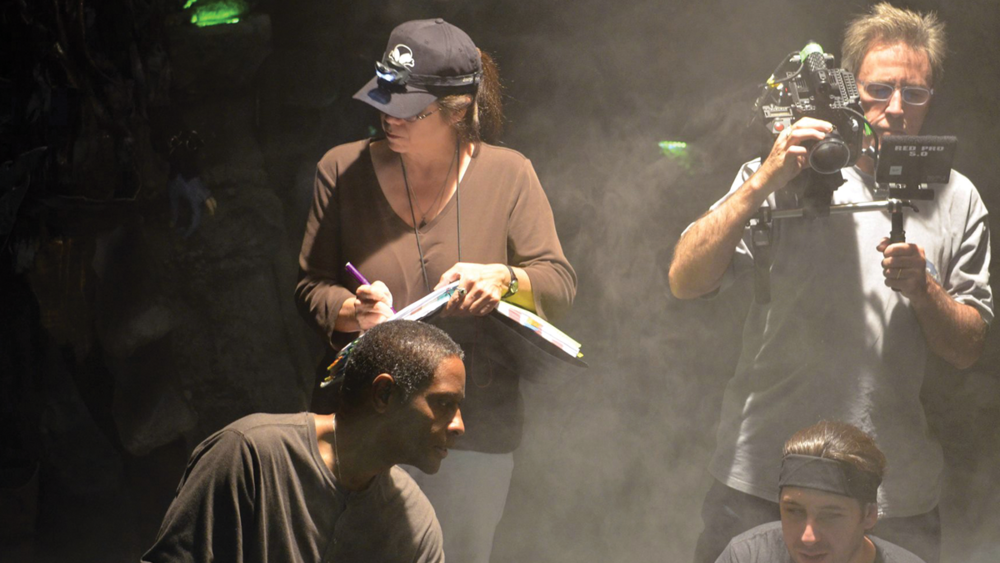
The script supervisor, in plain terms
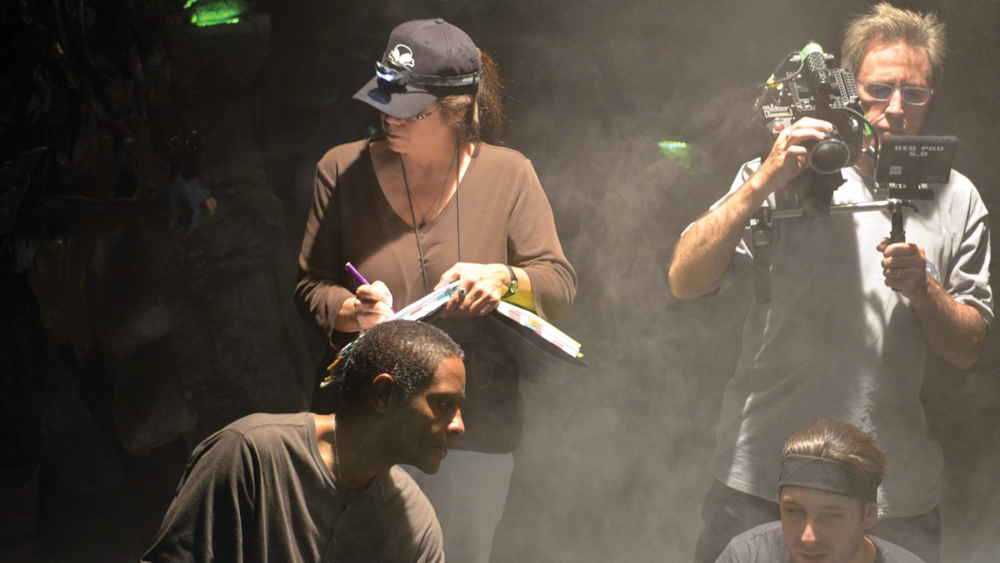
A script supervisor is a key on-set crew member who tracks what is being filmed and how it matches, moment to moment, with what came before and what must come next. Their work is part storyteller, part historian, part quality control.
They monitor:
- Continuity across performance, props, wardrobe, hair, makeup, set dressing, and screen direction
- Coverage and takes, including what the director and DP actually captured
- Dialogue and action, including small changes that affect edit points
- Timing of takes and scenes, especially on timed deliverables like broadcast and ad-supported TV
- Detailed notes that travel to the editor and inform the next setup
On many productions, the script supervisor is also called the scriptie, a nickname you will hear constantly on set.
Where the job sits
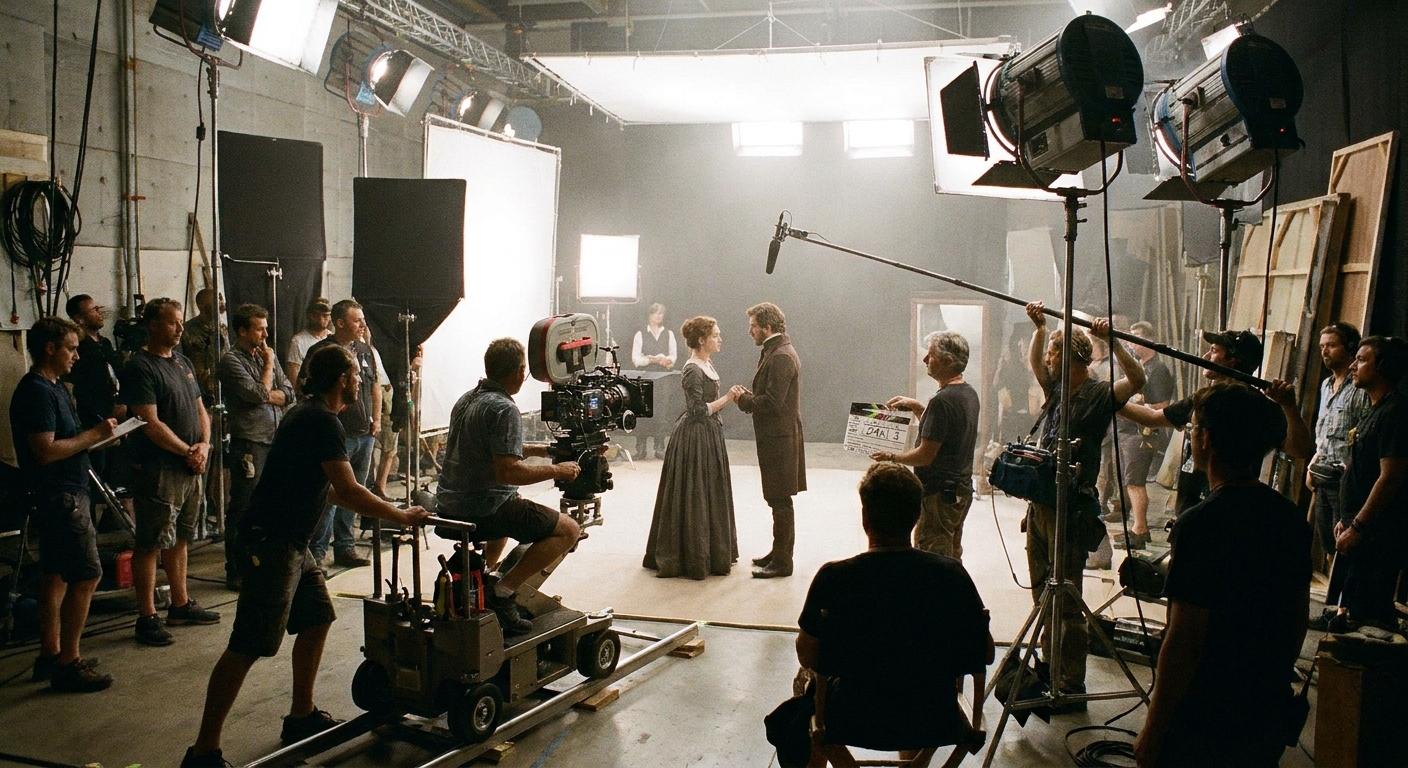
Script supervisors sit at an intersection that is easy to underestimate until you have watched a day unravel. They work closely with the director and 1st AD, stay in constant conversation with camera, and coordinate continuity-sensitive details with wardrobe, hair and makeup, props, and the art department.
Their authority is practical: they flag issues, they do not overrule creative choices. If a continuity mismatch is worth it for performance, the director may decide to take the win and let the editor solve it. The script supervisor’s job is to make sure everyone understands the trade.
What a script supervisor tracks on set
Continuity: the invisible glue
Continuity is not just about whether a glass is full or empty. It is also about whether the emotional logic and physical logic of the scene can be cut together.
A script supervisor watches for continuity in areas like:
- Wardrobe and accessories: jacket unzipped or zipped, sleeves rolled, jewelry on or off
- Hair and makeup: sweat level, lipstick wear, a bruise that must stay consistent, tears in the same place
- Props: which hand holds the phone, the bite count on a sandwich, the level of liquid
- Blocking and business: where actors land, when they cross, the timing of actions like opening a door or setting down a bag
- Eyelines and screen direction: where actors look, how entrances and exits match from shot to shot
- Set changes: a moved chair, a shifted curtain, a countertop that resets between takes
They are not there to police artistry. They are there to protect the editor’s ability to build the scene you intended.
Takes: what you shot, what worked, and why
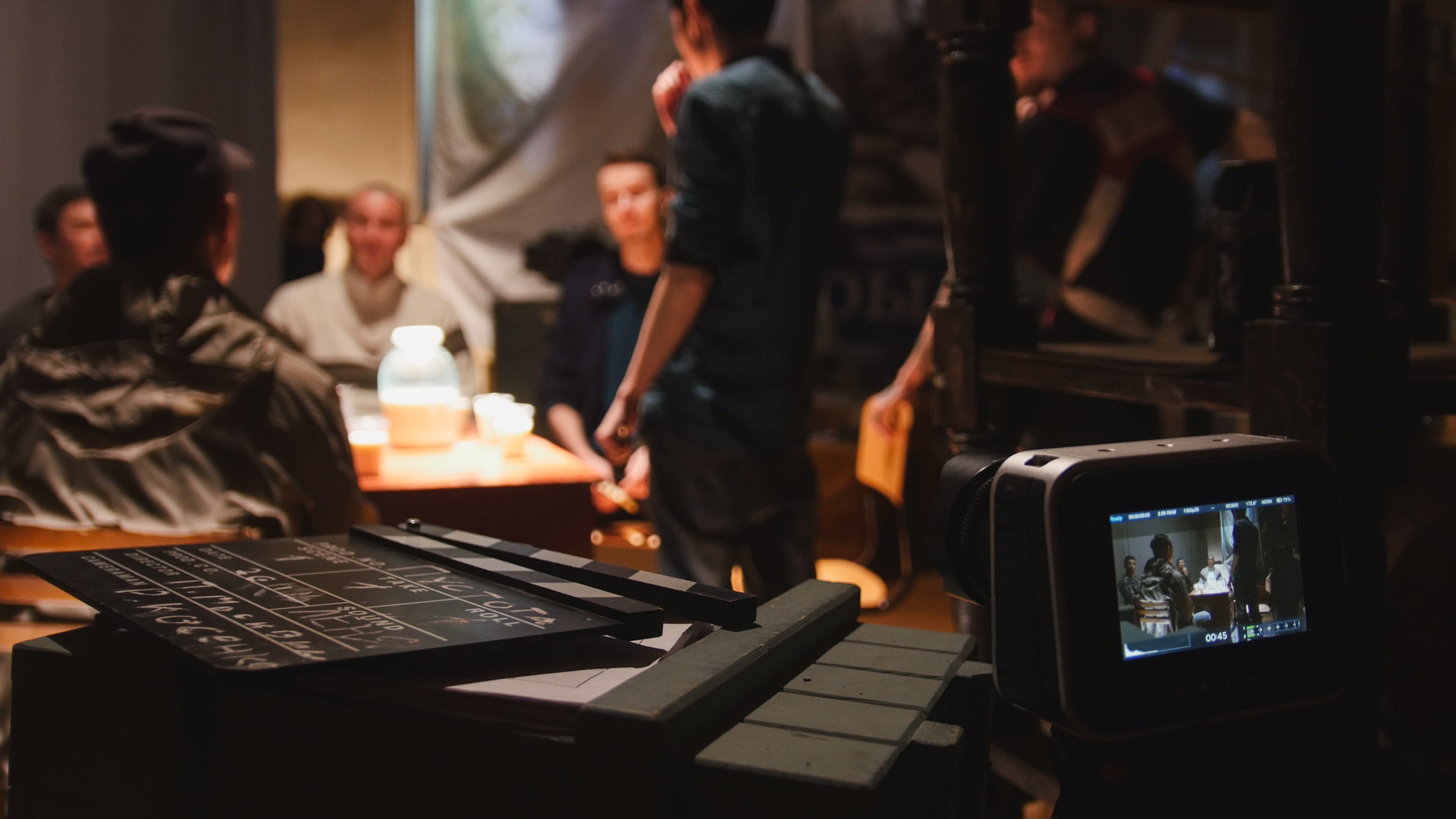
When you shoot a scene, you do not just shoot it once. You shoot multiple takes, often multiple angles, and you create options. The script supervisor tracks:
- Take numbers and which ones were complete
- Camera information as coordinated with the camera department, such as which cameras were rolling on a given take
- Notes on performance and issues, like a flubbed line, a noise, a focus problem, or a great emotional moment that everyone loved
- Director preferences, marking selects in whatever shorthand that production uses (circled takes, starred takes, “print,” or similar)
This becomes a map for post-production. Editors can find the best building blocks without guessing what the set felt was usable.
Dialogue and action: where edit points live
Actors and directors adjust dialogue constantly, even on tightly scripted shows. A script supervisor tracks:
- Line changes, additions, and omissions
- Improvised moments that might affect continuity or story logic
- Overlaps and interruptions that change how cleanly a scene can cut
- Action beats that must match between angles, like “she sits” happening on the same word each time
These details matter because editing often hinges on a breath, a glance, or the syllable where a hand reaches for a door.
Timing: how long it plays
Script supervisors frequently record the running time of takes and scenes. Timing is crucial for:
- Broadcast and ad-supported TV that needs to land within a specific duration
- Comedy and rhythm, where pacing is everything
- Action and safety beats, where the order and duration of movement must cut together cleanly
On features and streaming projects, exact durations are often more flexible. Even then, timing notes still help editors understand pace and options.
What is a lined script?
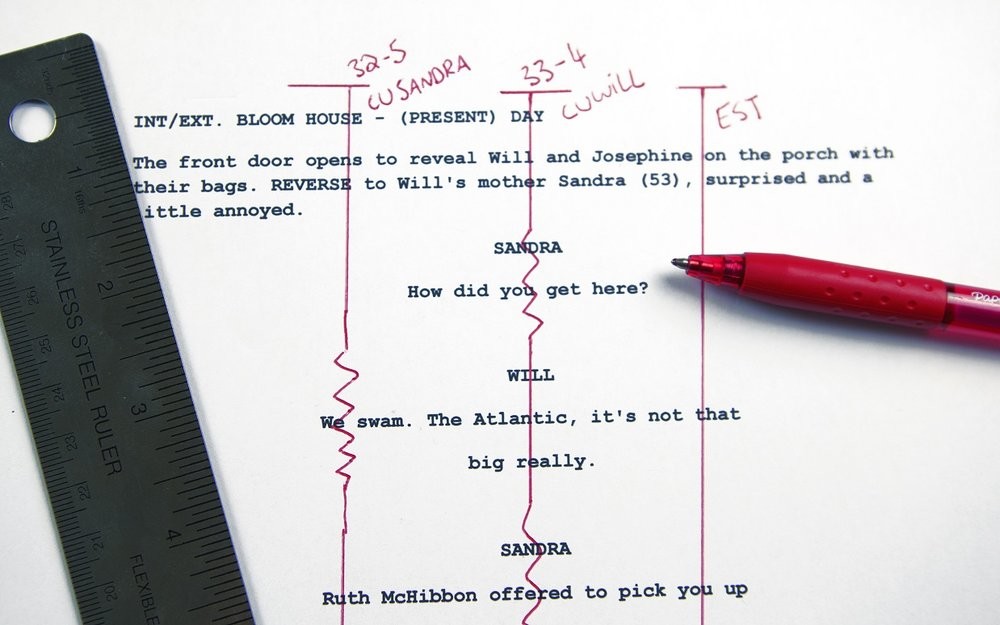
A lined script is one of the script supervisor’s most powerful tools. It is a version of the script marked with vertical lines and annotations that show exactly what parts of the scene were covered by which shots and setups.
Think of it as a visual index of coverage. If an editor needs “the moment he says the last three words of the apology,” the lined script helps point to which camera angles captured that moment and how consistently it was covered.
How notes get used
For the next setup
On a set, time only moves one direction. Hair changes, light shifts, actors get tired, props get reset imperfectly. The script supervisor helps the crew build a bridge from one setup to the next.
Between setups, their notes answer questions like:
- Which hand was the mug in when we cut?
- Was she already crying when she turned, or did that happen after the line?
- Did he stand up on “I can’t” or on “I won’t”?
- Where was the chair relative to the table edge?
- Did we play the beat with the laugh, or straight?
That is continuity, but it is also momentum. When the next angle matches, the scene can keep its spell.
For editors
In post-production, script supervisor notes function like a trusted companion. They help editors work faster and smarter, especially when there are dozens of takes and multiple cameras.
Notes can include:
- Preferred takes and why they were preferred
- Continuity warnings that might limit which pieces can cut together
- Dialogue variations so the editor knows what was actually said on a given take
- Technical problems, like a plane overhead or a mic shadow
- Coverage confirmation that the editor has what they need for a complete scene
Good notes do not dictate the edit. They empower it.
Common paperwork
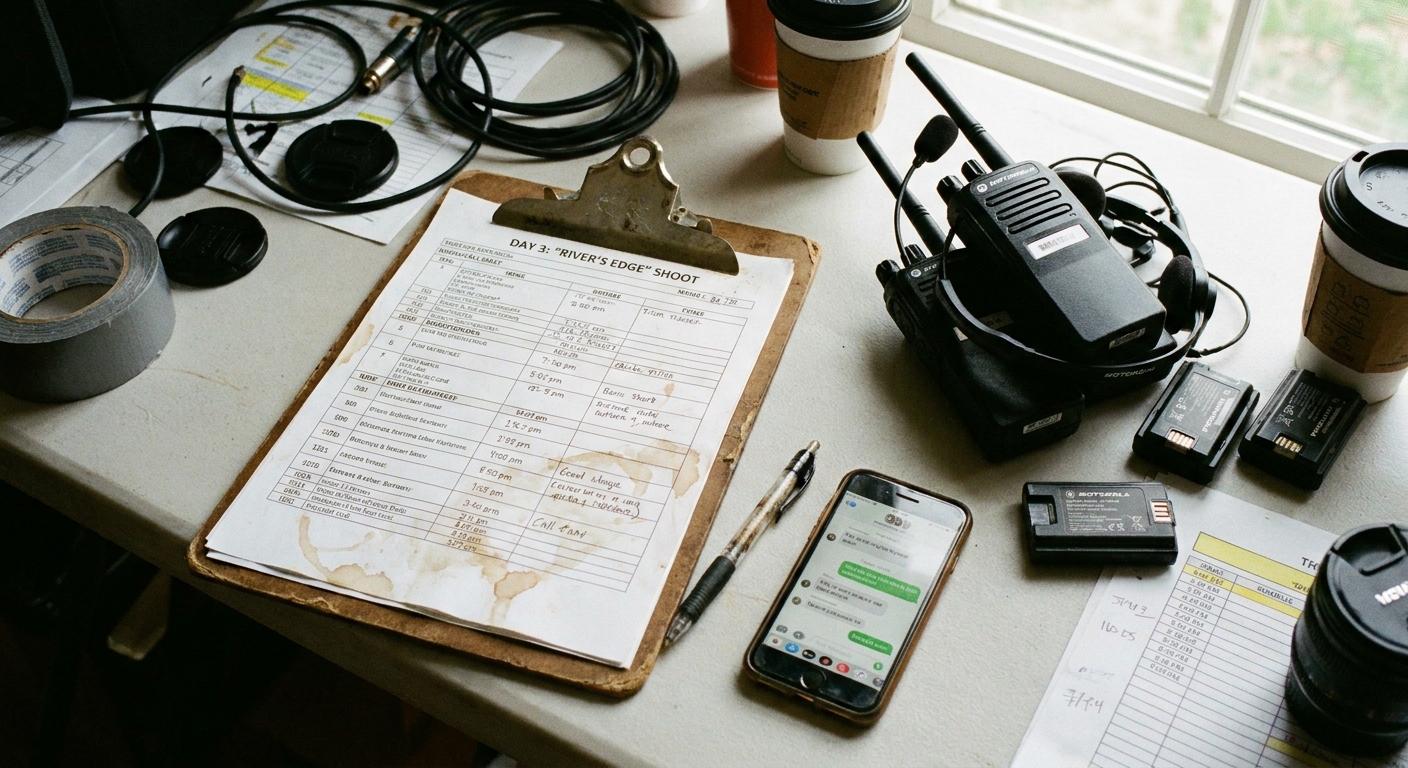
The names vary by production, country, and union rules, but script supervisors are typically responsible for a bundle of documentation that becomes the record of what the day actually was, not what it was supposed to be.
- Lined script showing coverage by shot
- Continuity notes tracking performance, props, wardrobe, and action beat details
- Daily editor notes or facing pages that summarize what was shot and what matters
- Take logs including marked selects (circled, starred, “print,” and other local language)
If you have ever heard an editor say, “What did we do on Take 3?” this is the paper trail that answers it.
Script supervisor vs. the writer
This confusion comes up constantly, and honestly I get it. The words “script” and “supervisor” sound like someone overseeing the writing. But the script supervisor is not the writer, and they are not running the writers’ room.
- Writers create the story, dialogue, and structure. In TV, writers work in a room, breaking episodes, revising, and often producing.
- Script supervisors work on set during production, tracking what is being filmed and protecting continuity so the written story becomes an editable, coherent screen story.
They collaborate indirectly. If a line changes on set, the script supervisor captures the change so the record is accurate, and so the cut can reflect what the actors actually played.
Script supervisor vs. stand-in
A stand-in is a different job entirely, and it matters to separate them because both roles can touch continuity in very different ways.
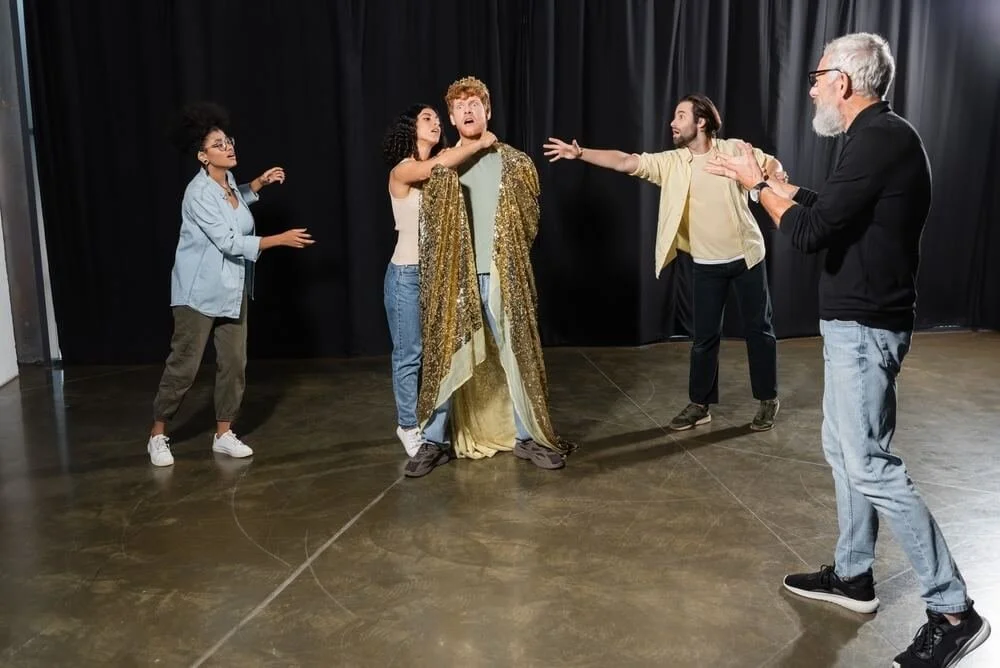
- Stand-ins are performers who physically take the place of principal actors for lighting, focus, and camera rehearsals. They help the crew set exposure, adjust blocking, and save the lead actor’s time.
- Script supervisors are crew members who track story and continuity details, keep records of takes and changes, and provide documentation for the edit and for matching the next setup.
A stand-in might match an actor’s height, build, and marks. A script supervisor matches the story’s logic across the day.
A quick example
Imagine a simple two-person conversation at a kitchen table. On screen it will feel like one continuous exchange. In reality, production might shoot:
- A wide master in the morning
- Over-the-shoulder on Actor A after lunch
- Close-up on Actor B at the end of the day
- Pickups two days later because a line changed
Now add a coffee mug, a half-eaten pastry, a chair that squeaks, and an emotional beat where Actor B starts tearing up on a specific line. The script supervisor tracks all of that, so that when the editor intercuts close-ups and reactions, the mug does not teleport, the pastry does not regenerate, and the tear does not appear and vanish like a continuity ghost.
FAQ
Does a script supervisor tell actors what to do?
Not in a directing sense. They may flag continuity issues that affect performance, like which hand an object was in, or when an actor stood up. Final decisions typically run through the director.
Is the script supervisor part of post-production?
They primarily work in production, but their paperwork and notes are designed to serve post. On some projects, they may be consulted later if questions come up about what happened on set.
Do script supervisors work on TV and film?
Yes. The fundamentals are the same. TV often moves fast and demands extra vigilance about coverage, episode consistency, and timing when episodes have fixed runtimes.
What tools do script supervisors use?
Traditionally, lots of paper: scripts, binders, continuity logs, and stopwatch timing. Many now use digital tools for notes and lining, but the core skill is the same: precise observation under pressure.
Why audiences should care
When a scene makes you forget it was filmed at all, that is craft doing its quiet work. Script supervision is not flashy. It is deeply human, though, because it protects performance. It gives editors the raw materials to build a scene that feels emotionally continuous, not technically stitched together.
And if you are the kind of viewer who stays through the credits, keep an eye out for that name. They helped hold the story in place while everything else moved.