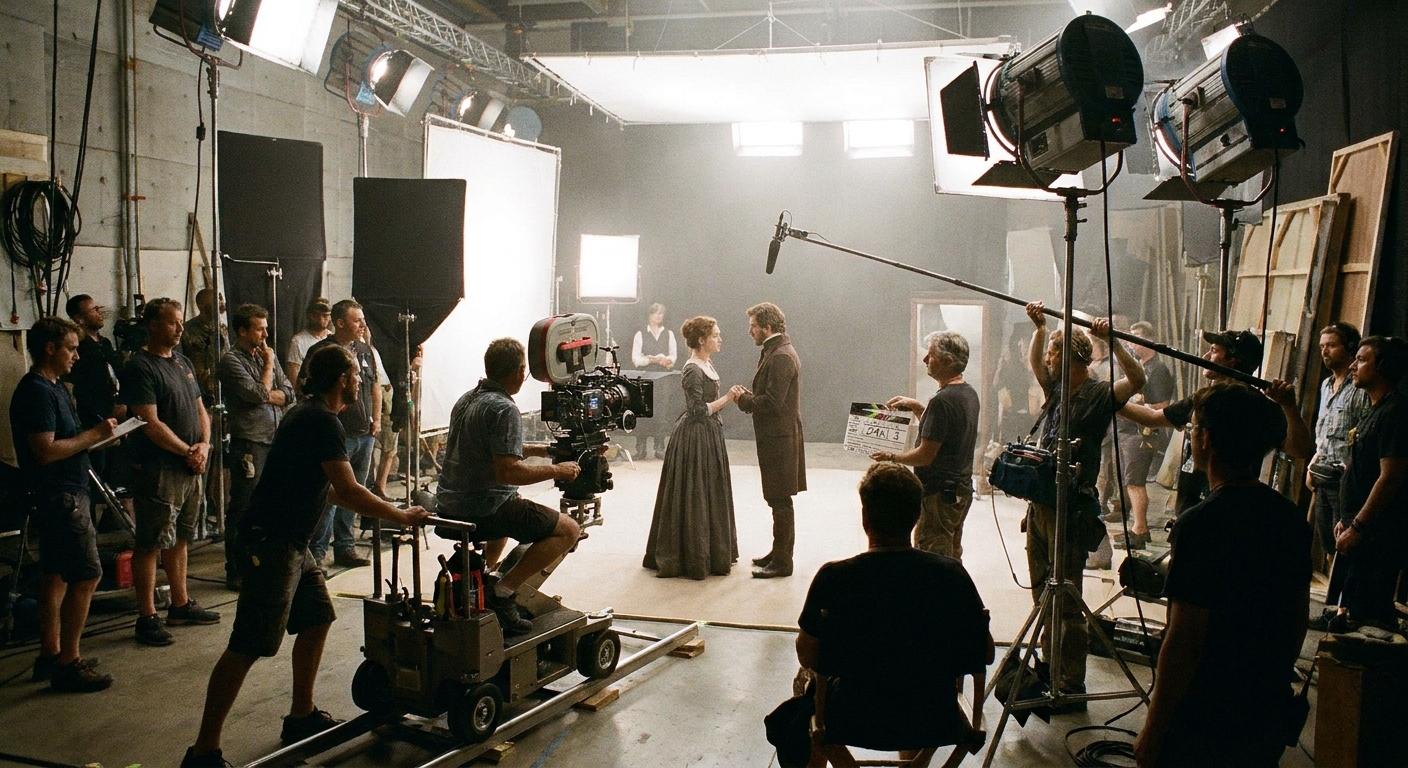
I grew up in Chicago around musicians and set builders, which meant I spent a suspicious amount of my childhood peeking around curtains and wandering into projection booths. That backstage instinct never left. On film and TV sets, one of the easiest “wait, what am I looking at?” moments for newcomers is hearing: “This is a second-unit day.”
Second unit is not a lesser version of the “real” shoot. It is a parallel crew built to capture specific kinds of footage efficiently, often while the main unit is filming somewhere else. When it is used well, it is one of the quiet engines behind how productions stay on schedule and still look expansive.
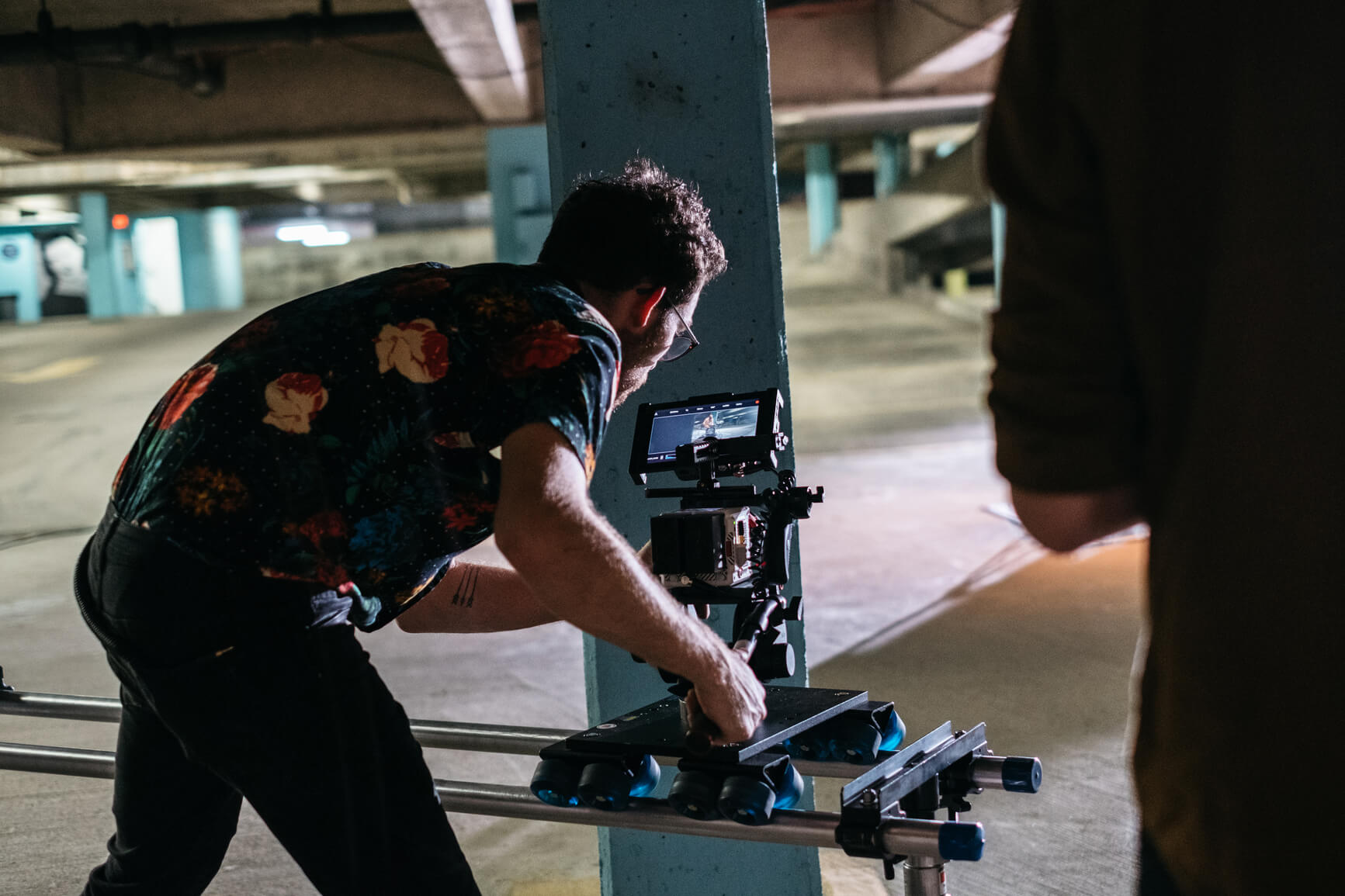
Second unit, explained
Second unit is a separate shooting team assigned to film supporting footage for a movie or episode, usually without requiring the lead actors or the primary director to be on set.
In most productions, second unit is executing a plan set by the main director and producers during prep, and run day to day through the assistant director team. The second unit director has delegated authority, but the goal is the same: bring back footage that cuts seamlessly into the main unit’s work.
In practical terms, second unit is often tasked with material that is:
- Logistically complex (stunts, car work, crowd action)
- Time-consuming (multi-angle action coverage, background plates)
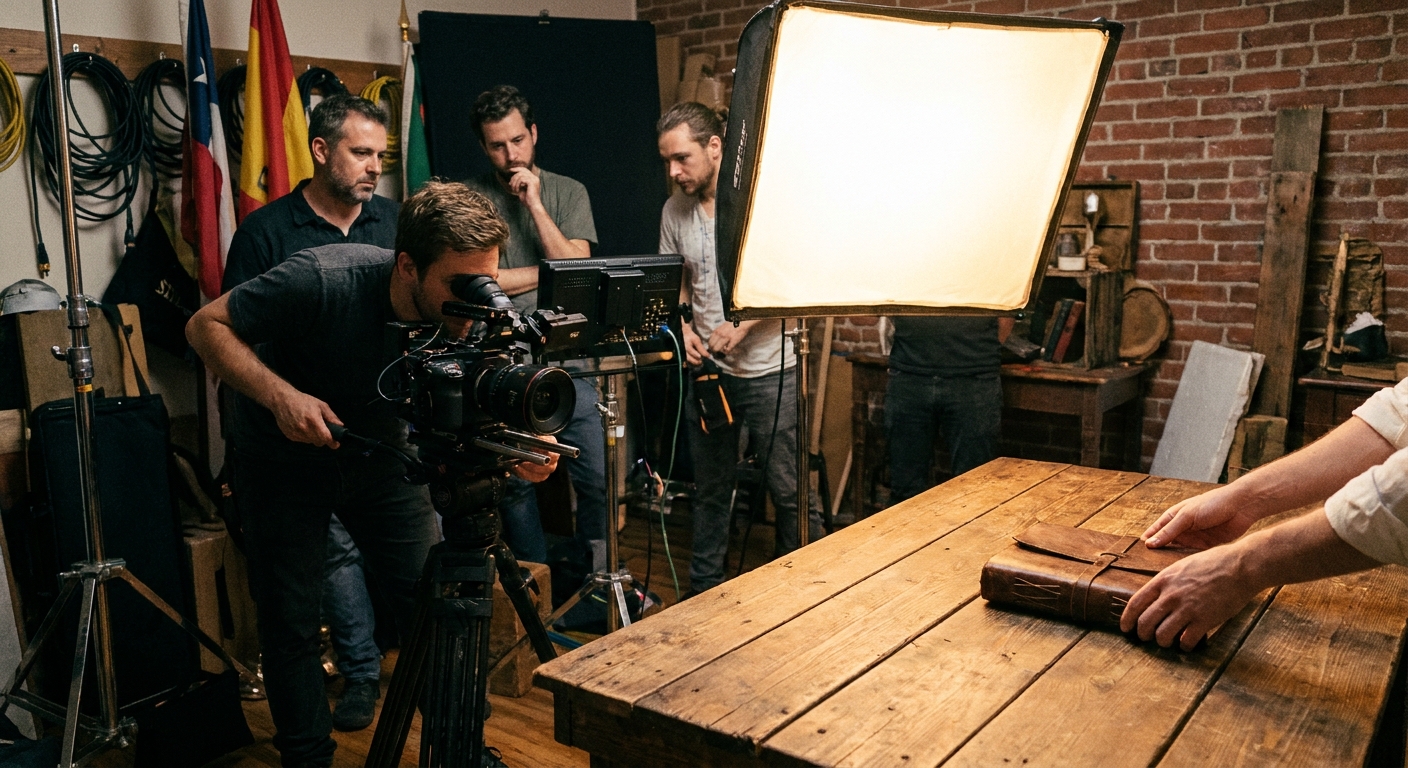
- Detail-oriented (inserts like hands, props, screens, signage)
- Geographically flexible (establishing shots, aerials, landmarks)
Sometimes second unit shoots on the same stage or backlot. Often it is somewhere entirely different while the main unit stays focused on dialogue scenes, performance beats, and anything involving principal cast.
One common setup: the main unit shoots the actor close-ups for a car chase on a controlled stage or process trailer, while second unit grabs the wide driving plates, tire smoke passes, and stunt beats out on the street with the precision drivers.
What second unit shoots
If main unit is where the emotional core of the story is usually captured, second unit is where the project often gets its scale, momentum, and texture.
Stunts and action coverage
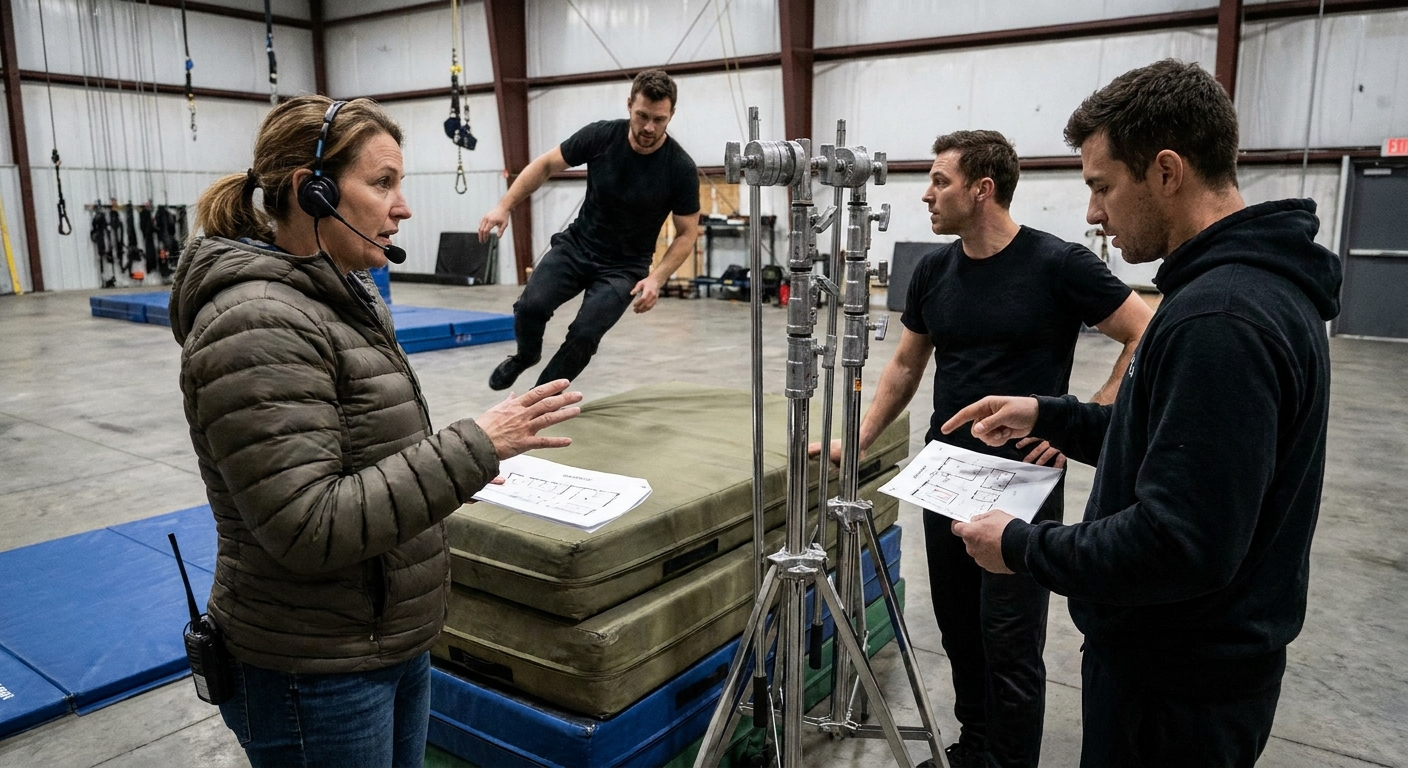
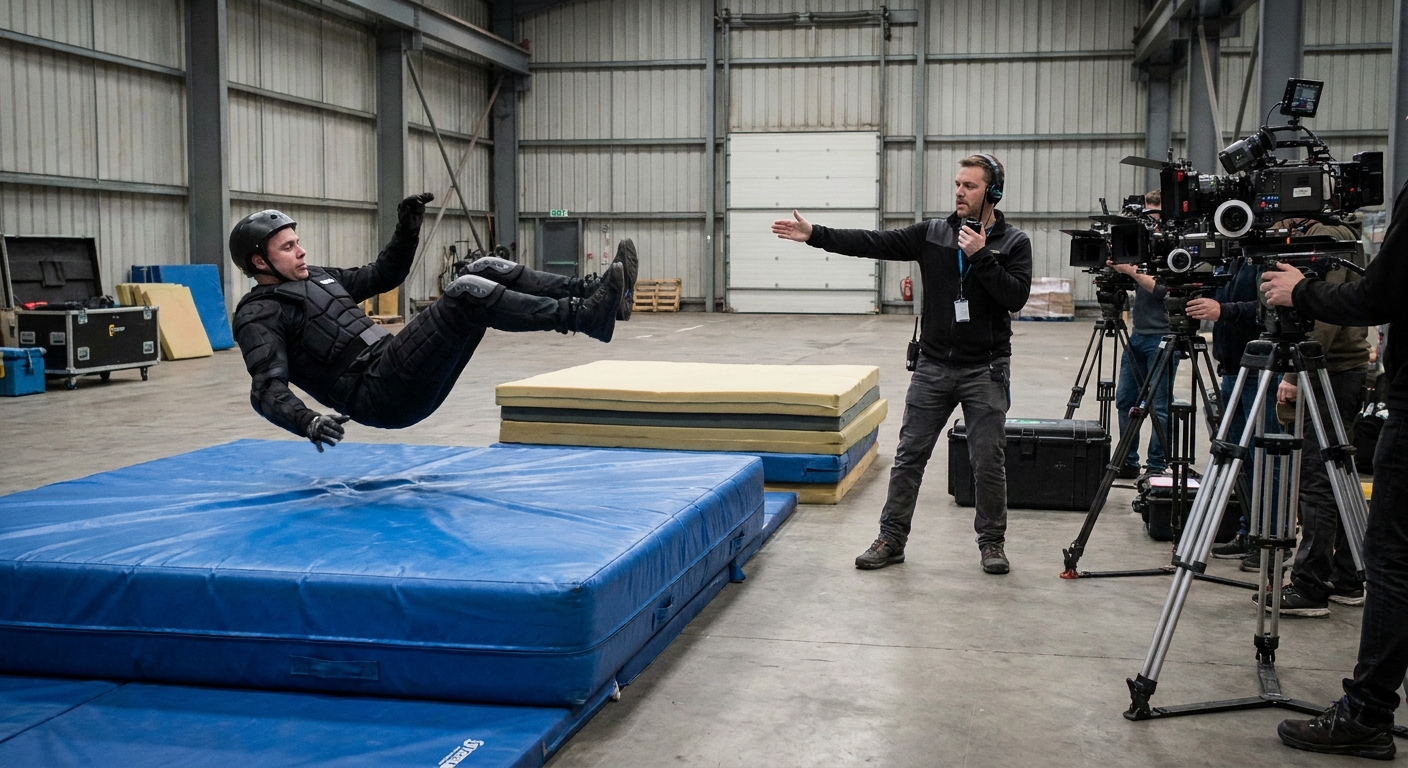
This is the category most people associate with second unit, and for good reason. Fights, chases, falls, fire gags, and precision driving frequently land with second unit because they require specialized crews and lots of setup. Second unit can devote the day to getting clean, safe, repeatable action coverage.
Establishing shots and location footage
Those quick “we are now in Paris” or “this is the new precinct” shots are often second-unit work, especially when the main unit is busy on a stage day. This can include:
- exteriors of buildings
- street life atmosphere
- sunrise or golden-hour shots
- aerial footage
Inserts and detail shots
Second unit often ends up doing a lot of “hand work.” Think: someone picking up a photograph, typing a text, loading a weapon, pouring a drink, exchanging a note, opening a mysterious box. Depending on the show and the schedule, the main unit may shoot inserts too, but second unit is a natural home for them because they are precise, repeatable, and do not always require principals.
Plates, backgrounds, and VFX elements
Second unit may capture clean plates (background without actors), driving plates (footage played on screens behind actors in a car), or other elements that help visual effects and compositing.
How second unit is staffed
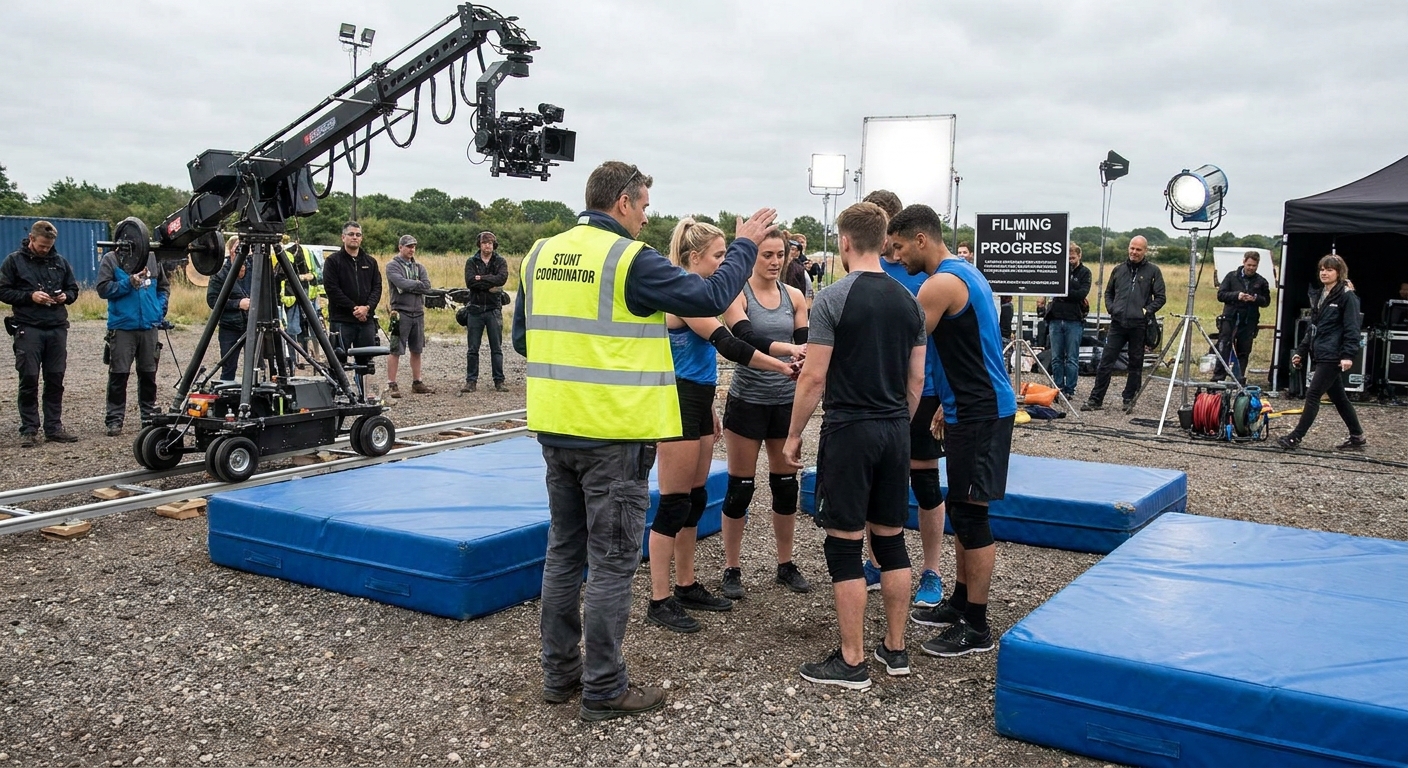
Second unit is its own little ecosystem. The exact staffing varies by production, but it often includes:
- Second unit director (responsible for staging and execution of the assigned material)
- Second unit director of photography and camera crew
- Assistant directors to run the set and manage timing
- Stunt coordinator and stunt performers, if action is involved
- Key grip and gaffer (sometimes leaner than main unit)
- Sound team (scope varies, but even non-dialogue days may record wild tracks, effects reference, or ambience, and requirements can be union dependent)
- Art department support to match props, set dressing, and continuity
The key creative principle is consistency. Second unit footage has to cut smoothly with the main unit’s work. That means matching lenses, lighting style, camera movement language, and even the rhythm of how a scene is covered.
Matching the look
The invisible work is the matching work. Second unit is usually kept on the same visual rails through practical guardrails like show LUTs, camera reports, lens and filter notes, storyboards or previs, and reference stills. On many productions, second unit dailies are reviewed through the same pipeline as main unit, with the director and DP (or their delegates) flagging anything that needs adjustment before the unit goes back out.
Second unit vs principal photography
Principal photography is the main shooting period when the core scenes are filmed, generally with the primary director and principal cast. Second unit can happen during principal photography as a parallel track, and it can also pop up before or after, especially for aerials, city atmospheres, or schedule-saving inserts.
Here is the clean distinction I keep in my head:
- Principal photography: the primary unit captures the story’s essential performances and scenes.
- Second unit: a separate unit captures supporting footage that completes sequences or expands the world.
They are not enemies. They are a relay team. The main unit protects performance and story clarity. Second unit protects time, scale, and coverage.
Second unit vs pickups and reshoots
These terms get mixed up because they can all involve “extra shooting,” but they refer to different situations.
Second unit
Planned parallel filming by a separate crew, often happening while the main unit shoots other scenes. It is typically baked into the schedule from the start, especially on action-heavy projects.
Pickup shots
Pickups are additional shots captured after the fact, usually to add clarity or smooth editing. Pickups might be a close-up of a prop, a reaction shot, or a transitional detail that the edit reveals is missing. They are commonly small and surgical.
Reshoots
Reshoots generally mean returning to a scene or sequence to film it again in a revised way, often because the story has changed, a performance beat is not landing, or the cut is not working. Reshoots can be minor or extensive.
Second unit is about division of labor. Pickups and reshoots are about revision and completion after evaluating what you already have.
What background actors notice
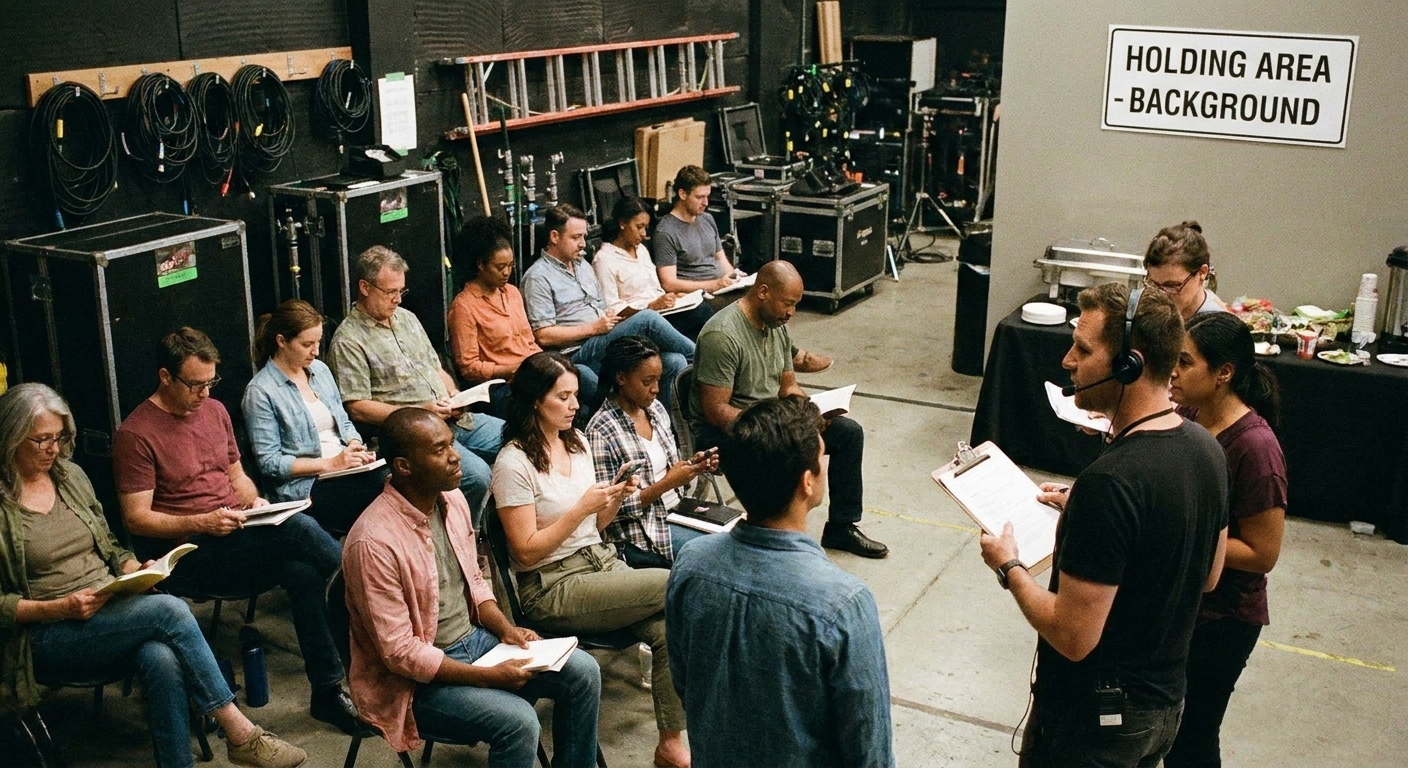
If you are a background actor and your call sheet says second unit, the vibe can feel different. Not “worse,” just different. Here are the practical tells.
More action, less dialogue
You might be asked to repeat the same movement patterns for multiple takes: crossing a street, reacting to commotion, running in a controlled direction, or filling in atmosphere while the camera tracks action.
You might not see the leads
Second unit often shoots around principals rather than with them. So you may be in a “big scene” that is actually built from pieces, with the star filmed on main unit at a different time or place.
Continuity of motion matters
Wardrobe, props, and background business can be extremely specific. If the shot is designed to intercut with main unit action, your timing matters. Assistant directors may give very precise instructions like “start on action,” “hit your mark on the third beat,” or “hold your reaction until the car passes frame.”
Different leadership, same standards
You may interact more with the second unit director, second unit ADs, or stunt team leaders. The pace can be brisk because second unit is often chasing coverage. But professionalism and safety are not optional, especially on stunt days.
Safety briefings may be prominent
If there are vehicles, falls, smoke, simulated chaos, or special effects, you are likely to hear more safety instructions up front. Listen closely. Second unit days are where “controlled chaos” becomes an art form.
Why productions use second unit
Second unit exists because time is expensive, and creative attention is finite. A separate unit lets a production:
- Keep the main unit focused on performance-heavy scenes
- Maximize locations while permits, weather, or seasonal light are available
- Build bigger sequences from multiple angles and elements
- Reduce scheduling conflicts by not requiring lead actors for inserts and action fragments
- Use specialists by pairing stunts and technical shooting with crews who do it constantly
From an audience perspective, it is one of the reasons a show can feel expansive even when you know, deep down, the calendar was unforgiving.
Credits and approvals
Second unit is not anonymous, even if it is designed to disappear into the cut. Larger productions commonly credit a second unit director and second unit DP (and sometimes additional units beyond that). The footage itself lives or dies in the edit like anything else: reviewed as dailies, chosen in post, and shaped to match the main unit’s intent.
Common misconceptions
“Second unit is only stunts.”
Stunts are a big part of it, but second unit can also be quiet: scenic exteriors, inserts, atmospheric street moments, and visual effects plates.
“Second unit footage looks different.”
It should not. Matching the visual language is part of the job. When you do notice a mismatch, it is usually because the footage was captured under different constraints, not because second unit is inherently lower quality.
“Second unit means the director is not in control.”
On the contrary. Large-scale productions plan for second unit because it is a tool for control, not a symptom of chaos.
Quick FAQ
Does second unit happen during principal photography?
Often, yes. It is commonly scheduled alongside the main unit so both can capture necessary material in parallel. It can also happen before or after principal photography depending on weather, locations, or availability.
Can second unit shoot entire scenes?
Sometimes, especially if the scene is mostly action, atmosphere, or does not require principal cast. Performance-driven dialogue scenes are usually main unit territory.
Who decides what second unit shoots?
The plan typically comes from the director, producers, and the assistant director team during prep. The second unit director then executes that plan, coordinating closely so the footage cuts with the main unit.
Is second unit the same as a “B unit”?
People use the terms interchangeably, but they are not always identical. Second unit often implies support material like stunts, inserts, plates, and establishing shots. B unit can mean any parallel unit, and on some productions it may shoot full scenes, including dialogue, depending on how the schedule and director coverage are split.
The bottom line
Second unit is a separate crew that shoots supporting footage like stunts, establishing shots, plates, and inserts, often while the main unit is filming principal scenes elsewhere. It is less about hierarchy and more about orchestration.
And if you ever find yourself on a second-unit call as background, treat it like a masterclass in how screen stories are stitched together: one precise moment, one matching angle, one carefully repeated beat at a time.