I grew up in Chicago spending as much time backstage as I did in the audience, the kind of childhood where the smell of fresh paint on a flat and the whir of a projector felt as normal as homework. If you have ever been invited to a dress rehearsal, you have been offered a seat in one of my favorite in-between worlds. It is not quite opening night, but it is absolutely real in the way that matters.
In most productions, a dress rehearsal is one of the first times the show runs end-to-end under full performance conditions: costumes, hair and makeup, props, lights, sound, scene changes, and the stage manager calling cues the way they will be called for an audience. It is a full run with the pressure turned up, so the company can see what the piece becomes when every department is in the room at once.
Dress rehearsal, defined
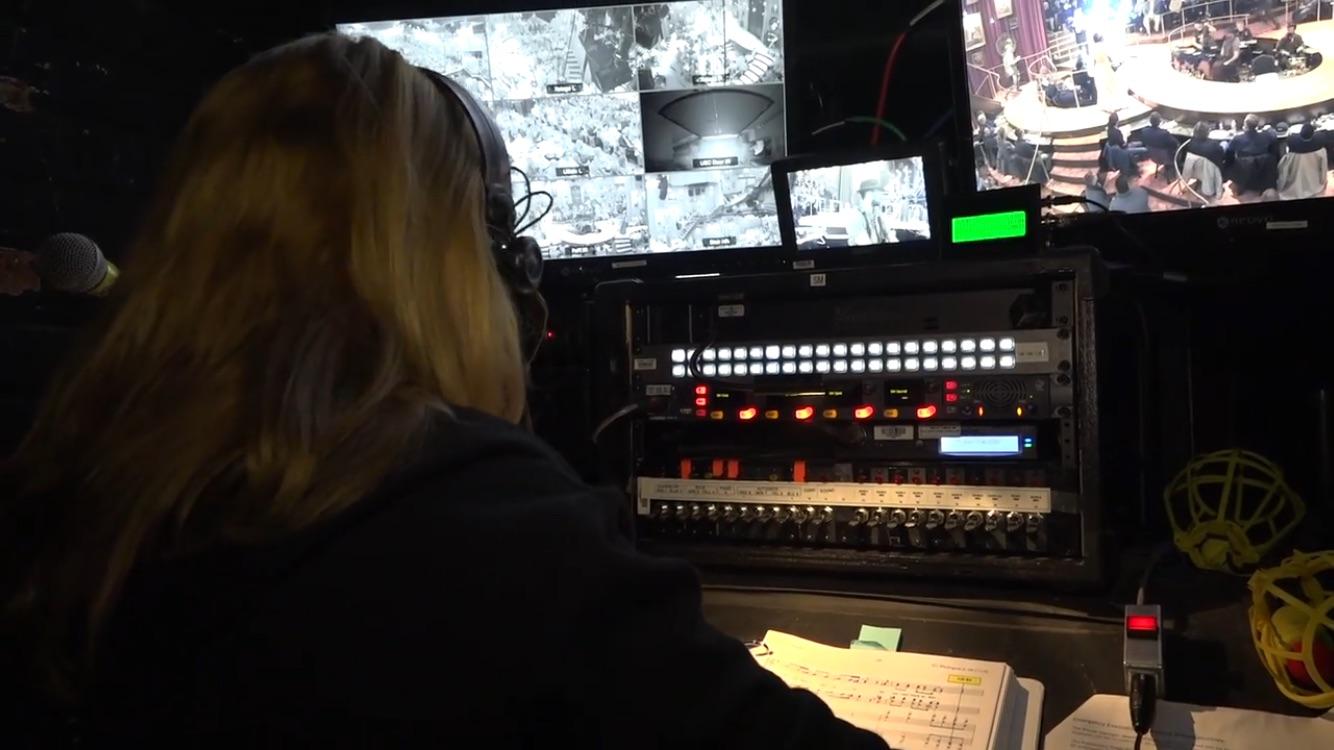
In theater and live performance, a dress rehearsal is a complete run of the show in full show conditions. That usually means:
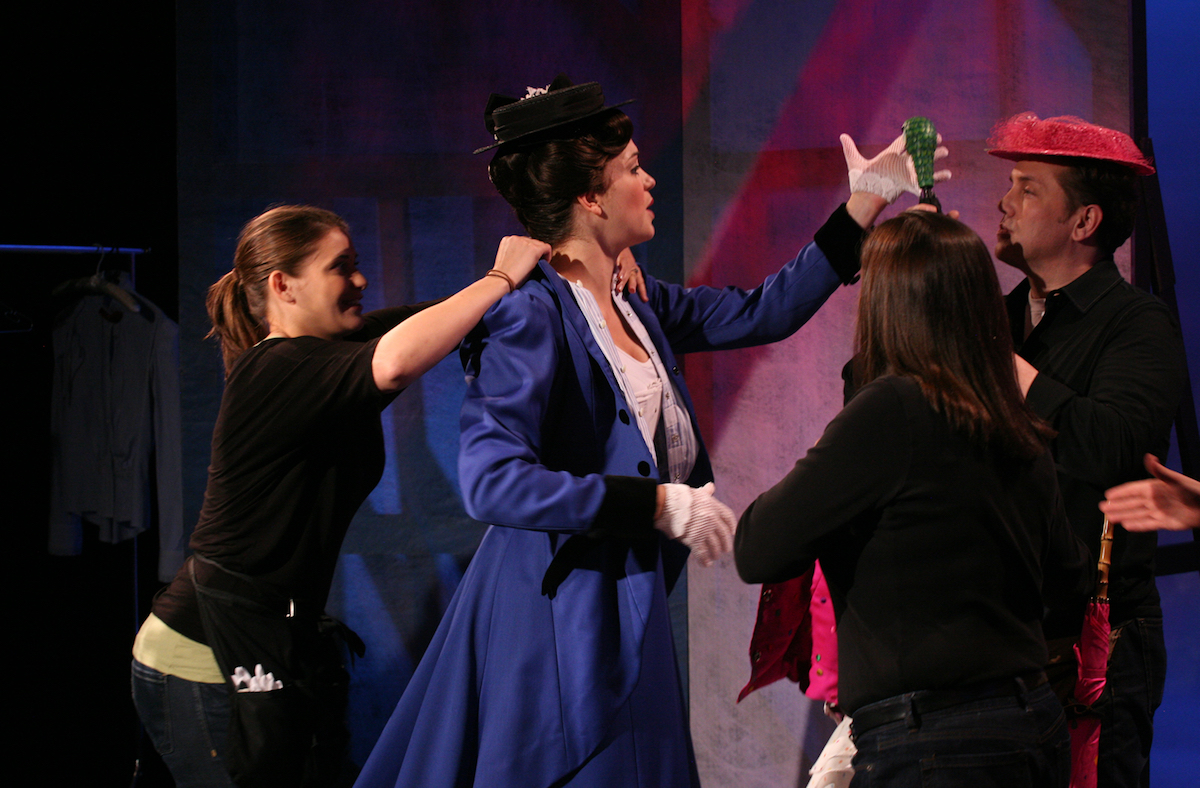
- Costumes, including quick changes and any specialty items (corsets, harnesses, dance shoes, blood packs, etc.)
- Hair and makeup, including wigs, facial hair pieces, and prosthetics if used
- Props and backstage tracking, with handoffs timed the way they will be for audiences
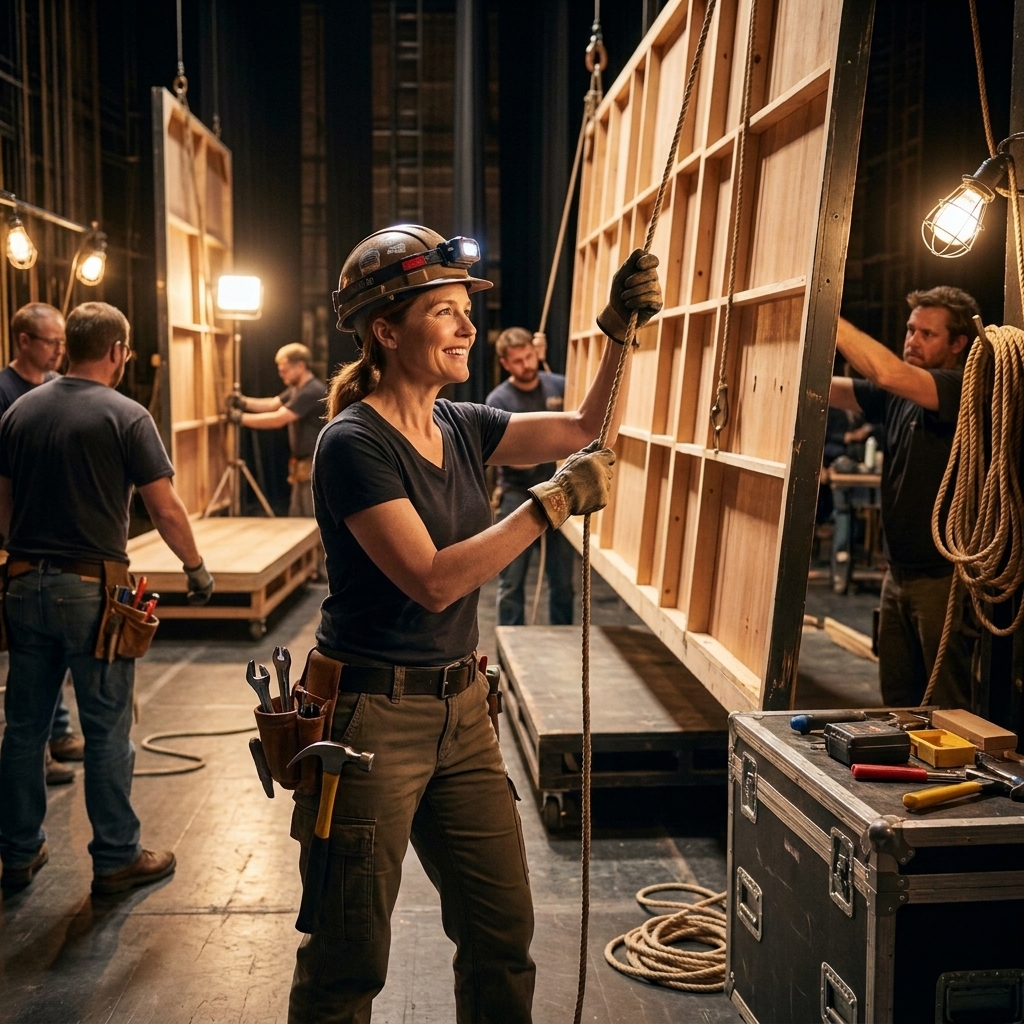
- Scenery and automation, including moving wagons, turntables, fly cues, and traps when applicable
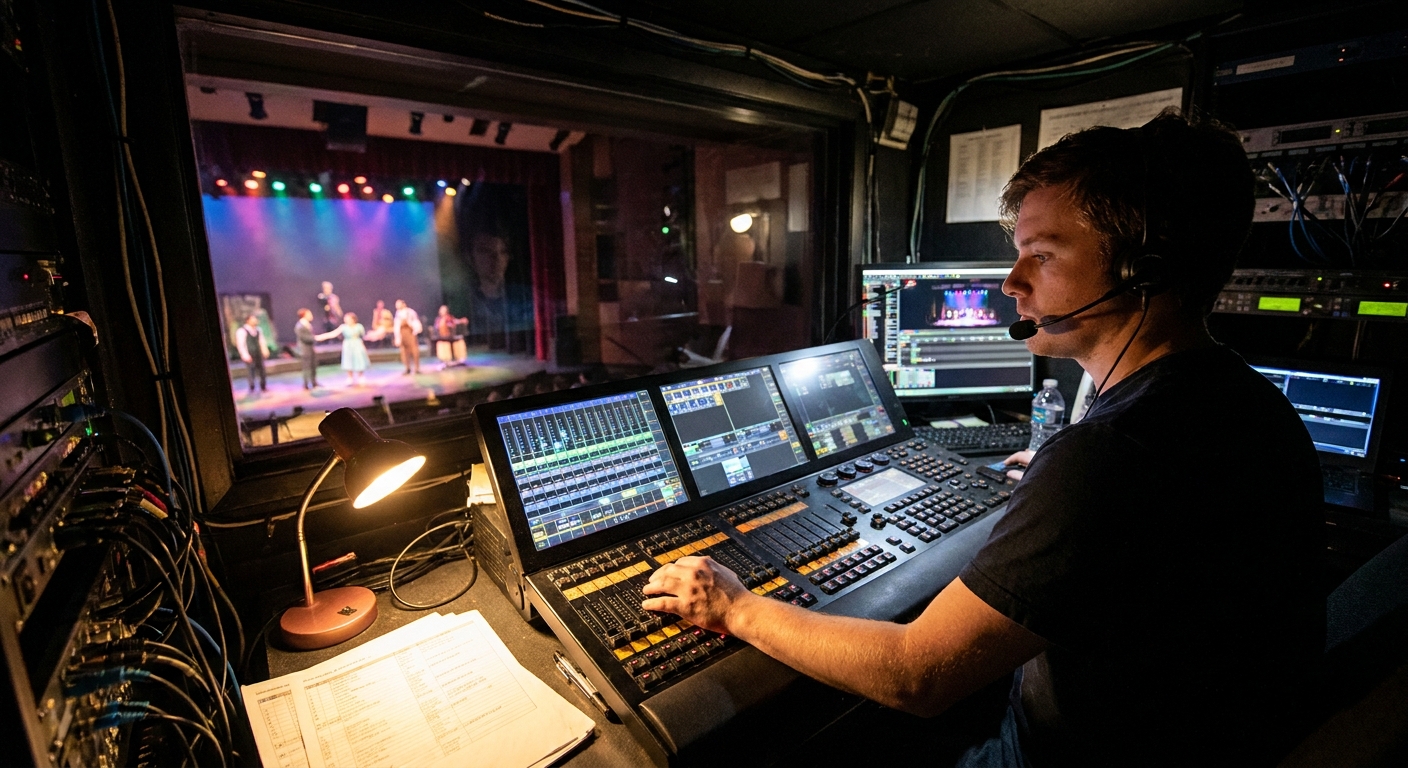
- Lighting, run by the board operator and called by the stage manager
- Sound, including mic checks, mixes, and any effects or underscoring
- Projections and video, if the show uses them
- Orchestra or band, for musicals, often under the same conditions as a performance
The key phrase is treated like a performance. It is not just about outfits. It is about seeing whether the show works when the human beings inside it are doing everything, at speed, without stopping to talk through every problem.
What happens during a dress rehearsal?
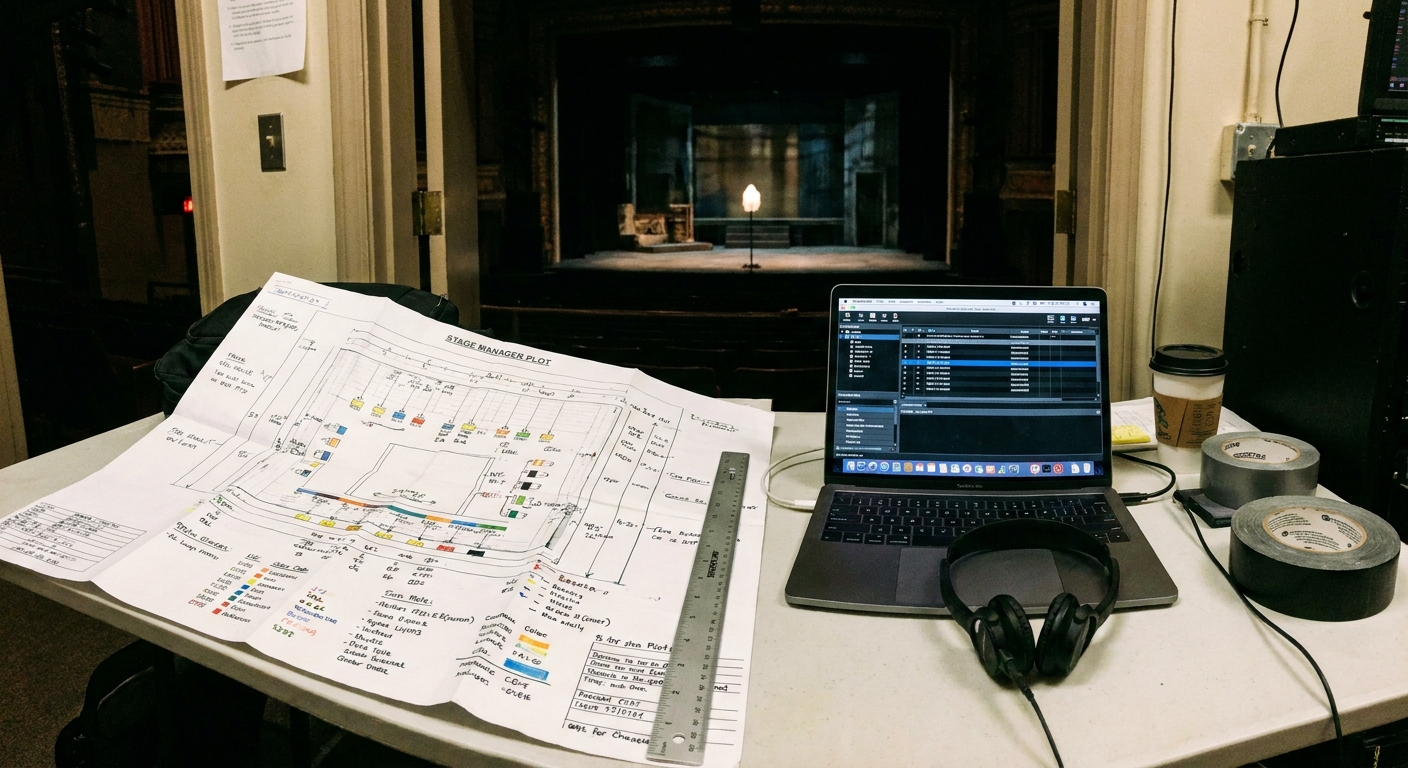
A dress rehearsal typically starts with warmups, a preset of the stage and props, and a final check-in between stage management and the crew. Once the run begins, the show is called cue-by-cue: the stage manager calls, and operators execute lights, sound, deck moves, projections, and sometimes wardrobe and automation, just as they will for a real audience.
But here is the gentle truth: dress rehearsal is also where you discover the problems that only appear when everything is happening at once. A zipper breaks during a quick change. A wig cap slides. A practical lamp blows its bulb. A costume catches on a set piece you did not realize was that sharp. A mic pack ends up in the exact spot a dancer needs to land.
Depending on the production, the run may be:
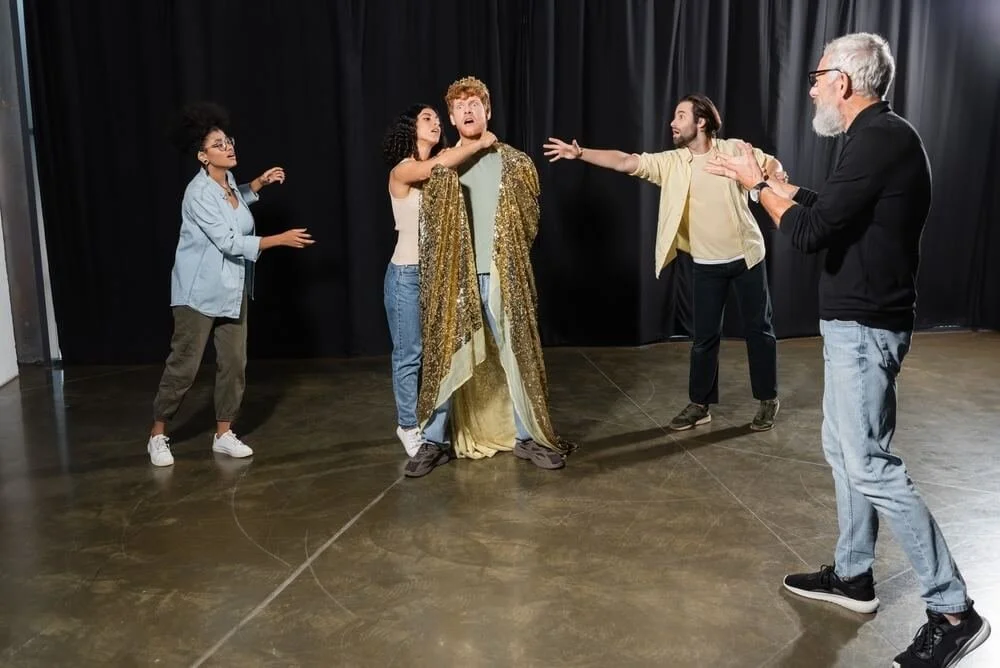
- A stop-and-go dress, where the director, designers, or stage manager pause to fix issues.
- A no-stop run, sometimes called no-stop, full run, or full dress in certain companies, followed by detailed notes afterward.
Professional productions often aim for fewer stops as opening approaches, but safety and major technical issues always win. Nobody benefits from powering through a problem that could injure someone or damage equipment.
And yes, intermission can be part of what gets tested. Some companies hold for notes, extend a break to fix a costume issue, or adjust preshow and intermission timing to match the audience experience they want.
Who watches a dress rehearsal?
Who is in the room depends on the scale of the production and where you are in the process, but dress rehearsal is usually attended by:
- The director (or choreographer, for dance)
- Stage management, especially the stage manager calling the show
- Designers: costumes, lights, sound, scenic, projections, hair and makeup
- Wardrobe and wigs teams
- Run crew (deck crew, fly crew, automation operators)
- Producers or general management, particularly near opening
- Sometimes invited guests, often as a small, friendly test audience
In some environments, like school or community theater, you might also see administrators, board members, or family invited to fill the house and help simulate audience energy. In higher-budget professional settings, a dress rehearsal might still be mostly internal, with guests reserved for an invited dress or first preview.
What the company is fixing
A dress rehearsal is not the moment when artists suddenly stop caring about improvement. It is the moment when improvement becomes hyper-specific. Notes after a dress are often less about big conceptual shifts and more about execution:
- Timing: transitions, scene shifts, blackouts, applause holds
- Traffic: who crosses where, who is in the wrong wing, who is blocking a crew path
- Quick changes: whether they are possible, safe, and repeatable
- Costume function: can the performer move, breathe, sit, dance, fight?
- Visibility: what disappears under the lights, what glares, what reads as muddy from the back row
- Sound balance: vocals vs orchestra, mic placement, feedback trouble spots
- Safety: slippery shoes, snag points, automation clearances
Think of it like this: rehearsal is where you learn the show. Dress rehearsal is where you learn the show’s physics.
Dress vs table read
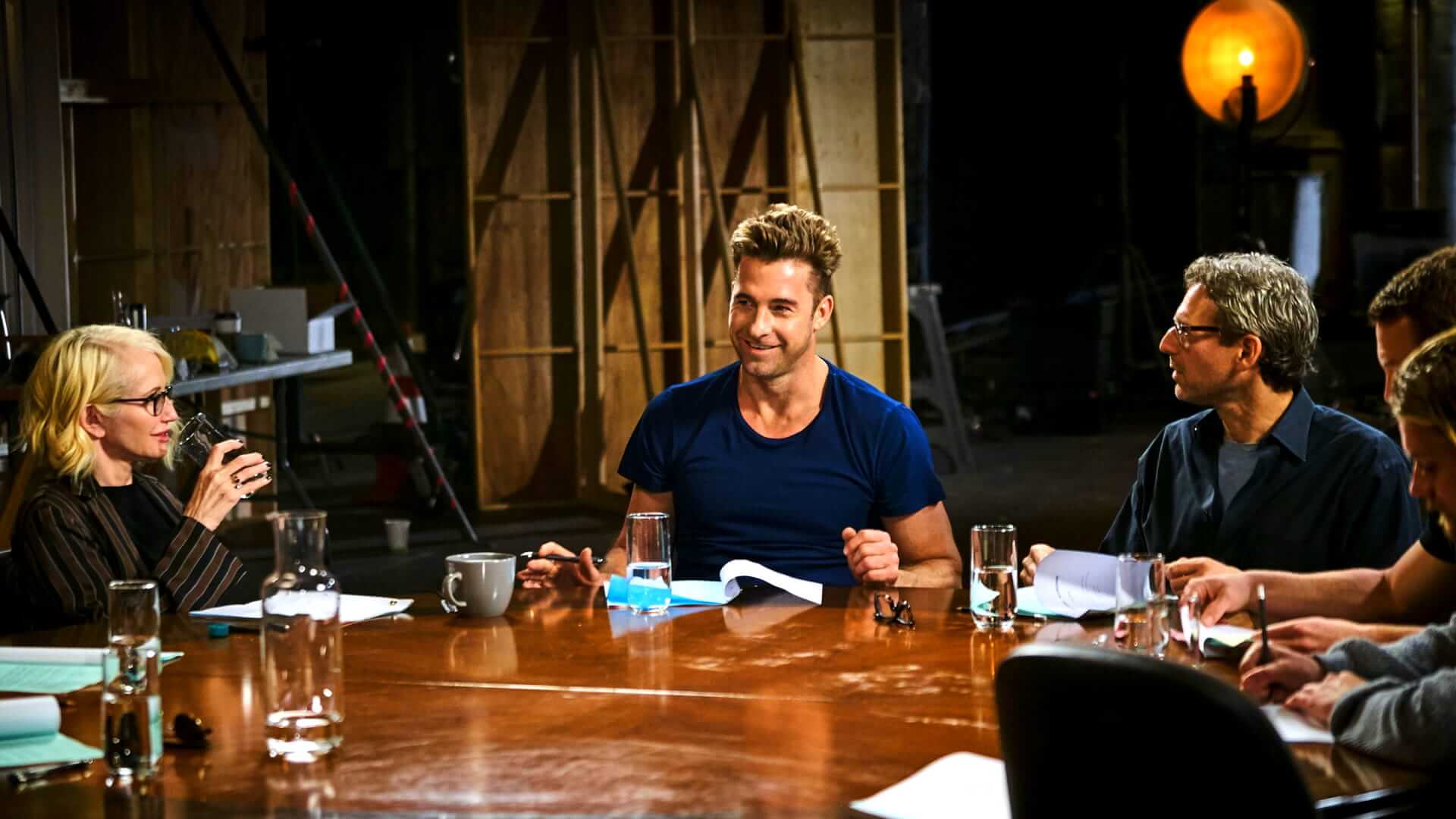
A table read is usually an early-stage gathering where the cast reads the script aloud, often seated, sometimes with minimal staging. It is about story, character, rhythm, and hearing the text in real voices. It is a place for discovery.
A dress rehearsal is late-stage. It is about integration: text plus staging plus design plus crew choreography. You are no longer asking what is this show so much as can this show run.
If a table read is the first time you hear the music, a dress rehearsal is when the whole orchestra and the lights show up and you find out which notes still squeak.
Dress vs tech
Tech, short for technical rehearsal, is where the production sets and refines cues. It is the period when lighting, sound, projections, scenic shifts, and automation get built into the performance. Tech can involve lots of stopping and repeating.
In many processes, a dress rehearsal comes after most cue-building has happened. The big difference is momentum. In tech, you might spend 25 minutes on a 40-second sequence because the lighting transition needs new timing and the deck move needs a safer pathway. In a dress rehearsal, the goal is usually to run the show in order, with as few interruptions as responsibly possible, so everyone can feel the real flow.
Dress vs preview
Not quite. A preview is a performance for a public audience before the official opening, sometimes paid and sometimes comped or otherwise non-paying depending on the venue and production. The show is up, but changes can still be made between performances.
A dress rehearsal is usually not public, and even when it includes guests, it tends to be invitation-only and treated more like a working run than a night out.
You may also hear invited dress or preview dress. That is the version that most resembles a performance: a fuller house, more audience energy, and often fewer stops. Even then, it is still a rehearsal, which means the company may hold, reset, or take notes if something truly needs attention.
If you are invited
If someone invites you to a dress rehearsal, you are not just getting an early look. You are being trusted to witness the messy, fascinating final assembly. Here is what to expect, and how to be the kind of guest people want to invite again.
It might not stop, or it might stop a lot
Ask (or listen for) whether it is a no-stop dress. If it is stop-and-go, you may be sitting in the dark while a headset conversation happens and a moment is reset. That is normal.
The house may feel different
You might see designers with notebooks, production staff slipping in and out, or crew members moving with a kind of purposeful speed you do not usually notice from the audience. The energy is focused, sometimes quiet, sometimes intensely caffeinated.
Applause rules vary
Some invited dresses welcome normal applause. Others prefer minimal reaction so the company can hear cues and stay in rhythm. If you are unsure, follow the room. When in doubt, be supportive but not disruptive.
Do not take photos or video
Even if it feels informal, it is usually still governed by the same rules as a performance, and sometimes stricter ones. Costumes and staging can change quickly, and nobody wants unfinished work circulating out of context.
Expect notes afterward
After a dress rehearsal, the cast and crew typically go into notes. That means you may not get to chat with performers right away, and if you do, keep it light. Congrats, you looked great lands better than a ten-minute breakdown of Act Two pacing.
What feedback helps?
If the creative team asks for reactions, keep them audience-centered and specific:
- I got confused about where we were in that scene change.
- I could not hear the lyrics in the second verse from my seat.
- The moment with the letter really landed. The pause helped.
What is not helpful is rewriting the show in the lobby. Dress rehearsal is triage and tuning, not a free-for-all brainstorming session.
Terms you might hear
- First dress, second dress, final dress: multiple dress runs, with the last one often closest to true performance conditions.
- Full dress: a complete run in full costume and tech conditions. In some companies this implies no-stop, but usage varies.
- Dry tech: tech rehearsal without performers, focusing on cues and transitions.
- Wet tech: a term used in some theaters for tech with performers added, often still stop-and-go. Not everyone uses this phrase, and some companies mean slightly different things by it.
- 10 out of 12: a long tech day where the company works up to 10 hours within a 12-hour span, common in professional theater.
- Spike marks: tape marks onstage that help scenery and performers hit precise positions.
- Preset: placing props and scenic pieces before the run starts.
- Notes: feedback given after a run, from director, designers, and stage management.
Why it matters
As an audience member, you experience a show as a story. As a company, you also experience it as logistics, craftsmanship, and a hundred tiny handoffs that need to happen in the dark.
Dress rehearsal is where art meets gravity. It is where the gown meets the choreography, the sword meets the fight call, the laugh meets the sound cue, the tears meet the spotlight, and everybody learns whether the show is not only beautiful, but sustainable night after night.
FAQ
Do you perform a dress rehearsal in full makeup?
Usually, yes. Full makeup and hair are part of what is being tested, especially under stage lighting and with quick changes.
How many dress rehearsals are there?
It varies. Some productions have one. Others have multiple dress runs, sometimes labeled first dress, second dress, and final dress, plus an invited dress. The larger the technical demands, the more runs a company often wants before opening.
Can a dress rehearsal have an audience?
Yes, sometimes by invitation. Even then, it is typically a limited audience and the priorities remain focused on testing the production.
Is the show finished at dress rehearsal?
Close, but not always. Dress rehearsal is late-stage, but it can reveal last-minute issues that require changes before previews or opening night.
What should I wear if I am invited?
Wear something comfortable and respectful, like you would for a normal performance. You do not need opening-night polish. You do need shoes you can sit in for a full run.