I learned what a “closed set” really means the same way a lot of us do: not from a textbook, but from a sudden shift in energy. A PA’s voice gets a little more formal. People you have been stepping around for hours start packing up and moving out. The hallway gets quieter. And you realize, oh, this scene is different. Not necessarily scandalous, not necessarily secret, but handled with extra care.
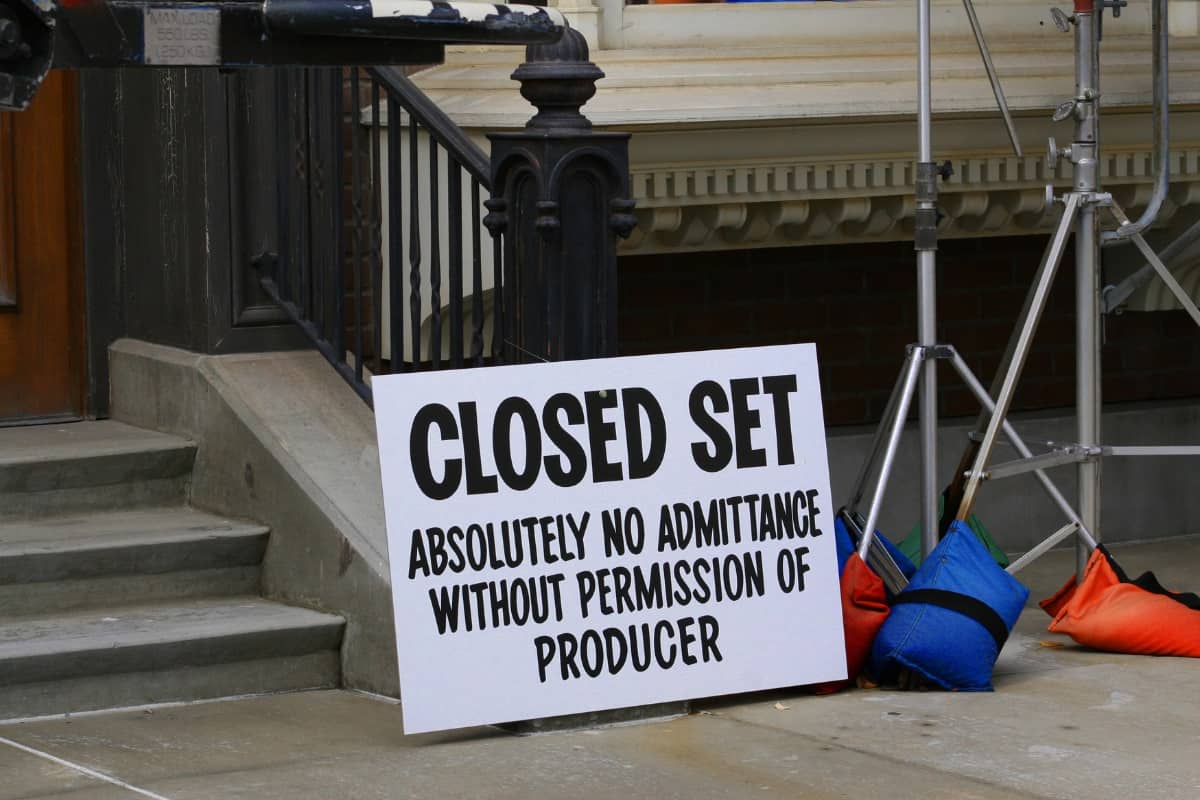
In film and television, “closed set” is less about drama and more about keeping things tight: privacy, safety, sound, and focus. Here’s what it means in plain English and what you can expect if you are cast as background.
Closed set meaning
A closed set is a period of filming where the production limits who may be physically present while a scene is being shot. Instead of a normal working set where departments can flow in and out, the space is cleared so only the people needed to make the shot happen are in the room or on the stage.
Important nuance: “Closed set” does not automatically mean “nude scene.” It can involve intimacy, yes, but it can also cover stunts, minors, emotionally exposed material, or technically sensitive setups where fewer bodies in the space is simply smarter.
Why productions use closed sets
Closed sets are used for a few core reasons, all of which boil down to protecting people and protecting the work.
- Intimacy and vulnerability: Scenes involving simulated sex, partial nudity, or emotionally exposed performances often use a closed set to give actors privacy and reduce distractions.
- Minors on set: When children are working, productions may restrict access to simplify supervision and comply with strict labor rules and guardianship requirements.
- Stunts and safety risks: Fights, falls, weapons work, vehicle action, and other hazardous setups can require a lockdown so only trained, necessary personnel are nearby.
- Technical precision: Some scenes demand extremely consistent sound and movement. Fewer people means fewer accidental bumps, shadows, reflections, and stray noise.
- Performance focus: Even when nothing is physically risky, an actor might request reduced set traffic for a difficult monologue, a breakdown scene, or a moment that needs concentration.
- Sensitive story material: Sometimes it is about content, not bodies. Examples can include a medical trauma scene, a private confession, or dialogue connected to a sexual assault storyline. The goal is to keep the environment respectful and contained.
Who is typically allowed to stay
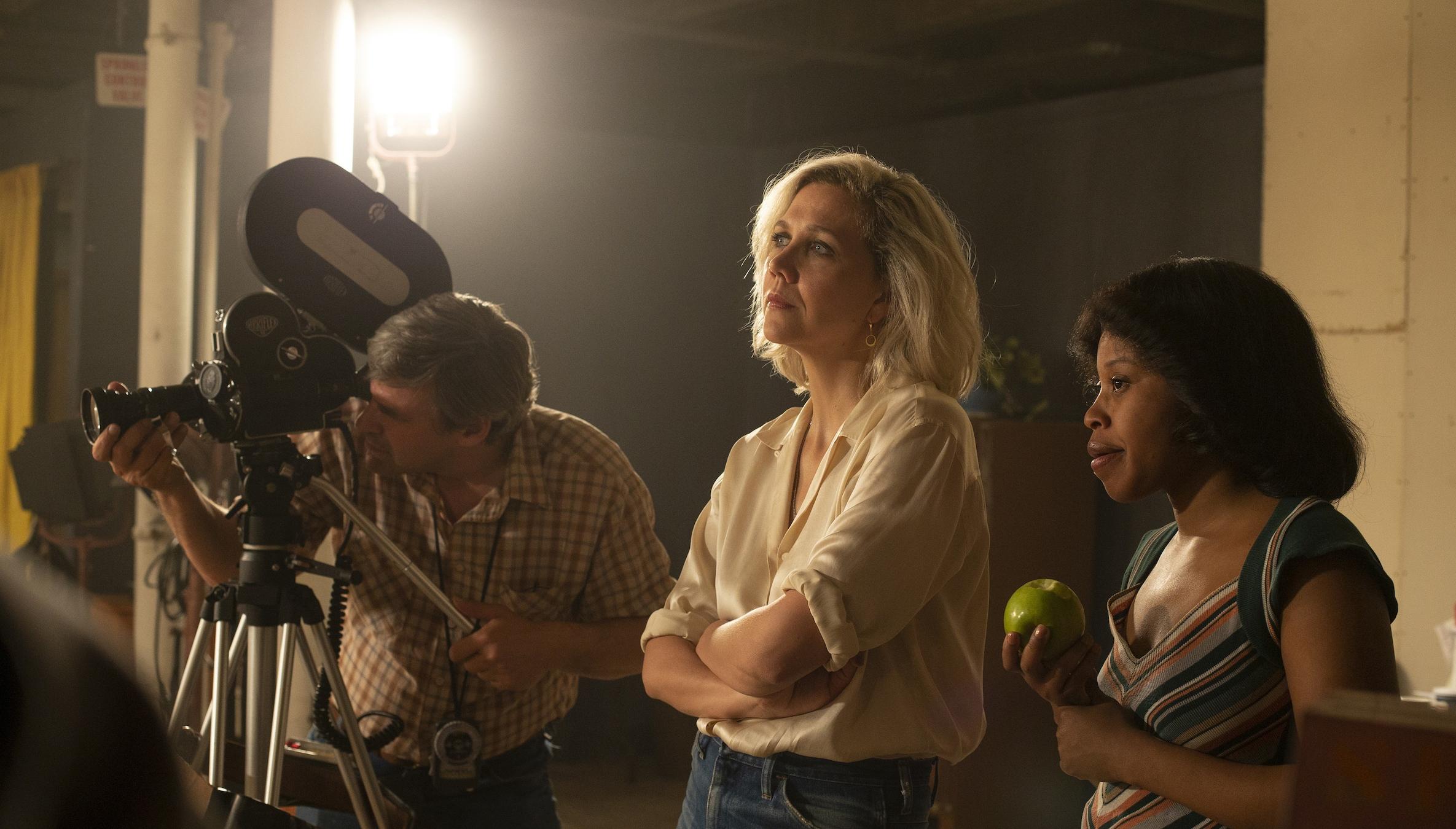
Every production has its own rules, but the basic principle is consistent: if you are not essential to filming the take, you step out. On a closed set, you will usually see a smaller, tightly controlled group that can include:
- Director and sometimes a limited number of producing staff
- 1st AD (first assistant director) and key AD team members managing the floor
- Director of Photography (DP) and a reduced camera crew as needed
- Sound team (often a pared-down unit)
- Key grip and gaffer or minimal lighting and grip support necessary for the shot
- Script supervisor
- Hair, makeup, and wardrobe may be nearby, but sometimes kept just outside and brought in only for checks
- Stunt coordinator and stunt team (for stunt sequences)
- Studio teacher, parent, or guardian (when minors are involved), depending on regulations and the situation
- Intimacy coordinator (when the scene involves intimate contact), along with any required support staff
- The actors performing the scene
Notice what is missing: extra bodies. That is the point. A closed set is about keeping the environment controlled, respectful, and safe.
What it looks like on the day
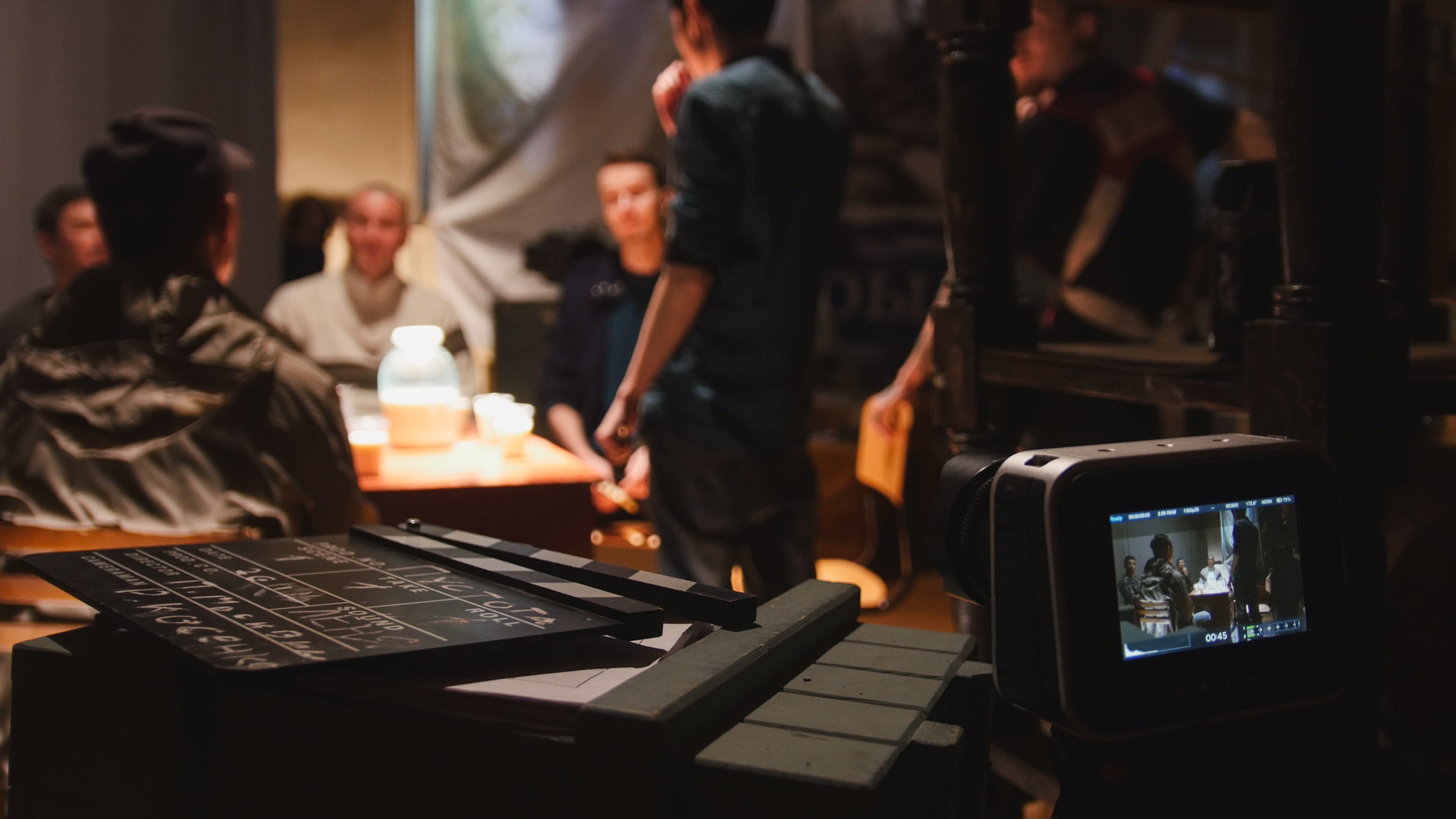
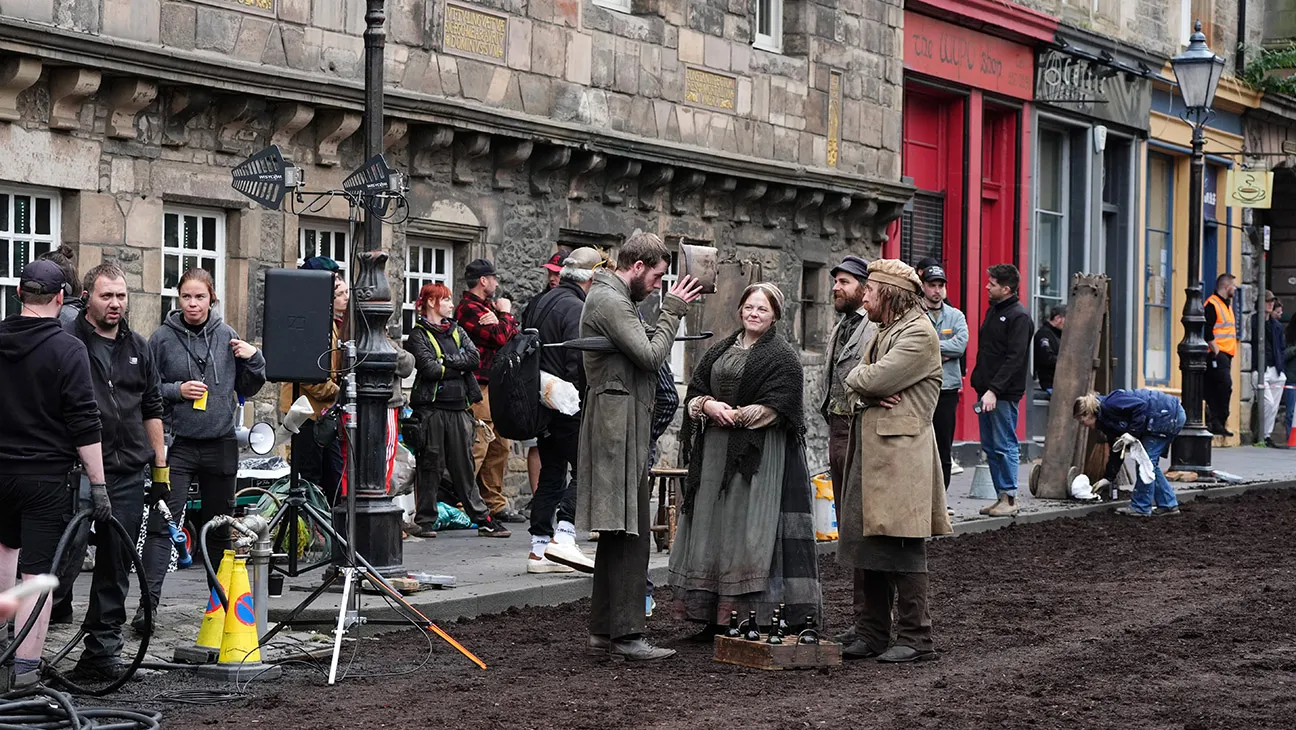
If you have never been around one, a closed set often has a few telltale signs. You might hear “lock it up” or “closing the set” over walkies. PAs take positions at doors and hallways. Set monitors may be turned away, covered, moved, or limited to essential viewers. Video village, if it exists for that scene, gets smaller and quieter.
In other words, it becomes obvious that access is being managed on purpose, not casually.
What background actors are usually told
If you are booked as an extra, a closed set can affect your day in a few common ways. Productions vary, but these are typical expectations:
You might be asked to wait off set
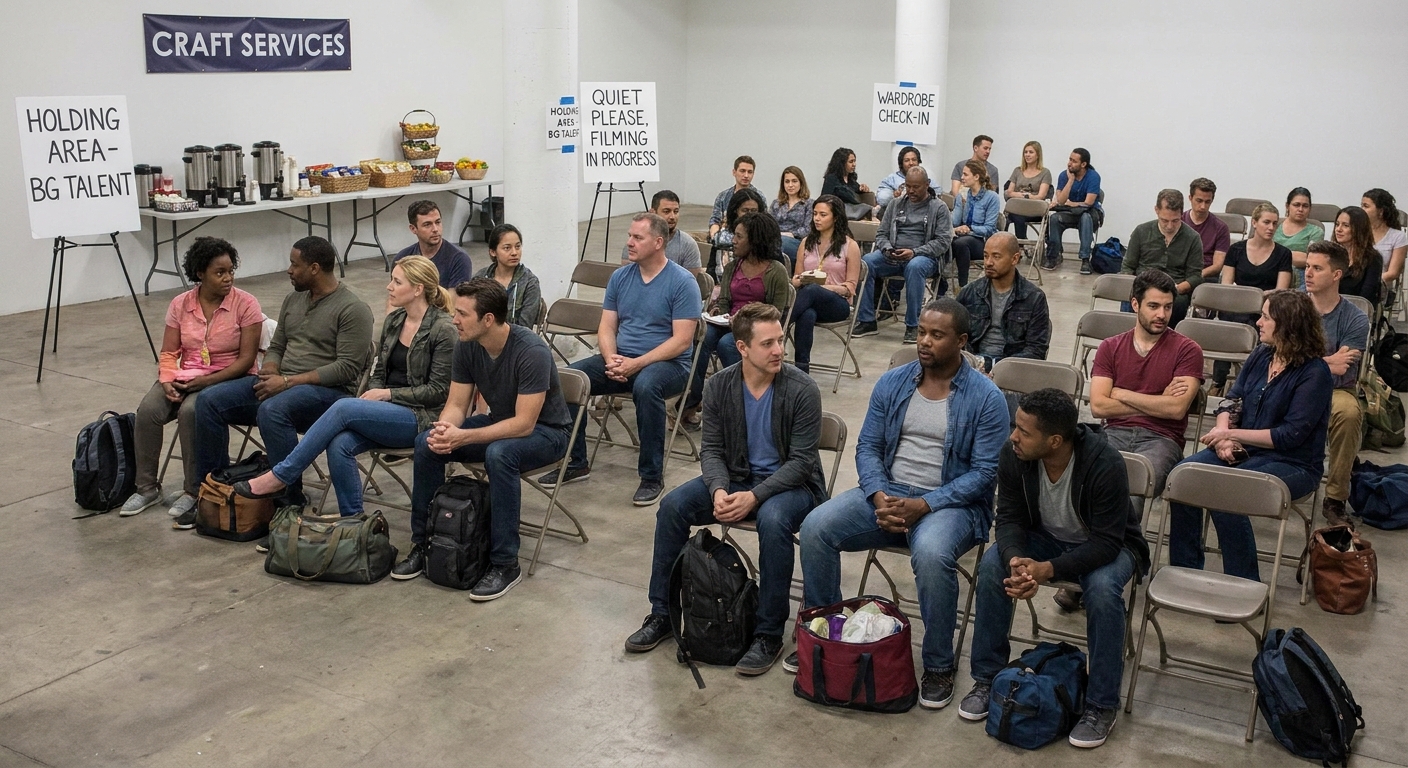
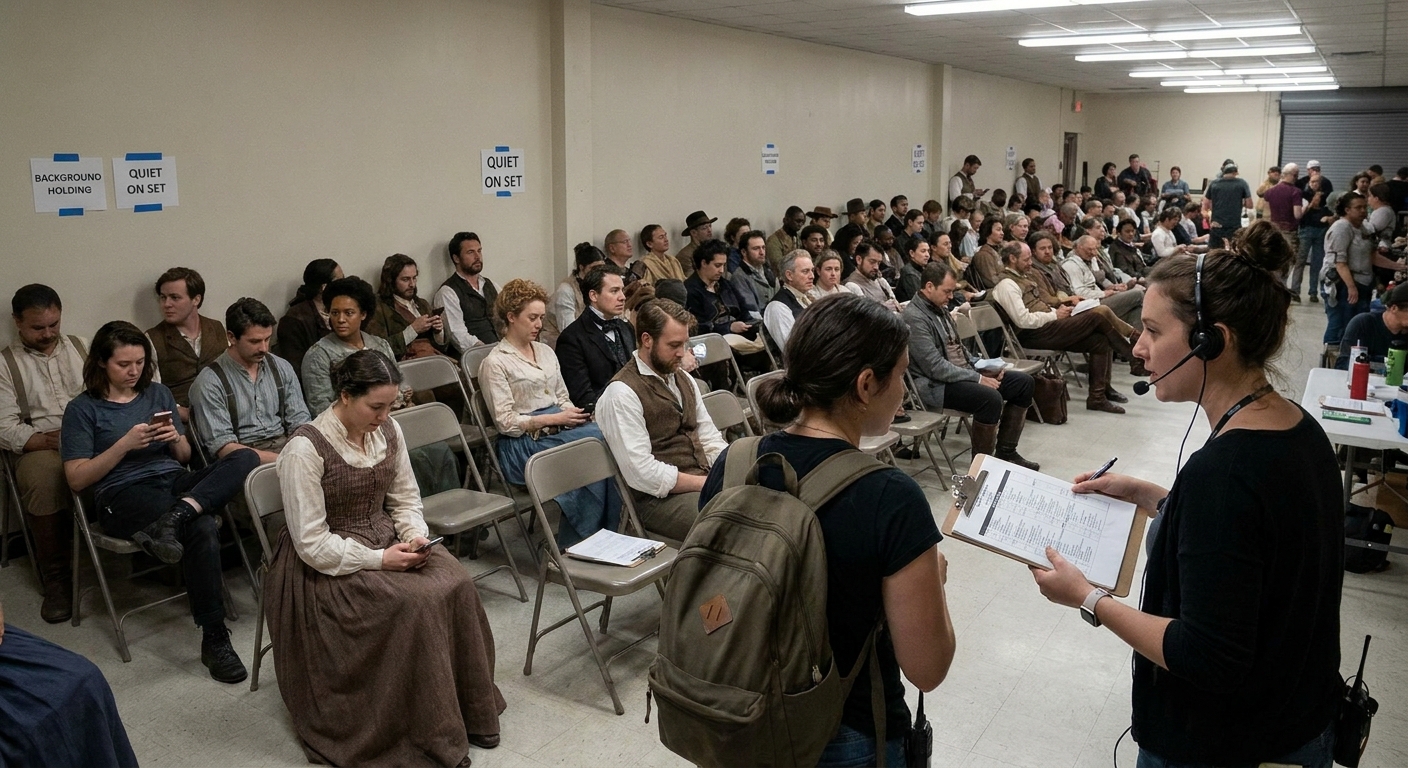
Background is frequently moved to a holding area while the closed-set scene is shot. You could be in tents, a classroom, a green room, a hallway, or an adjacent stage depending on the location. Sometimes you will be brought back in between takes, sometimes not until the scene is complete.
You may be released from the scene entirely
If your presence is not essential, the AD team may cut background from the setup. That does not necessarily mean you are done for the day, but it can mean your work is finished earlier than expected.
If you are needed, you will be set and then the set will close
When background is required for the frame, it often works like this: you are blocked and placed, adjustments are made, and then the area is cleared and locked down. Once it is closed, you will be expected to stay quiet, stay put, and follow directions precisely.
You will get direct, practical instructions
Closed set directions tend to be simple and firm, because clarity keeps everyone safe and keeps the schedule moving. You might hear:
- “This is a closed set. If you are not working this shot, please step out.”
- “Background holding only until we are called back.”
- “No wandering. Stay with your group.”
- “Quiet on the floor.”
Phones and confidentiality
Closed set usually comes with an unspoken rule that is worth making spoken: no phones, no photos, no posting. Even if you can technically access your phone in holding, treat the scene details as confidential. Do not describe what you saw, do not hint at it online, and do not share wardrobe or story specifics with friends. Productions close sets in part to protect performers and in part to protect the show.
Closed set vs. locked set
People use “closed set,” “locked set,” and “lockdown” interchangeably, and the exact wording can vary by show, region, and union practices. That said, you may hear these terms used with slightly different emphasis:
- Closed set often highlights restricted presence for privacy, safety, or focus while filming.
- Locked set or lockdown often emphasizes controlled access and movement through doors, hallways, or perimeter points, commonly for stunts, big moves, or complex logistics.
Either way, the experience for most nonessential personnel is similar: fewer people inside, more waiting outside, and a tighter chain of permission.
How to behave on a closed set
You do not need insider knowledge to do well in a closed-set situation. You need steadiness and respect for the process.
- Follow the AD team and PAs immediately. Closed sets run on timing and safety.
- Do not take it personally if you are cleared out. It is procedural, not a judgment of your importance as a person.
- Stay ready. You might be called back quickly once the setup changes.
- Keep conversations low and minimal. Sound travels, and tension rises fast when a set is trying to protect a delicate moment.
- Ask questions the right way. If you are unsure where to go or whether you are still needed, ask a PA or the AD team when they have a beat.
- If the scene is intimate and you feel unsure, say something. Professional sets often use modesty garments, barriers, and clearly defined choreography. If you have concerns, bring them to the background wrangler, a PA, the AD team, or the intimacy coordinator if one is present.
FAQ
Does a closed set always mean nudity?
No. Closed sets are often used for intimate scenes, but they are also common for stunts, minors, emotionally intense material, or technically sensitive setups.
Can background be on a closed set?
Sometimes. If background is required in the shot, they may be brought in, set, and then the set closes. If background is not needed for the frame, they are usually moved to holding.
Who decides a set is closed?
It is usually coordinated through the director and 1st AD, but it can also be driven or required by producers, studio or network standards, legal or HR guidance, union guidelines, safety and stunt leadership, or intimacy protocols. In practice, it is a production-wide decision with clear on-the-floor enforcement by the AD team.
Will I still be paid if I am waiting while the set is closed?
Pay rules depend on your contract and jurisdiction, but waiting during a workday is normal in film and TV. If you have pay concerns, ask through the proper channels, like your voucher process, the paymaster, production office, or background casting contact, depending on how the show handles it.
How long does a closed set last?
Anywhere from a few minutes to several hours, depending on the complexity of the scene. It can be as short as a quick insert or as long as an entire sequence.
The takeaway
A closed set is not a scandal and not a punishment. It is a tool productions use to keep certain scenes safer, calmer, more private, and more precise. If you are an actor or background performer, the best thing you can do is treat the restriction as part of the craft: one more way the industry makes space for vulnerable performances, careful choreography, and work that needs extra protection while the camera rolls.