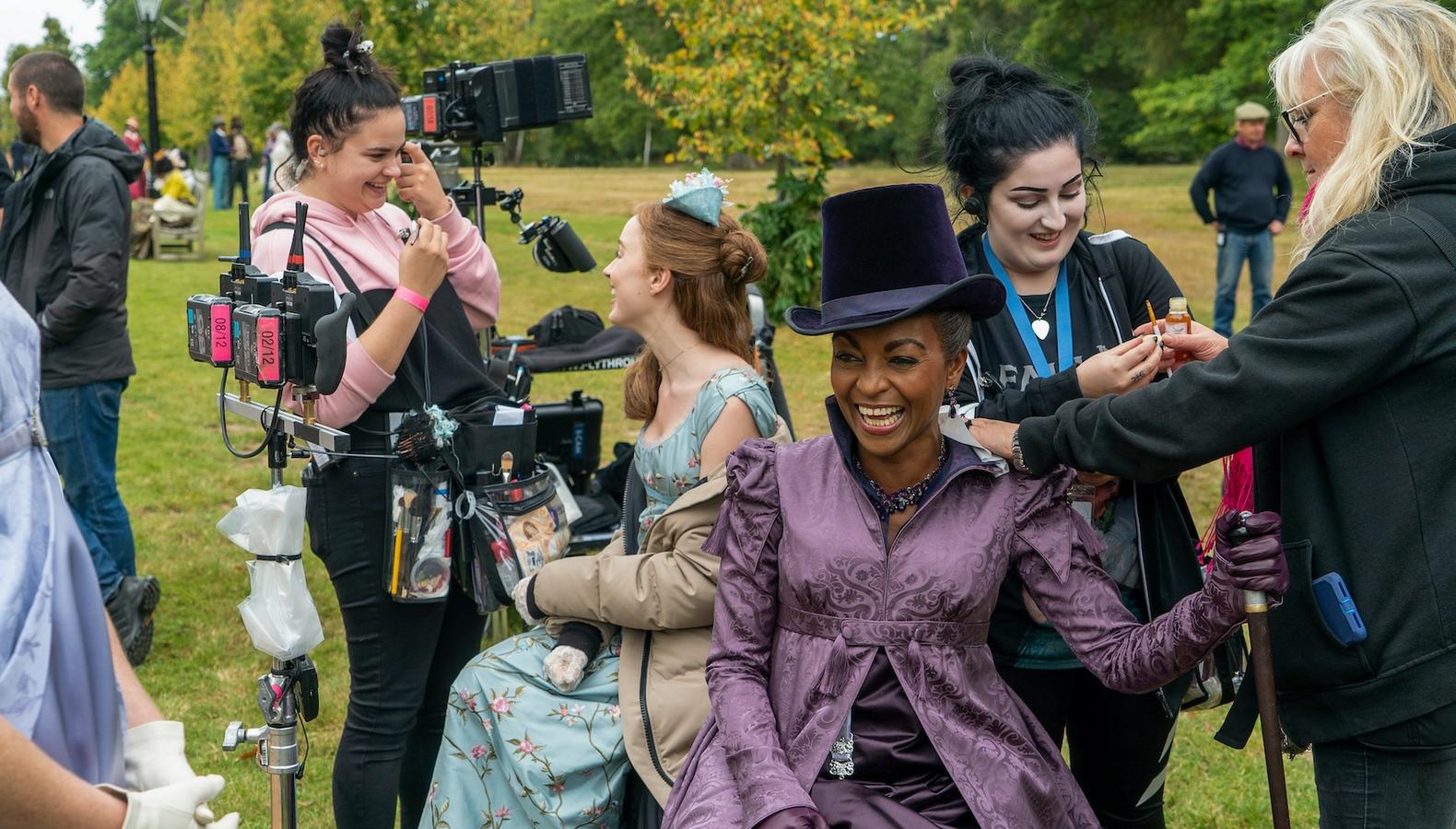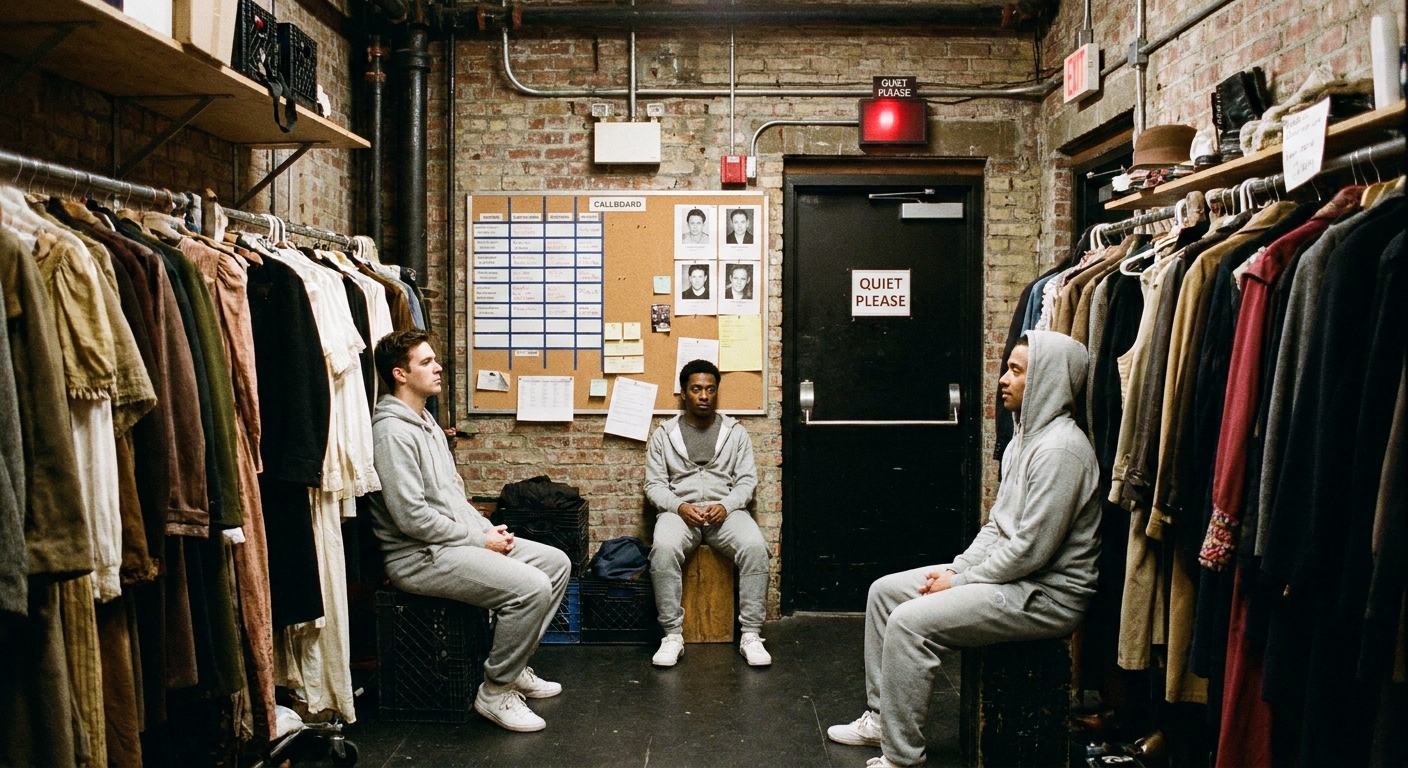
I grew up backstage in Chicago, where you learn early that “magic” is usually a checklist, a headset, and a lot of careful problem-solving. Over the last decade, as film sets and rehearsal rooms have evolved, one of the most meaningful additions to many creative teams has been the intimacy coordinator: a role built to protect performers while helping directors get the scene they actually intended, not the one that happens when everyone is nervous and guessing.

Intimacy coordinator, defined
An intimacy coordinator is a specialist who plans, choreographs, and advocates for simulated intimate content in film, television, and sometimes theater. That includes scenes involving kissing, sexual contact, nudity, simulated sex, and other physically or emotionally vulnerable moments.
The job is not to censor or soften storytelling. It is to make intimate performance consent-based, consistent, and technically precise, the same way fight direction makes stage combat look dangerous while keeping everyone safe.
Who they speak for on set
At their core, intimacy coordinators are there to make sure performers have a clear, supported voice in scenes that can blur boundaries fast. They help ensure that what is being asked of an actor is explicitly agreed to, and that the production honors those agreements when schedules tighten and pressure rises.
That advocacy does not mean they work “against” the director. When the role is functioning well, the intimacy coordinator becomes a translator between artistic intent and practical execution. In plain terms, if a director wants a moment to feel urgent or tender, the coordinator helps turn that into specific, repeatable choices, like agreed hand placement, timing, and a simple pause cue if someone needs to reset.
- For performers: they help establish consent, boundaries, options, and a way to raise concerns without fear of being labeled difficult.
- For directors: they help clarify the story beats and design physical action that reads clearly on camera.
- For production: they help reduce risk by creating a documented process and a consistent plan the whole team can follow.
What they choreograph before the camera rolls
One of the biggest misconceptions is that intimate scenes are supposed to be spontaneous to feel “real.” In professional practice, the opposite is often true. Intimacy coordinators help choreograph intimate moments so the scene is blocked and consistent across takes, camera angles, and days.
Physical actions, beat by beat
They work with the director and performers to define exactly what happens: where hands go, how long a kiss lasts, what body position is used, and how transitions are executed. This keeps the work in the realm of performance craft rather than personal negotiation.
Boundaries and consent agreements
They help establish what is on the table and what is off limits. Those agreements can cover touch, pressure, duration, nudity levels, language used in rehearsal, and how the scene will be shot. Importantly, consent is treated as specific and ongoing, not a one-time blanket yes.
Nudity coverage and modesty tools
When nudity is involved, intimacy coordinators commonly help plan the practical side: what will be shown, how it will be covered between takes, and what items will be used to create the illusion of nudity while protecting the performer’s body and comfort. The goal is clarity, not surprises.
Camera-facing storytelling choices
They also help align choreography with what the audience will actually see. A scene can communicate intimacy through framing, breath, distance, and rhythm without requiring extra contact. When the physical action is intentional, the scene often becomes stronger, not merely “safer.”
How it works in practice
The specifics vary by production, but the process often looks something like this: a prep conversation about what the scene needs to communicate, a clear discussion of boundaries, then a choreographed rehearsal (often clothed first) so everyone knows the beats. On the day, a closed set or reduced crew is commonly used when appropriate, the choreography is treated like any other blocking, and there are check-ins if something changes. If a director adjusts coverage or the script shifts, the choreography and consent are revisited, not assumed.
From my backstage upbringing, this part feels familiar: when the plan is written down and the communication is clean, people can relax enough to do their best work.
What an intimacy coordinator is not
Because the role is still relatively new to some audiences, it gets confused with a few other jobs. An intimacy coordinator is not a moral judge, a publicist, or a romance coach. They are also not there to generate chemistry out of thin air. Chemistry is a creative outcome. Their work is to create conditions where performers can pursue it without sacrificing boundaries.
- Not a “spice it up” consultant: they do not exist to add heat for heat’s sake.
- Not a censor: they do not remove intimacy from stories. They help stage it responsibly.
- Not a therapist: they can support communication, but they are not providing mental health treatment.
When productions bring one in
When a project includes simulated sex, nudity, or intimate contact, an intimacy coordinator may be hired. How common that is depends on region, budget, union agreements, broadcaster or streamer policies, and the company’s culture. Increasingly, they are also brought in for scenes that are not explicitly sexual but still vulnerable, like extended kissing, partial undressing, or situations where consent dynamics are a central plot point.
Even in lighter genres, the presence of an intimacy coordinator can help keep a set professional. And for performers, especially newer actors, it can make a career-changing difference in whether an intimate day feels controlled or chaotic.
Related titles and training
You may also hear the title intimacy director, especially in theater. Some productions use different terms depending on the medium, the country, or the job’s scope. Training and standards also vary. There are multiple reputable training organizations, but there is no single universal licensing system everywhere, which is one reason productions often ask about credentials, approach, and experience during hiring.
How intimacy coordination changes a scene you watch
When the work is done well, you often do not “notice” it. What you might notice instead is that the scene feels confident: performances are grounded, blocking is clear, and the camera seems to know exactly what it is doing.
Intimacy coordination can also sharpen storytelling. By defining physical beats with intention, a production can communicate power, tenderness, awkwardness, or danger with precision rather than relying on vague improvisation.
Quick FAQ
Do intimacy coordinators choreograph kissing scenes?
They can, especially when the kissing is prolonged, involves multiple performers, is paired with undressing, or is emotionally complex. Even a simple kiss can benefit from clear agreement on duration, pressure, and hand placement.
Is an intimacy coordinator the same as a stunt coordinator?
No, but the logic is similar. Stunt work is planned for safety and consistency. Intimate work is planned for consent, boundaries, safety, and consistency.
Do they have authority to stop a scene?
Authority varies by production. An intimacy coordinator may be empowered to flag boundary issues and pause to clarify choreography or consent, especially when something changes on the day. The purpose of the role is to ensure agreements are respected in practice, not just on paper.
Are intimacy coordinators only used in film and TV?
They are most common in screen work, but versions of the role appear in theater and live performance too, particularly in productions with staged intimacy or nudity.