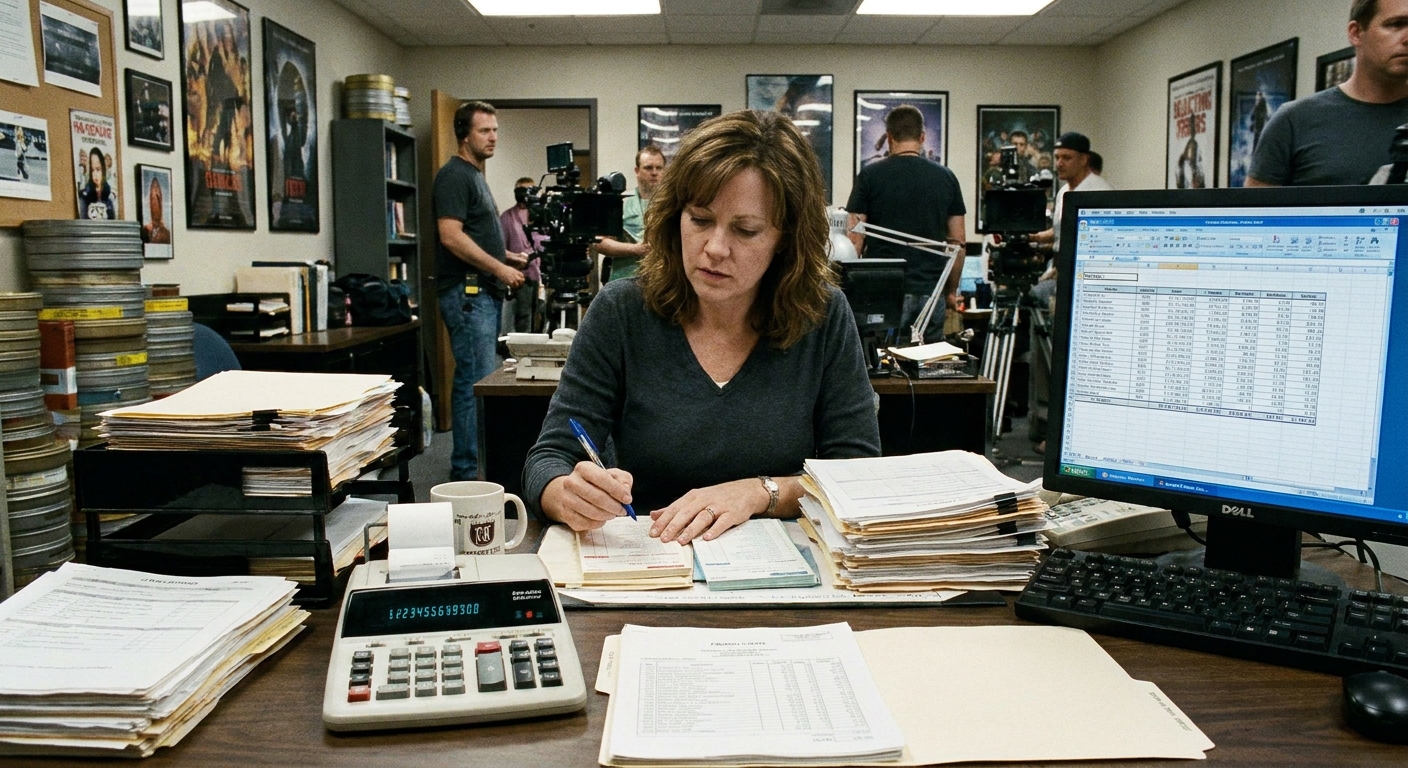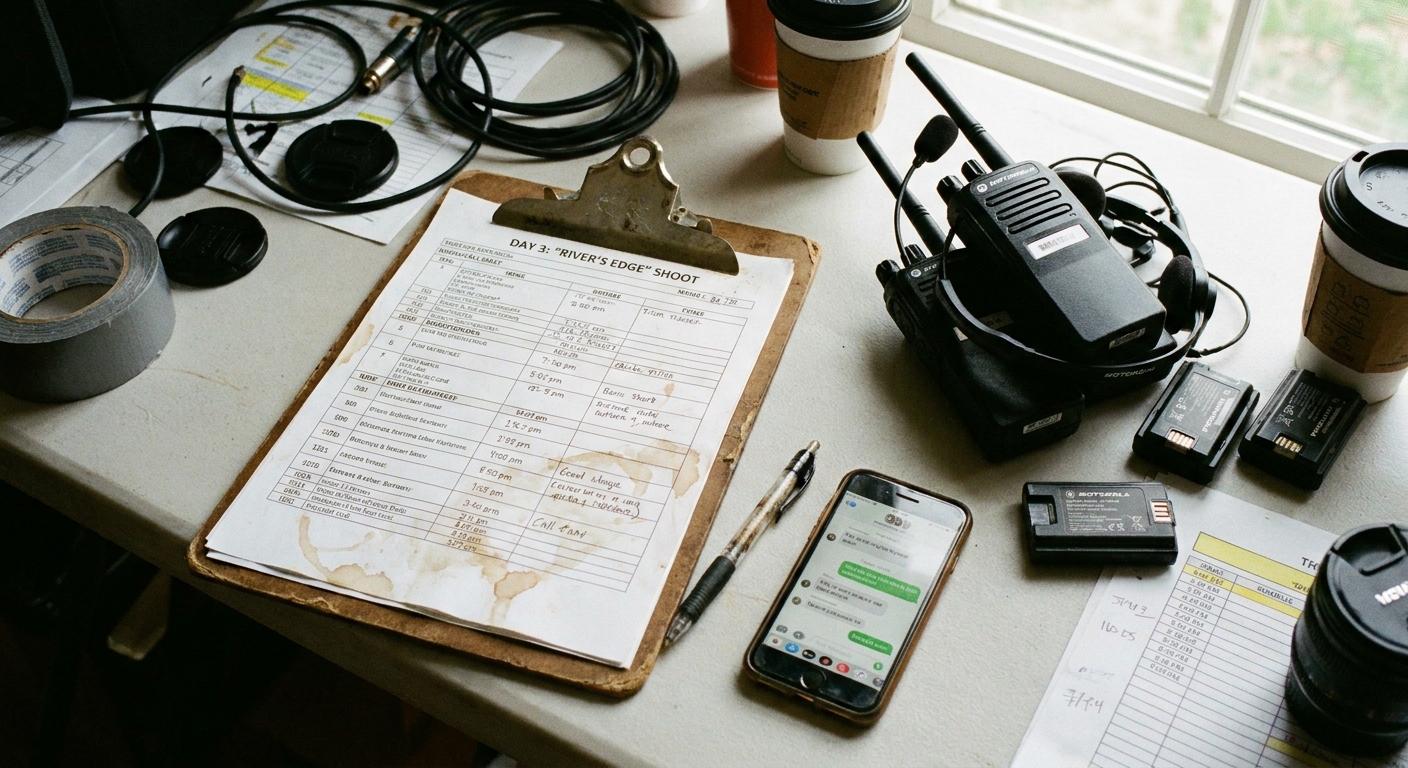
On set, money talk can get strangely poetic. People will say things like “We’re on a box,” “We’re golden,” or “Don’t worry, per diem’s coming,” as if a small ritual offering is about to appear and smooth over the fact that you have been living on gas-station almonds since call time.
So, what is per diem on a film or TV job? In plain English: it is a daily allowance meant to help cover meals and incidental out-of-pocket expenses when you are working away from home. It is not your wage. It is not a bonus for surviving a night shoot. It is a separate bucket of money meant to keep you fed and functional when production has sent you somewhere that is not your normal commute.

Per diem, defined
Per diem (Latin for “per day”) is a daily allowance paid to a worker to offset meals and incidental expenses during a job that involves travel or keeps them working away from their home base.
On film and TV, per diem often comes up when:
- You are hired as a “distant” and production has you in another city or region.
- You are outside the local work zone (however that is defined for that show or agreement) and a normal commute and meal routine stops making sense.
- You are put up in lodging arranged by production, and per diem is the way they handle day-to-day food costs.
One important fine print reality: eligibility and amounts are set by your deal memo and or the applicable union agreement, and the trigger can be tied to things like overnight stays, mileage, “zones,” or specific travel language. Two shows in the same town can handle it differently.
Think of it as production acknowledging a simple truth: traveling workers still need to eat, and those meals often cost more and are harder to plan when you are living out of a suitcase.
Who gets per diem?
Per diem is most associated with crew and cast who are hired to work away from home, but it can apply to many types of workers depending on the production’s rules, budget, and union or contract terms.
Common recipients
- Traveling crew (camera, electric, grip, sound, art, hair and makeup, wardrobe, production staff) when hired from outside the local area.
- Cast traveling for location work.
- Some day players and specialty hires brought in specifically for a distant location.
Background actors and extras
Background actors are often hired locally. In that case, there may be no per diem because the expectation is that you go home and handle meals like any other commute job.
But if you are booked as a distant background performer (meaning production is bringing you in from outside the area, or housing you for the job), per diem can enter the conversation. Some shows also use other travel-related arrangements (stipends, reimbursements, rentals) depending on the agreement. Bottom line: it is deal and contract driven, not vibes driven.
How it’s paid
One reason per diem confuses people is that it can arrive in a different form than your wages. Depending on the production, you might see per diem as:
- A separate payment issued by production accounting.
- A prepaid card loaded with a daily amount.
- Cash (still happens sometimes, especially on smaller shoots or specific travel situations, but less common than it used to be).
- A line item tracked on paperwork that is not bundled into your wage calculation.
The big idea: per diem is not the same as payroll wages. Your day rate and overtime are paid through payroll. Per diem is typically handled as an expense allowance, and it may run on a different rhythm than your regular check.
If you are unsure what you are receiving and how, ask before you travel: “Is per diem paid daily, weekly, or as a lump sum? Is it cash, card, or separate from payroll?”
Wages vs per diem
If you are new to set work, it helps to separate two concepts that get mashed together in casual conversation.
Your rate
Your day rate (background rate, day player rate, weekly rate, whatever your deal is) is your pay for labor. It is compensation for showing up, being on time, doing the work, and staying until wrapped. Overtime and other wage-based premiums attach to this side of the world.
Per diem
Per diem is not pay for labor. It is a daily allowance intended to help cover meals and small travel-related incidentals when you are away from home.
In other words, your rate is what you earn. Per diem is what keeps you from spending your earnings on overpriced room-service fries during a location week.
Why it might not be on your check
Your payroll check is generally where you will see:
- Base wages (your rate)
- Overtime (when applicable)
- Premiums or penalties treated as wages
- Withholdings (taxes and other deductions)
Per diem, by contrast, is often handled outside of wages and can be paid separately. That is why someone can say, “My check was light, but per diem covered the week.” They are talking about two different streams.
If you are tracking income for budgeting, it is smart to keep separate notes: wages versus allowances. Per diem can make a travel job doable, but it is not the same thing as earning a higher rate.
What it doesn’t cover
This is where expectations can go off the rails, especially on long days when everyone is tired and the craft table is out of anything remotely resembling protein.
Per diem does not replace or include:
- Your base rate (background rate, day player rate, weekly rate)
- Overtime pay
- Bumps (like wardrobe, prop, specialty skill, or other negotiated additions)
- Meal penalties (if your contract includes them and they are triggered)
- Other payroll items tied to hours worked
Per diem is an allowance. Your wages are wages. Mixing them up can make a job sound better on paper than it actually is, or make you think you were shorted when you were not.
What it covers
Per diem is generally meant for meals and incidentals, which in the real world of production can include things like:
- Breakfast or coffee when call time is early and your hotel breakfast ends at dawn
- Lunch or dinner on days when meals are not otherwise provided
- Snacks, bottled water, or quick grocery runs
- Small necessities that pop up when you travel (a phone charger you forgot, basic toiletries, a cheap poncho when the weather turns)
It is not meant to cover lavish spending. It is meant to keep you from paying out of pocket just to exist while on the job.
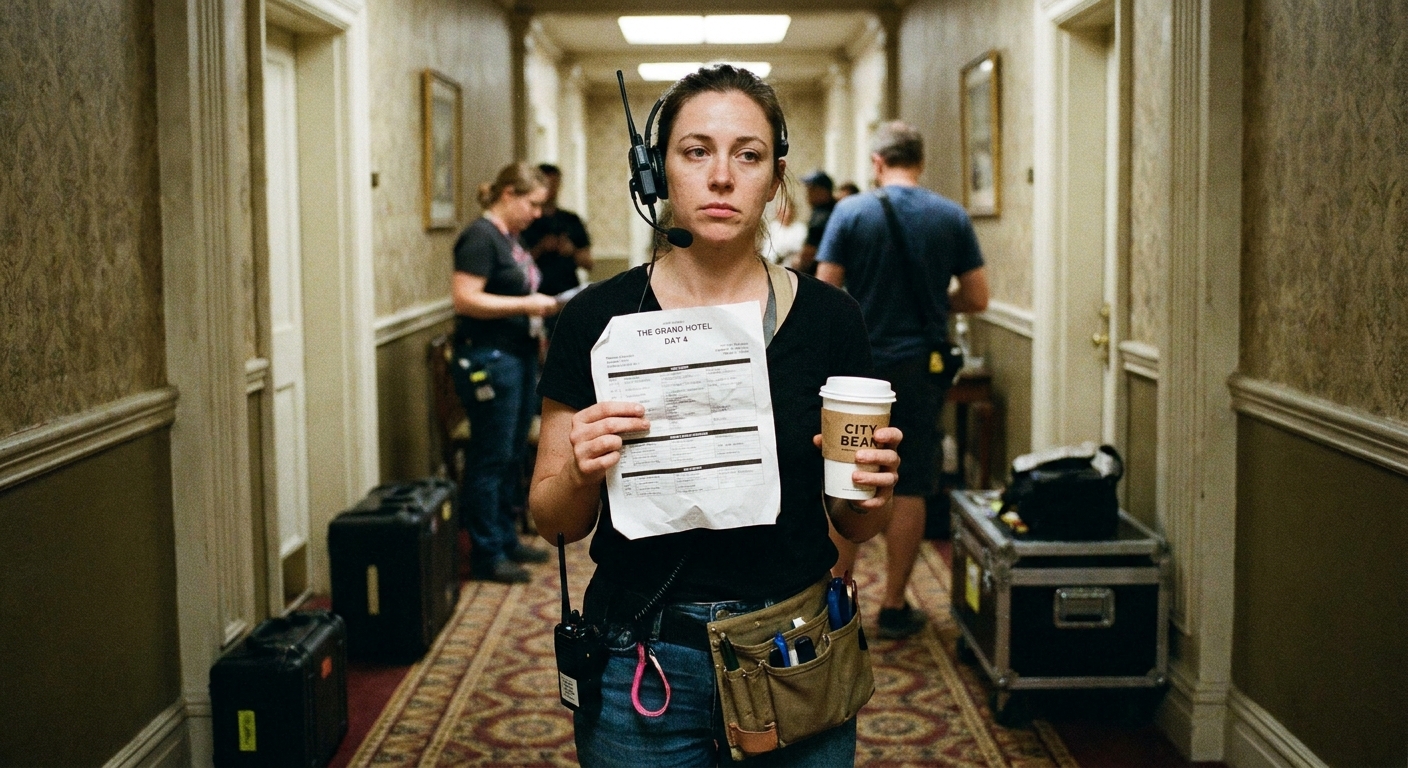
Meals and per diem
Sometimes you still get per diem when meals are provided. Sometimes you do not. Sometimes you get a reduced amount. Productions handle this differently depending on the agreement, budget, and local practice.
Some shoots provide catering and still offer per diem because you are traveling and incidentals still exist. Other shoots treat provided meals as fulfilling the purpose of per diem and adjust accordingly.
The only reliable move is to ask before you accept travel:
- Are meals provided daily?
- If yes, is per diem still paid or reduced?
- Is there a travel-day per diem?
Travel days and partial per diem
You will sometimes hear “travel day per diem” or “partial per diem.” In many arrangements, travel days (fly days, drive days, days you are relocating in and out) can be paid at a reduced rate, or paid only if you are traveling during certain hours or required to be away overnight.
Do not guess. Get the rule for this show in writing, especially if you are building a budget around it.
Per diem and lodging
Per diem frequently comes packaged with production-provided lodging. In many travel situations, production covers the hotel (or other housing arrangement) and then pays per diem for meals and incidentals.
In most arrangements, per diem is not intended to pay your hotel bill if production has promised lodging. If you find yourself being told “You can use per diem for a room,” pause and get clarity in writing, because that is a different deal than what most people mean when they say per diem.
Questions to ask before travel
I have learned to read a call sheet like it is a little one-page play, but I also treat deal terms the same way: know the beats before opening night. If a job involves travel, these questions can save you a lot of stress:
- Am I being hired as a local or a distant?
- What is the per diem amount, and when does it start?
- Is per diem paid on travel days, and is it full or partial?
- How is per diem paid: cash, card, or separate from payroll?
- Is lodging provided? If so, where and for which dates?
- Are any meals provided on set?
- What expenses are not covered that I should budget for anyway?
If something that was promised does not show up, start simple: check your deal memo, then contact production accounting. If you are on a union job, looping in your steward or union rep is often the cleanest escalation path.
Quick FAQ
Is per diem taxable?
It depends on how it is structured and documented. In the US, per diem is often non-taxable when it is paid under an accountable plan and does not exceed applicable government per diem rates, but it can become taxable if it is treated as wages or paid without proper substantiation. If you are unsure, treat it seriously like any other money connected to work and consider speaking with a qualified tax professional.
Can per diem replace overtime?
No. Per diem is not overtime and does not substitute for pay tied to hours worked.
If I am an extra working far from home, do I automatically get per diem?
Not automatically. Most background work is hired locally. Per diem is more likely when you are explicitly hired as a distant and production is treating you as traveling labor, based on the deal and or the applicable agreement.
Does per diem cover bumps or premiums?
No. Bumps and other premiums are additions to your wage rate or pay structure. Per diem is a separate allowance.
The takeaway
Per diem is one of those film-and-TV terms that sounds mysterious until you translate it into normal life: it is a daily allowance for meals and small incidentals when the job takes you away from home. It is separate from your day rate, separate from overtime, and often separate from your paycheck.
If you remember one thing, make it this: per diem helps you afford the travel life, but it is not your wage. Ask how it is paid, what it covers, and when it starts, before you pack your suitcase.