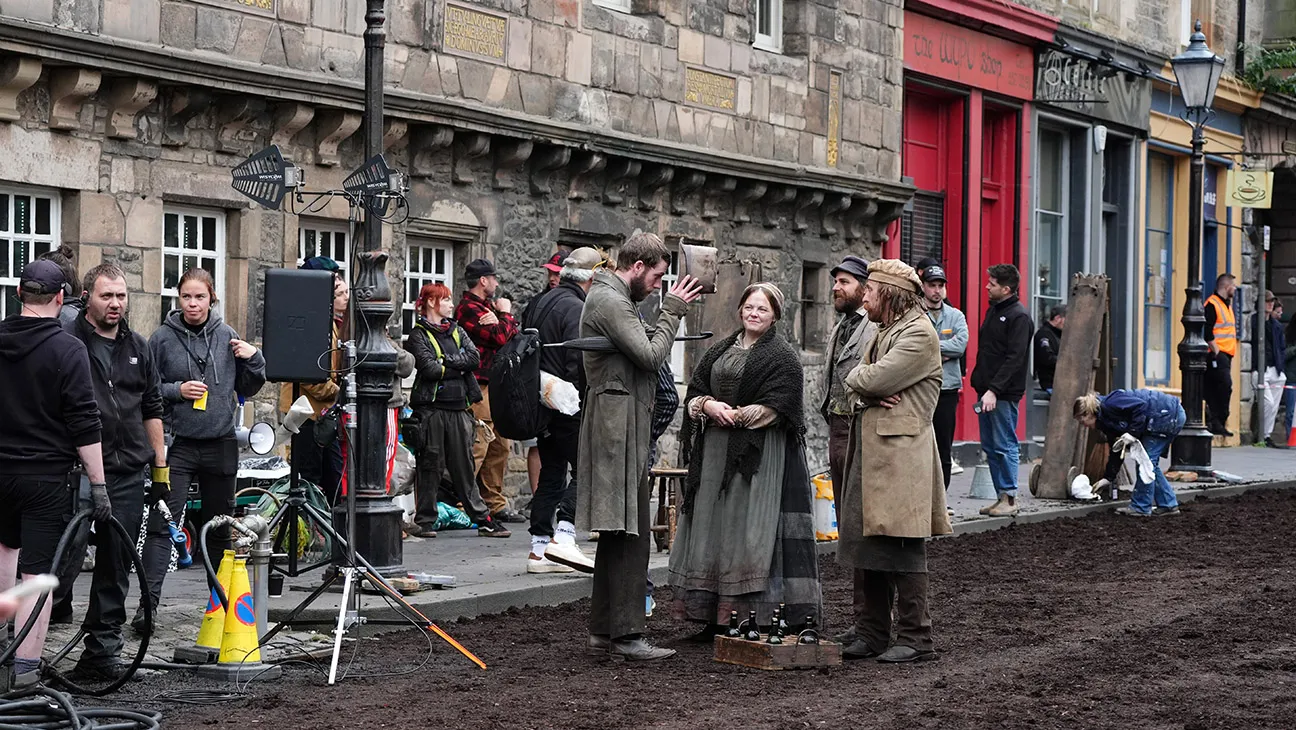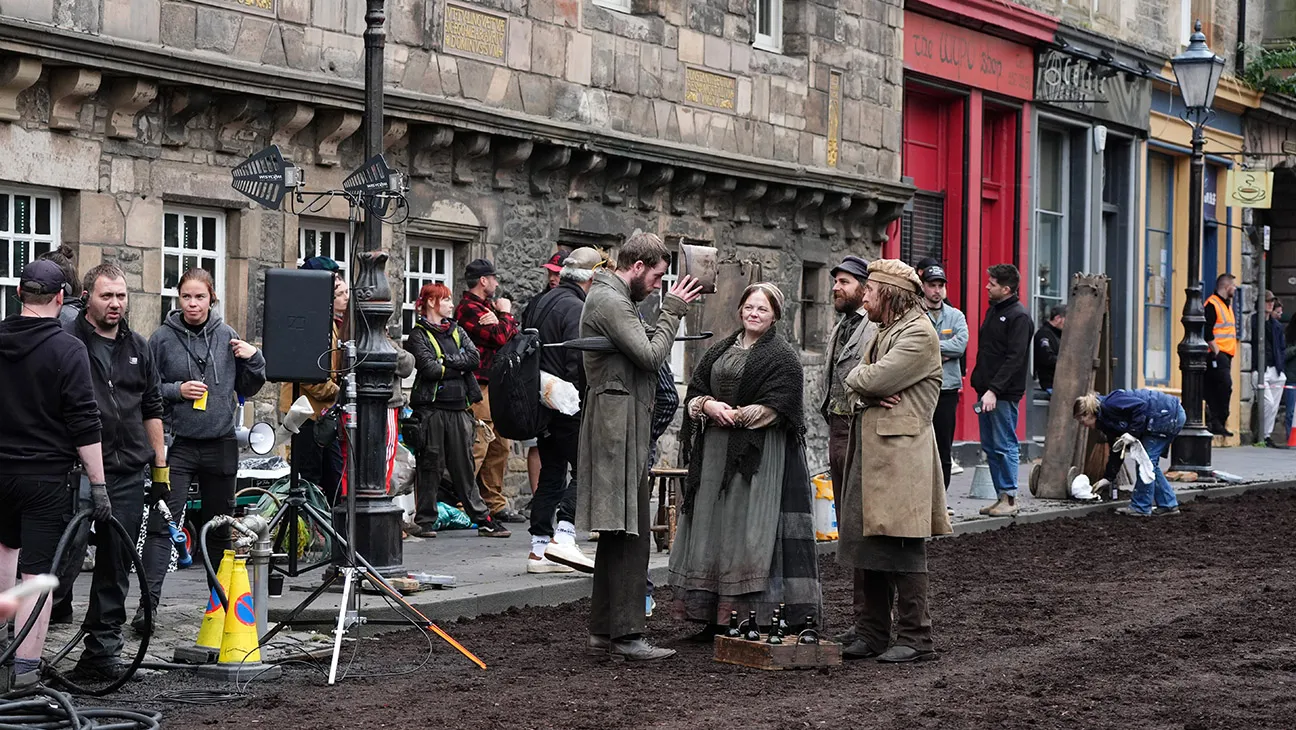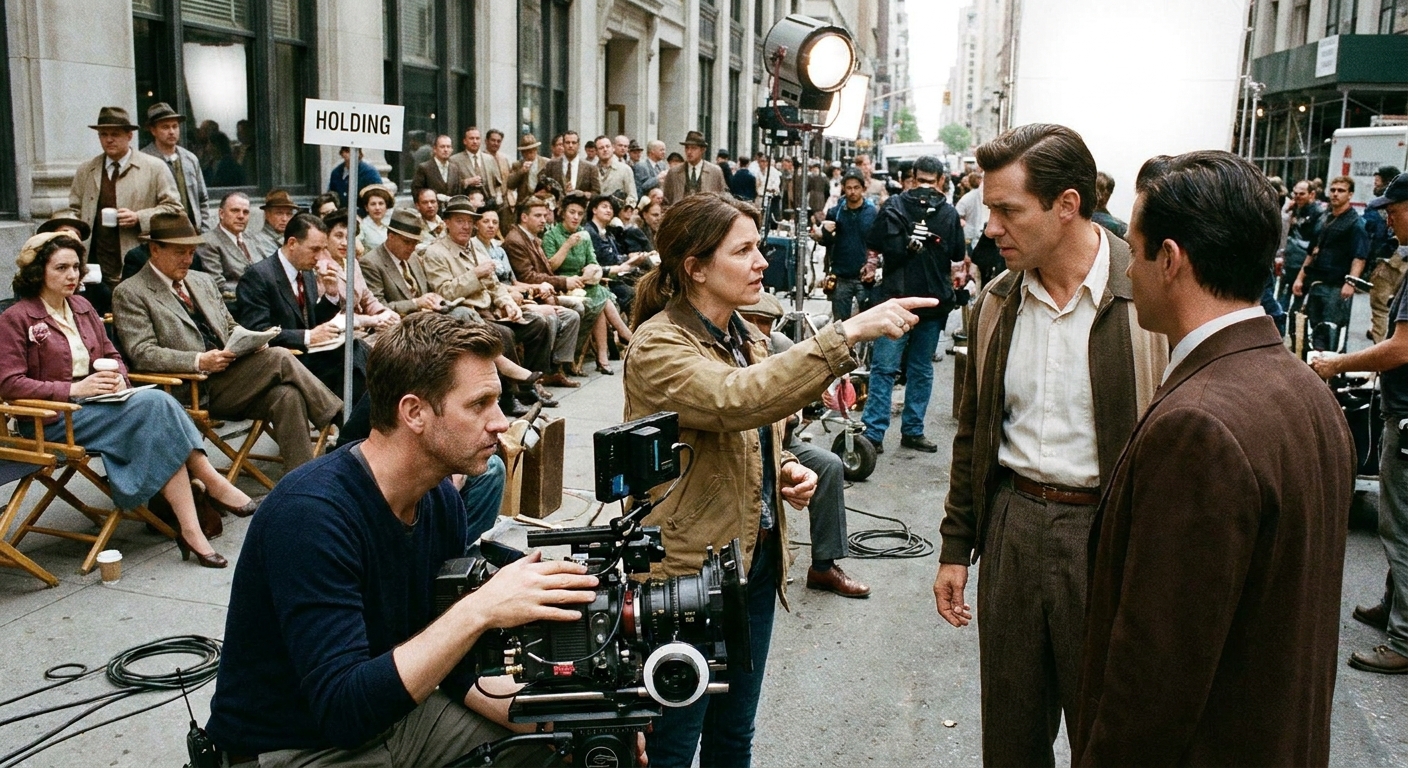
I grew up in Chicago spending a lot of time backstage, where “background” never meant “unimportant.” Someone had to move the set pieces safely, hit the light cues cleanly, and make the world onstage feel lived-in. Film and TV have their own version of that quiet expertise: the special-ability extra. You are still background, meaning you are not the scene’s narrative focus, but you are hired because you can do a specific, usable skill on camera, consistently, and often under pressure.
What a special-ability extra is
A special-ability extra is a background performer booked not just to fill space, but to perform a specific skill that the production needs to see clearly on camera. You may also see this listed as special ability BG, skilled background, or special skills. The skill can be athletic, technical, musical, or movement-based, and it is usually something you can repeat on cue for multiple takes.
Common examples include:
- Driving: operating a picture vehicle in a controlled setup, riding a motorcycle, bicycling with traffic control, or hitting low-speed marks smoothly
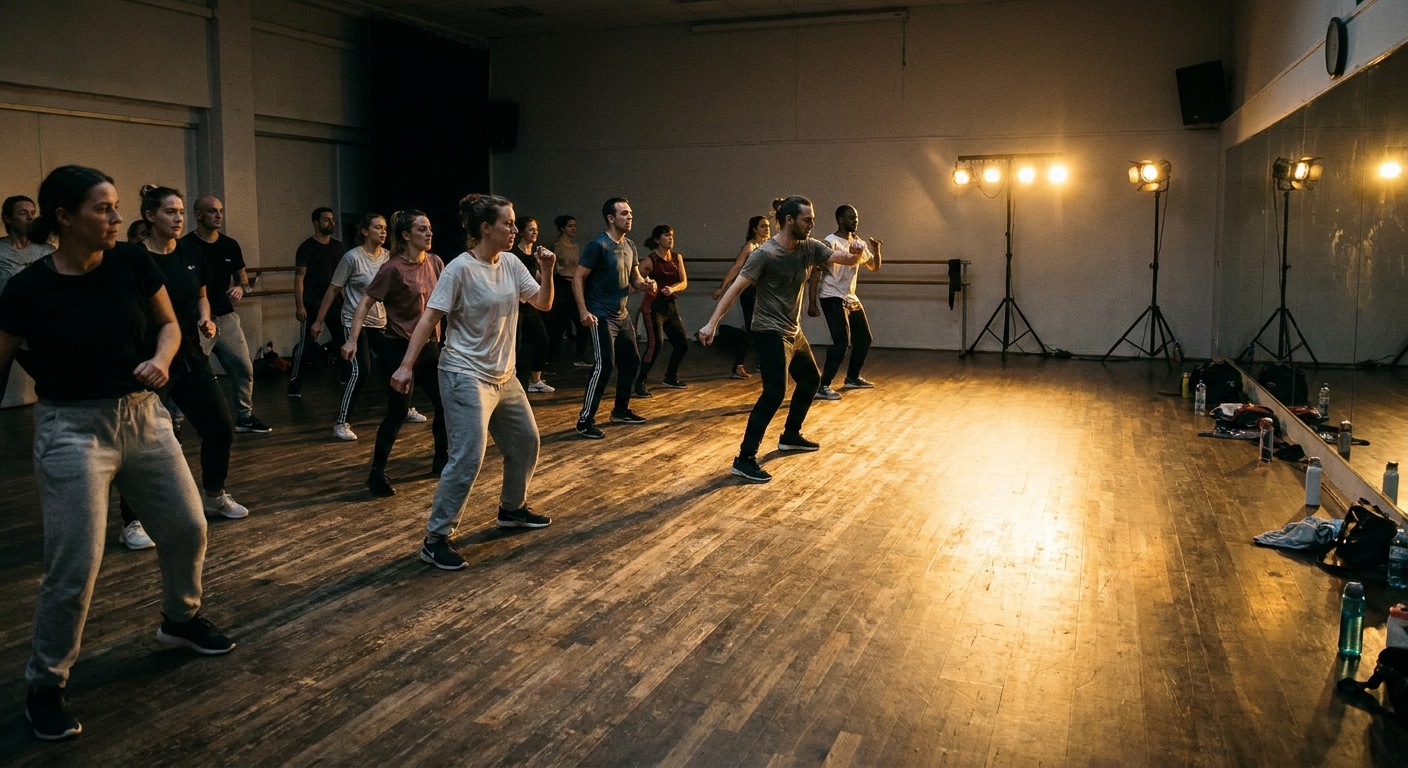
- Dance: nightclub dancing with choreography, period dance styles, partner work, or advanced freestyle that reads well on camera
- Sports: basketball, baseball, soccer, tennis, skating, hockey, martial arts, gymnastics
- Musician work: believable instrument playing, marching band skills, orchestral bowing that matches the music, drumline technique
- Special movement: parkour, tumbling, roller skating, horseback riding, mime work, baton twirling
- Practical skills: bartending with speed and accuracy, barbering, certain forms of food service, some specialty crafts when the hands are on camera
The defining factor is simple: production is hiring you because your skill will be visible and must look authentic. You are typically not being hired for a named role, and this category is not the same job as stand-in or photo double work. You also might not be designated as “featured background,” although on some days skilled background can overlap with featured framing or even be upgraded depending on how the scene is shot.
General background vs special ability
General background (atmosphere) is about creating texture: commuters on a sidewalk, patrons in a cafe, fans in a stadium. A special-ability background day is still background, but it tends to be more structured because the skill has to match camera plans, blocking, and safety needs.
More specific direction
Instead of “Walk from A to B,” you might get “Skate past camera on count three, hit the mark near the cone, then reset.” Special-ability work often involves repeatable timing, spacing, and clean continuity.
More scrutiny on realism
On an instrument call, fake fingering can be obvious in close frames. On a sports call, someone who cannot throw correctly changes the whole rhythm of the shot. Even if your face is not the point, your technique might be.
More safety oversight
Anything with speed, wheels, or physical contact tends to come with additional rules, rehearsals, and a higher standard for following instructions. The goal is not “cool.” The goal is “repeatable and safe.”
Where the line is with stunts
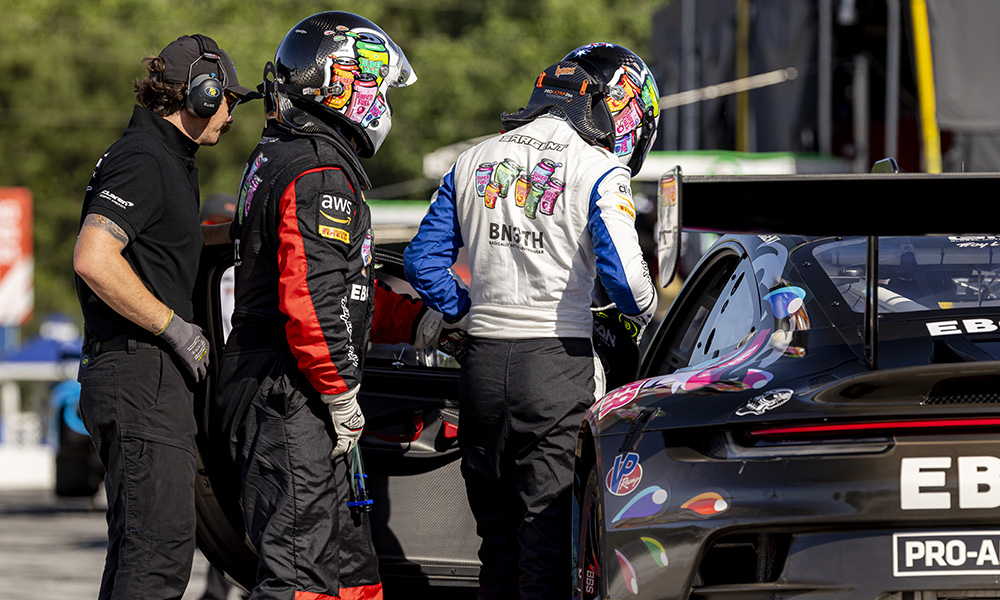
This is the part I always want people to hear clearly: not every “cool skill” stays in background territory. If the action involves higher risk or controlled danger, it can cross into stunt work, and that usually means a stunt coordinator, different approvals, and often different hiring.
Examples that may be treated as stunts include falls, hits, fight contact, being yanked or dragged, wire work, fire, hard crashes, and some higher-speed or precision driving. Even when a call is labeled “special ability,” production may adjust the plan on the day and shift responsibilities to stunt performers or change what they ask background to do.
How casting asks for proof
Because the production is relying on the skill, casting often asks for some form of verification. It is not about gatekeeping. It is about protecting schedule, budget, and safety. Sometimes a call will rely on self-report, and sometimes they will do a quick on-set check, but it helps to assume you will be asked to show receipts.
What proof can look like
- Photos: you in uniform, on the court, in a studio, at a competition, holding the instrument in proper position
- Short videos: a clean 10 to 30 seconds showing the actual skill, clearly framed, no heavy editing
- Links: a public clip, performance reel, or competition footage that shows you doing the skill
- Training and certifications: studio training, classes, safety certs, relevant work experience
- Performance history: team history, notable events, credits that genuinely relate to the skill
- Driver-specific details: valid license class, comfort with manual transmission if needed, motorcycle endorsement, years of experience (and be prepared for additional paperwork depending on the production)
One note I repeat to friends who are newly booking skilled background: casting is not looking for cinematic lighting. They are looking for clarity. A steady phone clip that proves you can actually do the thing beats a moody montage every time.
What to bring
Your call details will always win, but special-ability days tend to require a little more “show-and-tell” than general background. The goal is to arrive ready to demonstrate the skill quickly, then maintain it for multiple takes.
Bring the right gear, if requested
- Sports: appropriate shoes, neutral workout options, and any personal protective equipment production asks for
- Dance: shoes you can move in for hours, backup options, hair supplies for continuity
- Musicians: sometimes your instrument is provided, sometimes you are asked to bring your own case and accessories
- Skating: skates that fit properly and safety gear if specified
Do not bring weapons or props unless the production explicitly instructs you to. If you are unsure, ask through the proper channel listed on the booking.
Bring what helps you repeat the skill
Continuity is the unglamorous star of the day. If you need athletic tape, rosin, spare laces, hair ties, or specific insoles to perform consistently, pack them. You are not trying to impress between takes. You are trying to stay reliable through take twelve.
Bring proof on your phone
Even if you already submitted media, it can help to have your best proof clip easily accessible. Sometimes a different department asks, or a last-minute adjustment changes what they need to see.
How the day runs
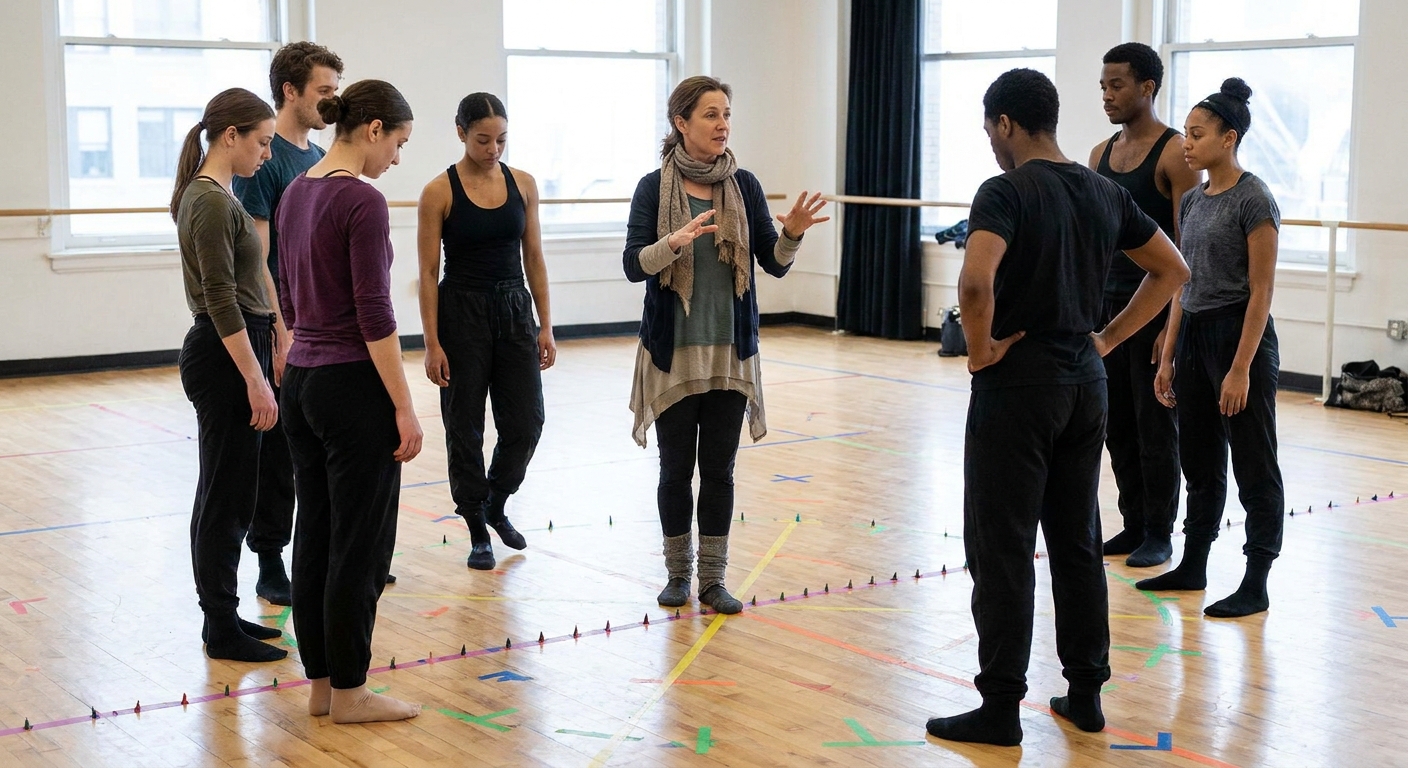
A special-ability background day can feel closer to a mini technical rehearsal than a casual atmosphere call, especially if the skill drives the camera plan.
- You may rehearse before cameras roll, sometimes repeatedly, to set spacing and timing.
- You may be placed more precisely for lens lines, lighting, and focus pulls.
- You may do fewer setups, but more repetition within those setups, because the skill must match across takes.
- You may be held longer if your skill is needed for pickups, inserts, or resets.
And yes, you are still background. That means you should assume your job is to support the scene, stay adaptable, and keep energy consistent, even when the camera is not on you.
On-set etiquette for skills
This is where “quiet expertise” shows up the most. A few practical rules that keep you employed and everyone safe:
- Do not freestyle risky versions of the skill between takes. If you want to warm up, ask first and do it where you are cleared to do it.
- Wait for the right department. Movement notes come from the AD team, choreographer, stunt coordinator, or the specific department running your action. If you get conflicting direction, pause and ask for clarification.
- Protect continuity. Do not change shoes, grip aids, gloves, or hair without checking, especially if the skill is being matched across angles.
Special ability vs featured
These can overlap, but they are not the same thing. A special-ability extra is booked because you can do a particular skill. A background performer might be “featured” in a shot because of framing or story emphasis. Sometimes the person who can do the skill also ends up more visible, but the category is defined by why you were hired, not whether the camera happens to find you.
In practical terms, you should still approach special-ability work with a background mindset: take direction quickly, do not play to the lens, and let the scene belong to the principal performers.
How to book more of it
Be honest about your level
“I can do it safely and repeatedly” is the bar. If you are a casual hobbyist, some calls will still fit you, but the listing must match your ability. Overstating your skills is the fastest route to a stressful day and fewer future calls.
Build a simple skill reel
One to three short clips is plenty. Show the skill cleanly, with full body or hands visible, and minimal background noise. If the skill is driving or sports, demonstrate control more than flash.
List skills precisely on profiles
If you are filling out a casting profile, specificity helps more than buzzwords. Include things like years of experience, styles (hip-hop, salsa, ballroom), sports position or level of play, instrument type and proficiency, and anything practical like “can ride switch,” “left-handed pitcher,” or “comfortable on manual transmission.” Keep it true, keep it readable, and make it easy for casting to say yes.
Train for camera-readiness
This is a small but real difference between being good at something and being usable on set. Can you hit a mark while doing it? Can you repeat the move without drifting? Can you adjust to direction without getting defensive? Those are set skills, too.
Quick FAQ
Do special-ability extras get paid more?
Sometimes, depending on the production, the skill required, and any applicable agreements or policies. It can also depend on local practice and whether there are bumps for special skills, wardrobe requirements, or equipment. Do not assume it, but do treat it like a job that demands professionalism, because it does.
Will I need my own wardrobe?
Often you will get guidance like “bring options” or “arrive in neutral athletic wear,” especially for sports and dance. Other times, wardrobe will fully costume you. Follow the booking instructions precisely.
If I can do multiple skills, should I list them all?
List the skills you can perform confidently on camera. It is better to have three skills you can truly deliver than ten you are still learning.
Is this the same as being a stand-in or photo double?
No. Special-ability extra work is still background work focused on a skill. Stand-ins and photo doubles are different jobs with different responsibilities and selection criteria.
The bottom line
A special-ability extra is the person who makes the world believable in motion: the driver who can hit the mark smoothly, the dancer who can keep the groove for hours, the athlete whose form does not fall apart when the camera gets closer. It is background work, yes, but it is background work with a specialty, and productions cast it with the same thing in mind that my backstage family always valued: when the cue comes, you deliver.