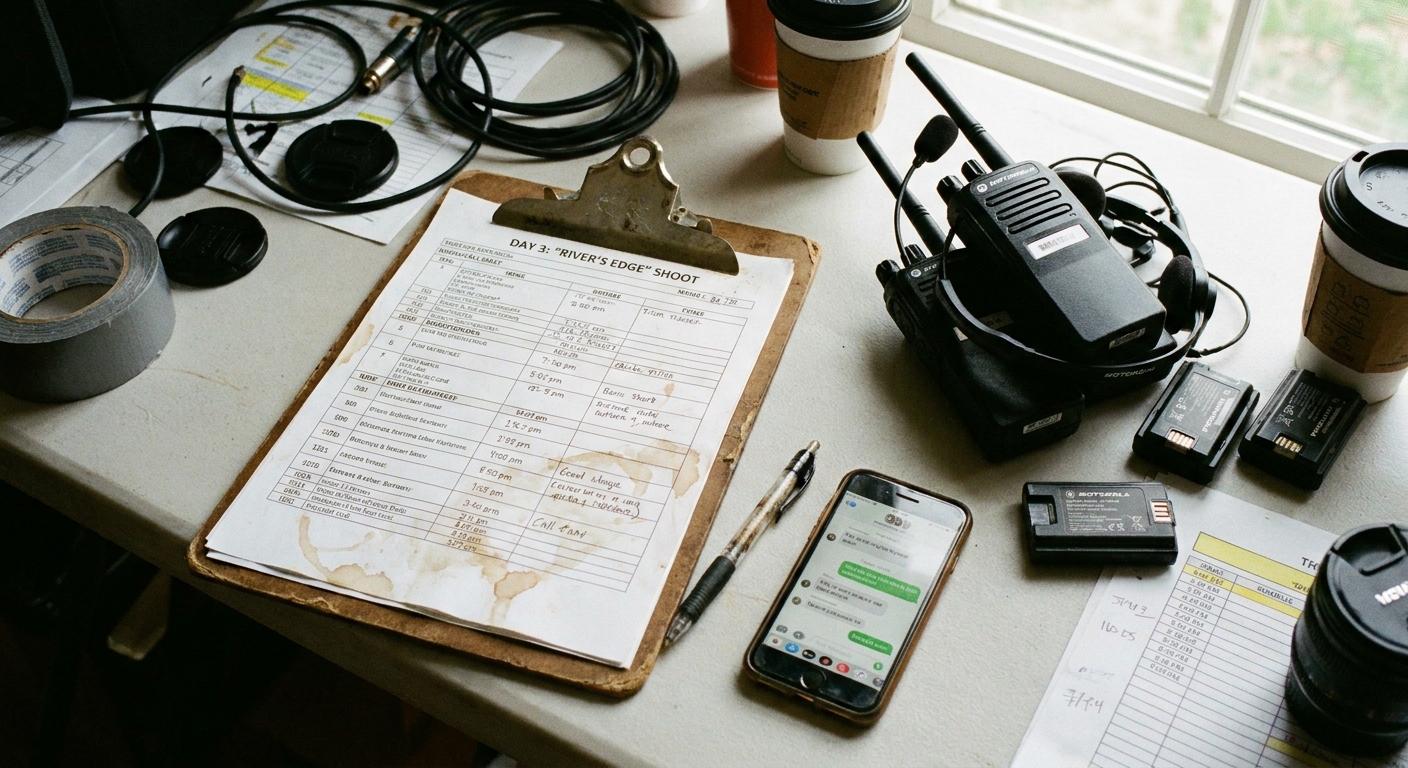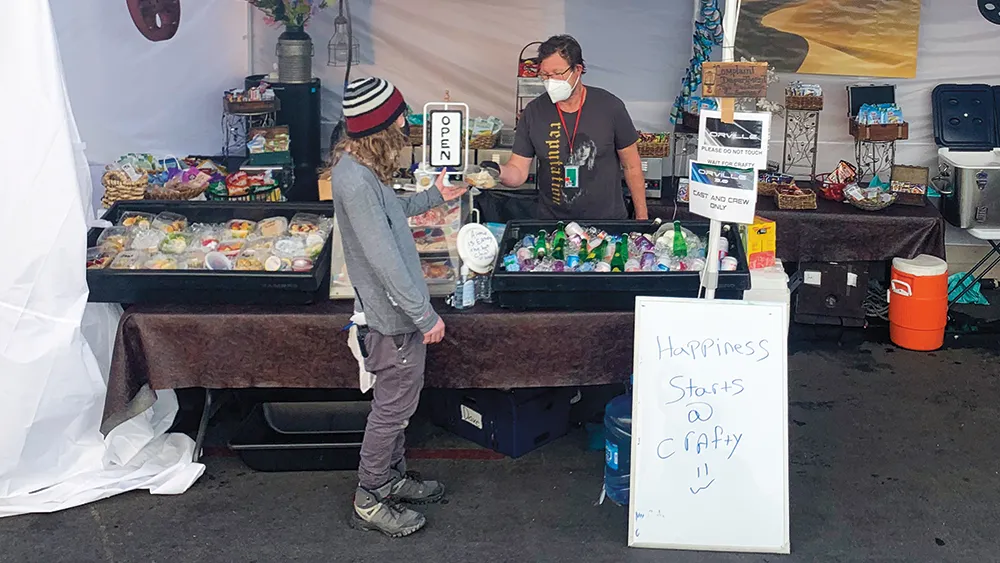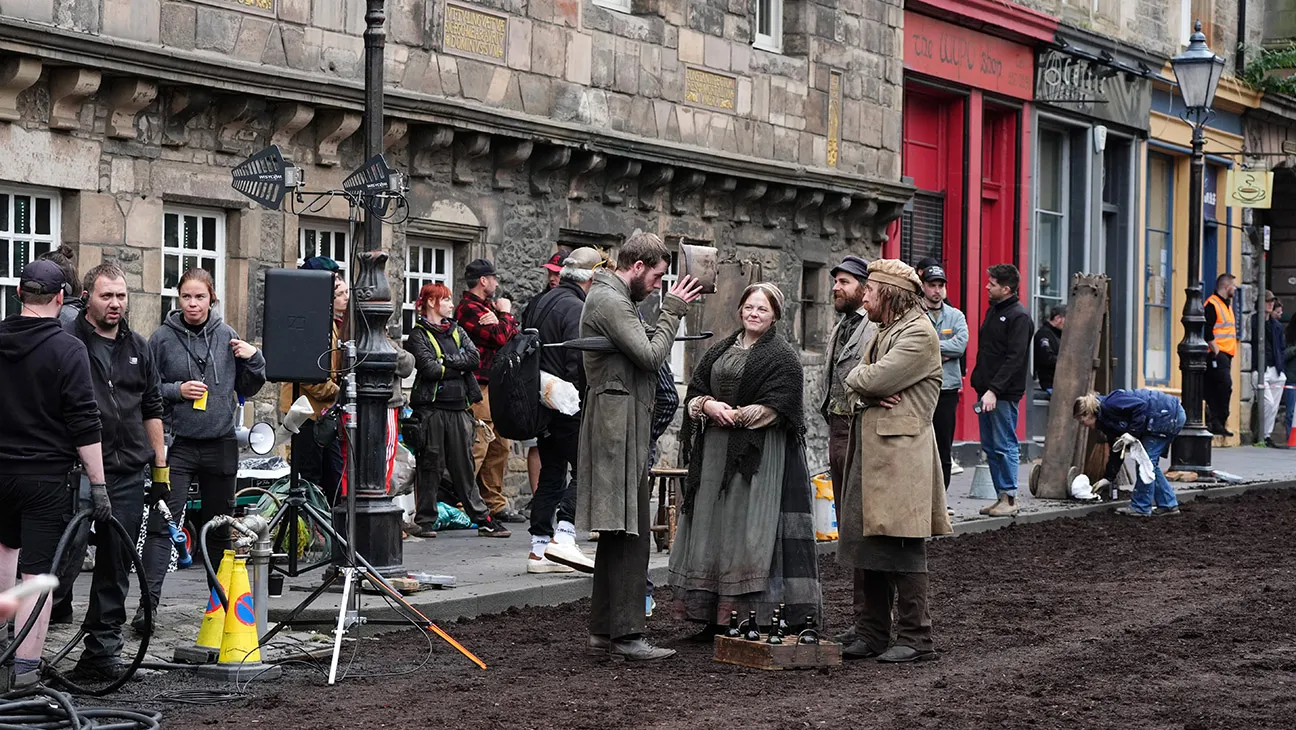
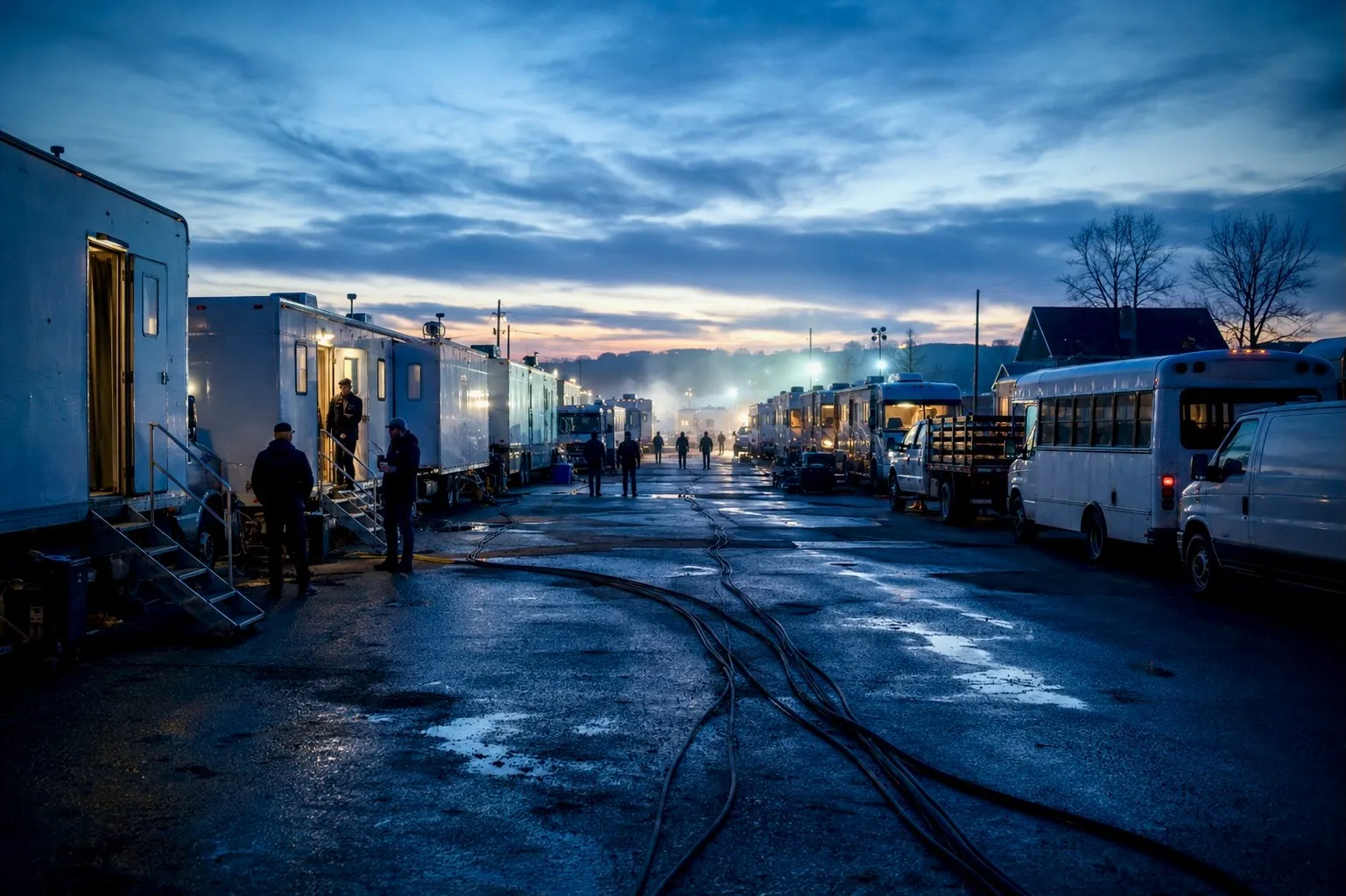
The first time I heard someone say, “Meet at base camp,” I pictured a rugged expedition. In reality, base camp is less Everest and more of a moving village: a cluster of trucks, tents, trailers, and people doing the unglamorous, essential work that lets the glamorous work happen on camera.
If you are brand new to film and TV, especially if you are working background, base camp can be the most confusing location on your call sheet. It is not always where the cameras are. It is often where your day begins.
Base camp, defined
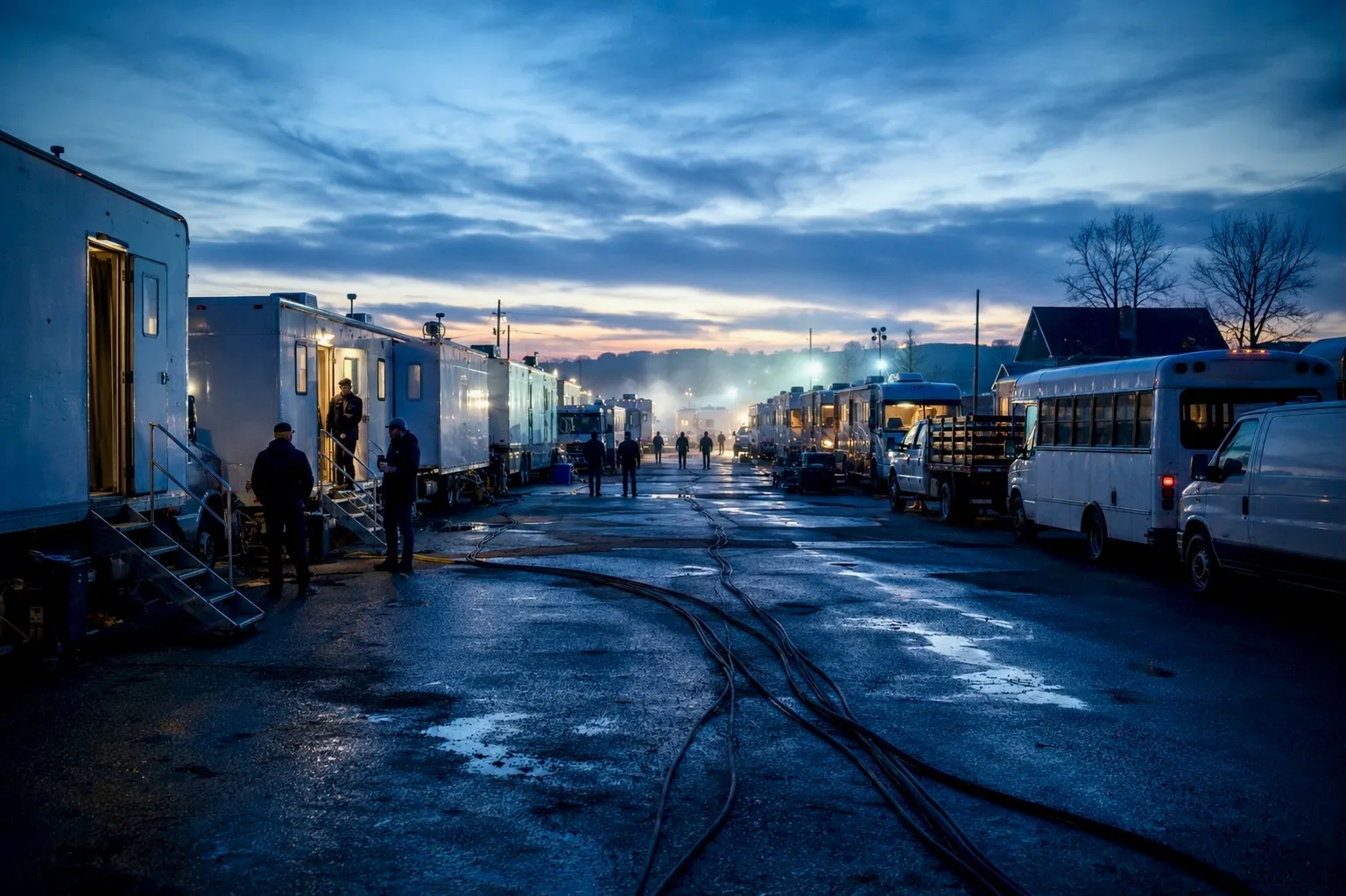
Base camp is the off-set hub where a production parks its fleet and sets up the support services that are too big, too noisy, or too logistically messy to live right next to the cameras.
Think of it as home base for:
- Cast trailers and, for background, holding spaces like tents or rooms (changing areas vary by show)
- Catering (meals) and craft service (snacks and drinks)
- Restrooms (often portable toilets and handwash stations)
- Trucks and equipment for departments like grip, electric, props, set decoration, wardrobe, and sometimes camera support
- Generators and power distribution (where permitted, and not always positioned at base camp)
- Crew and background parking
- Shuttles or vans that ferry people to the shooting location
Base camp can be a parking lot, a closed street, a fairground, a studio lot corner, an empty industrial space, or anywhere the production can secure enough room and permission.
Unit base and base camp
You may hear people use unit base and base camp interchangeably. Some call sheets label the whole off-set staging area “base camp.” Others split it up, with “unit base” meaning the trailers and parking, while “base camp” might refer to where background checks in, where catering lives, or simply the main staging address.
If the terminology on your paperwork feels inconsistent, do not overthink it. Go to the address on the call sheet and look for signage, cones, and staff directing you.
Base camp vs. the shooting location
A film or TV day often has at least two distinct places:
- Base camp: the support village and check-in point.
- Set (also called the shooting location or “on location”): where the scene is actually filmed.
Sometimes they are close enough to walk between. Sometimes they are miles apart. The separation is not a mystery or a power move. It is usually about practical constraints:
- Space: a small house location might have room for a camera and boom, but not 40 trucks.
- Noise: generators, lift gates, and idling vehicles are enemies of clean sound.
- Safety: tight sidewalks, traffic patterns, and crowd control often require keeping nonessential vehicles away from the action.
- Permits and neighbor relations: productions may be required to stage vehicles away from sensitive areas.
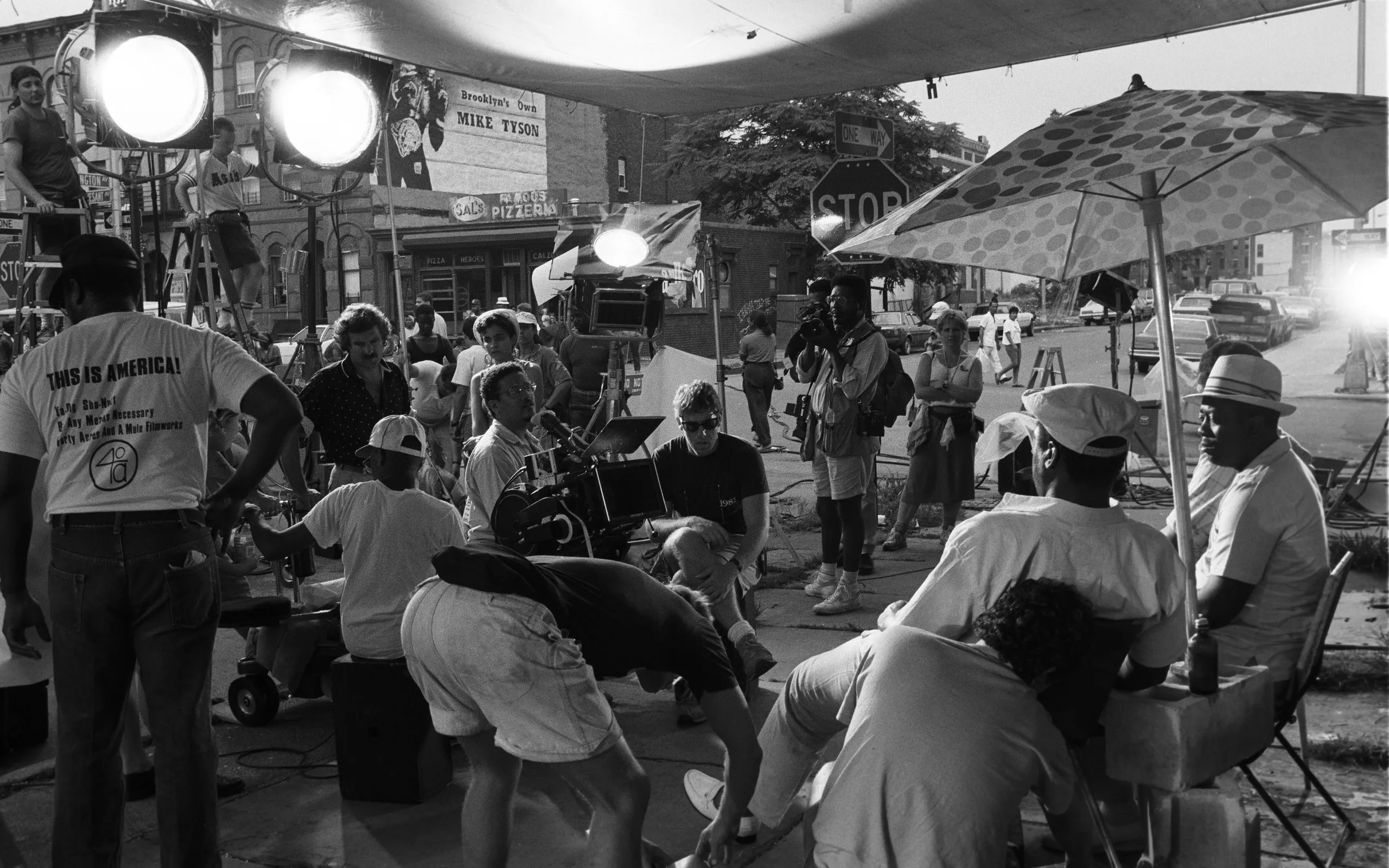
Why your call sheet might send you to base camp first
Call sheets are built for flow and control. Sending people to base camp first helps production:
- Check everyone in efficiently (especially background, day players, and vendors)
- Handle wardrobe checks or adjustments before anyone steps near camera
- Control transport to a sensitive location (limited parking, security, or neighborhood rules)
- Keep the set clear so the assistant directors can run the day without a crowd
For background actors, base camp is often the “front door” of the job. Even if you end up spending most of your day on set, the morning usually starts at base camp.
What’s typically at base camp
Trailers and tents
You may see star trailers, cast trailers, background changing tents, and sometimes hair and makeup. Not every show offers the same setup for every category of performer, and background hair and makeup is not guaranteed. When it is provided, it might be limited, scheduled, or handled closer to set depending on the day.
Catering and craft service
Catering serves scheduled meals. Craft service is the snack and beverage setup that runs throughout the day. Both are usually based at base camp, though craft service might also have a smaller satellite table closer to set if the walk is long.
The truck city
Grip and electric, props, set decoration, wardrobe, sound, camera support, and special equipment vehicles often stage at base camp, then “run in” gear to set as needed. Depending on the location, some departments may stage closer to set when there is room. Camera and sound, in particular, often live wherever the work is most efficient.
Parking and check-in
There is often a designated area for crew parking, and sometimes separate instructions for background parking. If the call sheet lists an address and labels it “Base Camp,” it is frequently because parking is only allowed there.
Small production setups
On some location days you will also see pop-up tables for the AD team, locations, or background staff. The full production office may be elsewhere entirely, like a rented office space. Base camp is still where day-to-day on-location logistics tend to funnel through.
If you’re background: what to do when you arrive
Background actors are the heartbeat of many scenes, and the process is usually orderly once you know the rhythm. When you arrive at base camp, expect something like this:
- Park where you are told. Follow signage and production staff directions. Do not assume you can park closer to set.
- Find background check-in. Look for a table, a pop-up tent, or a staffer managing a list. If you do not see it immediately, ask politely where “BG check-in” is.
- Sign in. You may confirm your name, provide identification, and complete paperwork such as a voucher. Some shows use digital systems, others are a classic clipboard-and-pen setup.
- Wardrobe check or adjustment. If you are bringing your own outfit options, you may be asked to show them. If wardrobe is providing pieces, you may be fitted or given items.
- Wait in holding. You will be directed to a waiting area, sometimes at base camp and sometimes closer to set. This is where you stay until you are called.
Two gentle survival tips that I wish everyone heard on day one: wear comfortable shoes you can stand in for hours, and pack patience. Background is a lot of waiting punctuated by sudden sprints.
Also, dress for the weather. Base camp is often exposed, and “we’ll be inside soon” is one of the great lies you tell yourself at 5 a.m. Bring layers and, if rain is possible, a compact rain shell.
How you get from base camp to set
The route from base camp to set depends on how constrained the filming location is. Common scenarios:
Shuttle vans or buses
If parking near set is limited, production will run shuttles. You will be told when and where to load. Stay with your group. If you wander, you can miss a shuttle and delay your own day.
Walking as a group
When base camp is nearby, background may be escorted in a group by a production assistant. This helps keep people together and prevents accidental traffic through restricted areas.
Direct to set for certain calls
Sometimes your call sheet will still list base camp, but specify a separate “set address” or “nearest cross streets.” That can mean some people go directly to set while others start at base camp. If there is any ambiguity, contact the number listed on your call sheet before you leave home.
Base camp etiquette and safety
- Stay out of trucks and trailers you are not assigned to, even if a door is open.
- Do not cross cone lanes or squeeze between vehicles. Trucks move, and drivers have blind spots.
- Keep walkways clear. Base camp is basically a working loading dock with better snacks.
- Follow signage and listen for directions. If you are unsure, ask a PA before you guess.
- Assume no photos unless you are explicitly told otherwise.
What base camp is not
- It is not the set, even if it feels busy and official.
- It is not open to the public in any practical sense. Even when it is staged on permitted public property, it is still a controlled work zone.
- It is not a place to take photos. Productions vary, but the safest assumption is no behind-the-scenes photography unless explicitly permitted.
- It is not where you will be “discovered”. The job is professionalism: arrive on time, follow direction, be camera-ready when called.
Quick glossary
- Base camp: the off-set staging area for trailers, trucks, catering, and often parking and check-in.
- Unit base: another common term for the off-set staging area (usage varies by production).
- Set: the filming location where the cameras roll.
- Holding: the place background or cast waits when not actively being filmed. It may be at base camp or closer to set.
- Call time: the time you are required to be at the specified location, often base camp.
- AD (Assistant Director team): the crew responsible for running the floor, managing time, and coordinating people.
FAQ
Can base camp move during a shoot?
Yes. If a production changes locations or splits days across multiple neighborhoods, base camp can relocate. Always check the latest call sheet and any update texts or emails.
Why is base camp so far from set?
Usually because the filming location cannot accommodate vehicles, generators, or parking, or because permits require staging elsewhere to reduce disruption.
If I’m an extra, will I stay at base camp all day?
Sometimes. If your scenes are scheduled later, you might spend a long stretch in holding at base camp before being shuttled to set. Other days you will bounce between holding and set depending on the shooting plan.
What happens if I go straight to set instead of base camp?
You risk missing check-in, wardrobe notes, paperwork, or transport. Even if you find the set, you may not be allowed in. If your call sheet says base camp, start there unless production tells you otherwise.