I grew up around backstage rituals: musicians warming reeds, dressers steaming hems, and somebody always hunting for a bobby pin five minutes before curtain. Film and TV sets have their own version of that scramble. The twist for background actors is that hair and makeup can range from “please sit down, we’ll take care of it” to “show up ready, and do not change a thing.”
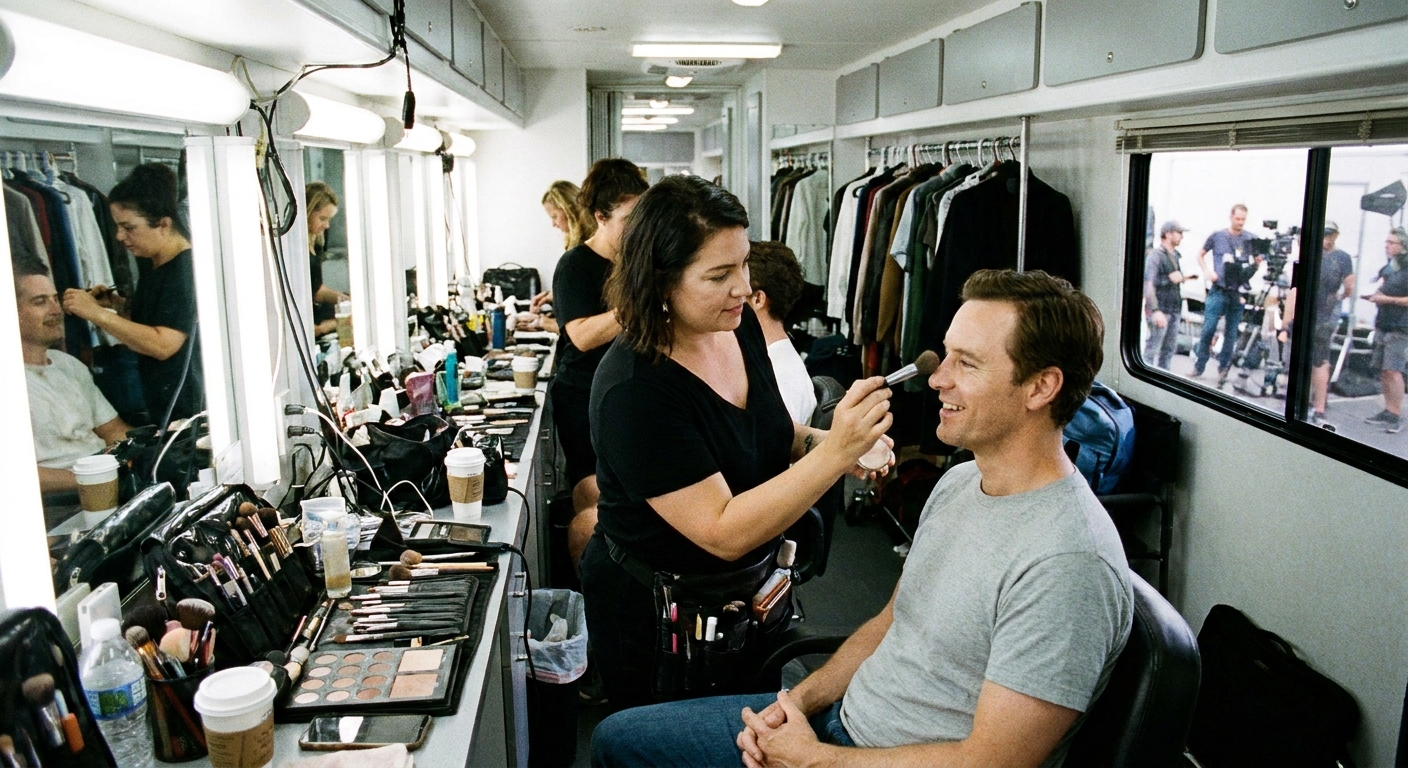
So, do background actors get hair and makeup (HMU)? Sometimes. Often you are expected to arrive camera-ready, and production will only do quick, continuity-friendly touch-ups. The deciding factors are time, budget, story needs, and how visible you are in the shot.
The short answer: it depends
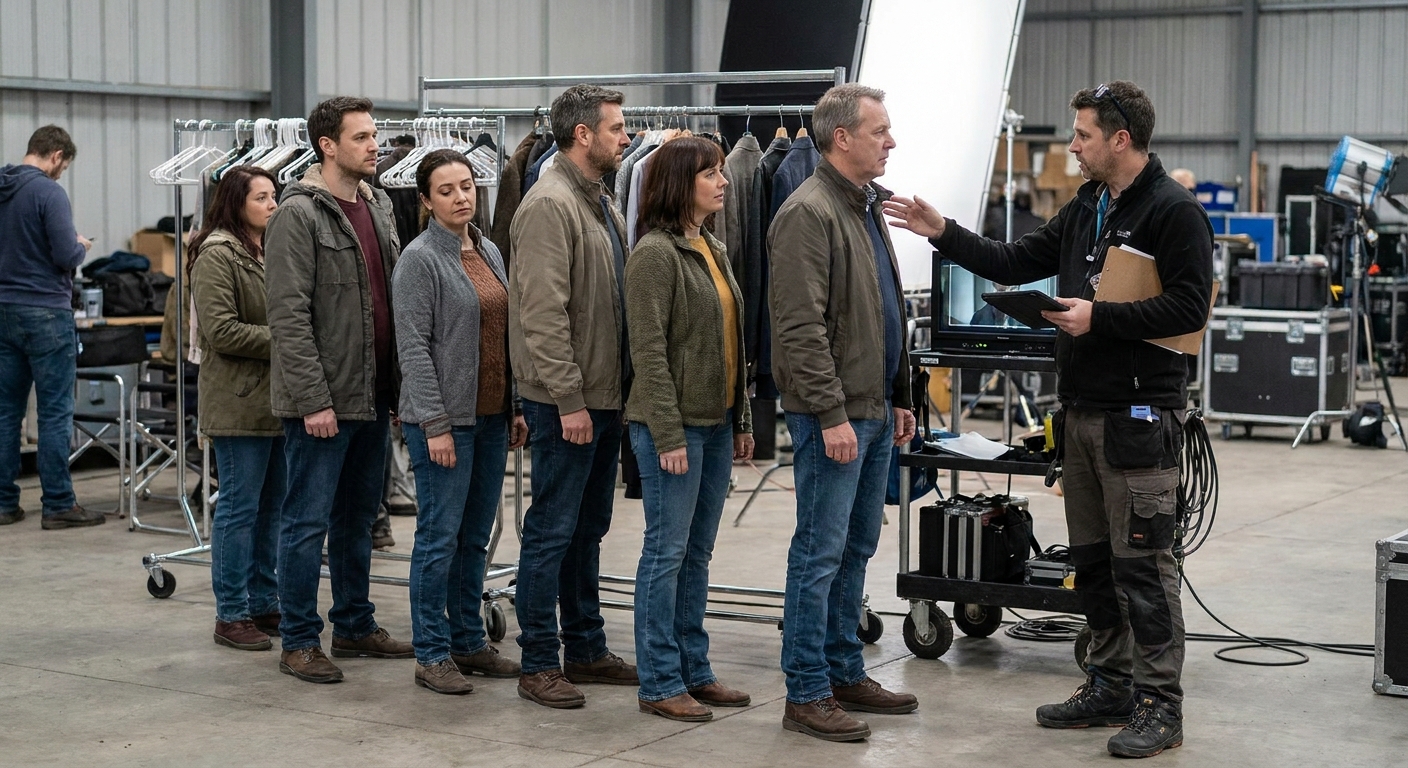
Background work moves fast. If a production can save time by having 60 people arrive already looking appropriate for the scene, it will. If the scene needs a specific, consistent look across a crowd, hair and makeup may step in and standardize everyone.
In most day-to-day background situations, expect this reality:
- Basic grooming is on you. Clean hair, tidy nails, and a face that reads naturally on camera for the role.
- Production may do quick adjustments. Think shine control, flyaways, or making sure you match continuity from take to take.
- You might never see the HMU trailer. Many background actors go straight from check-in to holding to set.
When background goes through hair and makeup
You are more likely to be routed to hair and makeup when your look impacts story clarity, period accuracy, or visual continuity. Common situations include:
You are featured or clearly seen
If you are close to camera, crossing in front of principals, or have specific action that the lens will catch, production has more incentive to make sure you look continuity-consistent and matchable across takes.
The project is stylized or period
Period pieces, stylized dramas, and commercials with tight brand aesthetics often need crowds to feel cohesive. Even then, background hair and makeup is usually streamlined: fast, repeatable, and designed to read from a distance.
Continuity matters across days
If you are brought back for multiple shoot days as the same “person in the world,” hair and makeup might check you in so you match prior footage. This can be as simple as confirming your hair part or controlling frizz so the editor does not get a visual jump cut.
Weather and locations can be rough
Hot sun, wind, rain, or harsh practical lighting can create glare, redness, or sweat that reads loudly on camera. A quick powder and a hair check can be the difference between “background texture” and “why is that shiny forehead pulling focus?”
When you are told to arrive camera-ready
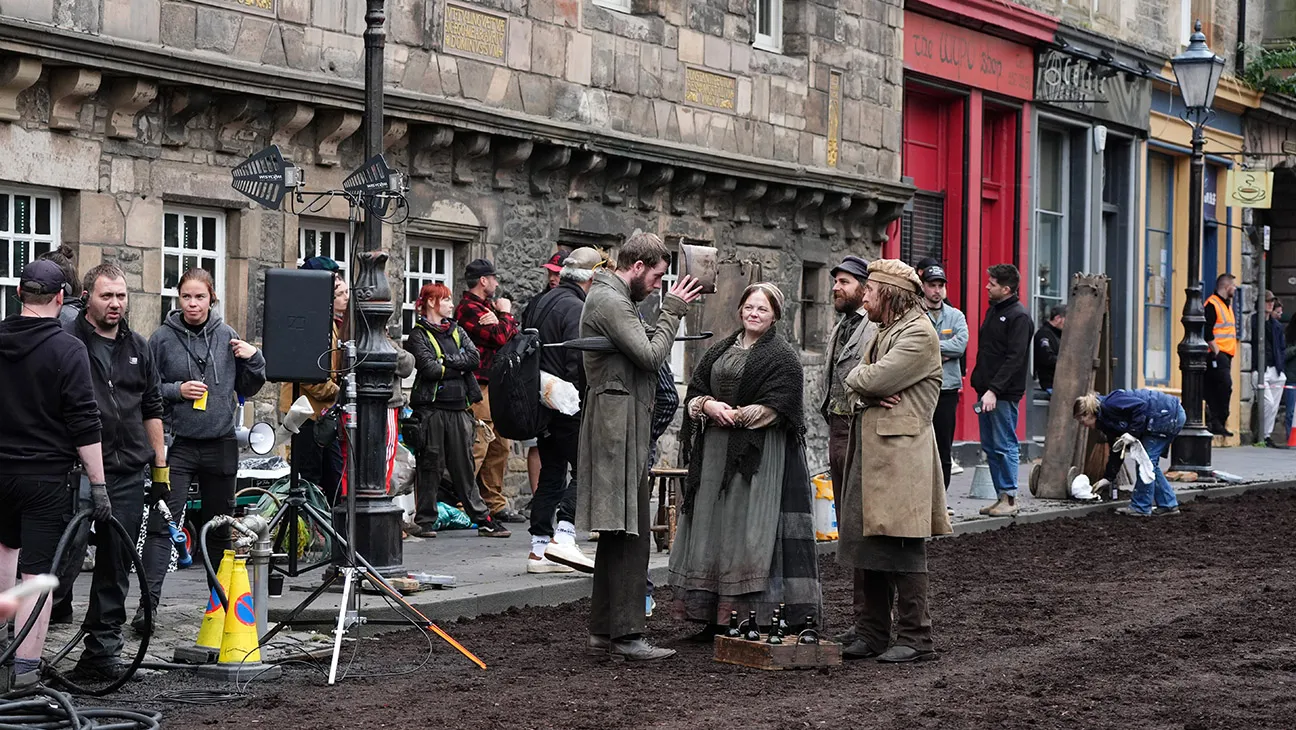
“Arrive camera-ready” is common, especially on busy TV days and low-prep exterior scenes. It usually means production wants you to show up with hair and makeup already appropriate for the role, with no major changes required.
You will often be asked to arrive camera-ready when:
- You are part of a large crowd. There is simply not time to style everyone individually.
- The look is contemporary and natural. Everyday office, café, sidewalk, school pickup, and similar scenes.
- Call time is early and set time is tight. The machine needs to roll.
- Hair and makeup staffing is limited. They may prioritize principals and key day players.
What camera-ready usually means
- Hair: Clean and controlled. Avoid drastic cuts or color changes between booking and shoot. Keep it off your face if that is what your reference photos showed.
- Makeup: Natural and balanced. For many background looks, less is more. The goal is to look like a real person in the world of the scene, not like you are going to a red carpet.
- Facial hair: Keep it consistent. Do not shave or reshape unless instructed.
Even if you arrive camera-ready, production may still adjust your hair or makeup for the lens, lighting, and continuity. Let them. Resist the urge to “fix it back” later.
If you are unsure, follow the note you were given. If there is no note, default to clean, natural, and neutral.
How this differs from a wardrobe fitting
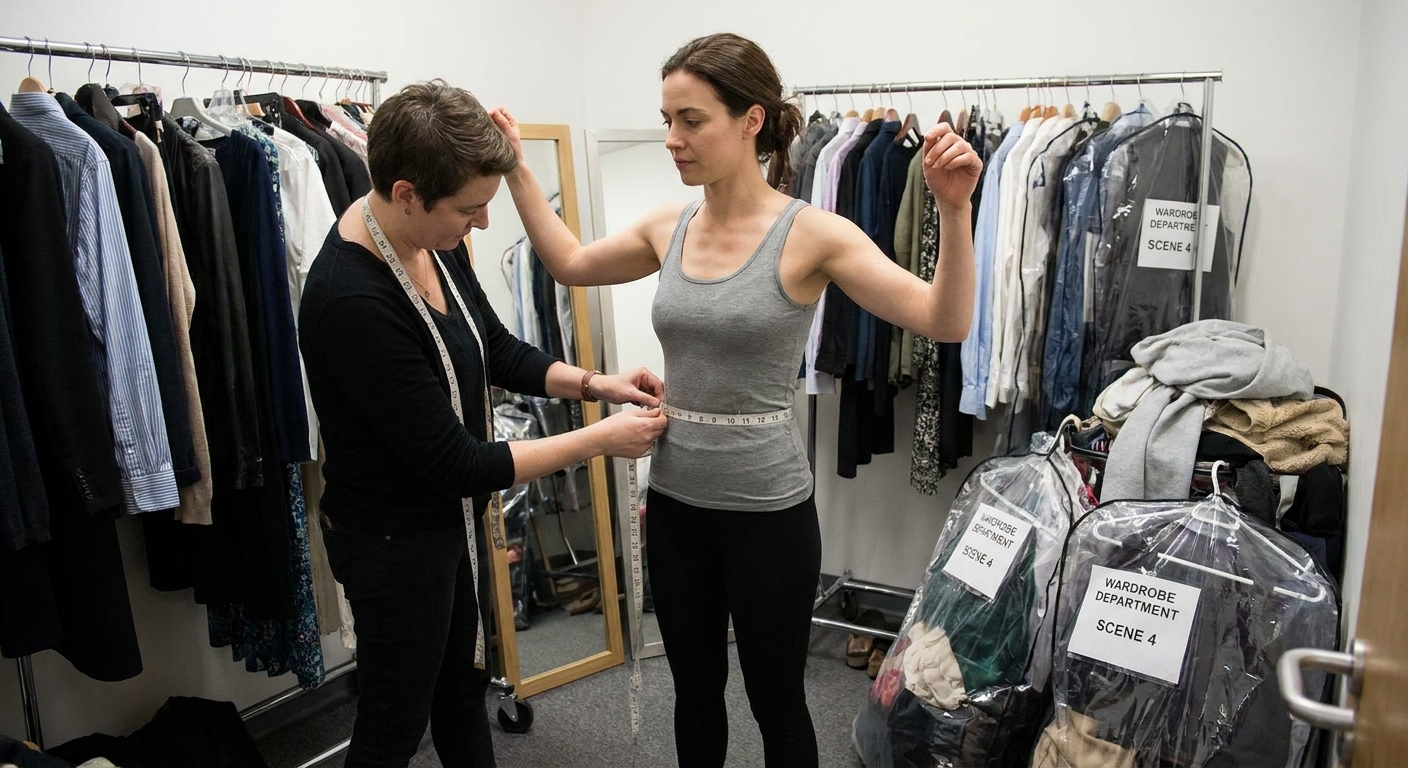
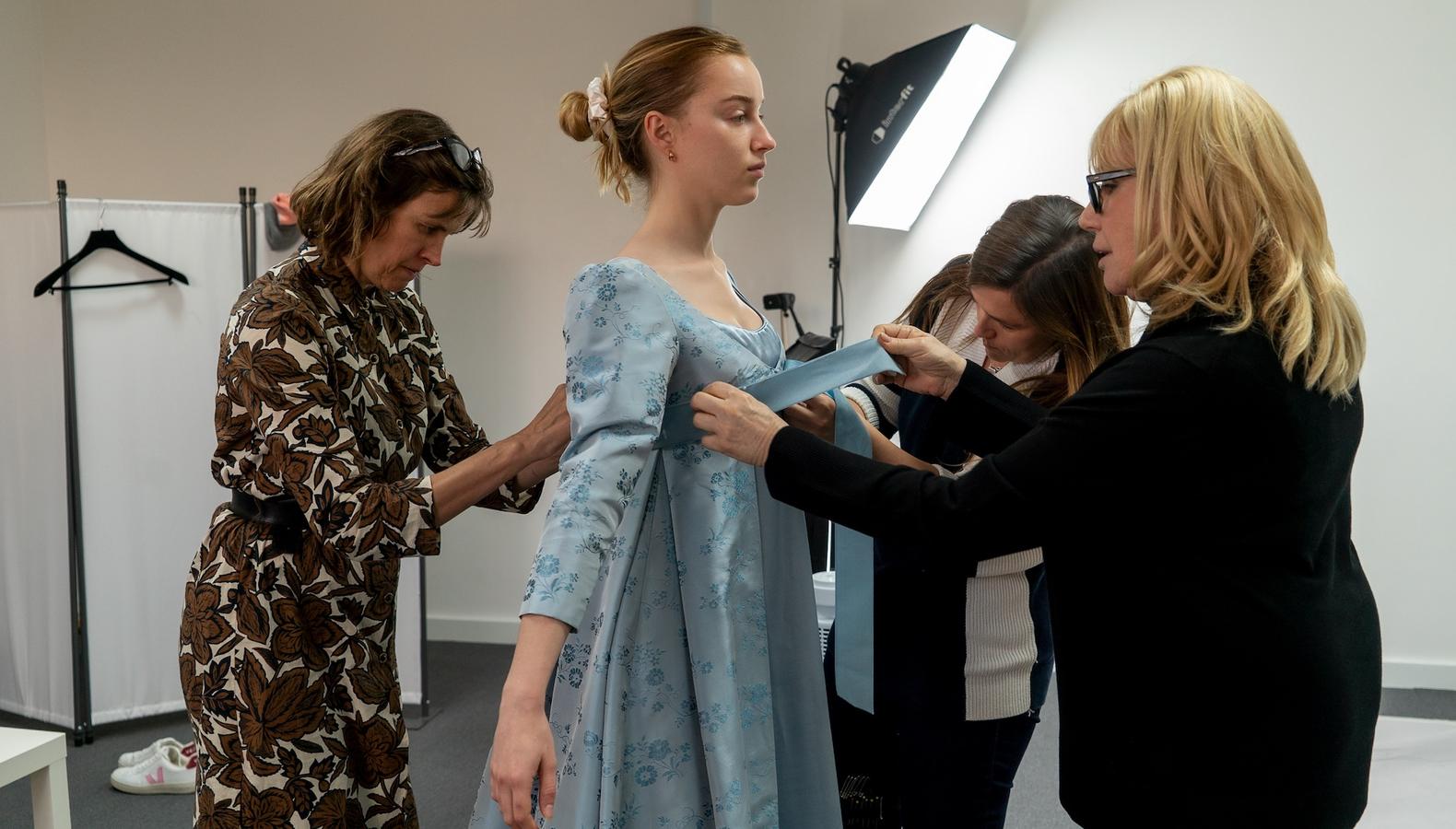
Hair and makeup on the day is about getting you camera-appropriate quickly. A wardrobe fitting, by contrast, is a separate appointment, usually before the shoot day, where the costume team tests sizes, silhouette, and continuity choices.
Key differences:
- Timing: Fittings happen in advance. Hair and makeup for background is usually day-of, if it happens at all.
- Purpose: Fittings confirm what you will wear. Hair and makeup confirms how you will read on camera in that outfit and environment.
- Depth: A fitting can involve multiple options, tailoring pins, and photo documentation. Background hair and makeup is typically quick and minimal.
If you attend a fitting, treat it like a continuity contract. If they photographed you in a specific outfit and hairstyle, do your best to arrive matching that look unless told otherwise.
How this differs from wardrobe notes
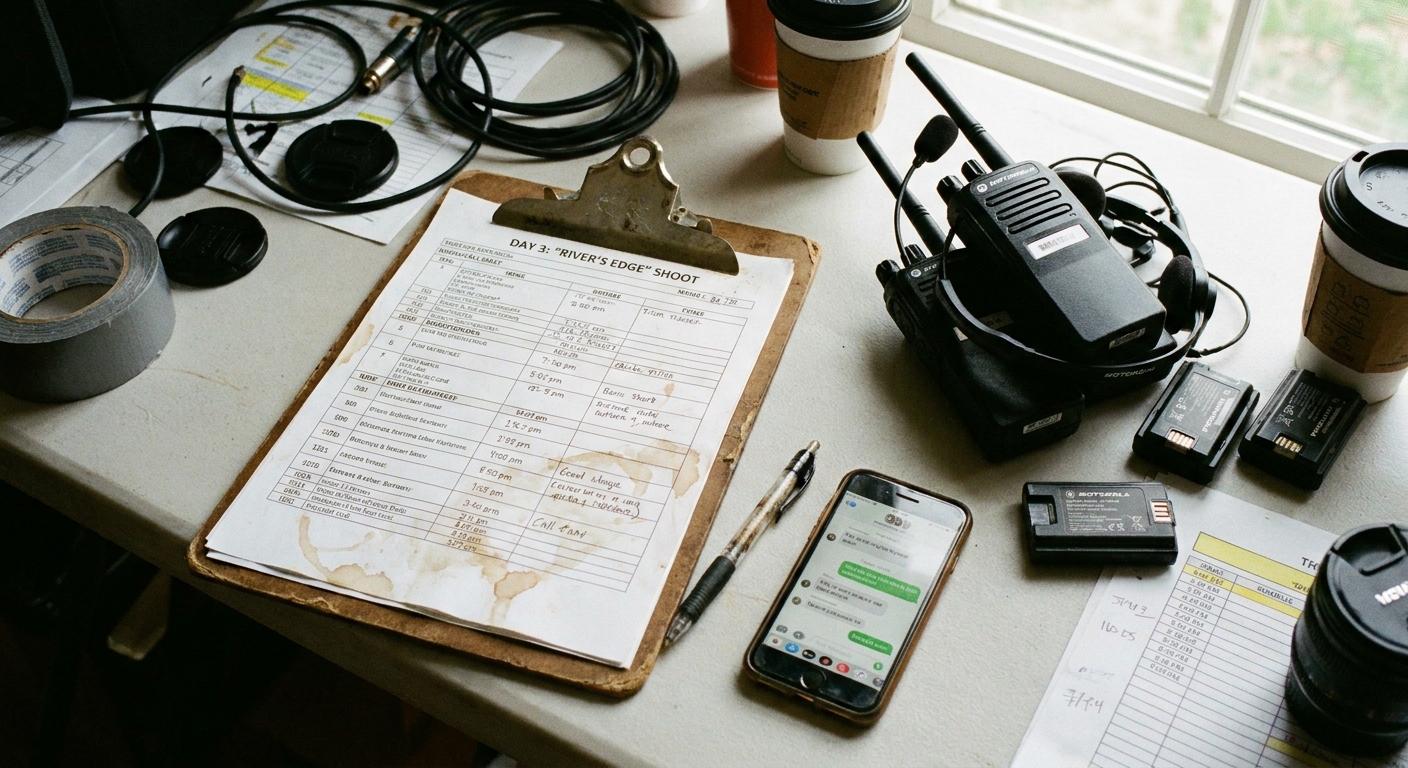
Call sheets and booking notes often include a wardrobe checklist, sometimes very specific and sometimes annoyingly vague. In practice, most background actors see this as booking notes or wardrobe notes from casting or the background team, not the full call sheet. Either way, that list is not just fashion guidance. It is a production plan.
What the clothing list is for
- To speed up approval. Wardrobe can pick from what you brought instead of scrambling to source basics.
- To protect continuity. Similar colors and textures help a crowd look like it belongs in the same world.
- To avoid legal and visual problems. No logos, no distracting patterns, no brand confusion.
Why it matters for hair and makeup
Hair and makeup and wardrobe are separate departments, but their work has to match. If the notes say “upscale restaurant patrons,” your hair and makeup should support that. If it says “construction site, gritty,” the goal is believable, not glam.
Phrases to read carefully
- “Arrive camera-ready”: Do your own hair and makeup, and expect only minor touch-ups if needed.
- “No makeup” or “natural makeup only”: Exactly what it sounds like. Treat “no makeup” as literal unless HMU or wardrobe explicitly approves otherwise. If you show up in a full beat, you may be asked to remove it.
- “Hair down” or “hair up”: They are thinking about continuity, period, or framing. Follow it.
- “No haircut, no color change”: Continuity protection. Do not test a new look the night before.
What to do if you are not sure
Background actors live in the land of last-minute updates. If your notes are unclear, do three things:
- Check your booking text or email again. Hair and makeup instructions are often tucked under wardrobe.
- Bring simple fixes. A small comb, hair ties, bobby pins, blotting papers, and a couple of makeup remover or micellar wipes can save a day.
- Ask politely at check-in. The background PA or AD team will direct you, or send you to wardrobe or HMU for approval.
One caution I learned watching crews work at theater speed: do not improvise without permission. If you arrive camera-ready and decide to “freshen up” into a different look after you are approved, you can create continuity issues. When in doubt, get cleared first.
Quick etiquette
Even when background is brought through, hair and makeup is usually triage. It is about making the frame work.
- Show up clean. It is respectful and practical.
- Stay close to your submitted look. Casting often booked you based on how you photographed.
- Go easy on fragrance. Tight spaces, long hours, and shared air.
- Be ready to be adjusted. Speed is part of the job, and changes are not personal.
One more practical note: some sunscreens and skincare can reflect or read shiny under certain lighting. Wear what you need for comfort and safety, but if you have a choice, opt for something that tends to wear naturally on camera.
And yes, expectations vary by project and region. A national commercial, a network drama, and a tiny indie can treat background very differently. The safest move is always to follow your specific notes, then be flexible once you are in the machine.
FAQ
Do extras get their makeup done on set?
Sometimes, but many extras are expected to arrive camera-ready. If you do see hair and makeup, it is often light touch-ups for shine, flyaways, or continuity.
Do background actors bring their own makeup?
It is smart to bring basics for maintenance, like blotting papers and a neutral lip balm. Do not assume you will have time or space to apply a full look on site unless instructed.
Will production provide hair products for background?
Not reliably. Hair and makeup departments are typically stocked for the day’s needs, but background is not always prioritized for product-heavy styling. Bring simple essentials if allowed.
If I am told no makeup, can I still wear concealer?
“No makeup” often means literally none, especially if it is story-driven or client-driven. Treat it as strict unless HMU or wardrobe tells you otherwise. If production wants a truly bare face, they may ask you to remove anything you applied.
Is a wardrobe fitting the same as hair and makeup?
No. A wardrobe fitting is a separate pre-shoot appointment focused on clothing selection, sizing, and continuity photos. Hair and makeup for background, if it happens, is usually day-of and minimal.