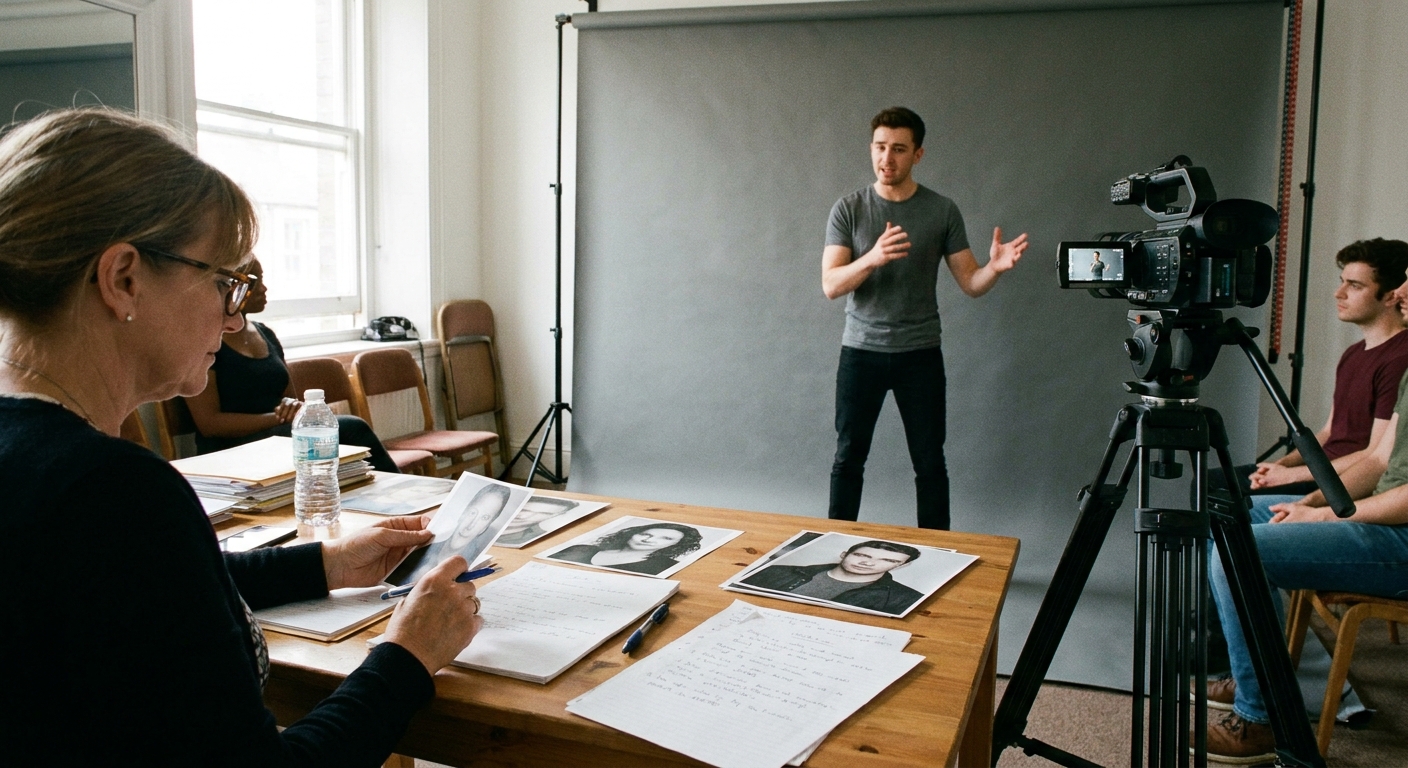
I grew up backstage in Chicago, watching my relatives build worlds out of flats, paint, and light. Later, sitting in projection booths, I learned the quiet truth of performance: the camera is its own kind of audience. That is why a screen test exists. It is less about proving you can act and more about proving your acting translates.

In film and television, a screen test is a filmed audition that helps the creative team see what you look and feel like on camera, often under more realistic conditions than a standard audition. It can be the final step before an offer, especially for lead roles, series regulars, and projects with a specific visual or tonal world.
Screen test meaning
A screen test is a filmed performance test used to evaluate how an actor appears and performs on camera. Unlike an early audition that might be a quick read in a casting office, a screen test is designed to answer camera-specific questions:
- Does this performer read clearly in close-up and medium shots?
- Does the performance fit the project’s tone once it is framed, lit, and miked?
- Do wardrobe, hair, and makeup choices support the character?
- How does the actor’s energy play opposite another performer, or within the show’s visual language?
Historically, screen tests served multiple purposes. They helped filmmakers see how someone photographed under specific lighting and lenses, and they also helped evaluate performance, presence, and how makeup or costumes read on film. Today, even with digital cameras everywhere, the purpose is similar: a controlled, camera-facing check before a major casting decision.
What happens during a screen test
Every production runs a little differently, but most screen tests follow the same rhythm: a short setup, a filmed scene or two, and a bit of repetition so the team can adjust variables.
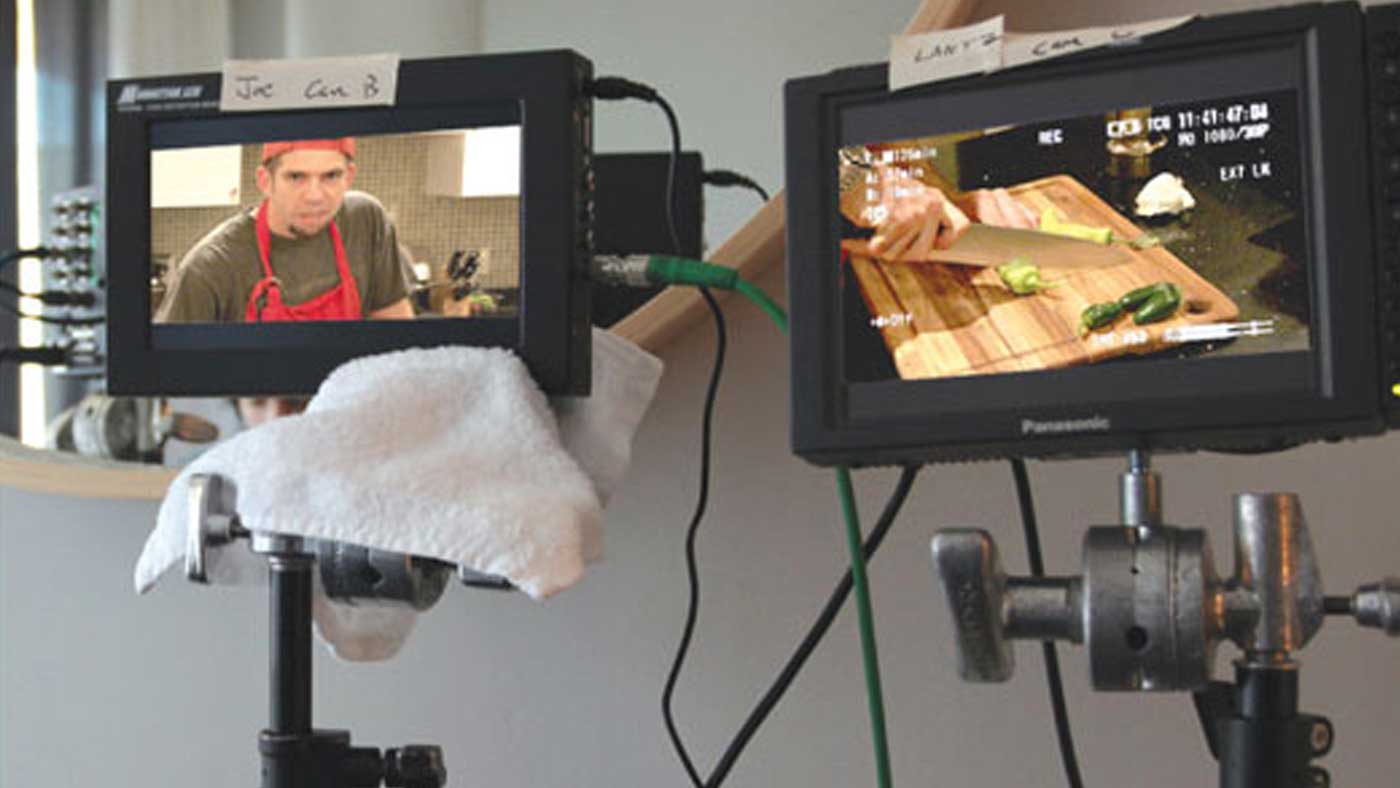
You perform for the lens
You are typically filmed with a professional or semi-professional camera setup. There may be lighting, a backdrop, and sound. It can feel closer to a tiny shoot day than an audition.
You might be in wardrobe
Sometimes you are asked to arrive in clothing that suggests the character. Other times, the production supplies wardrobe pieces, especially if they are testing a specific look. If you hear “wardrobe-adjacent,” it usually means close to the character without becoming a full costume.
You will likely repeat the scene
Screen tests often involve repetition, not because anyone thinks you forgot how to act, but because the test is also a comparison tool. You might be asked to:
- Repeat the same scene with different framing (wide, medium, close-up)
- Adjust volume and intensity for the lens
- Make a different choice on a specific beat
- Try a second scene with a different emotional temperature
You may read with another actor
Not every screen test is a two-hander, but it is common to test you with a reader, another actor, or even the person you might be cast opposite. If the production is deciding between a few finalists, pairing people up can reveal surprising chemistry and tone.
You might slate
Some tests begin with a slate, which is a quick on-camera ID. It can be as simple as your name and role, or it may include basics like height, location, or union status. Follow the room’s instructions and keep it clean and easy to understand.
Who watches a screen test?
The short version: more decision-makers than a typical audition.
- Casting director and casting associates, who help run the session and curate options
- Director, especially for film and pilot casting
- Producers, including executive producers on TV
- Studio or network executives, depending on budget and prominence of the role
- Showrunner on television, who is often deeply involved in series regular decisions
Sometimes those people are in the room. Sometimes they review later. That is part of the point: the footage travels, and your performance has to hold up when played back in a calmer, less pressured setting.
Because that footage can be shared internally, you may be asked to sign an NDA or be reminded not to discuss the material. For high-profile projects, treat confidentiality as part of the job.
What to wear
Wardrobe expectations range from “keep it simple” to “please come dressed like you could walk onto set today.” If the production gives you guidance, follow it exactly. If you are choosing for yourself, think camera-friendly and character-forward.
Common wardrobe guidance
- Solid colors over busy patterns to avoid visual distraction and moiré effects on camera
- Avoid prominent logos unless requested
- Clothes that fit well and allow movement without fidgeting
- Character-adjacent choices like a blazer for an attorney role or work boots for a blue-collar character
Hair and makeup
Sometimes the team wants you close to “you,” and sometimes they want a version of the character. If hair and makeup are involved, it is usually to test how specific styling reads under the planned lighting. For period projects, fantasy, or anything heavily stylized, this can be a major part of the test.
What a screen test decides
A screen test is often used to make final casting decisions, or to confirm that a top choice works on camera. It can help answer questions like:
- Who feels like the character once filmed?
- Which performance matches the tone once you imagine it cut into the scene?
- Who pairs best with a co-star or ensemble?
- Does the actor’s physicality fit the world (age range, presence, movement style)?
- Does the actor handle direction quickly and consistently?
In other words, it is not just “can they act?” It is “are they this project, through a lens?”
One practical note: productions vary in how long they keep test footage and who can access it. You can ask, politely, whether the material is strictly for internal casting or if it might be shared with studio or network partners.
Screen test vs. other reads
These terms get tossed around casually, and I have watched plenty of actors nod politely while silently wondering if they are about to be filmed, paired, or seated at a long table with highlighters. Here is the clean breakdown.
Screen test vs. callback
A callback is any follow-up audition after an initial read. It may be in person or virtual, filmed or not, with more detailed direction. A screen test is a camera-based audition round where the production intentionally evaluates you on camera, often with higher stakes and more decision-makers involved. Terminology varies, and some teams reserve “test” for the final studio or network round after multiple callbacks.
Screen test vs. chemistry read
A chemistry read is focused on how two (or more) actors connect, spark, and listen to each other. It can be filmed, but the point is relational: romantic leads, comedic duos, siblings, partners, enemies who cannot look away.
A screen test can include chemistry, but it also evaluates solo camera presence, how your face and timing play in frame, and whether the overall look fits the project’s visual world.
Screen test vs. table read
A table read is usually a production event, often with the cast (or prospective cast) seated together to read the script aloud. It is about hearing rhythm, tone, and story flow, and it helps writers, producers, and directors diagnose what works on the page.
A screen test is designed to capture comparison footage for casting decisions, not to workshop the script as a group.
Screen test vs. self-tape
Not quite. A self-tape is typically recorded by the actor (or with help) and submitted remotely. A screen test is usually arranged by the production and captured under their preferred conditions so they can control the variables: lighting, sound, framing, sometimes wardrobe, and how the scene is staged.
That said, the lines can blur. Some productions ask for a “test style” self-tape with specific instructions, especially if the team is spread across cities or working on a tight schedule.
How to prepare
Screen tests can feel intimidating because they are closer to the finish line. Preparation is the antidote.
- Know the sides cold, then stay flexible. Sides are the pages you are given for the audition, and direction may change quickly in a test.
- Practice for the lens. Small choices read big in close-up. Film yourself and watch playback without judgment.
- Bring wardrobe options if permitted, especially different tones or necklines, and ask what they prefer on camera.
- Understand the tone. A half-step too broad or too muted can look “wrong” once filmed, even if it felt right in the room.
- Take direction quickly. Tests are as much about collaboration as performance.
What to bring
- Whatever the appointment email requests, especially IDs, union paperwork, or forms
- Headshot and resume if asked, even in a digital world
- Water and anything you need to stay steady and present
- Your slate details, if they provided them, so you do not blank under the lights
If you have been invited to test, you are already doing many things right. The job now is clarity: clear choices, clear listening, clear storytelling.
FAQ
How long does a screen test take?
It can be quick, sometimes 15 to 30 minutes, or longer if there are multiple scenes, wardrobe adjustments, slates, or pairing with another actor. Higher-profile roles may involve more time, more takes, and more people cycling through the room.
Do actors get paid for a screen test?
Usually, no. A screen test is generally part of the audition process. However, reimbursement or compensation can vary by union rules, contract, travel requirements, fittings, or project-specific agreements. If you are asked to travel or do significant prep beyond a normal audition, it is reasonable for your agent to clarify terms.
Does a screen test mean you got the role?
It is a strong sign, but not a guarantee. A test usually means you are under serious consideration and the project is verifying fit before committing.
What should you do if you make a mistake during a screen test?
Stay in the scene if you can. If you need to restart, do it calmly and professionally. The room is watching how you recover as much as the stumble itself.
What happens after the screen test?
Often, you wait. Sometimes you hear quickly, sometimes it takes days or weeks, especially if multiple finalists are being tested or approvals have to travel through a studio or network. Unless the team asks for follow-up, do not chase feedback. Let your representative handle check-ins, and keep your focus on the next room, the next tape, the next job.
The takeaway
A screen test is a filmed audition designed to answer one essential question: who belongs on this screen in this story. It differs from a callback by being explicitly camera-based, differs from a chemistry read by focusing on more than interpersonal spark, and differs from a table read by prioritizing filmed performance over group script exploration.
And if you ever feel your nerves spike when the camera turns on, remember: the lens is not a trap. It is a partner. It rewards specificity, listening, and the kind of truthful detail that makes audiences stay through the credits.