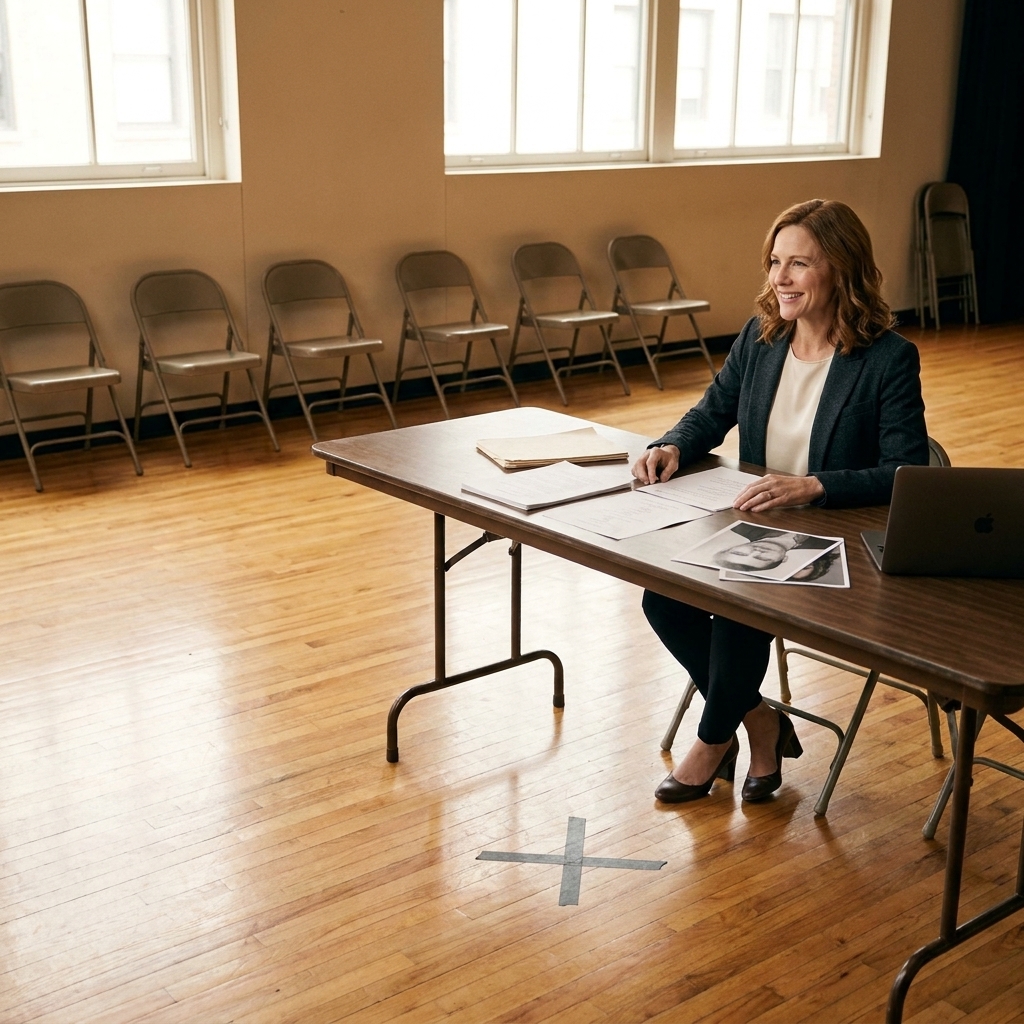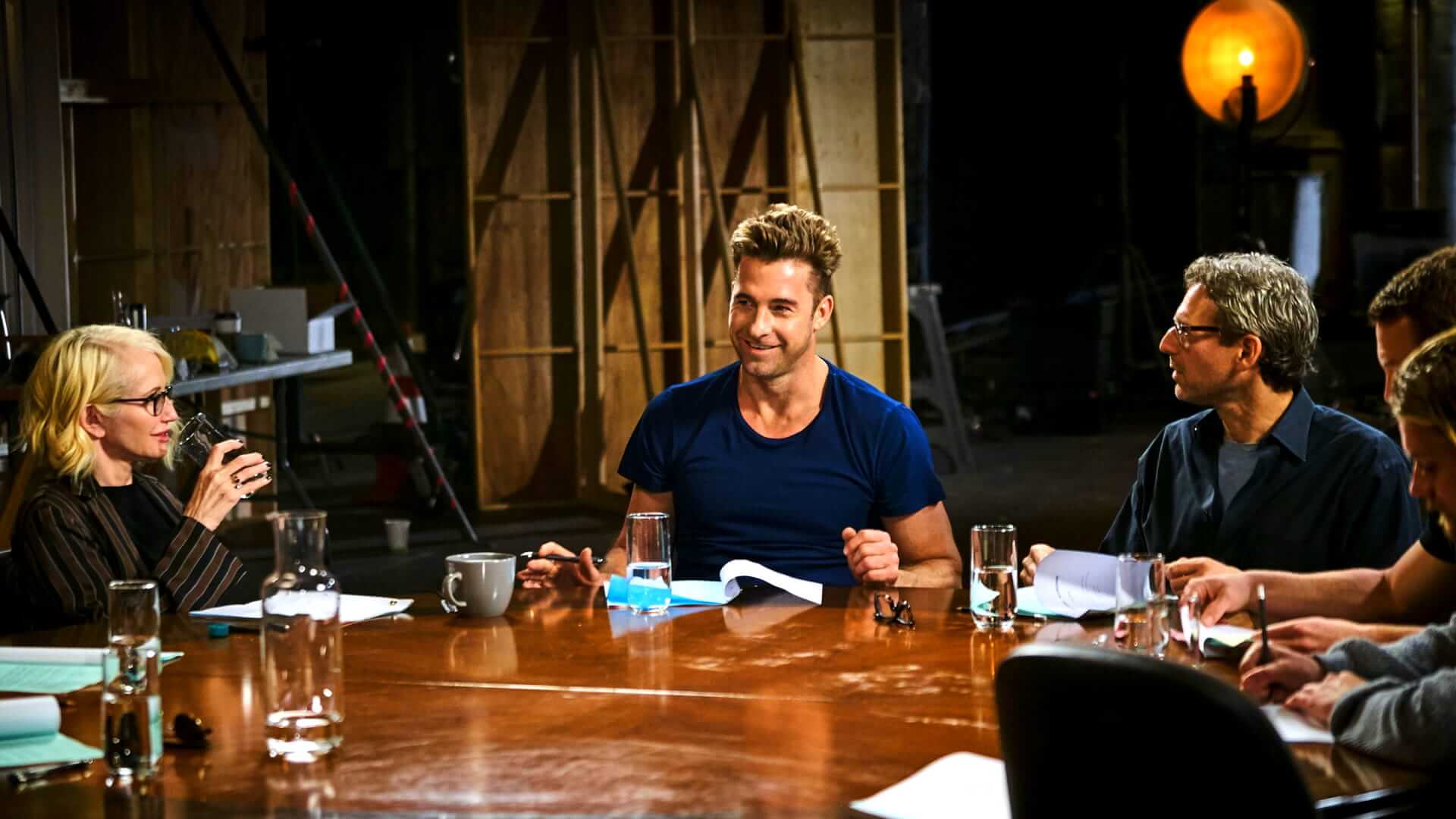
I have a small ritual before any show or screening: I read everything I can get my hands on, then I stay for the credits. Auditions do not give actors that luxury. In film and TV, you often do not receive a full script, especially in early rounds. You get sides, a handful of pages that are just enough to show the casting team how you think, listen, and inhabit a role.
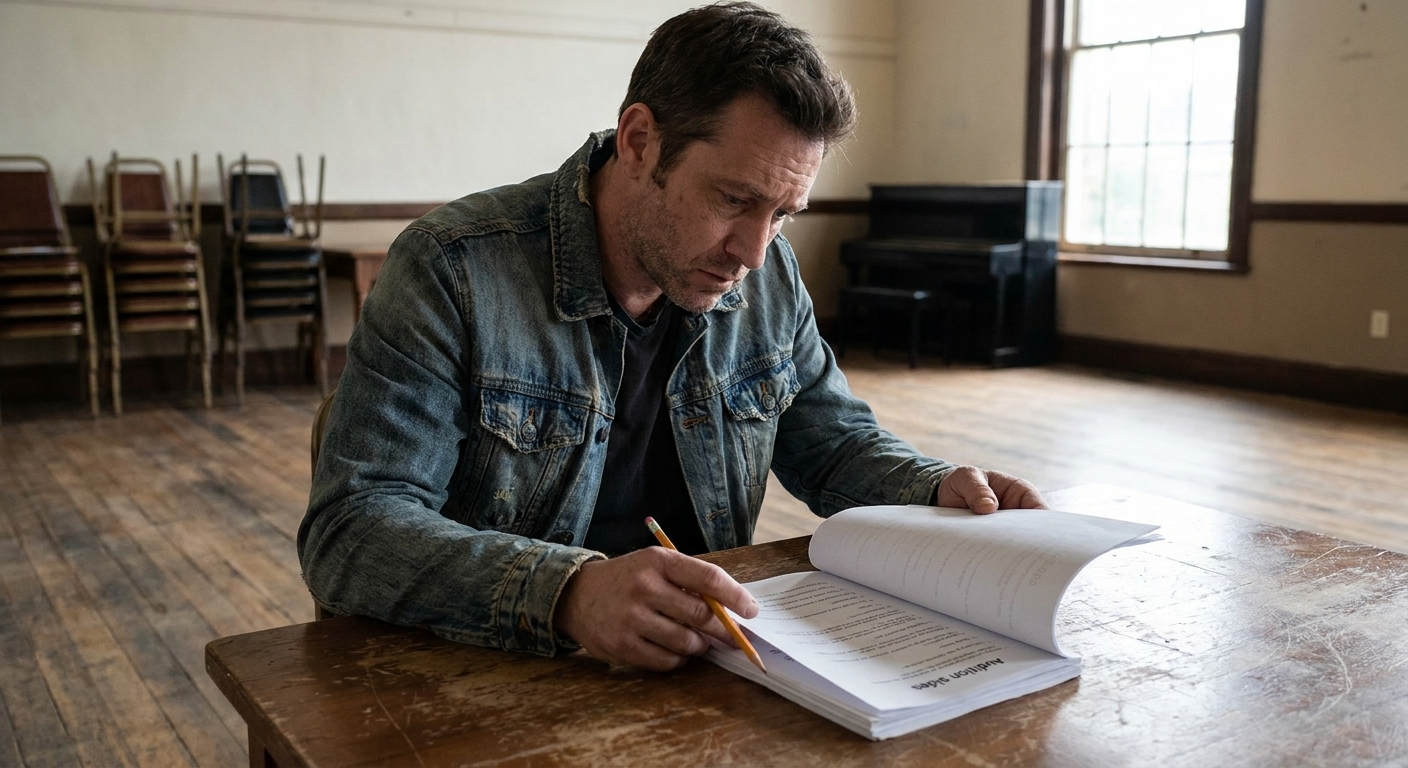
What are sides?
Sides are short excerpts from a film or TV script selected specifically for an audition. They typically include one or more scenes featuring the role you are reading for, plus any lines you need from other characters to make the scene playable.
Think of sides as the casting version of a highlight reel. They are not meant to tell you the whole story. Instead, they reveal how you handle the material in front of you, right now.
Why auditions use sides
There are practical and creative reasons you are handed a few pages instead of the full script:
- Confidentiality: Scripts can be under wraps for months. Sides limit leaks.
- Speed: Casting moves fast. Actors need something they can prep quickly.
- Focus: Sides are chosen to test specific skills, like comedic timing, emotional turns, or procedural dialogue.
- Flexibility: Writers revise constantly. Sides can be updated without re-sending an entire script.
In episodic television especially, the full shooting script may not be locked when auditions begin.
What’s on audition sides
Sides vary by project and casting office, but you will often see:
- Project title (or a code name, especially for high-profile productions)
- Role name (sometimes real, sometimes changed to protect story details)
- Scene numbers and page numbers
- Character dialogue and some action lines (often trimmed down)
- Revision date or colored revision marks in some cases
- “Dummy sides” language (meaning the scene may be written just for auditions and not appear in the final show)
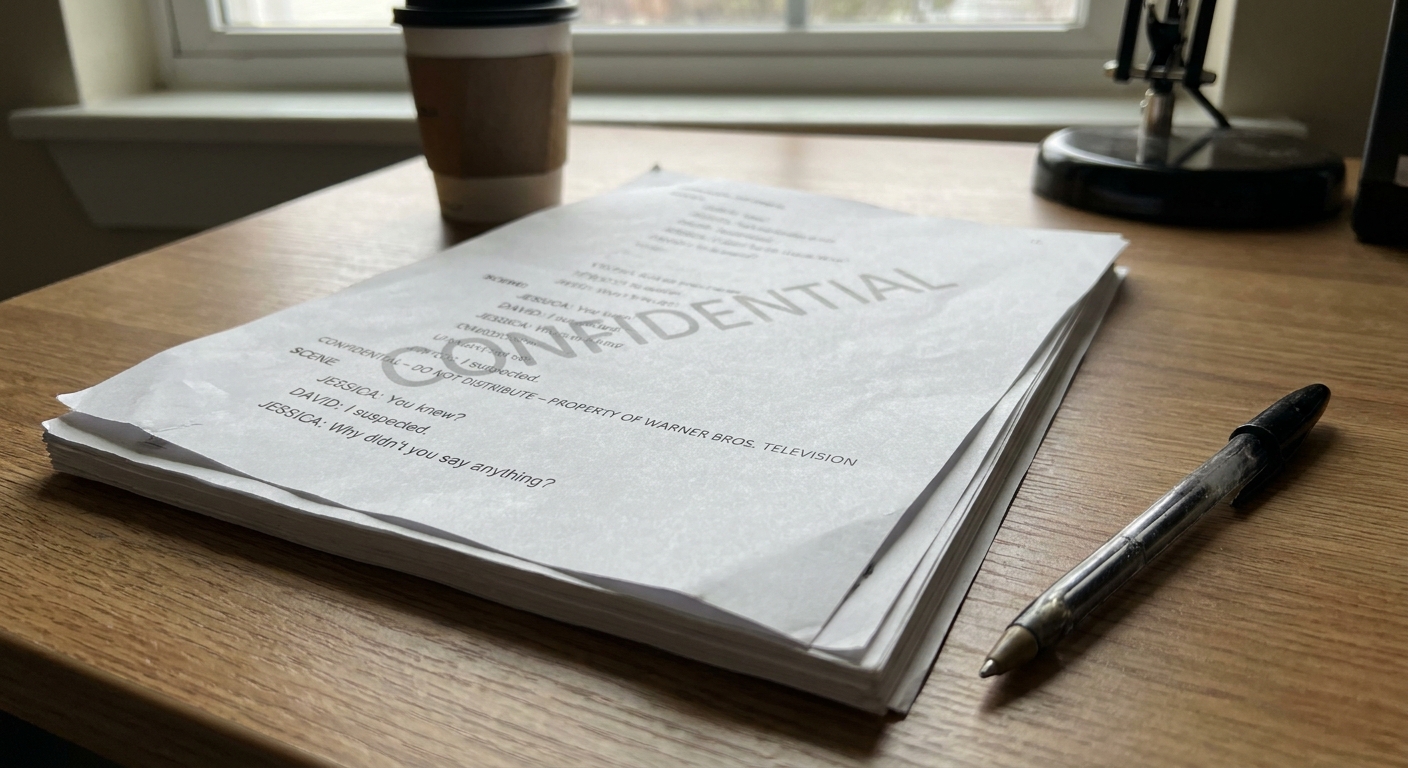
- Confidentiality notice or watermarking with your name or email
Sometimes sides include a brief character breakdown at the top. Sometimes you get nothing but the scene and a prayer.
What sides leave out
This is the part that can rattle newer actors: sides are incomplete by design. Common omissions include:
- Context: What happened right before the scene, and what the scene triggers afterward
- Full tone of the project: A drama can audition like a thriller, and a comedy can audition like a drama
- True character names: “Officer #2” might be a series regular with a whole backstory
- Key plot points: Twists, reveals, relationships, and outcomes are often protected
That is why auditions can feel like you are being asked to build a house from a single brick. Your job is to make smart choices anyway, then stay flexible when you are redirected.
How actors work from sides
On set, actors usually work from a full script, plus revisions as the project evolves. In auditions, you are working from a small packet, and that changes how you prepare.
1) Read relationships and power, not plot
Because you cannot rely on the full story, focus on what the sides actually provide: who wants what, who holds the power, and how that power shifts moment to moment.
2) Make choices that survive missing info
A good audition choice is specific but not brittle. If the scene later turns out to be a breakup instead of a cover story, the emotional truth you played should still track. Aim for playable intentions over overly detailed backstory.
3) Be ready to be on-book
In many auditions and self-tapes, actors are allowed to hold the sides or keep them nearby, but some offices request fully off-book work or do not want paper visible on camera. Either way, casting usually cares more about your connection, listening, and clarity than a flawless memory flex. Follow the instructions and do your best version of that.
How to mark your sides
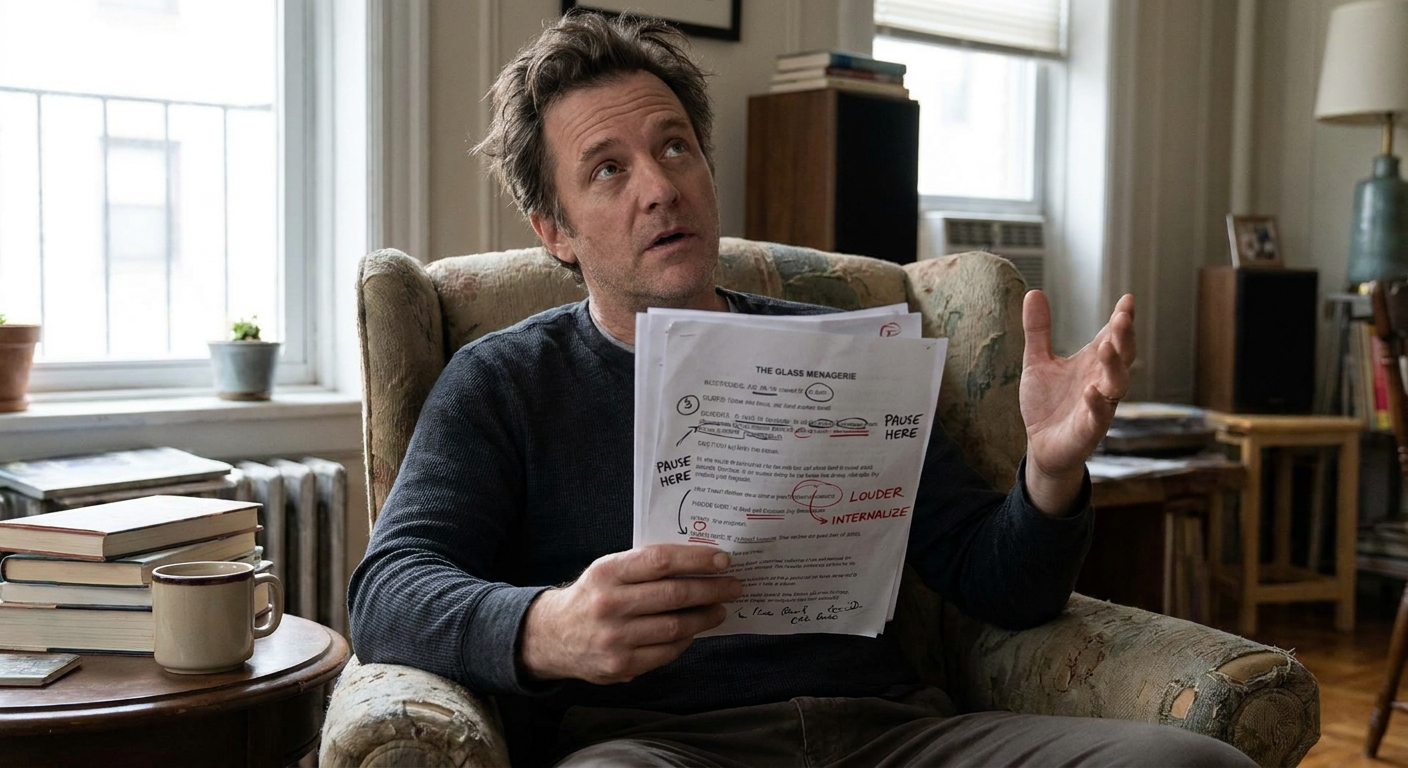
Marking is not about turning your pages into a rainbow. It is about giving yourself quick, reliable reminders under pressure.
- Underline shifts: Where the scene turns, where you change tactics, where you realize something.
- Circle operative words: The few words that carry the meaning of a line. These often live on verbs, accusations, or reveals. (Example: in “I need you to tell me the truth,” I circle need, not truth, if the engine of the moment is urgency rather than morality.)
- Note pronunciations: Names, medical terms, legal jargon, locations.
- Track beats: A slash or a small “beat” note can help you pace and build. I like a simple “/” where I must let the thought land before the next push.
- Flag pickups: If you tend to drop the end of lines, mark the last important word so it lands.
If you are auditioning on camera, mark where your eyes can lift off the page. Even a half-second of genuine listening reads louder than perfect paper handling.
Should you memorize sides?
It depends on the timeline and what casting asked for.
- If you have time: Getting mostly off-book helps you listen and react freely, especially in emotional scenes.
- If it is a fast turnaround: Clean, confident reading with strong choices beats frantic memorization every time.
- If casting requests it: Follow the instructions. If they say “off-book,” aim for it. If they say “on-book is fine,” believe them.
The goal is not to prove you can memorize. The goal is to show you can act, take direction, and live inside the scene.
Common side types
Dummy sides
Scenes written solely for auditions, often to protect the real plot or because the episode is still being rewritten.
Redacted sides
Parts blacked out or replaced, sometimes with generic terms like “THEY” or “LOCATION,” to preserve secrecy.
Multiple scenes
A packet that includes contrasting moments, like a comedic exchange plus an emotionally high-stakes confrontation.
Callback sides
Updated pages for later rounds. Some offices call these “pinned” sides, meaning you are still in active consideration and the material has been refined. These versions can be longer, more specific, and sometimes closer to the final script.
What casting watches for
Sides are a tool for casting to see how you handle the job in realistic conditions. They are often looking at:
- Storytelling clarity: Do we understand what you mean and want?
- Listening: Do your reactions feel alive, or pre-planned?
- Tone control: Can you play the genre without forcing it?
- Text handling: Can you make dense dialogue sound like thoughts, not recitation?
- Adjustability: If redirected, do you shift quickly and truthfully?
In other words, sides are less a test of what you know and more a demonstration of how you work.
Etiquette and practical tips
- Keep sides private: Do not post pages online. Many are watermarked and confidential.
- Handle them like they matter: If you are sent sides digitally, do not forward them around unless you are explicitly allowed to. After the audition, store them securely or delete them if requested.
- Print if you can: Paper is easier to mark and easier on your eyes, but a tablet is fine if it is quiet and stable.
- Know the scene headings: If location or time of day is included, it can subtly shape your energy.
- Time yourself: Audition scenes are often meant to be played briskly. Avoid adding long pauses that are not earned.
- Give yourself one sentence of context: One line about what just happened before the scene can help you enter with purpose.
- Self-tape partner basics: If you have a reader, ask them to keep the other character grounded and consistent, not acting over you. You want space to work.
FAQ
Are sides the same as a script?
Not quite. Sides are a portion of the script, or sometimes an audition-only scene. A full script contains the entire story and structure. Sides are selected pages designed for evaluation.
Do sides include stage directions?
Sometimes, but usually fewer than you would see in a full script. Casting often trims action lines to the essentials, so actors focus on behavior and dialogue.
Why do character names change on sides?
To protect confidential story information. You might audition for “Rachel” and book the role of “Detective Ruiz.” It happens more often than you would think.
Can you ask for more context?
You can, politely, especially at callbacks. In early rounds, casting may not be able to share more. When in doubt, make a grounded choice and stay flexible.
What does it mean when sides are watermarked?
A watermark is a security measure, often including your name or email, to discourage sharing. Treat watermarked sides as confidential.