I grew up backstage in Chicago, where scripts were everywhere: in instrument cases, under lighting cue sheets, tucked into coat pockets like contraband. Even then, the difference between rehearsed and ready was obvious. A cold read is where that difference gets tested in public, under fluorescent lights, in front of people holding clipboards.
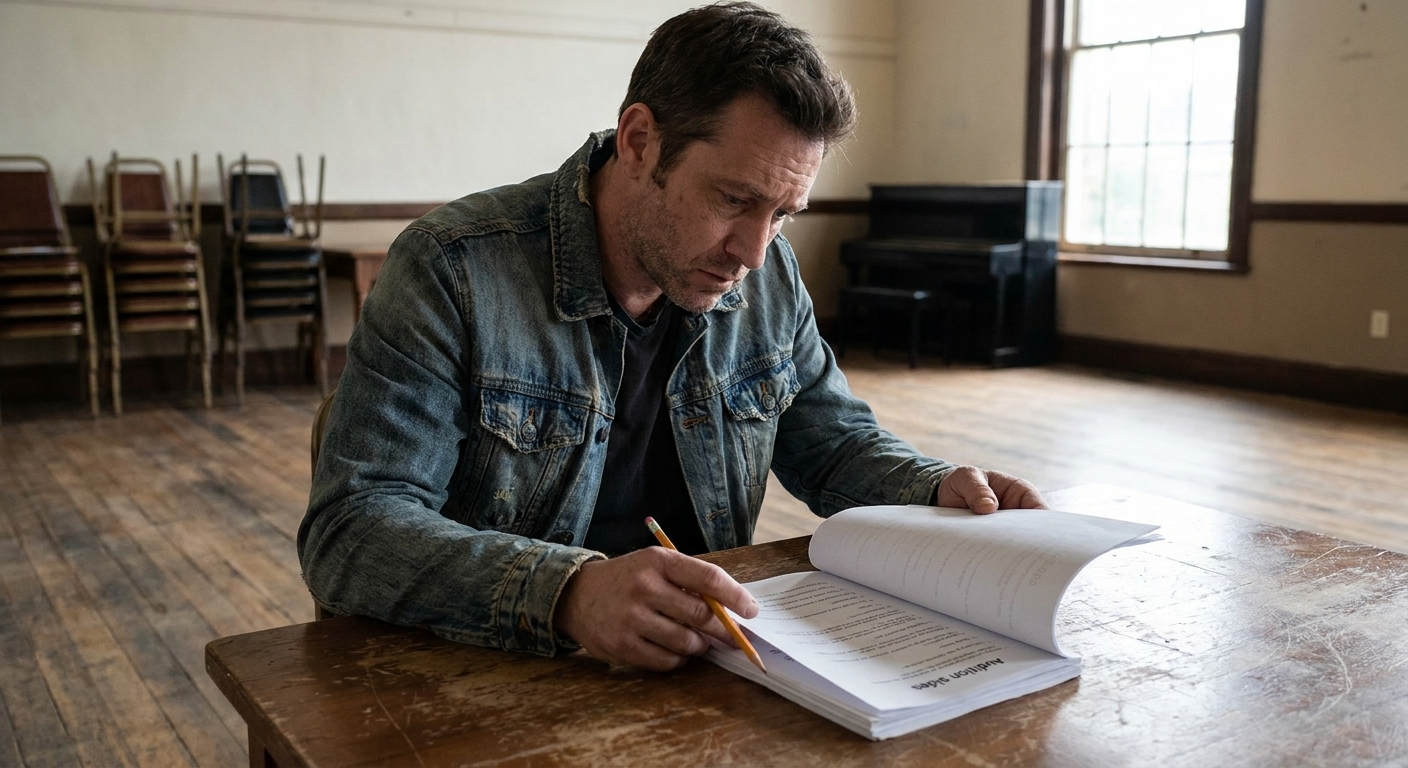
In audition terms, a cold read means you are asked to perform material you have just been handed, often called sides. You have little to no time to memorize, no long rehearsal process, and sometimes only a minute or two to scan before you are on your feet reading aloud.
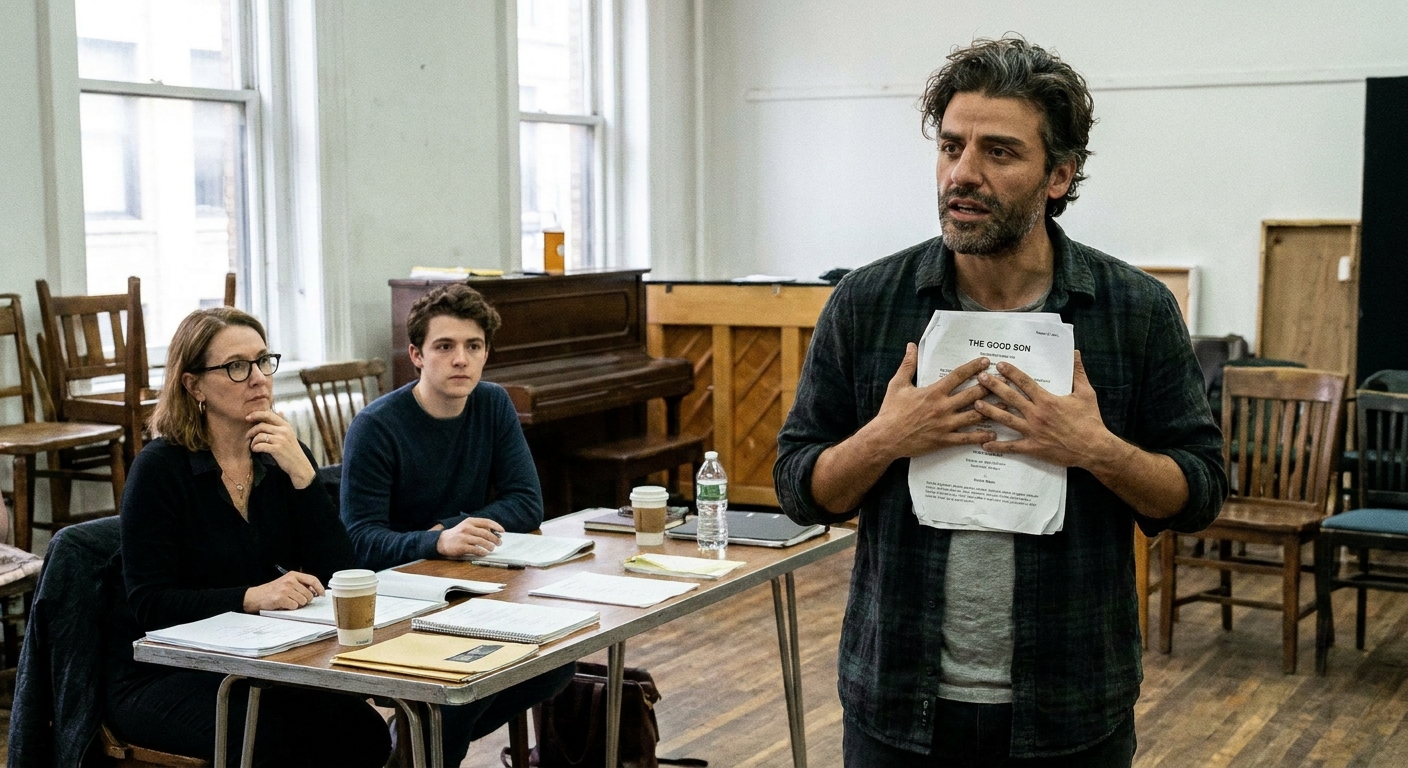
What a cold read is
A cold read is live, first-contact performance. You are meeting the scene for the first time and still expected to make it feel like a choice, not a stumble. The goal is not perfection. It is storytelling under pressure.
You might be asked to:
- Read opposite a casting assistant or another actor in the room
- Read a role you are auditioning for, or occasionally a different role to test range
- Adjust on the fly after a quick note like “Make it lighter,” “Play the subtext,” or “Try it like you are hiding something”
Cold reads happen in theater, film, TV, commercials, and VO auditions, though the setup varies. Theater often keeps you on book longer, but not always. On-camera rooms often want a pace and tone consistent with the project, even if you are only getting a sliver of context.
How the room runs
Every casting office has its own rhythm, but cold-read auditions tend to follow a familiar flow.
1) Check-in and quick context
You sign in, get your sides, and sometimes receive a short breakdown: genre, relationships, stakes, and any important pronunciations. Occasionally you get nothing but paper and a smile that says, “Good luck.”
2) The silent prep moment
You may be given as little as 30 seconds or, in a calmer room, a few minutes to look over the pages. Sometimes you are reading almost immediately. Other times, you are sent to the hallway to prep, then called back in.
3) Introductions and slate
You may slate (say your name and relevant details) before reading, especially on-camera. In theater, it may be a simple greeting and then straight into the scene.
4) The read with a reader
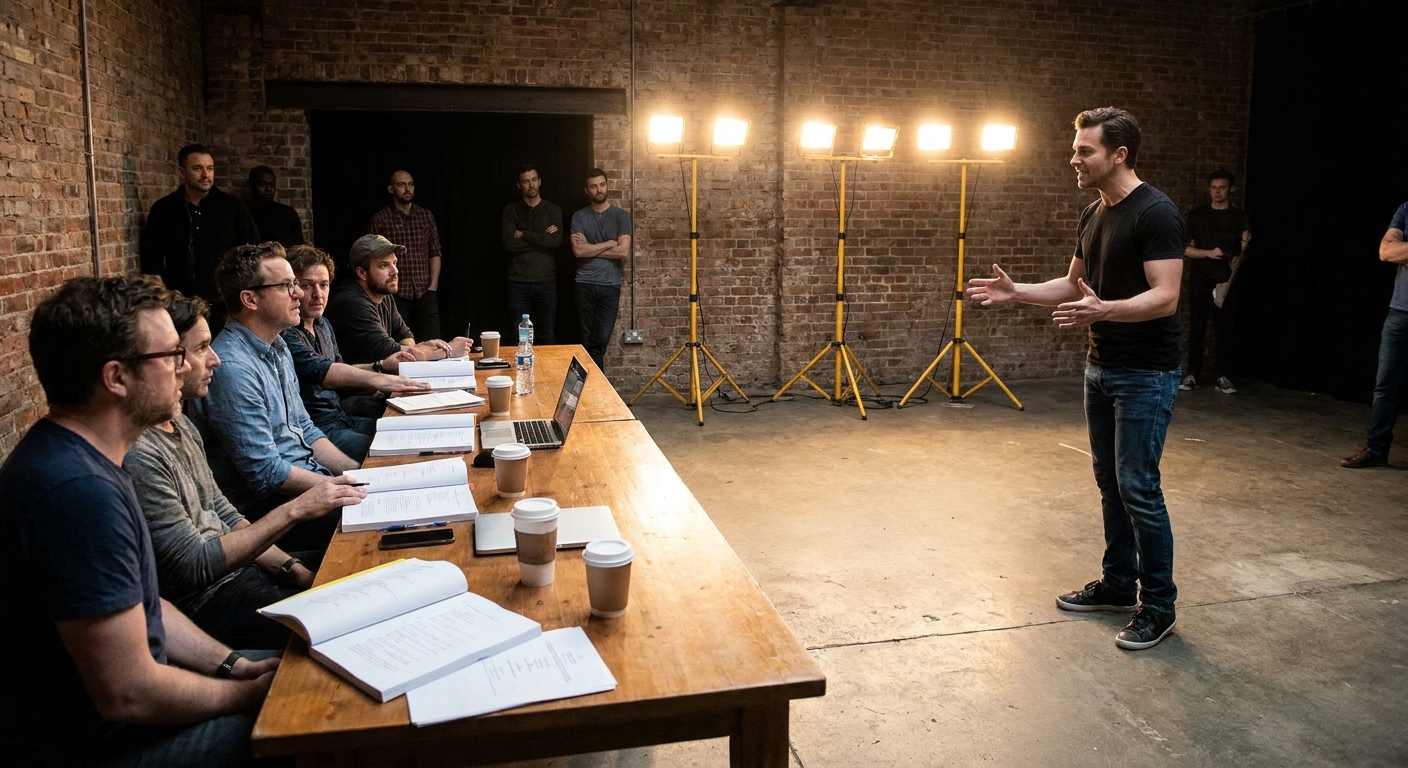
A reader sits off to the side and reads the other role opposite you, keeping the scene moving and helping you stay on track. Your job is to connect, not to compete with them. If you are reading across a desk, treat it like blocking, not a limitation. If you are allowed to stand, do not pace to prove you are acting. Move only when it helps the moment.
5) Redirects
Casting may ask you to do it again with a change. This is often the real test. Cold reads are as much about adjustability as they are about raw performance.
Cold read vs. monologue vs. table read
These can feel similar because they all involve scripts, but they are different muscles.
Cold read
- You just received the material.
- You perform quickly, often while still decoding the scene.
- You can stay on book and use the pages, but you must still act.
Prepared monologue
- You choose the material.
- You rehearse for timing, emotional turns, and clarity.
- You are off book (in most audition settings) and expected to show polish.
Rehearsed table read
- The script is known in advance and the read is scheduled.
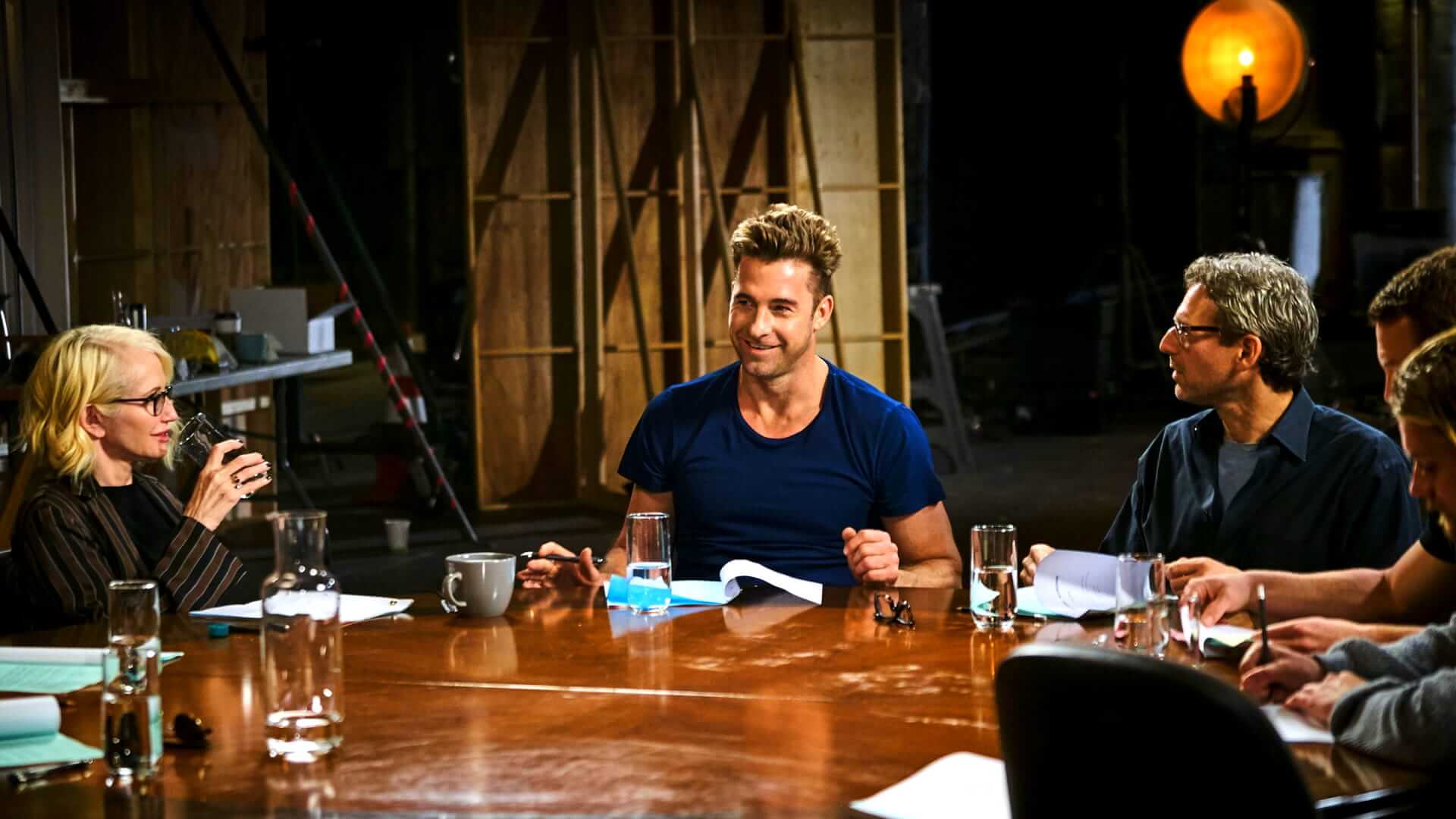
- The goal is exploration: hearing the piece out loud, shaping tone, spotting story issues.
- The environment is collaborative and typically not evaluative in the same way an audition is.
If a cold read is a pop quiz, a monologue is a practiced recital, and a table read is a group lab where everyone is solving the same problem together.
The first minute
That first quiet minute can feel like an eternity. Use it like a pro. Here is what I have watched strong actors do, again and again, in rooms that move fast.
1) Name the situation
Ask: Who am I, who am I talking to, what do I want right now? Even a basic answer gives the scene spine.
2) Clock the tone
Is it a single-cam comedy with bite? A network procedural? A grounded indie drama? Genre affects pace, intensity, and how big the reactions can be.
3) Track the turn
Look for where the scene shifts. It might be a reveal, a new tactic, or a line that changes the temperature. Mark it lightly with your thumb or a subtle pencil tick if allowed.
4) Mark landmines
- Difficult names and pronunciations
- Exits and entrances, if indicated
- Any action that matters: “beat,” “pause,” “realizes,” “laughs,” “hides”
5) Choose a playable action
Instead of aiming for an emotion like “sad,” pick something active like convince, deflect, charm, corner, or protect. Actions translate fast, even when you are on book.
6) Decide how you hold the sides
It sounds small, but it changes everything. Hold pages high enough to glance without dropping your head, and keep them steady so you are not telegraphing nerves with paper noise. If you can, turn pages quietly before you start to see if there is a mid-scene flip coming.
If you only do one thing in the first minute, do this: identify what your character wants from the other person in the scene, and play that want like it matters.
On-camera specifics
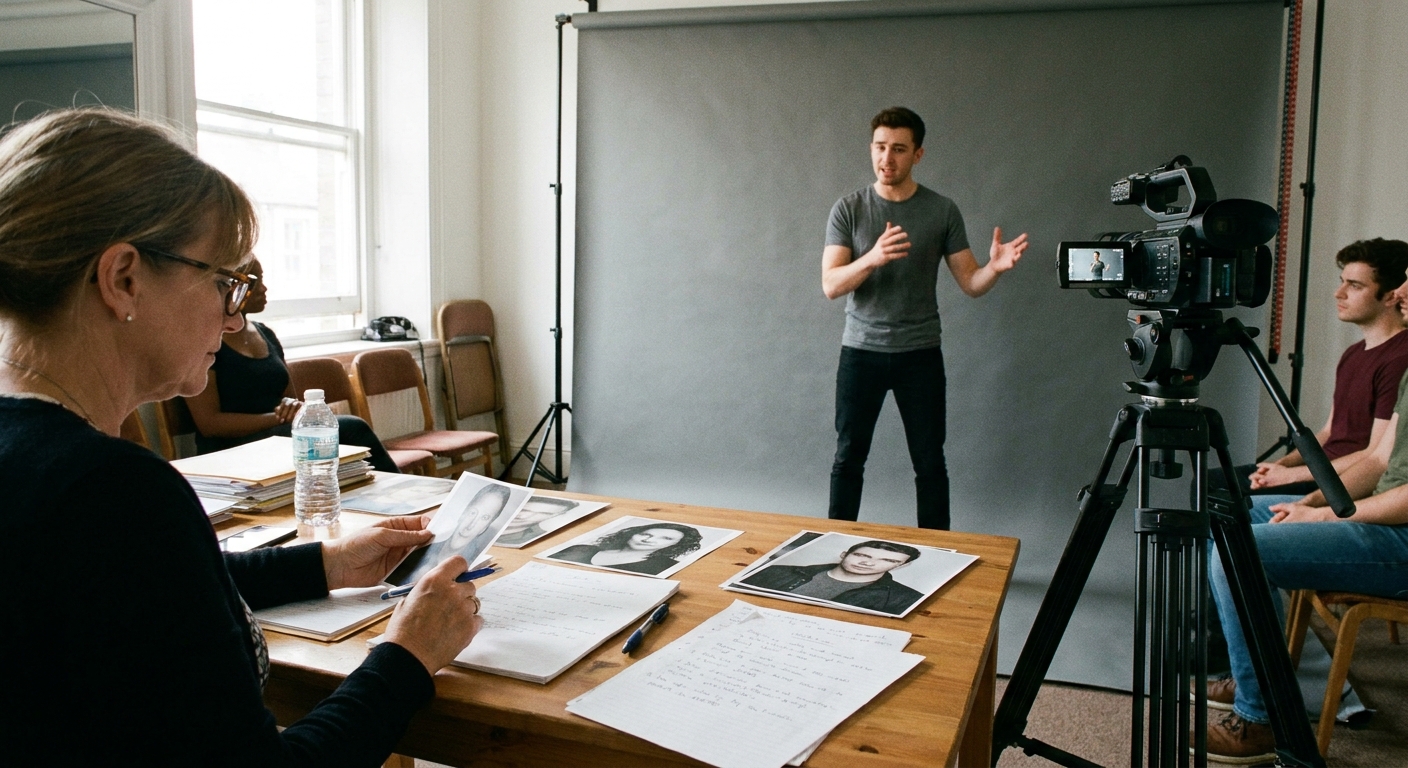
On-camera cold reads add one more job: managing your eyeline while staying present.
Keep your eyeline clean
Find out where the reader is and commit. If the reader is off to the side, give them your focus for connection, then return to the page briefly for accuracy. Avoid ping-ponging your eyes every half-sentence.
Bring the pages up
Keep the sides closer to eye level so your head stays lifted. You do not need to pretend you are off book. You just want your face available, especially on close framing.
Let it look simple
A cold read for camera is often won with clarity. Stillness reads as confidence. Big choices can work, but “big” is never a substitute for specific.
VO specifics
Voiceover cold reads move fast. The room may care less about perfect diction and more about whether you can take direction instantly and repeat a choice cleanly.
Mark fast, not fancy
Underline the words that carry the meaning, circle the brand name, and note the one shift in attitude. You do not need a novel in the margins.
Energy and pace
Commercial copy often needs lift and forward motion without sounding like a game-show host. If you are unsure, start grounded and let them push you brighter, rather than arriving too hot and having to back down.
What casting is judging
Yes, they are listening for talent. But in a cold read, they are also looking for evidence you will be a good collaborator on a tight schedule. Here is what tends to stand out.
Comprehension and instincts
Do you understand the story you are in? Do your choices make sense for the moment, or do you default to a generic audition voice?
Listening
Even if you are reading, are you responding to the other person, or waiting for your turn to talk? Cold reads punish actors who are busy performing at the page instead of engaging.
Clarity
Can we follow your thoughts? Do we hear the shifts? Are the key lines landing with intention?
Pace
Nerves often speed people up. Casting notices when you can breathe, let a moment land, and still keep the scene moving.
Eyes up, page down
You do not have to lock eye contact the whole time, but you should not live in the paper. Strong cold readers glance down for accuracy, then bring the moment back to the partner.
Adjustment
If they redirect you, can you change the scene without apologizing for it? If you can take a note, you can survive rehearsal, rewrites, and a director who finds the scene on take three.
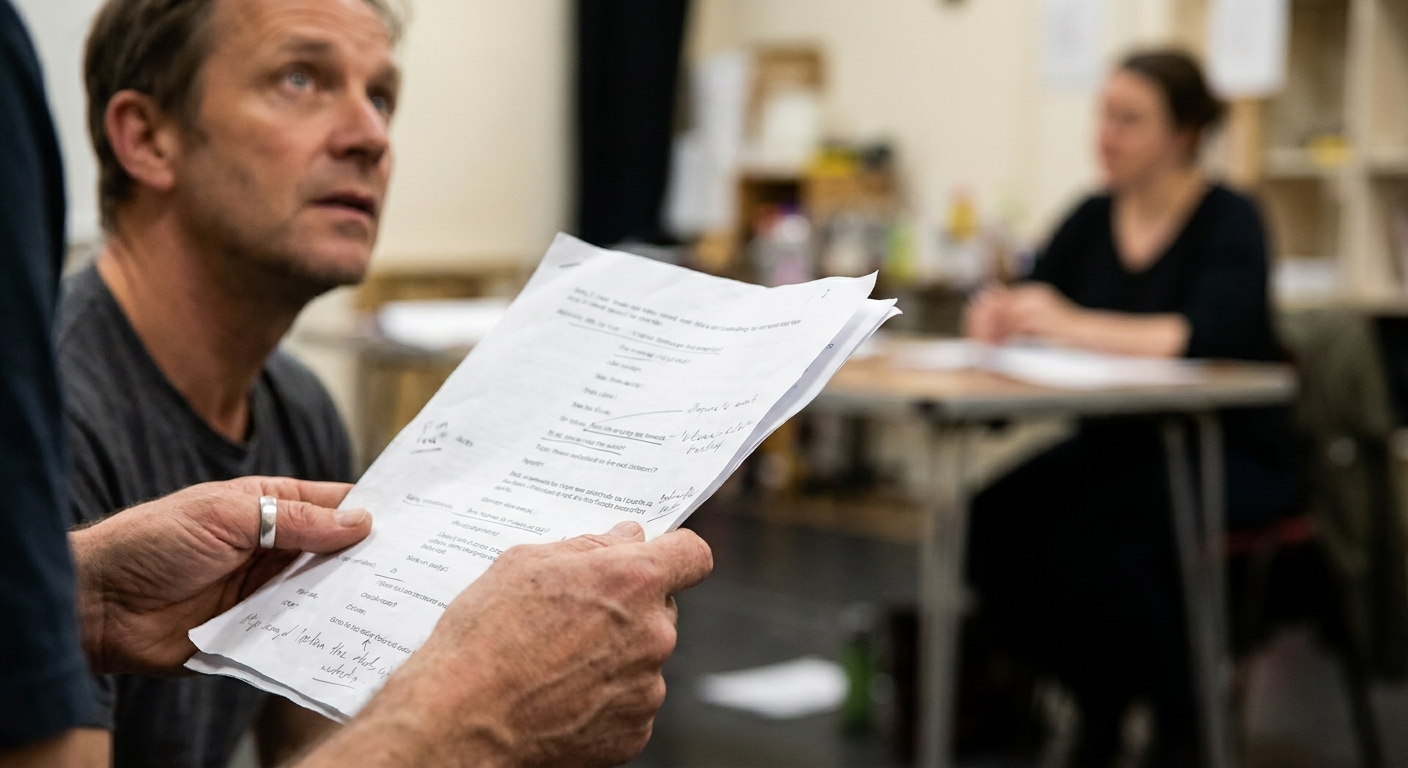
Etiquette that helps
- Ask before marking. If you have a pencil and want to circle something, a quick “Mind if I make a small mark?” is professional.
- Keep paper noise down. Unfold pages before you start, and turn them cleanly. It sounds petty until you hear it in a quiet room.
- Return the sides if asked. Some offices collect them, especially for projects that are not yet public.
- Do not apologize. Everyone knows it is a cold read. A calm reset reads better than a running commentary.
FAQ
Are you supposed to memorize?
Usually, no. You are allowed to be on book. If you naturally pick up a line and can say it while staying connected, great. But forcing memorization in two minutes often makes actors look down more, not less.
Can you ask questions?
Yes, if the question is quick and practical. “How do you want this pronounced?” or “Are we playing this as comedy or grounded?” can help. Avoid questions that sound like you want the room to do your character work for you.
What if you make a mistake?
Correct it cleanly and keep going. Casting is watching your recovery. A calm reset is far more impressive than spiraling.
What if you need an adjustment?
Ask early and plainly. “Could I get this in larger print?” or “Do you mind if I take one more minute to scan for pronunciations?” is better than struggling in silence. Most rooms would rather help you do your best work than watch you fight the font size.
Is a cold read the same as sides?
No. Sides are the pages. A cold read is the act of performing them with little to no preparation.
The takeaway
A cold read is not a trap. It is a snapshot of how you work when time is short: how fast you understand, how well you listen, and how confidently you can make the page feel alive. Use that first silent minute to find objective, relationship, and the scene’s turn, then put your focus where it belongs: on the other person and the story you are telling together.