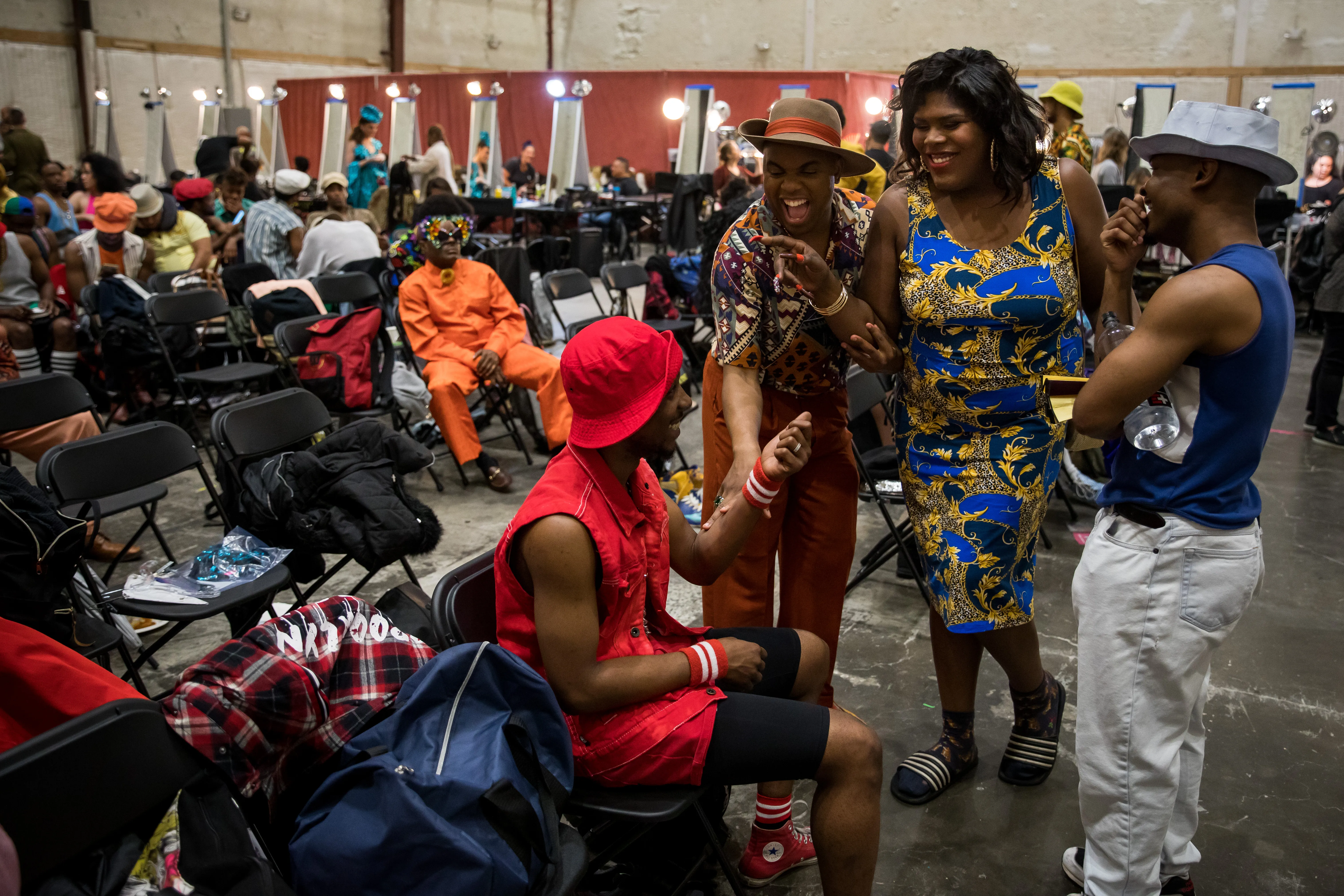
The first time I watched a crowd scene come to life, it felt like stagecraft with a film camera watching. Dozens of people, each with a tiny purpose, all moving like they belong. And while the director and stars get the headlines, there is almost always one person quietly keeping the background from turning into chaos: the background coordinator.

If you are new to being an extra, or you have been booked a few times and still wonder who is actually in charge of you once you arrive, this is the job title to know.
Background coordinator, defined
A background coordinator is a crew member who helps manage background actors (extras) during the shoot day. In plain terms, they are often the person who checks extras in, helps organize them, and works with set leadership to place them where they need to be for a scene.
One important note up front: titles and duties vary a lot by region, union rules, and production size. On some shows, what I am describing is handled by a BG AD, 2nd 2nd AD, Key PA, or a small team. In other cases, “background coordinator” can be more of an office-facing role, with on-set direction coming from the AD department.
Depending on the production, you may also hear closely related titles like background assistant director (BG AD) or background PA. Labels shift, but the core idea stays the same: once you arrive, there is usually a designated person or team wrangling background.
What a background coordinator does
The work is practical, people-focused, and relentlessly time-sensitive. A background coordinator keeps the human logistics of the background moving so the director and assistant directors can focus on the shot and the schedule.
Check-in and tracking
- Checks extras in when they arrive and confirms who is present.
- Confirms key details such as role type (for example, “pedestrian,” “bar patron,” “office worker”) and any notes from casting.
- Keeps tabs on where people are as they move between holding, wardrobe, hair and makeup, set, and meal breaks.
Placement and action
- Directs background to positions in the environment: where to enter, where to cross, where to sit, where to gather.
- Sets simple, repeatable actions that read as real life and match the camera’s needs.
- Reinforces instructions between takes, especially when timing needs to match a camera move or a principal actor’s action.
Problem-solving
- Handles background issues fast like confusion about where to go, last-minute adjustments, or continuity hiccups such as someone holding the wrong prop.
- Coordinates with wardrobe and props when something needs to be swapped or matched.
- Flags distractions that could pull focus, like bright logos, modern accessories in a period scene, or repeated faces popping up in multiple places.
Communication across departments
Background work lives at the intersection of several departments. A background coordinator often acts as a translator between what the shot needs and what a crowd can realistically do repeatedly, safely, and on time.
Who they report to
In many productions, background coordination is tied closely to the assistant director department, since background affects timing, safety, and shot execution.
But it is not universal. Depending on the show, a background coordinator may work more directly with the production office or casting on logistics, while on-set direction comes through a BG AD or the AD team. If you are unsure who is steering the ship, look for who is giving the instructions at set and who is holding the radio that everyone listens to.
What they do not control
This is where many first-timers get mixed up. The background coordinator is a manager on the ground, but they are not the person who decides everything about your job.
They usually do not book you
On most professional sets, booking is handled by the casting office that hired you. That said, on smaller productions, non-union shoots, commercials, or regional markets, the same person might coordinate and cast. If the person checking you in also asked for your availability and photo the night before, you may be in one of those setups.
They do not set call or wrap
Call times come from production needs and get communicated through the proper channels. Wrap depends on the day’s work, the schedule, and plenty of variables the background team does not control.
They do not own the creative vision
The director, cinematographer, and production designer shape the overall look of the scene. Background coordinators execute that vision in human terms: where people go, how they move, and how to repeat it cleanly take after take.
They are not your agent
Even when they are kind and encouraging, their job is not to plan your career. Their focus is getting today’s scene filmed efficiently and safely.
Coordinator vs. casting
Think of it like the difference between getting the ticket and being seated when you arrive.
- Casting office: Books the background role, communicates the initial details, and handles hiring logistics.
- Background coordinator or BG team: Manages background once you are on the ground, keeping people organized and placed to serve the scene.
If you have a question about what you were booked as, casting is often the source. If your question is about where you should be right now and what you should do in this take, the background team is your lifeline.
Coordinator vs. AD team
On most sets, the assistant director team (ADs) runs the floor: coordinating departments, keeping safety protocols in place, and managing the pace of the day. They are the traffic controllers of production.
The background coordinator works in that ecosystem by focusing on one key moving part: the crowd. When it works well, it is almost invisible. The ADs can set the plan, the camera can roll, and the background looks alive without slowing the machine down.

In other words, the AD team may give the big-picture instruction, while the background coordinator translates it into specific, repeatable actions for dozens of people.
What it is like as an extra
If you are an extra, the background coordinator is often the person you interact with most once you are out of holding. They will likely:
- Give you quick, clear directions and expect you to listen the first time.
- Repeat the same adjustment across multiple takes, because continuity matters.
- Move you around, not as punishment, but because camera angles change and the scene evolves.
- Ask for quiet and focus, especially near set where sound is rolling.
A typical instruction might sound like: “On action, cross to the bar, pause like you are waiting for a drink, then exit frame right on my cue.” Simple, specific, and designed to be repeated ten times in a row.
My favorite background coordinators have the same vibe as great stage managers: calm voice, sharp eyes, and an ability to make a complicated moment feel surprisingly doable.
Useful terms to know
You do not need to be fluent in set slang, but a few words come up constantly when background is being staged:
- Holding: Where background waits between setups.
- Staging: The area where background lines up and gets organized before going to set.
- Reset: Go back to your starting position and do the same action again.
- Background action: Your movement for the take, usually designed to be subtle and repeatable.
- Lockup: A request to hold movement and stay quiet so the shot and sound are clean.
Basic etiquette and safety
These are the small things background coordinators are constantly protecting:
- Do not cross set or walk into the shot unless you are directed to.
- Stay quiet near set when you are told sound is rolling or lockup is happening.
- Speak up early if you have a wardrobe issue, a prop problem, or a safety concern. Quiet confusion can burn a lot of time.
Quick FAQ
Is a background coordinator the same as a background casting director?
No. Background casting (or the casting office handling background) is focused on booking. Background coordination is focused on managing the extras once they arrive, although on smaller productions one person may wear both hats.
Who do extras report to on the day?
On the ground, extras usually take direction from the background coordinator, BG AD, or background PA team, within the chain of command set by the AD department.
Can they change my pay or upgrade me?
Typically, they cannot approve pay changes on their own. They can flag or verify something that may qualify as an upgrade (for example, a special ability, specific wardrobe, or a prop interaction) and communicate it up the chain. Final approval usually runs through production and casting.
Why do they move people so much?
Because the camera moves, the shot changes, and continuity has to match. Background coordination protects the illusion that the world behind the leads is consistent and natural, even though it is built out of repeated actions.
The takeaway
A background coordinator is often the on-set point person who keeps extras organized, placed, and ready to repeat action cleanly. The exact title and chain of command can vary, but the goal is the same: keep the crowd believable, keep it safe, and keep the day moving.