I have a small pre-show ritual I never skip: I read the whole playbill, I clock the set designer, and I quietly note the sightlines. That last one is not me being precious. It is survival. Nothing deflates the buzz of a big night out like realizing your bargain ticket comes with a bonus feature: a pole starring in every scene.
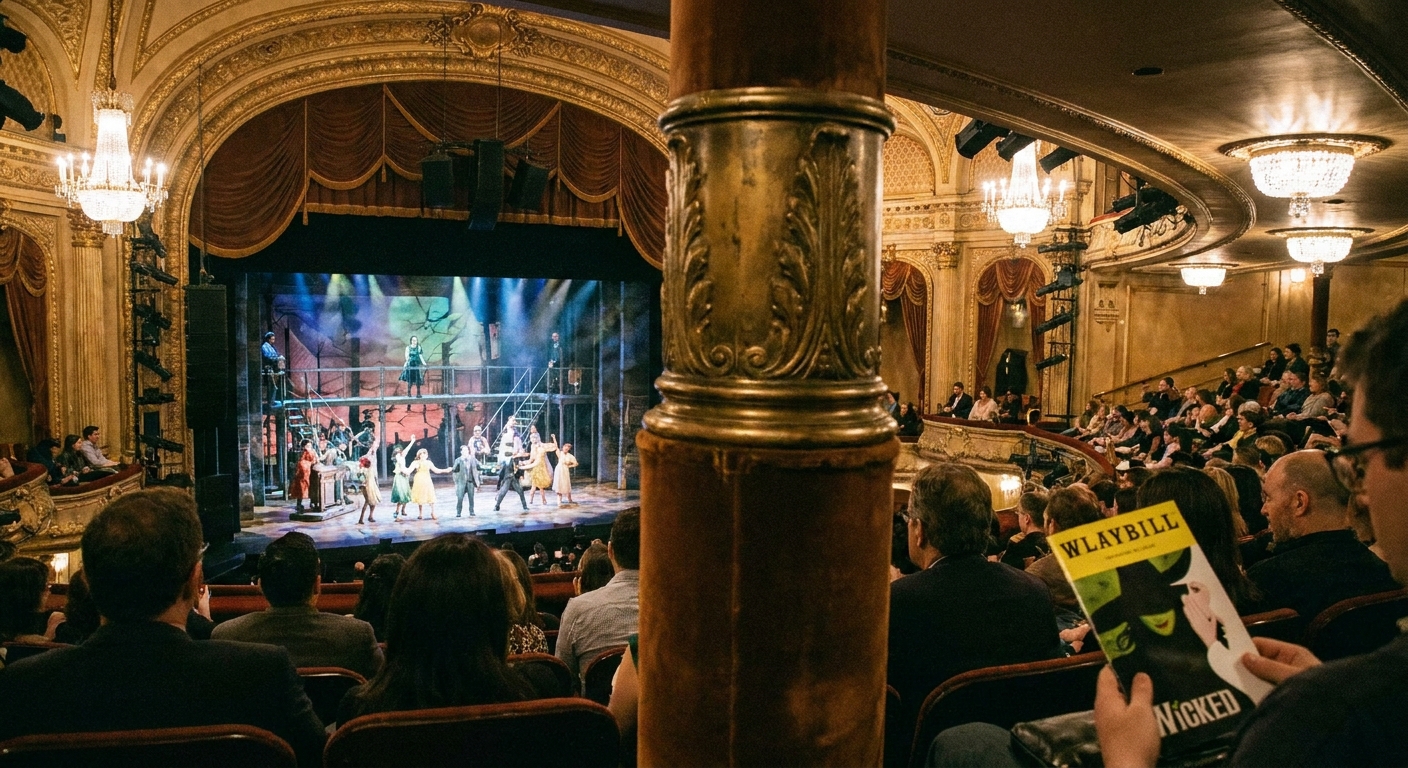
If you are staring at a ticket listing labeled obstructed view, limited view, or partial view, here is what those labels typically mean, what can actually be blocked, and how to tell whether the discount is a steal or a setup.
What it means
An obstructed-view seat is a ticket where part of the stage, screen, or performance area is blocked by something structural or technical. The venue or ticketing platform is warning you that you will not have a complete, unobstructed line of sight for the full show.
Importantly, “obstructed” does not automatically mean “bad.” It means you are buying a compromise. Sometimes the compromise is minor, like missing the very edge of a set piece. Sometimes it is major, like losing sight of a lead performer whenever they cross to one side.
Obstructed vs. limited vs. partial
Ticketing language is not perfectly standardized across venues. Some places use these terms differently, and some use them interchangeably. Here is how they usually shake out:
- Obstructed view: A physical object blocks part of what you would normally see from that seat. Think columns, railings, overhangs, lighting positions, speaker stacks, safety glass, or camera platforms.
- Limited view: A broader warning that your view may be restricted due to angle, height, or staging. The restriction might be an object, but it can also be the geometry of the room, like a sharp side angle where you cannot see deep into the stage picture.
- Partial view: Often used similarly to limited view. Typically it implies you will miss a portion of the performance area some of the time, or that a specific zone is affected, like the upper stage, a corner, or a runway extension.
If a listing includes both a label and a note, trust the note more than the label. “Partial view of upper stage” tells you far more than “limited view” ever will.
What causes the obstruction
Most obstructed-view surprises fall into a few predictable categories. When you are judging a listing, picture what the physical barrier might be.
Columns and supports
Older theaters and some ornate venues have columns that land right in a sightline. These are the classic “pole seats,” and they can cut out a slice of the stage that never comes back, no matter how you lean.
Railings and barriers
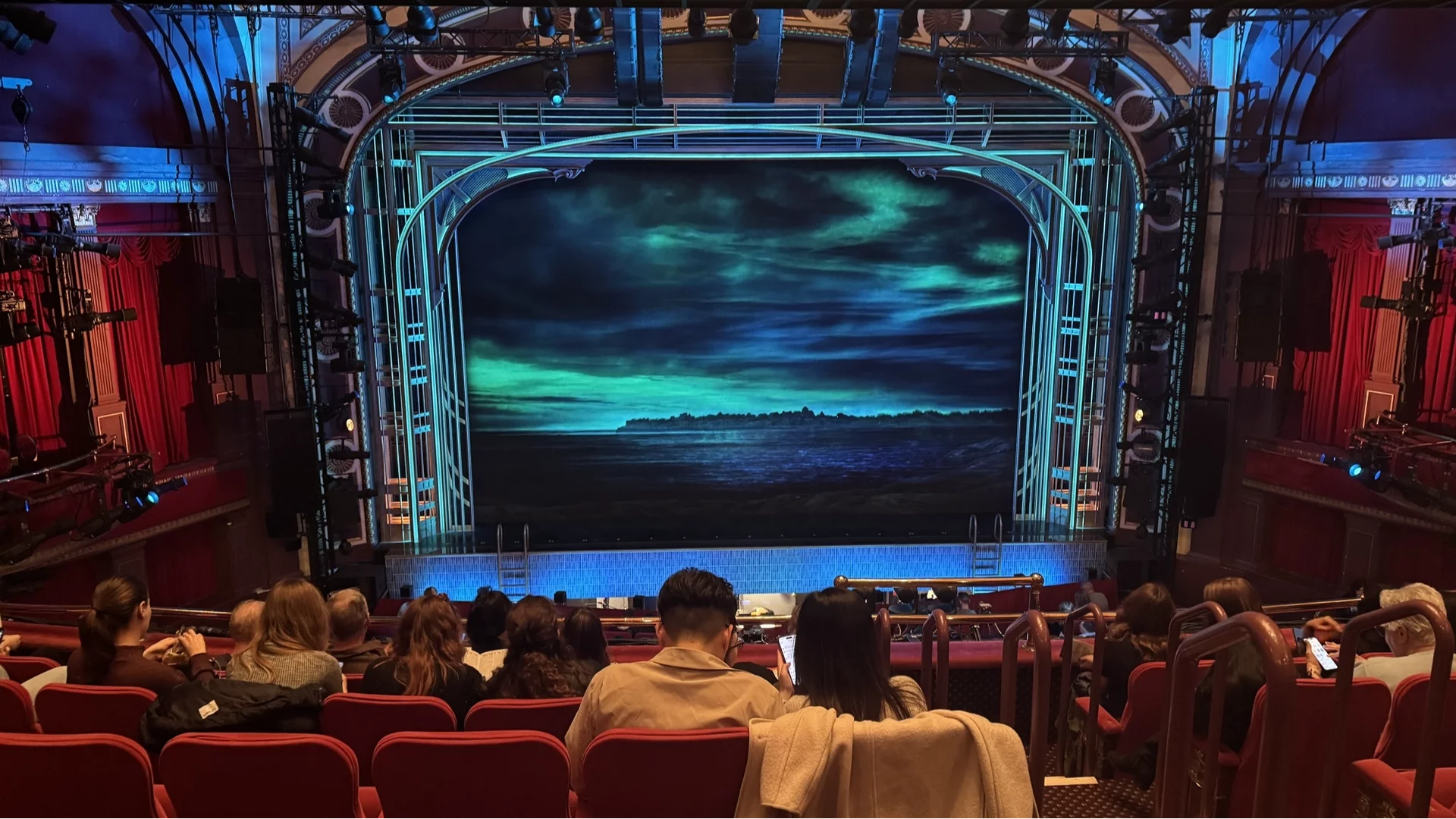
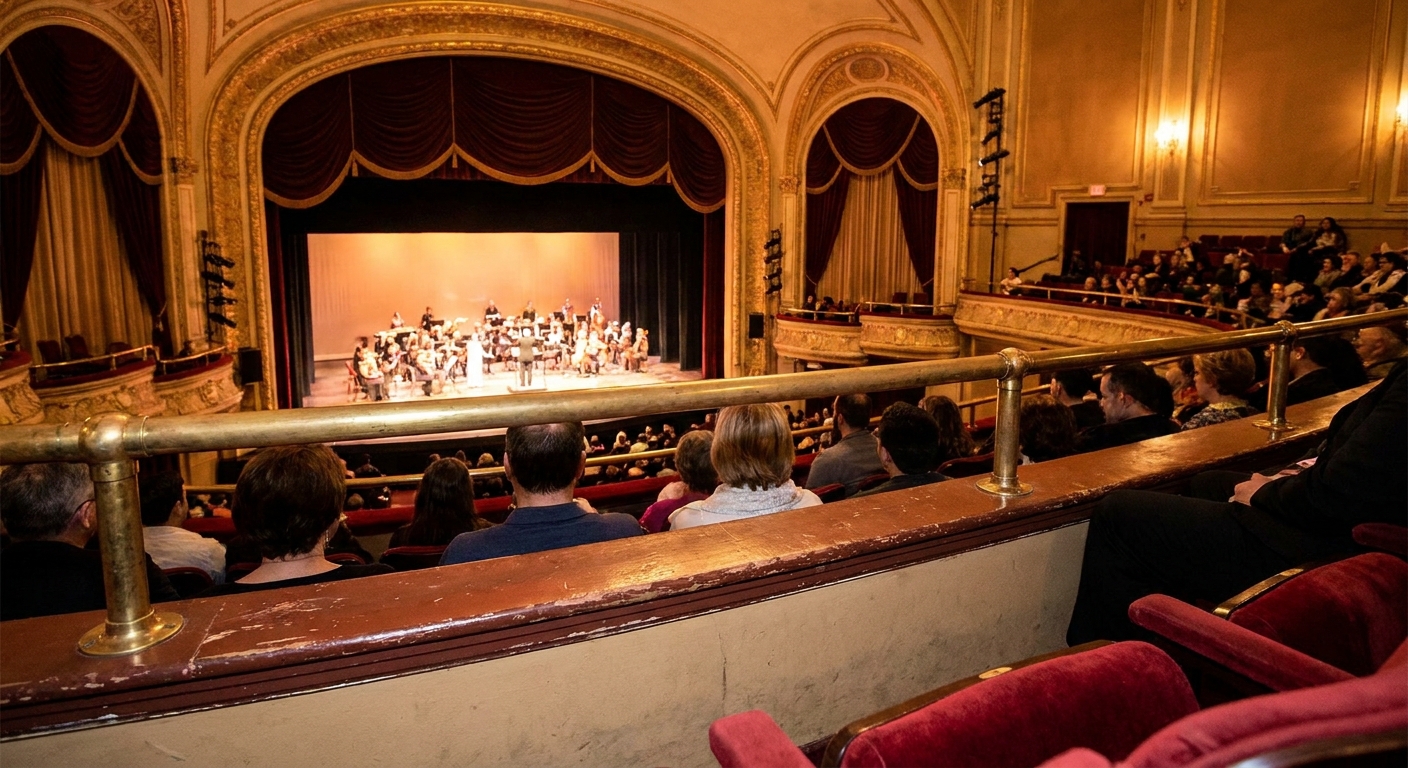
Front-row balcony and mezzanine railings are common culprits. The stage might be visible, but the lower portion of the action, like choreography at floor level, can be partially hidden depending on your height and posture.
Overhangs and low ceilings
An overhang can block the top of the stage picture, which matters more than people realize. You might lose projections, flying scenery, aerial work, or the upper half of big scenic reveals.
Tech positions
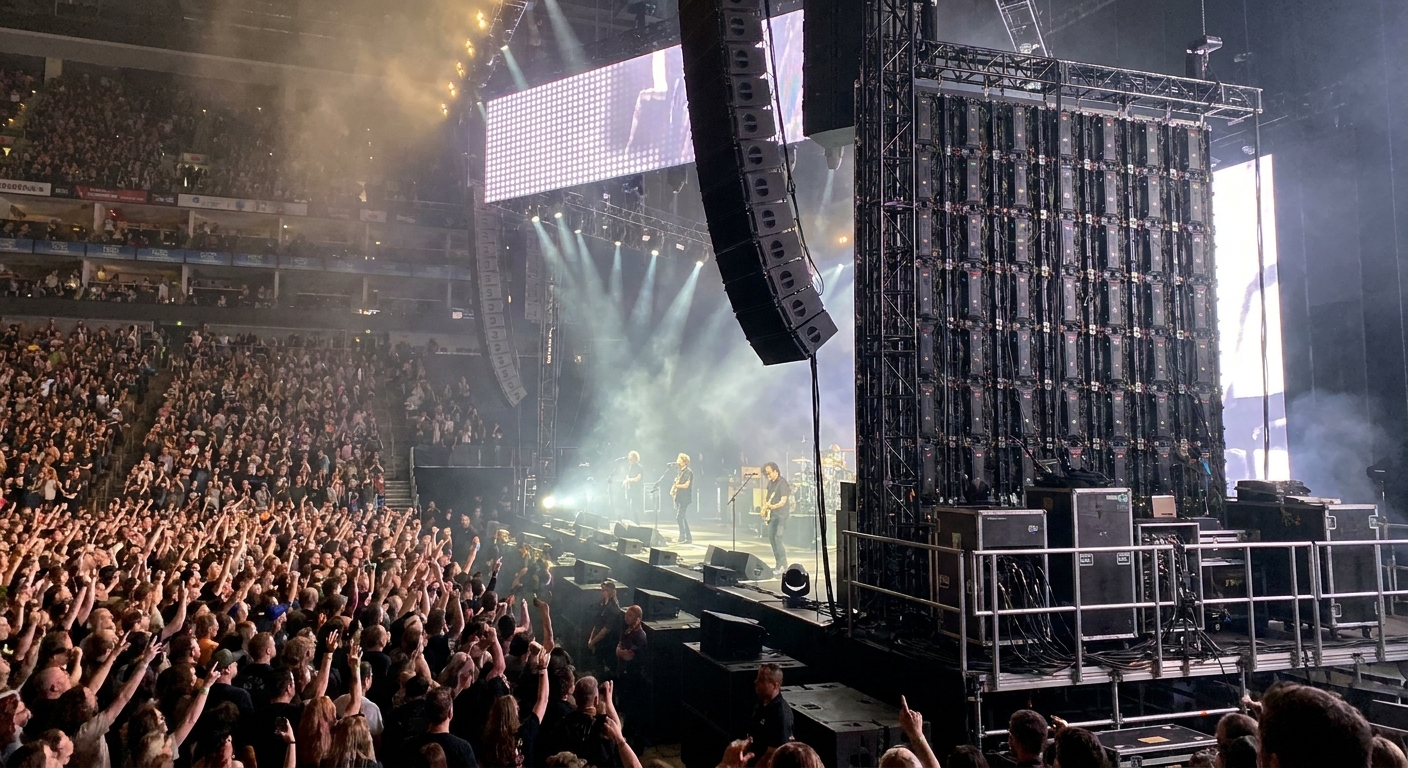
Lighting ladders, speaker clusters, and sound mix towers exist to make the show work, not to make your view pretty. In concert settings, a speaker stack can take a meaningful bite out of the stage, especially if the performer stays rooted near a mic stand.
Production changes
Some shows add camera rigs, platforms, or extended staging that changes what “good view” even means. A seat that is fine for one concert tour can become limited for another if the set design is taller, wider, or more projection-heavy.
What you might miss
The stakes of an obstructed view depend on the kind of performance you are seeing and how the production uses space. Also worth saying out loud: some seats that come with view warnings also come with sound quirks, especially under an overhang or in extreme side sections.
Theater
- Stage-left or stage-right action: Directors block scenes to both sides. If your seat loses one wing, you can miss entrances, exits, and whole exchanges.
- Upper stage picture: Projections, balcony scenes, flying effects, and tall scenic pieces can be diminished by an overhang.
- Subtle acting: A restricted view often goes hand-in-hand with distance or angle, which can make facial expressions harder to read.
- Under-balcony vibe: Not always labeled obstructed, but an under-balcony seat can feel visually and sonically “boxed in” compared to an open sightline.
Concerts
- Main performer at center mic: If your obstruction sits between you and center stage, you can spend the night watching shoulders and screens.
- Video screens: Some “limited view” seats block the big screens, which is a bigger deal in a stadium where screens are how you see details.
- Full stage design: If you love the craft, you might care about the full lighting and scenic composition, not just hearing the songs.
Comedy and spoken-word
- Face and body language: Timing lives in expression. A small obstruction can matter more here than at a loud, high-energy concert.
How to judge a listing
“Obstructed view” is a headline. You need the fine print. Here are the most reliable ways to evaluate what you are actually buying.
1) Read the exact wording
Look for notes like:
- “Obstructed view of stage left”
- “Railing may obstruct lower portion of stage”
- “Limited view of video screens”
- “Partial view due to overhang”
Those phrases tell you what is blocked and often where.
2) Check the primary seller or box office notes
If you can, compare the listing to the venue or primary ticketing page for that event. Primary listings often include the clearest seat-disclosure language, and resellers sometimes shorten it.
3) Use the seating chart, then zoom in
Seating charts vary in detail and accuracy, but they can still help you locate whether you are near:
- a column line
- a front railing
- a tech booth or camera platform
- a wall or extreme side angle
4) Cross-check with real audience photos
If you can find photos taken from the same section and row, that is gold. When you are looking at photos, pay attention to whether the person is standing to shoot. Standing can hide how much a railing blocks when you are seated.
5) Ask one blunt question
If you are buying from a reseller, do not be shy about requesting specifics. Ask what the obstruction is, and how much of the performance area it cuts out. A trustworthy listing can usually clarify whether the issue is a small slice of the stage or a significant portion.
6) Consider your height and comfort
This is the unglamorous truth: a railing obstruction is different for someone who is 5′2" than for someone who is 6′2".
- If the obstruction is a railing, your seated eye level matters.
- If the obstruction is a column, leaning can help a little, but it often becomes a two-hour neck workout.
- If the obstruction is an overhang, posture will not fix it.
7) If accessibility is a factor, call ahead
If you use a wheelchair, have low vision, or need an aisle for mobility reasons, sightlines can be more than a preference. Many venues can advise on options or accommodations, but it is much easier before showtime than at your seat.
When it can be worth it
I am not anti-discount. Some partial-view tickets are genuinely smart, especially if your priorities are sound, atmosphere, and being in the room.
- The note says you miss a small corner, not a whole side. Example: “Partial view of far stage right.” Many shows keep key action centered enough that this is manageable.
- The performance is music-forward. For concerts, if the sound is solid and you are not counting on screens, a minor obstruction can be worth it.
- You know the show well. Seeing a favorite musical again? Missing a scenic detail may sting less than missing the chance to go at all.
- The discount is meaningful. A small inconvenience for a small discount is not a bargain. A small inconvenience for a big discount can be.
- You are going for energy, not perfection. Some nights are about being part of the crowd and letting the room carry you.
One of the best deals I have ever seen was a rail-affected seat where I lost some floor-level choreography but gained a gorgeous, immersive sense of the lighting design and the audience response. It was not the “best seat.” It was a great night.
When to skip it
Sometimes the smartest move is saving your money, even if the price is tempting.
- The obstruction blocks center stage or the primary screen. If the lead performer or key visuals live where you cannot see, the show becomes a frustrating game of catch-up.
- The listing is vague and cannot explain what is limited. “Limited view” with no further detail is a risk, especially at high prices.
- You are going for a spectacle-heavy show. If the production is known for big projections, flying effects, or scenic reveals, an overhang or side-angle limitation can undercut the whole point.
- You will be annoyed the entire time. If you know you will fixate on what you are missing, it is not worth the savings.
- The seat requires constant leaning. Two hours of craning your neck is not a triumph of thrift.
Quick checklist
If you are deciding in a hurry, run through these questions:
- What exactly is blocked? A corner, a side, the top, the screens, or the center?
- Is the obstruction fixed? Columns and overhangs do not change. A camera platform might, depending on the event.
- Can you live with what you will miss? Be honest about your priorities.
- Is the discount proportional? Bigger limitation should mean bigger savings.
- Is this a show where visuals are the point? If yes, be stricter.
FAQ
Are obstructed-view tickets always cheaper?
Usually, yes, but not always by as much as you would hope. Pricing is dynamic, and sometimes a venue will still charge a premium if demand is high. Treat the label as a warning sign, not a guarantee of a deal.
Can I complain and get moved?
If the ticket was clearly labeled obstructed, the venue has often delivered what you bought. Still, policies vary, and it can be worth politely asking an usher whether any seat moves are possible. It depends on house policy, availability, and the performance, and a move is a kindness, not an entitlement.
What if the obstruction is worse than described?
If the listing language suggests a minor limitation and you encounter a major blockage, document it immediately. Take a quick seated photo, note your section, row, and seat number, and contact the point of purchase. Some sellers may be more flexible if the obstruction is materially different from what was disclosed, so it is also smart to check the ticket terms for that venue and event.
Is “side view” the same thing?
Not necessarily. A side view can be unobstructed but angled. Obstructed implies something is physically in the way, or that a portion of the performance area is not visible from your position.
The bottom line
An obstructed-view seat is a trade: less visibility for a lower price. The key is making the trade with your eyes open. Read the note, identify what is blocked, and decide whether the discount buys you joy or just irritation. When the limitation is small and the savings are real, partial view can be a perfectly respectable way to get in the room. When the blockage eats the heart of the show, skip it and wait for a better listing.