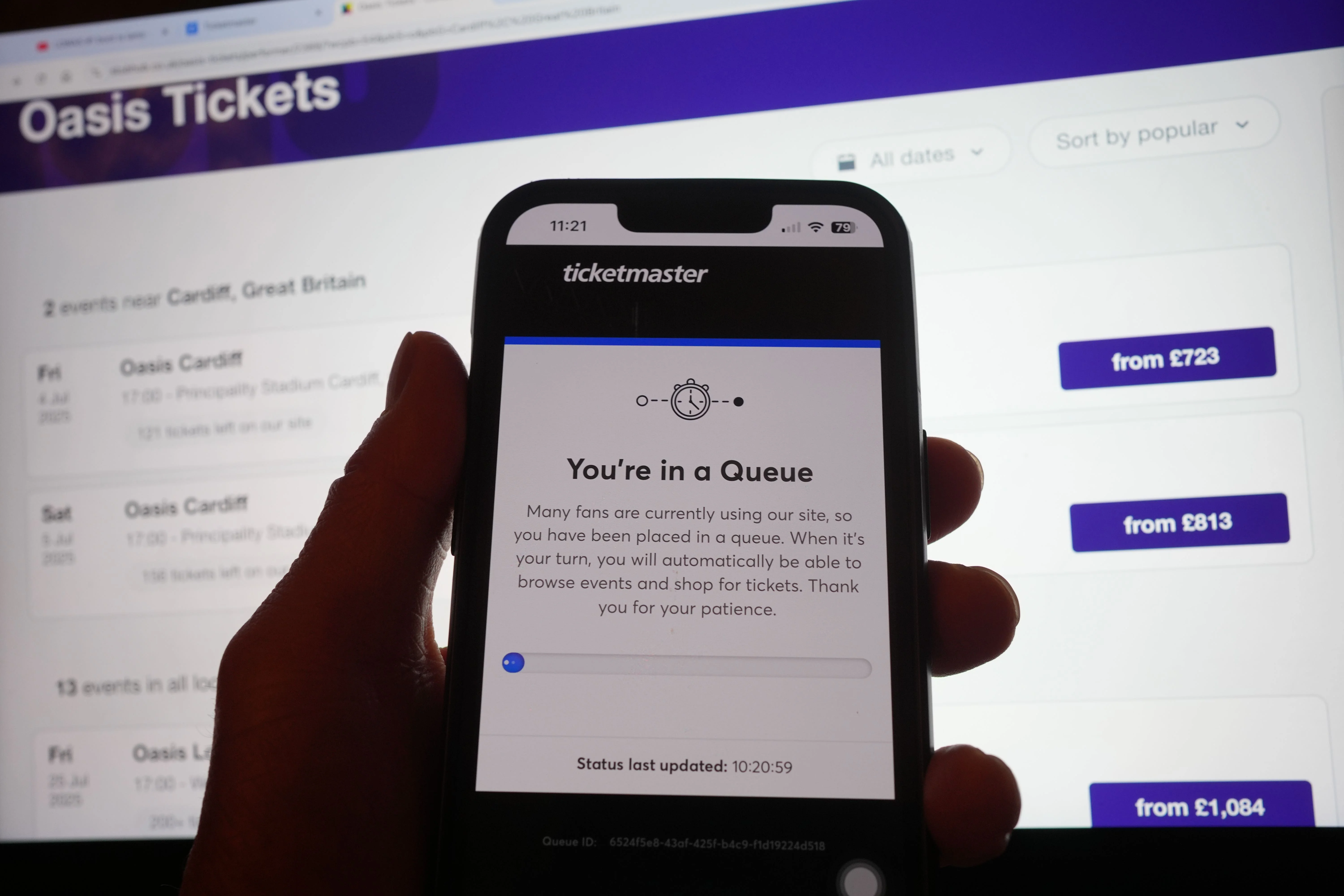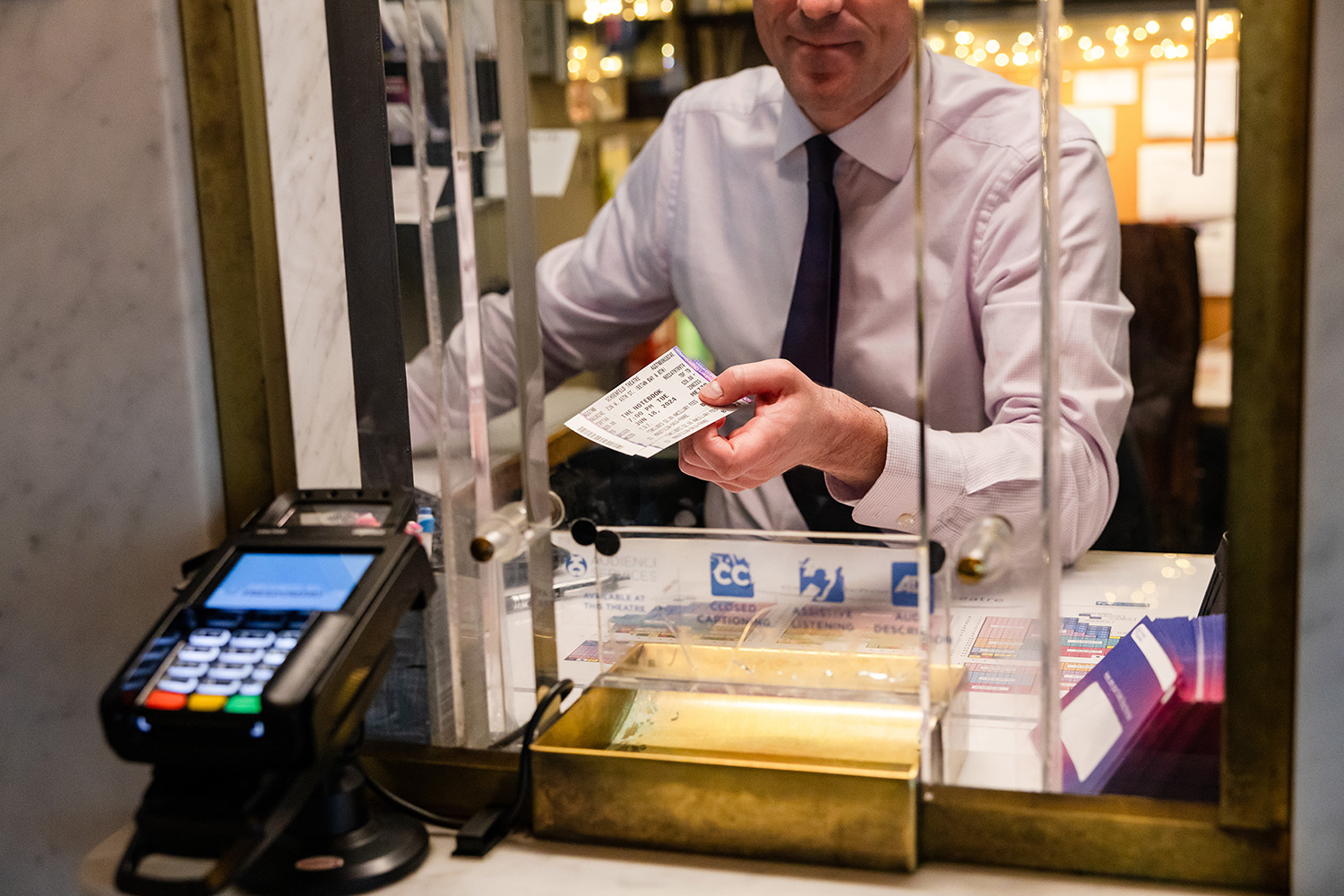
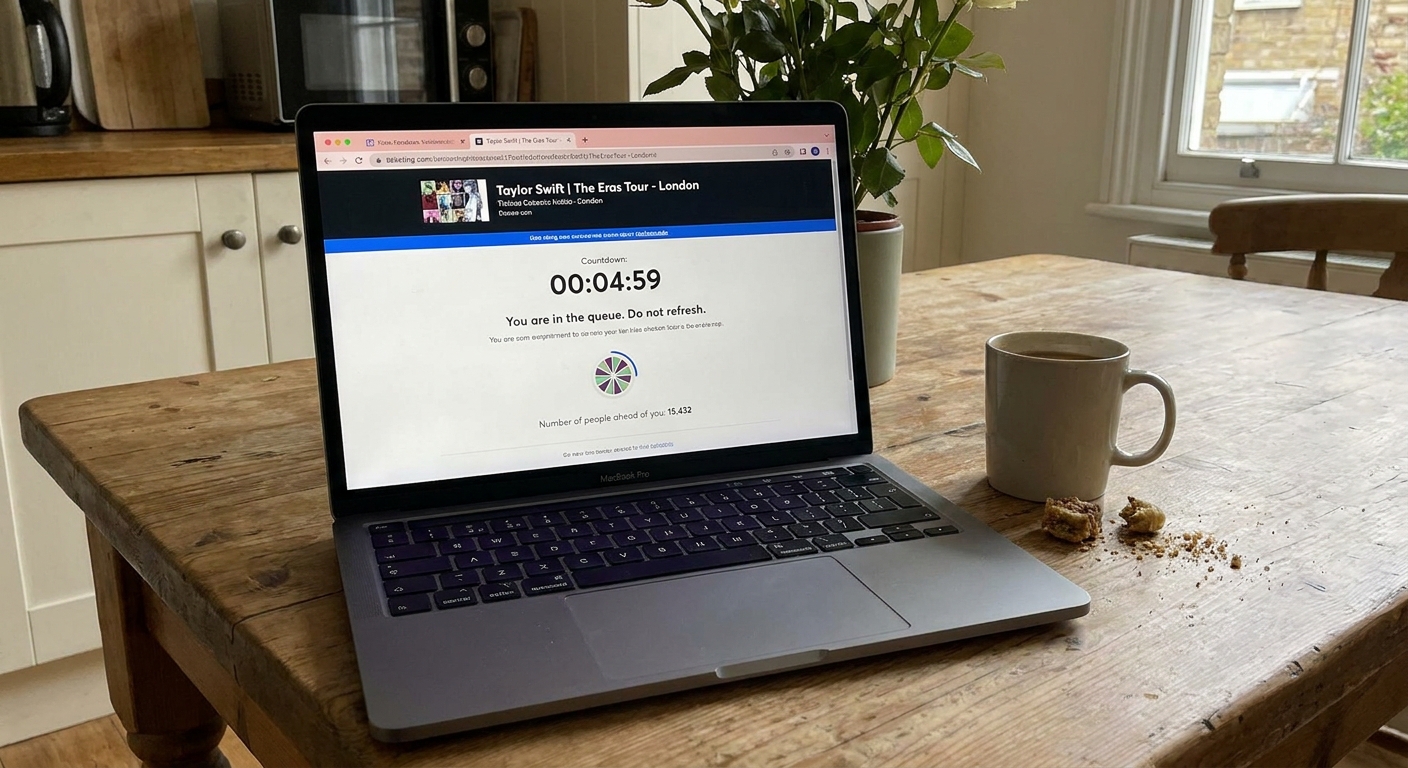
I learned what a presale really was the way a lot of us do: squinting at my phone on a Tuesday morning, coffee cooling beside me, watching a little walking person inch across a virtual “queue” while my group chat debated whether “PLATINUM” meant fancy seats or a fancy way to make us cry.
For the record: “Platinum” tickets on major platforms usually means dynamically priced premium inventory. It is not automatically the best seat in the house. It is often just the seat the algorithm thinks you will pay extra for.
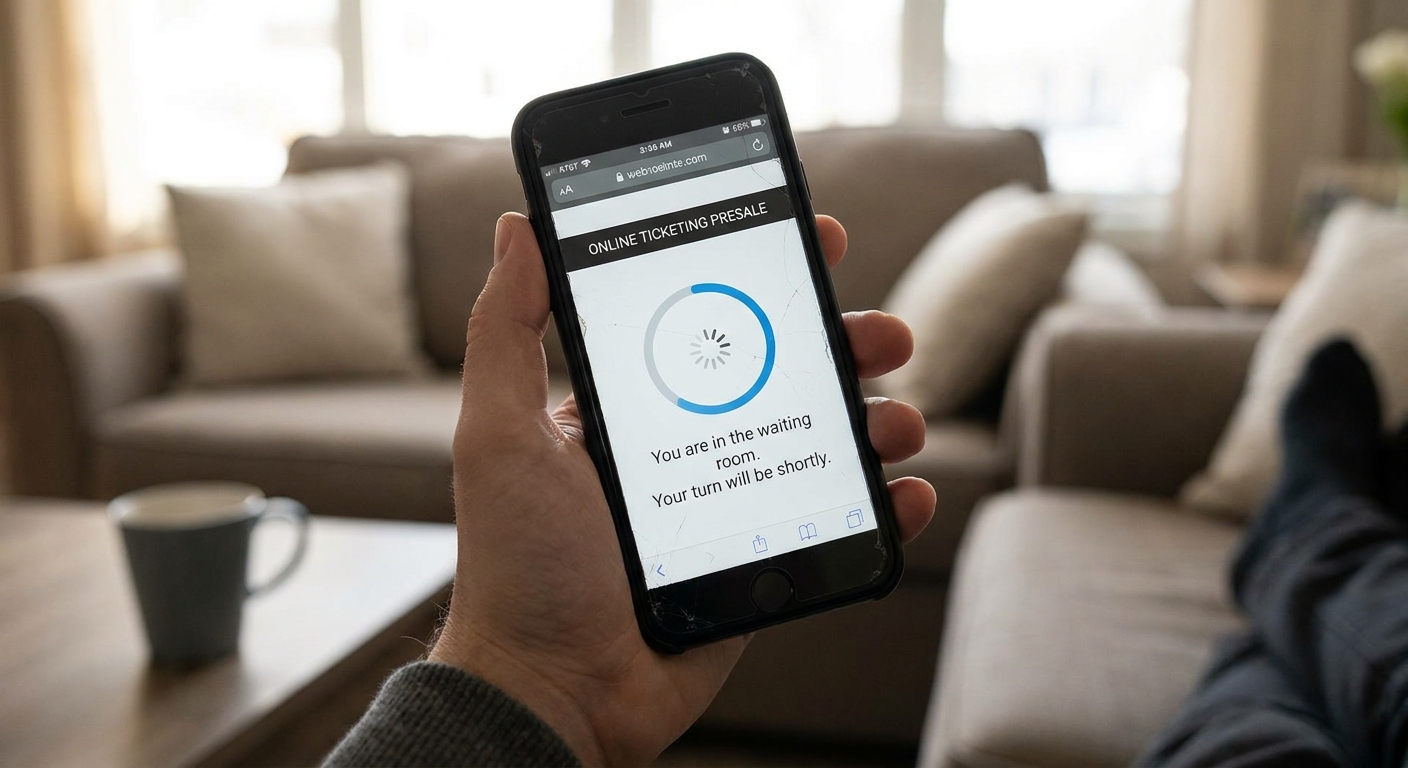
A presale can feel like a secret door into a show. It can also feel like a trapdoor. The good news is that it is usually neither. It is simply an early ticket-buying window reserved for a specific group, happening before the general on-sale when tickets open to everyone.
Presale, defined
A presale is a limited period when tickets are available before the public, general on-sale. Access is restricted to people who qualify through a specific channel, such as:
- being in an artist’s fan club
- subscribing to a venue newsletter
- having a particular credit card
- being a member of a local promoter’s program
- receiving a unique code after registering
Presales are common for concerts, touring Broadway productions, comedy shows, and high-demand limited runs. They help organizers reward loyal fans, partner with sponsors, and build early momentum without releasing every seat to the public at once.
Common types of ticket presales
Different presales can happen on different days, sometimes stacked back to back. You might see several options listed on the same event page, each with its own start time.
Artist or fan-club presale
This is the “reward the faithful” version. You might join an official fan club, sign up through an artist website, or register for early access. Codes may be shared broadly or issued uniquely per account.
Venue presale
Venues often run presales for subscribers to their email list or members of their loyalty programs. If you go to a lot of shows at the same place, venue presales can be quietly powerful.
Promoter or radio presale
Local promoters and media partners sometimes have their own codes. These are often shared through newsletters, station websites, or social media.
Credit card or cardholder presale
Some presales are tied to a credit card brand or specific bank. Sometimes you need to pay with that card to complete the purchase. Other times you only need the card to unlock the presale. Rules vary by event.
Verified or registration-based presale
Some high-demand events require pre-registration, then select fans get a code or link. This is often framed as a way to reduce automated buying, but it still functions like a presale: an early window with restricted access.
How presale codes work
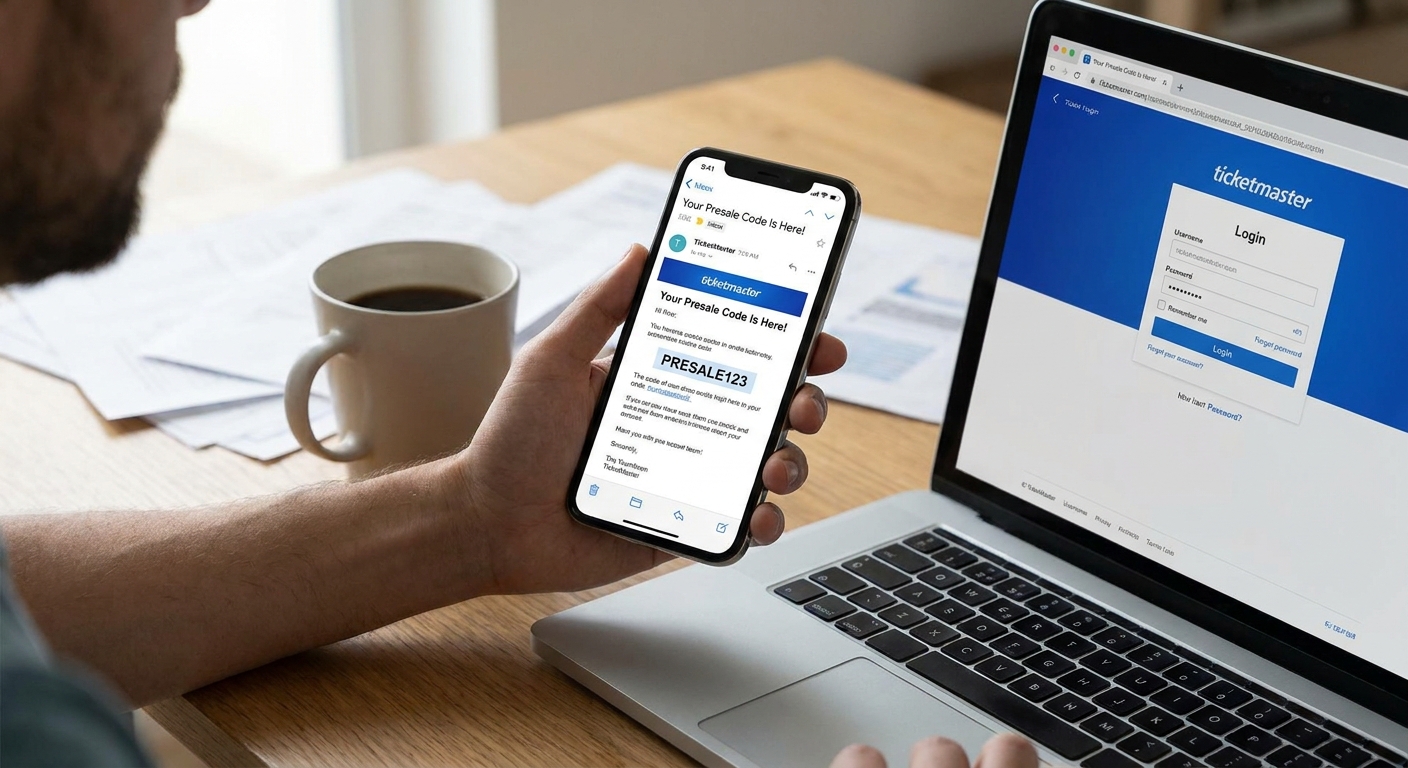
A presale code is essentially a key. It can unlock the ability to browse and buy tickets during the presale period, or unlock certain price levels and sections.
What to know:
- Codes can be generic or unique. A generic code might be the same for everyone on a mailing list. A unique code is tied to your account and may not work if shared.
- Some presales use links instead of codes. Clicking a unique link may automatically unlock the presale, but you may still need to log in or complete verification.
- The code can be case-sensitive. If it fails, try copying and pasting directly from the email or text.
- “Unlock” does not mean “good seats guaranteed.” It only means you are allowed to shop during that window.
One more thing that trips people up: a code can unlock entry, but the event page can still show “no tickets available” if that presale allocation sells out quickly, or if inventory is temporarily tied up in other people’s carts.
Also worth checking: many presales have ticket limits per code, account, or card. If you hit the limit, the site may block you even if you are still “unlocked.”
What to expect in the waiting room
Ticketing platforms often use a two-step flow for popular shows:
- Waiting room: A pre-queue page that opens shortly before the sale starts. You are parked there until the sale time.
- Queue: Once the sale begins, you are assigned a spot in line. When you reach the front, you usually get a short window to shop.
Practical realities worth knowing:
- Refresh frenzy is not required. Many systems tell you not to refresh. Depending on the platform, refreshing at the wrong time can slow you down or, in some cases, reset your session.
- Multiple devices can backfire. Some platforms may flag multiple sessions on the same account, but behavior depends on the provider. If you try phone and laptop, make sure you are not logged into the same account in a way that competes with you.
- Inventory can flicker. Seats appear and disappear as people add them to carts, time out, or release them. If you see “no tickets,” it can be worth trying again calmly for a minute or two.
- Payment speed matters. Save your payment details in advance when possible. If your ticketing provider offers mobile entry only, skip worrying about shipping and focus on getting your account and payment ready.
What is left for general on-sale
Sometimes a presale reduces what is left for the general on-sale. Sometimes it does not. The clearest way to think about it is this: presales usually draw from an allocation, a portion of tickets set aside for that window.
But allocations can be fluid and not always published. In some cases, the same pool is exposed under different unlocks, and unsold presale inventory typically rolls into the next on-sale phase.
What that means for later availability:
- Many shows hold tickets back. A general on-sale can still have plenty of seats because the venue reserves inventory for different phases, including public on-sale.
- Some presales are large. For mega-demand events, a big chunk can move early across multiple presales, leaving fewer seats when the public sale begins.
- Not all seats are released at once. Even after on-sale, additional tickets can appear later due to production changes, sightline decisions, holds being released, or added show dates.
In theater, it is common for certain blocks of seats to be held until creative and production needs are finalized. In arenas and stadiums, stage layout and camera platforms can also affect what is released and when.
Are presale tickets more expensive?
A presale is about timing and access, not automatically about price. You can find standard-price tickets during presales.
That said, you may also see higher-priced options mixed in, such as VIP packages or dynamically priced tickets (often labeled “Platinum” or “Official Platinum”). That can create the impression that presales are “all expensive,” when the reality is that you are simply seeing the full menu earlier.
If cost is your top priority, decide your ceiling before you enter the queue. The pressure of a countdown timer is not the moment to discover your budget has feelings.
Also: if you are clicking a “VIP” option, open the package details and read what is actually included. Sometimes it is a merch bundle and early entry. Sometimes it is mostly vibes.
How to use a presale
Presales are best treated like a head start, not a guarantee. A few grounded ways to approach them:
- Pick the presale you actually qualify for. If you have both a venue code and a cardholder presale, choose the one with the least friction at checkout.
- Do the boring prep early. Verify your email and phone number on the ticketing app, confirm you can log in, and update your saved payment method before the sale starts.
- Know your non-negotiables. For concerts, decide if you care more about being close, having an aisle, or avoiding side-stage views. For theater, decide if you need a clear view of the full stage picture.
- Log in early. Be signed in before the waiting room opens, not at the moment the queue starts moving.
- Do not panic-buy the first seat you click. If the platform allows it, compare a couple of options quickly. If it does not, stick to your plan and commit.
- If you strike out, try the next window. Multiple presales often run before the public on-sale. Missing one does not mean you missed everything.
If you need accessible seating or a companion seat, check the venue’s accessibility page before the sale. Many venues use a different phone line or a separate purchase flow than the standard seat map.
Restrictions to watch for
Presales can come with extra rules that surprise people after checkout. A few common ones:
- Delayed delivery: tickets may not show up in your app until closer to the show date.
- Transfer limits: some tickets are non-transferable, or transfers only open shortly before the event.
- ID or card entry rules: certain VIP or sponsor offers may require the purchasing card or matching ID at entry.
None of these are automatically bad. They are just the fine print you want to notice before your friend is standing at the gate texting you in all caps.
Presale scams to avoid
The excitement around presales attracts sketchy behavior. A few warning signs:
- “Guaranteed presale codes” for sale: many codes are free through official channels, and some are unique and cannot be transferred.
- Links that do not match official domains: use the artist’s site, the venue’s site, or the primary ticketing provider listed by the venue. When in doubt, navigate manually rather than clicking a random link.
- Anyone asking for your password: avoid anyone asking for your Ticketmaster, AXS, or venue ticketing password. Even when legitimate corporate hospitality or concierge services exist, they should not need your primary ticketing login credentials.
If you are ever unsure, the safest move is boring but effective: start at the venue’s official event page and follow their path to purchase.
Quick FAQ
Do I need a code for every presale?
No. Some presales are unlocked automatically through a link or through being logged into a verified account. Others require entering a code at checkout or when selecting seats.
Can I share my presale code with a friend?
Sometimes, if it is a generic code. If it is tied to your account or issued uniquely, it may not work for anyone else, and sharing it can risk the code being used up before you get tickets.
Why does it say “tickets are unavailable” during the presale?
Usually because that presale allocation sold out, you are not correctly unlocked, you hit a ticket limit, or inventory is temporarily in other carts. Double-check you are in the correct presale, confirm the code, and try again briefly.
Does joining a fan club guarantee tickets?
No. Fan-club access can improve your odds, but it is still first come, first served unless the program explicitly states otherwise.
If I miss the presale, should I give up?
Not at all. General on-sale inventory can be separate, additional dates may be added, and some tickets are released later. A presale is an early shot, not the only shot.