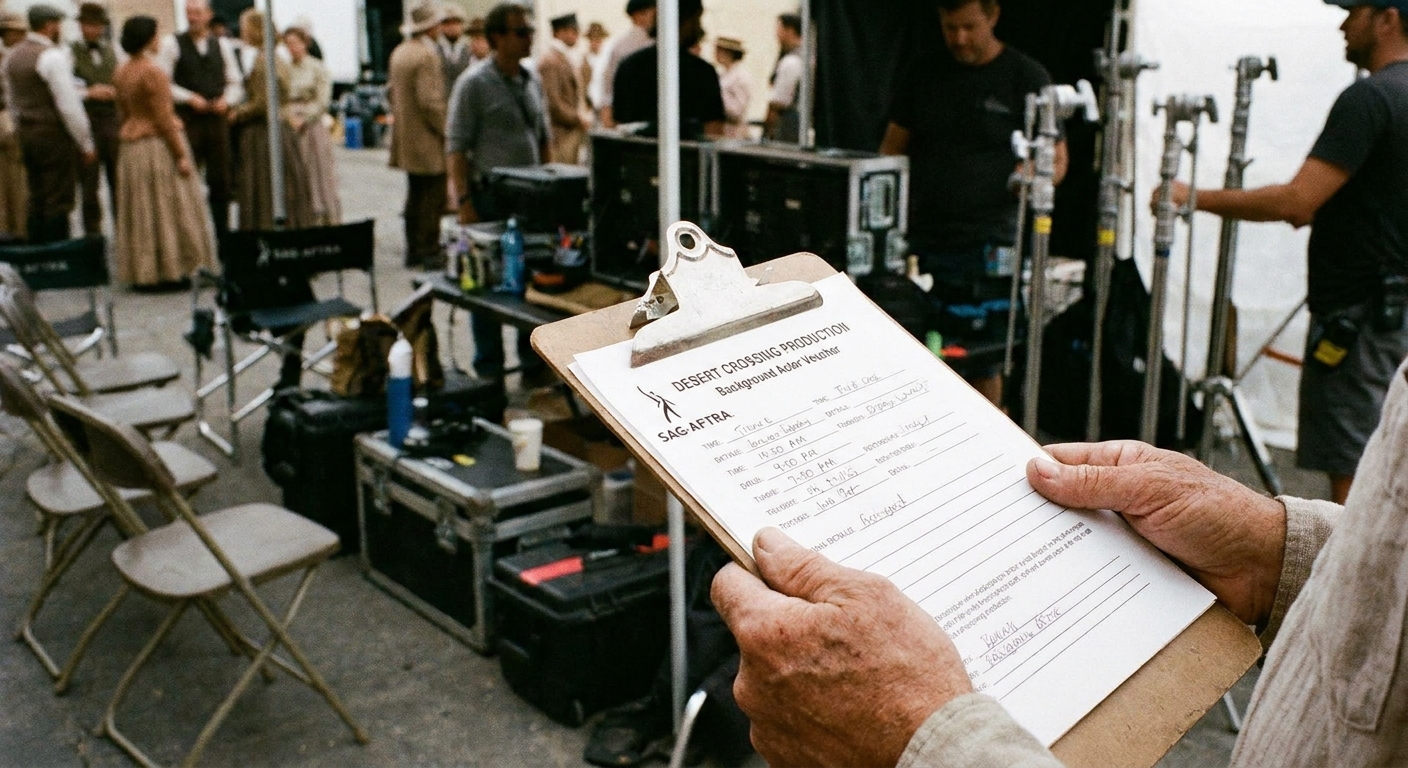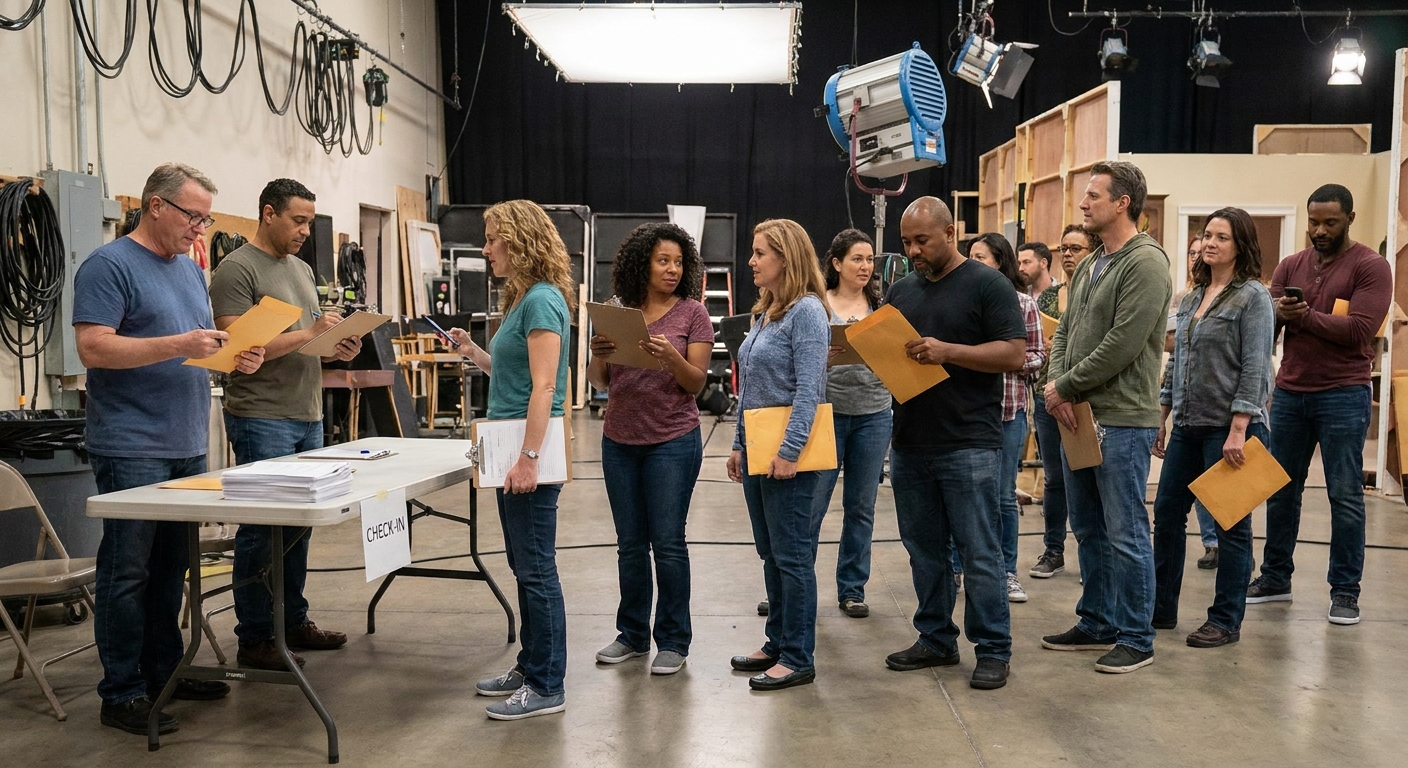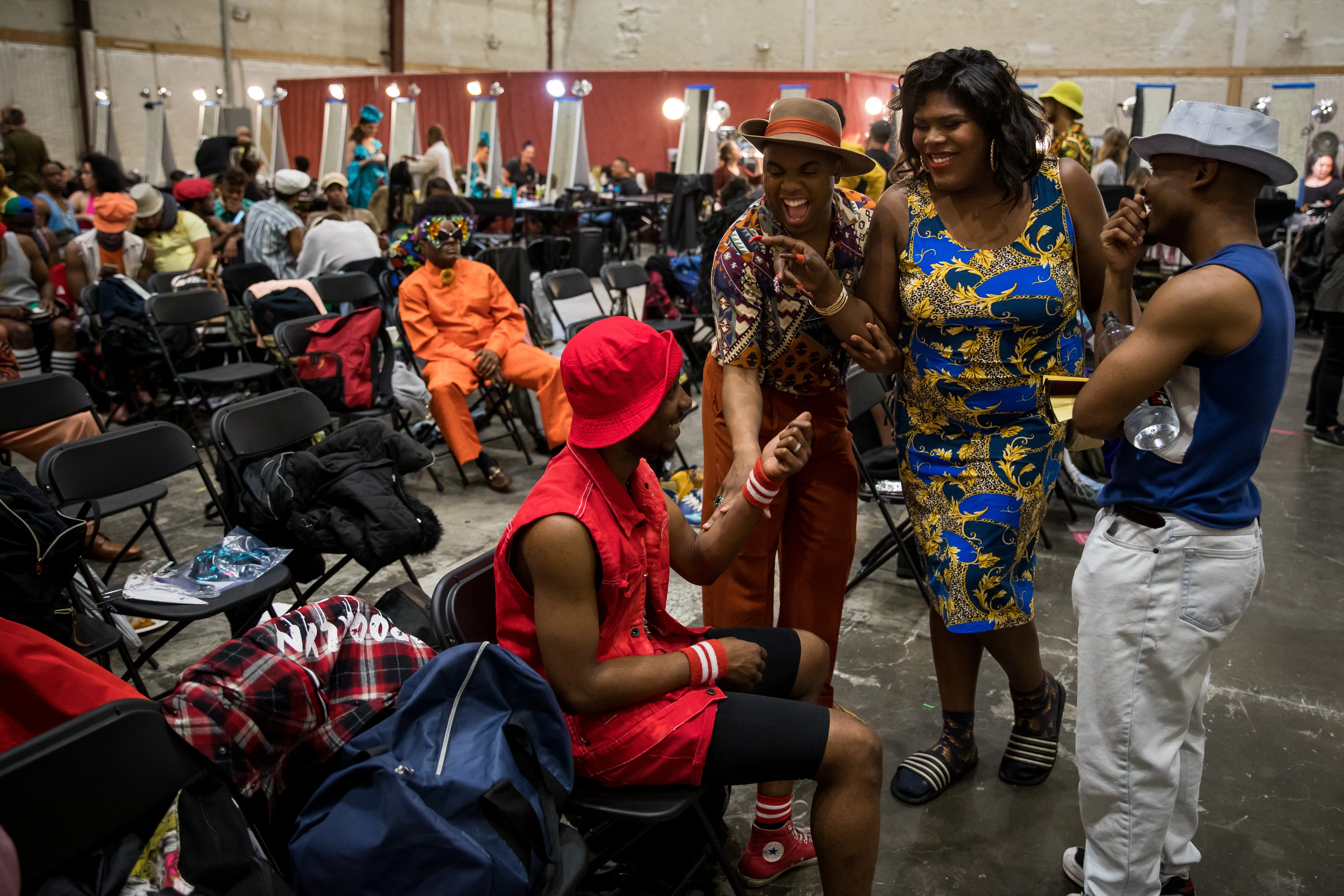
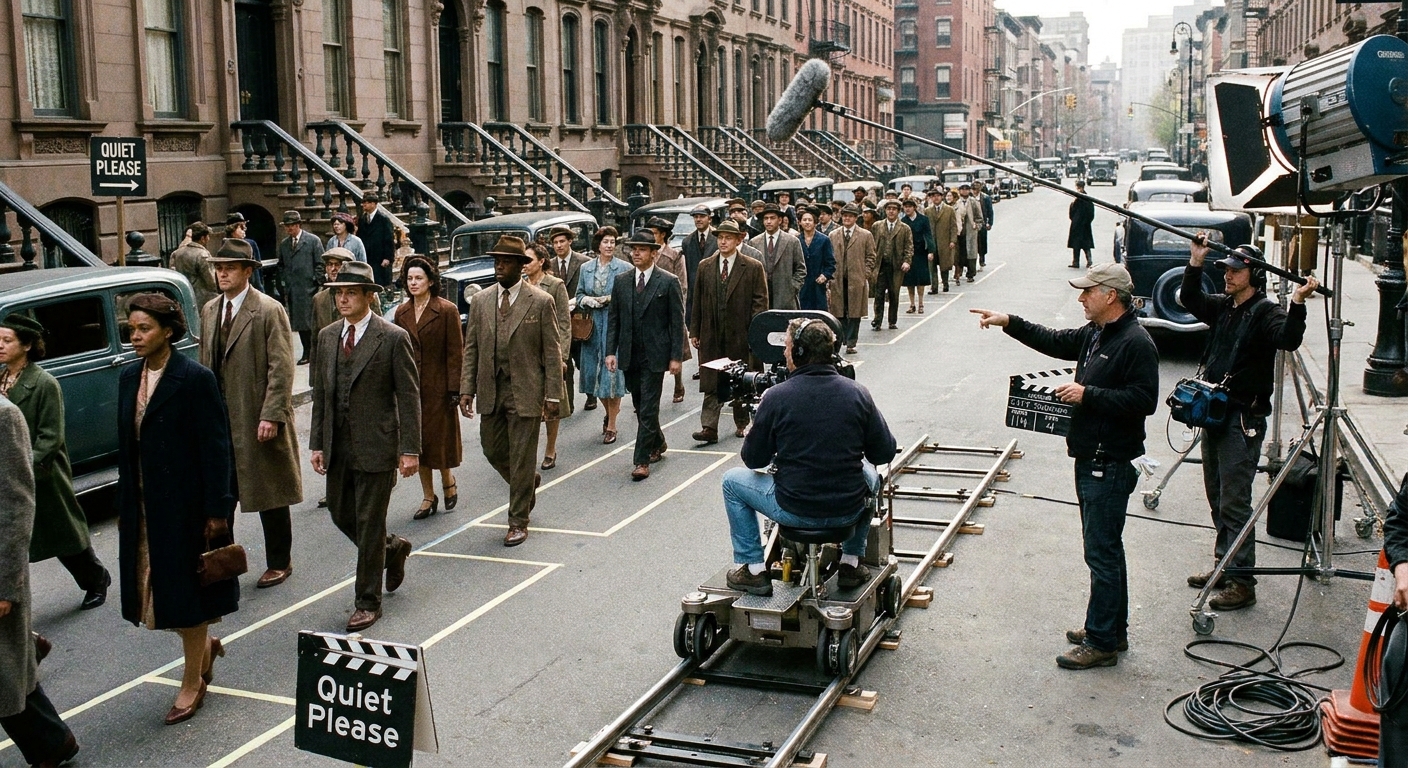
I grew up backstage in Chicago, the kind of kid who could tell you which door led to the costume shop and which one led to the projection booth. Years later, on film and TV sets, I still get the same small thrill watching a scene come alive from the edges outward. Background actors are a huge part of that magic. And almost every time you step onto a professional set as background, there is one piece of paperwork you will meet early: the likeness release.
If you have ever been handed a form and told, “Just sign this so we can use you,” this is what they mean. Let’s walk through what a likeness release actually covers, how it sits next to confidentiality, and what to read carefully before you sign.
Quick note: This is general information, not legal advice. Paperwork and rules can vary by production, union status, and jurisdiction.
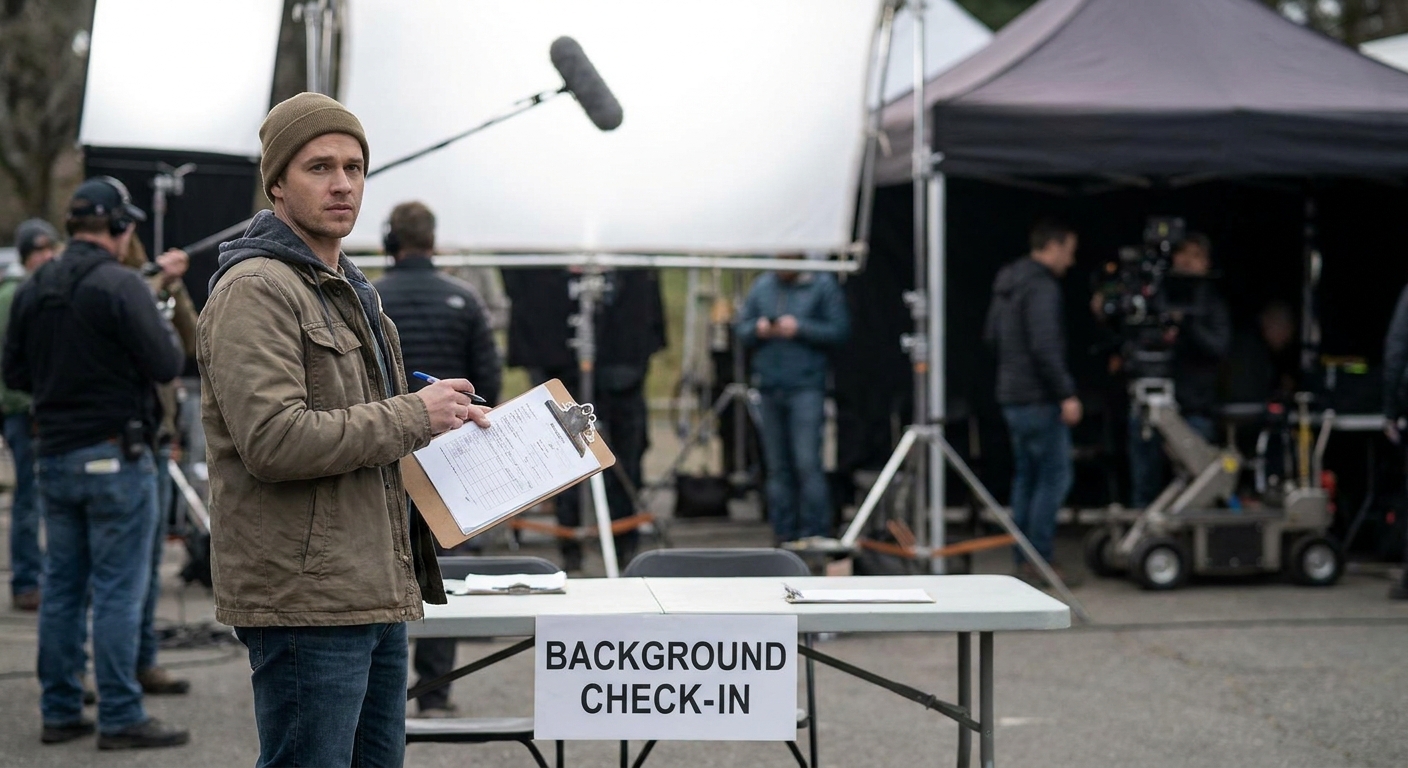
What it is
A likeness release (also called an appearance release, image release, or simply a release) is a legal agreement where you give the production permission to record you and use your image, voice, and performance in connection with the project.
In plain language: it is the paperwork that allows a production to put your face on screen without you later claiming they did not have permission.
This is normal. Productions need a clear chain of rights for what ends up on screen, and background is often handled with individual releases. Depending on the situation, productions may also rely on other methods like posted notices, venue terms, area releases, or union paperwork.
And when releases mention your “performance,” for background it typically means your appearance and actions as filmed in that scene, not some ongoing right to direct you outside the job.
What it usually allows
Release language varies, but a standard background-actor release commonly grants permission for the production to:
- Record your likeness (your face and body) in video and still photography.
- Record your voice if it is captured incidentally (for example, crowd noise).
- Edit and combine your image with other footage, including cutting around you, using cutaways, or including you briefly.
- Use the footage in the project in all formats, now known or later developed (the “future-proofing” clause).
- Use your image for promotion tied to the project, which can include trailers, posters, social media, press kits, streaming thumbnails, and ads.
- Distribute worldwide in all media, often in perpetuity.
If that list feels broad, you are reading it correctly. Releases are written to protect the production, and they often cast a wide net because distribution is messy: multiple platforms, international sales, clips for marketing, and re-releases years later.
What it does not mean
This is where confusion tends to bloom, usually right when you are trying to find a pen that works.
It does not guarantee you will be visible
You can sign a release, work all day, and still be cut. Editing is ruthless and not personal.
It does not turn you into a principal
Signing a release does not upgrade your role, credit, or pay category. If you are hired as background, the release does not change that.
It does not replace pay paperwork
A likeness release is not your proof of employment for the day. It does not replace your voucher or timekeeping. Think of it this way: the release is about rights to use your image. Your voucher and recorded time are about getting paid correctly.
It does not waive safety or legal rights
A release does not cancel safety protocols, statutory rights, or (where applicable) union terms. If a job is union-covered or subject to OSHA or local rules, those requirements still apply. Paperwork is not a hall pass.
Release vs confidentiality
A likeness release and confidentiality are cousins, not twins.
Likeness release: “We have permission to capture and use your image and performance.”
Confidentiality agreement (or set rules): “You will not share information about what you see and hear, including details of scenes, scripts, props, cast, or surprises.”
You may sign both. Sometimes confidentiality is folded into the release language. Sometimes it is a separate form. Either way, treat them as different promises.
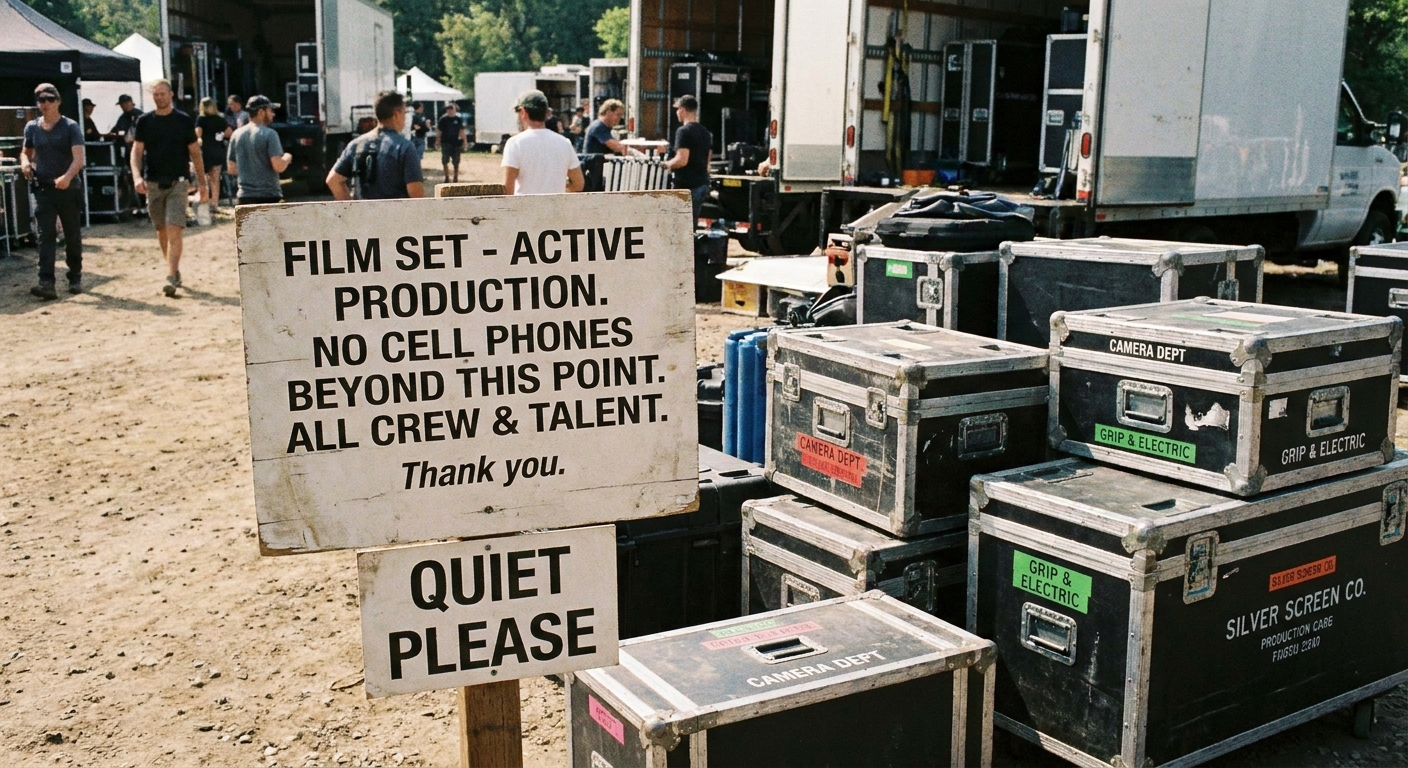
On most sets, the practical rule is simple: do not post set photos or details unless the production has explicitly cleared it. And for Arts Reel readers specifically, our standing guidance is stricter on purpose: even after you wrap, do not share behind-the-scenes set photos without written permission. Your phone might feel like a scrapbook, but to a production it can look like a leak.
What to read first
Most sets move fast, and nobody wants to be the person holding up check-in. Still, it is reasonable to take a minute and scan for the big terms that affect you.
1) Scope of rights
Look for what the production is asking to use. Many releases include likeness, voice, name, and biographical material. For background, “performance” typically means your on-camera presence and actions as captured that day.
2) Use in project and promotion
Check whether it is limited to the project itself or also includes advertising, publicity, and promotion. Promotion language is extremely common.
3) Duration and territory
“In perpetuity” and “worldwide” (and occasionally “throughout the universe” style phrasing) can look dramatic, but it is standard legal muscle. You are unlikely to negotiate it as background, but you should understand what you are agreeing to.
4) Compensation language
Some releases say you are being compensated as part of your engagement and that no further payment is owed for use of your image. That is typical. Just keep your eyes on the separate pay side of the house: your voucher, your time, and any adjustments should still be recorded correctly.
5) Credits and identification
Many releases include that you are not entitled to credit or to be identified by name. Common, but worth noticing.
6) Editing, context, and sensitive uses
Productions generally retain the right to edit at their discretion. If you are being asked to portray something that could be personally or professionally sensitive, read carefully for broad clauses about editing, context, or waiving claims tied to portrayal.
7) Digital alteration and AI-style language
More releases now include consent for digital alteration, compositing, dubbing, or even synthetic use of your likeness or voice. If you see terms like “simulate,” “digitally modify,” “artificial intelligence,” or “in any manner now known or hereafter devised,” slow down and make sure you understand the scope.
8) Can you revoke it later?
Many releases are written to be irrevocable once granted, or at least very difficult to unwind after filming and distribution. That is one reason “in perpetuity” matters in real life, not just in legal theory.
If something truly concerns you, ask questions before you sign. Be calm, be specific, and speak to production or the paperwork station. You do not need to deliver a courtroom monologue. A simple, “Can you clarify what this permits regarding promotion?” is plenty.
Practical tips
- Keep your ID and forms organized. Sets are loud, early, and crowded. Make it easy on yourself.
- Do not sign blank lines. If a section is incomplete, ask what it is for.
- Use your legal name as requested. Releases are legal documents. If a production needs a specific name format, follow it.
- Ask who to contact later. If you have a question about paperwork, it helps to know the right production office contact.
- Verify your voucher separately. Before you leave, confirm your in and out times and any adjustments. The release is not your receipt.
FAQ
Is a likeness release the same as an NDA?
No. A likeness release grants the production rights to use your image and performance. An NDA or confidentiality agreement restricts what you can share about the production.
Can I refuse to sign?
You can refuse, but in most professional situations the production will not put you on camera if they cannot clear the rights. There are edge cases, like when you are unrecognizable or fully obscured, but you should assume a release is part of the job.
Does signing mean they can use my face forever?
Many releases grant rights worldwide and in perpetuity. That generally means the project can continue to be distributed and promoted without needing to re-clear your permission each time.
Does a release affect my pay?
Not by itself. Your pay is governed by the hiring terms for the day and documented through your voucher and timekeeping. The release is about image rights, not payroll.
What if I am a minor?
Minors generally require a parent or legal guardian to sign, and productions often have additional requirements for permits, schooling, and work hours.
If I am union, is it different?
Union-covered background work may involve specific paperwork and rules. If you are unsure on the day, ask the paperwork team or the appropriate set contact (and if there is a union rep on the job, they are often the best resource).
Can I post behind-the-scenes photos if I am in them?
Not unless the production explicitly allows it. The safest and most professional approach is to treat set content as confidential and follow Arts Reel guidance: do not post set photos without written permission, even after you wrap.
The bottom line
A likeness release is one of the most common pieces of paperwork a background actor will sign. It is not a trick, and it is not a prize. It is the production doing the legal housekeeping required to film you, edit you, distribute the project, and market it.
Your job is to read just enough to know what rights you are granting, make sure you are comfortable with it, and then shift your focus back to the real work of the day: hitting your mark, staying consistent, and helping the story feel lived-in from the edges.