I have a little pre-show ritual. I read the whole playbill, I scan the design credits, and I always peek at the cast page before the house lights dim. Not because I am hunting drama. Because live performance is a living organism. People get sick. Bodies get tired. Art keeps moving.
Then comes the moment every ticket buyer dreads: you notice a slip of paper. A cast board update. A discreet announcement. The star you came to see is out.
So what happens to your ticket if the performance still happens with a cover on? The short version is this: in most cases, your ticket remains valid and your purchase is still considered fulfilled. Refunds are usually tied to cancellations, not substitutions. But the fine print matters, and some productions have specific promises about certain performers.

The big distinction: substitution vs cancellation
Most ticket policies draw a bright line between two situations:
- The show goes on (a billed performer is absent, and an understudy or other cover performs).
- The show does not go on (the performance is canceled, stopped early, or sometimes rescheduled).
If the curtain rises and the performance is delivered as scheduled, the venue and ticket seller generally view the ticket as used for its intended purpose: admission to that performance of that production.
If the performance is canceled, that is a different story. Cancellations are where refunds, exchanges, or credits more commonly come into play, and the process depends on where you bought your tickets and the seller’s terms.
If the star is out but the show runs, do you get a refund?
Usually, no. In standard theater and live event terms, you are buying a seat to the event on a specific date and time, not a contractual guarantee that a particular performer will appear.
That can feel cold when you planned the night around a specific name, especially if you traveled. But it is also how live performance survives. Cast illness and emergencies are inevitable, and most productions could not function if every absence triggered mass refunds.
Why policies are written this way
- Live performance is inherently variable. The production is the product, and individual casting can change.
- Producers plan for coverage. There is an established system so the show can continue safely and professionally.
- Ticketing systems are built around performance dates. Your ticket is tied to a specific performance instance.
That said, there are exceptions, and they are worth knowing before you assume the answer is always no.
When you might have options anyway
While substitutions are commonly non-refundable, a few situations can create wiggle room. None are guaranteed, but they do happen.
1) The ticket terms promise a specific performer
Occasionally, an event is explicitly marketed as a particular person’s appearance, or the seller’s terms indicate a refund policy tied to a star. This is more common in concerts, comedy, speaking engagements, and limited engagements than in long-running Broadway-style productions.
What to look for: language like “scheduled to appear,” “subject to change,” or the opposite, a clear guarantee.
2) A special engagement, gala, or one-night-only billing
Industry fundraising nights, one-off concerts, and special performances sometimes have unique rules, especially if the headliner is central to the event’s identity. If you bought tickets for something that is not part of the regular run, read the event page and confirmation email carefully.
3) You bought from a seller that offers voluntary exchanges
Some official ticketing platforms and venues will allow exchanges within a window, sometimes with fees or fare differences, even if they are not required to refund you. If a star absence is announced early, you may be able to move to a different date.
4) You have ticket insurance and the reason qualifies
Ticket insurance typically covers circumstances that prevent you from attending, not disappointment about cast changes. Still, if you are considering insurance for travel-heavy plans, read the covered reasons list before purchase so you know what it does and does not do.
Where cast changes show up
Some cast absences are communicated well in advance. Some are decided hours before curtain. Here are the most common places you will see it:
- At the theater via a posted cast board update in the lobby.
- In the program or insert as a slip of paper placed inside the playbill.
- On the production’s official channels such as a website notice or social post, especially for planned vacations or scheduled absences.
- From the primary ticketing account occasionally via email, though this is not universal and timing varies.
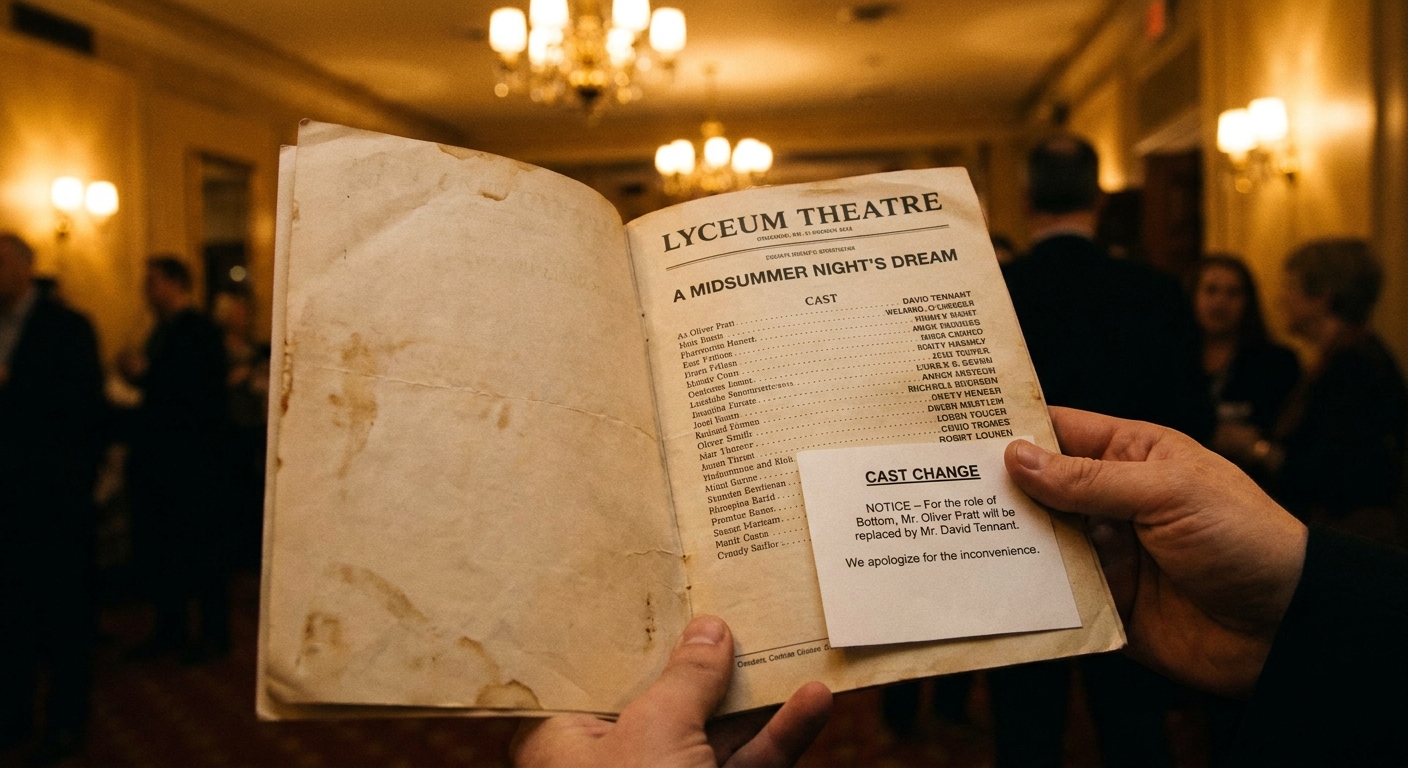
If you are deeply set on seeing a particular performer, the reality is that you sometimes will not know until you are already in the building. That is frustrating. It is also why knowing the policy, and your own flexibility, matters.
What to check before you contact anyone
If you are considering asking for a refund or exchange, start with the documents you already have. They will tell you what the seller actually agreed to.
Your checklist
- Your confirmation email or digital ticket: look for “all cast subject to change,” “no refunds,” “no exchanges,” or any exchange window.
- The ticket seller’s terms and conditions: these often state directly that cast changes do not qualify for refunds.
- The venue or presenter’s policies: some venues have their own exchange rules even when the seller is a third-party platform.
- Whether you bought primary or resale: resale marketplaces may have separate guarantees and dispute processes. Sometimes they are stricter, sometimes they offer protections, but you must follow their specific steps.
One practical tip: if you are going to call or message support, include your order number, performance date and time, and point to the exact policy language you are asking about. It keeps the conversation grounded in what is actually written.
How this differs from a canceled performance
A cancellation is when the performance does not proceed as scheduled. That can mean the show is called off before it begins, or it stops early due to an emergency and the venue deems it not substantially performed.
In those cases, buyers are more likely to be offered one of the following, depending on the seller and circumstances:
- Refund back to the original payment method
- Exchange into a different date of the same production
- Credit for future purchase with that venue or ticketing account
The key difference is that a cancellation affects delivery of the event itself. A cast substitution usually does not.
What the program can tell you
You do not need to be a theater nerd to use the playbill like a pro. Before you decide whether you are disappointed or delighted, take thirty seconds to check:
- Who is on for the role you came to see (the insert should name them).
- Whether the absence is scheduled (sometimes the announcement clarifies it).
- Whether multiple roles are covered tonight (rare, but it happens, and it can affect the feel of an ensemble-heavy show).
Then, if you stay, give yourself permission to fully watch the person who is actually performing. Some of the most electric performances I have ever seen were from artists stepping into a spotlight that was never promised to them that night.
If you ask for an exchange
Even when a policy says “no refunds,” exchanges may be possible depending on availability and the seller’s discretion. Your best chance is to be prompt and specific.
- Act quickly: If you want to try for an exchange, contact the official ticketing channel as soon as you learn about the cast change, ideally before curtain.
- Ask for an exchange, not a refund: It is often an easier yes.
- Offer flexible dates: Give a range, not a single demand.
- Be clear about how you purchased: box office, official platform, or resale. Each path has different rules.
If you bought through resale, go straight to that platform’s support flow. Venues typically cannot alter or refund resale transactions because they do not control the sale.
What not to do
- Do not assume social media posts equal policy. Always rely on the terms tied to your purchase.
- Do not wait until days later if you want any discretionary help.
- Do not take it out on the performer who is on. They did not “replace” anyone to steal your experience. They are doing their job, often under intense pressure.
FAQ
Can a theater legally sell tickets if the advertised star might be out?
Generally, yes, because most ticket terms state that casting is subject to change. The specific legal framing varies by jurisdiction and the exact marketing claims, but the practical reality is that the ticket contract typically prioritizes admission to the performance, not a guaranteed cast list.
If a celebrity is above the title, does that change anything?
Sometimes, yes, especially on Broadway. A well-known Broadway industry standard is that if a performer is billed above the title and does not appear, patrons may be entitled to a refund or exchange through the box office for that performance.
Two important caveats: first, details can vary by production and how the billing is presented. Second, if you bought through a third-party or resale platform, the box office may not be able to process your transaction directly, and you may have to pursue relief through the seller you used.
In other words, “above the title” can matter a lot, but where you bought the ticket still matters, too.
What if the absence was known in advance and not disclosed?
If a producer publicly announces a planned absence and a seller fails to communicate it, you can still ask for an exchange as a customer service remedy. Your outcome will depend on the seller’s policies, the clarity of the original listing, and how far in advance the absence was made public.
What if I only bought the ticket for that one performer?
I get it. But the system is built around the production, not the individual. Your best move is to read the terms before purchase when a single performer is your must-see, and whenever possible, choose a date that is less likely to land on scheduled vacations and planned absences.
The takeaway
If a billed performer is out and the show still goes on, your ticket almost always remains valid and refunds are usually not offered. The smart next step is not panic. It is paperwork. Check your order terms for cast-change language, look for any exchange window, and confirm the cast update in the program when you arrive.
And if you stay, stay with your whole attention. Live art is a high-wire act. Sometimes the person who steps onto the wire instead of the headline name is the one you remember for years.