I grew up in Chicago backstage, the kind of kid who could tell time by the warm-up scales drifting from the pit and the stage manager’s calls echoing down a hallway. Matinees were their own little universe. The daylight outside still felt like part of the show, and the audience arrived with a different rhythm than the evening crowd. If you have ever wondered what a matinee actually is, and what to expect when you book one, here is the clear, ticket-buyer-friendly answer.
Matinee meaning
A matinee is a performance that takes place in the afternoon, rather than at night. The word is used most often for live theater, touring productions, ballet, opera, comedy, and sometimes movies (especially in older cinema traditions, but it still pops up today).
In practical terms, if the curtain goes up while you can still reasonably make dinner plans afterward, you are probably attending a matinee.
What time is a matinee?
Matinee start times vary by venue and city, but there are a few common patterns:
- 1:00 pm, 2:00 pm, or 3:00 pm are the most typical start times for theater matinees.
- Weekend matinees are most common, especially Saturday and Sunday.
- On Broadway, Wednesday matinees are a long-running tradition. Touring schedules vary by city and venue, and many tours lean heavily into weekends.
- Some shows schedule a matinee on a day when they also have an evening performance, creating a two-show day for the cast.
The golden rule: always confirm the start time printed on your ticket, not just what you assume is “matinee-ish.” A 4:00 pm start, for example, is sometimes marketed as a matinee and sometimes as an early evening performance. It depends on the venue and the show.
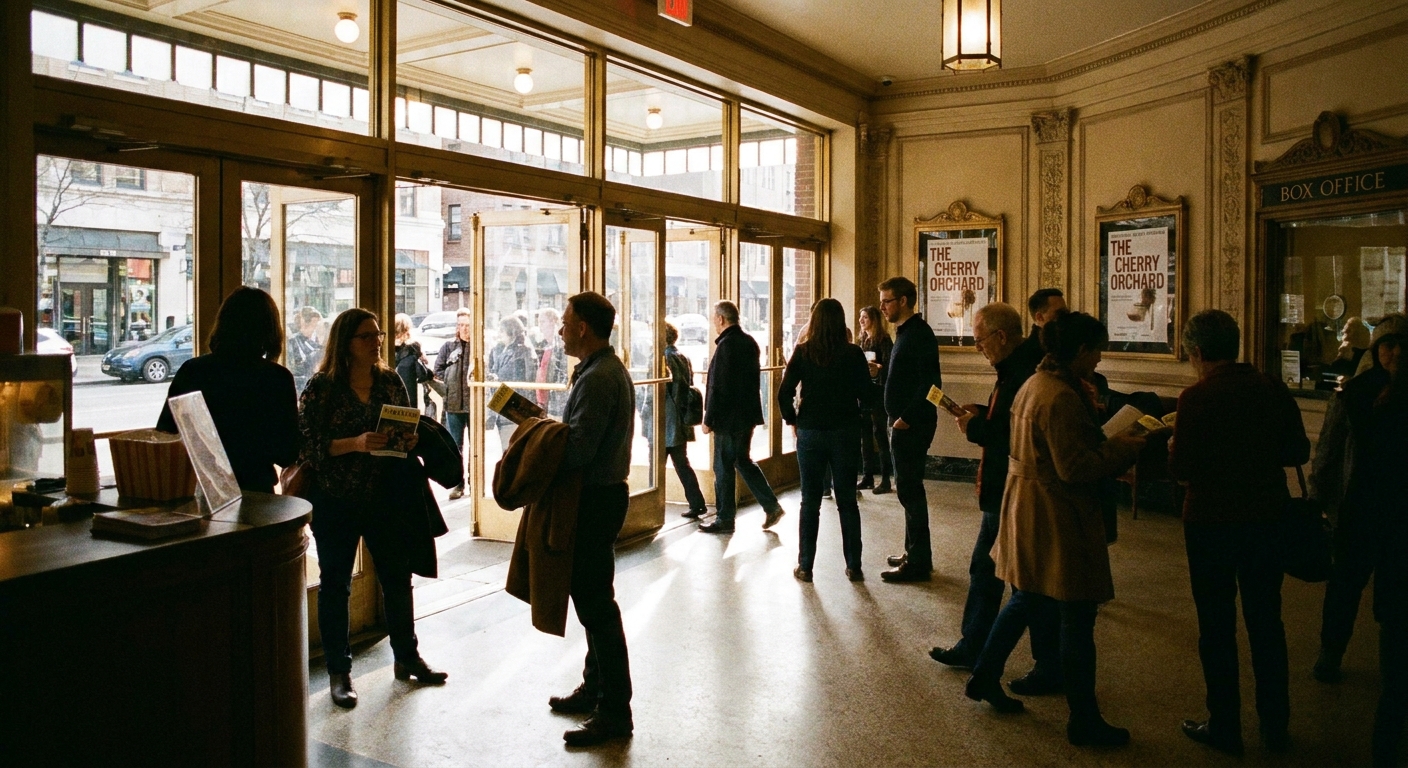
How a matinee differs from an evening show
The schedule feels different
Matinees can be easier to build a day around. You are less likely to be racing from work, and you might have more flexibility for pre-show brunch or a post-show walk. For visitors, matinees also free up evenings for another show, dinner reservations, or travel.
The audience can be different
Not always, but often, the matinee crowd has a distinct vibe:
- More families and younger audience members, especially for big musicals and holiday runs.
- More tourists on weekends, depending on the city and season.
- More school groups for certain productions, particularly on some weekday matinees.
- More regulars, including longtime theatergoers who prefer daylight travel or earlier end times.
This does not mean matinees are “less serious.” Some of the most electric performances I have seen were matinees, with crowds that were fully locked in. It just means the room can have a slightly different energy.
Performances are usually the same, but the human factors shift
The production itself is meant to be consistent across performances, but live art is made by bodies, voices, and nerves. On a two-show day, actors are managing stamina. In long runs, matinees sometimes coincide with scheduled rest patterns for certain roles, depending on the production.
That is not a warning sign. It is simply part of how professional theater stays sustainable, especially for many Broadway-style productions that run on an eight-shows-a-week rhythm.
Should you choose a matinee?
A matinee can be a great choice if:
- You prefer earlier end times and an easier commute home.
- You want to make a full day of it with museums, shopping, or a second event at night.
- You are bringing kids or teens and want a time that fits their schedule.
- You like a brighter, more casual outing rather than a late-night one.
An evening show might be better if you love the sense of occasion that comes with nighttime theater, or if you are chasing a classic “dinner and a show” rhythm. Neither is inherently better. It is about what kind of day you want.
What ticket buyers should check before booking a matinee
Most matinee mishaps are not dramatic. They are practical. A few quick checks can save you from surprises.
1) Run time and intermission
Before you buy, look for the official run time and whether there is an intermission. This matters for:
- Planning dinner or travel afterward
- Coordinating childcare pickups
- Knowing whether you will be seated for 90 minutes or 3 hours
If the run time is not listed on the ticketing page, check the venue site or the show’s official site. When in doubt, build in extra buffer time. Curtain times are precise. End times are more variable.
2) Content advisories
Afternoon does not automatically mean family-friendly. Many shows with matinees still include mature language, violence, strobe lighting, or heavy themes.
Check for:
- Age recommendations (especially for Broadway and touring Broadway)
- Trigger or content advisories when provided
- Sensory warnings such as haze, loud sound design, or flashing lights
If you are bringing a younger theatergoer, I always suggest reading a spoiler-light synopsis first. You can protect the surprise while still avoiding an awkwardly timed “Wait, what is happening?” in Row G.
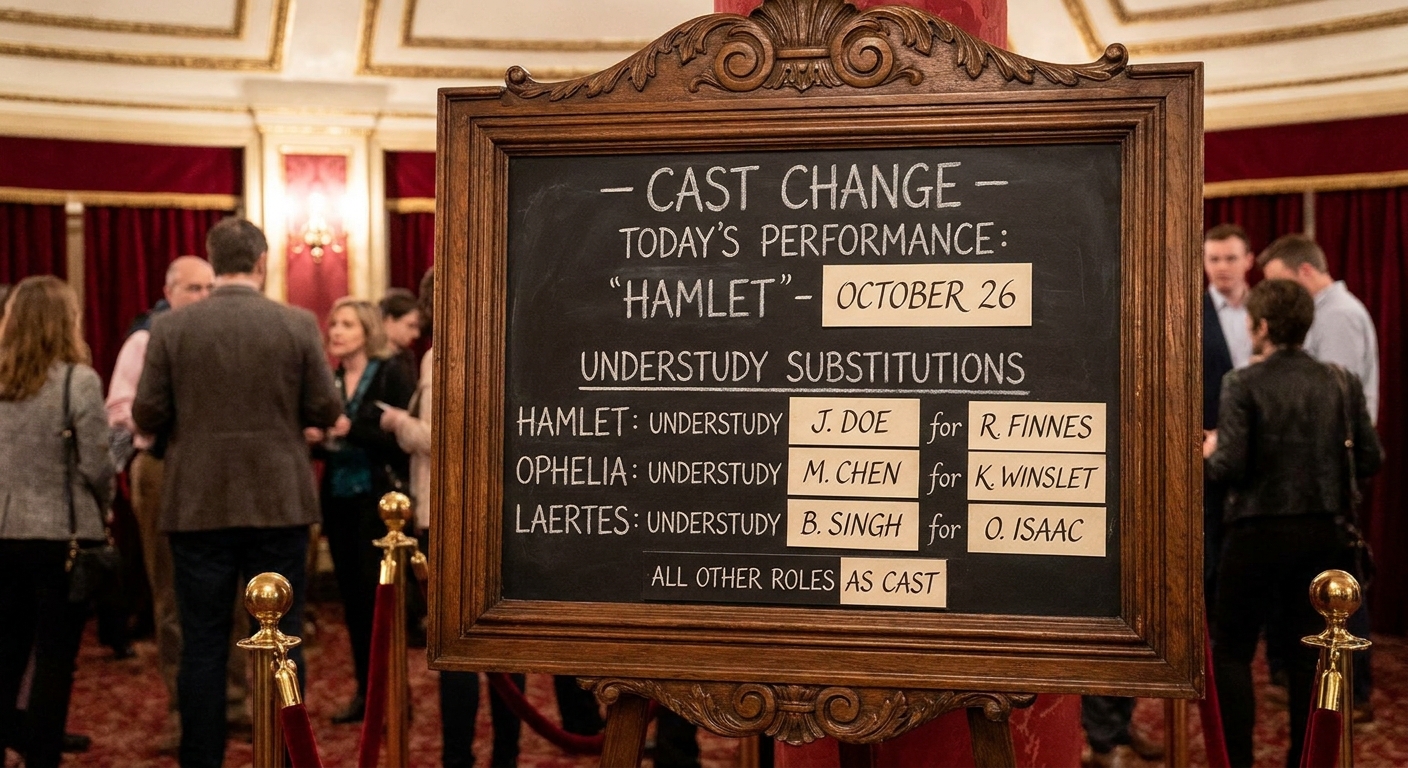
3) Understudies and alternate performers
Live theater has built-in backup plans. Understudies (and sometimes alternates who perform on scheduled days) step in when a performer is out or when a role is designed to rotate for health and stamina.
What to do as a buyer:
- Look for a note during checkout that mentions scheduled alternates, if applicable.
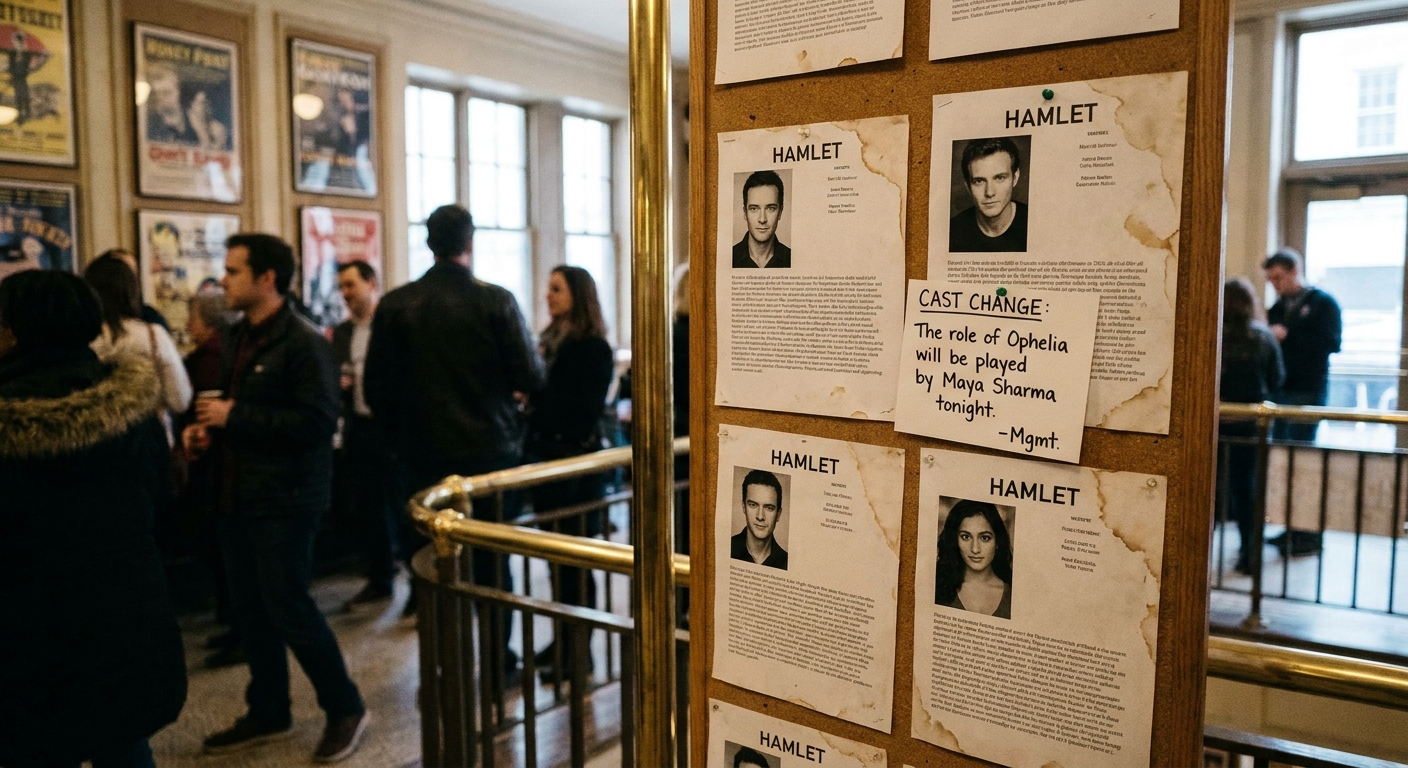
- On the day of the show, check the venue lobby board or insert for cast change announcements.
- If you are traveling specifically to see a particular performer, understand that most tickets are sold for the production, not a guaranteed individual appearance.
And as someone who cares about craft: do not underestimate understudies. Some of the most thrilling performances come from artists who have been studying the role like a secret second heartbeat.
4) Late seating policies
Matinees can tempt you into a relaxed timeline. Do not. Late seating policies vary by venue and sometimes by production. You may be held until a suitable break, reseated at a different moment, or asked to wait until intermission. In rare cases, a house may refuse late entry entirely.
If you are arriving from brunch, aim to be inside the building at least 20 to 30 minutes early, especially at larger venues with lines, bag checks, and busy restrooms.
5) Daytime logistics and accessibility
Matinees can mean different street-level reality: weekend foot traffic, limited nearby parking, or a box office that is already busy when you arrive. If you are driving, it is worth checking garage hours and reserving a spot when possible.
Matinees can also be a great option for anyone who prefers daylight travel. If you need captioning, ASL interpretation, audio description, or wheelchair seating, check the venue’s accessibility calendar, because those services are often offered on specific performances, not every matinee.
Are matinee tickets cheaper?
Sometimes, but not reliably. Pricing is set by demand, seating location, date, and the specific show’s strategy. Matinees can be less expensive for some productions, especially outside peak tourist seasons. But a Saturday matinee for a blockbuster musical can be just as pricey as Saturday night.
If budget is the deciding factor, compare performances across different days and times, and pay attention to what is actually changing: seat location and demand usually matter more than the clock.
Matinee etiquette
- Eat before you go, but keep snacks out of the auditorium unless the venue explicitly allows it.
- Silence your phone, and remember smartwatches can glow just as loudly in the dark.
- Plan your ride home if you are leaving at the same time as a sports event or a packed weekend crowd.
- Stay for bows. The actors still sprinted a marathon for you, even at 2:00 pm.
Quick FAQ
Is a matinee only for theater?
No. The term can apply to any afternoon performance, including dance, opera, concerts, comedy, and occasionally film screenings. Theater is simply where you will hear it most often.
Does “matinee” mean a shorter show?
Not inherently. A matinee is about the start time, not the length. Always check the run time.
Is a matinee a “preview” performance?
Not necessarily. A matinee can happen at any point in a run. Previews are a specific period before the official opening, and they are their own category.
Are matinees less formal?
Usually a bit more casual, yes. You will still see people dressed up. Wear what makes you comfortable and respectful in a shared space.