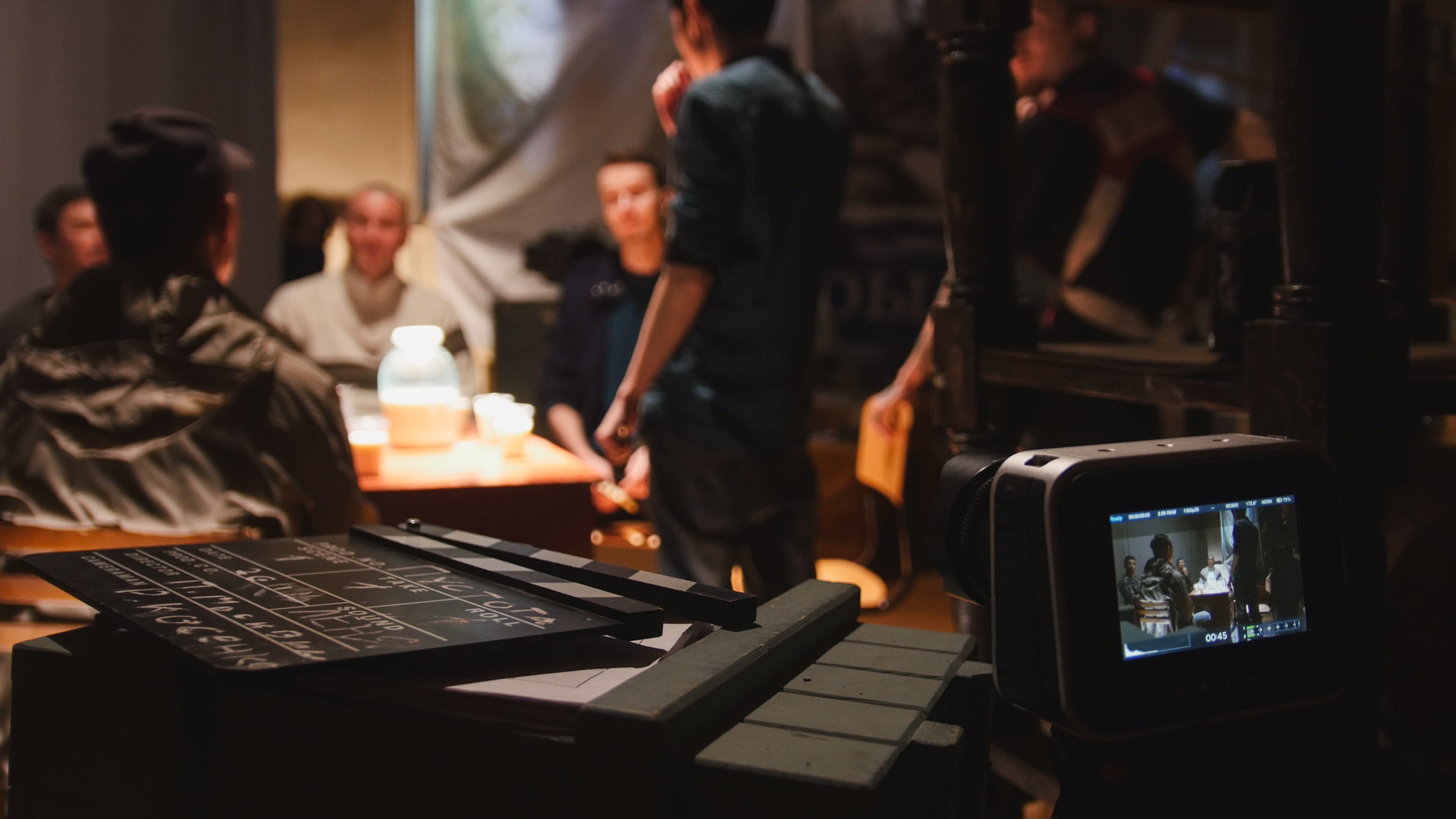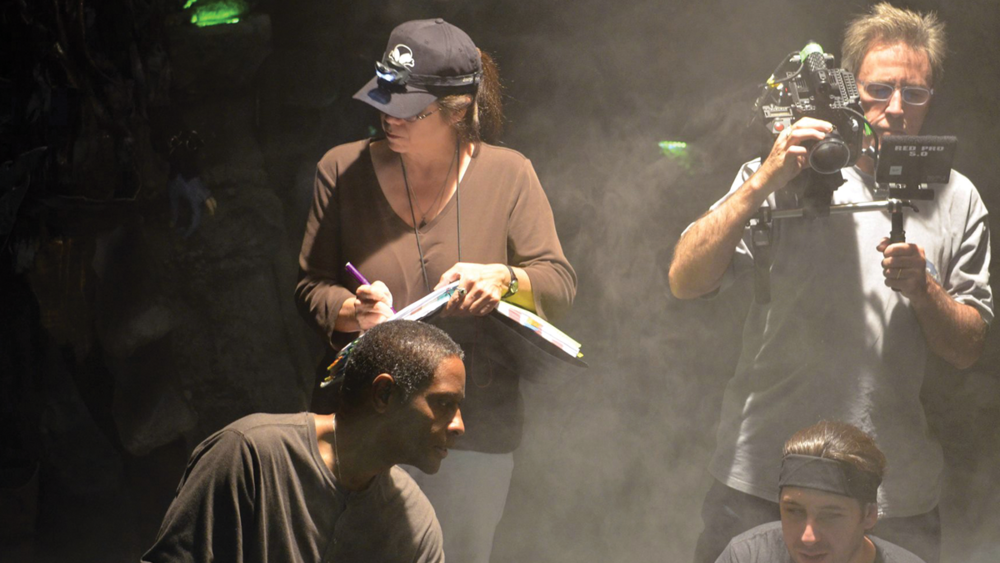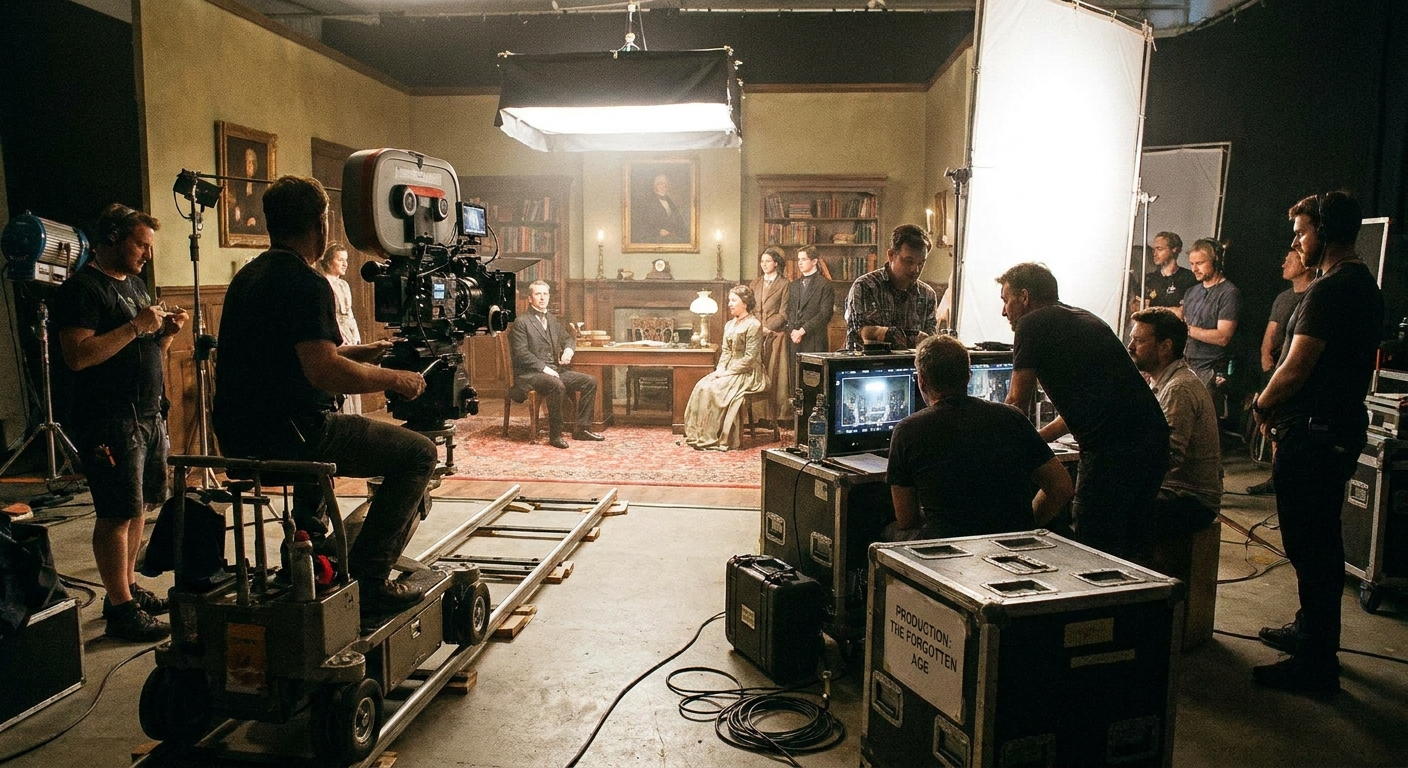
The first time I heard “Back to one!” called across a set, I was squeezed between a fake cafe counter and a very real table of walkie talkies, watching a scene that looked effortless on camera and felt like a small logistical miracle in person. Everyone moved at once but not in a chaotic way. It was more like a shared muscle memory. If you are new to set life, especially if you are working background, “back to one” is one of the most useful phrases to understand quickly because it tells you exactly what happens next.

What does “back to one” mean?
“Back to one” is a reset call. It means the take is over and the AD team wants everyone involved to return to their starting position for the scene so the shot can be repeated.
The “one” refers to the beginning of the action for that setup. In practice, it usually means going back to your starting mark (your spot on the floor, often taped) and returning to your starting business (the small actions you are doing when the action begins), ready for another “Action.”
Who calls “back to one” on set?
Often, you will hear “back to one” from the 1st Assistant Director (1st AD) or someone relaying the AD team’s instructions. On many sets, the 1st AD is the voice you hear the most because they are running the floor and keeping the day moving. On other sets, especially when it comes to background, you may hear it more directly from the 2nd AD, 2nd 2nd, background AD, or a background PA. Depending on the scale of the production, it may also be called by:
- The 2nd AD (especially when coordinating performers and background)
- A Key PA or Set PA repeating the call down the line so everyone hears it
- The director, occasionally, though it is more typical for the AD team to handle these calls
If you are background, your most direct point of contact is often the background PA or 2nd 2nd AD, who may follow “back to one” with specifics like where to reset, what to change, or what to keep identical.
What background actors should do when they hear it
When you hear “back to one,” your job is to reset quickly, quietly, and consistently. The goal is to help continuity and keep the next take ready to roll.
1) Stop and listen for the follow-up
“Back to one” is sometimes just the first instruction. A background PA might add, “Same action,” “Tighten it up,” “Cheat left,” or “Hold until I cue you.” Give it a beat, then move.
2) Return to your exact starting position
Go back to the spot where you began the take. If you were given a mark, find it. If you were not, use your own references: the edge of the rug, the chair leg you passed, the pillar you paused near. If you are unsure, ask the background PA once, then lock it in.
3) Reset your action, not just your feet
Background is movement, but it is also timing and intention. If you were told to cross behind the lead on a specific line, you need to restart from the same place with the same pace so the camera team can repeat the shot and the editor can cut cleanly.
4) Match continuity: props, wardrobe, and “business”
Continuity is sacred. Before the next take, make sure you have reset any small details that could jump between takes:
- If you had a coffee cup, put it back in the same hand and at the same level
- If you were reading a newspaper, open it to the same fold
- If you adjusted a bag strap mid-take, start with the strap placed the same way
- If you sat down, reset the chair position if you moved it
If wardrobe or hair was adjusted by a costumer or stylist, avoid “fixing” it yourself unless you are told to. If something slipped, flag the background PA quietly.
5) Keep your voice off the mic
During resets, it is tempting to chat. Resist. Sets are full of planted microphones, and a boom can be closer than you think. Also, long lenses mean you may be on camera from farther away, even when you feel “out of it.”
6) Do not cross in front of the camera unless you are cued
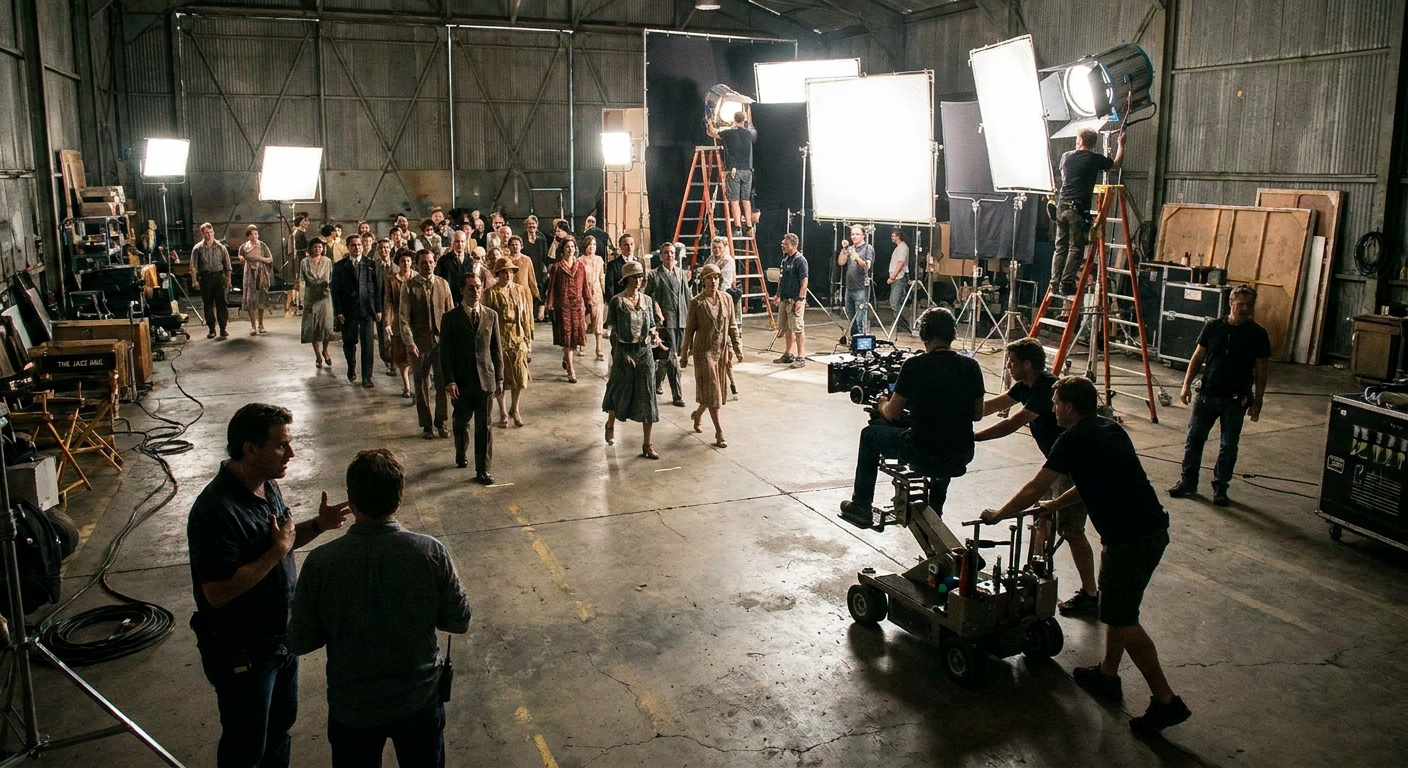
“Back to one” can involve cables on the floor, a dolly track, or a camera that is still powered and pointed. Move like you are in someone else’s workshop because you are. Watch your step, do not step on track, and give stands and lighting a wide berth. If you need to cross the lens line to get back, ask a PA where to go or wait for a safe gap.
7) Reset fast, then stay ready
Sometimes you will be sent back to one even while the camera is turning around or a department is tweaking something. Once you are reset, do not wander. Stay close, stay quiet, and be ready for “places” or a new adjustment.
“Back to one” vs other calls
Film sets love shorthand. Here is how “back to one” relates to a few common neighbors in the vocabulary:
- “Cut”: The take is over. “Back to one” often follows.
- “Reset”: Similar meaning, sometimes used for departments as well as performers.
- “Going again”: We are repeating the take soon. Be ready.
- “Hold”: Stop moving where you are. Do not reset yet.
- “Lock it up”: Stop traffic and keep it quiet. This protects picture and sound, most often during a take, but you may hear it any time the set needs to stay still and quiet.
- “Second team”: Often means stand-ins step in for lighting and camera setup. On some productions it can also refer to a doubles or stunts team, or a background-only setup. If you are unsure, ask the AD or background team what it means on that show.
If you ever feel lost, default to this: freeze, listen, then follow the background PA. It is the simplest way to be helpful and stay out of trouble.
Do you always do the exact same thing?
Not always. Sometimes “back to one” means identical reset because the director wants the same performance. Other times, the director might be shaping the scene and you will get an adjustment:
- Timing tweak: “Cross two beats earlier.”
- Traffic control: “Leave a wider lane behind the actor.”
- Energy shift: “Less busy. This is a tense moment.”
- New business: “This time, you check your phone, then exit.”
You may also hear a qualifier that tells you who is resetting, like “Background back to one” or “First team back to one.” Listen for those specifics before you move.
As background, your golden rule is to keep the scene readable. Your work supports the story, not the other way around.
A quick checklist for extras
- Return to your starting spot and starting action
- Match continuity: hands, props, posture, pacing
- Stay quiet and avoid unnecessary movement near the camera
- Watch for new instructions from the AD team or background PA
- If you are unsure, ask once, then commit
FAQ
Is “back to one” the same as “places”?
They are related but not identical. “Back to one” means return to the beginning for another try. “Places” usually means get into position because the next take is about to happen.
What if I cannot remember where I started?
Look for your mark, then use visual anchors in the set dressing. If you still are not sure, quietly ask the background PA, “Do you want me starting by the pillar or closer to the door?” Clear choices get quick answers.
Should I change my background action to make it “fresh”?
Not unless you are told to. Editors and continuity teams depend on repeatable action. If the AD team wants variety, they will ask for it.
What if the set is being reset too?
It often is. Props, wardrobe, hair, makeup, camera, and lighting may all be returning to a previous state. Give crew space to do their work, and do not touch set dressing unless you have been instructed to handle it.