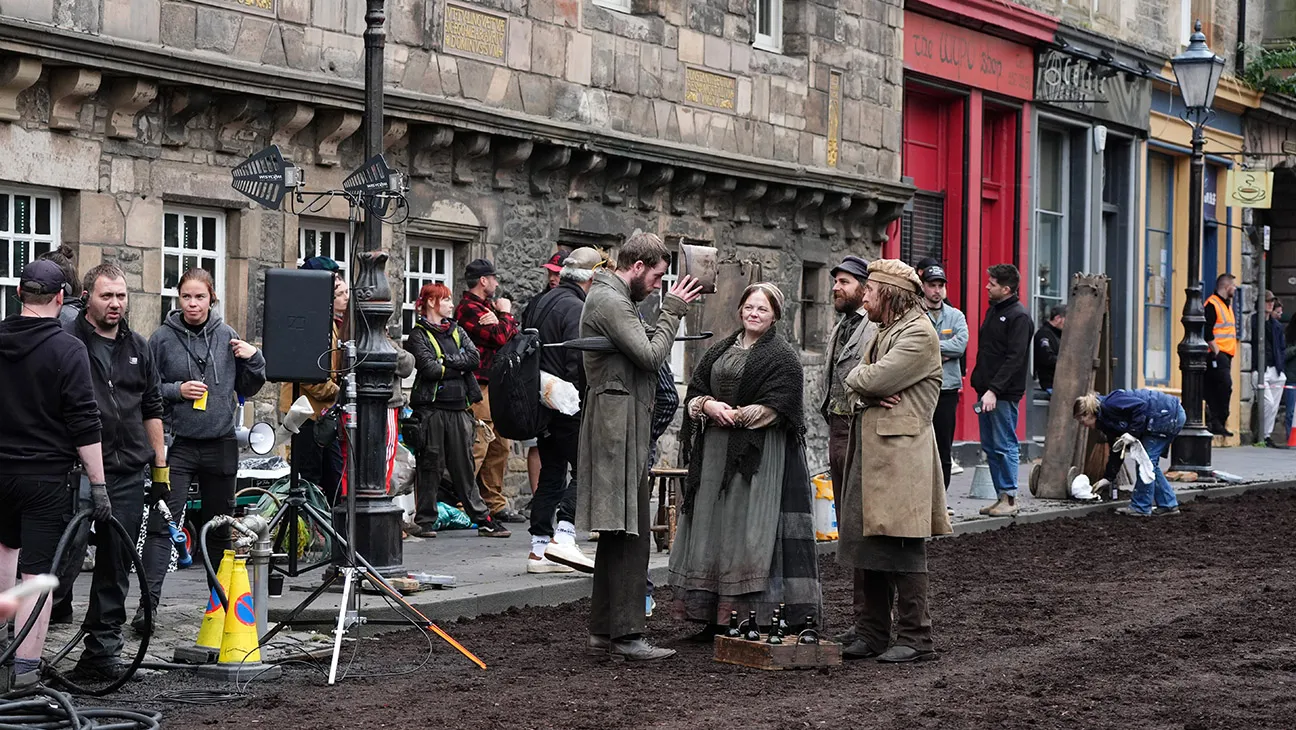
The first time I heard “Second team in!” barked across a set, I was wedged behind a village cart on a period drama, trying not to wrinkle my costume while a hundred tiny adjustments happened all at once. The call sounded urgent. Secretive, even. In reality, it is one of the most practical bits of film set shorthand you will ever learn. Understanding it makes a day on set feel less mysterious, especially if you are working background and wondering why the energy suddenly shifts.
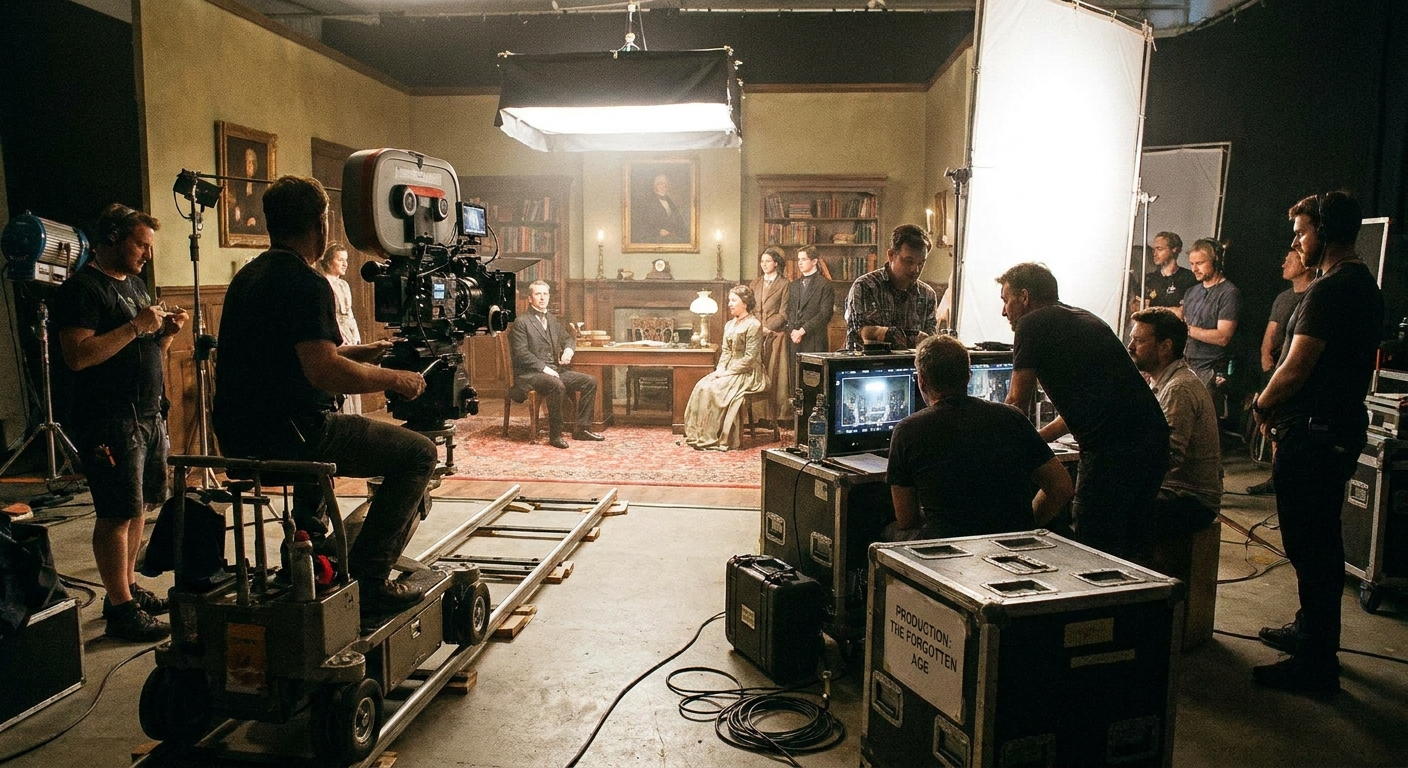
Let’s break down what “first team” and “second team” actually mean, why productions use the terms, who typically calls them, and what you should do when the switch happens.
What “first team” means
First team refers to the principal actors in the scene. In other words, the performers who are actually going to be filmed for the take. If a director says, “Bring in first team,” they are calling the actors (and often their immediate support, like a personal dresser on a big show) to set so the scene can be rehearsed, framed, and shot.
Because principals are the faces and performances the audience will ultimately see, their time is treated like the most delicate resource on the day. A production wants them fresh, focused, and not kept standing around under hot lights while crew fine-tunes technical details.
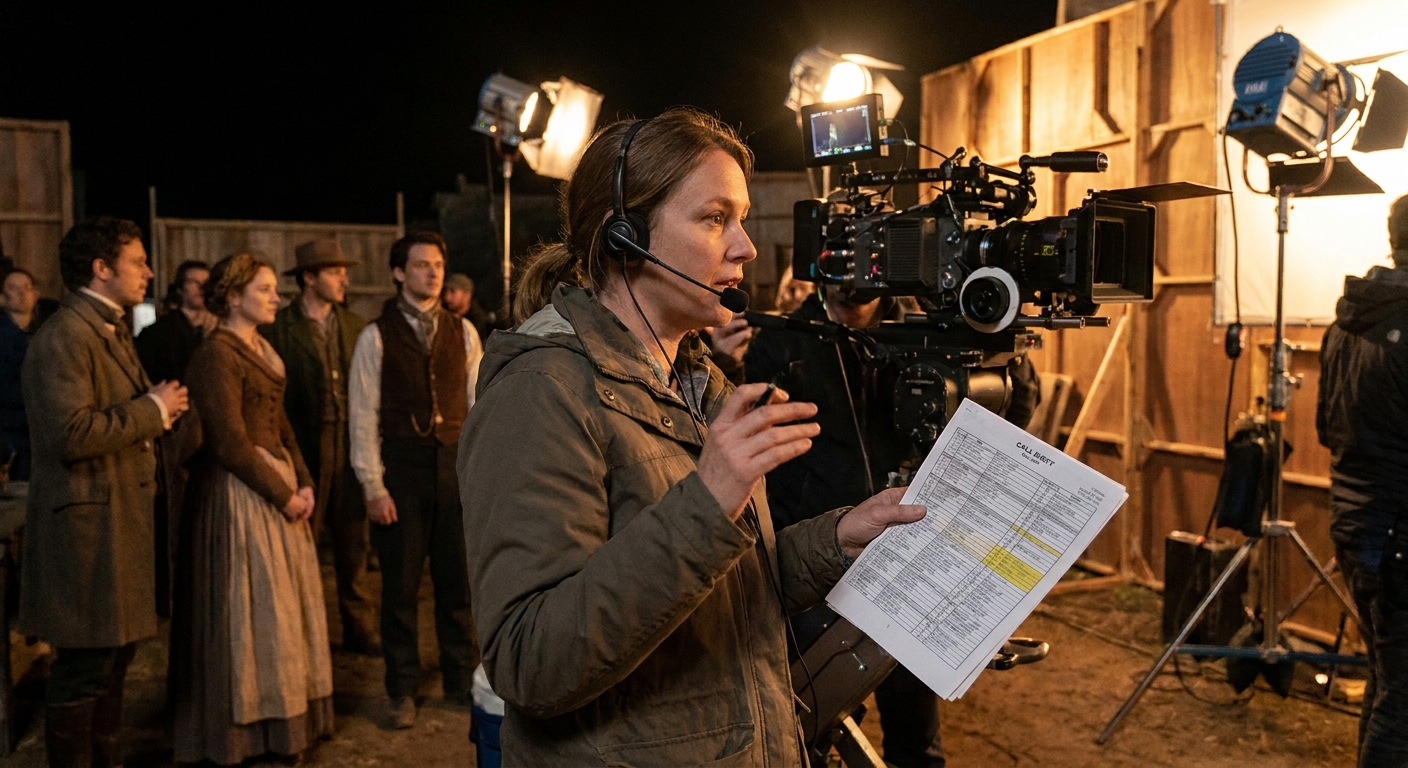
Most of the time, you will hear the call come from the AD team (1st AD, 2nd AD, or a set PA relaying), sometimes over walkie and sometimes shouted quietly but firmly across set.
What “second team” means
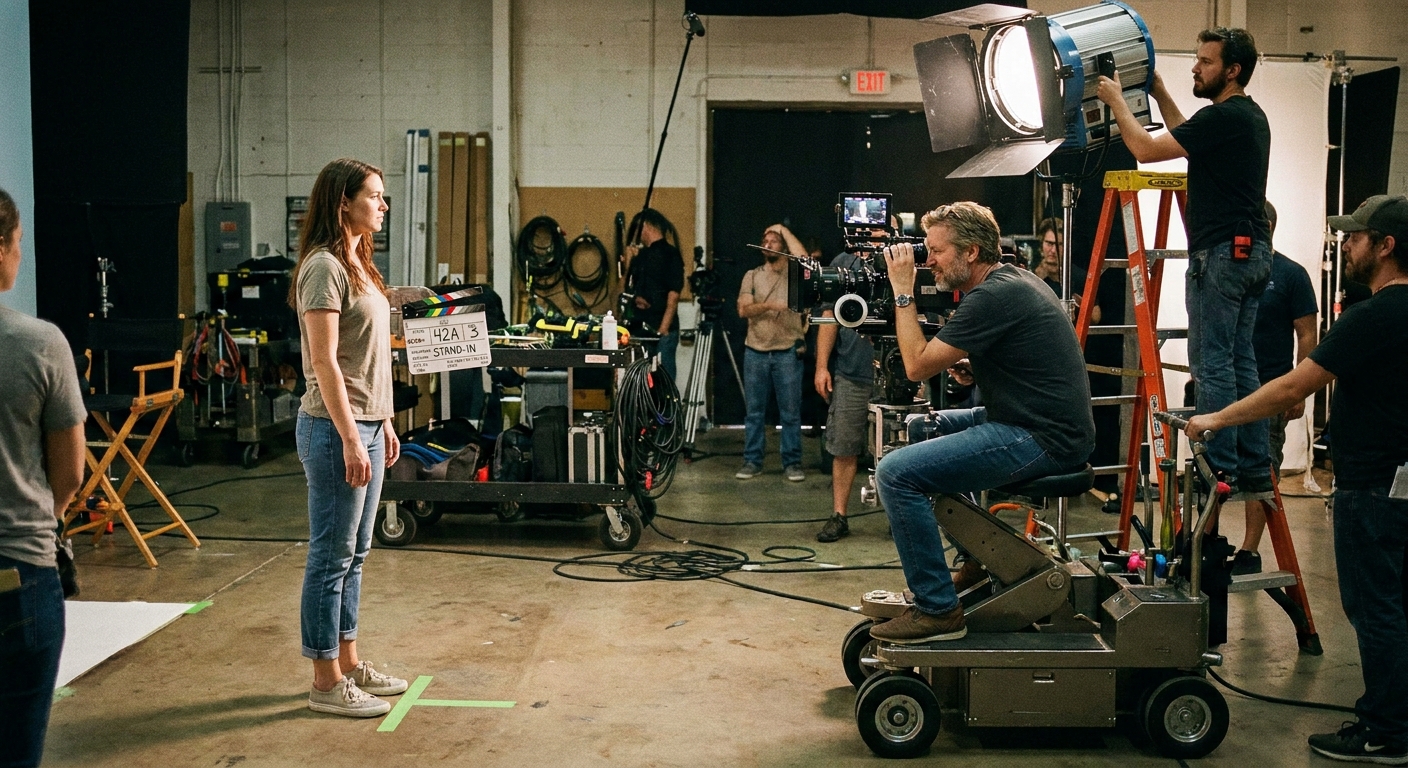
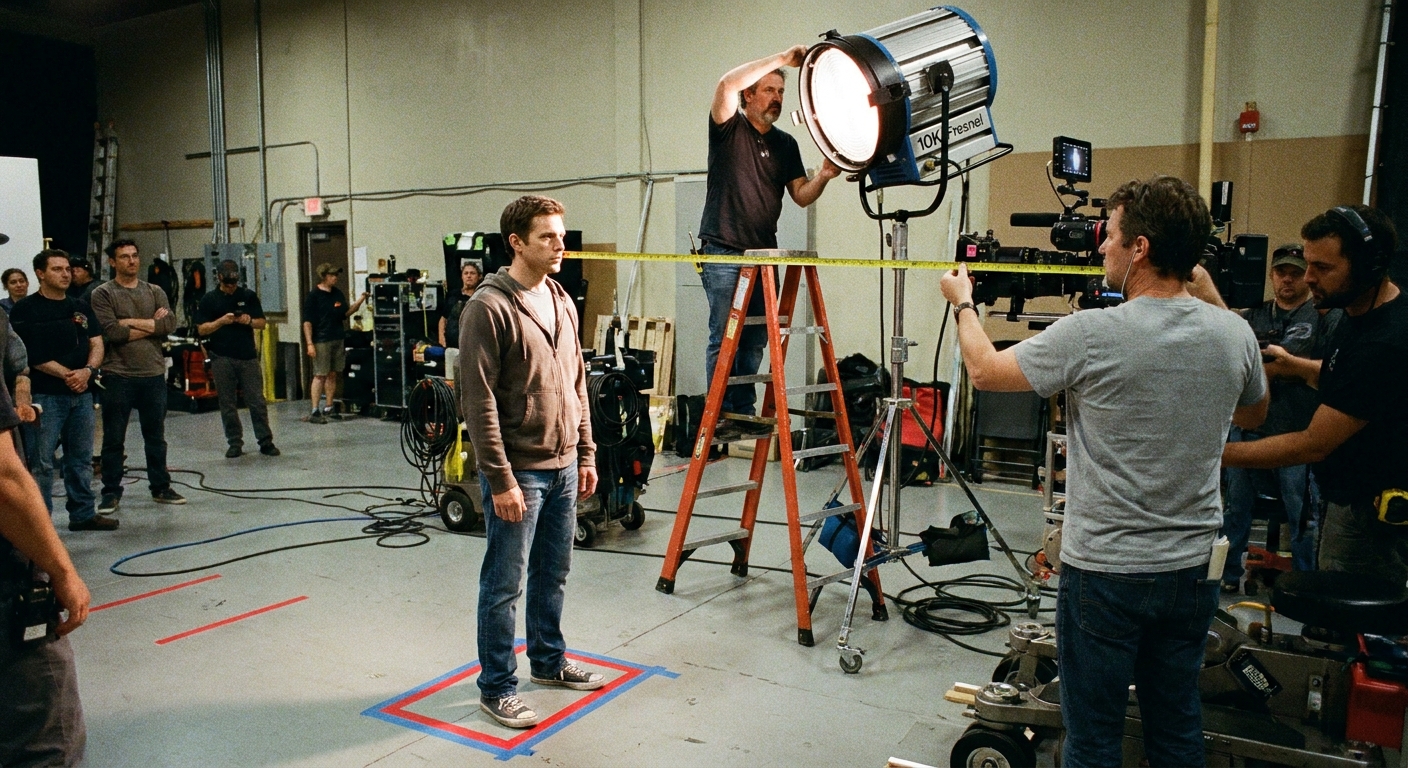
Second team is the group that steps in instead of the principals while the crew sets up. Most commonly, second team means stand-ins for the principal actors.
Stand-ins are not there to play the emotional beats. They are there to be:
- the right height and general build for the actor
- placed on the actor’s marks so the camera department can focus and measure
- lit in the actor’s position so the lighting team can shape the look
- used for framing while the director and DP refine composition
On many sets, you will hear second team called in to “take a mark” or “give us an eyeline,” especially if the shot needs precise focus distances or careful lighting continuity. On some shows, stand-ins may also be used briefly for basic blocking or rehearsal while the crew finds the shape of the moment. Once first team is in, things can still change a touch, marks tighten up, eyelines get tweaked, and the stand-ins step back out.
One quick nuance: terminology can vary show to show. On some productions, you may hear “second team” used more broadly to mean doubles (photo doubles, sometimes stunt doubles) or, on very large days, a second wave of background being moved. If you are unsure, watch who the AD is pointing to and listen for context like “stand-ins” or a specific actor’s name.
Why sets use these calls
Film and TV days are a constant negotiation between artistry and logistics. The first team / second team system exists to:
- protect the principal performance by reducing fatigue and distraction
- speed up technical work like lighting, lens changes, focus pulls, and blocking refinements
- maintain efficiency when multiple departments need bodies in place to finish a setup
It is also a communication shortcut. “Second team” instantly tells everyone, across departments, that the setup is still in the technical stage. “First team” signals you are getting close to rolling.
How the swap gets called
The exact phrasing varies by production, but the rhythm is usually familiar:
- “Second team to set.” Stand-ins come in and take marks.
- “Second team up.” A warning that stand-ins should be ready immediately.
- “Bring in first team.” The principals replace stand-ins.
- “First team on set.” Confirmation that principals are in position.
- “Last looks.” Hair, makeup, and wardrobe do final touch-ups.
- “Picture’s up.” Usually means settle, quiet down, and be ready to rehearse or roll very soon.
When the switch happens, it is often fast. Stand-ins clear out cleanly, and principals step onto the same marks. The crew is trying to preserve the setup they just built.
What background should do
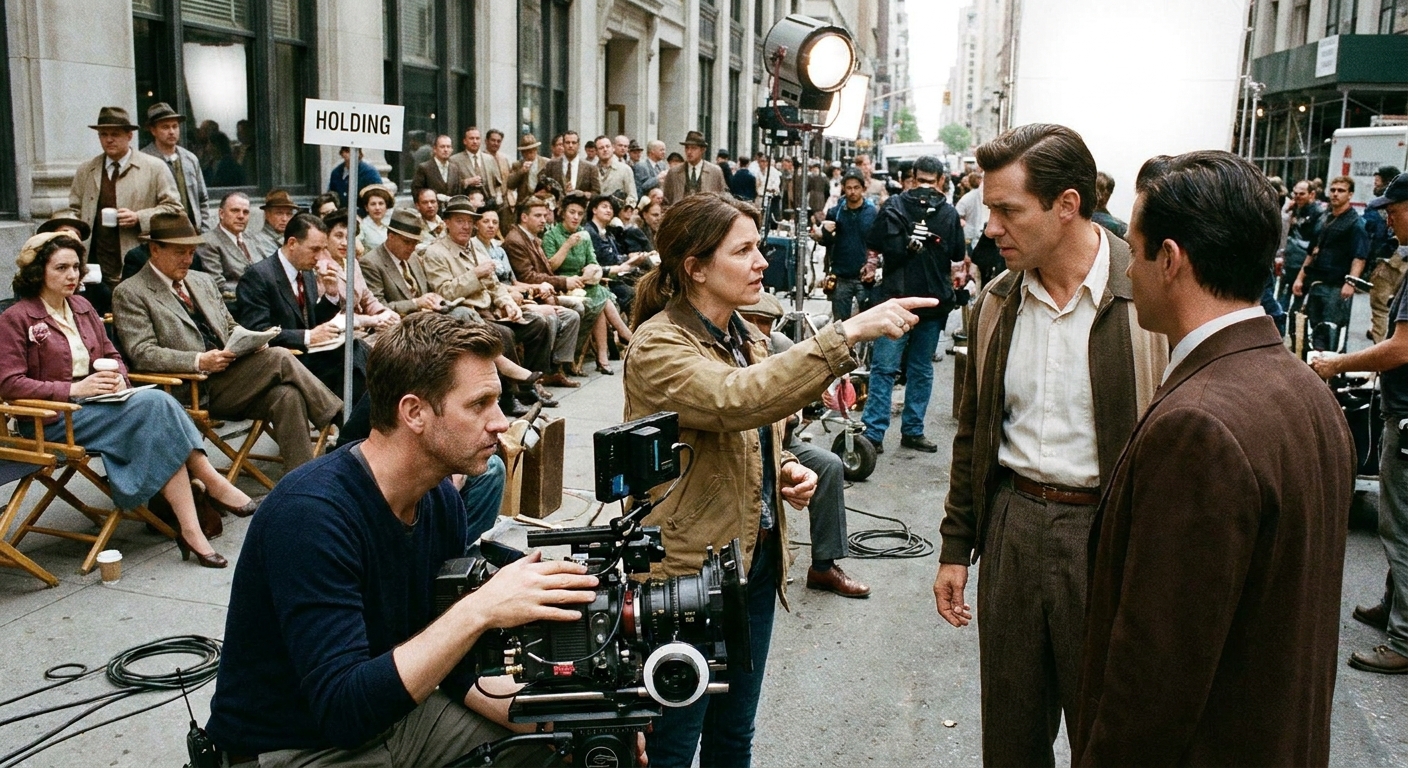
If you are working background, the first team / second team swap can feel like a sudden stop and start. Your job is not to decode every call. Your job is to be ready, consistent, and easy to direct. Here is what helps most.
Hold your position and stay quiet
When you hear “second team” being brought in, it often means the set is in a technical phase. If you are already placed in the background, freeze your business (your background action) unless you are told otherwise. Conversations, phone use, and wandering are the quickest ways to slow a setup and draw attention for the wrong reasons.
Do not “help” by offering to stand in
It can be tempting to volunteer, especially if you are near the action. But stand-ins are a specific assignment for the day, often chosen for matching and consistency. If production needs someone additional, they will ask the AD team, not the crowd.
Watch for AD cues, not actor movement
When first team arrives, there can be a flurry: wardrobe smoothing a jacket, makeup blotting shine, props resetting hands. Background should avoid mirroring that motion. Wait for the assistant director (AD) or a PA to reset you if your placement changes.
Protect continuity
If you were told to cross on a specific cue, sip from a cup at a certain moment, or face a particular direction, keep it consistent. The swap between teams is a clue that the shot is being locked. Continuity becomes increasingly important as you get closer to rolling.
Clear the lanes
Stand-ins and principals need a clean path to marks. If you are holding in a hallway, near a doorway, or along a dolly track, make sure you are not blocking movement. It is simple, but it is one of the most appreciated forms of set awareness.
Common mix-ups
Is second team the same as background?
Not usually. Second team typically means stand-ins for principals, not the background performers. Background is generally referred to as “background,” “BG,” or by groupings like “restaurant patrons” or “pedestrians.” On unusually large days or on certain crews, you may hear “second team” used in other ways, so if you are ever unsure, follow the AD’s direction rather than the vocabulary.
Are stand-ins the same as stunt doubles?
No. A stand-in is used for lighting and camera setup (and sometimes light blocking). A stunt double performs stunts in place of the actor. Both can be present on the same day, but they serve different functions.
Does “first team” ever include crew?
In standard on-set language, “first team” points to the principals. Crew may cluster around them for last looks or final checks, but the phrase itself is actor-focused.
Related set calls
Once you understand first team and second team, a few neighboring phrases click into place:
- “Back to one”: Reset to starting positions for another take.
- “Lock it up”: Stop movement and keep things quiet, often because sound is rolling, a take is imminent, or the AD team needs to control foot traffic through a location.
- “Flying in”: Lights, flags, or diffusion being brought into position overhead or into frame space.
- “Checking the gate”: A legacy film-camera call for checking the film gate for hairs or debris. You will still hear it on some crews out of habit, even though digital workflows more often say “check the camera” or “check playback.”
The takeaway
First team means the principal actors who will be on camera for the take. Second team usually means the stand-ins who step in while lighting and camera finalize the setup. The swap is a normal, efficient part of filmmaking, and for background performers it is a cue to stay calm, stay consistent, and follow AD direction as the scene moves from technical prep to performance.
And if you ever feel the set’s mood shift when first team steps in, you are not imagining it. That is the moment the machinery of production makes room for the thing we all came for: the story landing, in real time, on someone’s face.