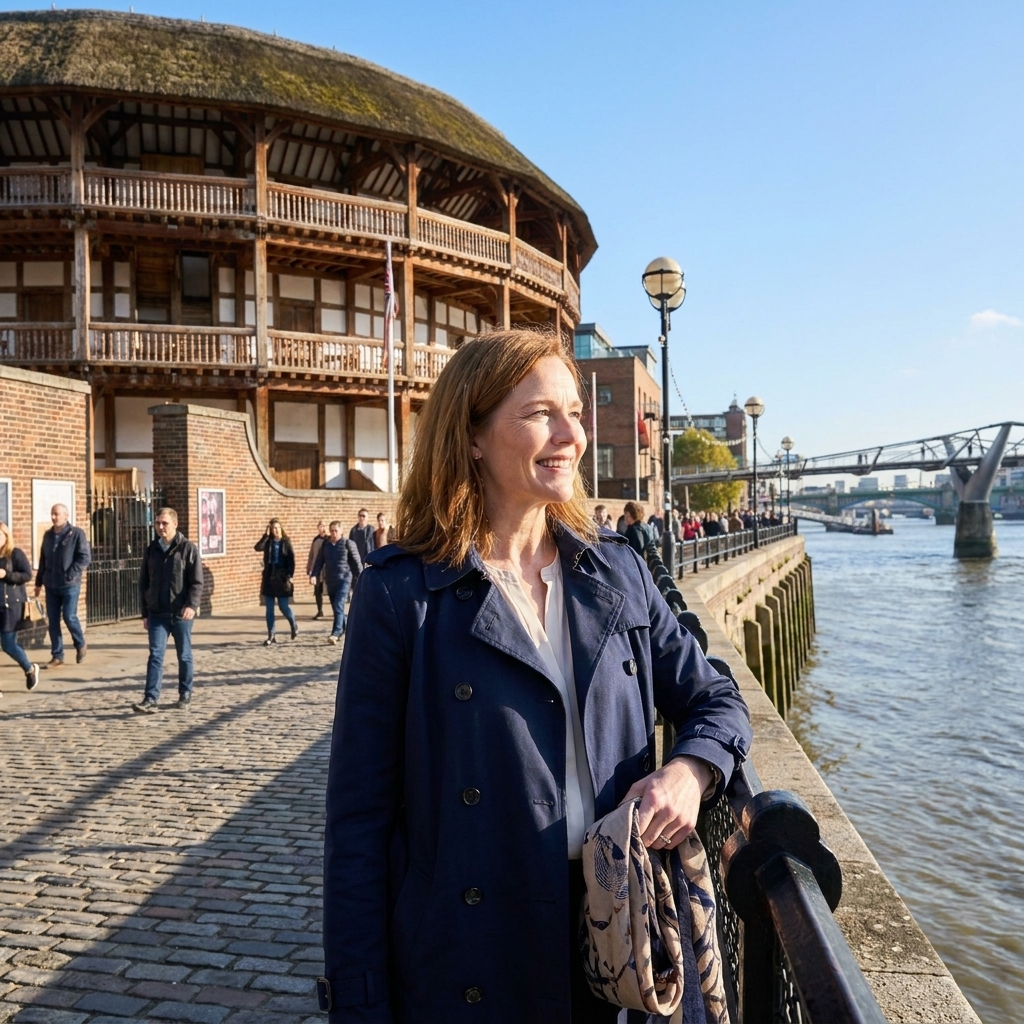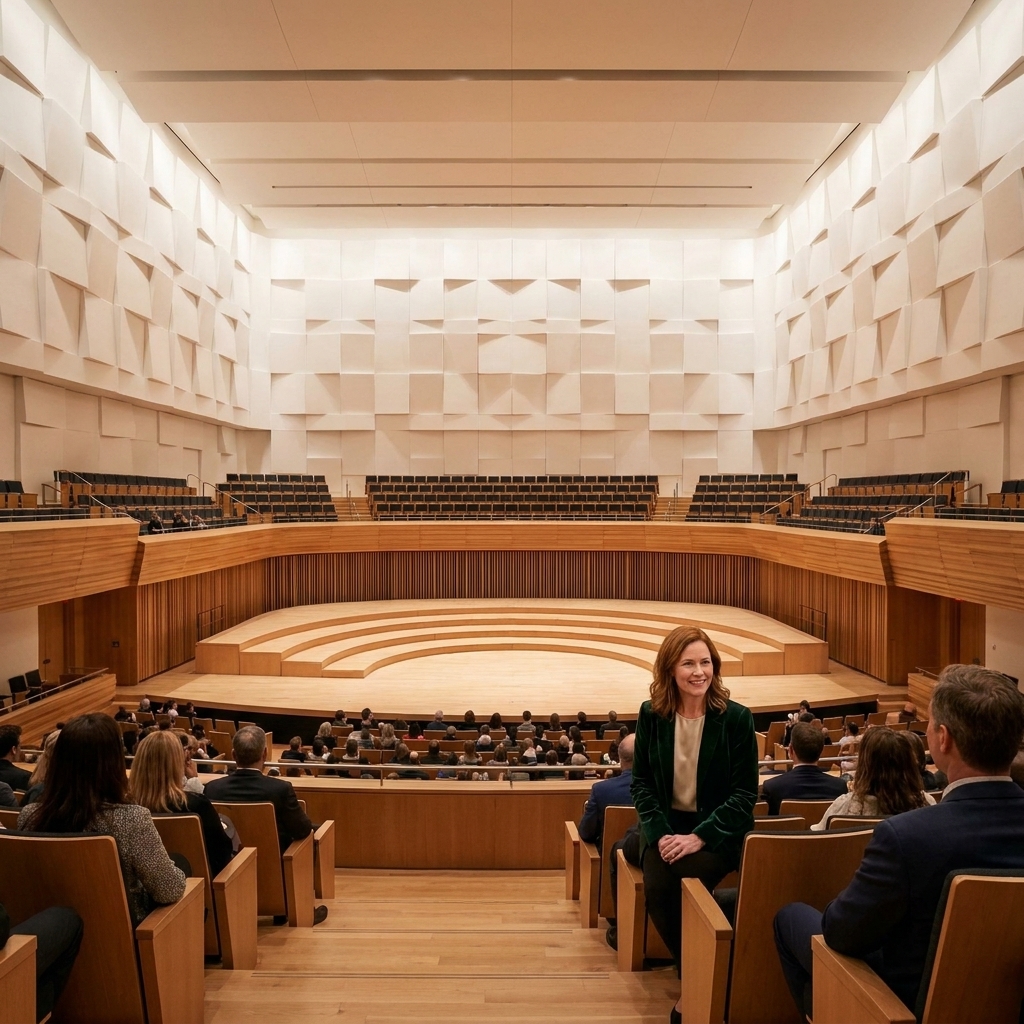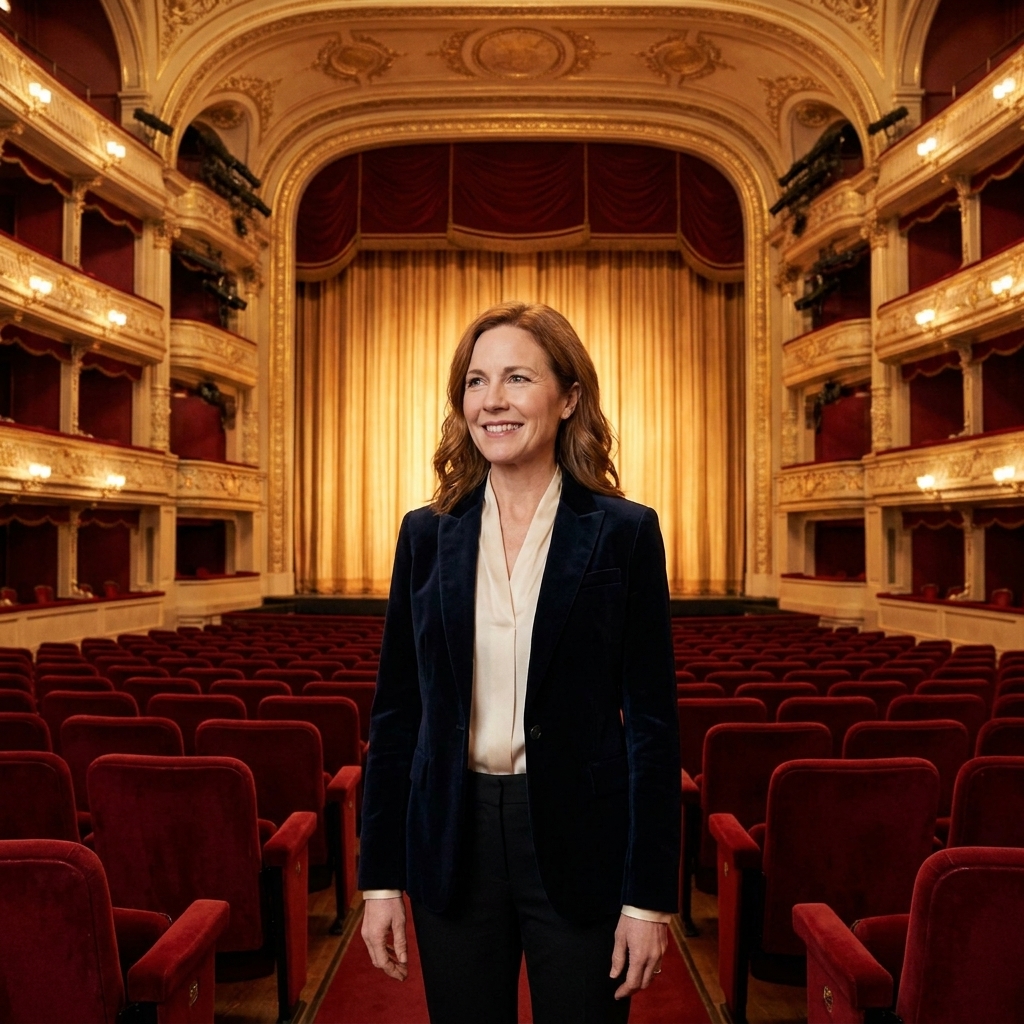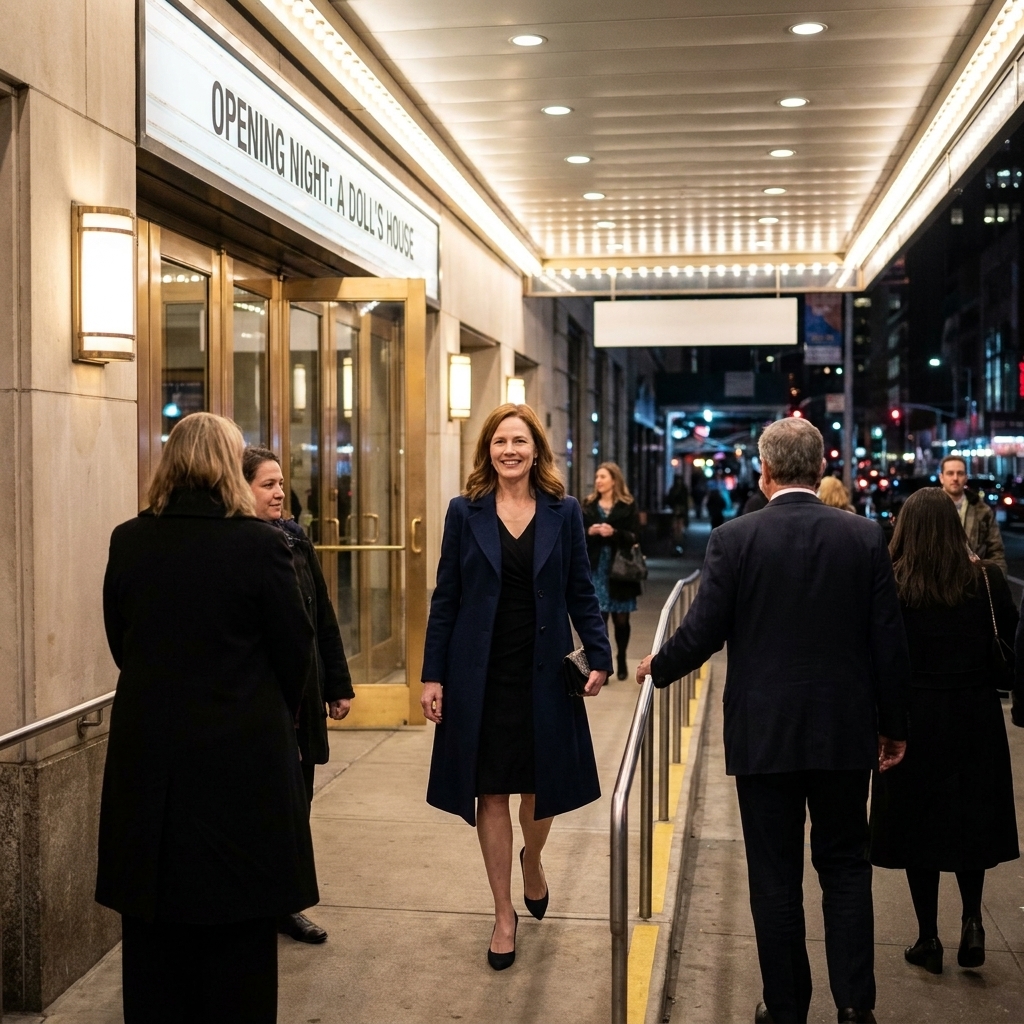
There are nights when Broadway is the show, and nights when the building is quietly acting right alongside it. The curve of a balcony, the hush of velvet, the way a chandelier makes everyone look a little more glamorous, even in a raincoat. Historic theatres do not just host performances. They remember them.
Below are ten landmark venues that deliver that extra jolt of time travel, anchored by Broadway staples and rounded out with grand touring palaces nationwide, plus one monumental modern room that earns its place by sheer American scale. For each, I’ve included what to notice architecturally and how to book seats that respect both your budget and your neck.
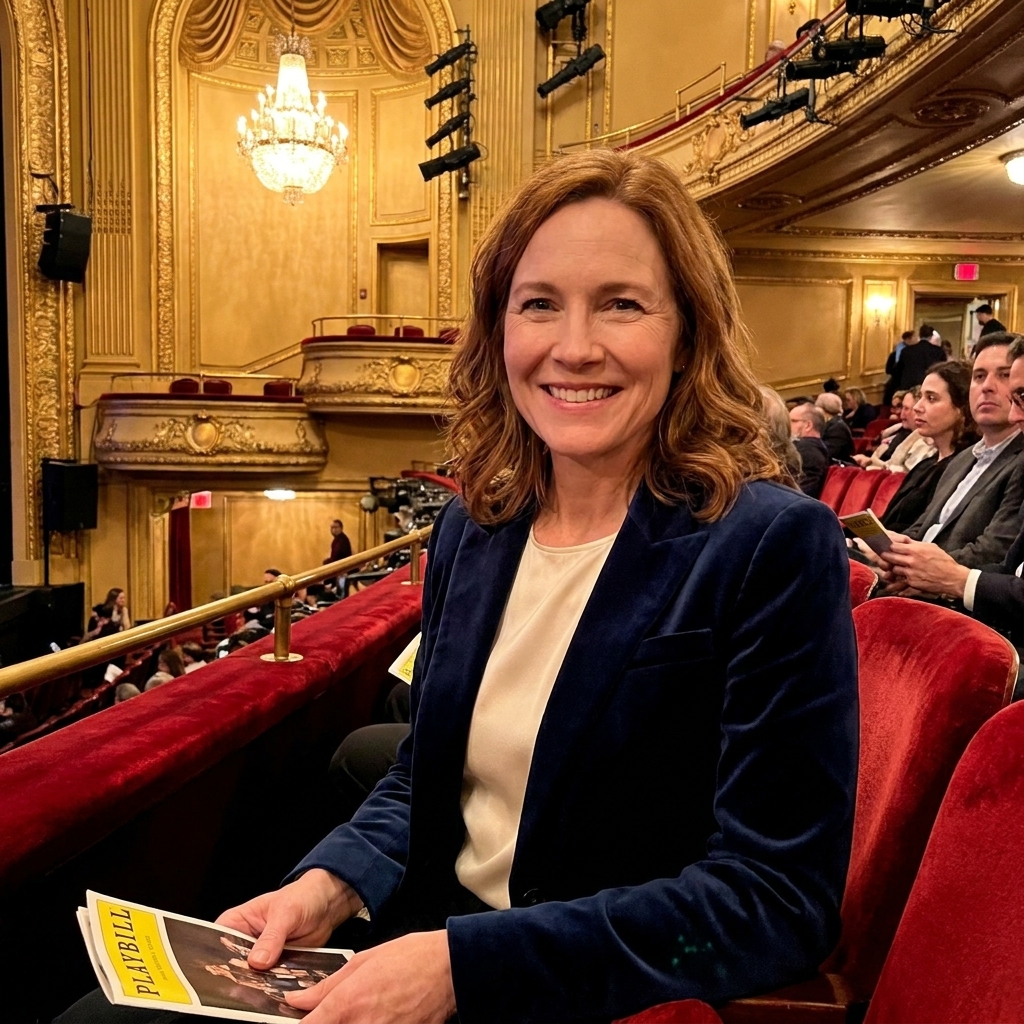
Before you book: seat strategy
- Balcony vs. mezzanine: In many historic houses, the front mezzanine is often the sweet spot for sightlines and sound. Balconies can be thrillingly steep, which is romantic until it is not.
- Avoid extreme sides for dance-heavy shows: Ornate boxes and far-left or far-right sections can clip choreography and visual effects.
- Check overhangs: Older theatres often have deep overhangs. If you love lighting design, avoid seats under a low ceiling where rigs and effects can disappear.
- Legroom is historical too: If you are tall, prioritize aisle seats or front rows of a section. Many pre-war houses were not designed for modern knees.
- Listen to the room: Big belting vocals often bloom in the orchestra and front mezzanine. Very close can be exhilarating, but sometimes you lose the blend.
- Use the right tools: Cross-check your pick on the venue’s seating chart and a crowd-sourced view site like A View From My Seat, especially for overhang notes and partial-view warnings.
- Accessibility matters: If stairs are a concern, look for ADA and elevator routes when you buy. For wheelchair and companion locations, it is worth calling the box office since historic houses vary widely.
1) New Amsterdam Theatre (NYC)
Why it’s historic: Opened in 1903, the New Amsterdam is one of Broadway’s crown jewels and a beloved survivor of Times Square’s many reinventions. It has lived multiple lives, including a legendary chapter tied to the Ziegfeld Follies.
Architecture to notice: Art Nouveau flourishes and floral ornament that feel alive rather than merely decorative. If you like receipts for your awe, note the original architects: Herts & Tallant. Look for the peacock-feather energy in the detailing, the kind of motif that makes the room feel mischievous.
Best for: Big Broadway musicals that benefit from a full-stage view and a strong sense of occasion.
Best-seat tip: Aim for front mezzanine center if you want the full picture. If you book orchestra, choose a few rows back rather than the very front so you can take in the proscenium details and any high staging.
2) Lyceum Theatre (NYC)
Why it’s historic: Open since 1903, the Lyceum is often cited as one of Broadway’s oldest continuously operating theatres, depending on how you define “continuous” across renovations and Broadway history’s messy edges. When you sit down, you are joining a century-plus line of first laughs, last gasps, and curtain-call standing ovations.
Architecture to notice: Beaux-Arts elegance that reads as refined rather than flashy, with an intimacy that makes dialogue-driven plays feel close enough to touch. Even the proportions feel hushed, like the building is helping you listen.
Best for: Straight plays and smaller-scale work where facial expressions matter as much as blocking.
Best-seat tip: For plays, prioritize center orchestra or front mezzanine. If you are choosing sides, pick closer to center to keep faces crisp and stage pictures clean.
3) Hudson Theatre (NYC)
Why it’s historic: The Hudson (1903) has a storied past that includes vaudeville and long stretches of reinvention. Its return to Broadway in 2017 felt like watching a grand old performer step back into the spotlight.
Architecture to notice: A restored, jewel-box glamour that makes you instinctively lower your voice. The boxes and proscenium have a layered, old-world richness, and the room has that rare quality of looking expensive without looking loud.
Best for: Prestige plays and limited-run events where intimacy and atmosphere are part of the ticket.
Best-seat tip: The room often rewards mid-orchestra for balance. If you go mezzanine, choose a row with a clean view line over the railing.
4) Majestic Theatre (NYC)
Why it’s historic: Opened in 1927, the Majestic is a large-scale classic, built for spectacle and capable of swallowing a blockbuster whole while still letting you feel every romantic swell.
Architecture to notice: Big Broadway opulence with a high, airy auditorium and a proscenium that reads like an announcement. Notice how the room seems to widen your peripheral vision, as if it was designed to make ensemble numbers feel inevitable.
Best for: Mega-musicals, big sets, big casts, big feelings.
Best-seat tip: For big musicals, choose front mezzanine center for the full stage picture. If you want to feel the orchestra (the musicians, and also the mood), orchestra center, mid rows is often the sweet spot.
5) Shubert Theatre (NYC)
Why it’s historic: The Shubert opened in 1913 and is intertwined with the Shubert Organization’s deep roots in Broadway history. It is one of those theatres where the lobby and the auditorium feel quietly authoritative, like they have seen everything and are not impressed easily.
Architecture to notice: A dignified, classic Broadway look with warm ornament and clean lines that keep the stage as the star. Pay attention to how the details frame rather than compete, the visual equivalent of excellent stage management.
Best for: A wide range of Broadway productions, especially when you want a classic, no-gimmicks theatre night.
Best-seat tip: Book mezzanine center for a confident, no-drama view. If you go orchestra, avoid far sides if the production uses wide staging or projections.
6) Chicago Theatre (Chicago)
Why it’s historic: Opened in 1921, the Chicago Theatre is a Midwestern palace of performance, famous for that marquee that makes even a Tuesday night feel like opening night.
Architecture to notice: Lavish French Baroque-inspired interiors, a soaring auditorium, and a chandelier moment that makes you want to arrive early and take the long way to your seat. And yes, the marquee outside is part of the ritual.
Best for: Concerts, comedy, and touring events that play beautifully in a big, glamorous room.
Best-seat tip: For concerts and touring productions, consider lower balcony or front mezzanine for a panoramic view. If you are sensitive to steep stairs, confirm accessibility routes ahead of time because older palaces can be a workout.
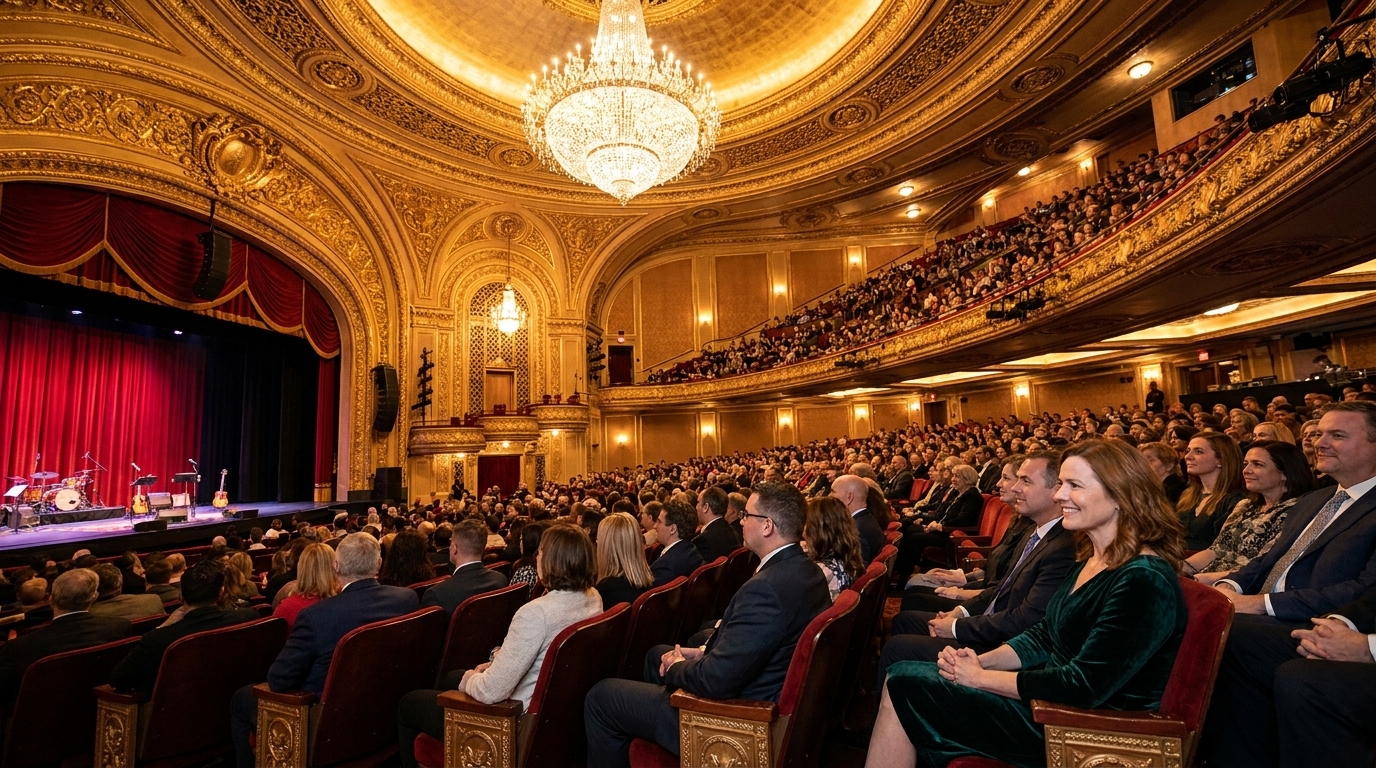
7) Orpheum Theatre (San Francisco)
Why it’s historic: The Orpheum opened in 1926 and remains a major stop for touring Broadway. If you want the energy of a big-city theatre night without the Times Square sprint, this is a classic.
Architecture to notice: Palace-era grandeur with a deep, dramatic auditorium and a proscenium that reads as pure occasion. The scale is generous, and the room has that satisfying feeling of being designed for applause.
Best for: Touring Broadway musicals, especially splashy productions that want a big frame.
Best-seat tip: For touring musicals, pick front mezzanine if available. In large houses, sitting too close can turn the stage into a series of visual close-ups when you actually want the wide shot.
8) Fox Theatre (Atlanta)
Why it’s historic: Opened in 1929, Atlanta’s Fox is a beloved fantasia of design and one of the most distinctive historic theatres in the country.
Architecture to notice: Exotic Revival, atmospheric theater magic that makes the auditorium feel like a destination all on its own. Take a moment to look up. The ceiling is a whole experience, and the room leans into romance without apology.
Best for: Touring Broadway, special events, and concerts where the venue is part of the story.
Best-seat tip: Choose orchestra center for immersion, or front balcony or mezzanine center for a full appreciation of staging and the room’s visual spell.
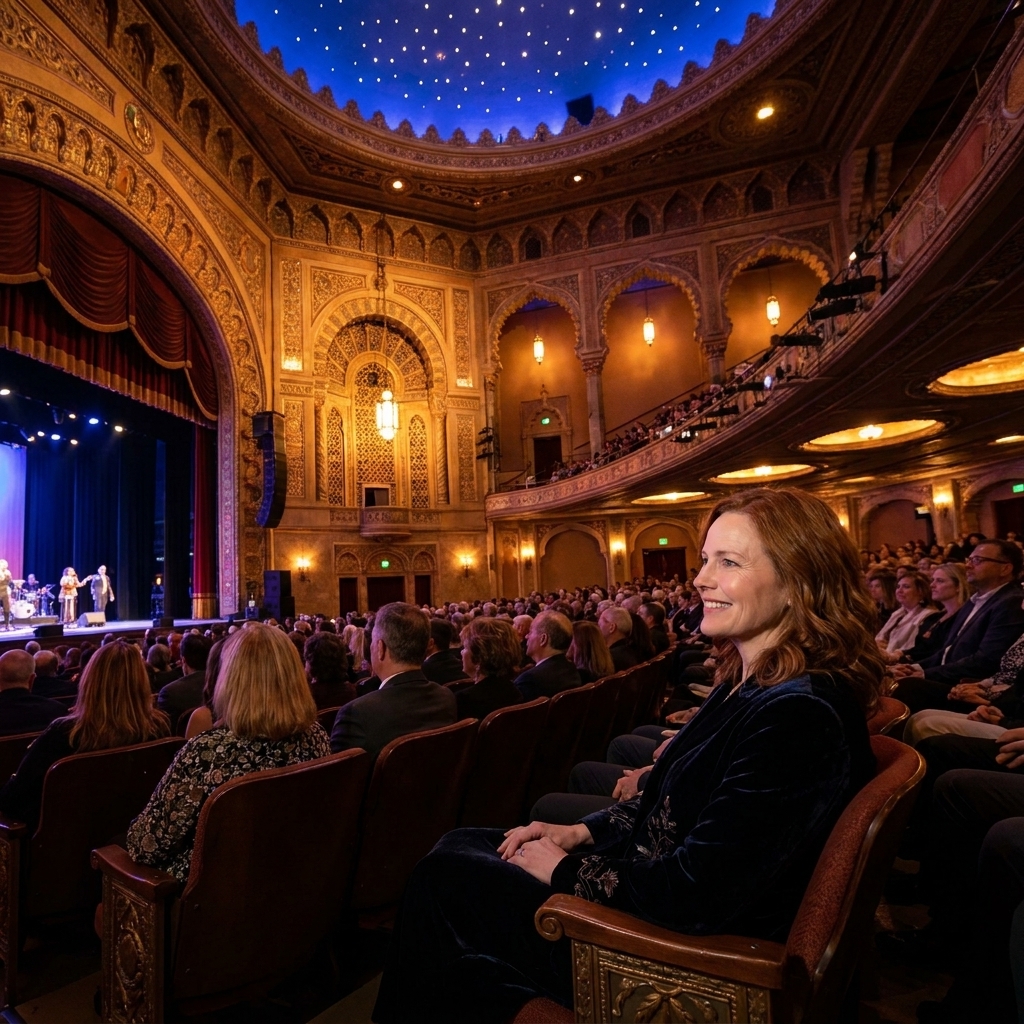
9) Fabulous Fox Theatre (St. Louis)
Why it’s historic: Opened in 1929, St. Louis’s Fox is another palace-era stunner, an anchor for touring Broadway and a love letter to maximalism.
Architecture to notice: Dramatic ornamentation, saturated color, and a scale that makes the crowd feel like part of the show. Look for the layered, almost cinematic richness, the kind of design that refuses to fade politely into the background.
Best for: Touring Broadway and big crowd-pleasers with large sets and strong visual storytelling.
Best-seat tip: For touring shows with big sets, go for mid-orchestra or front mezzanine. If you sit under an overhang, confirm that you still have a clean view of projections or any upper-level staging.
10) Kennedy Center Opera House (DC)
Why it’s historic: The Opera House at the Kennedy Center opened in 1971, which makes it the chronological outlier here and, honestly, part of the point. While it is not a palace-era theatre, it is one of the great American stages for musical theatre, opera, and ballet, and a key stop for major productions and gala-level performances.
Architecture to notice: Monumental, formal, and luminous, with a modern sense of ceremony that contrasts beautifully with the gilded intimacy of the earlier houses on this list. The scale is the signature, and so is the feeling that you have dressed up for something that matters.
Best for: Ballet, opera, and large-scale works where clean geometry and sound matter.
Best-seat tip: For dance and large-scale works, front mezzanine often provides the cleanest geometry. If you are an acoustics lover, aim for center sections rather than far sides.
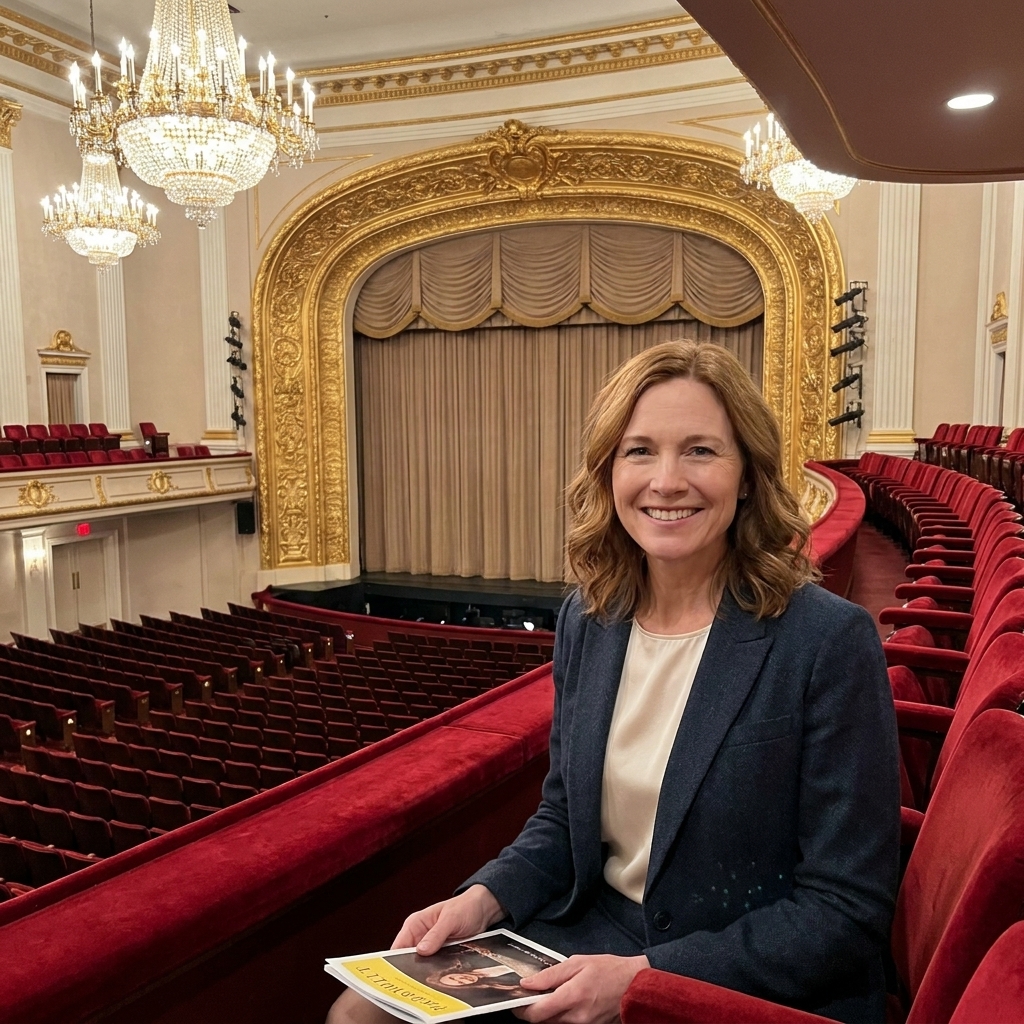
Make it a full night
- Arrive early on purpose: Give yourself 20 minutes to look up, read the plaques, and clock the details you would miss in a sprint.
- Ask an usher what to notice: The best ones will tell you where the original murals are, which staircase is the stunner, or what was restored.
- Pack a light layer: Older theatres can swing warm or cool depending on the season and balcony height.
- Choose your seat for the show’s shape: Dance, projections, and big ensemble staging generally prefer centered sightlines. Intimate plays can handle a little angle.
The secret is to treat the theatre like part of the cast. You are not just going to a performance. You are stepping into a place built to hold collective breath.
FAQ
Are the “best seats” always the most expensive?
No. In many historic theatres, front mezzanine center can often be a better overall experience than very close orchestra seats, especially for shows with wide staging or visual effects.
What should I avoid in older venues?
Seats with partial views, extreme side angles, and spots under a deep overhang if you care about lighting and projections. Also, be realistic about stairs and legroom, and call ahead if you need step-free routes or specific wheelchair locations.
What feels most “classic Broadway”?
If you want that old-school Broadway pulse, prioritize the early-1900s houses in Midtown Manhattan. If you want the same grandeur in a touring context, the great 1920s palaces in Chicago, Atlanta, St. Louis, and San Francisco deliver it in full color.